Arrival at Luang Prabang Airport: Got my visa on the spot in under 5 minutes, but it cost me $40 + $1 for some "processing fee" and a photo.
First ATM withdrawal of the maximum allowed—about 82 €! Luckily, I had euros on me because each withdrawal comes with a fixed fee of 30,000 kips (like in Thailand, where it’s 200 baht per withdrawal, but here you can take out up to 800 €!).
Then I took the airport taxi service for 100,000 kips per person. It’s a minivan that drops passengers (8–10) at their hotels. The ticket booth is right at the exit—easy to spot with a sign that says "Taxi Service."
I left Luang Prabang for Nong Khiaw by minivan, paying 180,000 kips. A big tuk-tuk taxi picked us up at the hotel at 8:40 AM, and we picked up more people along the way until we reached a small minivan station. Our "minivan" was *very* mini—we still managed to squeeze in 12 people, with 2 up front + the driver, even though there wasn’t really space for 2 full seats—more like 1.5!
Luggage was strapped to the roof under a tarp for the trip. Scheduled to leave at 9 AM, we finally took off at 9:30. The ride took 4 hours and 15 minutes from station to station—roads were rough, sometimes unpaved, and always full of potholes. This route is mostly used by trucks registered in China. We passed the dam that now blocks boat traffic between Luang Prabang and Nong Khiaw.
About 40 km from Nong Khiaw, we turned off the main road onto a smaller one, less crowded with trucks but still rough.
At the Nong Khiaw bus station, a shared taxi was waiting to drop everyone off at their hotels. I walked to mine—the Nam Ou View Villa, about 600 meters from the station. Nice room with a great view of the river.
Nong Khiaw is easy to explore on foot. One unpaved road runs along the river, lined with hotels and restaurants with terraces, while a parallel paved road has little traffic and all the shops. I loved the vibe and tranquility of the town. There are plenty of guesthouses, especially on the other side of the bridge. Restaurants everywhere, all in a calm atmosphere.
I hiked up to the highest viewpoint—there are several. The climb is supposed to take 1.5 hours, but it took me 2. Time to enjoy the nature and catch my breath! No real difficulty, just a *lot* of uphill. There’s a small toll at the start of the climb—I don’t remember the exact amount, but it wasn’t expensive. The view at the top is stunning—360°! Mornings are cloudy, midday is usually clear, and evenings are all about the sunset ☀️. The descent was tougher for me—guaranteed sore muscles!
I also walked along the Nam Ou toward Muang Ngoi. The road is quiet and unpaved but often narrow with no views. Small villages along the way. In town, you can rent canoes, and agencies offer day trips or multi-day excursions. There are shops, a bank, and 2 ATMs.
Departure for Muang Ngoi—a village only accessible by private or public boat. I took the 11:30 AM public boat (sold as 11 AM) for 70,000 kips. There were so many of us that two boats were needed, and we were still packed in! We left 40 minutes late because the ticket collector didn’t check anything, and one ticket was missing. Of course, everyone insisted they’d paid—which was probably true, given the general disorganization. The trip took 1 hour and 5 minutes, going upstream against the current. Gorgeous.
Arriving at Muang Ngoi’s tiny dock, hotel owners were waiting for their guests or offering rooms to those without reservations. I’d booked the Riverview Bungalows & GH. The room was a bit worn but comfortable, and the view was amazing!
Muang Ngoi has ONE recently paved main street—all other paths are red dirt and dusty, perfect for unguided day hikes. I *loved* this village. People live their lives without worrying much about tourists, who aren’t too numerous yet. There’s no bank or ATM, and dollars are accepted (even preferred) for transport and hotels. Watch the condition of your bills—the hotelier refused one with a tiny stain I hadn’t even noticed! There are travel agencies for excursions, small shops...
I often ate at Gecko (Western food, I admit) and across the street at Vita, which serves a delicious local dish called *Suzy*—a curry-like specialty. From Muang Ngoi, there are plenty of easy hikes. The trails are simple to find and follow, except for those crossing rice fields. Maps.Me helped me stay on track.
If you don’t want to walk, there are very local transport options: modified tractors with platforms for passengers and luggage. I took an excursion to Sopchem, a small village 40 minutes away by boat. I paid $20 round-trip for two people on a private boat. The ride was stunning—the river cuts through mountains in this section. Sopchem is tiny but charming, especially for buying textiles. Every house has a loom out front and a display selling their work. I bought two scarves for 60,000 kips each without bargaining—it seemed like a steal. Back in Luang Prabang, I saw the same scarves in a fancy boutique for 55,000 kips each—9 or 10 times the price!!!!
I also tried the village laundry service—everywhere lists the price as 25,000 kips per kilo. I picked the closest one to my hotel and watched from my balcony as the woman washed my clothes in the river, then hung them on her fence all day in the dust! Turns out only hotels have washing machines. Better to postpone laundry or do it yourself—my clothes didn’t smell great afterward!
For the return to Luang Prabang, I splurged on a private transfer. An agency at the dock arranged it for $100. I took the public boat to Nong Khiaw, where a driver was waiting. His vehicle was a pickup truck, and the trip took 4 hours total to my hotel in the city center. I recommend this agency (Lattanavongsa Tour Adventure)—very professional. They also run a hotel (same name) that looked nice from the outside, though not riverfront.
In Luang Prabang, I did the Mekong sunset cruise. Departed at 4:30 PM with Sasa Sunset Cruise for 245,000 kips, including one drink and spring rolls. I was lucky to see a beautiful sunset—I don’t regret it.
I also visited the tiny Traditional Arts and Ethnology Centre—very interesting for learning about Laos’ ethnic groups and textile traditions, but *very* small.
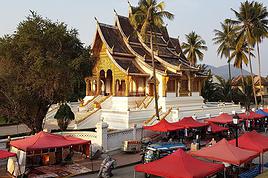
Of course, I visited the temples and wandered the alleys to admire the stunning houses.
The sunset at Mount Phousi was nice, but *so* crowded!
The night market is fun but not super interesting—vendors sell pretty much the same things you’ll find in daytime shops at the same prices. There are two food courts, one huge at the end of the market. I love the concept, but the quality of the stalls is debatable.
Luang Prabang
The morning alms-giving ceremony for monks is called *Tak Bat*. This ritual has turned into a circus for Chinese tourists. I’d visited Luang Prabang 15 years ago and didn’t find the same serenity in the ceremony.
In Luang Prabang, I exchanged euros at BFL BRED Bank (recommended in the *Routard* guide). Good rates and a smooth transaction. The employee spoke excellent French and offered me deals on the Sasa sunset cruise (with dinner) and a taxi to the airport. I took her up on the taxi—it was much cheaper. She explained that she works evenings at Sasa Sunset Cruise and the taxi driver is her husband.
Hope this gives you some practical tips for your next trip!
Original post
ma vie est mon voyage

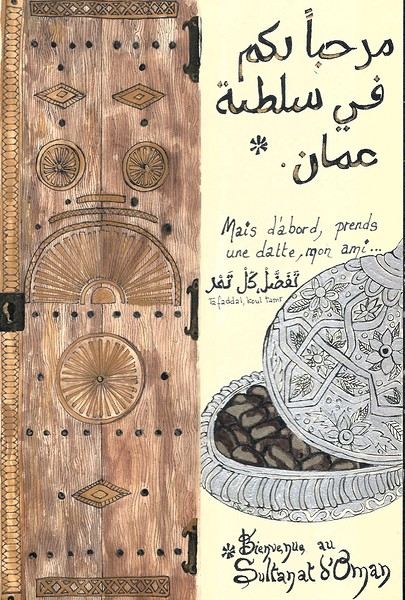 On the right, the "welcome marker"—those dates offered everywhere as a sign of hospitality. On the left, a tribute to those stunning doors worn by time, admired all over the old quarters, including the abandoned ones.
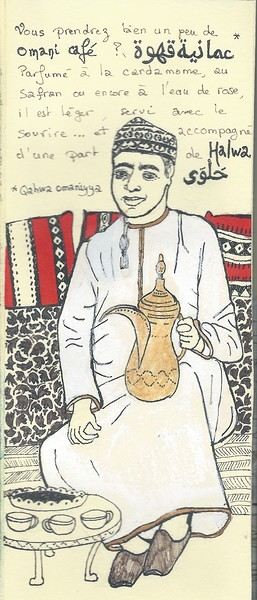 Hospitality will often lead you to accept a small coffee, an "Omani coffee," very light, subtly flavored with cardamom, maybe a touch of saffron, and occasionally rosewater.
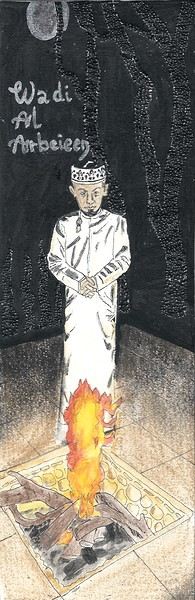
Here, I’ve depicted a man in the common everyday attire of Omanis: the dishdasha, mostly white (during the week and daytime; colors are more common in the evening or on Fridays and Saturdays). While you’ll see some men dressed in Western clothes, they’re very few. The white dishdasha is truly the shared attire of all men. The dishdasha, which has no hood, is distinguished by a small pom-pom attached to the collar, the furakha, which is soaked in perfume. And believe me, Omanis go overboard with it! "It smells like the pom-pom" is an expression that’s now part of our shared language, my husband and I.
Another must of men’s attire is the kuma, a small round head covering, usually white with brightly colored patterns. The keffiyeh is also worn (but without the cord called an agal in Arab countries), and it’s mostly worn by those with roots in the desert, from what I understood.
And what about the women, you might ask? Some are veiled, some in full black (but not a burka—more like a chador + abaya), due to the influence of Saudi Arabia and the United Arab Emirates, whereas the traditional outfit used to be a layering of very colorful dresses. Most of the women we saw wore neutral clothing, a plain veil over their hair, but with their faces uncovered. We also saw many saris and colorful veils—don’t forget that 40% of the population consists of Indian, Nepalese, and Bangladeshi immigrants, who work a lot in tourism, hospitality, restaurants, services, and construction.
Just to clarify, as a tourist, there’s no pressure to wear a veil, and never any disapproving looks. Of course, you’ll save the mini shorts, plunging necklines, bare shoulders, and midriffs for the hotel terrace—but I’d say that’s the same for men and women, and with the sun being strong, it’s better for your skin too.
Here’s the introduction! In the next post, I’ll tell you about my itinerary, and we can dive in!
Hospitality will often lead you to accept a small coffee, an "Omani coffee," very light, subtly flavored with cardamom, maybe a touch of saffron, and occasionally rosewater.
Here, I’ve depicted a man in the common everyday attire of Omanis: the dishdasha, mostly white (during the week and daytime; colors are more common in the evening or on Fridays and Saturdays). While you’ll see some men dressed in Western clothes, they’re very few. The white dishdasha is truly the shared attire of all men. The dishdasha, which has no hood, is distinguished by a small pom-pom attached to the collar, the furakha, which is soaked in perfume. And believe me, Omanis go overboard with it! "It smells like the pom-pom" is an expression that’s now part of our shared language, my husband and I.
Another must of men’s attire is the kuma, a small round head covering, usually white with brightly colored patterns. The keffiyeh is also worn (but without the cord called an agal in Arab countries), and it’s mostly worn by those with roots in the desert, from what I understood.
And what about the women, you might ask? Some are veiled, some in full black (but not a burka—more like a chador + abaya), due to the influence of Saudi Arabia and the United Arab Emirates, whereas the traditional outfit used to be a layering of very colorful dresses. Most of the women we saw wore neutral clothing, a plain veil over their hair, but with their faces uncovered. We also saw many saris and colorful veils—don’t forget that 40% of the population consists of Indian, Nepalese, and Bangladeshi immigrants, who work a lot in tourism, hospitality, restaurants, services, and construction.
Just to clarify, as a tourist, there’s no pressure to wear a veil, and never any disapproving looks. Of course, you’ll save the mini shorts, plunging necklines, bare shoulders, and midriffs for the hotel terrace—but I’d say that’s the same for men and women, and with the sun being strong, it’s better for your skin too.
Here’s the introduction! In the next post, I’ll tell you about my itinerary, and we can dive in!
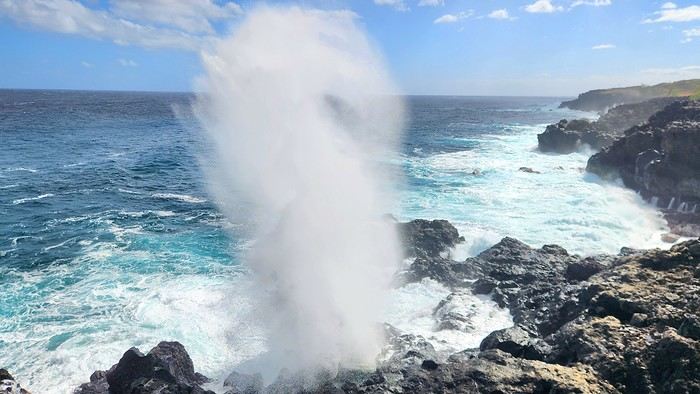
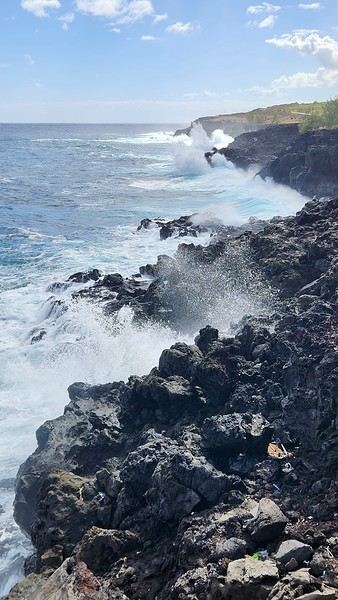
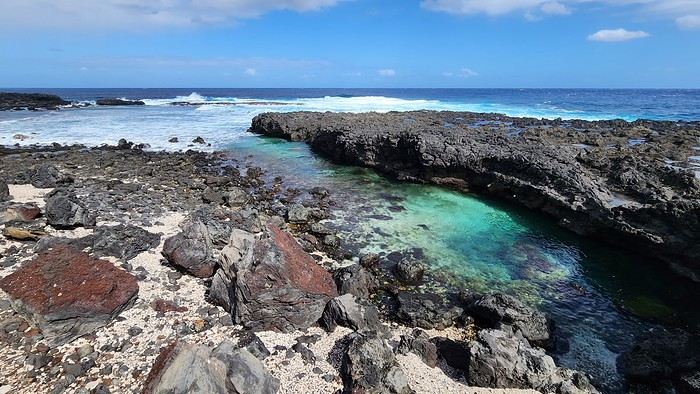
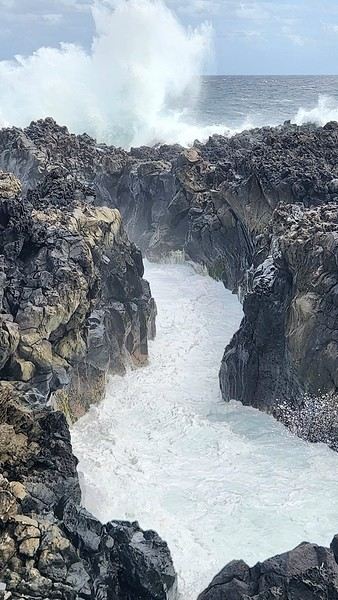


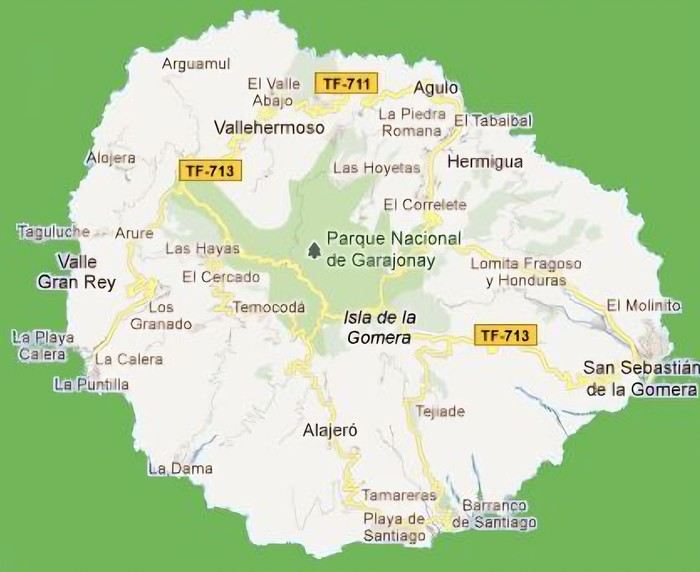 The large solidified magma massifs that shape the heart of the island have created a large depression more protected from the sun at its center, allowing the growth of a vast laurel forest, today grouped within the Garajonay National Park, La Gomera’s green lung, which has earned it the status of a World Biosphere Reserve. Its completely European appearance contrasts sharply with the rocky and tropical landscapes of the rest of the island. Thus, the climate varies greatly from one point to another on the island: in summer, you can quickly go from a dry and sunny valley at 35°C to a humid forest area at altitude at 18°C.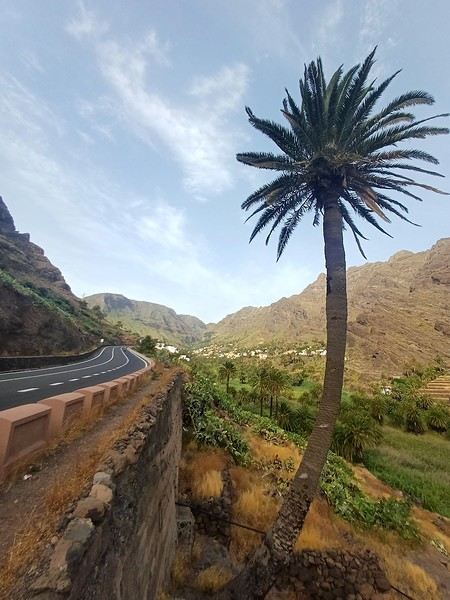

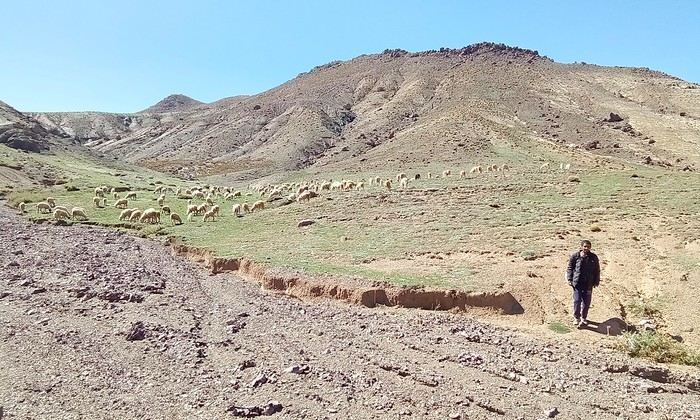
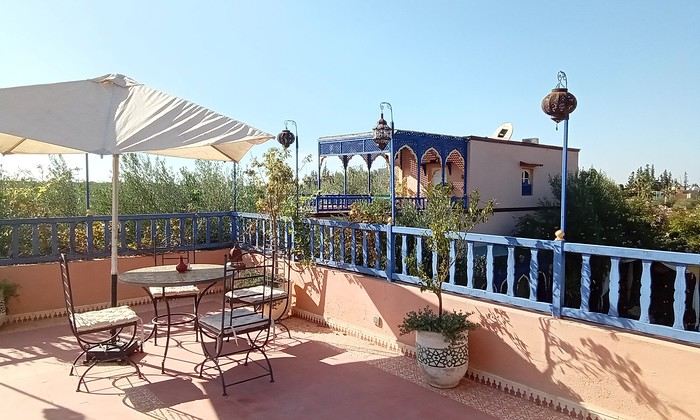
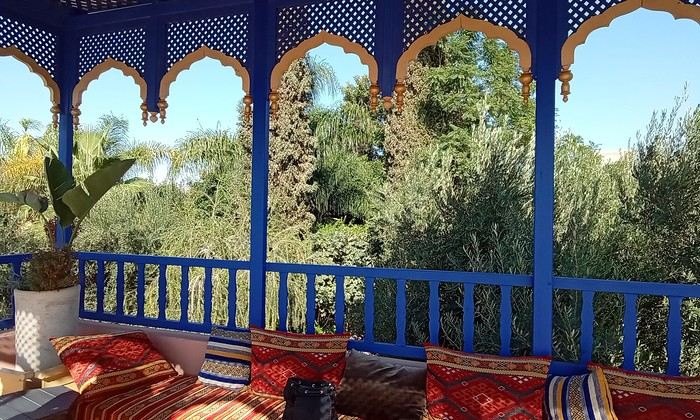 Last October, we landed in Marrakech to spend a few days with family exploring Morocco’s roads.
Transport: a rented Dacia.
Accommodations: small guesthouses.
Last October, we landed in Marrakech to spend a few days with family exploring Morocco’s roads.
Transport: a rented Dacia.
Accommodations: small guesthouses.
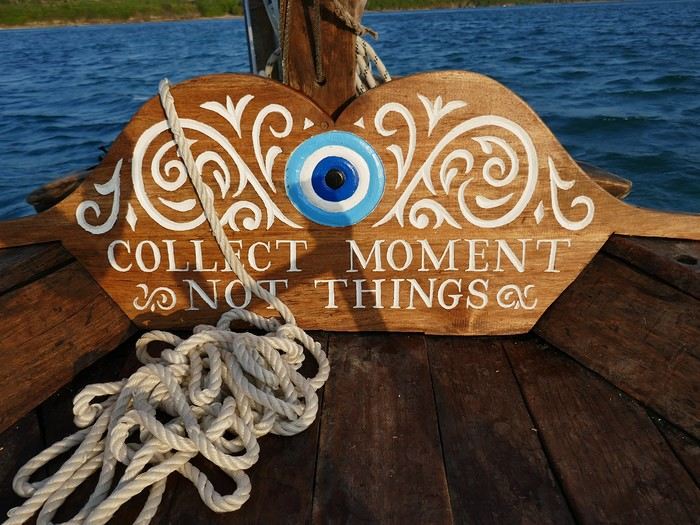
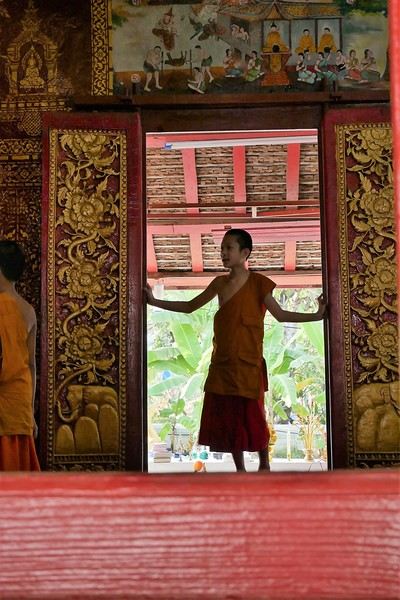 Come along, I'm taking you to this country where it's so nice to wander and slow down...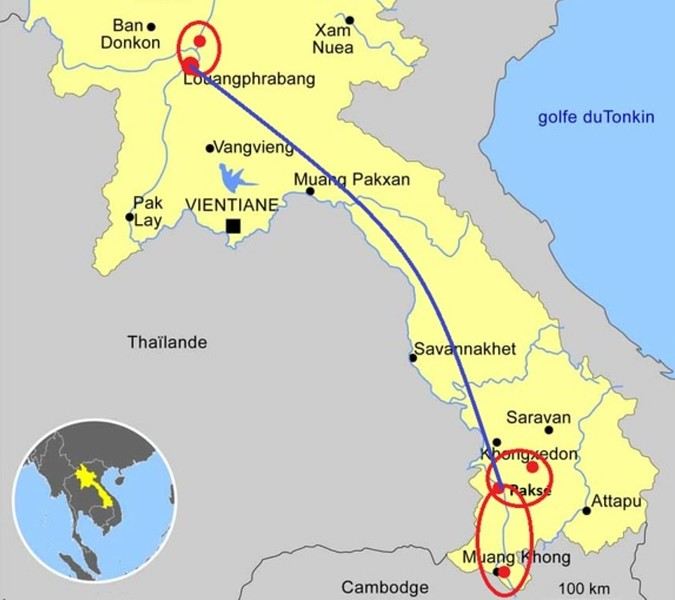
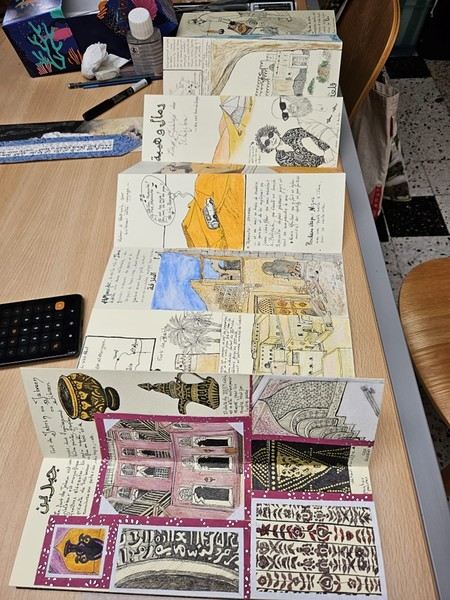
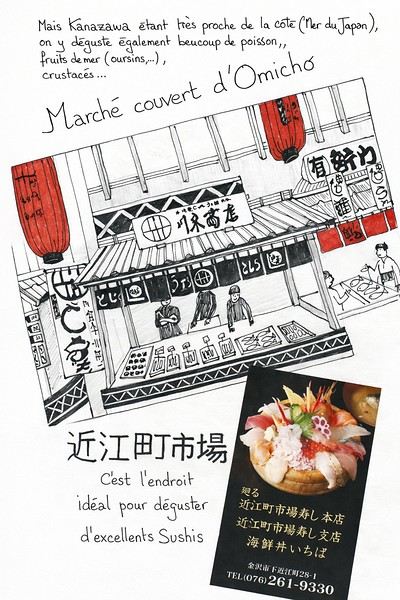
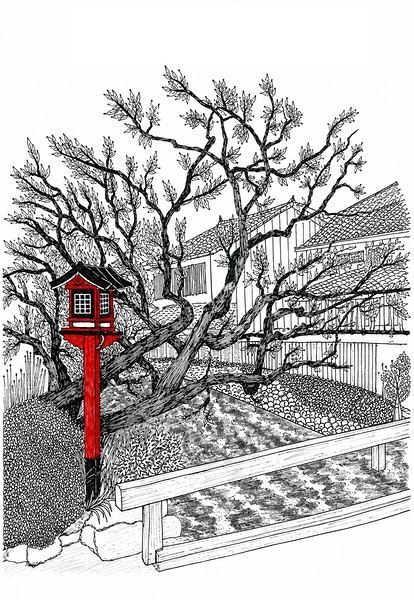 I’m inviting you on a stroll through my drawings—a completely subjective, far from exhaustive, and totally personal take, since it’s based on my own sketches. I put this travel journal together after returning in late 2024, mostly using felt-tip pens and pencils, with a few collages thrown in. I worked from our personal photos.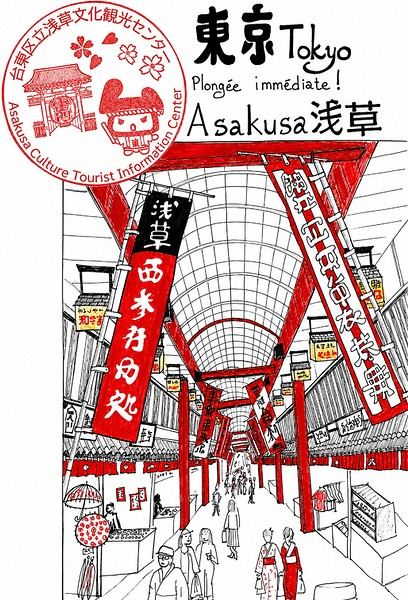
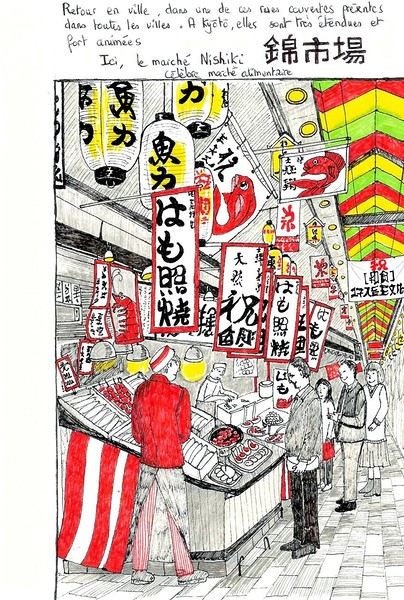
 And in Kyoto, Nishiki Market:
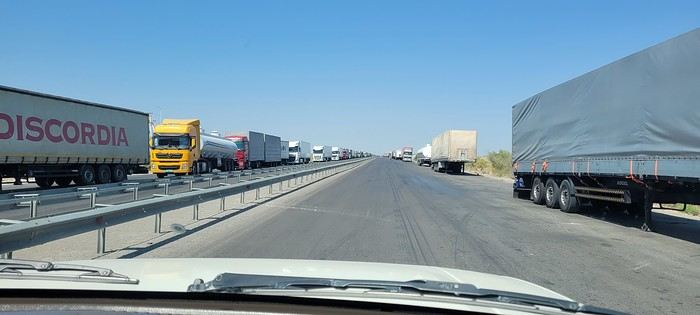
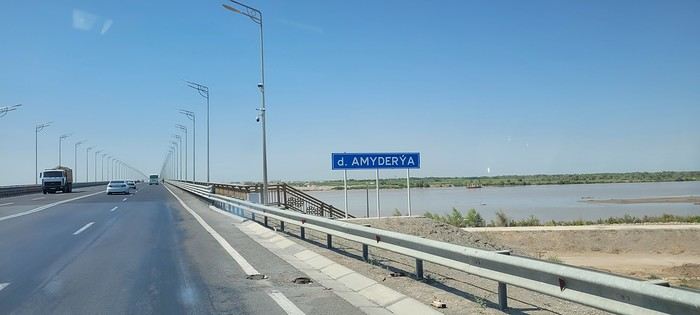
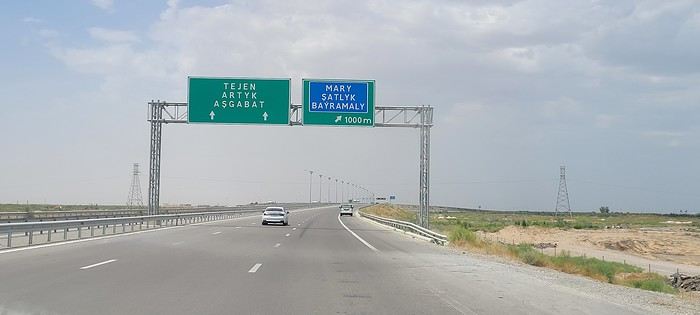
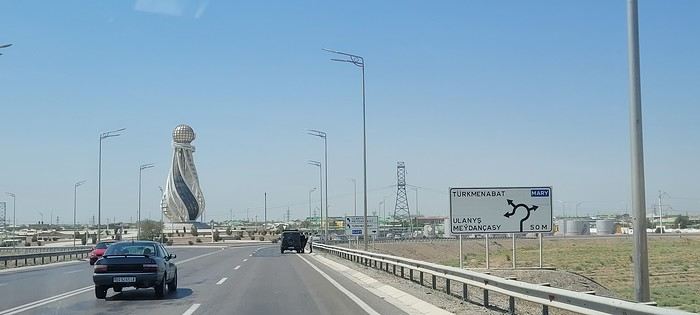
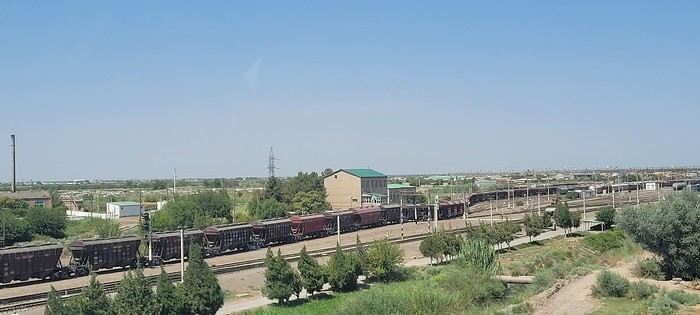
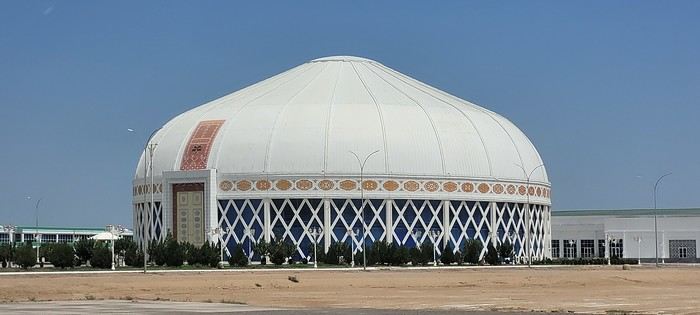
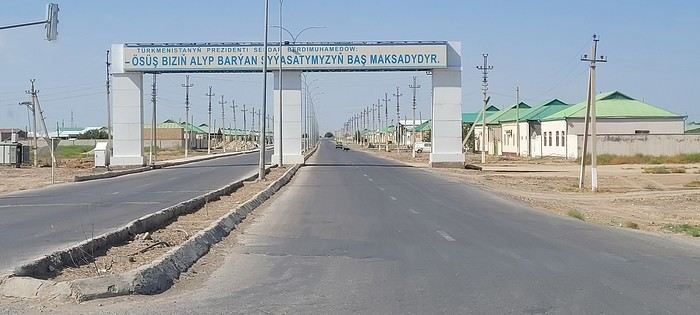
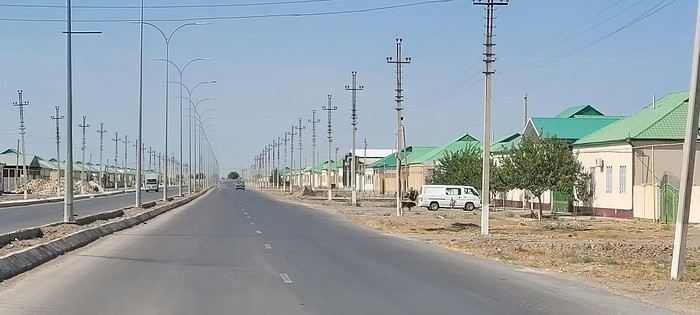 Roundabouts are particularly interesting because they feature emblems of Turkmen culture, like the dog, a carpet, the Ahal Teke horse, or Muslim symbols, even though the presence of Islamic artifacts is quite limited.
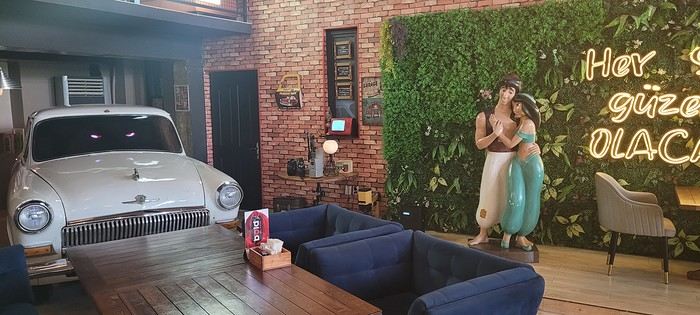

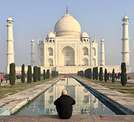
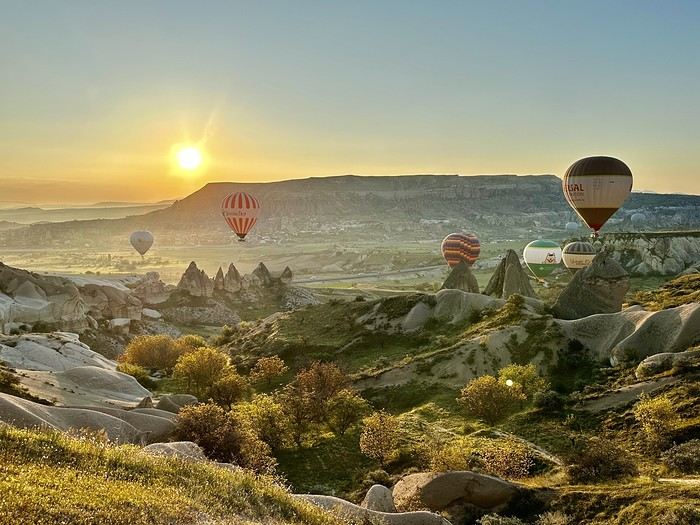 A little sneak peek?

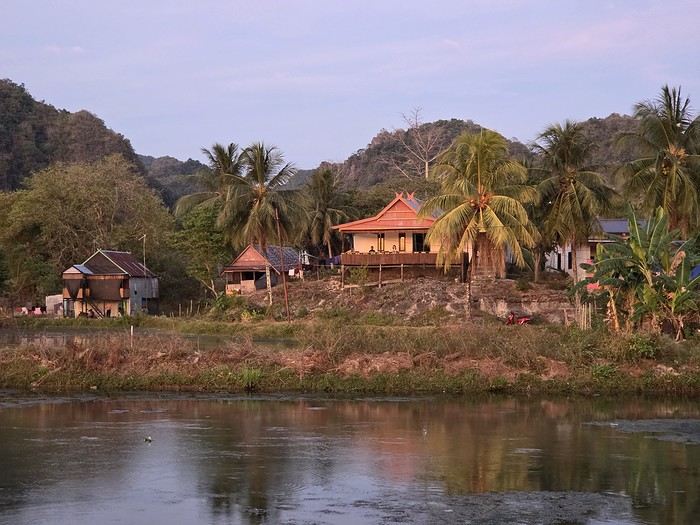
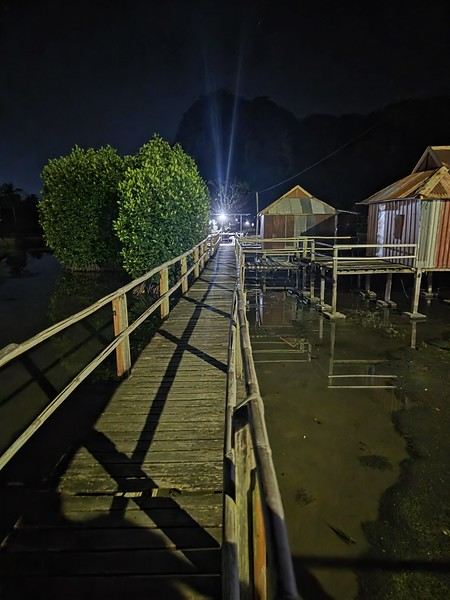
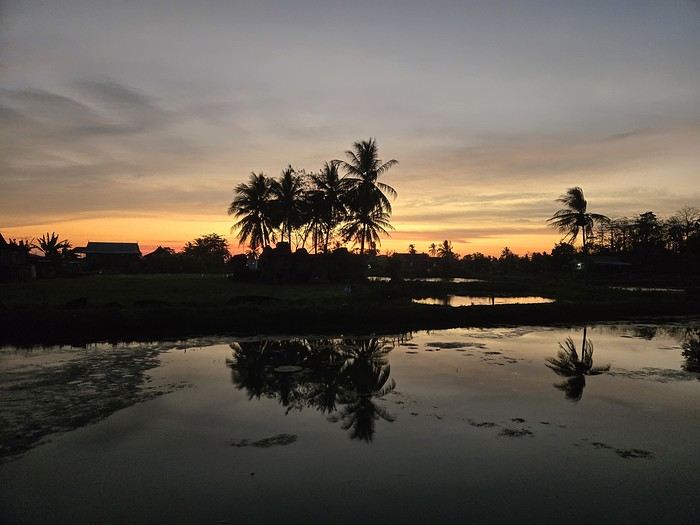
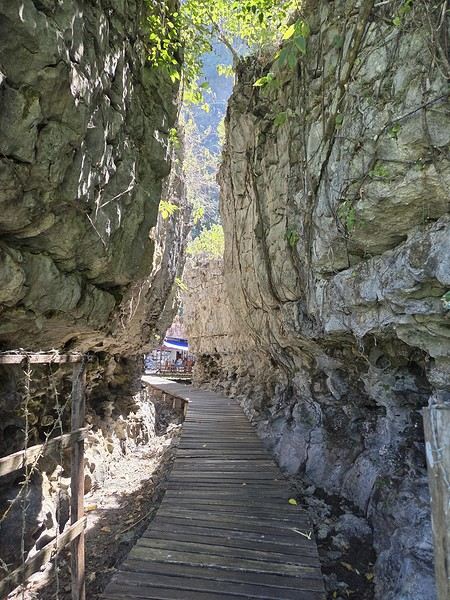
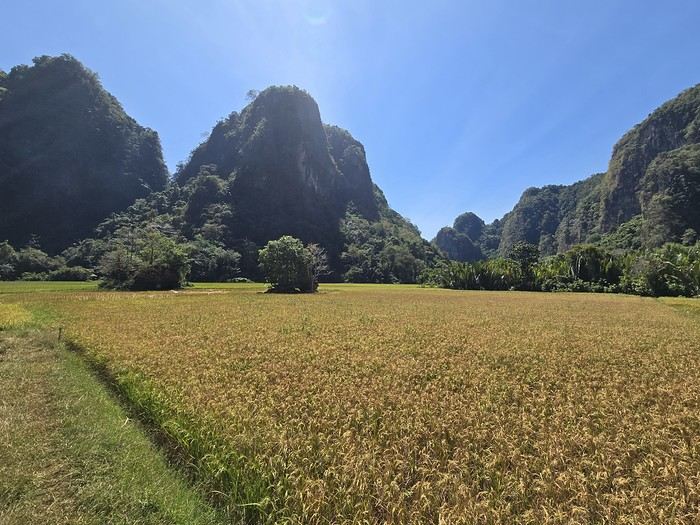
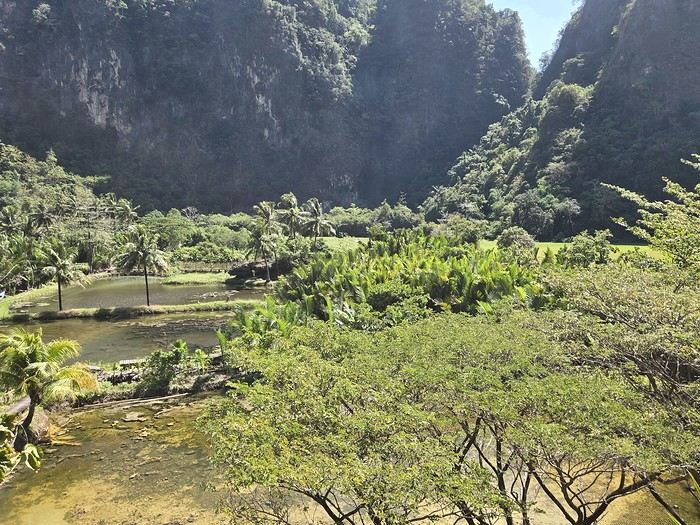
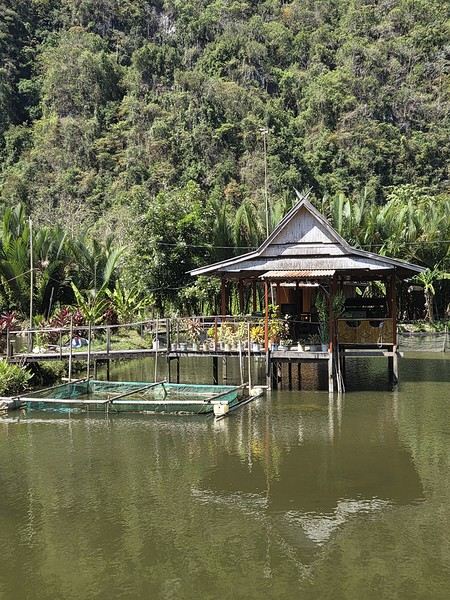
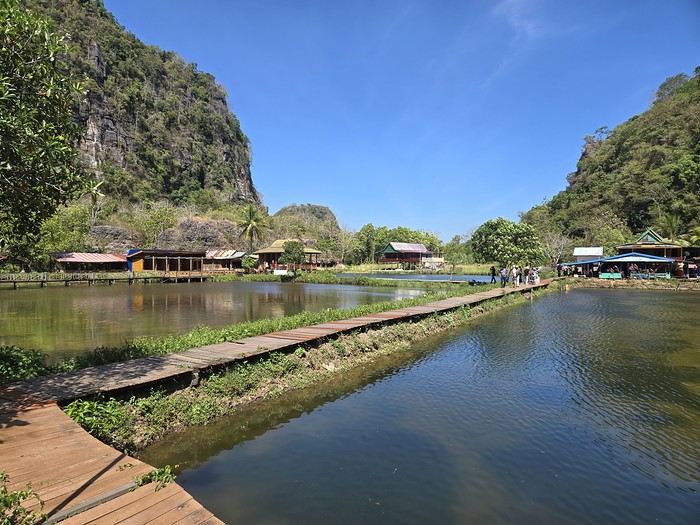
 The karst site:
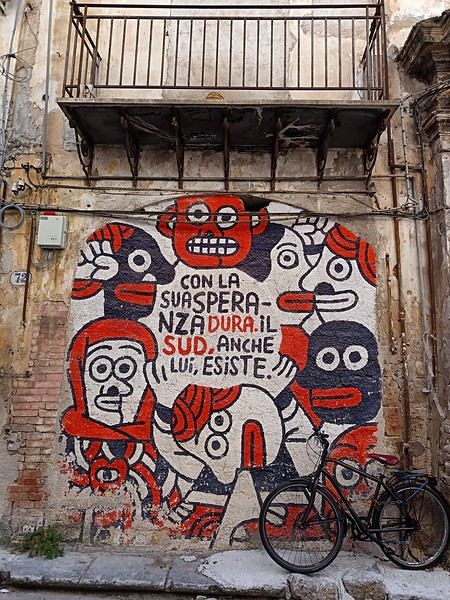 (In the heart of Albergheria, on a street every visitor walks down—lovely message from an unidentified artist)