Chers tous,
D’abord je tiens a remercier les membres de ce forum qui m’ont vraiment aidé à organiser ce voyage inoubliable (Boumbastic, Thuan …)
C’est naturellement que je vais proposer ce modeste compte rendu (en 2 parties) qui sera peut être utile à des personnes organisant leur voyage au pays du sourire.
Introduction
Nous (ma compagne et moi) sommes partis du 8 au 29 mars, j’avais réservé les billets d’avion Paris-Bangkok 4 mois à l’avance (580€ par personne, une escale de 2h30 à Doha à l’aller et de 2h30 au retour). Nous avions voyagé avec la compagnie Qatar airways, excellente compagnie : Écrans individuels, grand choix de films (ça a été l’occasion de me remettre à jours étant donner que je n’arrive pas à dormir dans l’avion). Les repas furent bons, boissons à volonté, donc compagnie à recommander d’autant plus si on s’y prend à l’avance.
Bangkok (1 nuit, 1 jour)
Une fois à l’aéroport, j’ai Changé que 40€ car le taux (36,9 ce jour la) est toujours bas à l’aéroport, cela m’a servi à payer le taxi et quelques courses.
Alors concernant le taxi, c’est assez simple il faut aller au guichet des taxi, on vous demandera le nom de votre hôtel et un taxi vous sera proposé. Alors une fois dans le taxi il faut lui dire « metter » et c’est parti (il faut payer 50 BHT de charge + 70 BAHT de payages). On en a eu pour 400 B en tout pour nous rendre à notre l’hôtel.
Hôtel = Lamphu tree hotel :
Prix : 1450 BHT (réservé à l’avance sur leur site internet)
Avis « n’engage que moi 😄» : Chambres propres, à 5-10 min à pied de Khoa san road, endroit calme (au bord d’un canal), petite piscine ouvert 24/24, personnel serviables et sympa (même si ils ont du mal avec l’anglais 😉 ), plats assez bons .
Piscine vers minuit et petit tour à Khao san : énorme claque, on a tout de suite compris que le voyage va être sympa.
10 mars (Dimanche) : Nous nous sommes levés à 7h, bagages laissés à l'hôtel
Départ pour le plus grand marché au monde « chatuchak market » : taxi négocié à 150B (à l’époque je ne connaissais pas la technique pour faire mettre le « metter » aux taxi). On a adoré se balader dans ce marché géant, on y a passé plus de 4h (ce marché est ouvert que le week-end)
Alors la technique est de monter directement dans le taxi, annoncer la destination, le chauffeur va comprendre que vous savez comment ça marche, il mettra le metter ou il trouvera une ruse pour vous faire descendre (c’est arrivé environ une fois sur 3 pour nous). Aussi, si le taxi baisse la vitre en s’arrêtant, c’est qu’il veut négocier et donc ne va pas mettre le metter, il faut passer au suivant et c’est pas les taxis qui manquent à Bangkok. Et pour finir, il faut éviter de prendre le taxi dans les sites hyper-touristiques, il suffit parfois de marcher quelques mètres.
Une petite coupe de cheveux (60B) et départ pour Chiang Mai via le train de nuit (22h-13h45) : Billets réservés 60 jours à l’avance (couchettes), tout s’est bien passé, j’ai même réussi à dormir 😄. Un retard de 45 min mais c’est normal apparemment.
Chiang Mai (3 nuits, 4 jours)
11 mars : découverte de CM, Tiger kingdom
Arrivée à CM 13h45. Il faut faire attention aux taxis qui proposent de vous emmener à votre hôtel pour 150-200B. Il faut marcher un peu et négocier. Nous avons payé 80B à deux pour aller à notre Guest House.
Guest House : la ALL-IN-ONE (lien booking)
Prix : 745 B la nuit en chambre standard (pour réserver il suffit d’envoyer un mail).
Avis : Je confirme ce qui est dit dans le forum, c’est une bonne adresse, Gilles est très sympa et de bons conseils (voir les différents post à ce sujet)
On s’est ensuite rendu au Tiger kingdom (tickets : 420 b par personne) pour voir les « Big Cat ». Je dois dire que les animaux n’ont pas l’air dans un état normal, il baisse constamment la tête … Je garde pas un bon souvenir. On a passé plus de temps à contempler le lion présent dans l’une des cages.
Pour le taxi on a payé150 b aller-retour (il nous a attendu, le temps de la visite)
Diner : Restaurant Dash (recommandé par Gilles) à côté de la all in one, super bon, cocktail très bons à 145B.
On s’est rendu ensuite au Bazar night : sympa.
12 mars : Journée avec les éléphants
Petit déjeuner à la all in 1 (120b par personne)
Excursion éléphants « proposée par Gilles » : 1800B par personne : super journée avec les éléphants (Chang Siam Elephant Training). On était quatre en tout, chacun son éléphant, les animaux avaient l’air d’être bien traités, nous avons adoré. nous avons ensuite fait une chute d’eau et du bamboo rafting (sympa).
On est rentré fatigué, un peu de repos et on a mangé dans la rue « brochettes » et j’ai testé les insectes (pas mauvais 😄)
13 mars : Doi Suthep
Départ pour le temple Doi suthep vers 7h30. Taxi 500b aller-retour et attend la bas. SUBLIME, on a pris pleins les yeux. Par contre, il faut y aller de bonheur pour éviter la foule (on y était vers 8h, il n’y avait pas beaucoup de monde, une heure après c’était pas la même histoire).
On a ensuite visité une ferme de serpent (200b le ticket) : je n’ai pas aimé ! Les animaux ont l’air tristes et pas bien traités. Pas grand intérêt.
Pour se rafraichir, on a utilisé la piscine de la guest House à côté de la ALL-IN-1, c’est la top north guest house : 100b (pour la journée, on a payé que un jours les autres fois, la dame nous a laissé gratuitement car on prenait à boire chez eux)
Diner : Petit Restau super bon, nom écrit en thai (sur ratchamankha road lane 6), fréquenté que par des thaïs (on y a mangé 3 fois tellement on a aimé)
Bazar night : quelques achats, il faut bien négocier (j’adore ça, marchander)
14 mars : visites wat chedi luang, wat phantao … départ pour Phuket
Matinée : Visites : wat chedi luang, wat phantao … Très beaux
Déjeuner : Retour au petit restau coup de cœur
Après midi à la piscine. Taxi aéroport 110b. Vol CM--> PHUKET : 21h45--> 23h50
(Air Asia, 80€ par personne en réservant 2 mois à l’avance) : tout s’est bien passé, pas de retard, agents sympas …
15 mars : Phuket town et Patong
Arrivée à Phuket: minibus à 150b /personne. Attention on va vouloir à tout prix vous proposer un taxi (à 650b minimum), on a préféré prendre le minibus moins cher et qui vous dépose à votre hôtel.
Hôtel : rattana mansion hotel (réservé sur agoda, lien tripadvisor)
Prix : 680b
Avis : Bon rapport qualité prix, parfait pour transit, situé à phuket town ce qui nous a permis d’y faire un petit tour et déguster quelques raviolis et dessert au marché d’à côté (up town). On a ensuite pris le bus pour patong (à down town market) 40b par personne.
Guest house à patong : Andaman sea Guest House (facile à trouver si on sait qu’elle se trouve en face du Christin massage. Lien booking )
Prix : 800B par nuit.
Avis : Bon rapport qualité-prix, proprio (David et sa femme thaïe) super sympas. Chambres propres et grandes, coffre, clim.
Concernant Patong, on a pas accroché, tout est cher, les restau ne sont pas très bons, ambiance assez bizarre le soir. Une nuit aurait suffit, on est resté 2 histoire de voir les plages (Kamala et autres)
Samedi 16 : Kamala et co
Tour des plages à moto (200 B par jour) : sympa
Soirée à patong : on s’est assis au red hot bar (il y avait des lives, sympa)
Dimanche 17 : Phi-Phi
Départ pour phi phi à 7h (on vient nous chercher à l’hôtel, 300b par personne)
Guest house : Dee Dee Beach House (lien tripadvisor)
Prix : 1800 B (réservé sur agoda)
Avis : très beaux bungalows, propres, climatisés, proprio très gentille, salon de massage, wifi, situé sur Ao lo Dalam. On a beaucoup aimé cet endroit.
On est monté au view point a pied (45 min sous le soleil ! aie !, on a vu des singes sur le chemin), il faut payer 40b à l’arrivée. Une vue magnifique, ça valait le coup
On s’est rendu par la suite à long beach en quad et on a airé un peu dans le coin, c’était assez sympa.
On a négocié un Long tail pour nous rendre à maya baie et monkey beach tôt le matin (7h) : 1300b.
On a acheté les billets pour lanta (350b par pers pour 15h30)
Lundi 18 : Maya bay, monkey beach et arrivée à Lanta
Visite maya bay + Monkey beach : quasi vides tôt le matin 7h30 : top !
Il faut payer 200 b / personne pour maya bay
Départ pour Koh lanta (ferry) : arrivée vers 17h15 (il faut payer 10b à l’arrivée)
Taxi (100b, après d'âpres négociations) pour aller à notre Guest House.
Guest house : Banana Garden Home (lien tripadvisor)
Prix : 1500 B (pour réserver il suffit d’envoyer un mail à Annie la proprio, elle répond assez vite)
le mail : bananagardenhome@gmail.com
Avis : notre coup de cœur, on a adoré cet endroit, situé sur Klong Dao, bungalow climatisés, moustiquaire, grands frigo, wifi, très belle végétation, petit déjeuner au balcon tout les matins, service irréprochable et en plus Annie s’occupe de presque tout (transfert aéroport, excursions… à des prix avantageux). Le restaurant est très bon, on y mange des poissons, seafood au BBQ (pour 200 à 300 B la pièce)… tout cela en appréciant le coucher de soleil magnifique.
Partie II
Original post
Mon Blog, carnets de voyage (Thaïlande: de Chiang mai à Lanta, récit et photos) http://nbjamesblog.wordpress.com/

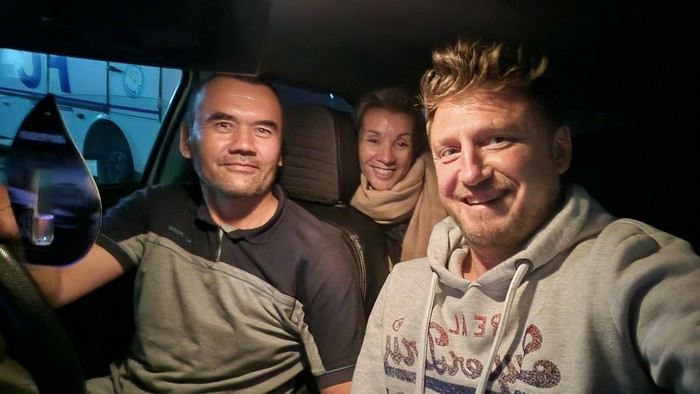
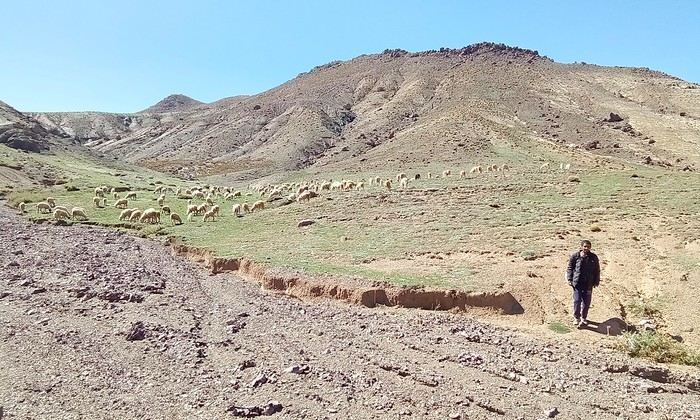
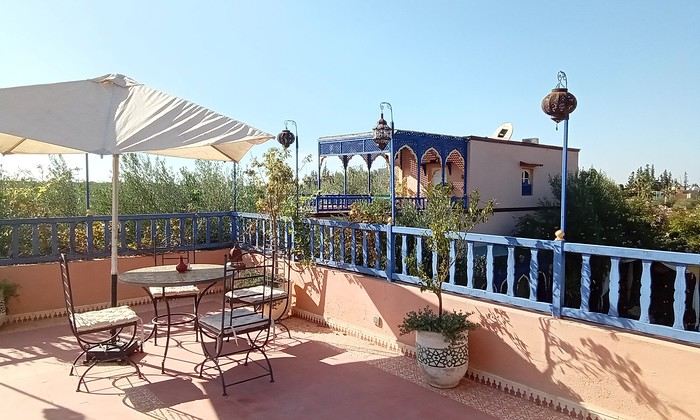
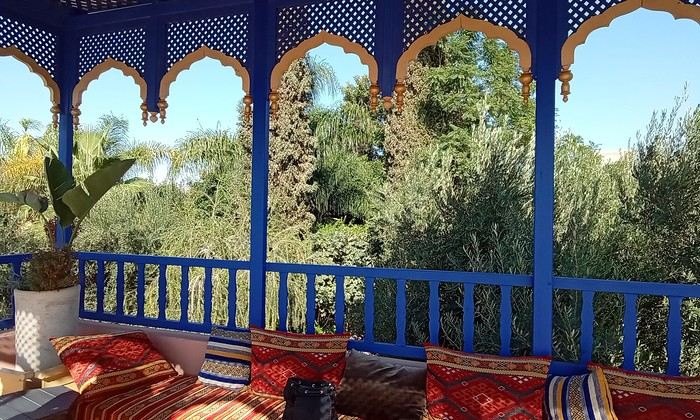 Last October, we landed in Marrakech to spend a few days with family exploring Morocco’s roads.
Transport: a rented Dacia.
Accommodations: small guesthouses.
Last October, we landed in Marrakech to spend a few days with family exploring Morocco’s roads.
Transport: a rented Dacia.
Accommodations: small guesthouses.




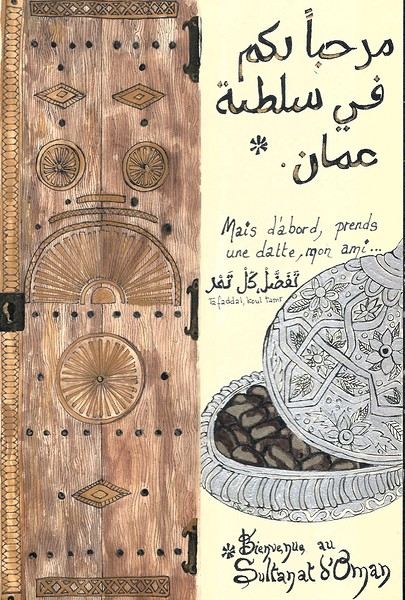 On the right, the "welcome marker"—those dates offered everywhere as a sign of hospitality. On the left, a tribute to those stunning doors worn by time, admired all over the old quarters, including the abandoned ones.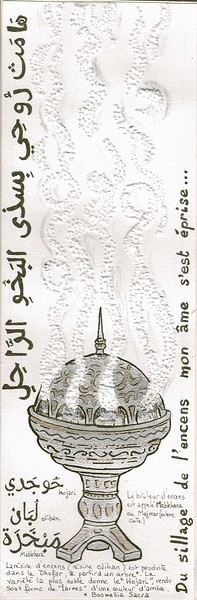
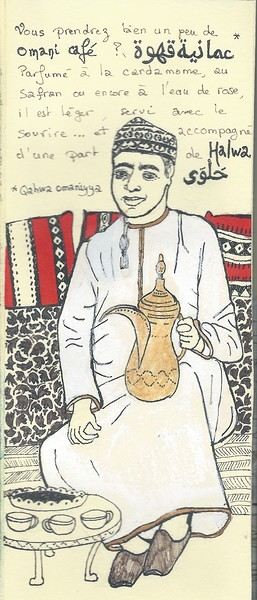 Hospitality will often lead you to accept a small coffee, an "Omani coffee," very light, subtly flavored with cardamom, maybe a touch of saffron, and occasionally rosewater.
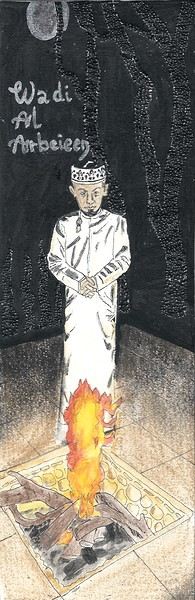
Here, I’ve depicted a man in the common everyday attire of Omanis: the dishdasha, mostly white (during the week and daytime; colors are more common in the evening or on Fridays and Saturdays). While you’ll see some men dressed in Western clothes, they’re very few. The white dishdasha is truly the shared attire of all men. The dishdasha, which has no hood, is distinguished by a small pom-pom attached to the collar, the furakha, which is soaked in perfume. And believe me, Omanis go overboard with it! "It smells like the pom-pom" is an expression that’s now part of our shared language, my husband and I.
Another must of men’s attire is the kuma, a small round head covering, usually white with brightly colored patterns. The keffiyeh is also worn (but without the cord called an agal in Arab countries), and it’s mostly worn by those with roots in the desert, from what I understood.
And what about the women, you might ask? Some are veiled, some in full black (but not a burka—more like a chador + abaya), due to the influence of Saudi Arabia and the United Arab Emirates, whereas the traditional outfit used to be a layering of very colorful dresses. Most of the women we saw wore neutral clothing, a plain veil over their hair, but with their faces uncovered. We also saw many saris and colorful veils—don’t forget that 40% of the population consists of Indian, Nepalese, and Bangladeshi immigrants, who work a lot in tourism, hospitality, restaurants, services, and construction.
Just to clarify, as a tourist, there’s no pressure to wear a veil, and never any disapproving looks. Of course, you’ll save the mini shorts, plunging necklines, bare shoulders, and midriffs for the hotel terrace—but I’d say that’s the same for men and women, and with the sun being strong, it’s better for your skin too.
Here’s the introduction! In the next post, I’ll tell you about my itinerary, and we can dive in!
Hospitality will often lead you to accept a small coffee, an "Omani coffee," very light, subtly flavored with cardamom, maybe a touch of saffron, and occasionally rosewater.
Here, I’ve depicted a man in the common everyday attire of Omanis: the dishdasha, mostly white (during the week and daytime; colors are more common in the evening or on Fridays and Saturdays). While you’ll see some men dressed in Western clothes, they’re very few. The white dishdasha is truly the shared attire of all men. The dishdasha, which has no hood, is distinguished by a small pom-pom attached to the collar, the furakha, which is soaked in perfume. And believe me, Omanis go overboard with it! "It smells like the pom-pom" is an expression that’s now part of our shared language, my husband and I.
Another must of men’s attire is the kuma, a small round head covering, usually white with brightly colored patterns. The keffiyeh is also worn (but without the cord called an agal in Arab countries), and it’s mostly worn by those with roots in the desert, from what I understood.
And what about the women, you might ask? Some are veiled, some in full black (but not a burka—more like a chador + abaya), due to the influence of Saudi Arabia and the United Arab Emirates, whereas the traditional outfit used to be a layering of very colorful dresses. Most of the women we saw wore neutral clothing, a plain veil over their hair, but with their faces uncovered. We also saw many saris and colorful veils—don’t forget that 40% of the population consists of Indian, Nepalese, and Bangladeshi immigrants, who work a lot in tourism, hospitality, restaurants, services, and construction.
Just to clarify, as a tourist, there’s no pressure to wear a veil, and never any disapproving looks. Of course, you’ll save the mini shorts, plunging necklines, bare shoulders, and midriffs for the hotel terrace—but I’d say that’s the same for men and women, and with the sun being strong, it’s better for your skin too.
Here’s the introduction! In the next post, I’ll tell you about my itinerary, and we can dive in!
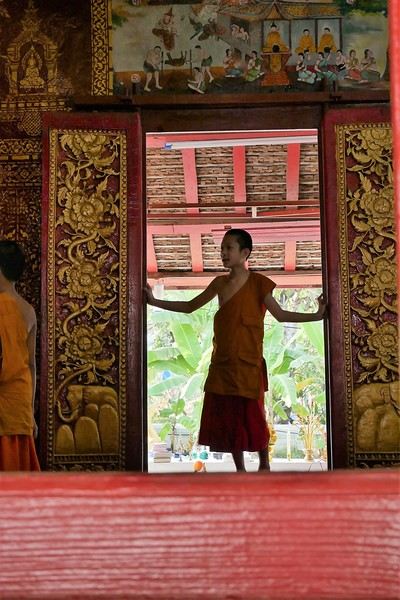 Come along, I'm taking you to this country where it's so nice to wander and slow down...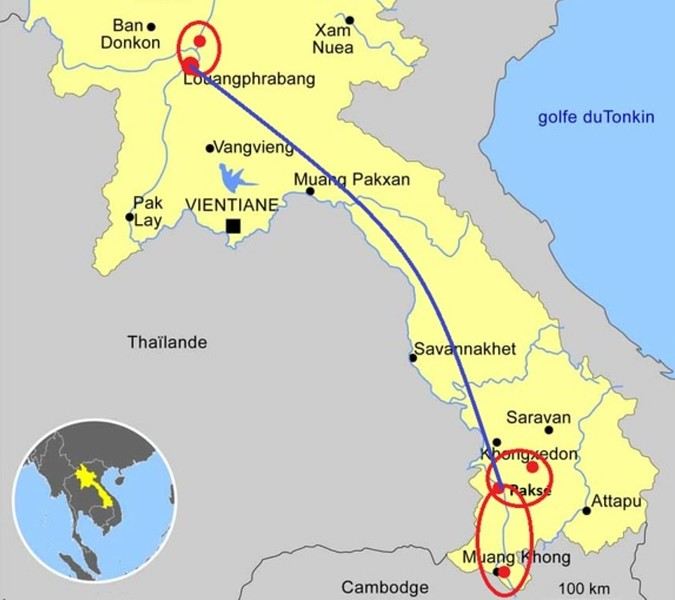
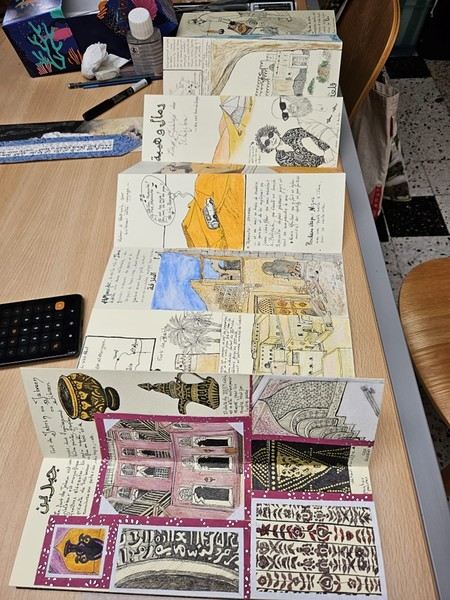
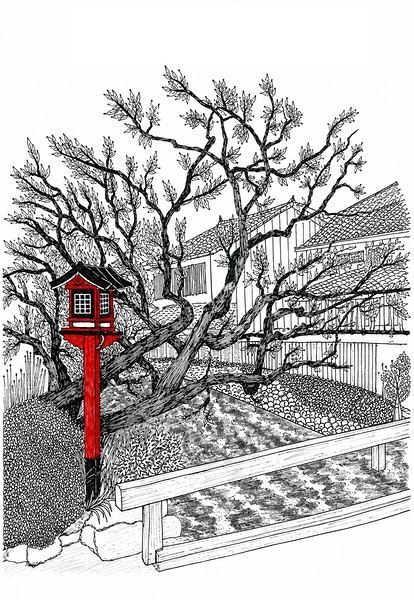 I’m inviting you on a stroll through my drawings—a completely subjective, far from exhaustive, and totally personal take, since it’s based on my own sketches. I put this travel journal together after returning in late 2024, mostly using felt-tip pens and pencils, with a few collages thrown in. I worked from our personal photos.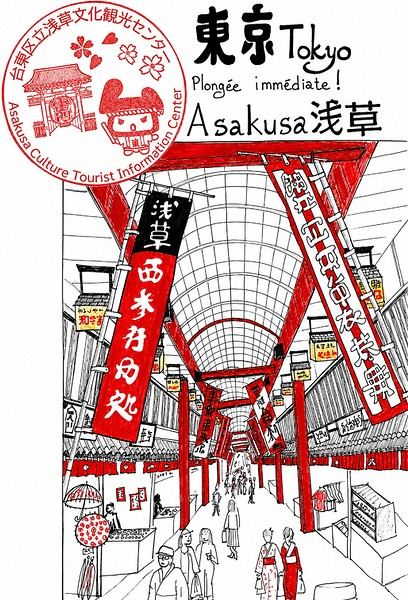
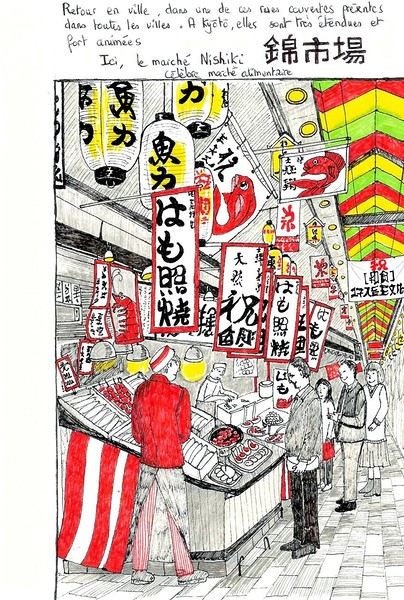
 And in Kyoto, Nishiki Market:

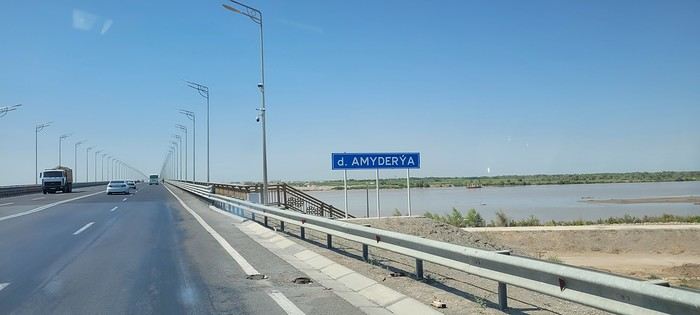
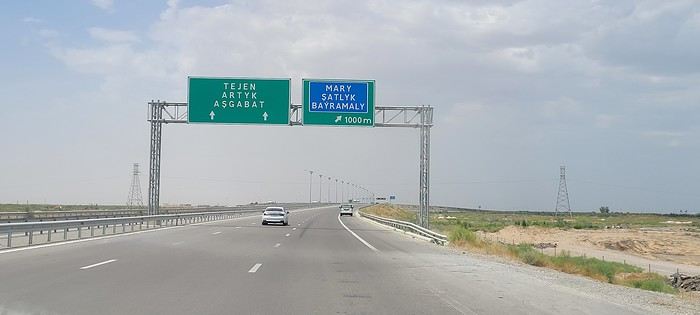
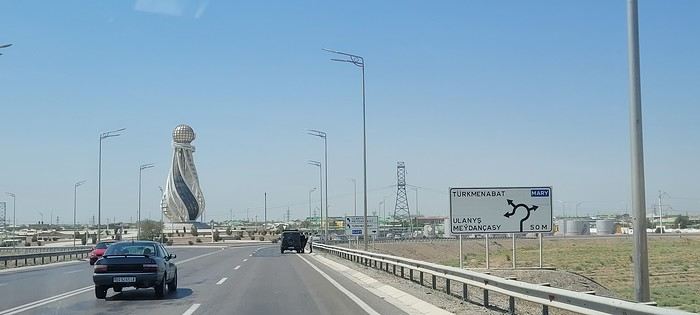
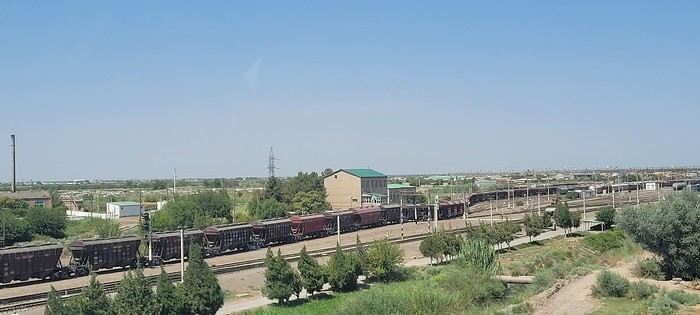
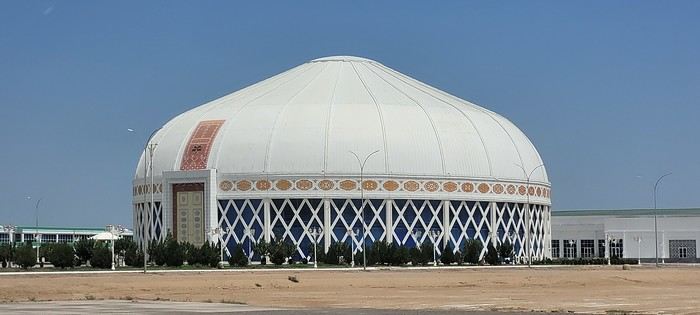
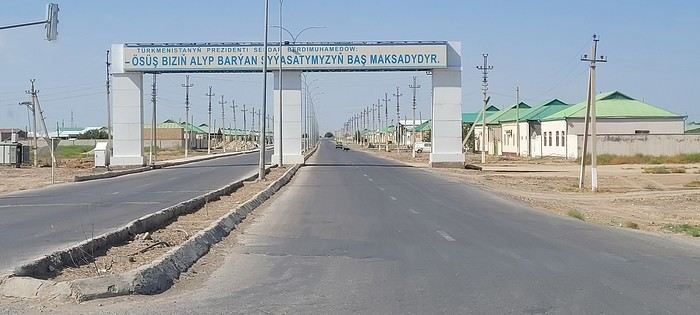
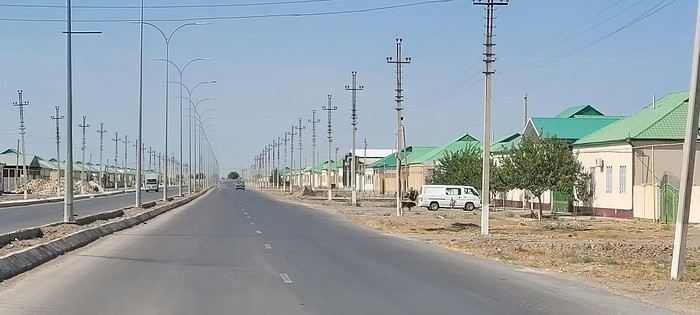 Roundabouts are particularly interesting because they feature emblems of Turkmen culture, like the dog, a carpet, the Ahal Teke horse, or Muslim symbols, even though the presence of Islamic artifacts is quite limited.


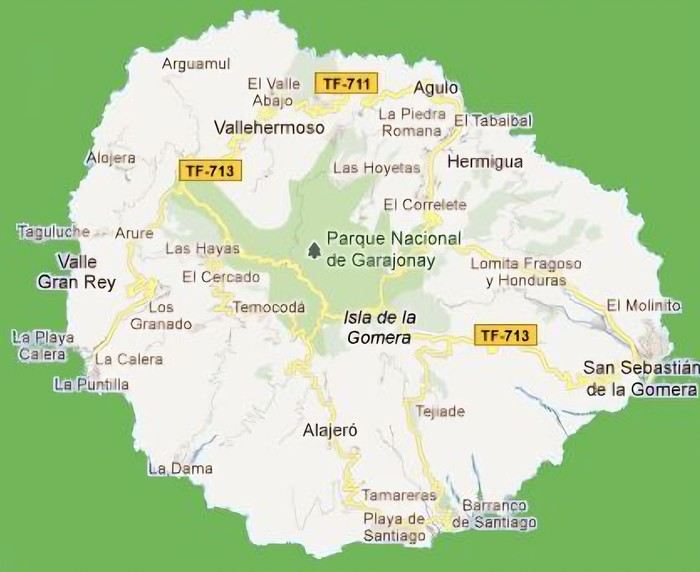 The large solidified magma massifs that shape the heart of the island have created a large depression more protected from the sun at its center, allowing the growth of a vast laurel forest, today grouped within the Garajonay National Park, La Gomera’s green lung, which has earned it the status of a World Biosphere Reserve. Its completely European appearance contrasts sharply with the rocky and tropical landscapes of the rest of the island. Thus, the climate varies greatly from one point to another on the island: in summer, you can quickly go from a dry and sunny valley at 35°C to a humid forest area at altitude at 18°C.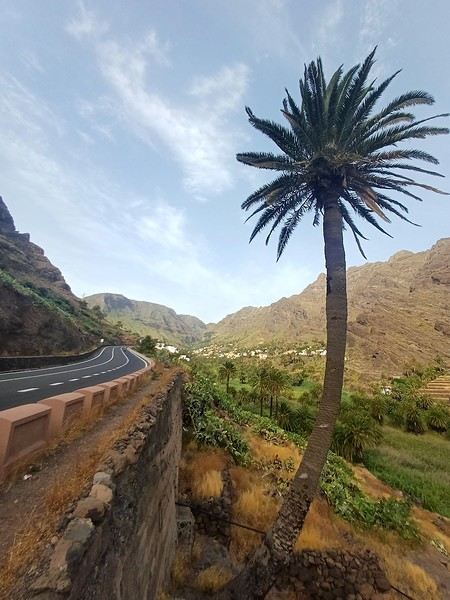
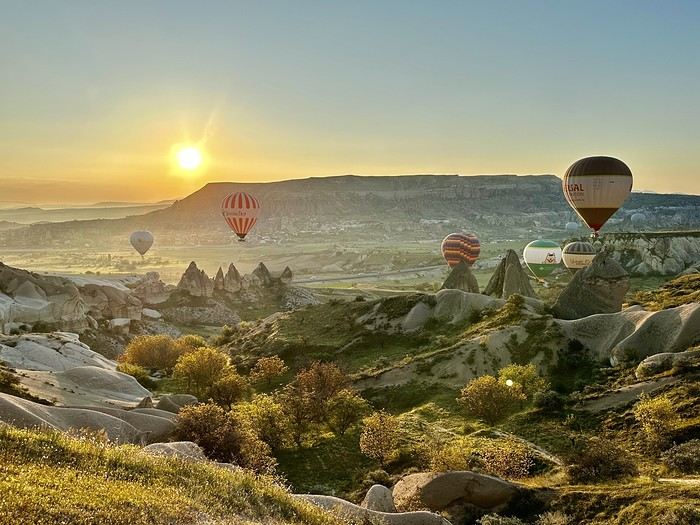 A little sneak peek?
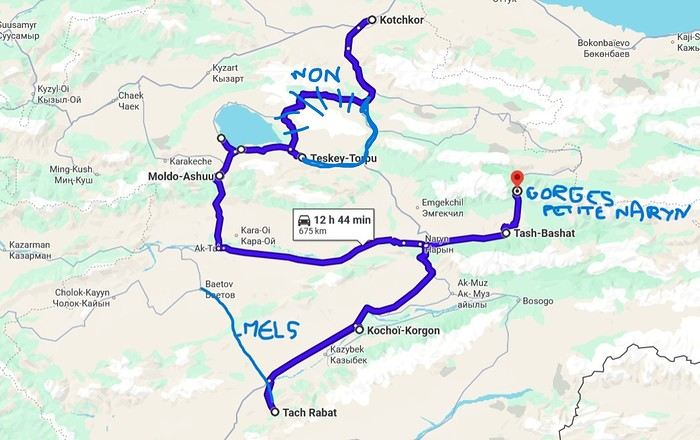
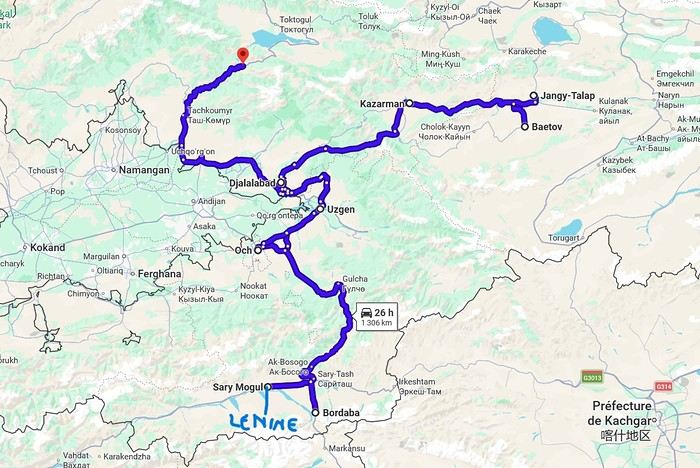
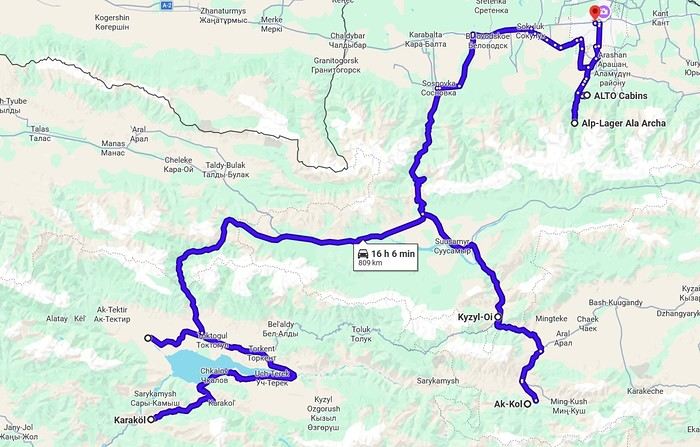


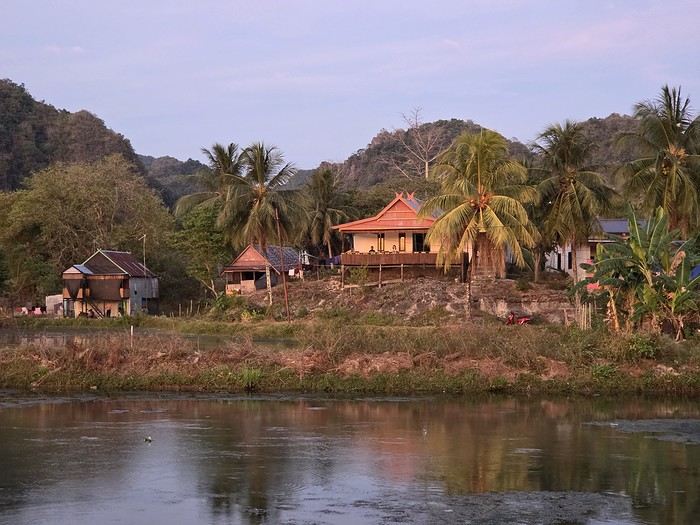
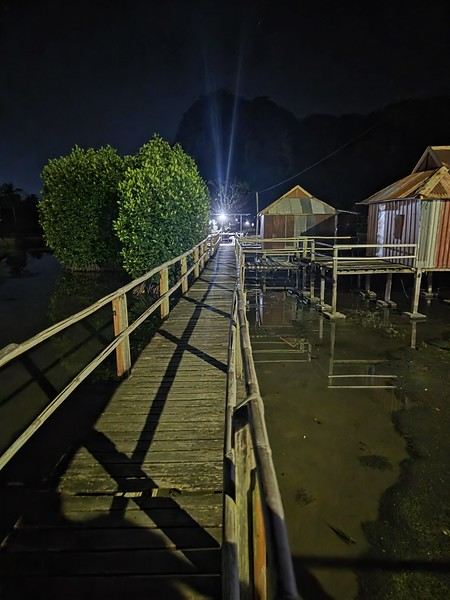
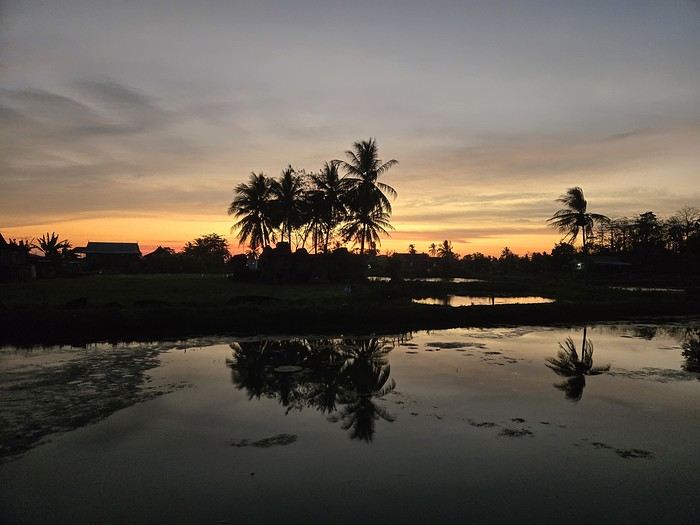
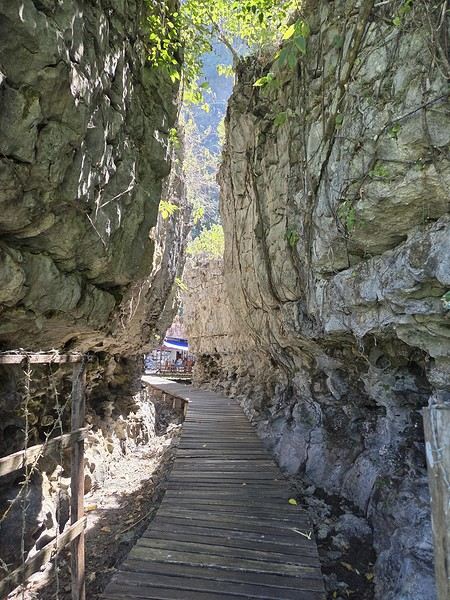
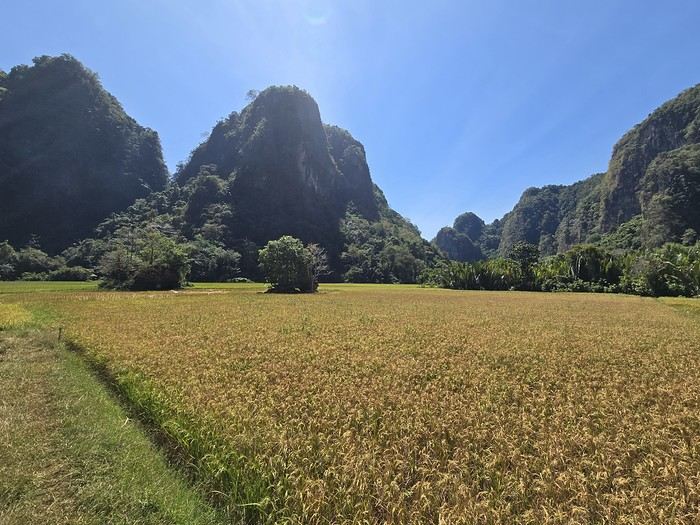
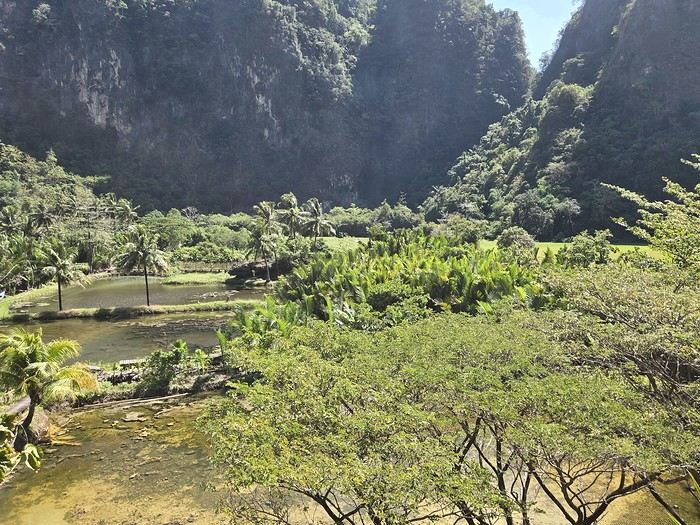
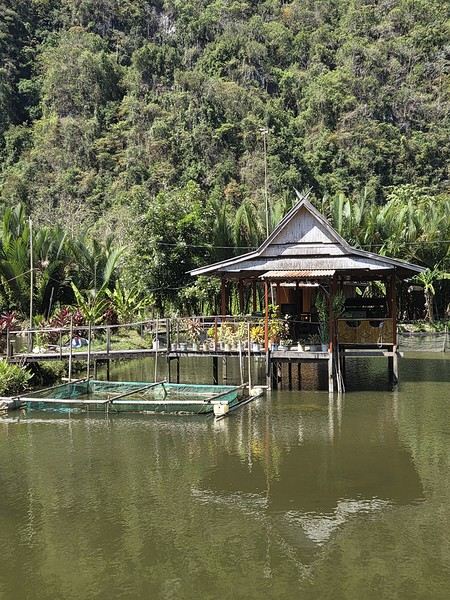
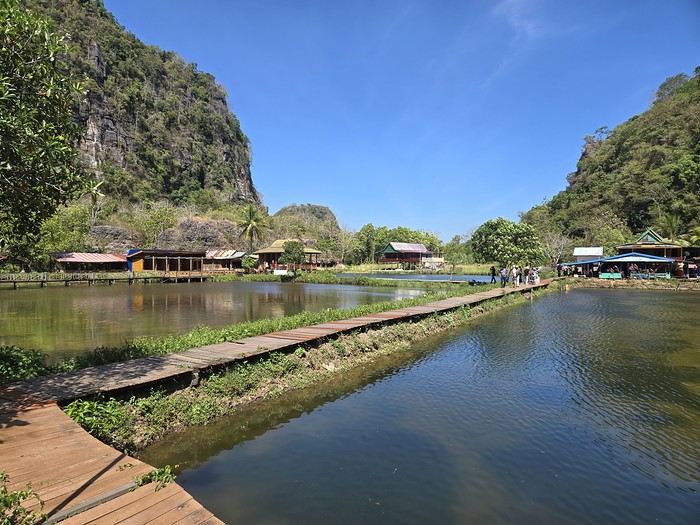
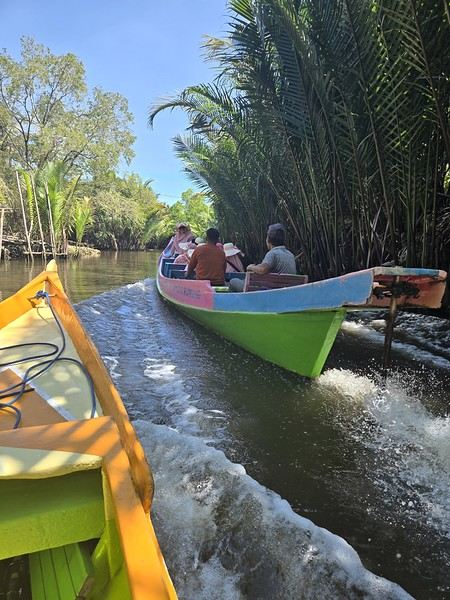 The karst site:
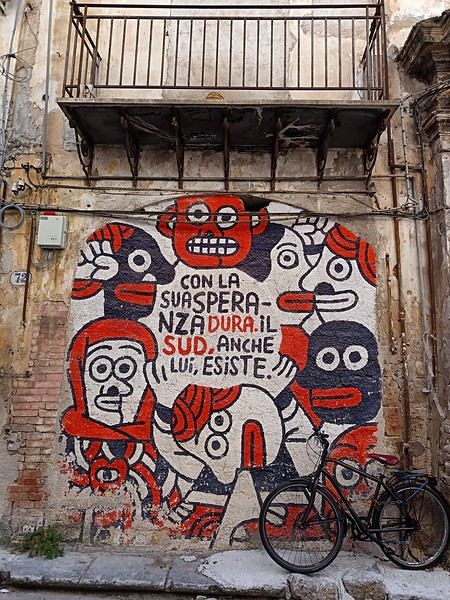 (In the heart of Albergheria, on a street every visitor walks down—lovely message from an unidentified artist)


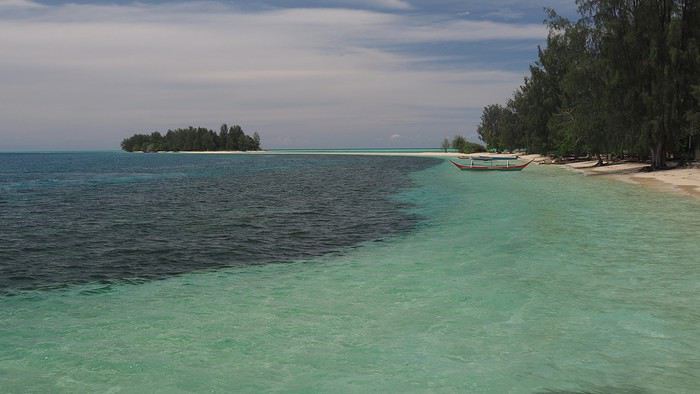
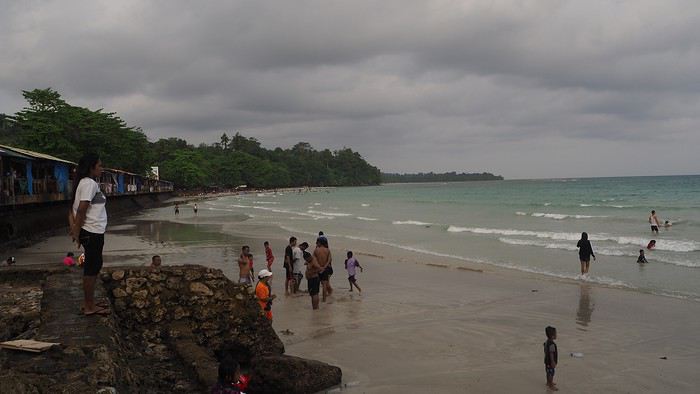
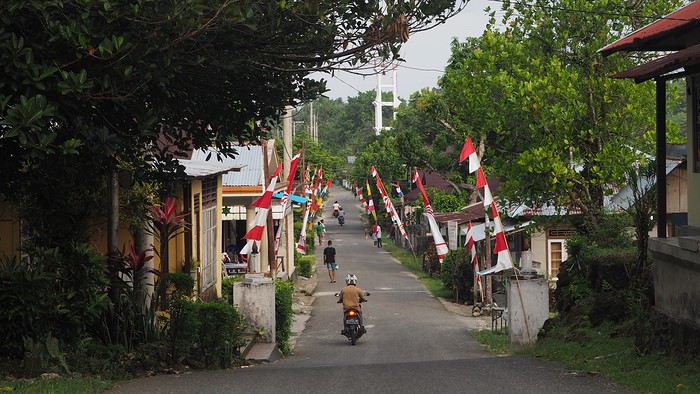
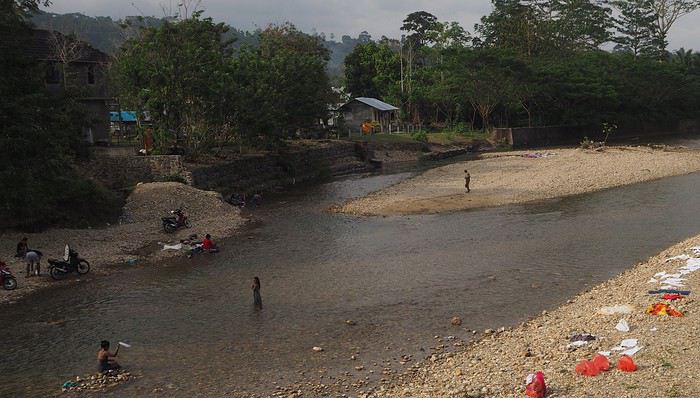 Laundry and trucks washed in the same stream.
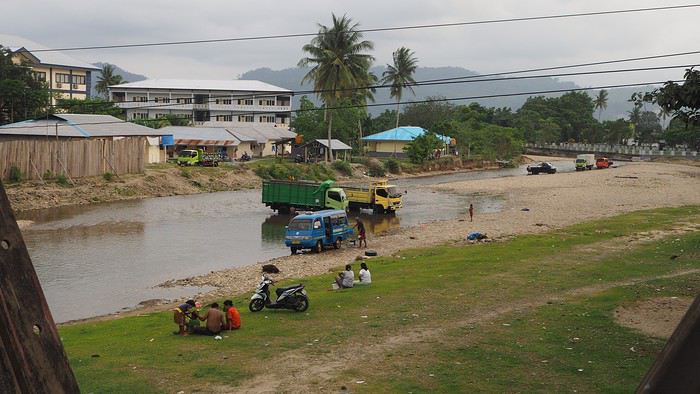
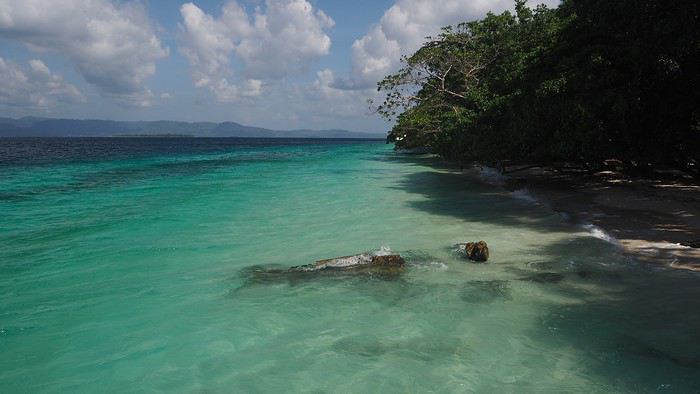
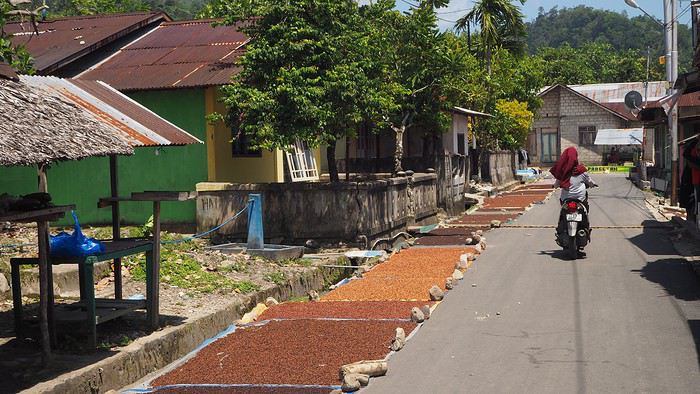
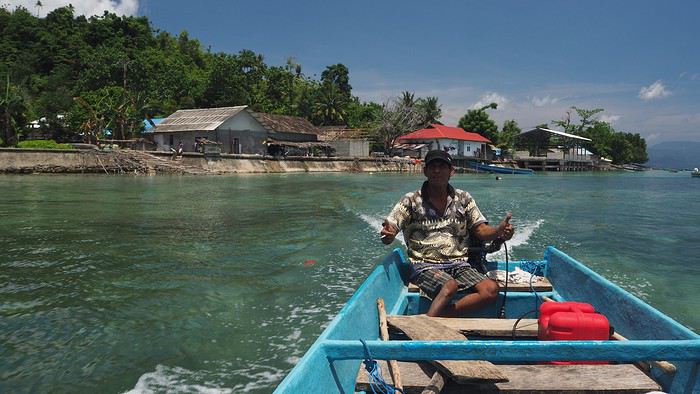
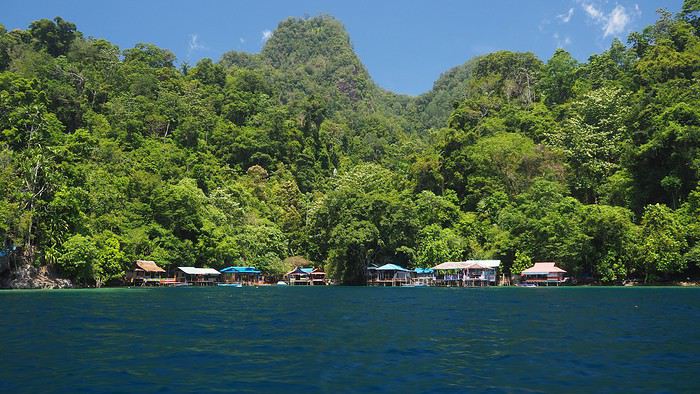 We’re greeted dozens of times with “Hello Mister”—a daily routine in the Moluccas. Every time we stop, we pose for photos to be saved on locals’ smartphones. They don’t see tourists often.