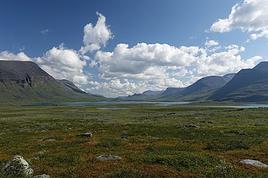
After Southern Tanzania, I’m sharing a travel story about the Cantal region with you...
...
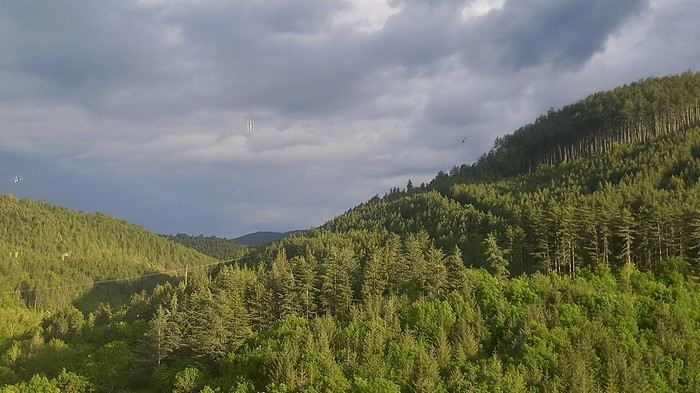
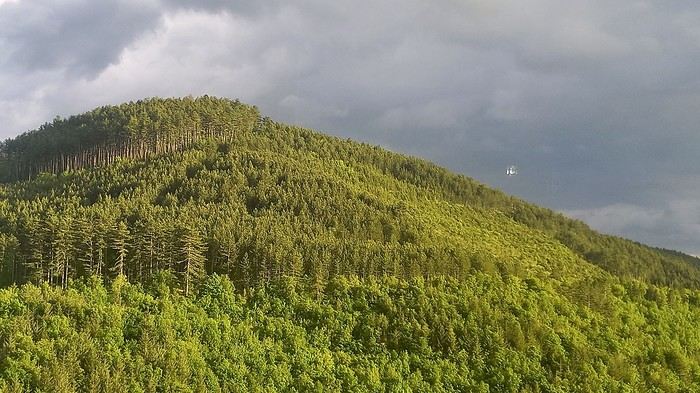
For us, at the start of 2025, Le CANTAL was a true “Terra Incognita”!!
After seeing some tempting TV reports, we decided to fill this gap—especially in terms of landscapes. On the same trip, we’ll also head to the Arcachon Basin, the International Seaplane Gathering in Biscarrosse, and my native Landes region...
So, on May 20th, we left Marseille in the rain and thunder, heading toward Nîmes, Saint-Hippolyte, Mont Aigoual, Florac, and stopping in Marvejols to give my arthritic back a break for the night.
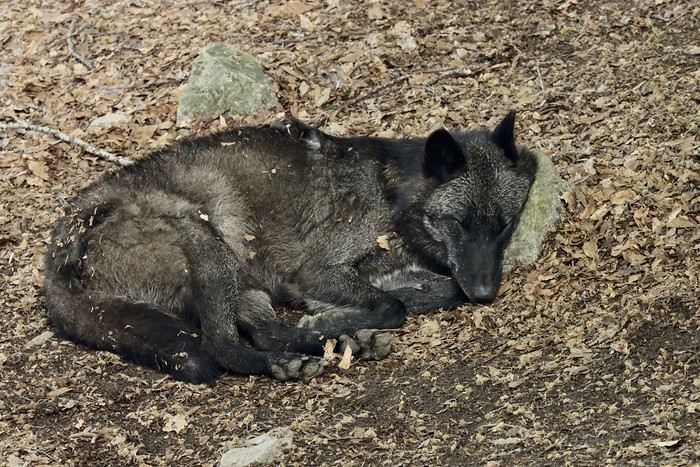
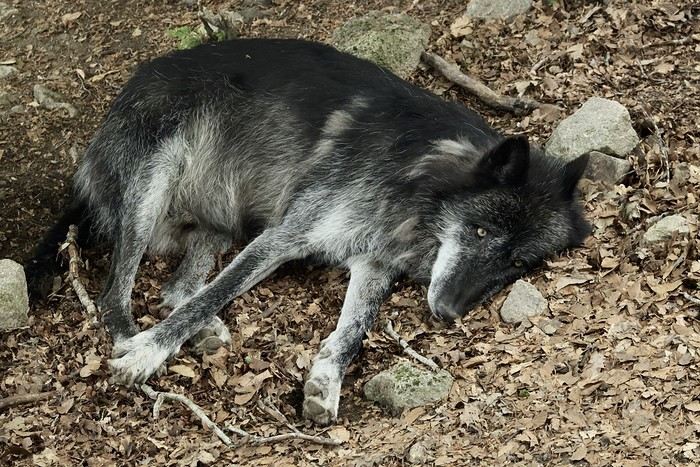
The next morning, we decided to revisit the Parc aux Loups du Gévaudan (Europe’s largest wolf park).
As someone used to photo safaris in the wilds of East Africa, I’m not a fan of zoos at all—but I *do* have a deep admiration for wolves!!
Since it’s pretty unlikely I’ll ever see one in the wild, I’ll settle for this Parc aux Loups in Marvejols.
This will be our third visit to this incredible gathering of these fascinating canines.
This was my first trip back to Japan since the COVID lockdown. Between 2017 (with a short visit in 2018) and 2024, a lot has unfortunately changed. Economic and demographic shifts have led—and will continue to lead—to the closure of many rural railway lines. Fewer residents, fewer travelers, rising operating costs, staffing shortages, and increasingly precarious funding. Then there’s the ever-growing number of tourists who damage everything in their path and frustrate locals. Fortunately, there are still plenty of ways to escape the crowds, even if you do run into groups of Chinese tourists arriving by bus at the Mino Railway Museum or aboard a Kiha 120 crossing the Izumo-Sakane switchback. (Oops, spoiler alert—that’s for my 2025 travel journal.) We’ll see if PM Takaichi has as much success on the ground as he does in his speeches.
I’m lucky to love remote regions and places most tourists don’t know about. Taking public transport—mostly trains—and living like the locals do. That’s what my trips are all about. Those who’ve followed me on these pages know I love trains, especially older ones. These are becoming rarer in regular service, and Japan still isn’t ready to allow even certified museums to run historic trains on public lines, unlike many other countries. I even have my own license to drive historic trams, despite being an IT specialist in my day job. You’ll find some comments that clearly reflect my opinions and experience with the operation and rolling stock of certain lines—sometimes positive, sometimes not.
My trips are always intense. This isn’t about relaxing. It’s about discovering, blending in with locals, being welcomed by associations and museums, and uncovering things most people wouldn’t even imagine exist halfway across the world.
Hi there, just back from a three-week round trip to Quebec and a side trip to New Brunswick.
Departed from Montpellier, via CDG, then arrived in Montreal from July 31 to August 20, 2024.
AF flights went smoothly.
The RT itinerary (without the visit details):
Arrival in Montreal;
Trois-Rivières;
Tadoussac;
Matane;
Gaspé;
Campbellton;
Trois-Pistoles;
Quebec City;
Montreal and return to France, AF to CDG then Hop! to Montpellier.
Observations:
Getting out of Montreal airport is a nightmare! Two hours at Avis Auto to pick up the car (nice ride, though—a WW SUV Atlas V6 for two). From what I’ve heard, Montreal Airport is a pain because it was initially under-dimensioned for its infrastructure, and it seems impossible to reorganize everything.
Quebecers:
Wonderful people in terms of hospitality and behavior toward tourists—especially French ones. You can ask them for advice at the supermarket, for directions here and there, and those distant cousins are great! That said, I’d exclude Montreal, which, due to its size and perhaps its cosmopolitanism, can’t be considered as welcoming as the countryside and small towns we passed through. A bit like Paris, you could say.
Quebecers prefer Quebec City over Montreal, and I get it.
On a positive note for the city, I left some money in the hotel at the end of my stay. Once back in France, I contacted the hotel (day before yesterday), and they confirmed the oversight and are taking steps to send the money back. A nice gesture. It’s the Nouvel Hôtel, 1740 Avenue René Lévesque. Well-located, too.
Tourists:
Same as always!
Americans:
Still lacking in culture and education, but we already knew that. Loud, intrusive, annoying, you could say. And I’ll skip the “Oh my God! Oh my God!” all day long. And always with a coffee cup in hand on the streets. Not just American tourists, actually. Coffee is either enjoyed at the counter of a café or at home in front of the day’s news. It must also be said that our cousins’ coffee is more like dishwater.
Tourists from the Middle Kingdom:
No change there! Flagrant lack of European culture and respect. They can be quite annoying at times. Thankfully, they don’t like the countryside or small towns.
Tourists from the Land of the Rising Sun:
As usual, impeccable behavior. Both in terms of dress and discretion.
The British:
They feel at home. Well, they kind of are, actually. Distant, inaccessible—typical English folks.
South Americans:
A lot of them in Montreal during my stay. Quite noisy, especially at breakfast. But deep down, they’re great and very polite. I really like them. Must be my 36.1% Iberian DNA from my ancestry test that makes me say that.
And the French?
Always the same! Complainers, grumblers, never happy with the meal, always finding prices too high, cutting in line, sometimes with a Quechua backpack but not always. In short, we don’t change. That said, there were some really nice people and great encounters that will leave wonderful memories. Some folks from Marseille in Quebec City, Toulouse in Montreal, Perpignan... But not many Parisians. Or maybe they just don’t talk to outsiders. When I think that my wife is from the 14th arrondissement...
And lots of lovely young French people there on a Working Holiday Visa for two years.
Others? Italians? Didn’t run into many. Eastern Europeans? Didn’t see any, or they were super discreet.
The trip started on July 31.
2,000 photos to sort through.
More to come later.
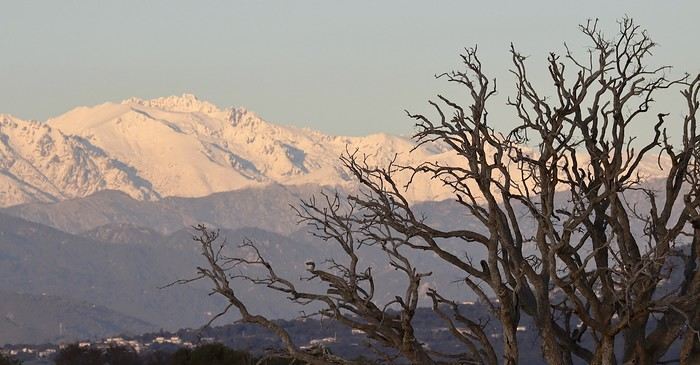
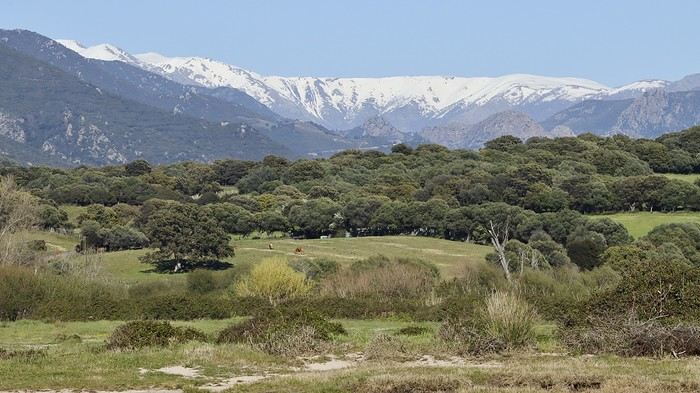
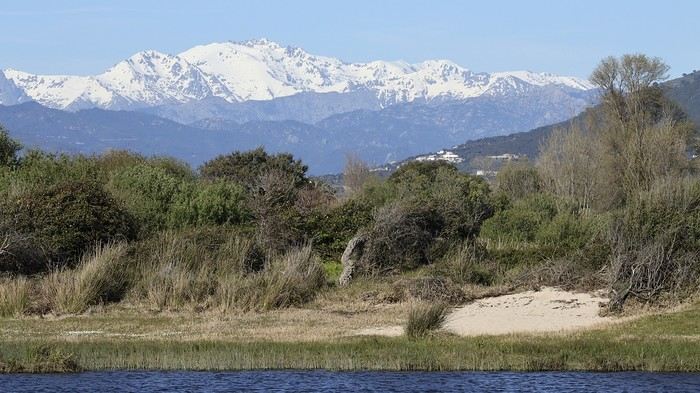
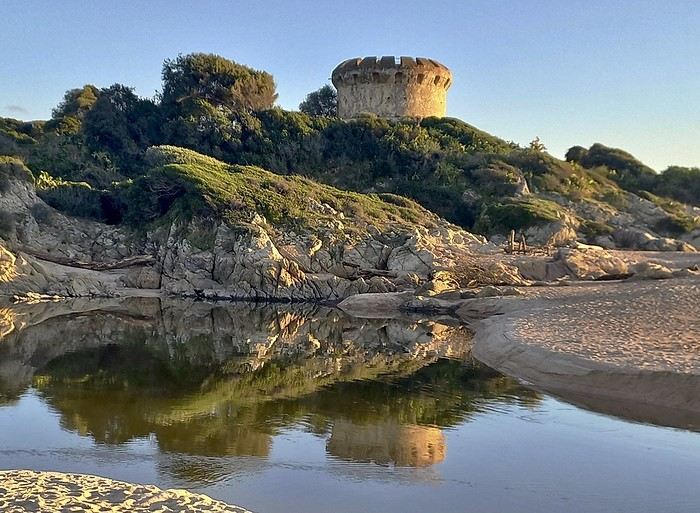
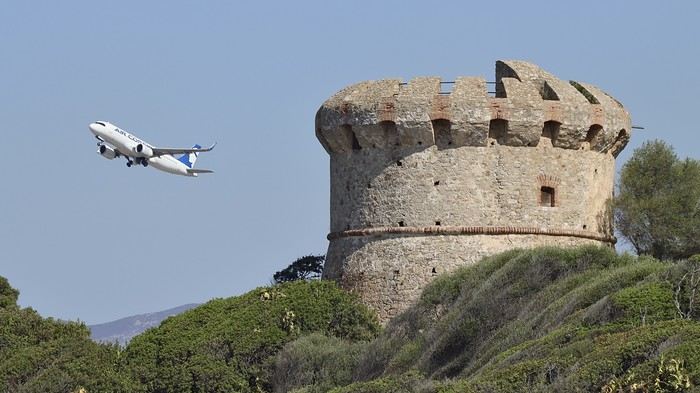
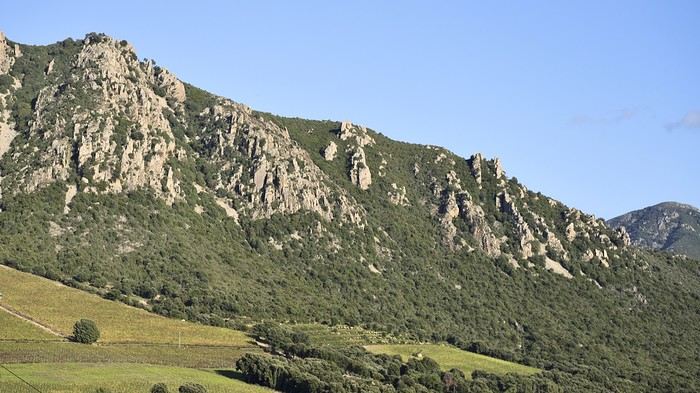
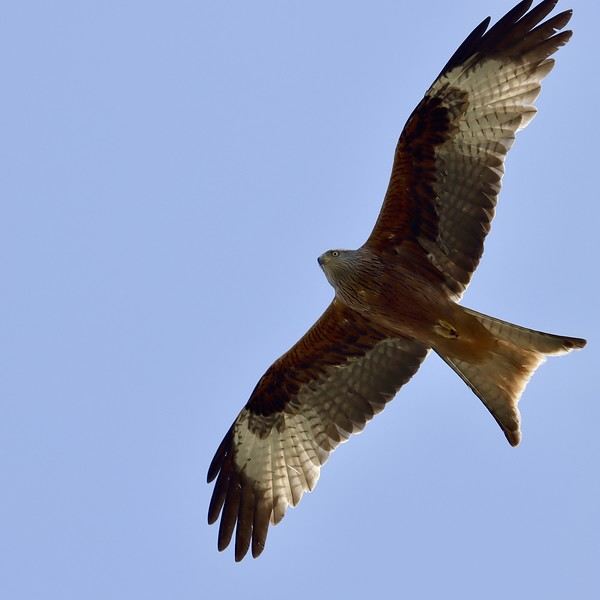
For those who can’t travel right now, I thought I’d offer a little escape—maybe!—through some images of Corsica (where I’ve lived for 48 years).
This won’t be a structured travel journal or a step-by-step story, just a mishmash of landscapes and more...
Through these photos, we’ll jump from one place to another, one season to the next, with no real order.
I debated adding details to each image but decided that for daydreaming, you don’t need much chatter—maybe just a place name.
....
Around Ajaccio:
-1-
.
-2-
.
-3-
.
-4-
.
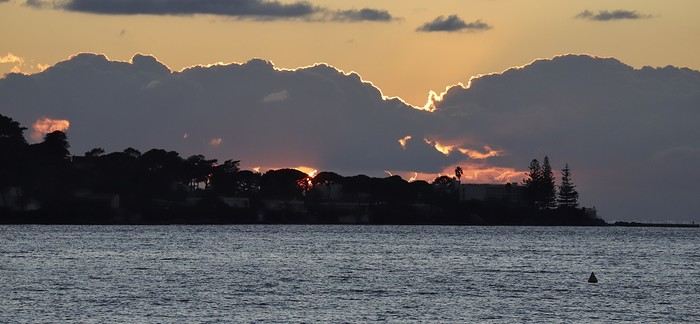
The last sunset of 2025 over the Gulf of Ajaccio.
-5-
.
Bom dia, travelers,
A little feedback from our discovery of Madeira—there aren’t many out there! Hoping it might be useful to some of you 🙂
We stayed 7 days in Madeira between May 18th and 25th.
Base: Funchal, the Lido hotel area. A practical neighborhood (lots of restaurants, shops, buses, etc.) but lacking charm. While getting back to Funchal is quick thanks to the road infrastructure, the outskirts of the city are particularly congested in the morning and evening, often due to tourist buses blocking traffic. Plus, even though Funchal enjoys milder weather compared to the rest of the island, you won’t see any sunrises or sunsets there! In short, if I were to do it again, I wouldn’t stay in Funchal for 7 days, even if it’s convenient to unpack once and for all.
Car rental for the week with Avis through locationdevoiture.fr (now Carigami). Zero-excess insurance, two drivers included, full tank on pickup, return with a full tank. After everything I’d read, I was dreading it. No issues at pickup or return. A Citroën C3 with 4,000 km on the clock, which served us perfectly. We brought our own GPS and map, which came in handy. There are signs, of course, but not always where you need them 😛.
Guides & maps: The Rother for hikes, the *Évasion* guide (quite general but very complete), and the Sunflower (borrowed), which I liked less—I found the explanations less clear and a bit messy, but maybe it was just me being unclear 😇. We also had the Freytag & Berndt map at 1:40,000, very useful when exploring the tiniest roads.
Day 1: In the morning, we head to CURRAL DAS FREIRAS. The viewpoint is pretty, very well developed (too much?). We take a short walk down the path as recommended in the Sunflower guide. The environment is wild but doesn’t offer much in terms of views.
We then head east via the expressway. Destination: PONTA DE SÃO LOURENÇO. The sky is overcast there, while just earlier, we were under the sun 😕! We’ll have to deal with the weather’s whims—a constant in Madeira! Off we go for a 3.5-hour round-trip hike, including photo stops, a picnic, and the climb to Ponta do Furado at the very end.
It’s nice, very open, and unlike anywhere else on the island. But it’s also *very* crowded. Mass tourism where everyone’s staring at their feet, barely a smile, hardly a hello 😠. The vibe kind of kills the charm. We were there at lunchtime but didn’t escape the crowds.
Practical detail that matters: no restrooms at the parking lot, none at the Casa do Sardinha, and an environment with no trees or bushes where you can see for miles. Ladies, plan ahead... A hike you should do regardless, with no major difficulty aside from the final climb, though it "undulates" constantly. The trail is perfectly safe.
Back at the parking lot, we take the road to PORTO DA CRUZ, a small village nestled at the foot of the mountain. The natural pools, being cleaned, are empty, and the seaside promenade, splashed by waves, feels a bit gloomy. The charm isn’t there. Return to Funchal via PORTELA and the MIRADOURO DOS INGLESES, which is tricky to find—hidden at the back of a lovely park, tended like an old lady from the 19th century, maybe the former owner of the place...
Sooner or later, you’ve got to take the plunge!
I thought lockdown would be the perfect time to start this travel journal, but between working from home and gardening, I just didn’t have the time (or the motivation). Plus, long-haul trips weren’t really on the cards back then...
But then I stumbled upon my photos and thought, "I’ve got to share my latest adventure in Brazil—you guessed it!"
First, a little flashback: some of you (yes, really, in DMs!) pointed out the big gaps in my travel journals—India in 2019, Vietnam in 2018, so many missed opportunities!
Truth is, for India, I traveled with a private guide and honestly didn’t have much to add to the tons of well-documented journals already out there. Plus, I still haven’t decided if I love or hate India... So, how do you share your feelings when you’re not even sure yourself?
As for Vietnam, I had plenty to say—even though the itinerary was pretty classic—but I’ll admit the vibe on this part of the forum at the time kinda put me off for a while...
And time flies, and memories fade...
Anyway, just wanted to clear that up for my (many or few) readers. *Tudo bem*, let’s get started!!
We were invited to a friend’s wedding in this beautiful part of Brittany, so we took the opportunity to spend a few days there—first on the Pink Granite Coast and then in Cornwall.
Our friends, who are from the Trégor region, had found us a really nice little gîte in Tonquédec, just a stone’s throw from the coast. It was the perfect base for exploring the area’s iconic sites. We stayed in a lovely little house that combined authenticity, comfort, elegance, and tranquility.
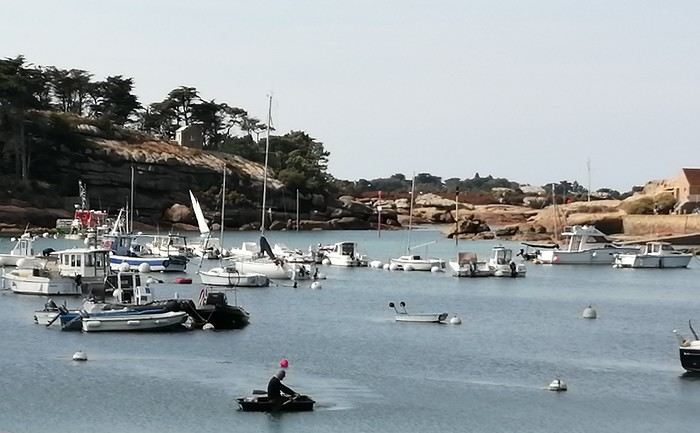
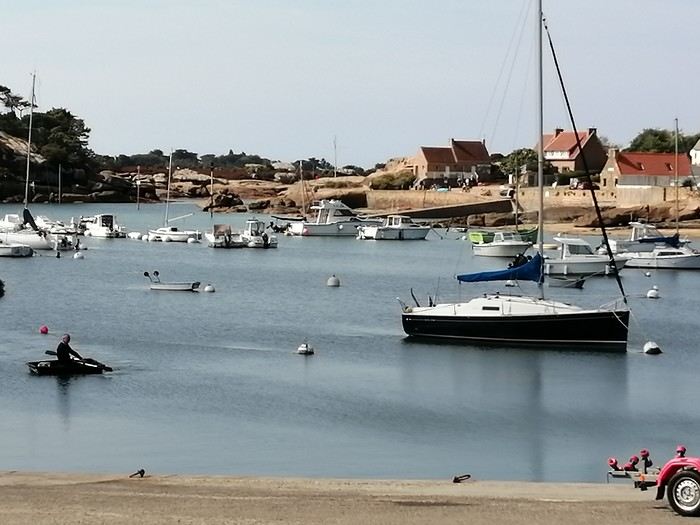
Our first trip to the coast was to Ploumanac’h, a small village we discovered thanks to Stéphane Bern’s show. It’s an adorable little fishing port where we parked the car before continuing on foot along the sea. It’s charming—more than that, it’s magical!
Our first walk, our first hike along the coastal path, and our first photos of these massive rocks bathed in light.
The views change with every turn, and so do the surprises—especially the view of the Château de Costaérès.
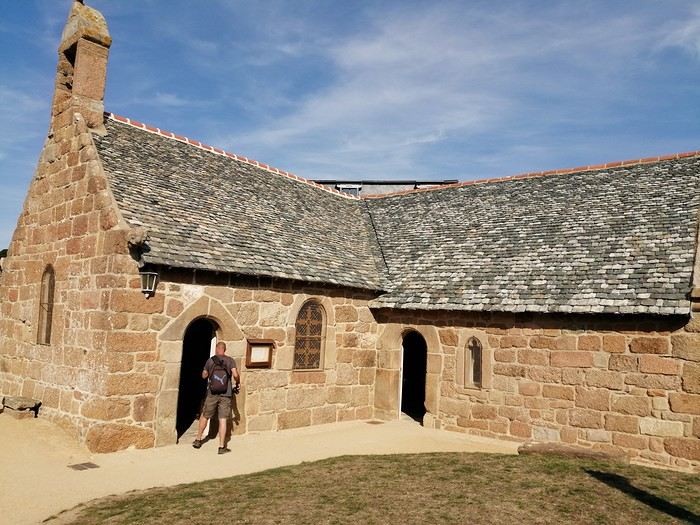
The path through the woods leads us to the Chapel of Saint Guirec, which overlooks the beach.
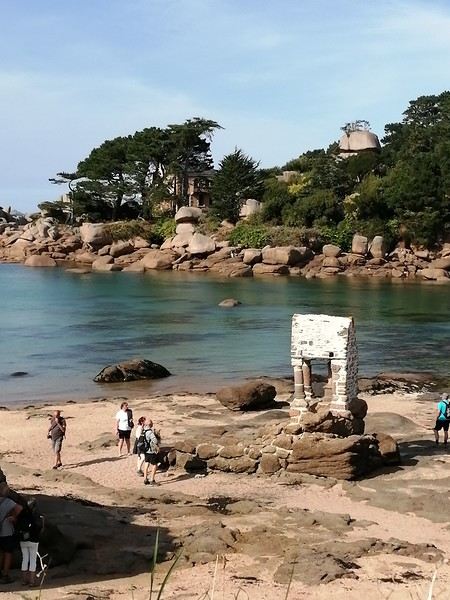
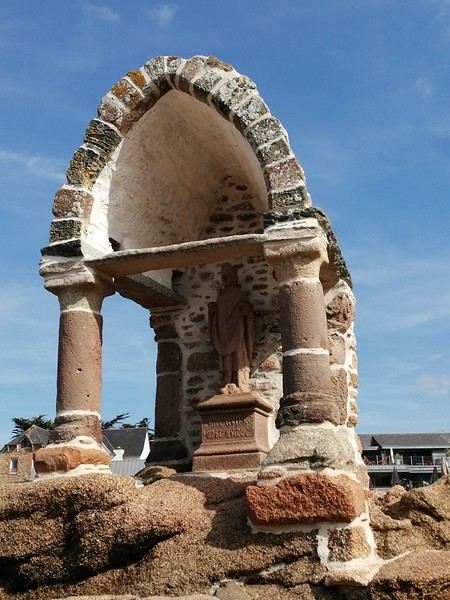
This pretty little beach is famous for its oratory, which sits in the middle of the sand and houses the statue of St. Guirec. In the past, young women hoping to marry within the year would often pray to him—they’d stick a needle into his nose! Today, the statue is made of stone, but back then, it was wooden, which must’ve made it easier.
It’s really charming, well-sheltered, and the water is crystal clear. We noticed that everywhere we went!
That was about all the Spanish I could speak before we left... Luckily, Tom, 15 and in high school, gets by just fine! And Caroline did a year of Duolingo before we took off...
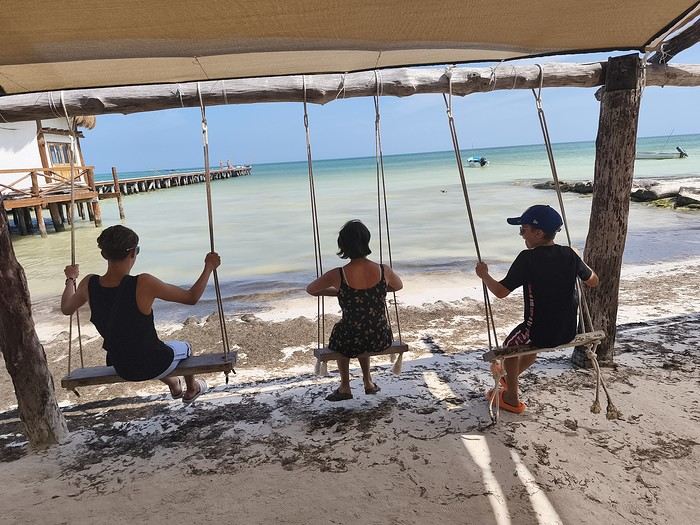
Anyway, after 55 days in the American West three years ago, it’s Mexico’s turn for this second long adventure.
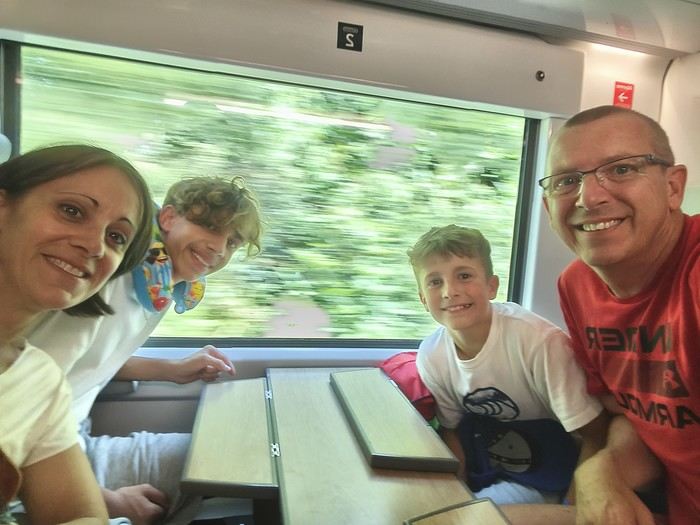
A quick intro to the crew:
- Oscar, 10, a sporty and lively little boy who loves swimming and basketball,
- Tom, 15, a high schooler, sporty and tall, who loves swimming and American football,
- Caroline, 47, a PE teacher, sporty , loves hiking and snorkeling,
- and me, Sylvain, 50, a science teacher, sporty, loves traveling and always has a possible next trip in mind
We mostly travel by swapping our house to discover beautiful France and the world: 135 swaps over the last 13 years.....
Our itinerary is pretty classic since it’s our first time in the Yucatán, and we’ll make a little 10-day detour to Belize...
Our trip lasted a month, from March 10 to April 10, 2024, and was done aboard our Land Rover Defender 110. For those interested, our 4x4 is equipped with mountain-approved 3PMFSF all-terrain tires (non-studded), a removable electric winch that can be attached to either the front or rear of the vehicle, two sand recovery boards, and we bring two pairs of snow chains. We sleep in our Land Rover, which is equipped with a diesel-powered independent heater, a small fridge, and has a layout that allows the dinette to be converted into a bed.
Starting from the Paris region, we crossed Belgium and Germany, took the ferry from Travemünde in northern Germany to Helsinki, followed the Russian border up to northern Finland, then headed into Norway all the way to the North Cape before returning via Norway, taking the ferry from Larvik in Norway to Hirtshals in Denmark, then passing through Germany and Belgium on our way back to France.
Tonight, March 10, 2024, we’ll be sleeping at our daughter’s place in the North.
Tuesday, March 11, we’ll cross Belgium and then enter Germany, where we’ll camp in Bremen.
Wednesday, March 12, we’ll have a quick visit to Bremen in the morning. We had planned to visit Lübeck, but some electrical issues with the car delayed us, so we head straight to the German port of Travemünde, where we’re set to embark at 11:30 PM to cross the Baltic Sea and arrive in Helsinki after 31 hours of sailing (one-way cabin ticket cost: 850 €—quite expensive since we booked last minute).
On the ferry, there are mostly semi-trucks and only a few campervans and passenger cars. The boat is quiet, and the Baltic Sea is calm.
About two hours before arriving in Helsinki, we hear noise along the hull. Surprise—looking out the porthole, we realize we’re sailing on frozen sea ice!
Thursday, March 14, we arrive at the port of Helsinki at 9:30 AM. Disembarking takes a while. As soon as we’re out, we head straight to Rastila Camping (cost: 27 €), about ten kilometers east of Helsinki. Then we go to a Land Rover garage to fix our headlight switch, which stopped working (a real hassle in Finland since you have to drive with low beams on at all times).
After the repair, we visit the stunning Temppeliaukio Church, which is built underground.
On our way back to the campsite, we stop at the supermarket for supplies. Prices are similar to France, except for imported products.
I arrived in Tunisia this afternoon for a full 14-day stay.
I took a direct Tunisair flight from Nice, which departed about thirty minutes late (that’s nothing compared to the "nightmares" I’ve had on some of my recent trips).
The flight lasts around 1 hour and 20 minutes, and a small snack was served on board (a sort of quiche with chickpea purée, a small bread roll, a portion of cheese like La Vache qui rit, and a small chocolate cake). It’s worth mentioning because it’s becoming increasingly rare on short flights.
I was seated between two Tunisian gentlemen who gave me some great tips for my trip, especially about negotiating prices. One of them is a former cameraman for France Télévisions, very cultured and well-traveled—his daughter is a journalist at France Télévisions (I found some of her articles online). In short, the flight was very pleasant and quick.
I’m staying at the Hôtel Royal Victoria. I booked it yesterday afternoon by email without providing my credit card number. The room costs 241 TND (71 €) with breakfast included. It has heating, a small fridge, a safe, a hairdryer, Wi-Fi, and a TV with international channels.
There’s a police van permanently parked in the square where the hotel is located.
This hotel is housed in the former British consulate and later embassy. It has a lot of charm with its painted wood ceilings and doors, and its bathroom covered in ceramic tiles. The tiny elevator is from another era.
The main advantage of the hotel is its location between the medina and Avenue Bourguiba. Nearby, there’s the Magasin Général, where you can find groceries and some typical products like rose water, geranium water, and tons of halwa (a customer kindly explained how to eat it and which is the best).
After nightfall, I took a short stroll down Avenue Bourguiba. There weren’t many people around—it’s windy and cold.
I’ve already noticed the warm welcome from Tunisians. The supermarket cashier welcomed me to Tunisia, and a gentleman I asked for directions to the Magasin Général (I was about to climb stairs leading to a mosque!) insisted on inviting me for coffee, but I declined.
The rest of my itinerary will depend on the weather. If it doesn’t rain tomorrow, I might visit Carthage since the Bardo Museum is closed on Mondays, as are the museums in Sidi Bou Said.
You’ll find a video of our trip on my YouTube channel there.
Now I’ll tell you about our 10-night trip in Tanzania, with 8 nights spent in two parks we didn’t know. Tanzania isn’t new to us—it was even our first African safari destination back in 2012.
https://www.youtube.com/@lolodetoul54
Since then, we’ve visited several East and Southern African countries: Kenya, South Africa, Namibia, Botswana, some of them multiple times. We usually travel in September during the dry season. We tried March 2024 for nine nights in the Okavango and loved it, except everything was dry, which wasn’t normal for the rainy season.
So for this second March trip during the wet season, we really got what we asked for… rain.
But before that, we had to fight just to get to Tanzania.
Saturday, February 21, 2026:
It’s D-Day—the departure. What a hassle to organize flights to and within Tanzania! I’ll tell you all about it in another post:
https://voyageforum.com/forum/toutes-compagnies-aeriennes-tanzaniennes-interdites-d10758360/
On top of that, Rwandair canceled our outbound flight a month before departure. They offered to reschedule us 3-4 days later—ridiculous for a 10-night trip we’d already booked. We had to cancel our tickets and buy new ones with Kenya Airways. We’re still waiting for our refund from Rwandair!!!!!!!
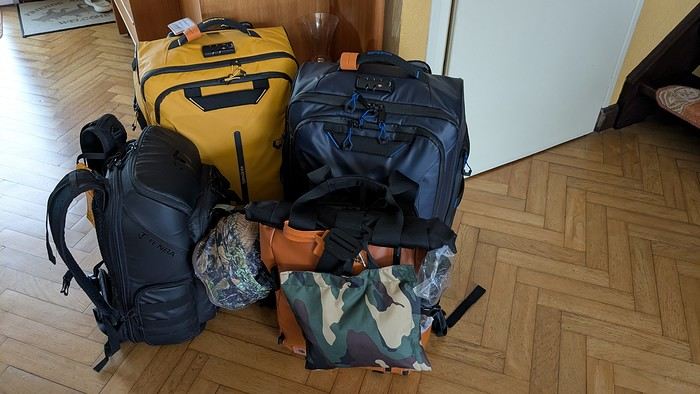
So on Saturday, February 1st, our bags were packed. We headed to the Lorraine TGV station, about 30 km from home.
Direct train to Roissy—just 1h15. Quick and efficient.
All that was left was to wait for our overnight flight. We took off on time, just before 11 PM. Smooth flight, nothing unusual. Arrived in Nairobi around 9 AM. A few hours’ wait, then a flight to Dar es Salaam, landing at our first destination around 12:45 PM.
Our local contact, Anne from Asanterra agency, picked us up at the airport. It was hot and humid—it was raining.
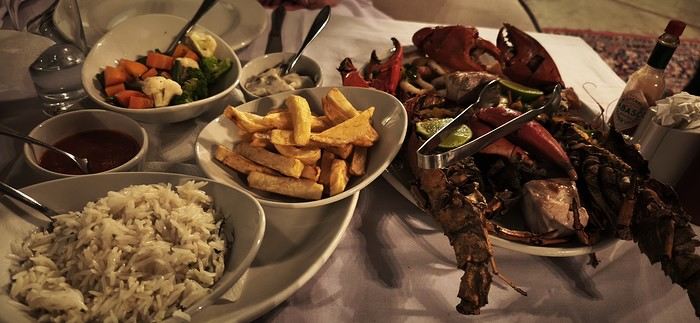
Our first night was at the Alexander Hotel. That evening, we treated ourselves to fish and shellfish at the hotel restaurant:
Sunday, February 22, 2026:
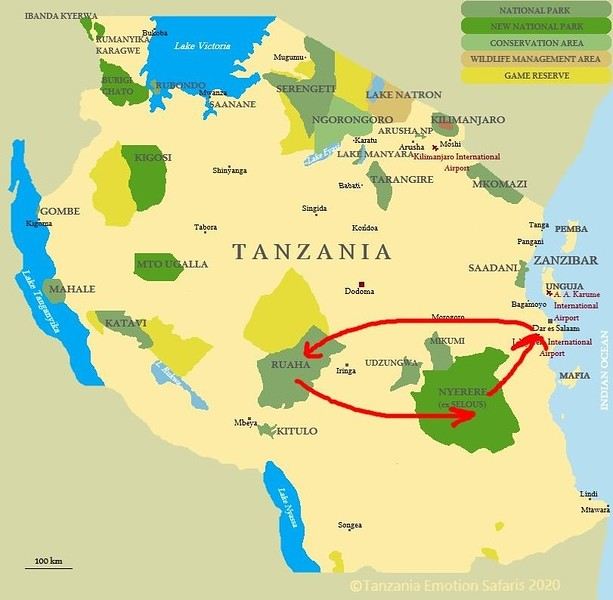
A driver picked us up at dawn to take us to the domestic airport so we could finally head to our first destination: Ruaha National Park.
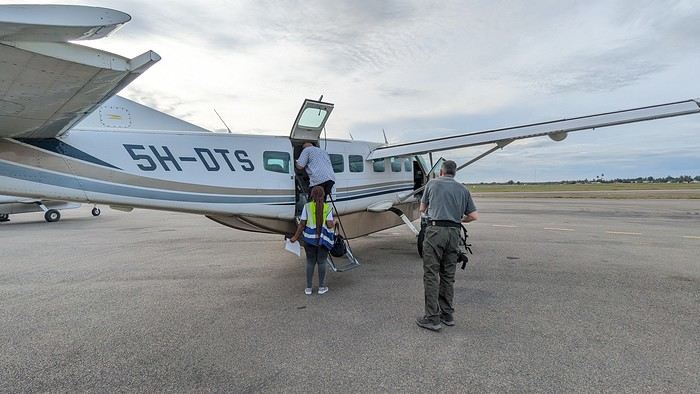
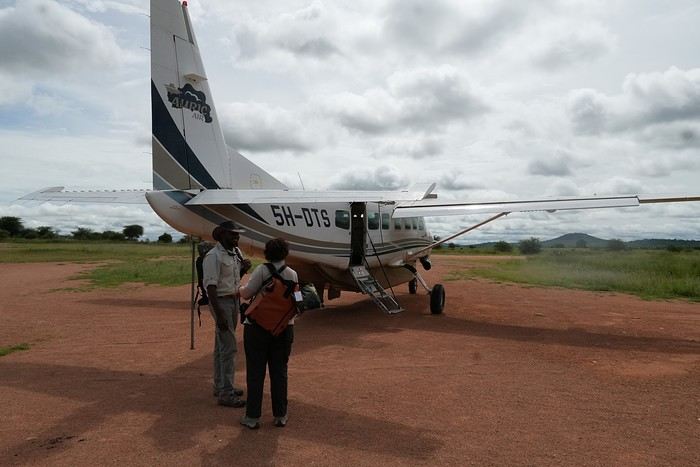
We flew with Auric.air for a 2-hour flight with two stops (Nyerere and Zkima airstrips).
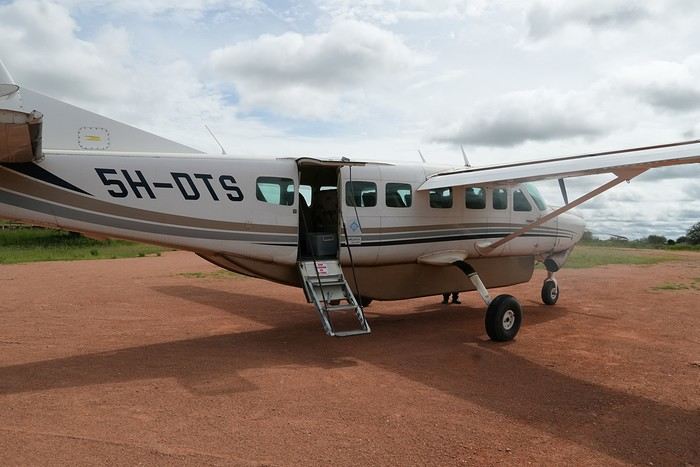
I’m always amazed at how easily these Cessnas take off and land on dirt runways—especially when they’re wet:
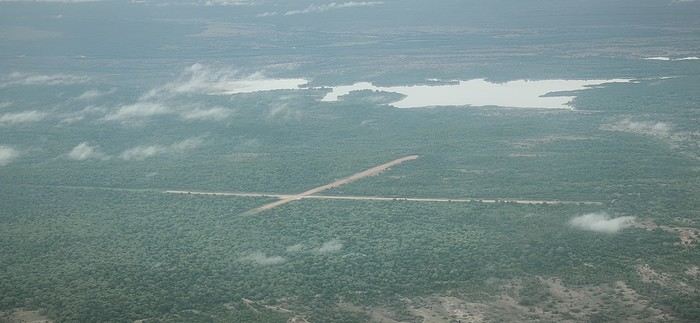
Aerial view of Zkima airstrip, where we’d landed just minutes earlier:
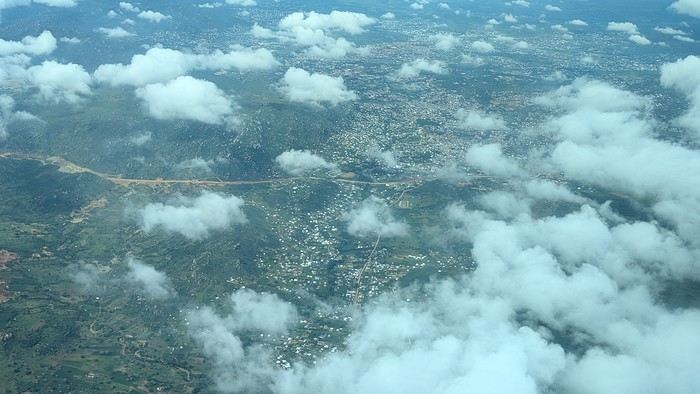
Flyover of Iringa, a "big" city in the country near Ruaha National Park:
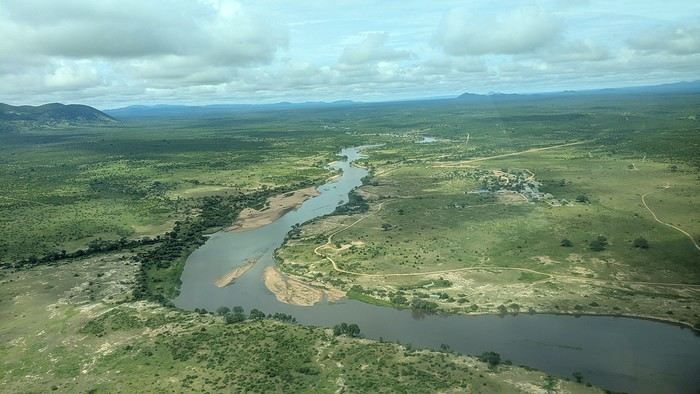
We’re getting close. The plane descends and flies over the Ruaha River, which gave the park its name:
We land for the third and final time that day, reaching our destination: Msembe airstrip, the gateway to Ruaha.
It's raining in Xi'an, and I'm taking the opportunity to jot down a few notes. Don’t bother reading everything—I’m mostly writing this for my mom, who’s hungry for details and keeps track of my trip on the map of China and on Google.
We took a high-speed train from Beijing to Xi'an, which is in the middle of China, about 1,300 km away. The journey takes around 6 hours. The landscapes are flat and quite dry. I didn’t see any individual houses in this country. In the cultivated areas, there are clusters of properties all built on the same model: a square of walls with a built-up section leaning against the back wall. We passed through gigantic cities, each time feeling like we were arriving in Manhattan. After spending several weeks in Siberia, one of the least populated regions in the world, the contrast is harsh. Xi'an isn’t some small backwater where a farmer discovered the Terracotta Army in 1974—it’s a metropolis of 9 million people. The city center is enclosed by a rectangular wall, the best-preserved in the world. An evening stroll through the old town is a source of amazement at every step. First, there are crowds everywhere—you could say that wherever we went in China, there was a lively atmosphere. The illuminations on the wall and the ancient buildings are stunning. Most people wear sneakers, in all colors, which might be explained by the long distances they have to cover.
We first stopped by a public park where there was a dog owners' club. All the dogs were having a blast together. The Chinese love beautiful dogs, often long-haired breeds like Samoyeds, Scottish Collies, Saint Bernards—what about the others? Do they eat them?
The Chinese adore fish—they’re everywhere: aquariums in restaurants and hotels, ponds. A small clay pot in front of a shop, and boom—three goldfish inside. Poor things!
Next, we saw groups of people squatting on the ground making fires. It was the eve of the Qingming Festival, and it’s a custom to buy fake money to burn as an offering to ancestors.
On another square, people were flying kites. It looked like they were soaring kilometers into the sky and getting tangled, but they untangled themselves and kept flying...
We then found a street overflowing with street food stalls, packed with a noisy, bustling crowd. Lots of skewers of unidentified animals—or worse, according to Claude, unidentified *parts* of animals. I tried a few specialties but stuck to the sweet stuff. We eventually found some nougat that was good, and with our usual bananas—which are delicious in China—we made a meal of it.
Of course, we visited the Terracotta Army. It took us 3 hours to get there. At the information center in the train station, I asked which bus to take. I showed a photo of the buried soldiers, and the young woman looked at me with a bewildered, desperate expression. It was like showing the Eiffel Tower to an information desk at Gare de Lyon... She finally wrote down a number on a piece of paper and sent us 34 km back to our starting point. We got to admire the outskirts: endless rows of 40-story buildings. It’s terrifying... If this were in France, we’d immediately wonder about crime in this kind of housing, but apparently, that’s not associated with it in China. In fact, we ask ourselves a lot of questions, and this dive into a world we struggle to understand raises so many. I try to find answers on Bing, but there’s not much out there. I can’t wait to get Google back.
For our latest 3-week family trip (yes, the kids are growing up, and two of them are about to enter the working world), we’re heading to South America!
For our first time on this continent, I had planned a classic 3-week loop in Peru.
But since we won’t be returning to this part of the world anytime soon, I thought: why not follow in the footsteps of Franck, aka Bibouns51, who, in 18 days, didn’t just stick to Peru but also added two of the planet’s most stunning landscapes to his itinerary... the Salar de Uyuni in Bolivia and its neighbor, the fabulous Atacama Desert in northern Chile !!
So, I set about the tricky task of limiting the regions we’d visit in Peru to those we considered must-sees, to avoid rushing too much. The visit schedules were optimized, including several comfortable overnight buses that have the huge advantage of letting us hop between regions.
So, we’re off on a somewhat adventurous trip with three domestic flights (two on the first day and one on the last), two overnight buses for quick hops, several car rentals, the services of a few drivers to make the trip more comfortable, and even a tour operator for crossing the Salar...
Our main concern is altitude sickness, and we’re bringing Diamox, aspirin, etc., just in case.
Our second worry before departure was not even getting off the ground... Yes, for once, we’re leaving from France—Marseille, to be exact. The week before our departure, with the surprise air traffic controllers’ strike, I remembered why we usually prefer to leave from abroad, like Turin or Barcelona... In the end, it wasn’t the air traffic controllers who made us nervous but the early July wildfires that paralyzed the airport a few days before our departure. Fortunately, the fires were quickly brought under control, and on the big day, everything was smooth sailing!
Detailed itinerary (which changed on Day 1 due to departure hiccups):
Day 0: Flight Marseille - Madrid - Lima
PERU
Theoretical and abandoned Day 1: Flight Lima - Cuzco and visit Cuzco (Puka Pukara, Tambomachay, Cristo Blanco Observatory, Sacsayhuaman sunset) - Night in Cuzco
Day 2: Taxi -> Chinchero - Moray - Maras Salt Mines - Ollantaytambo - Train to Aguas Calientes
Day 3: Machu Picchu - Return train to Ollantaytambo
Day 4: 2-day taxi -> Pisac - Tipon - Andahuaylillas - Huaro - Night in San Pedro
Day 5: Palcoyo - Checacupe - Vinicunca - Return and night in Cuzco
Day 6: Day in Cuzco (catch-up on Sacsayhuaman, San Blas district, Temple of the Sun) - Overnight bus to Arequipa
Day 7: Rental car -> On the road to Colca Canyon, night in Cabanaconde
Day 8: Descent to the bottom of Colca Canyon, night at Oasis Sangalle
Day 9: Ascent from the canyon - Maca - Chivay - Return and night in Arequipa
Day 10: Visit Arequipa (Santa Catalina Convent, La Recoleta Church and Monastery, La Compañía Church, Cathedral) - Overnight bus to Puno
Day 11: Lake Titicaca - Night in Puno
BOLIVIA
Day 12: Shared taxi -> Road to La Paz, visit downtown La Paz - Night 1 in La Paz
Day 13: Moon Valley and Las Animas Valley - Night 2 in La Paz
Day 14: Day in La Paz - Night 3 in La Paz
Day 15: Flight to Uyuni - Day 1 of Salar de Uyuni tour - Night at the edge of the Salar
Day 16: Crossing the Lipez region and lagoons - Night near Laguna Colorada
Day 17: Sol de Mañana
CHILE
Day 17 cont.: Pre-booked transfer to SPDA - 4x4 rental - Pukara de Quitor - Stargazing tour - Night 1 in SPDA
Day 18: Death Valley and Moon Valley - Night 2 in SPDA
Day 19: Miscanti and Miniques Lagoons, Salar de Aguas Calientes and its Piedra Roja, Tebenquiche Lagoon and Quebrada del Diablo - Night 3 in SPDA
Day 20: Rainbow Valley and swim in the Puritama River - Night 4 in SPDA
Day 21: Tebenquiche Lagoon - Bus to Calama - Flight to Santiago
Day 22: Return Santiago - Madrid - Marseille
Day 0 - 11/07: Destination Lima
Our first flight from Marseille went smoothly to our Iberia layover in Madrid.
In Madrid, just after getting off the plane around 8 PM, and as we were walking through the terminal, we got a rude awakening!!
We saw the word "Cancelled" next to our flight number on the display boards. Thinking it must be a glitch, we checked another screen, but the system was stubborn, and the same dreaded word appeared !
So, we headed to the Iberia counter, where an agent confirmed that our Friday evening flight was canceled and rescheduled for the next morning. The reason? A breakdown and no replacement plane, even though we were in Madrid, Iberia’s home base!
To make matters worse, I remembered our super-tight schedule, planned to the minute, with no buffer day in Lima. Since I’m a bit phobic of megacities and hadn’t found anything appealing in the Peruvian capital in our guidebooks, we’d planned to leave Lima as soon as possible for Cusco, the heart of the Sacred Valley, to spend our first day there.
Bad idea, because we already knew the 4-hour buffer wouldn’t be enough, and we’d miss the domestic flight, which was, of course, non-refundable and non-changeable. So, we had to call LATAM from Madrid to find another flight for Saturday evening and negotiate a rate to recover some of our initial outlay.
After an hour on the phone with customer service, several endless holds, and three failed attempts to dictate our credit card number over the phone to a Spaniard speaking English with a thick accent, we finally managed to confirm the transaction, securing our new flight tickets for a moderate extra cost of just 150 € total.
At first, we were pretty bummed about losing a day and incurring extra fees to reschedule the domestic flight, but then, when we learned from an Iberia customer service rep that we’d receive the max compensation of 600 € per traveler, we even ended up grinning... because 3000 € in refunds for only losing the first day in Cusco? We’d sign up for that 10 times over!!
Iberia then took care of us, putting us up in a hotel where we had dinner before a short 5-hour night and an early morning departure. I took the opportunity to improvise a quick day of sightseeing in Lima, focusing on the Barranco and Miraflores districts.
We're off! After exploring the north, the four friends have now discovered the south.
We’re excited to share this new travel journal, dedicated to our little group and our strong friendship, written by Richard and illustrated with Kate’s photos.
I’ll chime in from time to time with practical tips.
First of all, a big thank you to everyone on VoyageForum who helped us plan this trip. It would’ve been quite different if we’d just relied on guidebooks.
The itinerary lasted just over 3 weeks: Mahabalipuram, Pondicherry, Thanjavur, the Chettinad region, Madurai, Munnar, Munroe Island, Cochin, and Chennai.
We traveled by train, taxi, and private car with a driver, took a domestic flight, and stayed in guesthouses, Airbnb apartments, and hotels.
For each of us, including flights, the total budget barely reached 2000 €, and we didn’t hold back—knowing we avoid resorts and love street food and small Indian restaurants.
After staying in Aruba in November 2023, we picked up our camper van, which we had left in a hotel parking lot in Miami, Florida.
This isn’t our first road trip across the United States. Since we’re retired, we took the opportunity to travel along the American West Coast, starting with the Everglades in Florida to visit a few parks where we could spot alligators.
We also made a few stops in Mississippi and Texas to explore the most important cities in those states.
Did you know that Austin is home to the world’s largest urban bat colony? It’s truly impressive to see thousands of them take flight at dusk.
I invite you to keep reading this travel journal and watch the videos that’ll give you a little more insight into these different destinations.
Videos are embedded throughout the summary. Just click on the image to start the video.
To jump to a specific post, here are the relevant links:
FLORIDA:
Big Cypress National Preserve - Ochopee
Captain Mitch's Everglades Airboat Tours
Marco Island
MISSISSIPPI:
Exploring Biloxi
TEXAS:
Downtown Houston
Corpus Christi
San Antonio Attractions
McNutt Sculpture Garden - San Antonio
Mission San José - San Antonio
Austin Attractions
The World’s Largest Urban Bat Colony - Austin
Downtown Fort Worth Attractions
Downtown Dallas
Highway 1 runs along the Pacific coast of California from Leggett in the north to Dana Point in the south. It's the longest state route in California, stretching 1,050 km.
It's famous for its breathtaking ocean views. That’s actually why it’s become such a popular route for road trips, with tons of attractions and points of interest all along the way.
After crossing the U.S. interior on our way out (see Road Trip USA 2023 - Part 1), we’re starting our return trip along this route from Leggett.
Videos are embedded throughout the summary. Please click on the image to start the video.
To jump to a specific post, here are the appropriate links:
CALIFORNIA:
Scenic Overlooks on Route 1 Between Leggett and Fort Bragg
The Pudding Creek Trestle Bridge in Fort Bragg
Glass Beach - Fort Bragg
Jenner Lookout Point - Highway 1
Goat Rock Beach - Sonoma Coast State Park - Jenner
Point Reyes National Seashore - White House Pool Trail
Point Reyes National Seashore - Limantour Beach
Point Reyes National Seashore - Point Reyes Shipwreck
Point Reyes National Seashore - Kehoe Beach Trail
Point Reyes National Seashore - McClures Beach Trail
Point Reyes National Seashore - Cypress Tree Tunnel
Point Reyes National Seashore - Point Reyes Beach North
Point Reyes National Seashore - Elephant Seals on Drakes Beach
Point Reyes National Seashore - Point Reyes Beach South
Point Reyes National Seashore – Elephant Seals Overlooks
Point Reyes National Seashore - Chimney Rock Trail
Point Reyes National Seashore - Point Reyes Lighthouse Trail
Point Reyes National Seashore – Tule Elk Observation
Point Bonita Lighthouse Trail - Sausalito
Hawk Hill - Sausalito
Battery Spencer Trail - Sausalito
Rodeo Beach - Sausalito
Point Cavallo - Golden Gate View - Sausalito
Exploring Downtown Sausalito
Visiting Sausalito’s Houseboats
Crossing the Golden Gate Bridge - San Francisco
Golden Gate Bridge Viewpoints - San Francisco
Cruise to Alcatraz Island - San Francisco
Visiting Alcatraz Island - San Francisco
Civic Center - Downtown San Francisco
Market Street & Yerba Buena Gardens - Downtown San Francisco
Union Square & Financial District - Downtown San Francisco
Fisherman's Wharf, Pier 39 & Embarcadero - San Francisco
Sea Lion Observation - Pier 39 - San Francisco
Lombard Street & Cable Car - Russian Hill - San Francisco
Macondray Lane Historic District - Russian Hill - San Francisco
Grace Cathedral & Huntington Park - Nob Hill - San Francisco
Telegraph Hill - San Francisco
Chinatown - San Francisco
Alamo Square & Painted Ladies - Western Addition - San Francisco
Palace of Fine Arts - Marina District - San Francisco
Presidio of San Francisco
California Coastal Trail - Lincoln Park - San Francisco
California Palace of the Legion of Honor - Lincoln Park - San Francisco
Sutro Baths - Lincoln Park - San Francisco
Queen Wilhelmina Garden - Golden Gate Park - San Francisco
Bison Paddock - Golden Gate Park - San Francisco
Portals of the Past - Golden Gate Park - San Francisco
Strawberry Hill - Golden Gate Park – San Francisco
Prayerbook Cross & Robin Williams Meadow - Golden Gate Park - San Francisco
Hidden Garden Steps & 16th Avenue Tiled Steps - San Francisco
Grandview Park - San Francisco
Hike - Twin Peaks Three Summits - San Francisco
Longboarding Down Twin Peaks Blvd in San Francisco
Haight-Ashbury - San Francisco
Corona Heights Park - San Francisco
Mission Dolores - San Francisco
Mural Frescoes (Part 1) - Mission District - San Francisco
Mural Frescoes (Part 2) - Mission District - San Francisco
Devil's Slide Bunker - Pacifica
Mavericks Beach - Half Moon Bay
Martins Beach - Half Moon Bay
Pigeon Point Lighthouse State Historic Park - Pescadero
What to See in Santa Cruz
Visiting Capitola
What to See in Monterey
Carmel-by-the-Sea
Lovers Point Park - Pacific Grove
Castle Rock, Hurricane Point & Little Sur River Viewpoints
Pfeiffer Falls Trail
Julia Pfeiffer Burns State Park Vista Point & McWay Falls
Highway 1 - Big Sur Viewpoints
Salmon Creek Falls
San Carpoforo Creek Trail
Elephant Seal Vista Point - San Simeon
San Simeon Pier
Moonstone Beach Boardwalk
Shipwreck - Estero Bluffs State Park
Surfing Competition in Morro Bay
Port San Luis Pier - San Luis Obispo
Pismo Beach
Monarch Butterfly Grove - Pismo State Beach
Nojoqui Falls Park - Solvang
Arroyo Hondo Vista Point
Solvang, a Charming Danish Town in California
Chumash Painted Cave - Santa Barbara
Goleta San Marcos Rd & Cachuma Lake Vista Points - Santa Barbara
Old Santa Barbara Mission
Walking Tour of Santa Barbara’s Historic Downtown
West Beach - Santa Barbara
What to See in Ventura
Paradise Falls - Wildwood Regional Park - Thousand Oaks
Sandy Dune & El Matador State Beach - Malibu
Point Dume Nature Reserve - Malibu
Malibu Pier
Road Trip in the Malibu Mountains
Los Liones Trail - Santa Monica
Santa Monica Pier
Rodeo Drive - Beverly Hills
Greystone Mansion - Beverly Hills
Hollywood Walk of Fame - Los Angeles
Griffith Observatory - Los Angeles
Hollywood Forever Cemetery - Los Angeles
What to See in Venice Beach
Venice Beach Skatepark
ShoreLine Aquatic Park - Long Beach
Alamitos Beach - Long Beach
Naples Island - Long Beach
Crescent Bay Point Park & Helser Park Kiosk - Laguna Beach
Shell Beach at Twin Points - Laguna Beach
Prairie Dogs at Agra Vista Point
Top Gun House & Oceanside Pier
Annie's Canyon Trail - Solana Beach (Via North Rios Trailhead Loop)
Old Town San Diego
La Jolla Coastal Trail - San Diego
Balboa Park - San Diego
Pacific Beach - San Diego
Mission Beach - San Diego
Ocean Beach Tide Pools - San Diego
Sunset Cliffs Natural Park - San Diego
Tuna Harbor Park - San Diego
Seaport Village & Embarcadero Marina Park - San Diego
Gaslamp Quarter - Downtown San Diego
Coronado Island - San Diego
Dead Dolly Lane - Alpine
Galleta Meadows Metal Sculptures - Borrego Springs
What to See in Palm Springs
Robolights - Palm Springs
Andreas Canyon Trail - Indian Canyons - Palm Springs
Palm Canyon Trail - Indian Canyons - Palm Springs
West Fork Falls Trail - Indian Canyons - Palm Springs
Tahquitz Canyon Loop Trail - Indian Canyons - Palm Springs
Desert Christ Park - Yucca Valley
Pioneertown
Salvation Mountain - Niland
Slab City - Niland
Hi fellow travelers,
After the "pleasant surprise" of Burkina Faso last year, the urge to continue exploring West Africa hasn’t left me, especially Ghana.
To my mind, this country had two standout features: an English-speaking culture and a coastline (the Gold Coast) where forts and castles built in the 17th and 18th centuries still stand—grim reminders of the transatlantic slave trade.
Despite questions from friends and family like, "Wait, you’re going to Ghana?", "What for?", "Where’s that even?", "Aren’t you scared?", "There aren’t any tourists there!", a few months before departure, I made up my mind. I booked a Paris-Accra ticket via Lisbon on TAP, the Portuguese airline (477 USD), to enjoy a 5-day stopover in the Portuguese capital on the way back. Meanwhile, my travel buddy flew direct from Paris to Accra on Air France.
Good thing he did! He spent the first two days wandering the hot, dusty streets of the capital alone, while TAP (the Portuguese airline) stranded me—along with about 140 other passengers from the Lisbon-Accra flight—in a hotel in Lomé (Togo) due to "serious technical problems" with the plane!!!!!
Well, that was a great start!!!!!
Fortunately, that was the only hiccup in an otherwise eye-opening trip to a country that deserves more attention from French-speaking travelers. Others (especially Germans and Dutch, for historical reasons—we’ll get into that later) are already well aware, as are many Ghanaians living abroad in Europe, the US, and Canada.
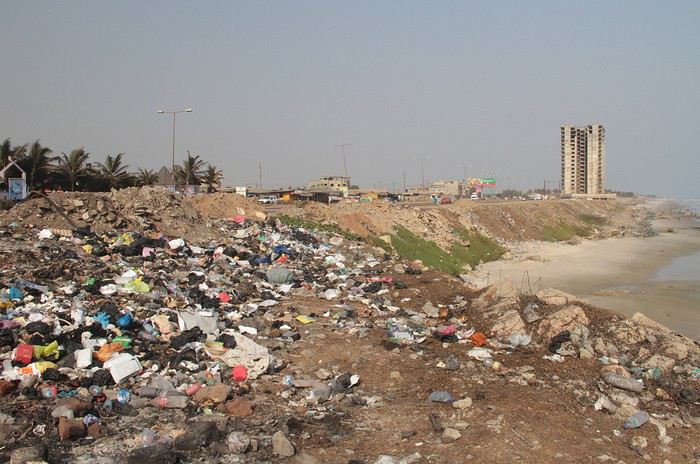
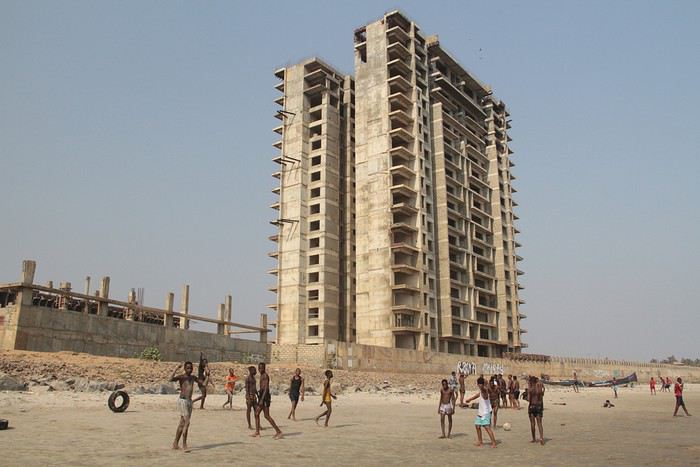
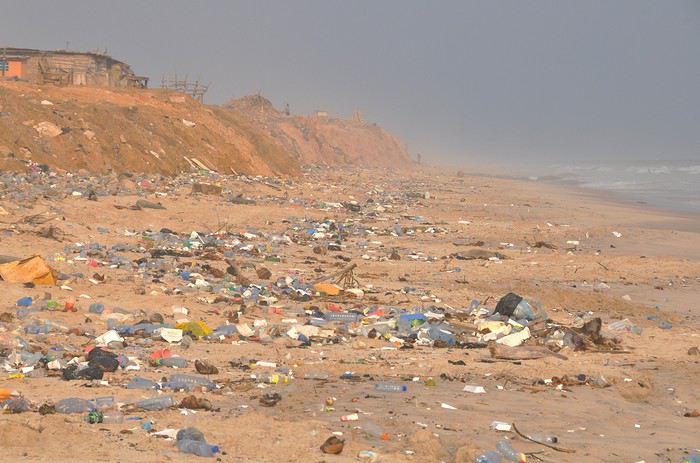
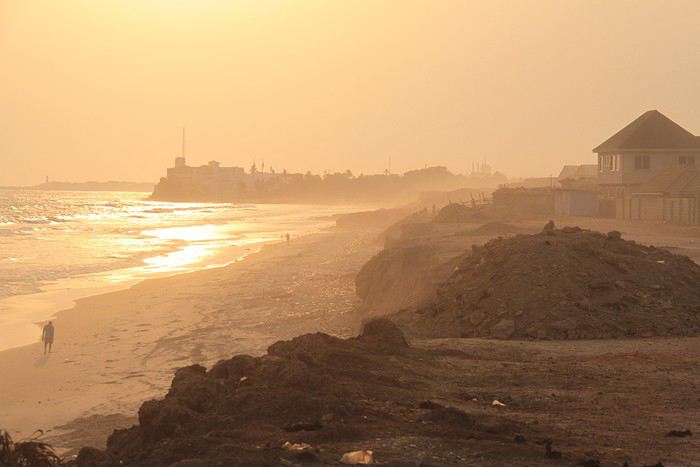
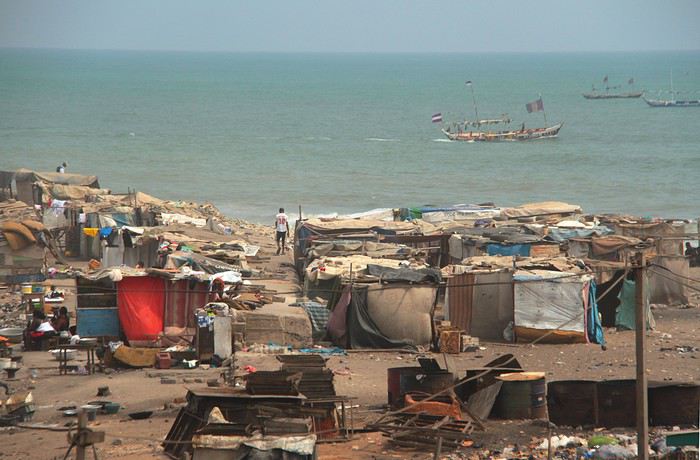
Let’s start with the least appealing part of the trip: Accra and its 2.5 million inhabitants, which only deserves a (very) quick visit.
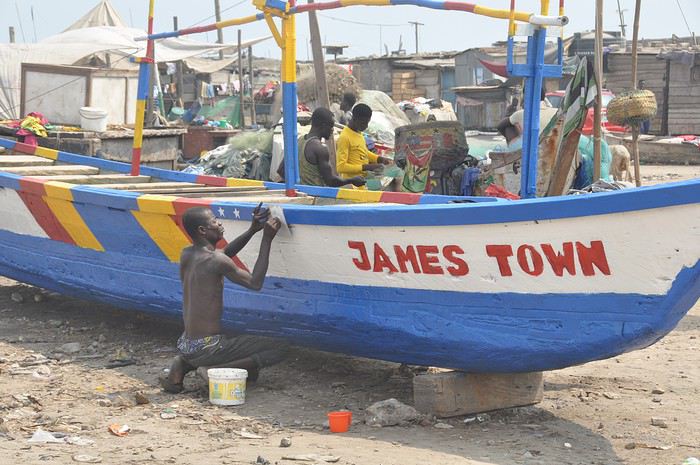
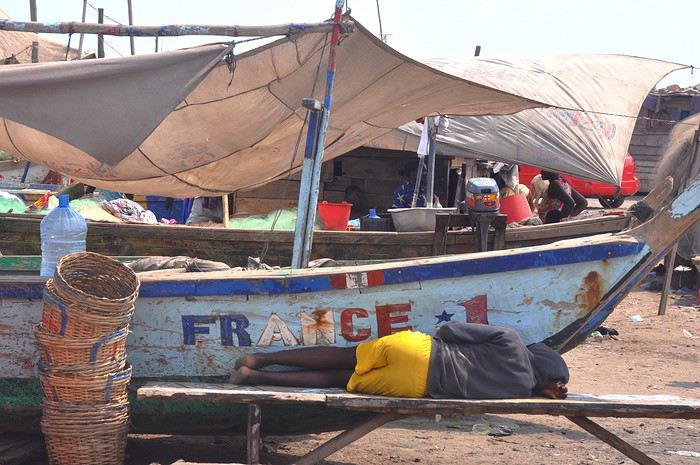
Here’s the proof in photos—I’ll spare you the gloomiest ones...
Waterfront at Labadi Beach
1.
2.
3.
4.
5. Jamestown, Accra’s "port"
Super tankers can’t unload in Ghana—the nearest and most important port is in Lomé, Togo (built by the Germans during colonization).
This short stay in Doha is part of a longer trip. It lets us break up a flight to the Seychelles.
Friday, January 16, The Corniche
Despite the adventures we had the day before (read about it here), we just can’t get up later than 8 a.m. Our minds are a bit clearer and a bit more positive after some sleep.
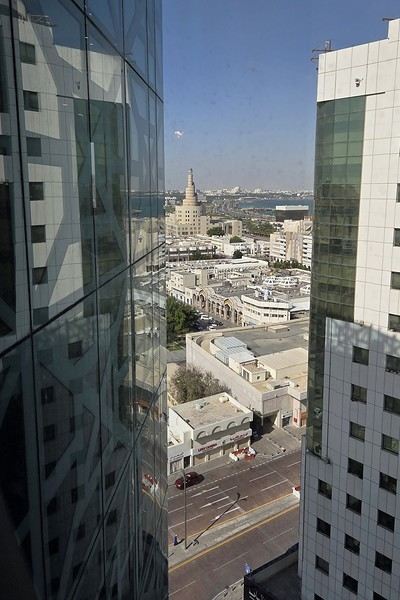
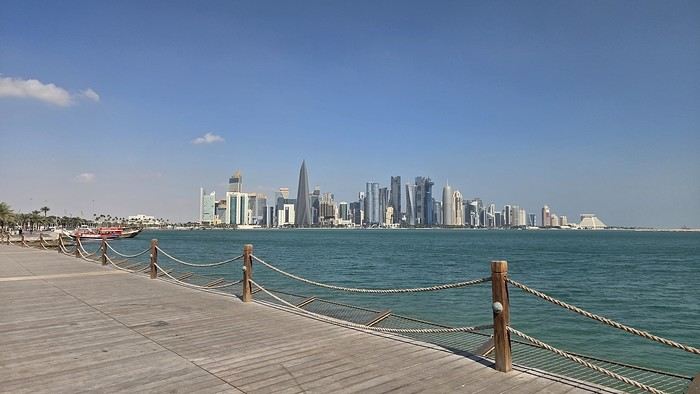
View of the Corniche from the 12th floor.
Breakfast is sumptuous—it really lifts our spirits.
On this Friday morning, almost everything is closed, so we head out to explore the Corniche, which is just a few hundred meters from our hotel in Old Doha.
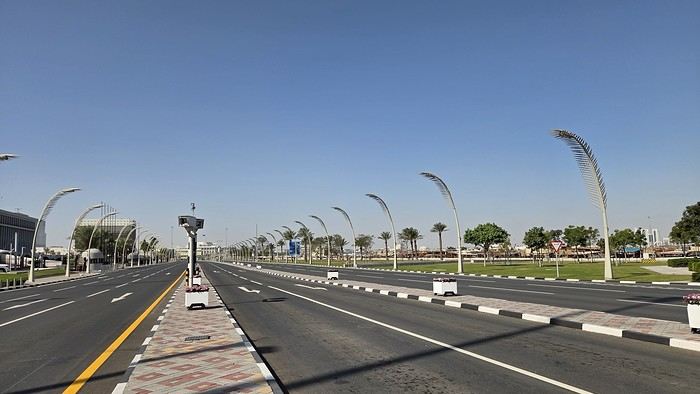
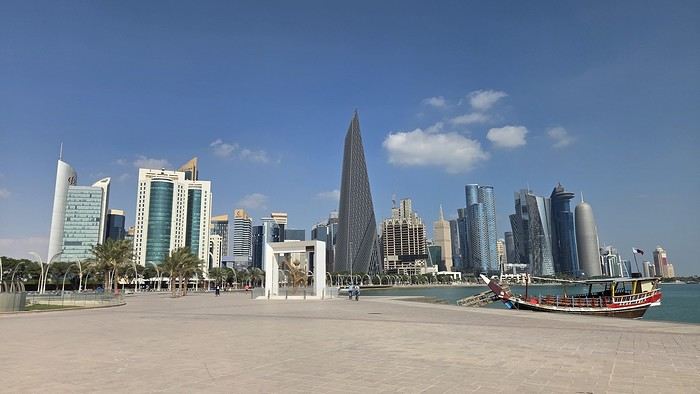
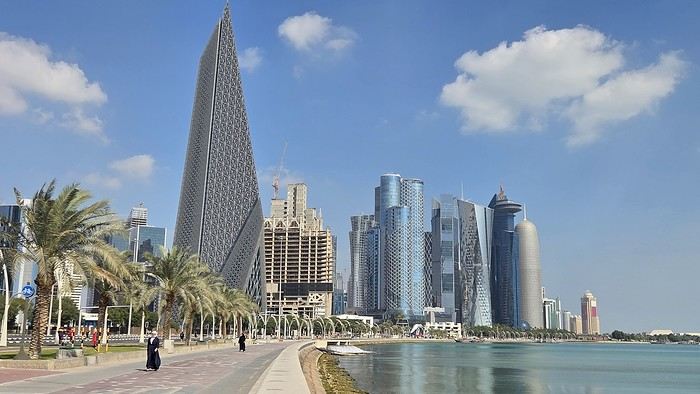
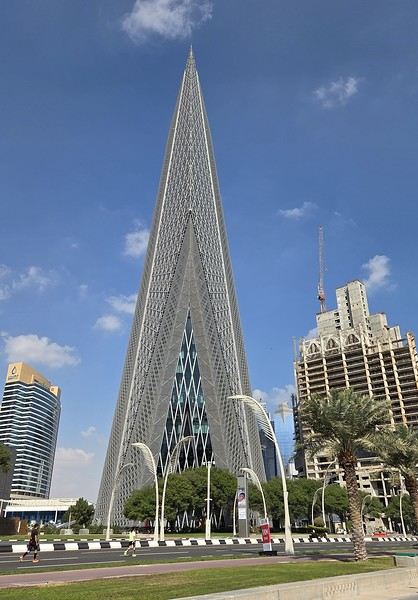
A marathon is happening today on the Corniche, so the road is closed and empty, making it easy to cross. The palm-shaped streetlights are gorgeous when they’re lit up at night.
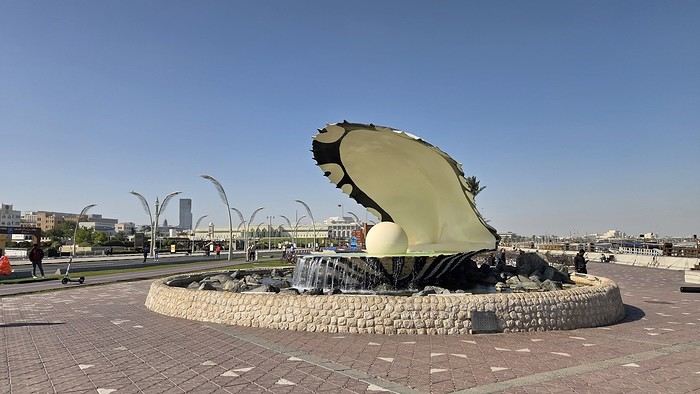
A little reminder of Qatar’s once-thriving pearl trade.
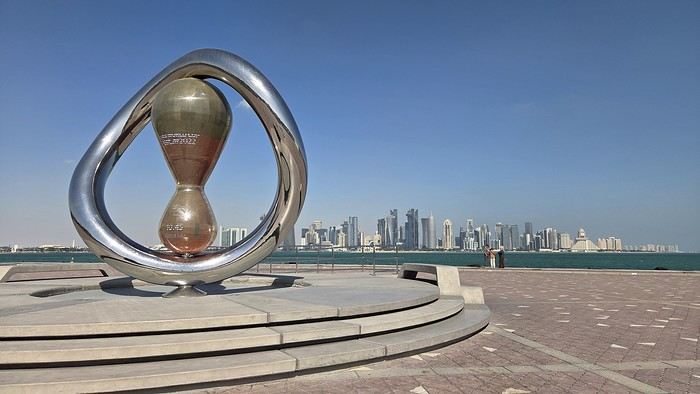
A memory of a much more recent past.
The sun is shining, but it’s not very warm—just 19°C at the hottest part of the day. Tough luck, last week it was 24°C.
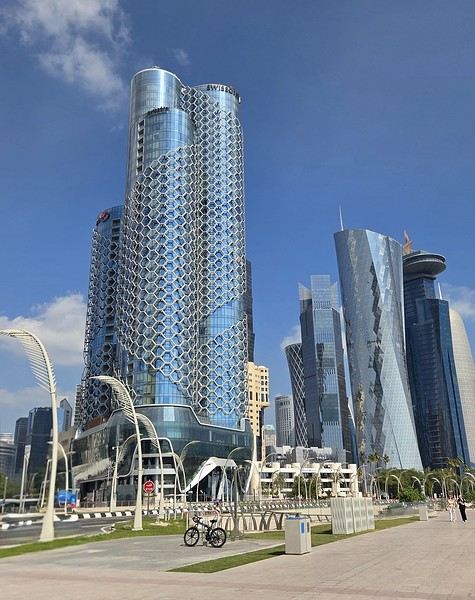
The walk along the crescent-shaped Corniche is pretty long. From the old town to the modern center, where massive Dubai-style towers rise, it’s a 6 km promenade along the waterfront.
Many dhows are docked, waiting for tourists to take a little cruise in the bay, but visitors are scarce.
The skyscrapers are so stunning, you can’t help but admire them.
We spent two weeks in the Seychelles at the end of March and beginning of April 2026.
We split our stay as follows: 4 nights on La Digue, nights on Praslin (assuming you meant a specific number here—let me know if you'd like to correct it!), and 6 nights on Mahé.
It’s a classic itinerary.
Inter-island transfers are done with the Cat Coco company. You can book the transfers online on their website, which also offers an airport-to-port shuttle when you arrive in Mahé. It takes about 50 minutes to go from Mahé to Praslin and 10 minutes between Praslin and La Digue.
La Digue is an island with very few cars (only taxis and a few official or business vehicles) and lots of bikes. You can rent them everywhere on the island—we rented ours from our landlady.
Things to see and do on the island: a bike tour around the island, the Veuve Reserve (it’s a bird), Union Estate with a giant tortoise park, and especially Anse Source d’Argent (our favorite beach across all three islands) and all the other coves, including Grande Anse, Petite Anse, and Anse Sévère.
For food, there are several takeaways on the island and plenty of small shops for groceries—same goes for the other two islands.
On Praslin, we rented a car, but you can also use the bus network. There aren’t many destinations, the main one being the Vallée de Mai, a must-visit as the sanctuary of the coco de mer (the "butt nut"). It’s best to visit with a guide—they wait for a small group, and the ticket price can be split four ways. You *can* visit alone, but you’ll miss out on a lot of information.
Another destination is Anse Georgette, in the north of the island near the airport and the golf course of a big resort. Have your accommodation notify the hotel when you’re heading there, and if you’re driving, park as soon as you see the first signs for the parking lot.
Anse Lazio is famous, but much more touristy than Anse Georgette.
We stayed in Anse Volbert Village at Côte d’Or, a stunning 3 km beach with shops, takeaways, and restaurants.
Mahé is the largest island. Like on Praslin, you can rent a car or use the buses—we rented one. The roads are good but sometimes narrow. Don’t forget the mountainous terrain in this part of the Seychelles, which makes some climbs very steep (same as on Praslin). Opt for small cars—they’re often automatic, and remember you drive on the left here!
Things to see on Mahé: the Jardin du Roi, a collection of everything that grows in the Seychelles—very interesting, with a great restaurant. Visit Anse Intendance, Anse Bazarca, and Police Bay in the south—three gorgeous beaches. Also check out Anse Royale. For souvenirs, head to the Craft Village, where you can find some unique items. If you’re a fan, visit the Takamaka distillery.
In conclusion, we should’ve added one or two more nights on La Digue—it’s really beautiful—and only stayed three nights on Praslin.
We rented apartments through Booking and Airbnb. Don’t forget to get your tourist visa online.
The Seychelles is a clean, safe, relaxed, and stress-free country
After my trip to Oregon in 2018 (see Travel Journal "Oregon and Only Oregon"), I vaguely intended to return to the West (the western USA, of course—the west of France is where I almost live) someday, later... with no specific date or plan.
November 2018, I stumbled upon a promotion for round-trip flights from Paris to San Francisco.
Well, I *stumbled*—they must’ve collected some "data" on me to make sure this deal crossed my path. And it worked!
My ESTA was still valid, and two days later, it was decided: May 13, 2019 (departure from Paris) to June 15, 2019 (return to Paris).
The travel style? Just like last year: low-budget trip, rental car, and accommodation only in campgrounds, with no reservations to stay as free as possible.
Exceptions? 3 nights in a youth hostel upon arrival in downtown San Francisco, and 1 night on the way back (right before flying) in Montara, near Pacifica—a spot that seemed well-located for driving back to the airport in the middle of the night.
Now, to sketch out the rough itinerary. Here’s what it looked like after the trip:
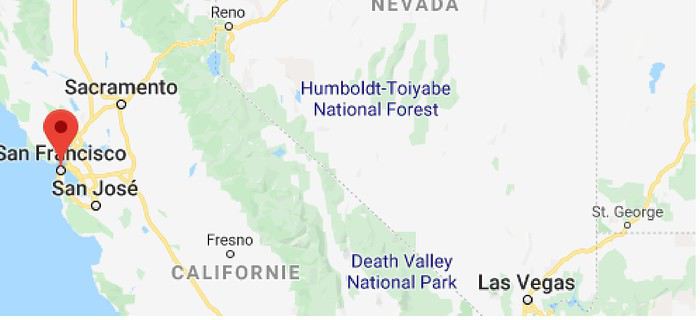
Westernmost point: Montara Lighthouse on the coast, 30 km south of San Francisco (California);
Easternmost point: Zion National Park (Utah).
Northernmost point: Reno (Nevada).
Southernmost point: Spring Mountain Ranch State Park in Blue Diamond, near Las Vegas (Nevada).
Another view:
I’ll be spending 33 days in this little area! I’m a slow traveler.
Meanwhile, I realized that in some places I wanted to visit (Las Vegas and National Parks), it was better to book ahead.
So, I added to my reservations:
- 2 nights in a hostel in Las Vegas
- 6 nights of camping in the national parks (2 at Zion NP, 2 at Yosemite NP, 2 at Sequoia-Kings Canyon NP).
Between all these dated stops, it’s a choose-your-own-adventure from the ideas I found.
I’m also a slow writer—slow writer, slow traveler—so it’ll take me a while to wrap this up.
I’ll start tomorrow.
Blue skies (lots of them), whitewashed villages with steep alleyways, hundreds of churches, and... thousands of stairs?
Welcome to the Cyclades! 🙂
We’d been dreaming about this for a while, but in July-August—with the crowds—no way!
Now that I can travel outside school holidays, the Cyclades are back on the agenda.
And so begins a loooong period of planning and second-guessing, with countless itinerary changes: the Cyclades, yes, but which ones?
I was fixated on Folegandros (we won’t be going after all) and really wanted to visit Delos.
So, for this first trip, it’ll be: Mykonos (and Delos)-Naxos-Amorgos-Santorini.
Saturday 24/05:
Departure from Orly on a Transavia flight, arriving in Mykonos in the late afternoon.
We found a hotel that offers free transfers (pretty rare and not insignificant—it’s 25 € each way for just a few kilometers 😠) and at a reasonable price (83 € per night for B&B).
Time for dinner already: Greek salad and souvlaki (we’re in Greece, right?)
(Okay, this is actually a dakos with Naxos cheese, but I don’t have a photo of a Greek salad 😏).
We’re a couple in our sixties and spent four weeks in Indonesia during October 2025.
First, we got all the necessary documents—Indonesian visa, Bali-specific visa, and customs forms—from specialized Indonesian websites. You *can* get them on arrival, but it takes a lot of time.
Unfortunately, we chose to spend the first six days of our trip in Ubud and Amed, on Bali, which we bitterly regretted. You can arrive in Indonesia without going through Bali—this island is overcrowded with tourists, cars, and scooters, and it’s home to 4,400,000 people despite being smaller than Corsica. The locals are very kind, helpful, and friendly, and the food is good, but everything is geared toward tourists—nothing feels truly authentic. At least in the parts of Bali we visited: Sanur in the south (where we spent three days before flying back to France), Ubud, and Amed. The north of the island might be more interesting, but we didn’t go there.
After Bali, we headed to Yogyakarta, on Java, to explore the city and, most importantly, visit the temples of Borobudur and Prambanan.
It’s like going from a hyper-touristy universe to a world with almost no tourists. When you walk around the city, you barely see any tourists—the people are very approachable and happy to chat. As for Borobudur and Prambanan, they’re an absolute must on this trip. You *can* visit both temples in one day, including seeing Borobudur at sunrise. We split the visits over two days. We booked Borobudur the day before on the official site, which offers specific visiting times. For Prambanan, we bought the ticket and hired a guide on-site.
We spent four days on Java before flying to Sulawesi, also called Celebes. Makassar, the island’s capital, was just a stopover between flights, but we had time to admire the beautiful new mosque at sunset. Then, we spent four days in Toraja country, another highlight of the trip, visiting cemeteries and attending a funeral ceremony with around 600 people near Rantepao. We experienced truly unique and extraordinary moments. Above Toraja country, a few hours’ drive away, lies the Bada Valley and its megaliths—the tallest is 4.8 meters high, and there are about fifteen scattered across the rice fields. We saw five of them. There were a few tourists in Toraja, but in Bada, we were alone. Unforgettable memories, stunning landscapes, and always-smiling, kind, approachable people.
To wrap up the trip, we spent five nights in the Togian Islands, north of the Bada Valley, alone in a resort with three bungalows. The view was a white-sand beach and the nearby coral reef, complete with colorful fish, turtles, dolphins, and sharks.
After eleven nights in Sulawesi, we returned to Bali. Our last nights were in Sanur, a beach town with all-inclusive hotels (we stayed in an Airbnb), restaurants serving beef bourguignon, and tourists who don’t really go to Indonesia—they just go to Bali.
Practical tip: download Grab, the local Uber—it’s super handy. This year, we opted for an eSIM, which is also very convenient. You can buy it in France and activate it when you arrive at the airport.
I’m happy to answer any questions!
PS: Despite my mixed feelings about Bali, it *can* still be a travel destination—but Indonesia has so much more to offer!
Marc
This one-month trip, from January 18 to February 17, 2026, allowed us to visit Mexico City and travel through the states of Puebla, Oaxaca, and Chiapas. We mainly used buses (ADO company) for medium and long distances and colectivos or taxis (or Uber) for shorter trips.
Before leaving, I had contacted several people on the ground: Harry, a Vendéan settled in Oaxaca offering, among other things, discoveries of artisan villages or the Monte Albán site, and Oscar in Comitán de Domínguez. I’ll come back to our meeting with Oscar, who runs a local agency (CVL Travel Turismo Alternativo & Corre la voz) and owns a very pleasant hostel, a real highlight of our trip.
Our journey took place in 8 stages on a loop starting from Mexico City. The connections between each were made by day or night buses depending on the trip duration. I had booked our seats in advance, either directly on the ADO company’s website or through booking platforms depending on the rates offered. Note that by planning ahead, I was able to benefit from very interesting "Early Booking" rates.
There are several comfort classes. For all our trips, I had booked seats in Primera class buses, except for two in GL (Grand Luxe) class. The rates are very reasonable, and the buses turned out to be comfortable or even very comfortable (only the basic seat recline might surprise you).
Our itinerary and number of days per stage:
Stage 1 – Mexico City: 4 days
Stage 2 – Puebla: 2 days
Stage 3 – Oaxaca: 4 days
Stage 4 – San Agustinillo: 4 days
Stage 5 – San Cristóbal de las Casas: 3 days
Stage 6 – Comitán de Domínguez: 6 days
Stage 7 – Palenque: 4 days
Stage 8 – Mexico City: 2 days
If I were to do it again, I’d remove one day from Palenque and add it either to Puebla or San Cristóbal to visit nearby sites or villages, or to San Agustinillo to enjoy one more day by the Pacific Ocean.
Stage 1: Mexico City (2,200 m / 9.2 million inhabitants)
We arrived in the Mexican capital around 10:00 PM. The simplified customs process was very quick. After exchanging some money at the airport, we took a taxi to our youth hostel.
We got around the capital on foot, of course, but also by metro. Signs are very rare, and we took the train in the wrong direction several times. After a few mistakes, we systematically asked on the platform if we were going the right way.
The metro is very affordable. You need to get a rechargeable card (the Tarjeta de Movilidad Integrada) and top it up as needed. This card (less than 1 €) isn’t personal, so there’s no need to get one per person.
Mexico City: Day 1.
Visits and walks of the day (note: many museums are closed on Mondays):
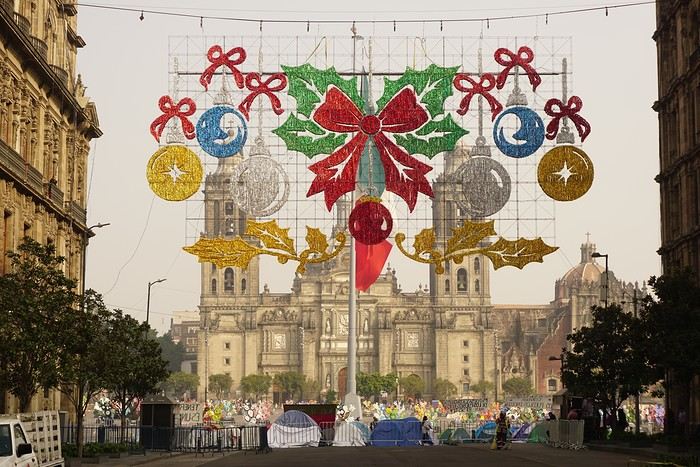
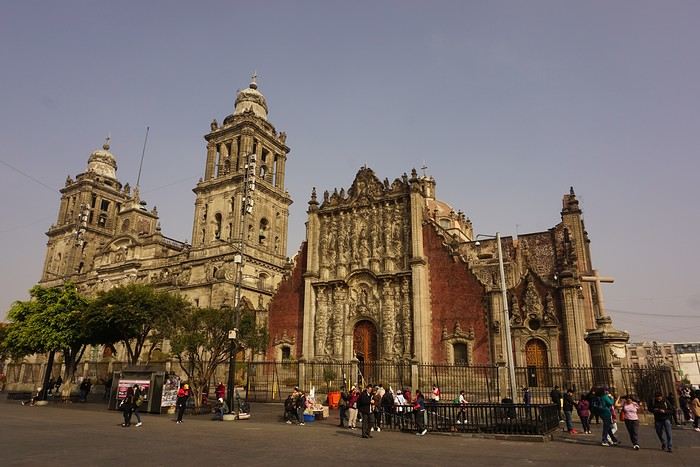
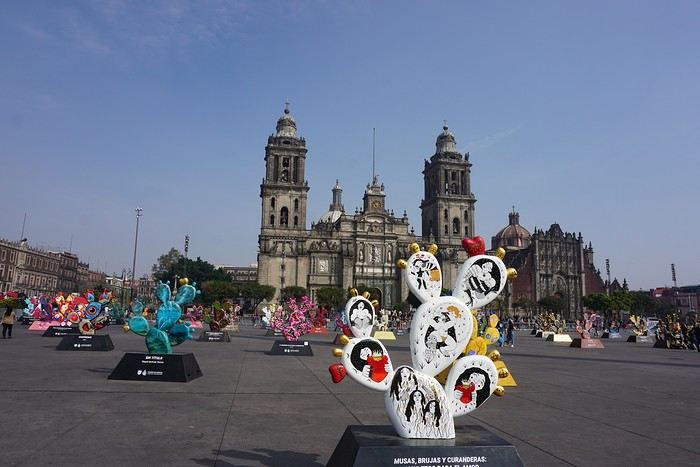
The Zócalo or Constitution Square: it’s one of the most beautiful, largest (195m x 240m), and oldest squares in the world. This is where Cortés decided to build the center of the new Spanish city on the site of the former Tenochtitlan market. Stones from the pyramids were used to pave the esplanade and build the surrounding colonial churches and buildings. During our visit, the huge square was covered with (resin) cacti, the theme of the temporary exhibition at the time. Indeed, temporary events or exhibitions take place here throughout the year. It’s also the endpoint for many protest marches.
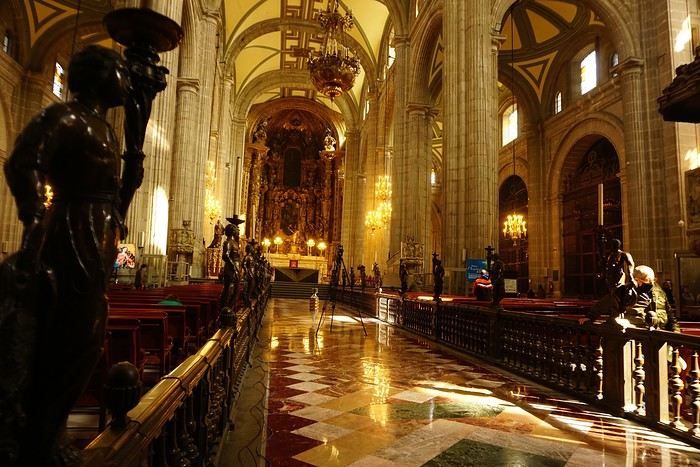
The cathedral: it’s sinking by one centimeter per year despite massive stabilization work (the collapse of many Mexican buildings—30 cm/year—is due to groundwater pumping). It was built starting in 1571 and completed in... 1813.
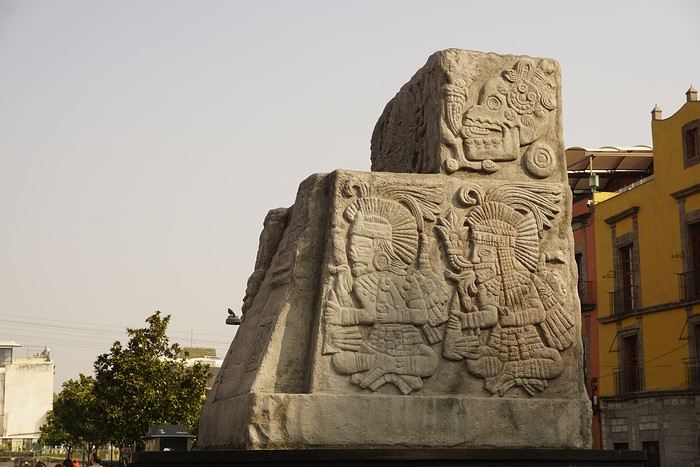
The modest remains of the Templo Mayor (exterior view): they have high symbolic value, as this monument was the most important in the Mexica Empire.
We then walked through the streets of the historic center to the Santísima Church, unfortunately closed for renovation work.
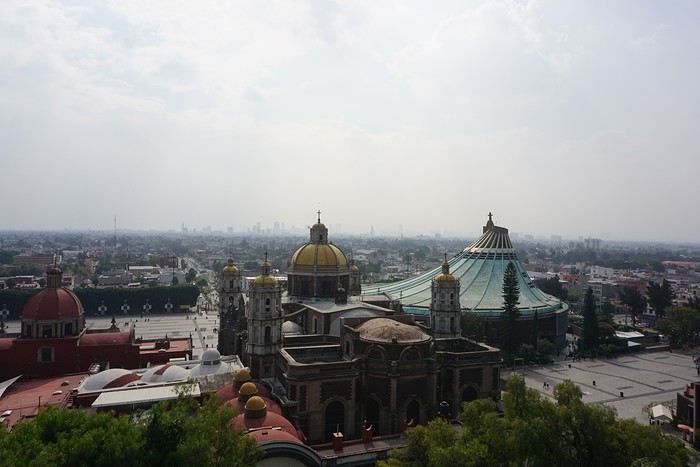
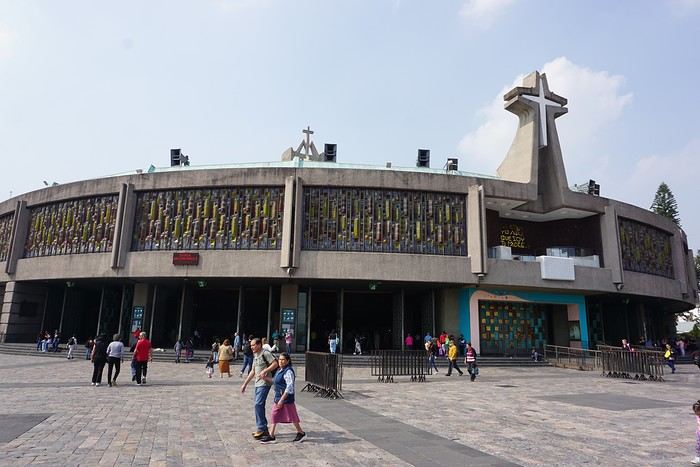
Next, we took the metro to visit one of Mexico’s most important pilgrimage sites: the Insigne y Nacional Basílicas de Santa María de Guadalupe, as well as the Capilla del Cerrito on the hill.
The first, dating from the colonial era, is really leaning a lot.
The second, shaped like a rotunda, is very impressive from the inside.
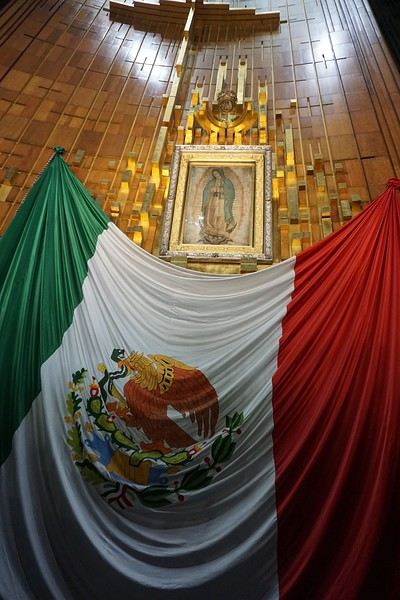
In the basement, there’s a sacred tunic where, in 1531, an image of the Virgin Mary is said to have appeared. A real mystery for scientists, the garment has never deteriorated since that date. Slow-moving conveyor belts allow pilgrims to admire it, preventing crowds from gathering in front of the image for hours. Well thought out!
From the top of the Capilla del Cerrito, you get beautiful views of huge Mexico City.
Thursday, Oct 23. Left home at 8:25 AM, took the bus from St Cyp to Perpignan, then a BlaBlaBus to Barcelona airport. Last night, a huge storm crossed France, and the bus was an hour late. We finally left at 11 AM. At the Spanish border, we were checked—several Africans were traveling on the bus, and their document verification took quite a while. In the end, everything was in order, and we set off again a good half-hour later.
We finally arrived at Barcelona airport after 2 PM, but no stress since my flight was scheduled for 4:30 PM with Saudia. At check-in, the hostess told me there’d be a 1-hour delay due to bad weather in France and Belgium. In the end, the flight didn’t just have a 1-hour delay but a 5-hour one because of a technical issue. The next flight wouldn’t wait for us. When we arrived in Jeddah, they gave us another ticket for the following day—the flight to Bangkok was scheduled for 11:55 AM. The airline assigned us a room, which was good news since I was exhausted. Friday morning, the flight was still scheduled for 11:55 AM, but the gate wasn’t displayed. It was announced with a 1-hour delay, but that stretched to 4 hours. They handed out drinks and a snack—again, the delay was due to technical problems. In Bangkok, I had a connecting flight to Chiang Rai, where I’d also booked a room—I lost everything.
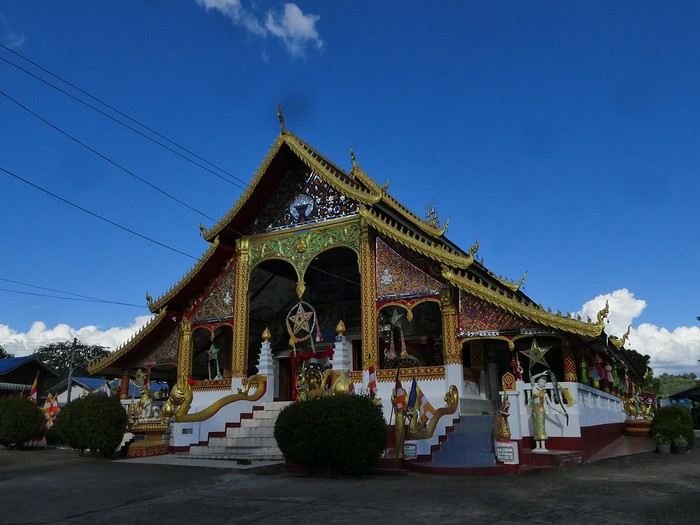
We finally arrived in Bangkok on Saturday at 4 AM. I had to buy another ticket for a 7 AM flight. The formalities were quick, and my flight went smoothly. A taxi took me to Bus Terminal 1, where I caught a bus leaving at 10 AM, and we arrived at the Thailand-Laos border. I shared a taxi with other travelers, which took us to Houay Xai. The guesthouse I’d booked was right across from the stop—that was great. I exchanged some money and bought a SIM card at the guesthouse. Despite the fatigue, I needed to stretch my legs, so I walked down the street to the temple.
and continued to Fort Carnot, built by the French.
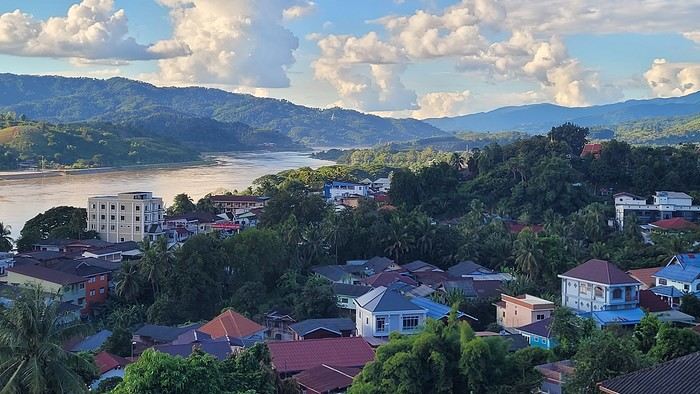
The views of the Mekong are beautiful for a first glimpse of the country.
yum-yum, bon appétit!
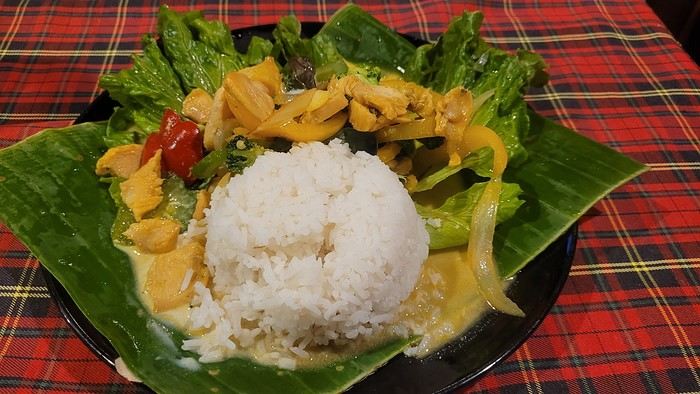
At 6:30 PM, I went to dinner at a restaurant across from the guesthouse—a chicken curry with vegetables.
I didn’t linger and went back to bed. I slept well, even if I woke up often.
This travel journal is the second part of the trip whose first part you can find here: 1st part...
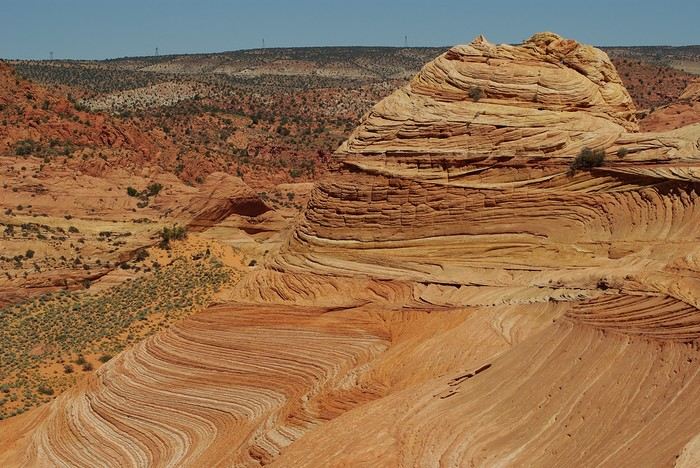
Sunday, August 7: the day we discover a magical place... Edmaier's Secret...
We got up at 8:00 AM, had breakfast on the terrace of our tiny house, and then set off again toward yesterday’s trail. This time, we stopped after 4.5 miles on House Rock Valley Road at the Buckskin Gulch Trail parking lot.
We weren’t interested in that trail today—the slot canyon is muddy anyway after the recent storms...
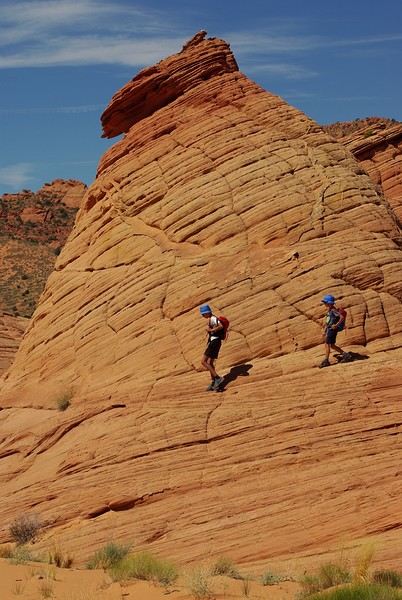
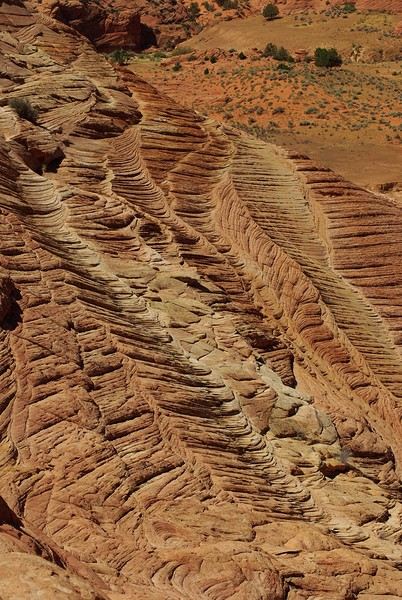
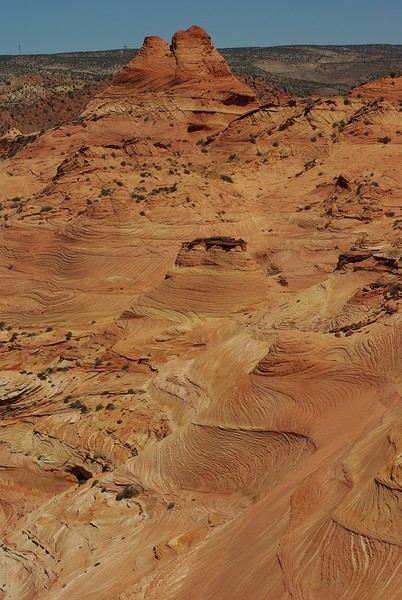
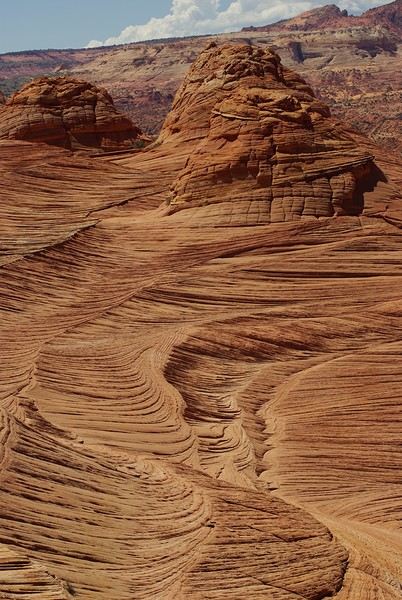
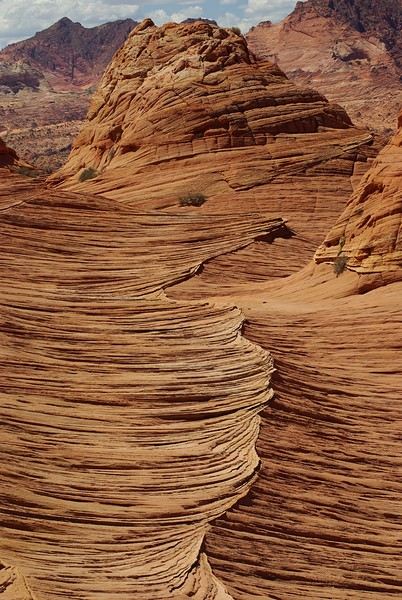
Instead, we explored a lesser-known area that became our playground. And what a playground it was, folks—an out-of-this-world spot, THE highlight of our trip!!! 😏
Just imagine being in the middle of these landscapes, and the cherry on top... no one else around!!!!! Well, we did meet a couple who were coming back—it was 9:30 AM 😮. Did they camp there? Did they turn back? 🙁
After paying the entry permit online, we set off with plenty of water (6L for the four of us) plus a gallon we hid along the way for the return trip. 😉
After a one-hour approach hike along a wash, we reached the sea of sand.
We had to cross it to reach our goal: a strip about 2 km long and 1 km wide that you can explore freely since there’s no marked trail...
We entered a few GPS points into our Garmin Etrex, and off we went!!! 😎
It was... magical, enchanting, a true love-at-first-sight moment!
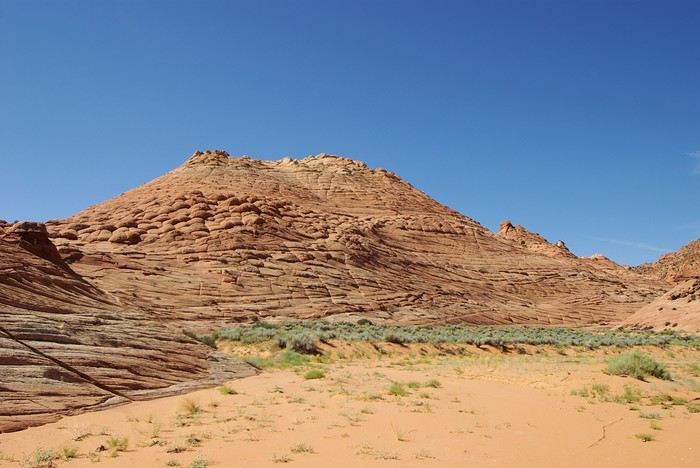
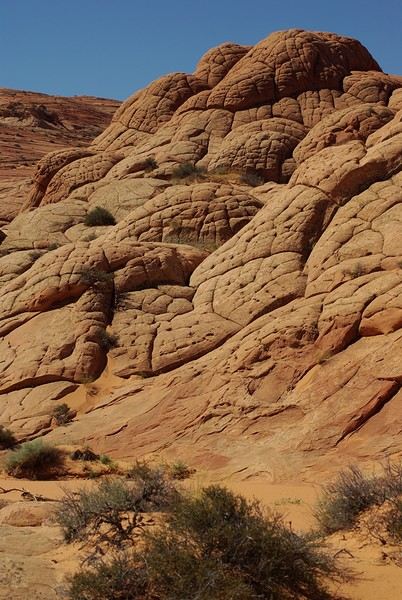
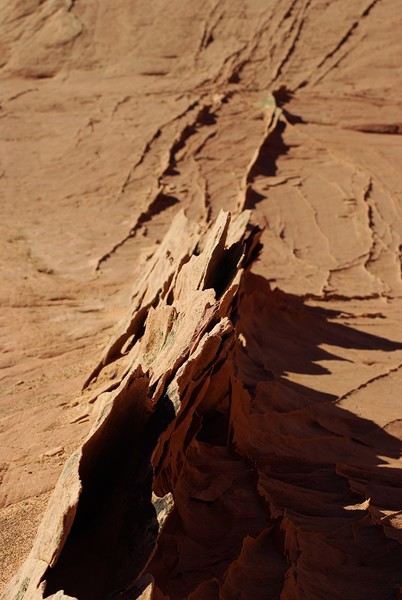
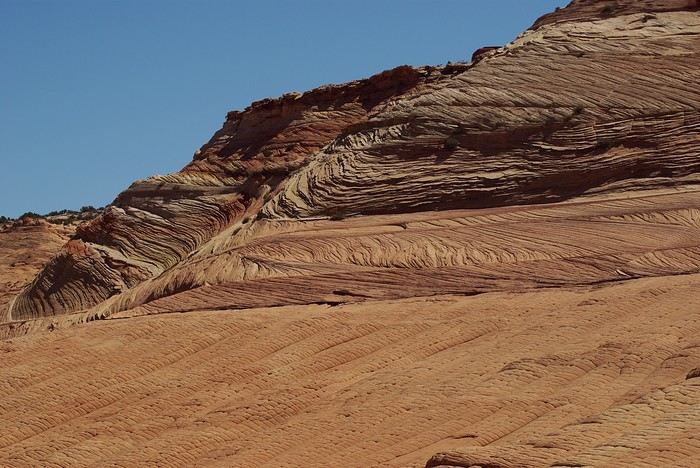
Brain Rock, waves, fine and brittle rock, colors—it goes up, it goes down.
Just thinking about it gives me chills... I remember sitting still for two minutes, taking in these wonders with such emotion that I teared up...
Introduction:
For years, I’ve heard about Costa Rica, which seems like a country "made for me"—nature, not cities.
I almost went in 2019, but a family issue made me cancel.
Initially, I wanted to spend at least three weeks there, planning to go in our summer despite it being the rainy season. Then I realized what I wanted to do could fit into two weeks, so I ended up going in February.
Plus, January’s weather was so awful that some sunshine should do me good.
I found a flight at a decent price, but with two downsides.
The first is that it leaves from Paris CDG, and the second is that it’s with Air France—a airline I’d sworn off after my misadventures with them back in 2008. We’ll see how it goes!
Arrival at Chetumal Airport - Car rental
- 3 days in BACALAR: Magnificent lagoon. The edges of the lagoon are private (so paid access!). From the road, you can't see the lagoon. You have to take one of the many unpaved trails and walk about 2 km. You get a beautiful view of the lagoon from the Bacalar fort, a charming little lively town.
Los Rapidos: A really beautiful spot (paid entry, of course!). It's definitely worth spending a few hours there. You just let yourself drift gently with the current in turquoise, warm water. Hard to find—it's very poorly signposted.
Cenote Azul: Very close to Los Rapidos. It's a round lake with deep blue water. Nothing extraordinary. We have the same in Auvergne! A little restaurant by the edge is nice.
Cocalitos: Beautiful viewpoint over the lagoon and the submerged cenote. Developed shoreline (large field to lay your towel, hammocks, bar).
Mayan ruins ICHTIKAL, recently discovered. Recent developments, and one of the few places still free (parking is paid). A lovely walk in the woods, but as everywhere in this region, there are very few animals!
1 night in Pisté to visit Chichen Itza at the first light. Hire a French-speaking guide and go at opening time to enjoy the site before the tourist buses arrive. It's an exceptional place! At the end of the visit, check out the Sacred Cenote. It's inside the site at the end of a small path lined with souvenir vendors. Just to see—no swimming.
Cenote TSUKAN: A recently discovered cenote, so still not very crowded (12 km from Pisté). Very peaceful environment. Swimming (water max. 22°C). Life jacket mandatory. Good restaurant.
2 days in Coba - Visit to the Coba ruins. Very busy site. Paid parking + tax for the Mayans + site entry.
Punta Laguna: A 3-hour walk in the woods with a guide. We saw just one pair of howler monkeys high up in a tree, 25 m away! As I mentioned earlier, we saw few animals and birds in this region (except for iguanas, which are everywhere). I imagined trekking through the jungle surrounded by monkeys and toucans—nope, no jungle, just undergrowth, and no toucans (they come in July during the rainy season, apparently!).
4 days on the island of COZUMEL: Car ferry taken from Calica (Punta Venado). Bookings on the Ultramar or Transcaribe websites.
Sargassum invasion on the beaches (same, if not worse, in Tulum and Playa del Carmen, according to tourists we met). All beaches are private. Access to Beach Clubs is expensive. You have to book entry to Playa Palancar if you want to be sure to get a spot (it was full for us!). The El Cielo beach to see the starfish is only accessible by boat! Near El Cielo, many stingrays swim in the shallow waters of El Cielito. That's where all the boats stop, and we enjoyed ceviche with water up to our knees and rays looking for food! Poor rays!!!
Taking advantage of the quiet days that Covid-19 has brought us, I thought it was time to share my experience in Costa Rica. Once again, I found a lot of helpful information on this forum, so if I can help in return, I’d be happy to!
Here’s some general info:
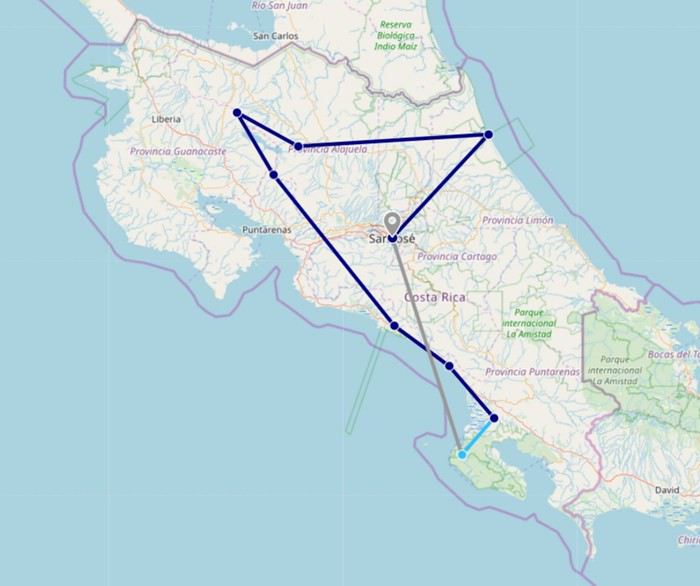
- 2-week trip in a 4x4 during the dry season, from 01/27 to 02/10
- Two 27-year-old travelers, no kids
And here’s our itinerary:
Day 1: Arrival in San José
Day 2: San José - Tortuguero
Day 3: Tortuguero
Day 4: Tortuguero - Arenal
Day 5: Arenal
Day 6: Arenal - Tenorio
Day 7: Tenorio - Monteverde
Day 8: Monteverde - Quepos
Day 9: Quepos
Day 10: Quepos - Uvita
Day 11: Uvita - Sierpe - Bahía Drake
Day 12 & 13: Bahía Drake
Day 14: Bahía Drake - San José
Day 15: Flight back to Switzerland...
Of course, we had to make choices—it’s impossible to see everything in two weeks—but honestly, we’re *really* happy with our route. We even saw more than we expected!
So, ready 😉? Here we go!
DAY 1 – Arrival in San José
After a smooth Zürich-Frankfurt-San José flight, we finally made it to San José 😎!! After months of planning and excitement, we’re here! Since we’d booked a 4x4 with the ToutCostaRica agency for the next day, we stayed at one of their hotels, the Melrost. One of their agents was there to pick us up at the airport and take us to the hotel, which is really close. It was early evening, and it was already dark, so no exploring the city tonight. We treated ourselves to a first local beer on the terrace, listening to the birds, and then headed straight to bed.
Hotel Melrost: A simple little building, but super convenient for just one night in San José (well, Alajuela) before moving on. The room was great, and breakfast was excellent!
DAY 2 – Off to Tortuguero
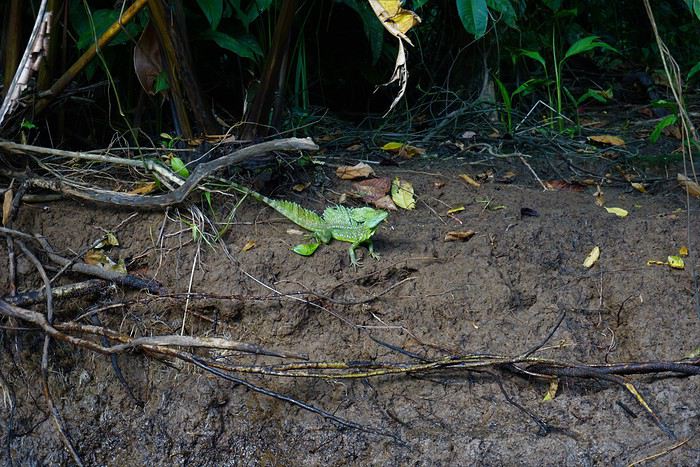
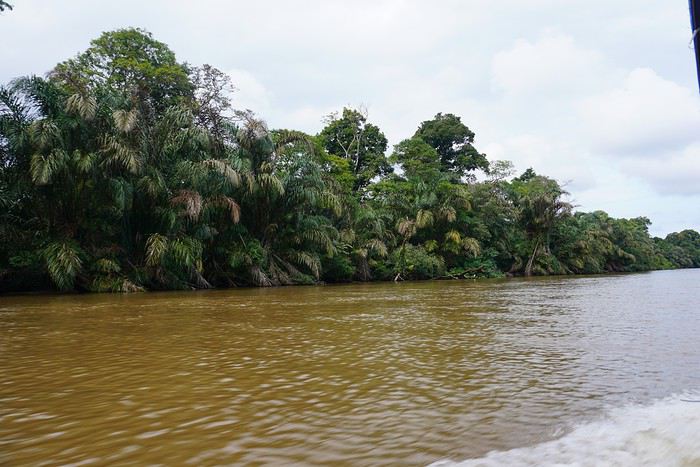
This morning, we had a meet-up at the hotel with ToutCostaRica, where we’d rented our 4x4. They held a briefing in small groups for all the car renters to discuss our routes, tips, the country, and other advice. We found it interesting, but *way* too long! They could’ve kept it shorter—reminding us to wear sunscreen in the sun and not to leave valuables in the car seems pretty obvious... Anyway, after a while, we thanked them for all the advice and set off in our brand-new Toyota Rav4! The rental went perfectly with TCR—everything was great. After leaving the traffic jams of San José behind, we hit some pretty little roads (some in better shape than others) until we reached La Pavona. There, we left our car in a guarded parking lot and took a boat (departure at 3:00 PM) to Tortuguero on the Caribbean coast. Just the boat ride was amazing—we were lucky enough to spot a basilisk, iguanas, and tons of birds. After 40 minutes, we docked right at the pier of our hotel, Casa Marbella. After dropping off our stuff in the room, we headed out to explore the village via its one main street. Lively, colorful, and hot! Since we didn’t have anything else planned for the day, we went back to the hotel terrace to enjoy a juice by the canals. Then, a quick dinner and off to bed to be fresh for tomorrow morning!
Casa Marbella: Really nice, with a convenient pier/terrace for arriving and leaving by boat. Breakfast was absolutely delicious! The room was good, though the AC wasn’t working.
" We’re ALL different, and so are our expectations when it comes to travel or leisure ".
There are—without a doubt—as many ways to experience a trip as there are travelers!!
For the two of us, it’s only our love of wild nature that guides us to East Africa.
The stated goal of this trip was purely wildlife-focused, and NOT about discovering the country or its people.
...
Hello everyone,
Previously, I shared the account of a trip/safari in southern Tanzania in June 2024, in the Mikumi and Selous reserves.
This time, still in southern Tanzania, I invite you to join us in Ruaha National Park. (Then, depending on the number of images allowed in my quota, at the end of my story, we’ll return to Selous for the second part of the same trip.)
- This trip/safari took place in November 2022.
- Our flight started in Marseille, heading to Addis Ababa, then Dar es Salaam (via Ethiopian Airlines). In Dar, we spent one night at a hotel near the airfield.
-1- During the layover in Addis Ababa. The Airbus A-350 in the early morning mist.
Reminder: Click on each image to enlarge it, if needed.
.
From Dar es Salaam, if you want to go by road to Ruaha, it’ll take a very long and tiring day. 🤪
On previous trips, we’ve always taken a bush plane for this route.
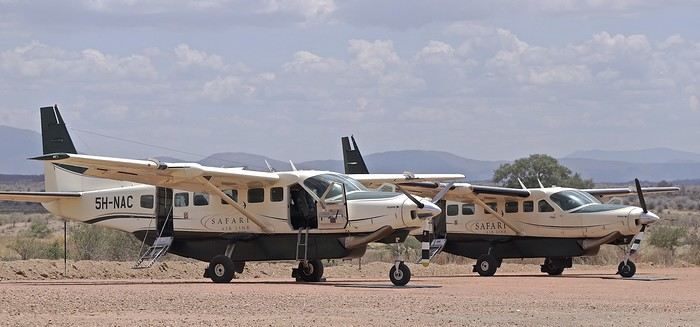
In this case, it took just over an hour and a half, with two short intermediate stops to drop off passengers at other bush airstrips.
Since I’m also passionate about aviation, I love these flights where you can admire the landscapes from low altitude while sitting right behind the pilot 🙂.
-2- These routes mainly use Cessna 208 Caravans.
At the Msembe airstrip, we’re greeted around 1:30 PM by a guide and a driver from our chosen lodge. They brought a picnic basket, which we enjoy at a nearby picnic area. We’re by the Ruaha River, completely dry—it’s scorching hot.
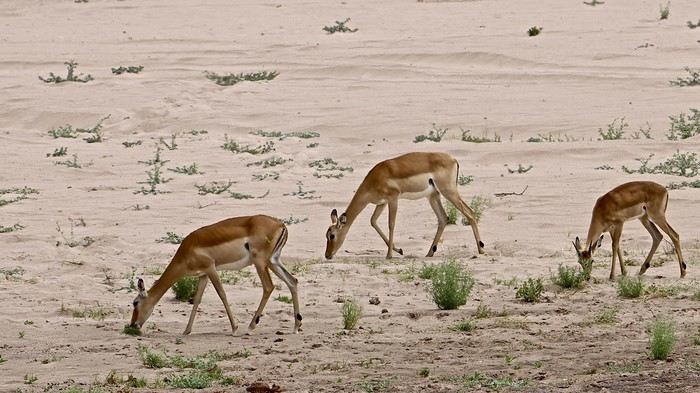
-3- The first mammals we encounter are a pair of female impalas, accompanied by a young male.
Reminder: Click on the image to view it in larger size. 😉
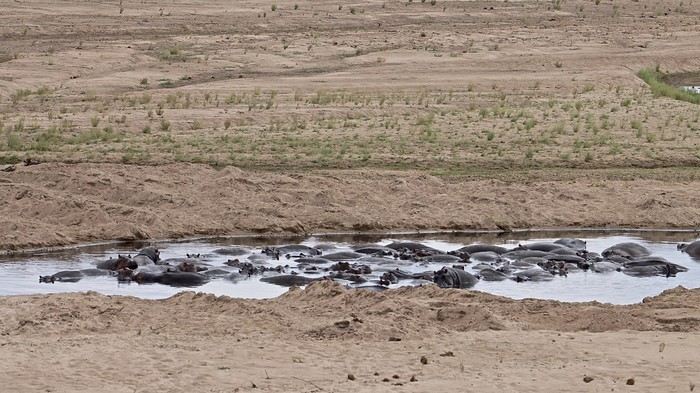
-4- To save the hippopotamus populations from certain death, rangers had to dig holes in the sand with bulldozers. Fortunately, water is present beneath the sand layer.
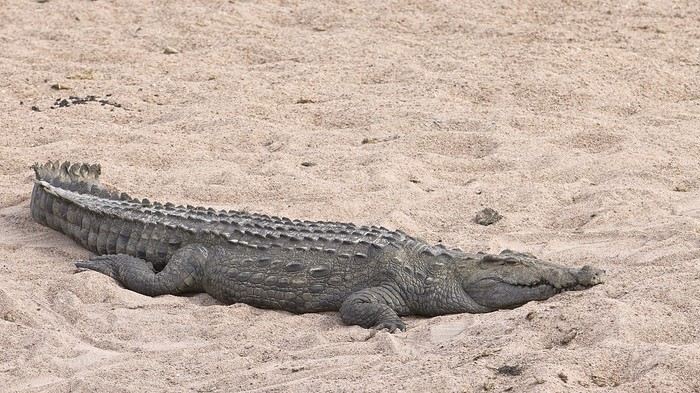
-5- This crocodile doesn’t seem to have been accepted as a swimming neighbor by the hippos...
We’ll explore along the river for 2-3 hours before crossing it at a ford toward the southern part of the reserve.
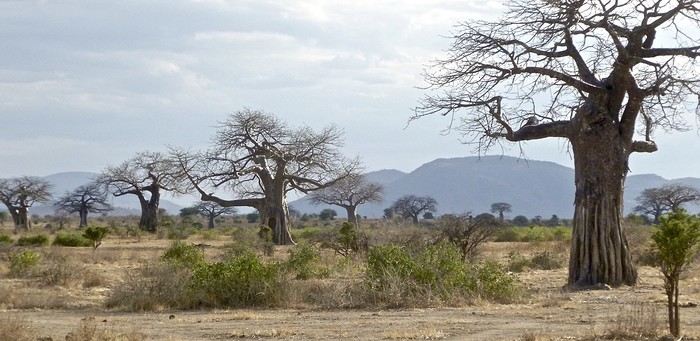
-6- The typical landscape of Ruaha, with its many baobabs.
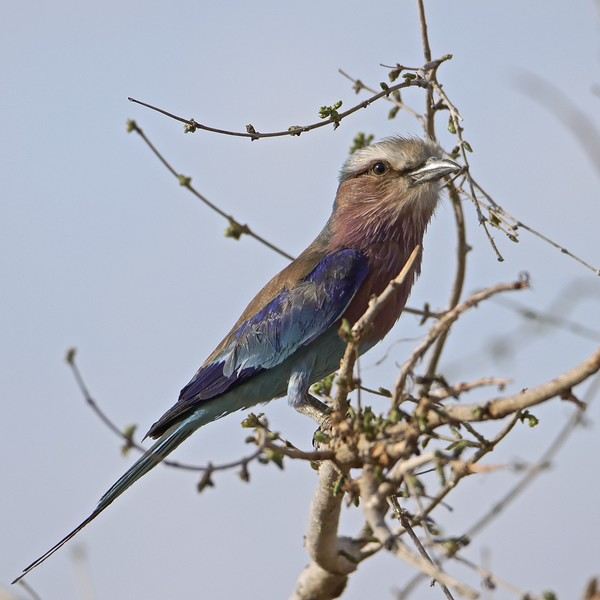
-7- My buddy the R.L.B. is also here to welcome me.... 🙂 🙂
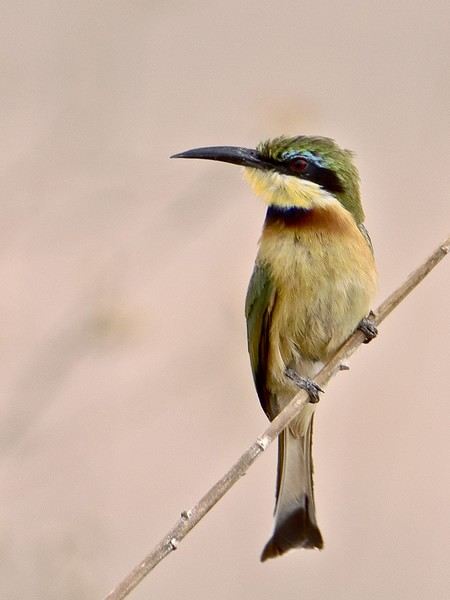
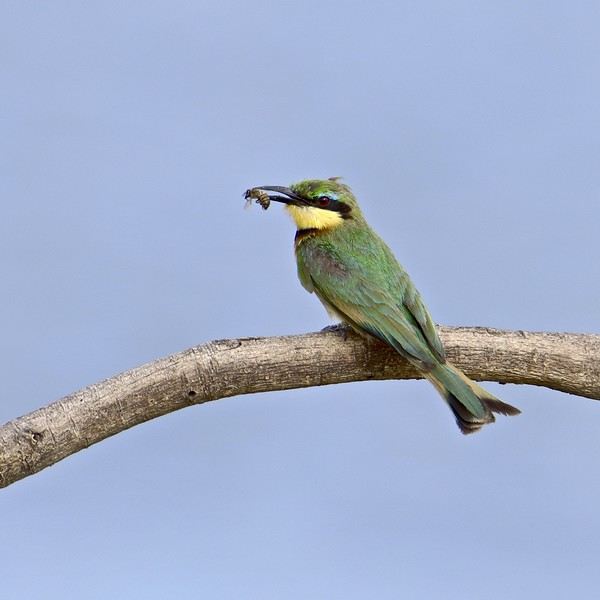
-8- As well as this little bee-eater... 😎
-9- ...which reminds us of the origin of its name...!
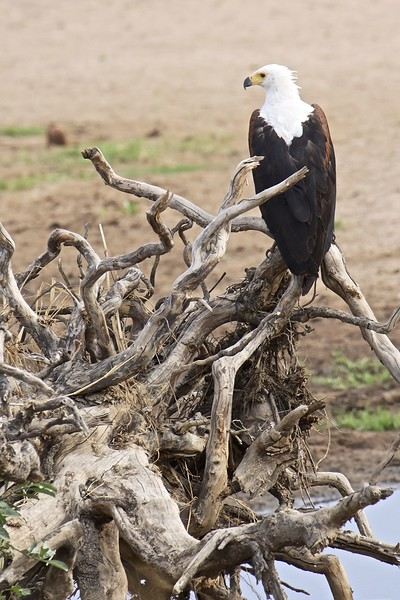
-10- Above a rare waterhole, a fish eagle keeps watch for fish...
...
*** Please wait until the end of the story for any questions or to share your own experiences in Ruaha. (Or via PM.)
Thanks in advance for keeping this account smooth and enjoyable. 😉
...
*** I’m not an ornithologist, but birds are an important and unavoidable part of safari discoveries. You’ll find quite a few in the images of my story. 😎


 .
. .
. .
. .
. .
. .
. .
. .
. .
.


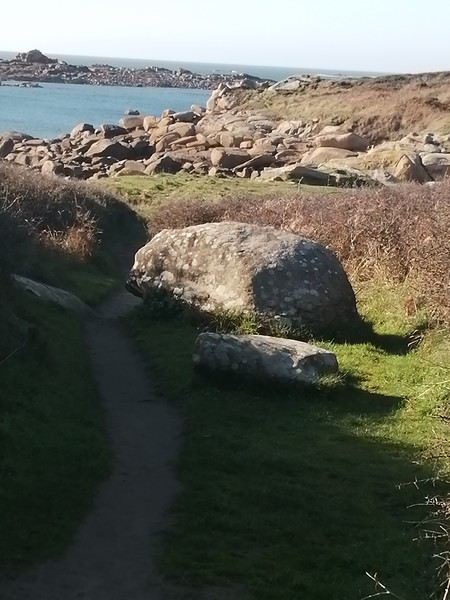
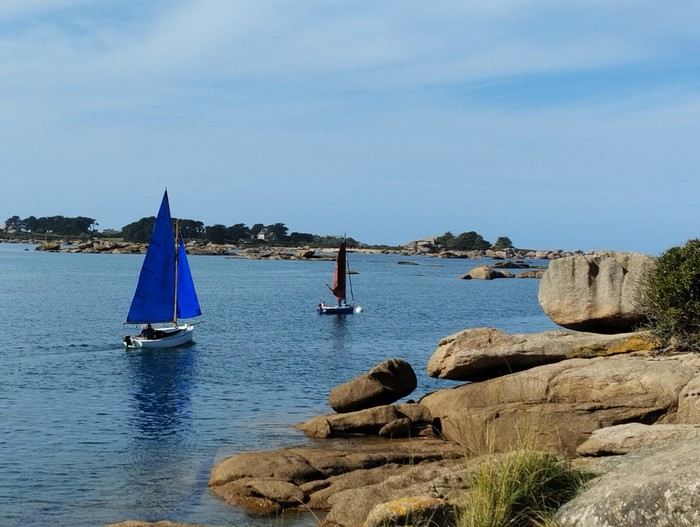
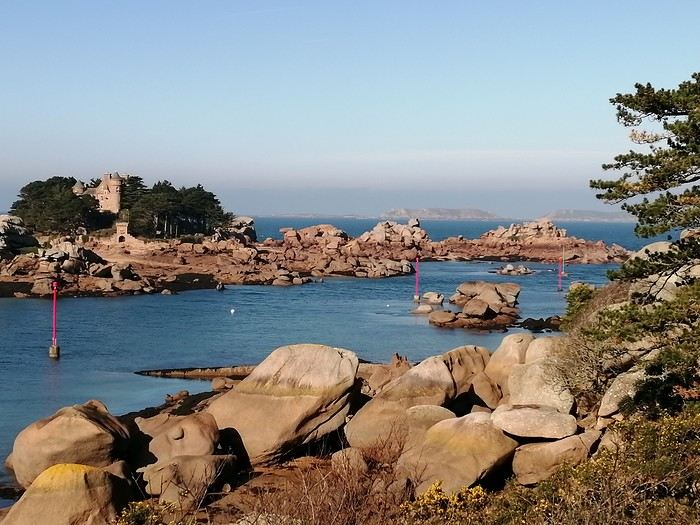
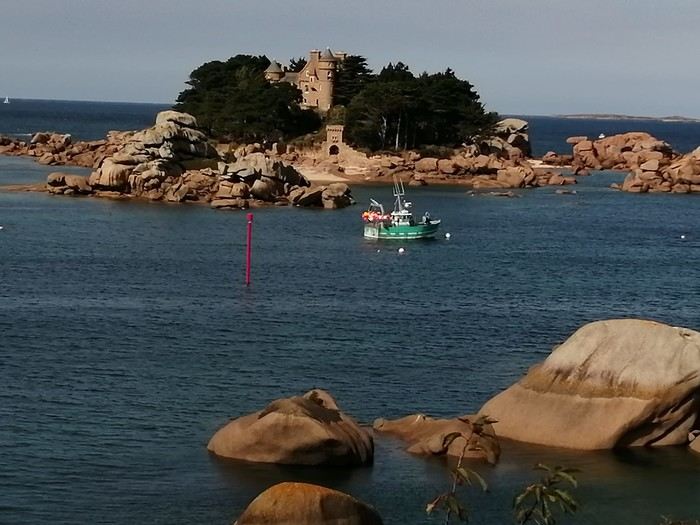 The path through the woods leads us to the Chapel of Saint Guirec, which overlooks the beach.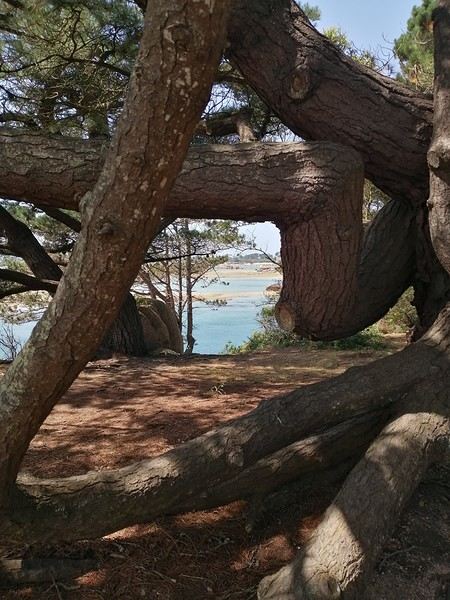





 Direct train to Roissy—just 1h15. Quick and efficient.
All that was left was to wait for our overnight flight. We took off on time, just before 11 PM. Smooth flight, nothing unusual. Arrived in Nairobi around 9 AM. A few hours’ wait, then a flight to Dar es Salaam, landing at our first destination around 12:45 PM.
Our local contact, Anne from Asanterra agency, picked us up at the airport. It was hot and humid—it was raining.
Direct train to Roissy—just 1h15. Quick and efficient.
All that was left was to wait for our overnight flight. We took off on time, just before 11 PM. Smooth flight, nothing unusual. Arrived in Nairobi around 9 AM. A few hours’ wait, then a flight to Dar es Salaam, landing at our first destination around 12:45 PM.
Our local contact, Anne from Asanterra agency, picked us up at the airport. It was hot and humid—it was raining.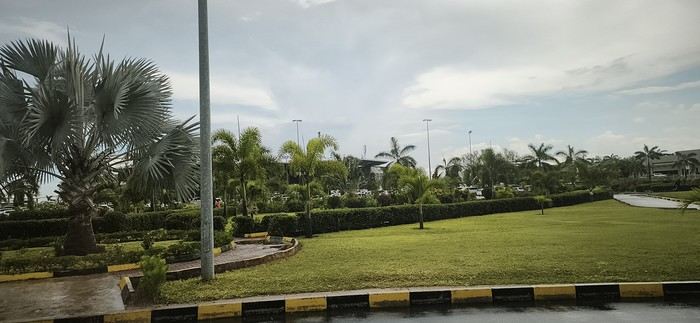



 2.
2.


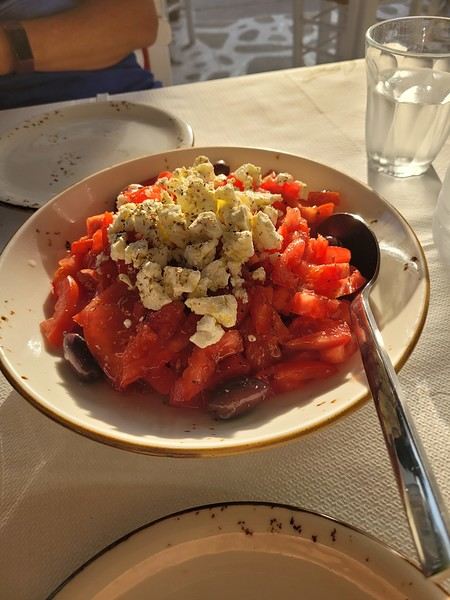 (Okay, this is actually a dakos with Naxos cheese, but I don’t have a photo of a Greek salad 😏).


 We then walked through the streets of the historic center to the Santísima Church, unfortunately closed for renovation work.
Next, we took the metro to visit one of Mexico’s most important pilgrimage sites: the Insigne y Nacional Basílicas de Santa María de Guadalupe, as well as the Capilla del Cerrito on the hill.
The first, dating from the colonial era, is really leaning a lot.
We then walked through the streets of the historic center to the Santísima Church, unfortunately closed for renovation work.
Next, we took the metro to visit one of Mexico’s most important pilgrimage sites: the Insigne y Nacional Basílicas de Santa María de Guadalupe, as well as the Capilla del Cerrito on the hill.
The first, dating from the colonial era, is really leaning a lot.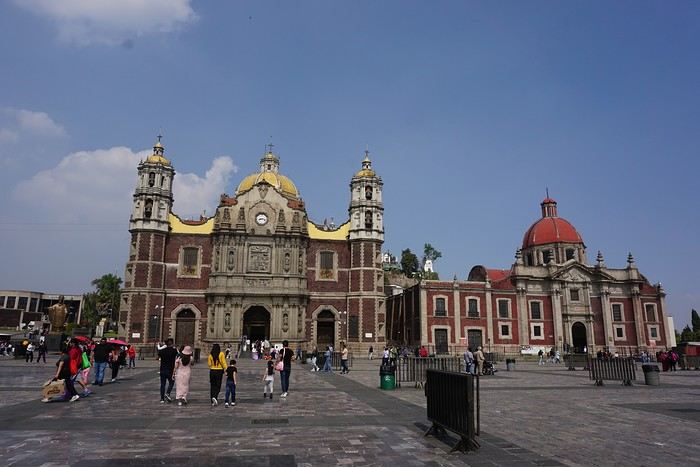
 From the top of the Capilla del Cerrito, you get beautiful views of huge Mexico City.