Hi everyone,
This trip report covers a journey along the Silk Road in China (see detailed description below) undertaken in October 2025. The goal isn’t to recount the trip but to provide information that might help those who want to take a similar journey. Much of the information is valid for any trip to China.
Who we are: a retired couple, aged 63 and 65 (age gives discounts on entry to various sites and museums in China, which is why I won’t list prices here—I don’t know them, but you can easily find them online). We’re used to traveling independently. We speak English, which is the only foreign language spoken in China, though by very few people. I speak and read a little Chinese, which helped, but you can easily get by without it (without any English at all, I think it would be more difficult).
Period: We arrived just after "Golden Week," when all of China is on vacation, and after the summer, when schools are out, so we encountered very few tourists (99.99% of whom were Chinese). Our experience with booking visits in advance (which we didn’t need to do) isn’t representative for those who want to travel in the summer! The October-November period was perfect for our trip—it wasn’t too hot or too cold (one day of snow on the Tibetan Plateau), though it was only a few degrees on the Tibetan part, with altitudes between 2,000 and 3,000 meters. The trees were beautifully colored.
General remarks: Everyone we dealt with was very kind and perfectly honest. If you order a meal without really understanding what to do and the person modifies your order, trust them—the result is what you need. If a taxi driver signals that they’ll wait for you to finish your visit and pick you up afterward, trust them. It means there aren’t many taxis where you are, and it’ll be more convenient. For prices at street vendors, we always found the right ballpark, and sometimes they even added a little extra to please us. A taxi driver treated us to lunch, and an employee drove us back to the hotel after a visit because there were no taxis. If you struggle to buy a ticket online because there’s no counter, someone will come to help. People even spontaneously ask if everything’s okay and if you need anything.
Everywhere we went was very clean, including restrooms (trains, stations, hotels, museums, tourist sites) and streets. The old stereotypes about this no longer apply.
The trip can be challenging for those who have difficulty walking. The distances to cover on foot in stations, to access sites, and within the sites themselves can sometimes be really long.
We used the Lonely Planet guide in English (published at the end of August 2025) a little for preparation, but mostly relied on the internet.
Before leaving: No visa is needed for French citizens for stays under 30 days. You get a stamp on your passport upon arrival and departure, and the formalities themselves are very quick in both directions (excluding any potential queues). Just a photo and fingerprints upon arrival, and welcome to China’s facial recognition system.
Money: All your payments (see below) will go through your Visa card—there will be hundreds, including many payments of 20 cents to a few euros. So, you need an international option that allows unlimited card transactions. Since cash is rarely needed, the allowed number of ATM withdrawals can be low. We made 3 withdrawals totaling 800 € for a month and could have managed with just 2. The exchange rate charged on our Visa card was 12 € for 100 RMB (yuan).
Install the following apps on your smartphone before leaving (otherwise, you’ll only have access to the Chinese versions, if available):
- Alipay, which is used to pay everywhere in China (details below). You need to link it to your credit card, then provide proof of identity by uploading a passport photo and completing a facial recognition session. Alipay gives access to Didi (China’s Uber), public transport (metro/bus), and can also translate phrases.
- WeChat (Weixin in Chinese, pronounced *weishin*), which is also used for payments but also replaces WhatsApp. Unfortunately, to activate your account, you need someone who already has WeChat to sponsor you (preferably a Chinese person). We asked someone at our first accommodations to do this—no problem. By sharing your WeChat number with accommodations, they can send you messages that are automatically translated, and you can communicate with people thanks to the translation (translation to French is very poor; it’s much better in English, but unfortunately, WeChat detects your phone’s language). Alipay and WeChat are accepted almost everywhere, but some places only accept WeChat.
- Amap, the international version of Baidu Maps, which replaces Google Maps (not at all up-to-date in China). The English names of hotels often have little to do with the Chinese names except for a phonetic resemblance. To find them on Amap, it’s best to copy the Chinese name found on your Trip reservation under "show address in Chinese."
- A VPN. We had CyberGhost, which didn’t work, but according to other travelers, NordVPN and Windscribe do. Without a VPN, you can’t access Google services, on WhatsApp you can send and receive text but not photos, and you can’t send or receive emails on Gmail addresses. We managed without a VPN by using Firefox as a browser and Bing as a search engine.
- Trip, for booking trains and accommodations, and buying some tickets. It’s the equivalent of Booking for accommodations, but Booking has very few listings in China, while Trip has hundreds in every city. Most hotels and trains are exchangeable and refundable until the day before, with no or minimal fees.
You don’t need contactless (NFC) payment on your phone. Either you scan a barcode and enter the amount to pay, or you display a barcode, and they scan it with a scanner, and the amount is deducted directly.
Upon arrival:
- Buy a Chinese SIM card: 100 RMB for 300 GB of data and several hours of talk time (we didn’t use it). Set the Chinese number as a reference on Alipay, WeChat, and Amap.
- Find someone to sponsor you on WeChat.
Transportation:
- **Plane**: China Eastern, Paris-Canton then Canton-Urumqi on the way out, and Xian-Canton then Canton-Paris on the way back. International flights were smooth, but the schedules for the two domestic flights were changed. It was fine on the way out because we had some leeway, but on the way back, we were notified the morning of that our flight was canceled and replaced with one that didn’t allow for the connection. We called and changed to an earlier flight (I think we were lucky to find available seats).
- **Train**: Most long distances were covered by high-speed trains (called D or G in China) at 240 or 300 km/h. Second class is perfect—just as comfortable and clean as our TGVs. The only advantage of first class is the wider seats for larger people, but the downside is that seats are often booked in advance and thus less available. You can book trains long in advance on Trip, but they only go on sale in China 15 days before departure, so that’s when you’ll know if you have a ticket. Initially, we booked first class, but there were no seats available on the day, so we ended up booking everything in second class, which was perfect. There’s no paper ticket—if you’ve bought one, you go to the station, show your passport, and enter. You do the same to access the platform 15 minutes before the train, and that’s it. Our train was canceled twice, but no problem—we went to the ticket counter, got a refund, and were offered a replacement. It didn’t delay us by more than an hour (maybe it would be harder in peak season). For prices, check Trip.com, but it’s significantly cheaper than in France.
- **Bus**: We took the bus between Xining and Tongren, Tongren to Xiahe, and Hezuo to Lanzhou—about 3 hours each time for 200 km, 6 € per person, and departures were right on time.
- **Taxi**: For trips between the station and hotel, or hotel and visits. If you take a Didi via the Alipay app, you activate your location, enter your destination, and it offers several taxis. You accept, and you get the car’s license plate and its real-time position on the map. When you get in, the driver often asks for the last four digits of your phone number to confirm. Otherwise, you go to the taxi stand outside the station. The price per kilometer is around 20 cents, so for a 30 km trip from the station to the hotel, you’ll pay about 6 €. We never tried to save more by taking local buses, but since the metro in Xian costs 25 cents per trip, it’s probably in the same ballpark. Amap provides public transport routes like Google Maps.
- **Driver**: We hired a taxi/driver for the day several times for sightseeing. Prices ranged from 350 to 1,000 RMB (the most expensive was arranged through the Sofitel Xining concierge) for trips ranging from a few hours to a full day, sometimes covering over 300 km (see the detailed trip description).
Accommodations:
All booked in advance on Trip, but several were changed during the trip. Off-season, there were no issues. We mostly stayed in upscale places, but in China, that means 50 to 60 € per night in the most central or convenient neighborhood. Note: Almost all hotels have a 5/5 rating on Trip, but it seems the Chinese avoid giving lower ratings to be polite. So, you have to read the comments to realize that in France, we might have given a 2 or 3!
Food:
At the table, you’re served hot water or a hot infusion, presumably made with purified water. We never got sick from drinking it, but don’t drink tap water. Purified or mineral water is easy to find.
In restaurants, you can manage by pointing to the dish you want from another diner, on the wall where there are photos, or on the menu with pictures. The food in the region isn’t often spicy, and people usually ask or signal before adding the red spicy sauce, so you should be able to handle it if you don’t like chili at all.
The "fake old quarters" in several cities are great places to find all kinds of restaurants (see detailed trip below).
Like Google Maps, Amap can show you nearby restaurants.
Shopping:
For dried fruits, buy them in Turfan—you won’t find the same variety and quality even in Xian. Generally, if you like something, buy it. If you wait, you might not find it outside the region where you are.
In Xian, there’s a "Tea City" where you can find all kinds of tea (from cheap to very expensive).
The trip in more detail:
I won’t dwell on the beauty or interest of the sites here since that’s a matter of personal taste. However, I will do so for lesser-known places to give an idea to those who might be interested.
For many sites, there are shuttles (sometimes not included in the ticket price but costing around 1 €) that take you to the interesting spots. We always took them—it saves you from walking past countless shops or along uninteresting paths.
- **Urumqi**: We spent only one night there, arriving in the middle of the afternoon and leaving the next morning. We stayed at the Dana Hotel in the bazaar. Given the size of the city, it’s a good option because I don’t think there are many other interesting places. The bazaar is brand new and not at all "typical" (Turfan’s bazaar is infinitely more interesting), but the dining area is very nice.
- **Turfan**: Stayed at the New Dap Hostel, which was great. The neighborhood is nice, not far from the city, and easy to find food. The museum is closed until 2026 (Amap provides museum hours and closures). We took a day trip (for the two of us) with a driver to the Bezeklik Caves, Flaming Mountains, the abandoned city of Gaochang, the Tuyuk Village Museum, and the Emin Minaret for 500 RMB from 9 AM to 8 PM (arranged by the hostel). The landscape during the excursion was quite fabulous. We also visited the Karez Museum and the abandoned city of Jiaohe on our own the next day. At this time of year, the sun sets around 6 PM, and there’s often haze after 5 PM, so for Jiaohe, for example, which takes about 3 hours to visit, it’s best to be there by 1 or 2 PM at the latest.
The Dahua Market area is perfect for dried fruits (including the famous grapes), and you can eat there among locals in their traditional costumes. Next to it, there are buildings full of shops selling made-in-China items—it kept us busy for a good half-day, if not more.
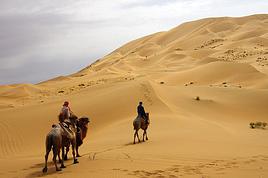
- **Dunhuang**: Stayed in a guesthouse near the dunes—the city center isn’t far but seems quite artificial. Visited the dunes, with a ticket valid for 3 days. Lots of Chinese tourists—very typical and interesting from an ethnological perspective 😊. We got up early one morning to climb the highest dune, just beyond the one everyone goes to. It’s a bit long and tiring, but the view is worth it. Visited the Mogao Caves, buying the ticket on-site (no chance in season without booking in advance). We met two other French people and got a French-speaking guide (by pretending not to understand English). It was really worth it—a group of 4 instead of 20, and they took their time (2 hours) for the visit. We took a day trip to the Yulin Caves (2.5 hours by road and 160 km one way) with a driver for 350 RMB. We liked it a lot, but if the Mogao Caves are enough for you, it’s not very different.
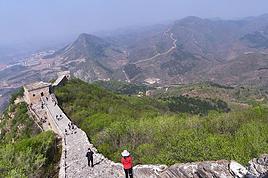
- **Jiayuguan**: Stayed in a city-center hotel. Visited the Wei and Jin tombs (actually just one)—that’s where we were told the taxi should wait to take us back to the city. We went down into a crypt with lots of decorated bricks from the 3rd century. We really liked it, but it’s not as spectacular as the fort if you’re not a fan. Visited the Jiayuguan Fort and, with the same ticket, climbed a small section of the Great Wall 10 km away. Plan at least 3 good hours for all this—there’s plenty to see.
- **Zhangye**: Stayed at The Silk Road Travelers Hostel, rustic but very nice and organizes excursions. Visited the Danxia (colored mountains)—just as spectacular as the photos. You can easily spend 3 hours there, so plan to finish before sunset to avoid the haze (you can always stay longer for the sunset if the weather’s nice). The next day, visited the Mati Si Temple in the cliff. The 10,000 Buddha Caves are under renovation, but the setting and the main temple are well worth the visit (the paths through the cliff tunnels must be hellish in peak season). You can probably organize these two excursions yourself by asking any taxi driver. Also visited the Giant Buddha Temple in the city center—really worth it.
- **Xining**: Stayed in a city-center hotel. Visited the Tibetan Medicine Museum to see the world’s largest thangka (1 km long), made over 40 years by renowned artists. It’s absolutely magnificent, on par with the virtuosity (but over 1 km) of the thangkas painted by famous artists in Xiahe (see below). Hired a female taxi driver for the day to visit Kumbum Monastery (Ta’er Si in Chinese) and the Danxia area in Guide, 50 km beyond the monastery. It’s less spectacular than Zhangye’s Danxia, but we really liked it (including the journey’s landscape). The next day, visited the old Ming-era Qutan Monastery—no visitors, with beautiful murals (half under renovation). Accessible by train to Haidong or Ledu, then a taxi. Xining’s mosque is of no interest, but there’s a pedestrian street with food stalls nearby that’s very nice.
- **Tongren**: Stayed near the main monastery. Visited Longwu Monastery (several hours), with lots of nice shops along the street leading to it. Then visited Wutun Monastery, which is less lively but beautiful and close to thangka workshops. You can go in and watch the painters at work. For a thangka made by a renowned artist, count about a year of work for 1 m² and around 10,000 €.
- **Xiahe**: Stayed in a city-center hotel. Visited Labrang Monastery—very nice but not as much as Tongren’s because many halls were closed. I think it’s better to go in season and take an English-guided tour (but it’s still worth the trip, even off-season).
- **Langmusi**: Took a taxi, but you can also take a bus (though very early in the morning and longer). Particularly beautiful for us because we woke up to bright sunshine and 5 cm of snow everywhere. Visited the two temples (really nice) and did the classic hike in the gorges starting at the Fairy Cave. For those interested, we continued along the canyon path, and after the meadow where marmots are clearly visible in summer, we climbed toward a pass on the left at 3,800 meters. The view of Langmusi and, above all, the vast grasslands and distant mountains was fabulous (3 hours round trip from the temple). You could probably reach the 4,000-meter summit by continuing up the valley instead of turning left, but according to guides, it’s better to count 7 hours round trip (no technical difficulty). You can leave Langmusi by bus, but off-season, you first have to take a taxi to a stop outside the city and wait for the bus. We didn’t try and took a taxi to Hezuo instead.
Note on this region: A high-speed train is under construction from Xining to Langmusi and beyond (never seen such an impressive construction site!). When it’s operational (in one or two years, I think), access to the area will be revolutionized, and perhaps some of the charm will be lost.
- **Hezuo**: Stopped on the way from Langmusi to Lanzhou. Visited the Milarepa Pagoda, entirely destroyed during the Cultural Revolution and since rebuilt. We liked it since we were passing through, but it doesn’t necessarily justify a long detour.
- **Lanzhou**: Reached by one of the many buses from Hezuo. Stayed in the "fake old quarter," which is extremely pleasant, especially in the evening with restaurants, groups of Chinese women dancing to loud music, etc. Visited Bingling Si with a driver, 120 km away—the landscape and site are absolutely magnificent, with no one around at our time of year. Visited the Gansu Museum (where the famous Flying Horse is, but it’s a replica). We bought the ticket on entry, but in season, you probably need to book in advance.
- **Yinchuan**: Stayed in the city center. A city we discovered by chance in the Lonely Planet—worth it if you have time. On the way, we stopped for a few hours in Zhongwei, where there’s an incredible Taoist temple (I’ll let you be surprised). Visited the Western Xia tombs—we took the short option, which visits Tomb 3. We think the others are similar but less impressive. The surrounding landscape and site are quite spectacular. Visited the film sets (really fun if you like Chinese movies), the short but interesting Ningxia Museum, and finally the modern art museum. The architecture is avant-garde, and there are some beautiful works (we like it, but it’s far from the center—hire a driver who waits, or you might have to wait for an employee to offer a ride back).
- **Tianshui**: Stayed in the suburbs, but you should find a hotel near the "fake old quarter" between the Fu Xi Temples and the Taoist temple—it’s a very nice area, and the two temples (especially the Taoist one) are within walking distance. Visited the Maijishan Caves—the ticket includes the shuttle to get there. Took a taxi from Lanzhou for about 10 € in 45 minutes. We found these caves fabulous.
- **Xi’an**: Stayed 500 meters from the Bell Tower at Hantang Inn—very convenient. We’d been before, so we didn’t revisit the Terracotta Army. The calligraphy district is worth it, as is the Muslim Quarter, though it’s very touristy. The area indicated on the Lonely Planet’s walking tour near the old fruit and vegetable market isn’t very interesting. To buy tea, you can go to the Northwest International Tea City, with dozens of shops. We chose one at random, tasted, and bought various teas. There’s everything from cheap to extremely expensive, but you can find reasonable prices even in seemingly luxurious shops. Along the street north of this area, there are large stores with tons of Chinese goods selling dishes, wedding items, etc. We spent hours there. In the city center, there are only malls with more or less international brands.
- **Longmen Grottoes**: Visited as a round trip by high-speed train from Xian—1 hour 15 minutes to Longmen’s high-speed train station, and the site entrance is 15 minutes by taxi.
We didn’t go to Mount Hua Shan, but there’s a high-speed train station nearby, and there were people on the train who were clearly going there. So, you can probably do this excursion in a day from Xian as well.
Conclusion:
We hope this report makes you want to go or helps you if you’re already planning to. If you have questions that you can’t find the answer to by searching properly online and we can answer, don’t hesitate.
Bonjour à tous
J'hésite furieusement sur ma destination pour cet été, et le Xinjiang est revenu à la surface, notamment suite à un livre magnifique que je viens de terminer (La croisière jaune, je vous le conseille). Mais voilà, je sais que la situation y est un peu particulière. Du coup, y aurait-il quelques personnes qui sont allées sur place récemment (disons depuis 2/3 ans) et qui pourraient me faire un petit état des lieux ?
Mon idée, non encore creusée véritablement, serait de faire une boucle à partir d'Urumqi autour du Taklamakan. Je précise que je connais bien la Chine et un peu le Xinjiang (mais ça remonte). Mais si c'est pour être refoulé de ville en ville ou contrôlé tous les 100 mètres...
Merci d'avance !
J'hésite furieusement sur ma destination pour cet été, et le Xinjiang est revenu à la surface, notamment suite à un livre magnifique que je viens de terminer (La croisière jaune, je vous le conseille). Mais voilà, je sais que la situation y est un peu particulière. Du coup, y aurait-il quelques personnes qui sont allées sur place récemment (disons depuis 2/3 ans) et qui pourraient me faire un petit état des lieux ?
Mon idée, non encore creusée véritablement, serait de faire une boucle à partir d'Urumqi autour du Taklamakan. Je précise que je connais bien la Chine et un peu le Xinjiang (mais ça remonte). Mais si c'est pour être refoulé de ville en ville ou contrôlé tous les 100 mètres...
Merci d'avance !
Bonjour
J'envisage un voyage en chine et voulais savoir s'il il était facile ou non de voyager seul ( enfin en couple ) mais sans circuit organisé, ce que je n'aime pas du tout 😕 Nous partons toujours en road trip sur les US régulièrement et j'aimerais faire pareil en chine. Merci pour vos infos ! 😉
Hello forum,
Did any of you feel the same things we did in China?
We spent a good twenty days there in August. First, we traveled solo around Chengdu, then joined an organized tour for 12 days (Beijing, Pingyao, Xi'an, Guilin, Xingping, Yangshuo, Shanghai, Wuzhen) and extended our stay by 4 extra days to visit Zhangjiajie.
The landscapes were stunning, and we have unforgettable memories... but we were really disappointed by the following points:
- The food: way too spicy. Lacking in flavor, not much taste. I’m speaking "in general" because we did enjoy some good steamed dumplings, smoked pork, and other dumplings... But compared to Thailand, Cambodia, or India, Chinese cuisine didn’t impress us at all.
- The behavior of the Chinese: disrespectful, rushed, agitated. You constantly have to fight—people push, crowd, and overwhelm you... At the entrance to the Terracotta Army (and other sites), it’s a human tidal wave... and I mean that literally. We were carried by the crowd without even touching the ground. It was like a situation where you have one bowl of rice and 20,000 starving people diving for it...
You’re at a ticket counter, and they cut in front of you. You’re in line for boarding, suitcase ready to go on the conveyor belt, and someone shows up out of nowhere to put THEIR suitcase down... even though they have a flight ticket with THEIR seat number and won’t be leaving before you!!!! You’re getting on the bus, and someone shoves past you just so they don’t end up behind you.
It’s like these people only think about themselves. I didn’t see a single person let someone else go first or even ask—it’s as if politeness and respect are completely foreign to them.
It’s honestly exhausting and draining...
- Communication: In every other country we’ve visited, whether in Asia or Europe, we always manage—with English, a few words of Italian, French, or Spanish. In China, I’ll be blunt: if you don’t speak Chinese, you’re screwed. And yet, a pair of kids around ten or twelve years old asked us in English where we were from :)
- Understanding: Here’s the rule. Even if the person you’re talking to speaks a little English and says they understand you... make sure they *really* do, because 9 times out of 10, they don’t. Out of pride or just cluelessness, they’ll give you a big smile and nod, but in reality, they didn’t get what you were saying.
Several times with our group, in the evening at a restaurant, if we hadn’t been helped by someone at another table who spoke a little English, we’d still be there. The classic example: the waiter brings one menu (for 10 people at the table), and we’re all trying to explain that we need 4 or more menus. Five minutes later, he’s still staring at us with that same blank smile...
In 3* or 4* hotels, you go to the front desk for a hot water or AC issue. Three or four staff members just stand there beaming at you. You try to explain with photos or a translator, but in the end, you leave with the problem unresolved.
They don’t speak—they shout... on buses, in hotels...
We were also surprised to find that self-service laundromats were almost nonexistent. We got scammed once at a hotel with an astronomical bill!
As for flights, we flew Air China on the way there and Austrian Airlines on the way back—no comparison. Air China had zero service and food that was "baby food" quality. Austrian Airlines had multiple services, a decent meal, and smiling flight attendants.
I don’t know if any of you had the same experience in this country, but I’m definitely not eager to go back. Whereas if someone offered me India, Thailand, or Vietnam tomorrow, I’d be there in a heartbeat!!!
Did any of you feel the same things we did in China?
We spent a good twenty days there in August. First, we traveled solo around Chengdu, then joined an organized tour for 12 days (Beijing, Pingyao, Xi'an, Guilin, Xingping, Yangshuo, Shanghai, Wuzhen) and extended our stay by 4 extra days to visit Zhangjiajie.
The landscapes were stunning, and we have unforgettable memories... but we were really disappointed by the following points:
- The food: way too spicy. Lacking in flavor, not much taste. I’m speaking "in general" because we did enjoy some good steamed dumplings, smoked pork, and other dumplings... But compared to Thailand, Cambodia, or India, Chinese cuisine didn’t impress us at all.
- The behavior of the Chinese: disrespectful, rushed, agitated. You constantly have to fight—people push, crowd, and overwhelm you... At the entrance to the Terracotta Army (and other sites), it’s a human tidal wave... and I mean that literally. We were carried by the crowd without even touching the ground. It was like a situation where you have one bowl of rice and 20,000 starving people diving for it...
You’re at a ticket counter, and they cut in front of you. You’re in line for boarding, suitcase ready to go on the conveyor belt, and someone shows up out of nowhere to put THEIR suitcase down... even though they have a flight ticket with THEIR seat number and won’t be leaving before you!!!! You’re getting on the bus, and someone shoves past you just so they don’t end up behind you.
It’s like these people only think about themselves. I didn’t see a single person let someone else go first or even ask—it’s as if politeness and respect are completely foreign to them.
It’s honestly exhausting and draining...
- Communication: In every other country we’ve visited, whether in Asia or Europe, we always manage—with English, a few words of Italian, French, or Spanish. In China, I’ll be blunt: if you don’t speak Chinese, you’re screwed. And yet, a pair of kids around ten or twelve years old asked us in English where we were from :)
- Understanding: Here’s the rule. Even if the person you’re talking to speaks a little English and says they understand you... make sure they *really* do, because 9 times out of 10, they don’t. Out of pride or just cluelessness, they’ll give you a big smile and nod, but in reality, they didn’t get what you were saying.
Several times with our group, in the evening at a restaurant, if we hadn’t been helped by someone at another table who spoke a little English, we’d still be there. The classic example: the waiter brings one menu (for 10 people at the table), and we’re all trying to explain that we need 4 or more menus. Five minutes later, he’s still staring at us with that same blank smile...
In 3* or 4* hotels, you go to the front desk for a hot water or AC issue. Three or four staff members just stand there beaming at you. You try to explain with photos or a translator, but in the end, you leave with the problem unresolved.
They don’t speak—they shout... on buses, in hotels...
We were also surprised to find that self-service laundromats were almost nonexistent. We got scammed once at a hotel with an astronomical bill!
As for flights, we flew Air China on the way there and Austrian Airlines on the way back—no comparison. Air China had zero service and food that was "baby food" quality. Austrian Airlines had multiple services, a decent meal, and smiling flight attendants.
I don’t know if any of you had the same experience in this country, but I’m definitely not eager to go back. Whereas if someone offered me India, Thailand, or Vietnam tomorrow, I’d be there in a heartbeat!!!
Bonjour,
mon 4ème voyage en Chine... Cette fois, je n'ai que 12 jours à Pâques, contraintes de vacances universitaires oblige.
Je me disai : et pourquoi pas un petit trip au Yunnan : vol direct pour Kunming, visite de Dali et ed Lijiang et la foret de pierre de Shilin. C'est mi avril cette année.
Qu'en pensez-vous ? Des suggestions, toujours les bienvenues ?
PS : je retrouve des têtes connues après tant d'années, salut à tous !
mon 4ème voyage en Chine... Cette fois, je n'ai que 12 jours à Pâques, contraintes de vacances universitaires oblige.
Je me disai : et pourquoi pas un petit trip au Yunnan : vol direct pour Kunming, visite de Dali et ed Lijiang et la foret de pierre de Shilin. C'est mi avril cette année.
Qu'en pensez-vous ? Des suggestions, toujours les bienvenues ?
PS : je retrouve des têtes connues après tant d'années, salut à tous !
Bonjour,
Nous allons, avec ma femme, faire un séjour à Hong Kong au mois d'avril prochain; nous souhaiterions visiter aussi la province du Guangdong sur 8/10 jours. Quelqu'un aurait-il des conseils de visite, aurait-il visiter le parc naturel de Nanling et ses célèbres forêt de pins bleus ?
Merci d'avance pour vos conseils.
Bonjour ,
J'aimerai avoir des renseignements sur un bon endroits où apprendre le Tai chi et le qi gong en Chine ?
Mon séjour peu y durer quelque semaines voir quelque mois . D'avance Merci
J'aimerai avoir des renseignements sur un bon endroits où apprendre le Tai chi et le qi gong en Chine ?
Mon séjour peu y durer quelque semaines voir quelque mois . D'avance Merci
Bonjour
je passerai 4 jours à Hong Kong en octobre.
Je souhaiterai savoir dans quel quartier résider pour faciliter les visites et les déplacements.
Je souhaite également avoir des renseignements sur les différent intérêts touristiques pour un séjour de 4 jours.
Merci pour vos réponses
Bonjour tout le monde,
Notre croisière en décembre prochain terminera à Hong Kong. Je pense que le plus pratique, pour nous, sera de rejoindre notre hôtel, le Royal Plaza à Kowloon, en taxi.
Pour le vol de retour vers la France, par contre, j'ai lu - si je ne fais pas erreur - qu'il y avait possibilité de se rendre à l'aéroport avec le bus A 21 - ou avec l'Airport Express (avec enregistrement possible et prise des bagages à l'avance).
Pour ceux qui connaissent Hong Kong, et peut-être cet hôtel, pourriez-vous vous me donner plus de renseignements sur ces deux possibilités (où prendre le bus, ou l'Airport Express, par exemple, les formalités pour ce dernier ) ou à votre avis, est-il plus judicieux d'aller à l'aéroport en taxi ?
Un grand merci par avance pour votre aide !
Ou dormir à Jianshui hormis chez la Famille Zhu, bien tentante mais hors de notre budget, et à Kunming.
Merci de vos retours
Dan
Bonjour à tous,
Nous visiterons le Yunnan pendant presque 3 semaines en juillet 2020 avec nos 2 enfants (qui auront alors 3 et 7 ans).
Nous avons l'habitude de voyager en indépendant sans nécessairement réserver nos transports et hébergements à l'avance, afin de garder plus de flexibité dans le voyage (rester plus longtemps à un endroit si cela nous plait vraiment ou pour attendre un jour de beau temps, ou au contraire partir plus vite si finalement le lieu ne nous plait pas tant que ca !). L'année dernière en Thailande, nous réservions nos hotels sur Booking/Agoda quelques jours avant de changer de ville, voire la veille et n'avons eu aucun problème. Je lis partout qu'au mois de juillet, le Yunnan est pris d'assaut par les touristes (chinois essentiellement). J'imagine donc qu'il est plus prudent de réserver à l'avance ses billets de train et ses chambres d'hôtel mais est-ce vraiment indispensable ? Si oui, combien de temps à l'avance faut-il s'y prendre ?
Si certains d'entre-vous ont déjà tenté l'experience à cette saison, je suis preneuse de vos infos ! Avec les enfants, on devient plus soucieux et on a pas envie de se retrouver dans des plans galères ou qui nous fassent exploser le budget ;-)
Merci par avance Céline
Nous visiterons le Yunnan pendant presque 3 semaines en juillet 2020 avec nos 2 enfants (qui auront alors 3 et 7 ans).
Nous avons l'habitude de voyager en indépendant sans nécessairement réserver nos transports et hébergements à l'avance, afin de garder plus de flexibité dans le voyage (rester plus longtemps à un endroit si cela nous plait vraiment ou pour attendre un jour de beau temps, ou au contraire partir plus vite si finalement le lieu ne nous plait pas tant que ca !). L'année dernière en Thailande, nous réservions nos hotels sur Booking/Agoda quelques jours avant de changer de ville, voire la veille et n'avons eu aucun problème. Je lis partout qu'au mois de juillet, le Yunnan est pris d'assaut par les touristes (chinois essentiellement). J'imagine donc qu'il est plus prudent de réserver à l'avance ses billets de train et ses chambres d'hôtel mais est-ce vraiment indispensable ? Si oui, combien de temps à l'avance faut-il s'y prendre ?
Si certains d'entre-vous ont déjà tenté l'experience à cette saison, je suis preneuse de vos infos ! Avec les enfants, on devient plus soucieux et on a pas envie de se retrouver dans des plans galères ou qui nous fassent exploser le budget ;-)
Merci par avance Céline
Bonjour,
Nous avons une escale assez longue à Hong Kong. Arrivée prévue à 15:00 et départ le lendemain à 10h. J'ai prévu une nuit d'hôtel à proximité de l'aéroport et du métro (novotel citygate). Que puis-je espérer visiter en si peu de temps? Je voyage avec mon conjoint et nos 2 enfants de 14 et 11 ans. C'est d'alleurs l'anniversaire de l'un quand nous y serons, on aurait aimé marquer le coup. Pour pouvoir payer sur place, j'ai entendu parler de la carte octopuss?? Est-ce plu simple de retirer?
Merci de vos conseils
Nous avons une escale assez longue à Hong Kong. Arrivée prévue à 15:00 et départ le lendemain à 10h. J'ai prévu une nuit d'hôtel à proximité de l'aéroport et du métro (novotel citygate). Que puis-je espérer visiter en si peu de temps? Je voyage avec mon conjoint et nos 2 enfants de 14 et 11 ans. C'est d'alleurs l'anniversaire de l'un quand nous y serons, on aurait aimé marquer le coup. Pour pouvoir payer sur place, j'ai entendu parler de la carte octopuss?? Est-ce plu simple de retirer?
Merci de vos conseils
Bonjour,
Notre arrivée à l'aéroport de Guilin est prévue à 00h50 et je me pose les questions suivantes:
1) Réserver un hotel à Guilin ou Yangshuo ?
2) Est il possible d'avoir un hôtel avec une réception ouverte dans la nuit ?
3) Comment trouver un transport pour Guilin ou Yangshuo depuis l'aéroport à 2h du matin?
4) Temps de transport pour Yangshuo ?
bonjour :quelqu'un peut il me donner des conseils . je veux visité le japon et au retour faire deux stop over : hong kong/macao et singapour dois je les visiter avant ou apres et dans quel sens singap / hong kong ou le contraire et de quel aeroport partir . merci de vos conseil avisés
 Bonjour,
Nous sommes à 4 photographes (amateurs) pour effectuer un séjour autour de Shanghai, c'est à dire Wuxi, Souzhou, Hangzhou et partir ensuite pour les montagnes jaunes ou Guilin (le choix entre Huangshan et Guilin n'est pas encore fait) Environ 1 semaine dans ces trois villes et moins d'une semaine pour les Huangshan ou Guilin et pour terminer une ou deux journée à Shanghai avant de repartir pour la France.
J'ai fait un court séjour (le premier hors d'Europe) à Souzhou, Huangshan et Guilin en novembre dernier, cela m'a tellement plu que j'ai voulu en faire profiter quelques amis cette année.
Je suis à la recherche de carnets de voyage et blogs qui parlent de ces lieux et des astuces pour bien vivre ce séjour. J'en ai parcouru déjà certains
Si vous avez quelques suggestions sur des endroits précis ou généraux qui vous ont bien plu ou pas plu du tout je suis preneur
bonne semaine
Bonjour,
Nous sommes à 4 photographes (amateurs) pour effectuer un séjour autour de Shanghai, c'est à dire Wuxi, Souzhou, Hangzhou et partir ensuite pour les montagnes jaunes ou Guilin (le choix entre Huangshan et Guilin n'est pas encore fait) Environ 1 semaine dans ces trois villes et moins d'une semaine pour les Huangshan ou Guilin et pour terminer une ou deux journée à Shanghai avant de repartir pour la France.
J'ai fait un court séjour (le premier hors d'Europe) à Souzhou, Huangshan et Guilin en novembre dernier, cela m'a tellement plu que j'ai voulu en faire profiter quelques amis cette année.
Je suis à la recherche de carnets de voyage et blogs qui parlent de ces lieux et des astuces pour bien vivre ce séjour. J'en ai parcouru déjà certains
Si vous avez quelques suggestions sur des endroits précis ou généraux qui vous ont bien plu ou pas plu du tout je suis preneur
bonne semaineBonjour à tous les forumistes
Mon compagnon et moi partons pour 2 mois et demi en septembre, octobre et novembre en Asie. Septembre : Java et Bali Octobre : Singapour, Chine Novembre : Macao et Hong-Kong
Mon compagnon s'occupe de l'Indonésie et Singapour, et moi de la Chine. Les billets d'avion sont déjà pris et j'ai déjà examiné tous les transports (terrestres) pour rendre possible le circuit que j'ai prévu.
Ce voyage est surtout orienté vers la grande nature (randos, vélo) et les villages anciens. Mais, car il y a toujours un mais, je me demande s'il n'y aura pas trop de paysages karstiques dans mes choix de sites.
Alors je m'adresse aux connaisseurs pour savoir ce qu'ils en pensent. Voici le projet :
Arrivée Hangzhou 21h30
Hangzhou-rando collines thé-Puits du Dragon-musée du thé
Hangzhou-musée de la soie-pagode des 6 harmonies-Mascaret
Bus Hangzhou / Wuzhen + visite
Bus Hangzhou / Huangshan Tunxi
Rando parc Qiyun Shan (ouest Tunxi)
Bus Tunxi (gare longues distances) / Wuyuan
Voir forfait 3 villages 1 journée
Visite village Xiao Likeng (est Wuyuan)
Bus Wuyuan / Jiujiang / Lushan
Visite Lushan et campagne
Trajet Lushan / Nanchang / Zhangjiajie
Rando Parc Wulingyuan
Rando Parc Wulingyuan
Bus Zhangjiajie / Jishou + bus 1h Dehang
Dehang
Bus Dehang / Jishou / Fenghuang
Fenhuang
Trajet Fenghuang / Guilin
Vélo campagne
Bateau Guilin / Yangshuo
Vélo campagne
Bâteau ? Yangshuo / Fuli
Vélo campagne
Train bulet Yangshuo / Guangzhou / Bus Kaiping
Visite Kaiping + jardin Li
Villages Zili et/ou Chikan (est)
Village Jinjiangli (nord)
Jour tampon
Sortie terrestre Chine continentale / Arrivée Macao
Les transports sont toujours de jour pour voir les paysages au passage et communiquer (un peu) avec les habitants.
Merci d'avance de vos suggestions
Mon compagnon et moi partons pour 2 mois et demi en septembre, octobre et novembre en Asie. Septembre : Java et Bali Octobre : Singapour, Chine Novembre : Macao et Hong-Kong
Mon compagnon s'occupe de l'Indonésie et Singapour, et moi de la Chine. Les billets d'avion sont déjà pris et j'ai déjà examiné tous les transports (terrestres) pour rendre possible le circuit que j'ai prévu.
Ce voyage est surtout orienté vers la grande nature (randos, vélo) et les villages anciens. Mais, car il y a toujours un mais, je me demande s'il n'y aura pas trop de paysages karstiques dans mes choix de sites.
Alors je m'adresse aux connaisseurs pour savoir ce qu'ils en pensent. Voici le projet :
Arrivée Hangzhou 21h30
Hangzhou-rando collines thé-Puits du Dragon-musée du thé
Hangzhou-musée de la soie-pagode des 6 harmonies-Mascaret
Bus Hangzhou / Wuzhen + visite
Bus Hangzhou / Huangshan Tunxi
Rando parc Qiyun Shan (ouest Tunxi)
Bus Tunxi (gare longues distances) / Wuyuan
Voir forfait 3 villages 1 journée
Visite village Xiao Likeng (est Wuyuan)
Bus Wuyuan / Jiujiang / Lushan
Visite Lushan et campagne
Trajet Lushan / Nanchang / Zhangjiajie
Rando Parc Wulingyuan
Rando Parc Wulingyuan
Bus Zhangjiajie / Jishou + bus 1h Dehang
Dehang
Bus Dehang / Jishou / Fenghuang
Fenhuang
Trajet Fenghuang / Guilin
Vélo campagne
Bateau Guilin / Yangshuo
Vélo campagne
Bâteau ? Yangshuo / Fuli
Vélo campagne
Train bulet Yangshuo / Guangzhou / Bus Kaiping
Visite Kaiping + jardin Li
Villages Zili et/ou Chikan (est)
Village Jinjiangli (nord)
Jour tampon
Sortie terrestre Chine continentale / Arrivée Macao
Les transports sont toujours de jour pour voir les paysages au passage et communiquer (un peu) avec les habitants.
Merci d'avance de vos suggestions
Entrée au Yunnan par voie terrestre depuis le nord Thailande et sortie par le Vietnam.
-Visa chinois
demandé à Chiang Mai un lundi matin, obtenu le jeudi après-midi 1100 B.
Attention, bien avoir tous les documents requis et une photo d'identité conforme: le visage du menton au crâne doit mesurer entre 28 et 33 mm. le T.shirt ne doit être ni blanc, ni à fleurs , le fond doit être blanc. L'entrée et la sortie de Chine par voie terrestre n'a pas posé problème, notre vol retour -Hanoi-Paris montrait que nous quitterions le pays.
-Thailande-Laos-Chine en bus
-Chiang Rai-Houai Xai, gare routière, bus VIP 220 B tout compris (avec passage frontière laotienne)
-Houai Xai- Luang Namtha ; départ 9h, 60000 K
-Luang Namtha-Jinhong (Chine); 8h30-17h30, 120000 k depuis les guest houses. 90000 depuis gare routière, assez loin de la ville. Traffic hotel, très bien, juste à côté de la gare routière de Jinhong 108 Y
-Les rizières en terrasse et en eau (mars)
-Jinhong- Nanshua (accès aux rizières de Yuanyang) seul départ à midi de Banna station, arrivée à 20h, 177 Y. Négocier un van collectif à 300 y (obtenu à 210 et partagé) pour aller au village de Duoyishu. Pas commode à cette heure car c'est loin. Éventuellement dormir là. Pour être aux premières loges pour l'éventuel lever de soleil, dormir ensuite en contrebas de Duoyishu, au petit village local de Pugao. Merveilleuses rizières et observation gratuite de près. On peut se promener dans les rizières.
Des plateformes payantes sont aménagées en différents lieux (110 Y en théorie, nous, nous n'avons rien payé) pour les plus beaux points de vue: Minibus régulier Duoyishu-Bada, (10 Y), minibus affrété Laohuzai (80 Y depuis et retour sans tarder à Xinjie).
Attention, très souvent du brouillard, prévoir des jours supplémentaires car ces paysages sculptés sont merveilleux.
-Les marchés . Niujiaozhai avec cantines locales, de l'animation, beaux costumes mais peu de relation avec les locaux .Village de Chengun, petits restos locaux, magasins, nous avons eu la chance d'assister à une cérémonie funéraire grandiose et faire toutes les photos souhaitées.
-Xinjie-Janshui 50 Y. Parcours assez long en temps car un changement de bus avec attente est intégré. Typha youth hostel est très bien placé tout près du temple de Confucius et certaines personnes parlent anglais. Visiter l'ensemble bâtiments-jardins de la famille Zhu, remarquables.
-Tuanshan: minivan jaune au rond point porte nord de Jianshui 5 Y dès 8h. Retour avec arrêt au pont du double dragon puis retour 3 Y
-Jianshui-Dali; différents trains et trains couchettes à réserver au moins la veille. N'ayant pas réservé, sommes arrivés à la gare avec quelques heures d'avance et nous avons du prendre plusieurs trains dont un kunming-Dali couchettes (le train direct n'avaient plus ni sièges, ni couchettes) 135Y par personne. Le train est moins cher que le bus.
Beaucoup de touristes asiatiques à Dali, belle situation au bord du lac mais que des boutiques. Balades agréables dans les environs. Avons eu la chance d'assister à un rituel accompli par des femmes sympathiques, prières, sacrifices, cuisine...
-Dali-gare routière nord Xiaguan 3 Y-Jianshuan 38 Y- Shaxi, minibus 13 Y. Très beau petit quartier ancien. Le marché du vendredi n'a rien d'exceptionnel et aucun costume ethnique, celui de Lijiang est bien plus intéressant.
Shaxi-Jianshuan 13 Y-Lijiang 23 Y. Visiter tôt, il n'y a personne. C'est très beau et on peut flâner. Un peu de monde l'après-midi mais beaucoup moins qu'à Dali. Marché à voir.
Entrée à Lijiang payante 80 Y mais gratuite (comme beaucoup d'entrées) pour les plus de 70 ans. Vieux voyageurs, pensez à montrer votre passeport.
Mama naxi guest house: Tb et super accueil, 100 Y chambre double, près de la vieille ville.
Aux environs, Baisha, vieux village agréable et tranquille; par contre Shuhé ne vaut pas le déplacement, rien de bien ancien, village pour touristes.
- Lijiang- Km 14 (gorges du Saut du Tigre) 55 Y
-Pour les voyageurs agés qui ne souhaitent pas faire toute la randonnée dans les gorges, le bus peut vous déposer au km 14 et emporter votre sac chez Tina's. Vous montez alors à pied une route en lacets et marchez jusque la guest house Half Way, TB, chambre double toute neuve avec vue sublime sur la montagne 150 Y. Le lendemain (ou le jour même si vous êtes pressé), vous marchez jusque chez Tina's;accueil inexistant mais chambre double correcte 120 Y et bel emplacement.
-Descente dans les gorges 15 Y. Belle balade, aucun problème de sécurité. Remonter certaines parties grâce à de grandes échelles.1h aller, 1h 30 retour pour nous, ni jeunes, ni sportifs!
-Tina's- Shangrila 55 Y. La vieille ville a brulé et est reconstruite: toute neuve la vieille ville avec plein de boutiques. Pour nous, assez peu d'intéret sauf le soir quand les locaux font leur gymnastique dansée, tous ensemble sur la place, accompagnés de musique.
il y a aussi d'énormes travaux en ville et des adresses du lonely planet se trouvent dans des lieux complètement démolis.
Bus numéro 3 pour le grand monastère Ganden Sumtseling qui s'arrête à un guichet pour prendre un ticket 35 y pour plus de 70 ans. De là, un bus jaune vous amène au monastère. Belle allure mais un peu clinquant. Pour qui a visité le Tibet, le Ladakh et le Zanskar, ce n'est qu'une copie légère. Il manque l'ambiance et l'authenticité. Intéressant toutefois.
-Shangrila-Dequin 58 Y - Felaisi, 4 h de route grandiose; col à 4200 m. plus A faire absolument. Le chauffeur pour 5 y vous amène à Felaisi à une dizaine de kms. Vue extraordinaire sur le mont Kawa gebo 6740m. Hôtel 8264, chambre super, terrasse donnant sur les stupas et les montagnes 120 Y, chauffage et matelas chauffant. Il fait froid le soir, il a même un peu neigé (25 mars).
-Dequin-Kunming, bus couchette très confortable 258 Y; départ, 1 jour sur 2 à 14h, arrivée Kunming le lendemain matin 7h15. le bus s'arrête quelques heures la nuit afin que les chauffeurs se reposent un peu. kunming: bus de ville de gare routière à gare ferroviaire 2 Y (achat billets pour Hékou) puis bus pour le lac d'emeraude 2 Y.
Kunming Upland youth hostel est très bien mais les chambres sont chères. Dortoir mixte très propre pour 6 personnes: 50 Y par pers. Démolition-construction dans la vieille ville. Temple Yang Tong très intéressant en ville 6Y et aux alentours Bamboo temple, 5 Y, lieu paisible, bus C 61, 8 y.
- Kunming-Hekou, train 50 Y. Vers la fin du parcours, alors que le paysage devient escarpé et photogénique, la vue est cachée par une succession presque ininterrompue de tunnels; peut-être est-ce mieux en bus? Hekou, des petits restos sur le trottoir, un bord de fleuve plaisant.
-Hékou- Lao Cai-Bac Ha (Vietnam) bus 60000 D. Pas de visa car nous restons moins de 15 jours. (Avons visité le Vietnam plusieurs fois en 1993 et 94)...
-Marchés, Can Cau le samedi; magnifique route pour y aller, paysage de montagne, marché à voir. Van avec tarif "touriste" 40 ou 50000 D suivant le chauffeur. Bac Ha, le dimanche très beaux costumes, beaucoup de touristes et locaux peu souriants, (on peut les comprendre).
- Bac Ha-Lao Cai 60000 D- Sapa 26000 D (affiché sur le bus, on nous en demandait le double en tant qu'étranger; refus bien sûr). Que des touristes (nous compris!)...peu intéressant. par contre très belles balades ou treks à faire aux alentours. Happy Sapa hotel, sur la place avec vue: 300000 D la double.
Balade, seuls, à notre rythme: Sa seng village sur la crête. Prendre la rue Dien Bien Phu en ressortant de Sapa et tourner à droite dans la ruelle du même nom.; ça grimpe, ça grimpe, pas très facile à trouver au début (demander) ; on passe par 2 petits villages et on redescend...dans le brouillard...fréquent à Sapa.
- Sapa -Dien Bien Phu 250000 D , ticket acheté chez Cat Nho travel près du marché. Départ 8. h, arrivée 16h. Nous tenions à voir ce site historique, même s'il n'y a pas énormément de traces du passé. La route est spectaculaire et escarpée pendant tout le trajet avec des cols, rivières et magnifiques points de vue. A faire, a faire !
Grand hôtel tout neuf: Truc An 250000 D la double. Le march�� est très animé, les gens sont souriants et décontractés (contrairement aux marchés "ethniques" vus précedemment). Pas de touriste, ceci expliquant peut-être cela. Légumes, fruits, volailles, poissons et même les chiens qui seront débités, vendus et dégustés " Thit Cho".
- Dien Bien Phu- Mai Chau 25500 D (vous payez le transport jusqu'au terminus à Hanoi).
Paysage sauvage et vert (rizières dans les vallées), la route esttrès belle, elle serpente sans cesse, franchit un col... départ 7h30, arrivée 16h 30.
La première impression des "home stay "est épouvantable: succession de guest houses de bois imbriquées les unes dans les autres sans aucune vue sinon l'escalier, le toit de tôle ou la fenêtre du voisin. Chacun a voulu une partie de la manne touristique et a construit son dortoir et sa boutique; il n'y a que cela. Cherchez une épicerie...dur dur et là, on vous doublera le prix..; c'est ce qu'il y a de pire avec le tourisme de masse alors que le paysage alentour est d'une beauté à couper le souffle et d'un calme olympien. Il faut donc s'éloigner et se loger en bordure des rizières (Quan Hang home stay, dortoir neuf traditionnel 100000 D par personne, confortable et très bon accueil, excellents repas pas chers). soit dans les villages alentours.
Balades à pied dans les rizières au contact des gens. Super.
- Mai-Chau- Hanoi 70000 D; bus passant dans la rue principale de Mai Chau. On saute dans un bus à 6h30 et on arrive à Hanoi, gare routière Yen Nghia 3 h plus tard. Bus de ville numéro 1 pour le lac 7000 D et de là, à pied pour Lucky Guest house2, calme et bien placée dans la vieille ville 350000 la double.
(Pour les visites, voir les guides de voyage).
Conclusion: voyage intéressant d'un mois et demi ( après 2 mois travail bénévole dans école birmane de Thailande) avec une mention spéciale pour les rizières en eau du Yunnan. Visites variées qui complètent notre connaissance partielle de ces pays (voyages antérieurs). Toutefois, relations humaines limitées.
Bonjour à tous,
De retour après un mois sur les routes du Yunnan ...
Dans un petit van inconfortable, accompagnés de notre jeune ( et inexperimenté mais tellement gentil) chauffeur et de notre guide (elle, expérimentée mais toute la journée au téléphone ...) nous avons fait (presque) tout le tour du Yunnan.
Kunming, terres rouges, Luoping, Janshui, Yuanyang, Jinghong, Wengding, Tengchong, la vallée de la Nu, Bingzhongluo, Lijiang, Dali, Kunming .. en gros.
Nous sommes ravis de ce voyage. Cela n'a pas toujours été de tout repos, mais très dépaysant (on est restés presque 3 semaines sans voir un visage occidental), très intéressant, et parfois aventureux, surprenant (personne ne nous avait dit que , dans les montagnes, il fait presque la même température dedans et dehors et que tout le monde est perpétuellement avec sa doudoune ! heureusement nous étions équipés en conséquence) et ... nous n'avons jamais autant eté pris en photo !
Les chinois ont toujours été aimables et prêts à nous aider ; même s'ils sont plutôt impassibles, ils ont généralement répondu à nos sourires.
Voilà, si vous voulez des renseignements tout frais, écrivez-moi!
Bon weekend.
Bonjour,
partant à 2 mi-mars pour 1 mois au Yunnan, je cherche des renseignements autres que ceux trouvés dans les guides touristiques: -villages ethniques encore préservés du tourisme -fêtes locales (même si moyennement importantes) -sites internet intéressants (ethnies, coutumes, transports, dates fêtes et vacances chine, ...)
Merci d'avance
partant à 2 mi-mars pour 1 mois au Yunnan, je cherche des renseignements autres que ceux trouvés dans les guides touristiques: -villages ethniques encore préservés du tourisme -fêtes locales (même si moyennement importantes) -sites internet intéressants (ethnies, coutumes, transports, dates fêtes et vacances chine, ...)
Merci d'avance
Bonjour à tous,
j'envisage le road trip ci-dessous pour l'été prochain. J'aimerai avoir votre sentiment sur la faisabilité du parcours. Merci d'avance 🙂
J1 et 2: Toulouse -Pékin-Chengdu
J3: Chengdu
J4: Chengdu-Jiuzhaigou (éventuellement bus de nuit-10h de route)
J5: Jiuzhaigou
J6: Jiuzhaigou - départ le soir pour Langmusi via Songpan et Zoige (mini 5h de route)
J7: Langmusi
J8: Langmusi, départ l'aprèm pour Labrang (3h de route)
J9: départ après lever du soleil, à priori la plus grosse journée de route, Labrang à Jinchang (7h de route)
J10-11-12: Trek désert Badain Jaran
J13-14-15: Xi'An
J16-17-18-19-20: Pékin
C'est un peu tendu au début, mais la fin du séjour est plutôt très relax. Après, pour adoucir un peu la 1ère partie, je peux grignoter 1 jour sur Xi'An et/ou Pékin. Me conseilleriez-vous de prendre un chauffeur sur la portion Chengdu-Jinchang? ou si ça peut se faire en bus? Merci ++ Fred.
C'est un peu tendu au début, mais la fin du séjour est plutôt très relax. Après, pour adoucir un peu la 1ère partie, je peux grignoter 1 jour sur Xi'An et/ou Pékin. Me conseilleriez-vous de prendre un chauffeur sur la portion Chengdu-Jinchang? ou si ça peut se faire en bus? Merci ++ Fred.
Bonjour à tous,
Je prépare un voyage de 3 mois en Asie de fin février à fin mai avec un passage par la Chine de 30 jours à la fin de ce périple. Je trouve par ci et là à peu près toutes les informations sur mes différentes étapes toutefois je planche un peu sur la zone Jiuzhaigou - Huanglong.
Je serai à Chengdu et je souhaiterai prendre un vol vers Huanglong avec la visite du parc dans la foulée pour reprendre un bus vers Jiuzhaigou en fin d'après-midi (horaires ??) puis prendre une ou deux journées pour visiter Jiuzhaigou.
Toutefois suite au séisme de l'année dernière j'ai lu que l'accès au parc était limité à 2 000 personnes par jour et que ces places étaient réservées à ceux qui prenaient un tour (chose qu'on veut absolument évité pour des raisons de liberté et de budget). Quelqu'un peut-il confirmer ?
Vaut-il mieux que je ne fasse pas un si grand détour pour me retrouver comme un idiot devant les parcs qui me refusent l'accès ?
Merci beaucoup d'avance pour vos réponses.
Je prépare un voyage de 3 mois en Asie de fin février à fin mai avec un passage par la Chine de 30 jours à la fin de ce périple. Je trouve par ci et là à peu près toutes les informations sur mes différentes étapes toutefois je planche un peu sur la zone Jiuzhaigou - Huanglong.
Je serai à Chengdu et je souhaiterai prendre un vol vers Huanglong avec la visite du parc dans la foulée pour reprendre un bus vers Jiuzhaigou en fin d'après-midi (horaires ??) puis prendre une ou deux journées pour visiter Jiuzhaigou.
Toutefois suite au séisme de l'année dernière j'ai lu que l'accès au parc était limité à 2 000 personnes par jour et que ces places étaient réservées à ceux qui prenaient un tour (chose qu'on veut absolument évité pour des raisons de liberté et de budget). Quelqu'un peut-il confirmer ?
Vaut-il mieux que je ne fasse pas un si grand détour pour me retrouver comme un idiot devant les parcs qui me refusent l'accès ?
Merci beaucoup d'avance pour vos réponses.
L'idée est d'aller au Sichuan et au Yunnan, Chine du sud-ouest donc, puis au Vietnam du nord (ou l'inverse).
Est-ce judicieux de coupler ces régions dont on me dit qu'elles se ressemblent et que le Tonkin pourrait souffrir de la comparaison ?
bonjour
dame de 71 ans , je prévois un circuit (semble t il très fatigant) de 14 jours avec un groupe de 20 personnes au mois d'avril prochain
pour le plan culturel je pense pouvoir m'en sortir mais avez vous des remarques à faire sur le coté pratique : le climat, le contenu de la valise le plus léger possible, le shopping, comment éventuellement faire plaisir aux dames chinoises, les attitudes à éviter etc
atterrissage à pékin, puis Suzhou, Shanghai, Xian, Guilin, Ping'an, Yangshuo et départ de Hong Kong
merci par avance
Bonjour,
Nous partons 9 jours, fin décembre / début janvier, à Hong-Kong et nous souhaiterions nous rendre dans les plages du sud de l'île de Hong Kong (Shek O, Repulse Bay, Aberdeen, Stanley, ...). Est-il possible de trouver un taxi depuis ces endroits pour revenir en ville ?
Même question pour les plages de Tai Long Wan dans les Nouveaux Territoires, est-il possible d'y retrouver un taxi pour rentrer en ville ?
Je vous remercie de vos réponses.
Sincères salutations.
Noël
Même question pour les plages de Tai Long Wan dans les Nouveaux Territoires, est-il possible d'y retrouver un taxi pour rentrer en ville ?
Je vous remercie de vos réponses.
Sincères salutations.
Noël
Bonjour,
Nous partons à 2 couples pour Hong Kong à la fin du mois. Notre hotel est le Kew Green Hotel wanchai J'ai fait un planning ; j aurais voulu avoir votre avis sur mon ébauche de planning.
Dimanche : on arrive dans la nuit donc cool..Victoria Peak Lundi : Ile de Lanteau Mardi : Macao : acces par Turbojet... Mercredi : Central - koolown _ hypodrome... Jeudi : départ vers 18h00 donc ??
Si vous avez des idées, des conseils..n'hésitez pas car je me rend compte que ma préparation de voyage est insuffisante. Merci d'avance. Raphael
Nous partons à 2 couples pour Hong Kong à la fin du mois. Notre hotel est le Kew Green Hotel wanchai J'ai fait un planning ; j aurais voulu avoir votre avis sur mon ébauche de planning.
Dimanche : on arrive dans la nuit donc cool..Victoria Peak Lundi : Ile de Lanteau Mardi : Macao : acces par Turbojet... Mercredi : Central - koolown _ hypodrome... Jeudi : départ vers 18h00 donc ??
Si vous avez des idées, des conseils..n'hésitez pas car je me rend compte que ma préparation de voyage est insuffisante. Merci d'avance. Raphael
Bonjour à tous,
Je me questionnais quant au budget quotidien en 2017 pour un voyage en solo en Chine. L'idée serait de partir en septembre/octobre 3 semaines, seule donc.
Pour le moment, aucune idée d'où je vais aller, il faut d'abord que je vois si financièrement, ça passe!
Cela dépendra des endroits bien entendu, mais grosso modo, pour ceux qui y sont allés récemment, quel était votre budget quotidien?
Et sinon, combien coûte: - chambre en dortoir? - chambre double/sans SDB en GH? - restau de rue? - restau sans être assise sur une chaise en plastique sur le trottoir? - équivalent motobike/rickshaw (ça existe?)/ course taxi ? - bouteille d'eau/ soft drinks?
Auriez-vous des exemples de coût de transport?
Merci beaucoup :-)
Belle journée à tous!
Je me questionnais quant au budget quotidien en 2017 pour un voyage en solo en Chine. L'idée serait de partir en septembre/octobre 3 semaines, seule donc.
Pour le moment, aucune idée d'où je vais aller, il faut d'abord que je vois si financièrement, ça passe!
Cela dépendra des endroits bien entendu, mais grosso modo, pour ceux qui y sont allés récemment, quel était votre budget quotidien?
Et sinon, combien coûte: - chambre en dortoir? - chambre double/sans SDB en GH? - restau de rue? - restau sans être assise sur une chaise en plastique sur le trottoir? - équivalent motobike/rickshaw (ça existe?)/ course taxi ? - bouteille d'eau/ soft drinks?
Auriez-vous des exemples de coût de transport?
Merci beaucoup :-)
Belle journée à tous!
Bonjour,
J'aimerais retourner en Chine l'an prochain pour la deuxième fois, j'aimerais visiter Pékin, puis faire un saut ver Xi'an et de là aller sur Luoyang juste à l'est...j'aimerais connaitre un peu vos idées dans la région de Xi'an pour continuer mon itinéraire...
Y à t'il des choses à voir entre Xi'an et Pékin ou j'ai meilleur temps de me concentrer sur les alentours de Pékin?
Bien à vous. Nicolas.
J'aimerais retourner en Chine l'an prochain pour la deuxième fois, j'aimerais visiter Pékin, puis faire un saut ver Xi'an et de là aller sur Luoyang juste à l'est...j'aimerais connaitre un peu vos idées dans la région de Xi'an pour continuer mon itinéraire...
Y à t'il des choses à voir entre Xi'an et Pékin ou j'ai meilleur temps de me concentrer sur les alentours de Pékin?
Bien à vous. Nicolas.
Bonjour
Nous partons en chine en novembre , c'est notre premier voyage dans ce pays , mais nous sommes deja allés une semaine a Hong Kong.
Voici notre périple Arrivée le 1 /11 a Pékin du 2/11 au 4/11: visite de la ville et muraille 5/11 :départ pour Datong 6/11 :Datong grottes 7/11 :départ Pingyao 8/11 :Pingyao 9/11 :Pingyao Xi an 10/11 : Xi An 11/11 : Xi An Zhangjiajie avion 12 au 15 : Visite du parc de Zhangjiajie et wulinguan mont Tianmen 16 /11 Fenghuang 17/11 fenghuang huaihua puis vol sur shangai 18au 23 Shangai et ses environs
Merci de me dire si ce trajet est correct , et s'il n'est pas trop tard de visiter la region de Zha -ngjiajie a la mi novembre Dois je prévoir une autre option depuis xi han si la meteo n'est pas au top et alors quelle ré -ion visiter?
Merci d'avance a ceux qui me donnerons des renseignements
Cat
Nous partons en chine en novembre , c'est notre premier voyage dans ce pays , mais nous sommes deja allés une semaine a Hong Kong.
Voici notre périple Arrivée le 1 /11 a Pékin du 2/11 au 4/11: visite de la ville et muraille 5/11 :départ pour Datong 6/11 :Datong grottes 7/11 :départ Pingyao 8/11 :Pingyao 9/11 :Pingyao Xi an 10/11 : Xi An 11/11 : Xi An Zhangjiajie avion 12 au 15 : Visite du parc de Zhangjiajie et wulinguan mont Tianmen 16 /11 Fenghuang 17/11 fenghuang huaihua puis vol sur shangai 18au 23 Shangai et ses environs
Merci de me dire si ce trajet est correct , et s'il n'est pas trop tard de visiter la region de Zha -ngjiajie a la mi novembre Dois je prévoir une autre option depuis xi han si la meteo n'est pas au top et alors quelle ré -ion visiter?
Merci d'avance a ceux qui me donnerons des renseignements
Cat
Bonjour,
Je cherche un guide au Xianjiang pour m'aider à traverser la frontière avec mon propre véhicule. J'ai déjà passé des heures à lire les forum/facebook and co, disant qu'il faut passer par une agence et blablabla. Seulement voilà, je suis du genre tétu ... Quelqu'un aurai un contact, mail, téléphone, peut-importe, dans la contrée du Xianjiang qui pourrait me donner un coup de mains ? Merci d'avance,
Je cherche un guide au Xianjiang pour m'aider à traverser la frontière avec mon propre véhicule. J'ai déjà passé des heures à lire les forum/facebook and co, disant qu'il faut passer par une agence et blablabla. Seulement voilà, je suis du genre tétu ... Quelqu'un aurai un contact, mail, téléphone, peut-importe, dans la contrée du Xianjiang qui pourrait me donner un coup de mains ? Merci d'avance,
Bonjour !
Nous partons en Chine Jeudi prochain depuis la frontière Lao Caï/Hekou au Vietnam. Ce sera notre première visite en Chine. Malgré nos tentatives nous n'avons pas réussi à obtenir un visa plus long que 30 jours ... Du coup notre itinéraire est très rapide mais semble faisable, j'aimerais donc quelques avis !
Jeudi 28/03 (J1)
Passage Frontière Hekou
Visite : Bus jusque Xinjie (région Yuanyang), puis bus jusqu'aux rizières Nuit aux rizières
Vendredi 29/03 (J2)
Visite des rizières, lever et coucher de soleil
Nuit aux rizières
Samedi 30/03 (J3)
Visite : Soit re-visite des rizières ou marché de Yuanyang
Bus ou train direction Jianshui dans la même journée (apparemment train tous les 20 min depuis Nansha station)
Nuit A Jianshui
Dimanche 31/03 (J4)
Visite de Jianshui
Nuit à Jianshui
Lundi 01/04 (J5)
Bus ou train direction Kunming
Visite : Petite visite de Kunming
Nuit : Train de nuit direction Lijiang
Mardi 02/04 (J6)
Visite de la ville de Lijiang
Nuit à Lijiang
Mercredi 03/04 (J7)
Visite : Fin de la visite de la ville de Lijiang
Nuit à Lijiang
Jeudi 04/04 (J8)
Départ pour le trek de 2 jours
Nuit Sur le trek
Vendredi 05/04 (J9)
Retour du Trek à Lijiang
Nuit : Train de nuit direction Kunming
Samedi 06/04 (J10)
Arrivée à Kunming, autre train vers Guilin
Nuit à Guilin
Dimanche 07/04 (J11)
Ville de Guilin
Nuit :Train de nuit pour Zhangjiajie
Lundi 08/04 (J12)
Train de Zhiangjiajie jusqu'au parc
Visite du parc
Nuit au parc
Mardi 09/04 (J13)
Deuxième jour au parc
Nuit au parc
Mercredi 10/04 (J14)
Train jusque Chengdu (connexion par Yichang http://chinatrain12306.com/travel/chengdu-zhangjiajie-train.htm)
Jeudi 11/04 (J15)
Visite de Chengdu
Nuit à Chengdu
Vendredi 12/04 (J16)
Journée volontariat Panda
Nuit à Chengdu
Samedi 13/04 (J17) Visite réserve de Panda
Nuit à Chengdu
Dimanche 14/04 (J18) Visite de Chengdu
Nuit : Train pour Xi’An
Lundi 15/04 (J19)
Visite à Xi’An
Nuit à Xi’An
Mardi 16/04 (J20)
Visite de Xi’An
Nuit : Train de Nuit pour Beijing
Mercredi 17/04 (J21) Transport jusque Jingshanling
Nuit à Jingshanling
Jeudi 18/04 (J22)
Visite de la muraille
Nuit à Pékin
Vendredi 19/04 (J23)
Visite à Pékin
Nuit à Pékin
Samedi 20/04 (J24)
Visite à Pékin
Nuit à Pékin
Dimanche 21/04 (J25)
Visite àPékin
Nuit à Pékin
Lundi 22/04 (J26)
Visite Pékin
Nuit : Train pour Shanghai
Mardi 23/04 (J27)
Visite à Shanghai
Nuit à Shanghai
Mercredi 25/04 (J28)
Visite à Shanghai
Nuit à Shanghai
Jeudi 26/04 (J29)
Vol pour Taipeï
Ensuite nous souhaitons nous envoler pour Taipei afin de visiter Taïwan. Je crois savoir que la Chine considère Taïwan comme leur appartenant. Ma question est donc la suivante : Vont-ils me refuser de m'envoler pour Taïwan car mon visa chinois aura pris fin (30 jours) ? Je sais que je n'ai pas besoin de visa pour Taïwan étant Français mais la logique des Chinois peut échapper à cette règle ...
Merci infiniment aux personnes qui prendront le temps de nous éclairer ! :)
Nous partons en Chine Jeudi prochain depuis la frontière Lao Caï/Hekou au Vietnam. Ce sera notre première visite en Chine. Malgré nos tentatives nous n'avons pas réussi à obtenir un visa plus long que 30 jours ... Du coup notre itinéraire est très rapide mais semble faisable, j'aimerais donc quelques avis !
Jeudi 28/03 (J1)
Passage Frontière Hekou
Visite : Bus jusque Xinjie (région Yuanyang), puis bus jusqu'aux rizières Nuit aux rizières
Vendredi 29/03 (J2)
Visite des rizières, lever et coucher de soleil
Nuit aux rizières
Samedi 30/03 (J3)
Visite : Soit re-visite des rizières ou marché de Yuanyang
Bus ou train direction Jianshui dans la même journée (apparemment train tous les 20 min depuis Nansha station)
Nuit A Jianshui
Dimanche 31/03 (J4)
Visite de Jianshui
Nuit à Jianshui
Lundi 01/04 (J5)
Bus ou train direction Kunming
Visite : Petite visite de Kunming
Nuit : Train de nuit direction Lijiang
Mardi 02/04 (J6)
Visite de la ville de Lijiang
Nuit à Lijiang
Mercredi 03/04 (J7)
Visite : Fin de la visite de la ville de Lijiang
Nuit à Lijiang
Jeudi 04/04 (J8)
Départ pour le trek de 2 jours
Nuit Sur le trek
Vendredi 05/04 (J9)
Retour du Trek à Lijiang
Nuit : Train de nuit direction Kunming
Samedi 06/04 (J10)
Arrivée à Kunming, autre train vers Guilin
Nuit à Guilin
Dimanche 07/04 (J11)
Ville de Guilin
Nuit :Train de nuit pour Zhangjiajie
Lundi 08/04 (J12)
Train de Zhiangjiajie jusqu'au parc
Visite du parc
Nuit au parc
Mardi 09/04 (J13)
Deuxième jour au parc
Nuit au parc
Mercredi 10/04 (J14)
Train jusque Chengdu (connexion par Yichang http://chinatrain12306.com/travel/chengdu-zhangjiajie-train.htm)
Jeudi 11/04 (J15)
Visite de Chengdu
Nuit à Chengdu
Vendredi 12/04 (J16)
Journée volontariat Panda
Nuit à Chengdu
Samedi 13/04 (J17) Visite réserve de Panda
Nuit à Chengdu
Dimanche 14/04 (J18) Visite de Chengdu
Nuit : Train pour Xi’An
Lundi 15/04 (J19)
Visite à Xi’An
Nuit à Xi’An
Mardi 16/04 (J20)
Visite de Xi’An
Nuit : Train de Nuit pour Beijing
Mercredi 17/04 (J21) Transport jusque Jingshanling
Nuit à Jingshanling
Jeudi 18/04 (J22)
Visite de la muraille
Nuit à Pékin
Vendredi 19/04 (J23)
Visite à Pékin
Nuit à Pékin
Samedi 20/04 (J24)
Visite à Pékin
Nuit à Pékin
Dimanche 21/04 (J25)
Visite àPékin
Nuit à Pékin
Lundi 22/04 (J26)
Visite Pékin
Nuit : Train pour Shanghai
Mardi 23/04 (J27)
Visite à Shanghai
Nuit à Shanghai
Mercredi 25/04 (J28)
Visite à Shanghai
Nuit à Shanghai
Jeudi 26/04 (J29)
Vol pour Taipeï
Ensuite nous souhaitons nous envoler pour Taipei afin de visiter Taïwan. Je crois savoir que la Chine considère Taïwan comme leur appartenant. Ma question est donc la suivante : Vont-ils me refuser de m'envoler pour Taïwan car mon visa chinois aura pris fin (30 jours) ? Je sais que je n'ai pas besoin de visa pour Taïwan étant Français mais la logique des Chinois peut échapper à cette règle ...
Merci infiniment aux personnes qui prendront le temps de nous éclairer ! :)