last edited Aug 13, 2020
Things to Do in Occitanie
Location Map of Occitania
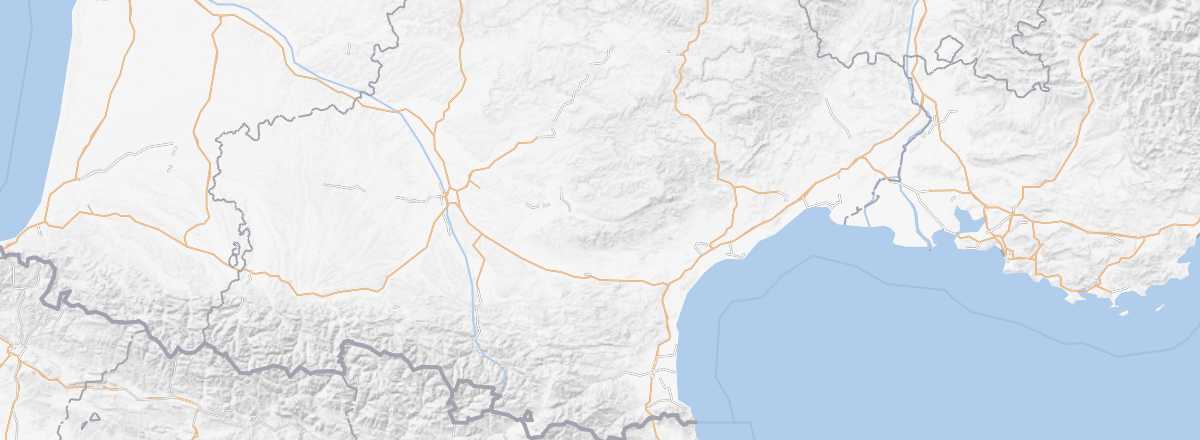 Occitania
Open the interactive map
Occitania
Open the interactive map
Travel Themes
- Interests (out of ): Nature ; Culture / ; Relaxation-holidays
Nature-Adventure
Culture
Relaxation-Holidays
By Department
Level of "interest" for each department:
| Nature | Culture | Relaxation-holidays | |
|---|---|---|---|
| Ariège | / | / | |
| Aude | |||
| Aveyron | / | ||
| Gard | / | ||
| Haute-Garonne | |||
| Gers | |||
| Hérault | / | ||
| Lot | |||
| Lozère | / | ||
| Hautes-Pyrénées | / | ||
| Eastern Pyrenees | / | ||
| Tarn | |||
| Tarn-et-Garonne | / |
By Department
Highlights and special features of the region's departments.
Ariège
It's one of France's least populous departments, but also one of the most beautiful in its mountainous part, particularly with Ariège Pyrenees Regional Nature Park. Far from the crowds, you can enjoy stunning landscapes and a wide range of outdoor activities, both in summer and winter. And then there's Ariège, also a Cathar land, home to the region's most famous fortress, Montségur Castle.
Aude
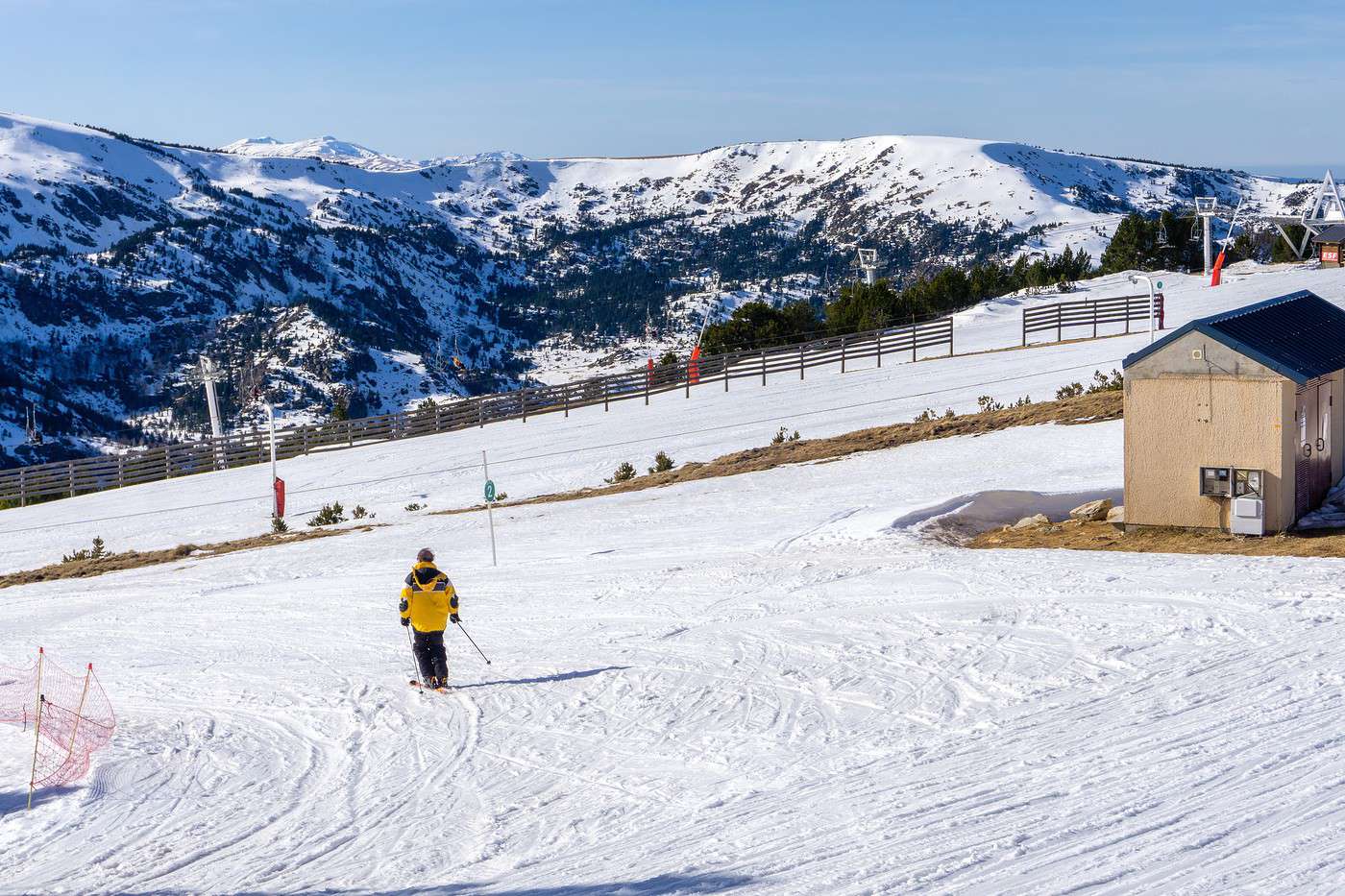
While not necessarily one of France's best-known departments, the Aude still offers great tourist diversity. A coastal strip for beach lovers, a ski resort for winter (and many others nearby), and quite a pretty countryside where, depending on the area, you can already see the reliefs of the Massif Central or the Pyrenees. Above all, it has Carcassonne, a city unique in its kind, and the Cathar Castles, which have marked the region's history.
Aveyron
Like most of its neighbors, Aveyron is a largely rural department that will delight nature lovers with its rocky plateaus (Causses, Larzac...), gorges, and deep valleys. In addition, it boasts significant cultural heritage with its many medieval towns and Templar cities, not to mention its ten communes labeled "Plus beaux villages de France."
Gard
The department is somewhat the "transition" between the Southwest and Provence, the Mediterranean and the first reliefs of the Massif Central. As a result, it offers a certain diversity that will appeal to many, with a seaside aspect (Le Grau-du-Roi, the Camargue) and a nature side found in the Cévennes National Park, the Ardèche Gorges, or even the Mount Aigoual. And then there's the Gard, home to two unique sites: Aigues-Mortes and, above all, Pont du Gard.
Haute-Garonne
Somewhat "overshadowed" by the presence of Toulouse with its architecture and lively atmosphere, the rest of the department ultimately attracts relatively few visitors (aside from Atlantic-Mediterranean transit), even though the Pyrenees (Lys Valley, Lac d'Ôo...) or Canal du Midi offer beautiful landscapes and a variety of outdoor sports.
Gers
The Gers, with its slightly rolling landscapes, is for many synonymous with countryside on the outskirts of Toulouse and peaceful weekends. Here, there are no breathtaking landscapes, major tourist sites, or large crowds. In short, even though several local festivals (Marciac, Mirande, Vic...) have their audience and a few bastides (Fourcès, Larressingle, Sarrant...) are well worth a visit, the Gers remains a destination that isn't very mainstream... which, incidentally, is part of its charm.
Hérault
Associated with Montpellier and its coastline, which hosts some of the best-known seaside resorts in this part of the Mediterranean coast (Agde, La Grande-Motte, Palavas...), Hérault is decidedly a summer relaxation-holiday destination. That said, its appeal isn't limited to its coastline, and the hinterland, toward the Massif Central, offers several pleasant places to discover. Among others, some beautiful villages (Minerve, Olargues, Saint-Guilhem...), but also the Haut-Languedoc Regional Nature Park, as well as natural cirques (Mourèze, Navacelles), gorges (including those of the Hérault), and caves (Clamouse, Demoiselles...).
Lot
Lot is a largely rural department that will appeal to nature lovers, particularly with its plateaus (the Causses) and, above all, its many caves and chasms, the most famous of which is Padirac. In addition, Lot also has a certain cultural heritage with several medieval towns, communes labeled "Plus beaux villages de France," and, above all, one of the most visited sites in France: Rocamadour.
Lozère
The least populated department in mainland France is an entirely natural destination. Even if you come across some beautiful villages with a medieval charm (La Garde-Guérin, Sainte-Enimie...), it's its wild environment that represents its main tourist interest. With the "space" Causses and Cévennes, multiple gorges (Allier, Jonte, Tarn), and medium-mountain reliefs (Mont Lozère, Aigual...), nature lovers and outdoor activity enthusiasts generally find what they're looking for here.
Hautes-Pyrénées
A mix of (high) mountains, valleys, hills, and plains, the department is primarily a nature destination appreciated by hiking, skiing, and all other types of outdoor sports enthusiasts. The Hautes-Pyrénées are also renowned for their thermal spas. In another category, the city of Lourdes remains one of the most important pilgrimage sites in the world, with six million faithful visiting each year.
Eastern Pyrenees
The "PO" (Pyrénées-Orientales) is one of the few French departments that combines both sea and mountains, beach pleasures and skiing. With the seaside resorts of its Vermilion Coast (from Argelès to the Spanish border) on one side and the Canigou Massif or Regional Natural Park of the Catalan Pyrenees on the other, outdoor and nature enthusiasts generally find what they're looking for. Especially since, in addition, you can also discover some beautiful abbeys, military remains from the Vauban era (Mont-Louis, Villefranche, etc.), charming small villages (Castelnou, Evol, Mosset...), plus all the Catalan traditions still very much alive in the region.
Tarn
Considered by many as a (distant) suburb of the Toulouse agglomeration, Tarn nevertheless has some interesting places, starting with its prefecture, Albi, known for its episcopal city and the museum dedicated to Toulouse-Lautrec. Also worth noting is one of Occitanie's most beautiful villages, Cordes-sur-Ciel, plus a few other towns that have retained a small medieval charm (Castelnau-de-Montmiral, Lautrec, Puycelsi...).
Tarn-et-Garonne
Much like the neighboring Tarn, Tarn-et-Garonne is often considered (for its southern part) as a distant suburb of Toulouse. But like Tarn, it also has some beautiful villages worth visiting, such as Auvillar, Lauzerte, Saint-Antonin Noble Val, and especially Bruniquel.
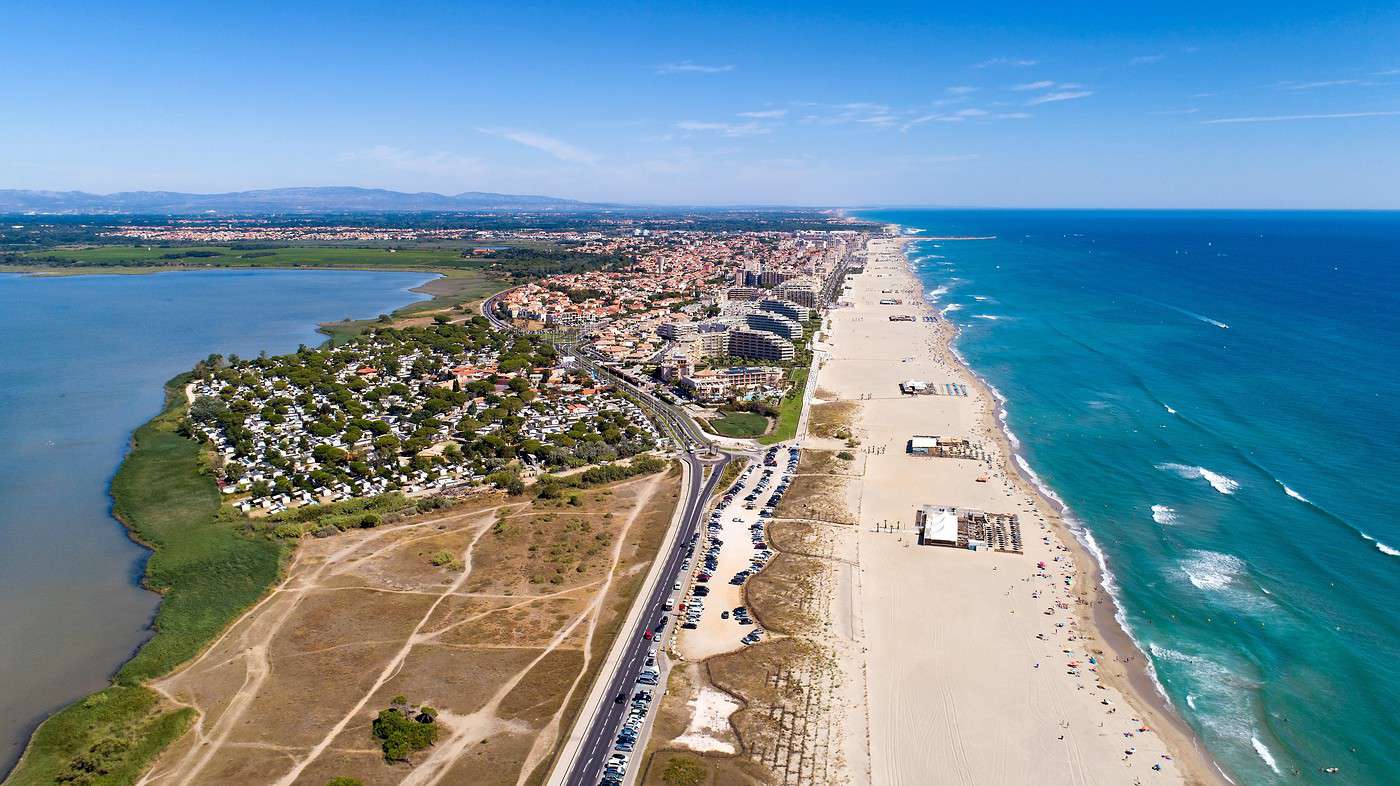
Beaches and Seaside Resorts
Water Activities
Diving:
Water Sports:
Sailing:
Thalasso and Wellness
Hiking
Hiking on Foot
Cycling
Horseback Riding
Skiing and Winter Activities