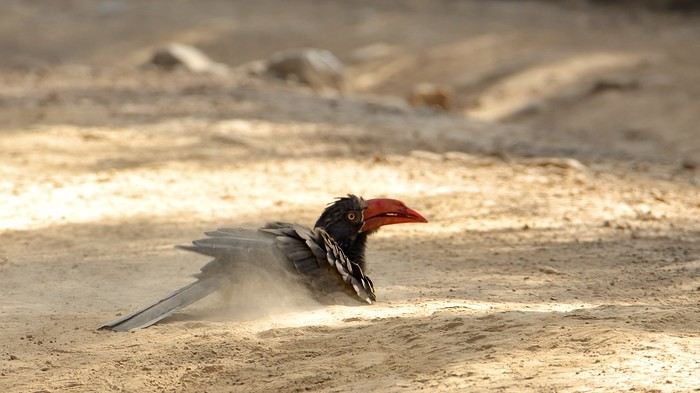
Voici 6 mois maintenant que nous sommes rentrés de notre périple à travers la Namibie et le Botswana... Sur place, nous avions tenté d'alimenter un blog au fil de notre aventure. Seulement il nous a été trop compliqué de l'entretenir au jour le jour sur place : pas suffisamment souvent de connexion internet possible, des journées trop denses pour s'imposer des écrans le soir, même pour notre ado de 14 ans, c'est dire !!
Alors aujourd'hui, nous allons tenter de raconter cette si belle aventure, pour vous, notre famille qui s'est parfois inquiétée, pour vous, nos potes, curieux, parfois envieux de ce dans quoi nous allions nous lancer, et vous tous, forumistes de voyage, qui, sans le savoir, m'avez aidée dans l'élaboration de notre périple ...
Petite présentation pour ceux qui ne nous connaissent pas...
Nous sommes une petite famille avec 3 enfants, aimant faire de nouvelles découvertes, mais pas spécialement grands baroudeurs non plus ...
Nous avons déjà eu l'occasion de découvrir un petit échantillon d'Afrique, en 2011 et 2013, en partant pour 2 séjours au Sénégal retrouver nos amis "Les News" qui y vivaient à l'époque. Tombés sous le charme, nous avions envie de tenter de nouvelles découvertes sur ce continent.
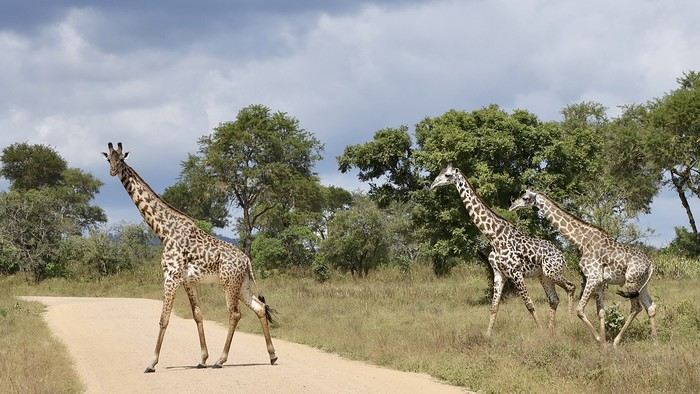
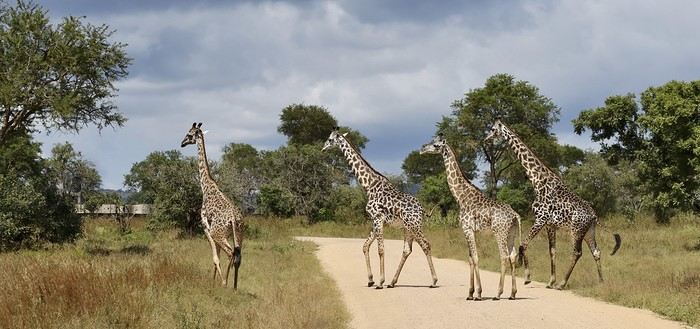
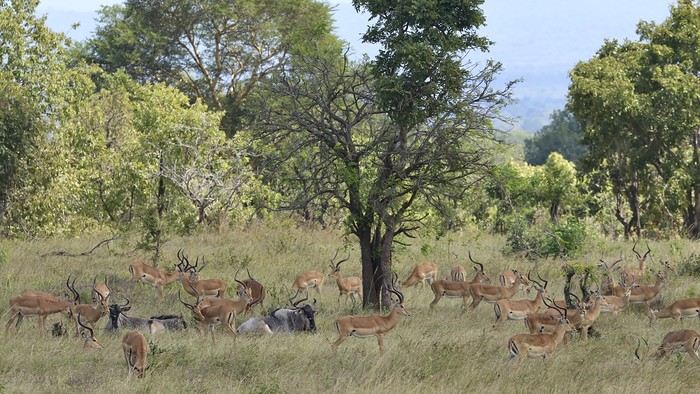
Notre choix s'est vite porté vers la Namibie. Nous cherchions avant tout un pays suffisamment sécure à parcourir avec nos enfants, au niveau géo-politique et sanitaire. Nos priorités étaient de pouvoir faire du safari, voir des animaux sauvages dans leur milieu naturel, arpenter de beaux paysages, et pourquoi pas aller à la rencontre d'autres cultures. Plus je lisais sur la Namibie, plus j'étais convaincue que c'était LA destination... et nous ne nous sommes pas trompés !
Nous sommes donc partis pour un séjour d'un mois (29 jours sur place) du 27 Juillet au 26 Août 2015. C'était la période de l'hiver austral là-bas.
Pour info, pour ceux qui se demandent encore si découvrir la Namibie est envisageable avec des enfants : nos enfants ont 14, 11 et 7 ans. Et sans hésitation : ils y retourneraient bien tous, et nous avec!!
Les préparatifs...
J'ai préparé le voyage et l'itinéraire grâce à des mois de lecture de Voyage-Forum et à tous les précieux conseils des voyageurs.
Puis nous avons fait réserver la location du 4x4 et les différents hébergements par l'agence locale TOURMALINE.
Le loueur de véhicule retenu a été CAPRIVI CAR HIRE (pour des raisons de moindre coût) : un 4x4 Toyota Hillux 2.5 Diesel, équipé de deux tentes sur le toit, l'une en 140 x 240 pour 2 personnes et l'autre en 160 x 240 pour les 3 autres.
Pour nous 5, la taille des tentes étaient pile ce qu'il fallait. Par contre, il est clair qu'avec des enfants un peu plus grands, elles auraient été trop justes.
Et voici l'itinéraire de notre périple :

Jour 1 WINDHOEKLondiningi B&B Jour 2 SOLITAIREGecko Camp Jour 3 SESRIEM NWR Sesriem Jour 4 SESRIEM NWR Sesriem Jour 5 SOLITAIRE Solitaire Guest Farm Jour 6 SWAKOPMUND The Stiltz Jour 7 SWAKOPMUND The Stiltz Jour 8 SPITZKOPPE Spitzkoppe Camp Jour 9 BRANDBERG Brandberg White Lady Lodge Jour 10 TWYFELFONTEIN Mowani Mountain Camp Jour 11 KAOKOLAND Khowareb Lodge Jour 12 KAOKOLAND Khowareb Lodge Jour 13 GROOTBERG Hoada Campsite / Grootberg Lodge Jour 14 GROOTBERG Hoada Campsite / Grootberg Lodge Jour 15 ETOSHA NWR Okaukuejo Jour 16 ETOSHA NWR Halali Jour 17 ETOSHA NWR Namutoni Jour 18 RUNDU Kaisosi River Lodge Jour 19 BAGANI Nunda Safaris Lodge Jour 20 BAGANI Nunda Safaris Lodge Jour 21 KONGOLA Namushasha Jour 22 KONGOLA Namushasha Jour 23 SHAKAWE Drotsky's Cabins Jour 24 ETSHA 13 Guma Lagoon Jour 25 ETSHA 13 Guma Lagoon Jour 26 GHANZY Thakadu Camp Jour 27 GOBABIS Zelda Game & Guest Farm Jour 28 WINDHOEK Londiningi B&B Jour 29 WINDHOEK Départ
Nous avons choisi de doubler beaucoup de nuits au même endroit, pour pouvoir profiter de balades sur place ou d'excursions guidées. Choix que nous confirmons sans aucun doute encore aujourd'hui ...
Evidemment, il y a eu de longues tergiversations sur cet itinéraire, quelques coupes franches comme les territoires Himbas et Epupa Falls, comme les chutes Victoria et le Chobe National Park. De toute façon, dans tout voyage, il faut faire des choix : notre objectif était de pouvoir nous poser et prendre le temps de profiter sans être toujours sur la route. A posteriori, nous ferions quelques petits aménagements, bien-sûr ; mais tel qu'il a été conçu, ce voyage nous a pleinement enchanté... Nous allons maintenant tenter de vous le relater jour après jour...
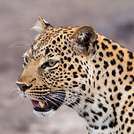


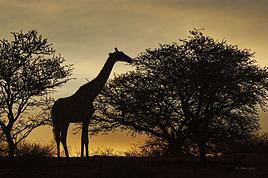
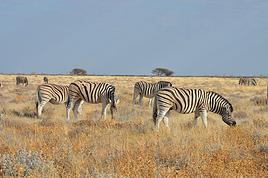
 Si gracieux steack ?!? Comment se résoudre à le croquer ??




 .. et de l'autre côté, la savane s'embrase ...



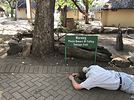
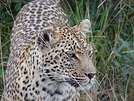


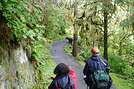


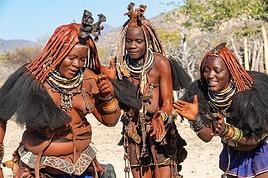
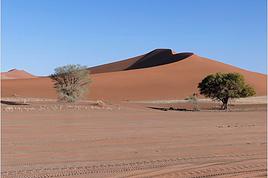
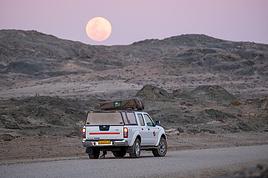
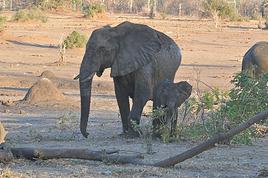
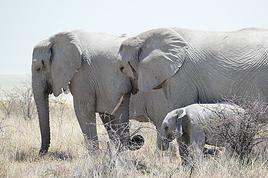


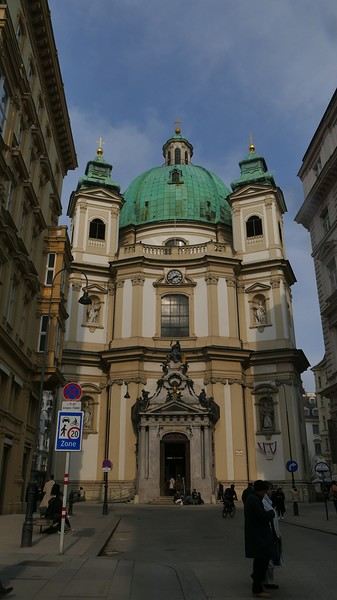
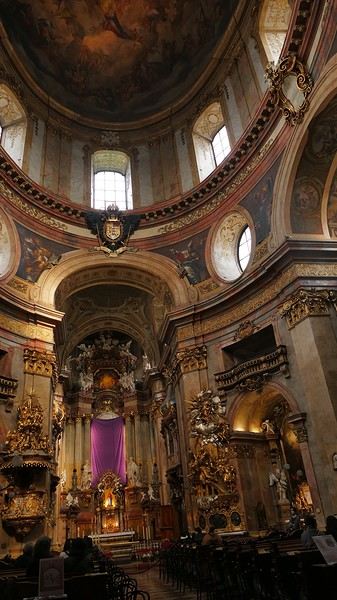
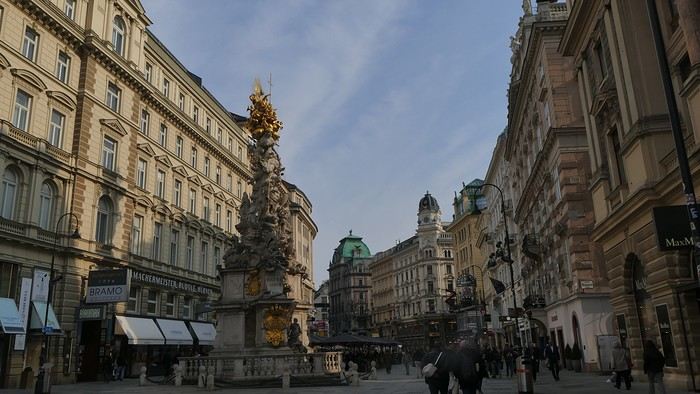
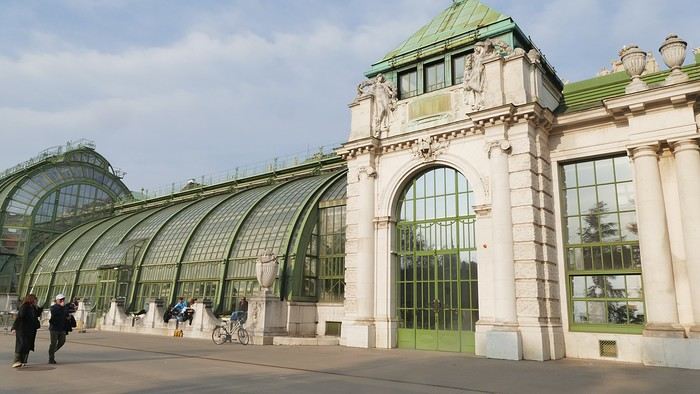
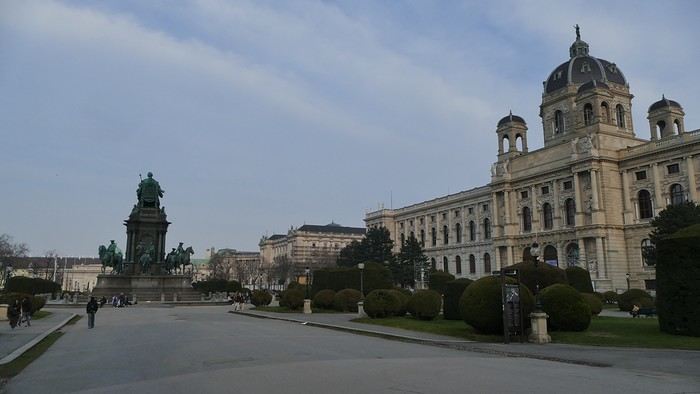
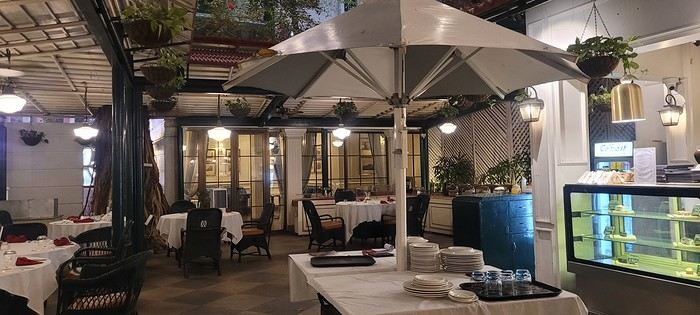
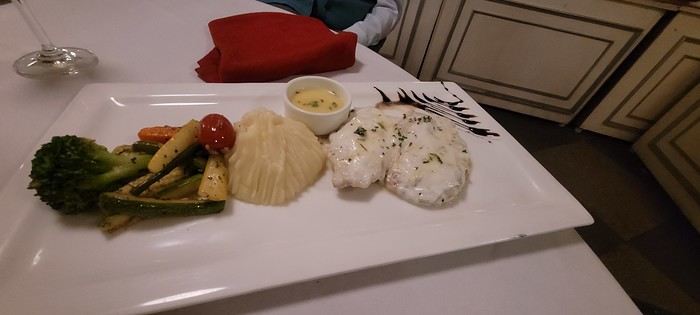


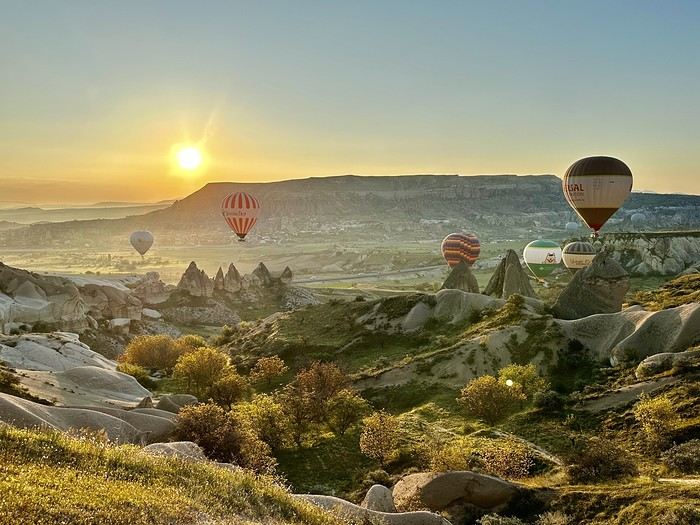 A little sneak peek?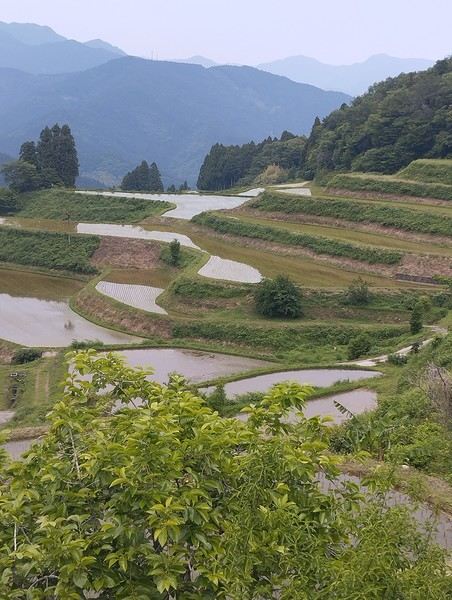
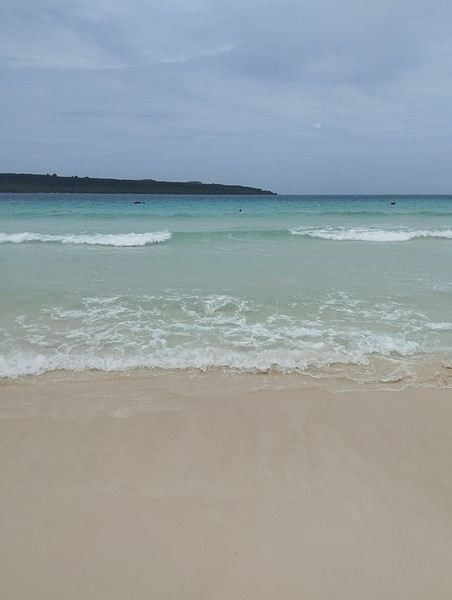
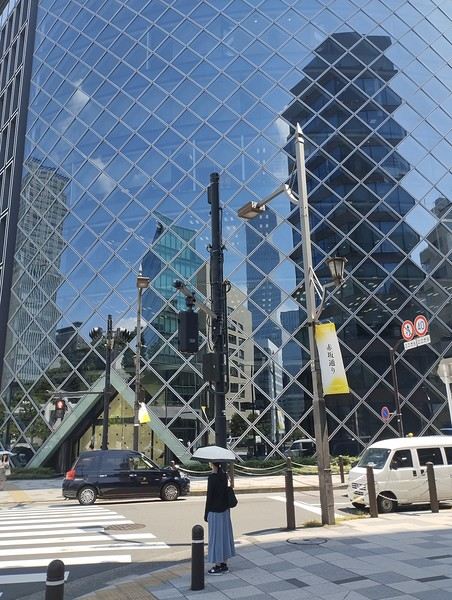

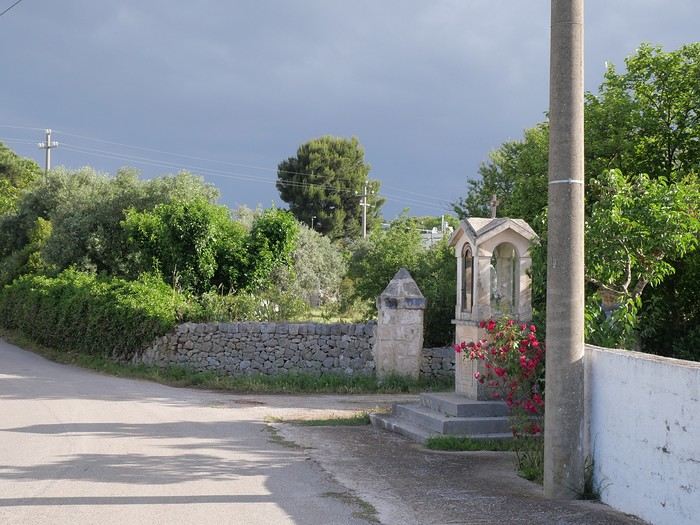
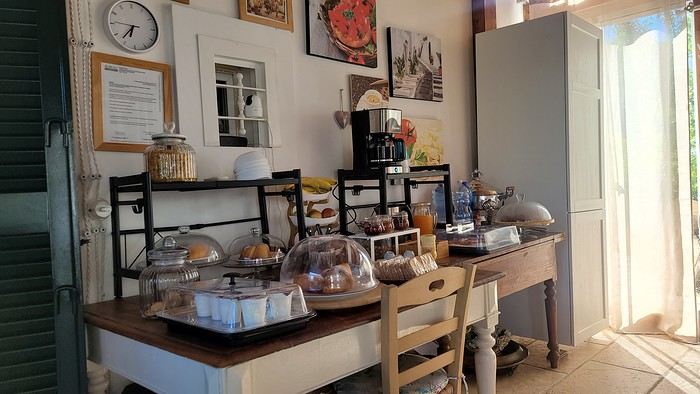
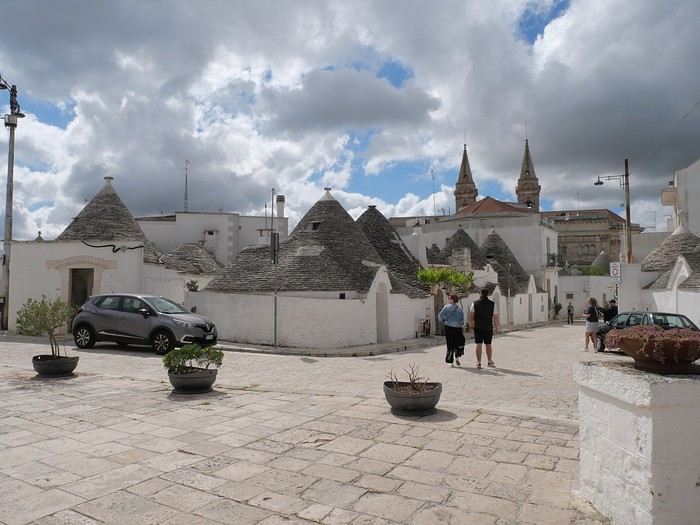
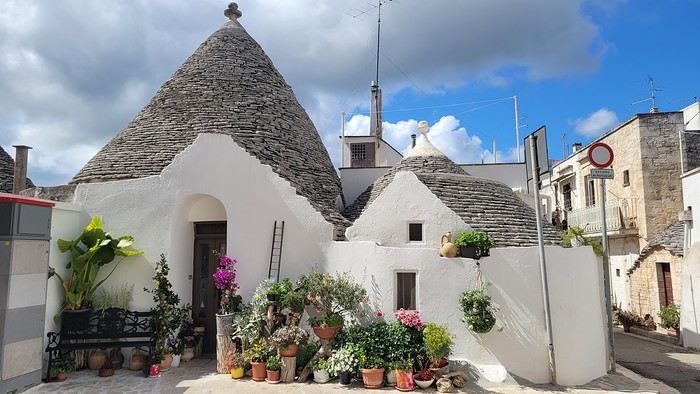
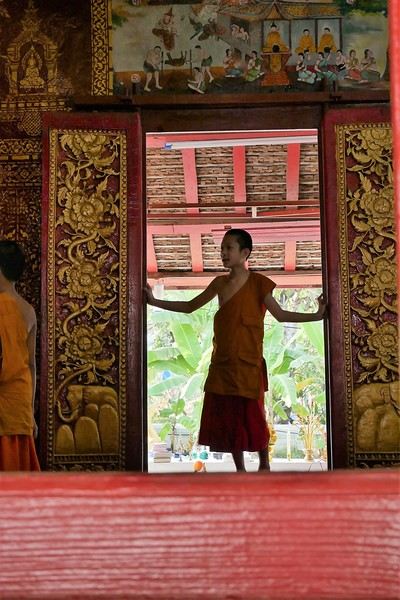 Come along, I'm taking you to this country where it's so nice to wander and slow down...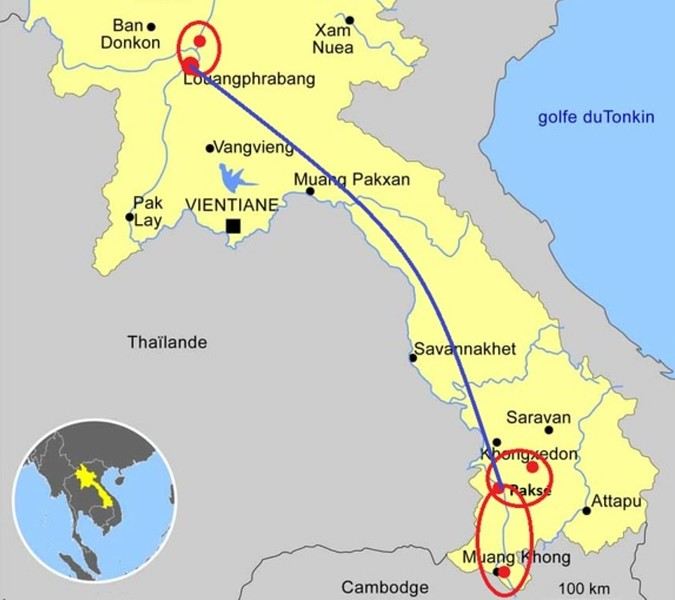
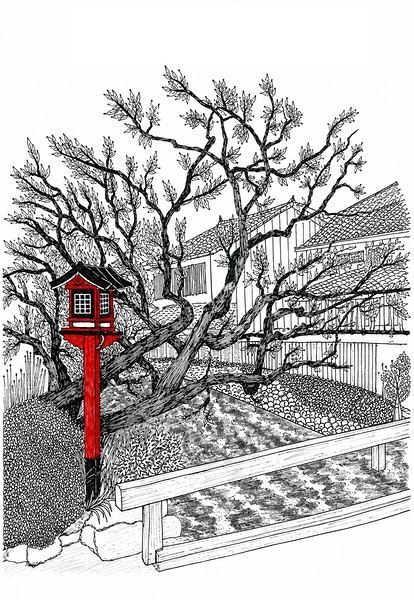 I’m inviting you on a stroll through my drawings—a completely subjective, far from exhaustive, and totally personal take, since it’s based on my own sketches. I put this travel journal together after returning in late 2024, mostly using felt-tip pens and pencils, with a few collages thrown in. I worked from our personal photos.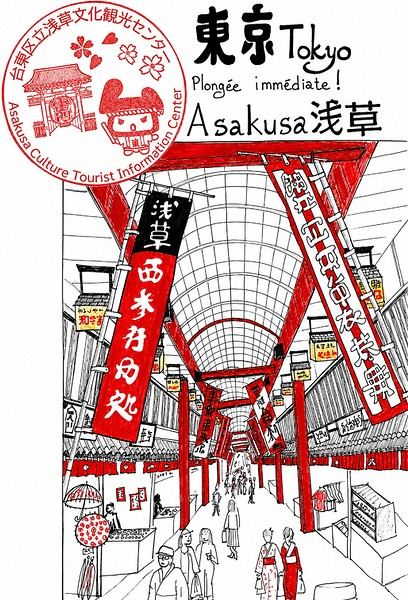
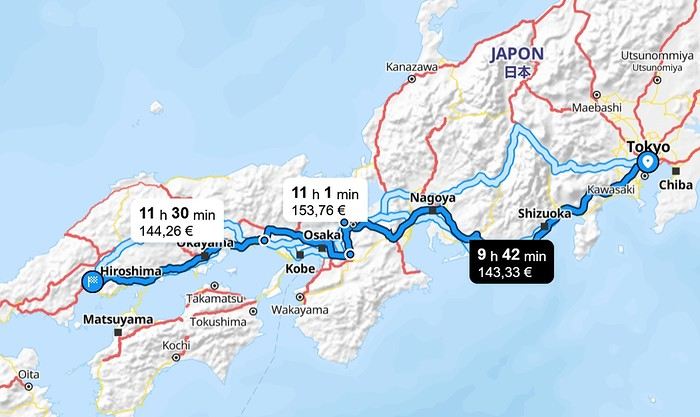
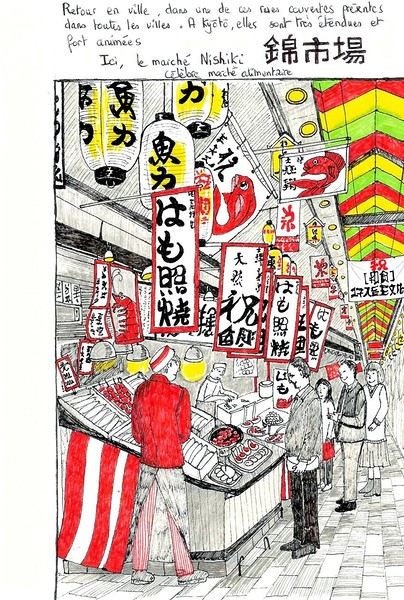
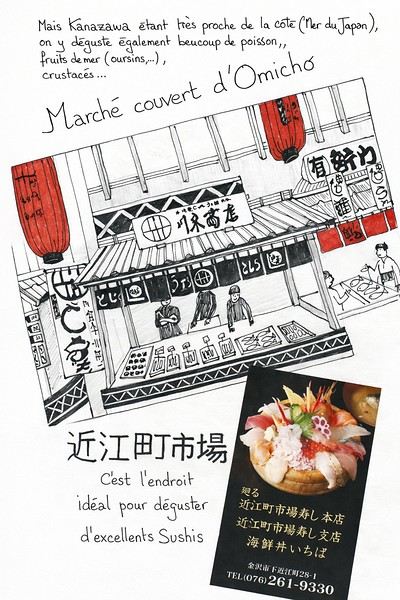 And in Kyoto, Nishiki Market:
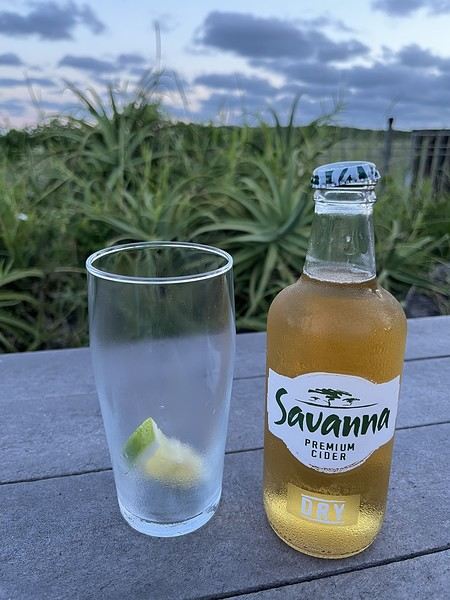
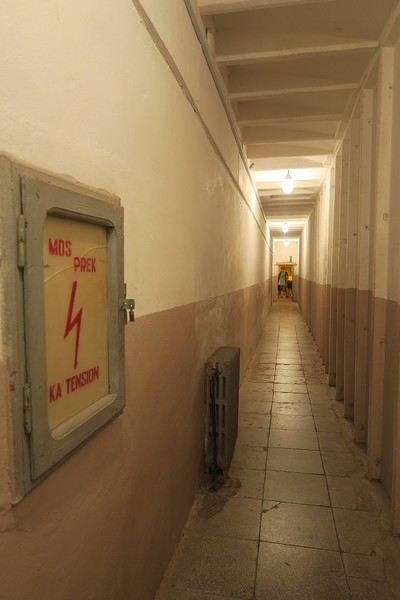
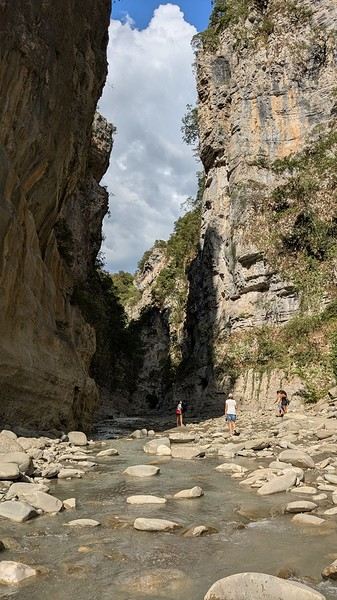
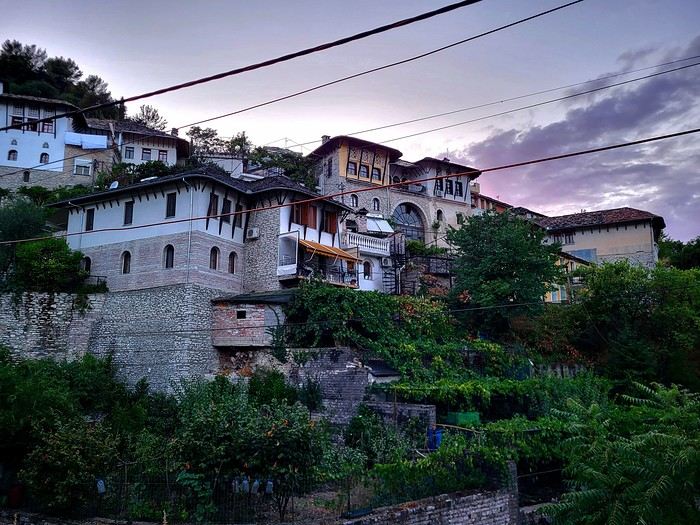
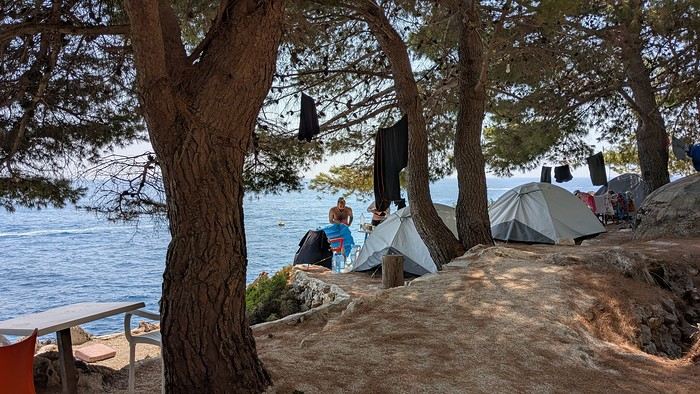
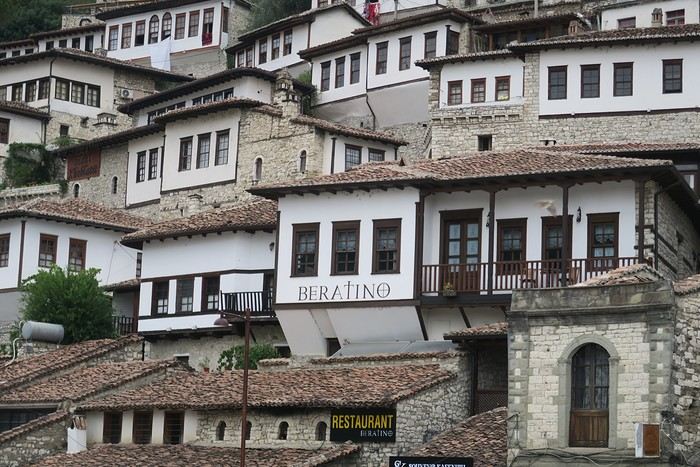
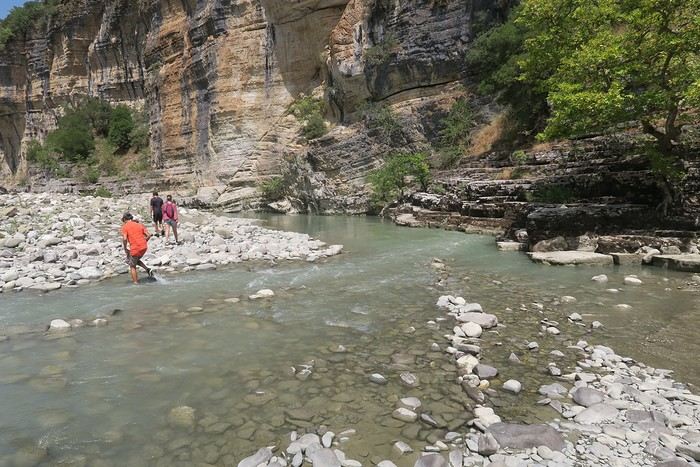
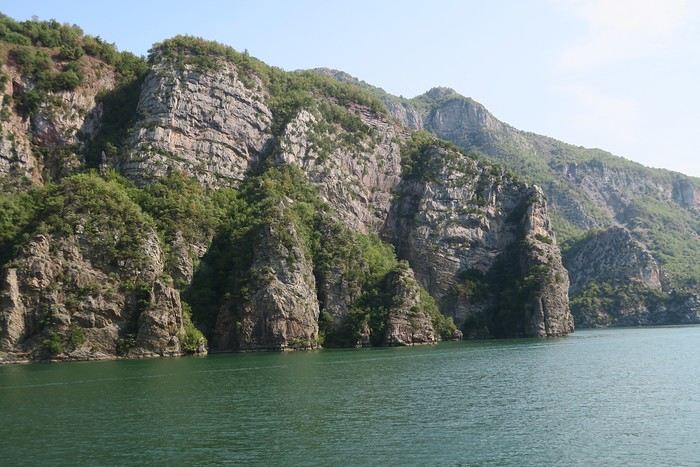
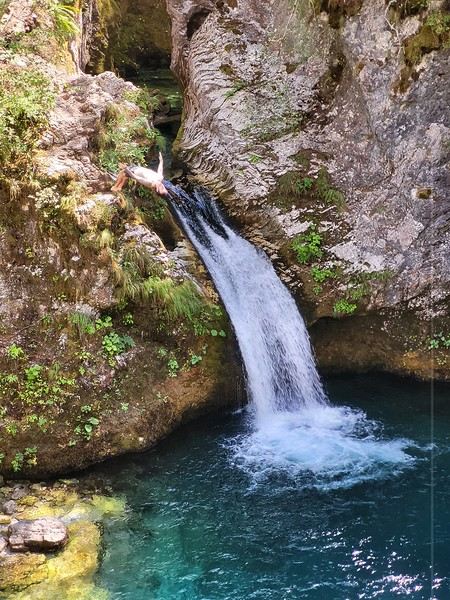
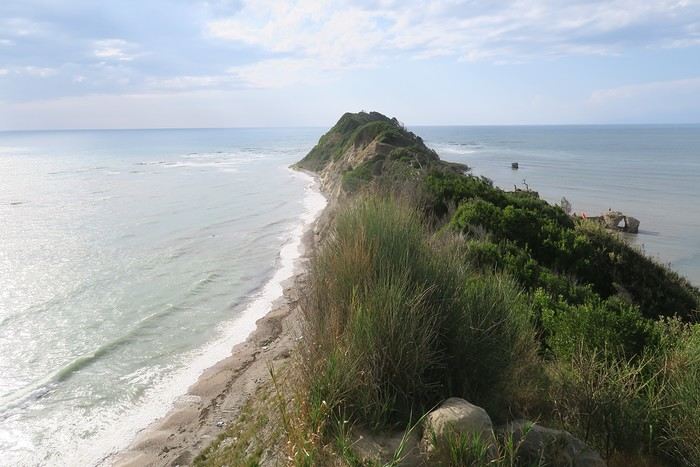
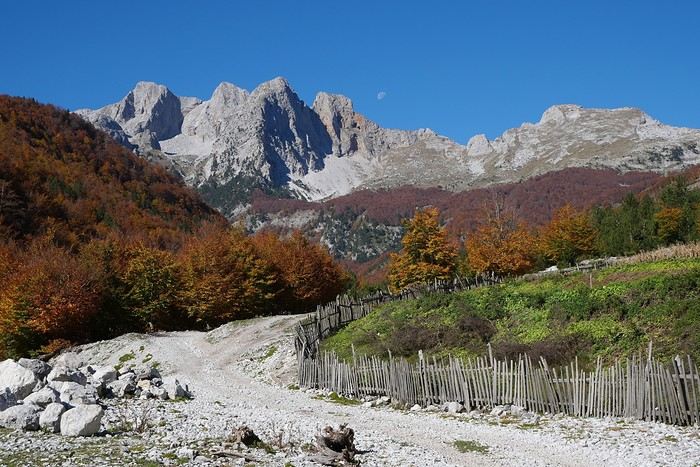

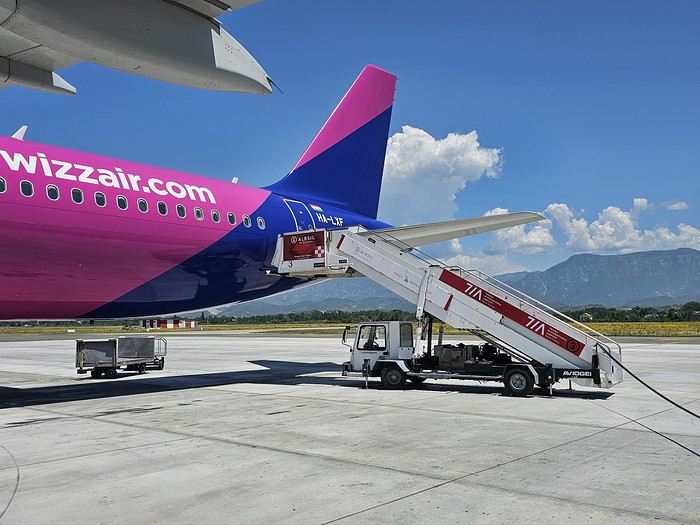 Since Albania isn’t part of Europe when it comes to phone service (at least not yet! :-)), we had to buy a physical SIM card—otherwise, the bill would’ve been sky-high if we’d used our French plan! We got one from Vodafone AL at the airport. You can buy online before leaving with a virtual SIM (e-SIM) for compatible phones, so you don’t have to swap cards. But given the uncertainty about choosing a plan online, we preferred buying one directly at Tirana Airport. Cost: 31 € for 100 GB. That’s way too much—100 GB is overkill. For 40 GB, it’s 27 €, and the plan lasts 21 days. The price difference isn’t huge, and it was cheaper than online. This plan covers all the countries along the Balkan range.
Money tip: All guesthouses and accommodations accept euros. The local currency in Albania is the LEK. In Montenegro, it’s the euro. Bank fees for withdrawing money from an ATM in Albania are pretty steep: 8 € for a withdrawal of 600–700 LEK (about 200 €)! So it’s better to withdraw cash (euros) in France. Oh, and we booked all our accommodations before leaving, but payment is always in cash. Budget around 400–500 € for 9 days of trekking.
Since Albania isn’t part of Europe when it comes to phone service (at least not yet! :-)), we had to buy a physical SIM card—otherwise, the bill would’ve been sky-high if we’d used our French plan! We got one from Vodafone AL at the airport. You can buy online before leaving with a virtual SIM (e-SIM) for compatible phones, so you don’t have to swap cards. But given the uncertainty about choosing a plan online, we preferred buying one directly at Tirana Airport. Cost: 31 € for 100 GB. That’s way too much—100 GB is overkill. For 40 GB, it’s 27 €, and the plan lasts 21 days. The price difference isn’t huge, and it was cheaper than online. This plan covers all the countries along the Balkan range.
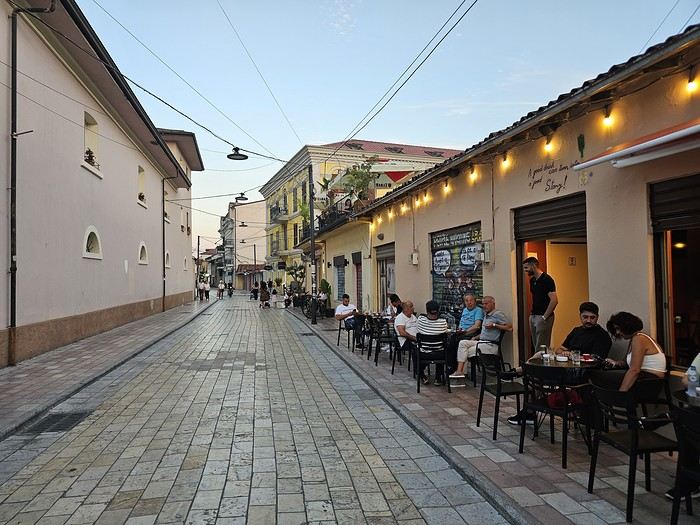
Money tip: All guesthouses and accommodations accept euros. The local currency in Albania is the LEK. In Montenegro, it’s the euro. Bank fees for withdrawing money from an ATM in Albania are pretty steep: 8 € for a withdrawal of 600–700 LEK (about 200 €)! So it’s better to withdraw cash (euros) in France. Oh, and we booked all our accommodations before leaving, but payment is always in cash. Budget around 400–500 € for 9 days of trekking.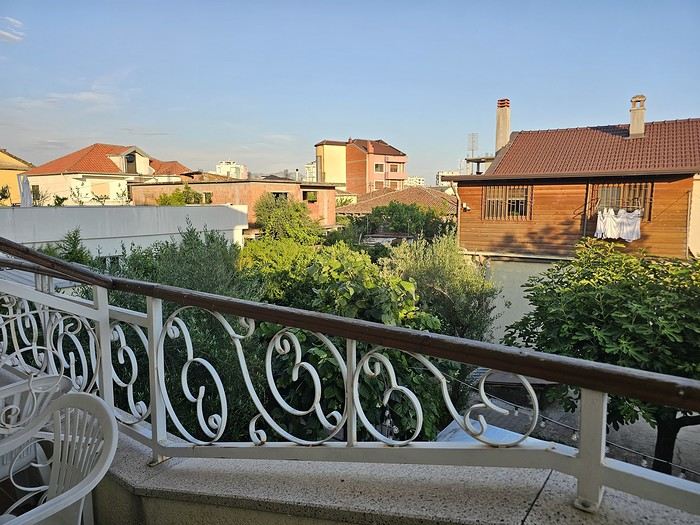 I really liked Shköder, especially its pedestrian street lined with restaurants and lit up at night. It’s a great place to stroll and eat. The food isn’t expensive—two big salads and two beers: 14 € :-) . Fruit prices are also very reasonable: 3 € for a kilo of cherries, compared to 9–10 € in France.
Religions coexist peacefully in these countries—Catholics and Muslims. From our balcony, my friend heard the call to prayer for the first time, coming from one of the city’s mosques.
I really liked Shköder, especially its pedestrian street lined with restaurants and lit up at night. It’s a great place to stroll and eat. The food isn’t expensive—two big salads and two beers: 14 € :-) . Fruit prices are also very reasonable: 3 € for a kilo of cherries, compared to 9–10 € in France.
Religions coexist peacefully in these countries—Catholics and Muslims. From our balcony, my friend heard the call to prayer for the first time, coming from one of the city’s mosques.
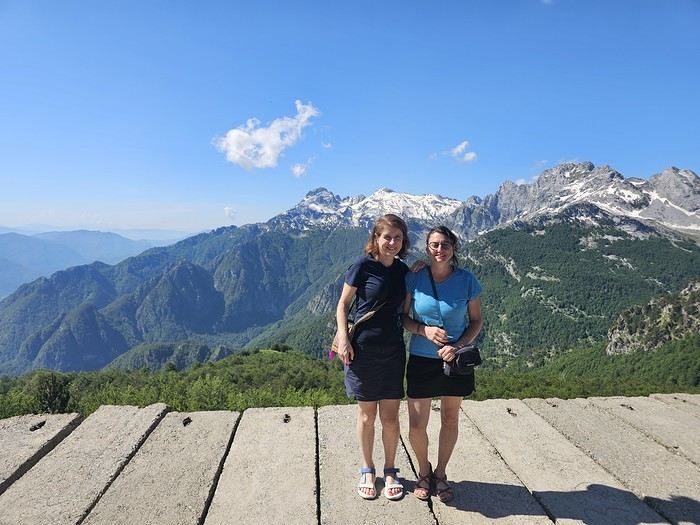
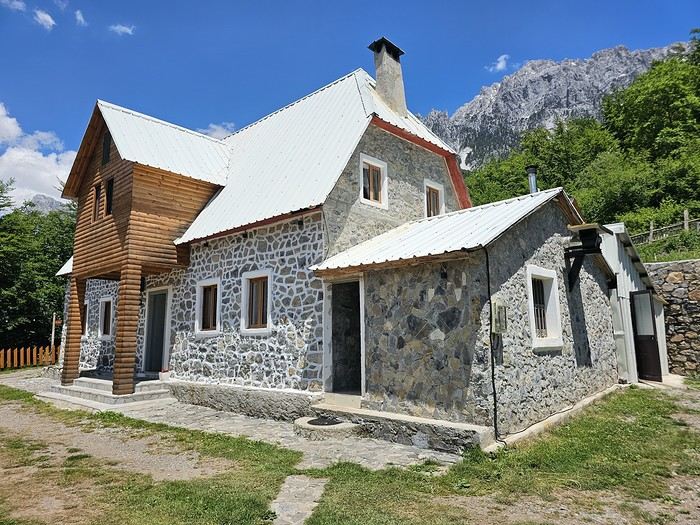 We slept in the heights of Theth at a new guesthouse, "Mountain Vista Shkafi," with an amazing view.

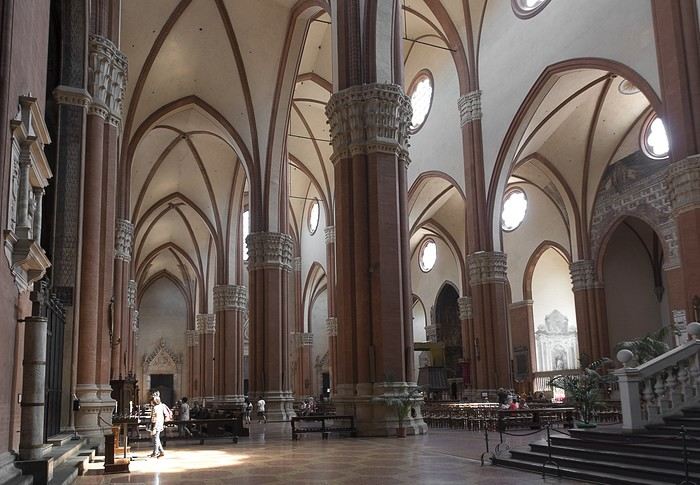
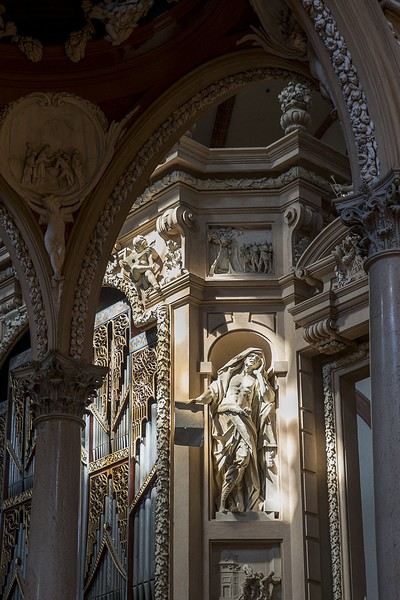
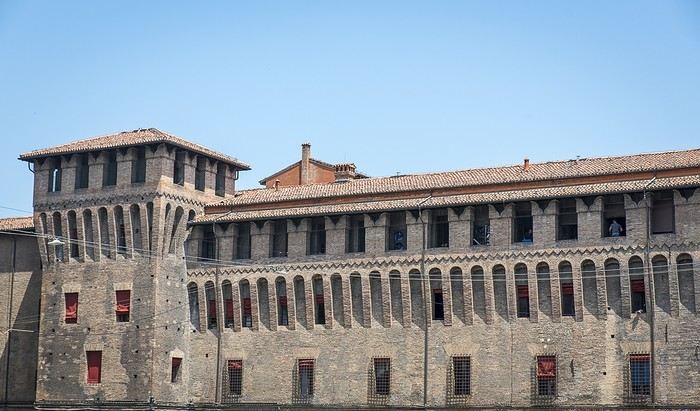 But Bologna’s real charm lies in its porticoes, which were added to the UNESCO World Heritage list in 2021: 62 km of arcades running along buildings, letting you walk sheltered from the sun or rain. Back in 1288, the city required houses to include private arcades for public use. In the city center, you can stroll under 32 km of porticoes in all sorts of styles—some plain, some ornate—with a strong presence of red tones.