Voici un récit écrit à plusieurs mains d’après les notes prises par deux participantes et moi-même lors d’une virée mongole.
Le début n’ayant aucun intérêt à être présenté ici, le carnet commence à l’aéroport de Pékin.
Nous y mesurons à sa juste valeur le sérieux – et peut-être aussi un peu le zèle - des services douaniers chinois qui nous autorisent enfin à franchir la zone du contrôle des bagages, non sans avoir minutieusement vidé, vérifié, retourné en tous sens nos petits sacs à dos de cabine, fait étudier longuement par l’autorité suprême les filtres de cigarettes, reniflé tabac à rouler et piqué au passage 7 briquets et un tube de Dexeril, sous l’œil médusé et noir de Véro.
Vue du ciel, Oulan-Bator se laisse approcher avec quelques yourtes puis une série de toits rouges, verts, bleus... suivent de tristes immeubles agricoles et très vite, presque en rase campagne, se dessine la piste (presque) goudronnée de Ghengis Khan, où nous sommes accueillis par deux hélicos en tenue léopard...
Les contrôles sont simplifiés au regard des tatillons voisins chinois et nous avons une pensée émue pour le petit gars au comptoir de Lyon qui a permis l’arrivée jusqu’ici et sans problème, de tous nos bagages.
Nous sommes reçus par Amgalan le responsable de l’agence et Bayna notre guide. Ils nous accompagnent jusqu’à l’hôtel. La route est plutôt défoncée mais ne semble en rien gêner Amgalan et sa conduite sportive.
L’architecture, marquée par le «protectorat russe» n’est pas vraiment sexy. C’est pas mal daté, déglingué, poussiéreux, en bref peu engageant. Le centre ne vaut guère mieux, en plus prétentieux. Bâtiments officiels lourdauds rivalisent avec quelques rares envolées contemporaines qui font un curieux mélange face aux récents hôtels de luxe et aux vestiges pompeux de l’ère soviétique mâtinée de relents chinois.
L’hôtel a l’avantage d’être central et après une douche réconfortante nous passons faire un peu de change. Alourdis de plusieurs dizaines de billets et avec le sentiment d’être riches (1000 Tugruts = 0,60€) nous allons déjeuner.
Dire que le pays est végétarien serait faire une grave insulte aux traditions d’élevage et au lobby qui s’en suit. Aussi c’est de la viande, qui bouillie, qui grillée, qui mitonnée en ragoût qui déborde de nos assiettes au grand désespoir de notre quasi-végétarienne Marie-Paule.
Notre premier repas mongol est arrosé d’un premier orage. Ça souffle de la poussière partout avant de tomber dru et serré. De la terrasse où nous dominons un carrefour, nous pouvons constater que la fameuse conduite locale et sportive a ses limites, certains passent, d’autres pas, mais les deux violents coups de freins, crissements de pneus et bruits de tôle froissée ne troubleront notre déjeuner que le temps de se marrer devant l’engueulade des deux chauffeurs se rejetant mutuellement les tords.
Bayna qui nous accompagnera durant notre périple est plutôt sympa. Son français appris par Internet nous impressionne pas mal et permet à ce journaliste musical de mettre un plus de beurre de yack dans son thé salé pendant la saison touristique.
Après une petite sieste nous nous aventurons en free lance dans la ville, quelque peu désorientés par l’écriture cyrillique qui ne facilite pas la lecture des plans.
Re-bourrasque nous en profitons pour une virée cartes postales, une excellente bière mongole et… une non moins excellente pizza (Si si c’est une italienne qui le dit !!!) dans ce qui semble être un des hauts lieux de rencontre de la jeunesse dorée d'Oulan-Bator.
La capitale by night ne nous livre guère ses secrets, juste une vue plus voilée de son manque d’harmonie. Sur la place principale, nous sommes invités à participer à un petit flash mob de danse occidentalisée avec, en clôture une lambada très chaloupée qui laissera de marbre le Ghengis local.
A nouveau l’orage menace. Retour au triple galop à l’hôtel pour une nuit rythmée par la boite de night voisine.
Sans les 20 heures de voyage et le rhum arrangé vanille et café bourbon façon José, certaines auraient, sans doute eu du mal à trouver Morphée.
Vendredi
Où nous découvrons Adia, notre chauffeur et son véhicule, dont la dimension trapue nous inquiète vu le nombre de passagers et de bagages. Mais c’est fou ce que l’on arrive à caser dans une ambulance de l’armée russe réformée. Et hop en route, ma poule.
La banlieue Ouest sous la pluie est encore plus sinistre et embouteillée que la route de l’aéroport. Petite halte pour bon nombre de bidons d’eau minérale, jus de houblon et diverses provisions dans une épicerie-lingerie-quincaillerie.
Des produits français s’alignent en masse, dont de la moutarde, évidemment dijonnaise et un St Emilion bien égaré à côté des mètres linéaires de vodka.
La pluie nous accompagne toujours et nous déjeunons dans une petite maison, résidence d’hiver tristounette d’Adia notre chauffeur, à peine égayée au mur par un morin khuur, la traditionnelle viole à deux cordes ornée d’une tête de cheval.
Premier contact avec les toilettes locales au bout de l’enclos, système ingénieux bien que jugé spartiate par certaines européennes habituées au luxe de l’eau courante.
La campagne se révèle beaucoup plus accueillante sous le soleil qui daigne enfin se montrer, et les premiers troupeaux de courtes pattes et de fiers chevaux en liberté nous remontent sérieusement le moral mis à mal jusque là par la météo locale.
A Lün, premier vrai centre situé à plus de 150 kms d’Oulan Bator, nous assistons à notre premier Naadam. Cette fête nationale populaire, nous offre un spectacle des plus dépaysant, encore qu’à voir l’insistance avec laquelle nous sommes dévisagés par certains autochtones on se demande ce qui est le plus remarquable.
Une concentration de Mongols en habits traditionnels, gueules burinées, deels et bottes du dimanche, aussi typiques que colorés sont réunis, en cercle.
A cheval, à moto ou en voiture ils sont là pour assister aux combats de lutte. Un sport national qui n’éveillera pas chez nous (du moins dans l’immédiat…) la même passion que chez les autochtones.
Après quelques affrontements, lesquels nous laissent … disons, assez pantois et moins admiratifs que les fins connaisseurs du cru, nous nous dirigeons vers la place d’arrivée des courses de chevaux.
L’ambiance est festive, mais le final des 2 ans montés par de tous jeunes enfants suggère la dureté de la vie des nomades. Peut-être est-ce cette rudesse qui pousse certains à fricoter de près avec la vodka ; cadeau, s’il en est, du protectorat russe.
Nous avalons encore le peu de goudron qui reste entre les énormes nids de poule, puis bifurquons dans une grande steppe ourlée à l’infini de montagnes arrondies. Ce sera l’endroit de notre premier bivouac. Nous y ferons l’amère constatation que matériel fourni par notre agence, et notamment les tentes, n’est pas à la hauteur de la qualité vantée.
Pendant que Bayna s’active aux gamelles, nous nous débattons en pestant contre Amgalan le grand responsable. Nous réussirons finalement à installer notre campement. Mais Christine et Estelle dont la tente n'est pas montable n’ont d’autre solution de couchage que la grande tente mess qu’elles partageront avec Bayna. Adia, taiseux et à l’air constamment renfrogné brique et rebrique son camion.
Nous soupons attablés en plein steppe. Notre guide-cuistot est plutôt bon, quant au chauffeur nous en reparlerons.
«La connaissance est le trésor suprême. Les enfants sont le trésor du milieu. La richesse matérielle est le trésor le plus bas.»
Proverbe mongol
« Nomade j’étais quand, toute petite, je rêvais en regardant la route, la blanche route attirante, toute droite vers l’inconnu charmeur… »
Isabelle Eberhardt
Un troupeau de juments avec leurs poulains suivis à distance réglementaire par les mâles vient nous réveiller. Le ballet est fascinant et nous les retrouvons un peu plus tard qui se rafraîchissent autour d’un point d’eau. Pluie de photos... A ce sujet, il faut préciser, qu’au terme du voyage, notre photographe officiel rentrera complètement trempé.
Nous reprenons le bitume pour encore une paire d’heures.
Dans les pentes alentour quelques aigles et vautours semblent attendre la panne d’un véhicule de touristes, mais c'est un local qui sera dépanné grâce à la boite à outils de notre chauffeur.
Remerciements, partage d'airag, chaleureuses salutations, puis nous nous engageons sur une piste qui nous mènera au bord d’un grand lac pour notre deuxième bivouac. Les plus téméraires se trempent sans hésiter et entament une petite lessive qui mettra quand même 48 h à sécher.
En guise de sieste, pendant que Marie-Paule se préoccupe de son genou faiblard, nous nous offrons l’ascension d’une petite colline afin d'apprécier d'avantage des environs du site.
Au loin, deux jeunes cavaliers guident un troupeau de chèvres et moutons vers l’abri nocturne puis viennent nous saluer et nous faire savoir dans un anglais bien moins rudimentaire que notre mongol que nous sommes les bienvenus.
Le retour au camp est écourté grâce à Adia venu nous récupérer en camion au pied de la colline avant de s’approvisionner en lait, à une yourte voisine. Le lait est bon et le bain dans le lac, fort appréciable après notre suée, même si les plus méditerranéens d’entre nous y vont à reculons.
Bayna nous livre quelques clefs sur le chamanisme. Il y est question des choix opérés par les esprits pour incarner des médiateurs terrestres. Ces élus, généralement en fin de vie et pour lesquels la médecine traditionnelle est inopérante, ou qui ont vécu des expériences difficiles se doivent d’être aguerris pour lutter contre la rouerie des mauvais esprits.
Malgré ces explications passionnantes, et une belle fin d'après midi au bord du lac, la soirée est gâchée par une invasion d’éphémères. Adia frotte comme un cinglé les vitres du camion et nous testons pour nous protéger les enturbanements les plus sophistiqués. Mais rien y fait. La tente sera la meilleure protection. Il n’y a plus qu’à aller se coucher.
La nuit sera copieusement arrosée. Encore peu habitués à ces changements permanents de météo, il faut cependant accepter l’idée d’une nuit supplémentaire sous la flotte en espérant une amélioration pour le lendemain.
A suivre ...
« Nomade j’étais quand, toute petite, je rêvais en regardant la route, la blanche route attirante, toute droite vers l’inconnu charmeur… »
Isabelle Eberhardt
Un excellent début ! j'attends la suite avec impatience 😛
il lui suffisait de voir une carte pour se mettre à l'étudier avec passion, puis, invariablement, il commençait à projeter quelque nouveau voyage impossible, qui, parfois, se transformait en réalité. »
PAUL BOWLES : « Un Thé au Sahara »
L'orage a craqué une bonne partie de la nuit mais finalement la pluie s'est calmée avant le lever du jour et c'est une de ces magnifiques et limpides lumières qui font le bonheur des photographes qui nous accueille à la sortie des tentes. Le camp est levé prestement. La journée s'annonce sous de bons auspices.
Nous apprenons en cours de route que le pont que nous devions emprunter a été emporté par l'orage de la nuit. Changement d’itinéraire. Nous nous tapons de la piste en masse. L’habilité de notre chauffeur dépasse largement sa souplesse de conduite et nous ressortons de l’étape un peu fourbus mais finalement ravis du détour qui nous fait découvrir de plus beaux paysages que si nous avions emprunté la "route nationale" .
Arrivée à Öldzyi, village aux airs de Far West, Far Est dirait Marie-Paule.
Là encore le Naadam s’annonce avec force montures d’apparat, de vêtements des grands jours et de superbes bottes propres, voire cirées.
Le spectacle débute par une démo de gym que de petites filles, toutes plus craquantes les unes que les autres, exécutent dans un esprit très soviétique années 60. On s’y croirait, grâce aussi à une musique militaire et sino-russifiante qui rythme les numéros. Puis vient le tour des lutteurs avec leur costume très particulier dont la légende dit qu’il ne permet plus aux femmes de s’immiscer dans ce sport national très masculin. Le rituel de la danse de l’aigle et du chapeau au coach est toujours aussi spectaculaire, même si nous restons assez hermétiques aux règles des combats.
Nous faisons sensation auprès des autochtones avec une petite séance photos en tenues traditionnelles dont celle de chasseur à l’aigle.
L’animation que nous quittons avec le cliché-souvenir-instantané ferait sans doute fortune en Europe et doit, certainement aussi, bien nourrir son Mongol.
Nous ne craquons pas pour une pizza au food-truck local, mais Bayna nous dégotte une petite gargote sous yourte. Une mère et ses filles s’y affairent à la fabrication de galettes de blé farcies à la viande, frites à grande huile.
Notre guide dit en avaler une dizaine. Nous limiterons notre dégustation à 3 vu le pourcentage hallucinant de lipides de ce plat typique du Naadam. Mais il faut reconnaitre, même si certains avis ascétiques divergent, qu’il est plutôt plaisant accompagné d’un bol de thé au lait de yack salé !
Nous voilà calés pour de nouvelles heures de piste traversant des paysages toujours somptueux émaillés de yourtes, de troupeaux, de cavaliers sur leurs magnifiques chevaux. On sent que le progrès a tendance à remplacer leurs montures par de puissantes motos, qu’ils enfourchent toujours parés de leurs longs deels si efficaces pour les protéger de la poussière. Coté pratique, je n’en dirai pas autant de leurs chapeaux lesquels sont bien désuets en cas de chute. Ces tenues traditionnelles ont l’avantage de conserver une allure et un pittoresque sans égal. C’est notamment le cas quand ils associent, sur la selle, leur épouse avec laquelle ils encadrent un, voire deux enfants. Ces équipées sont vraiment touchantes, même si la tradition veut que les expéditions loin de la yourte soient plutôt le domaine de l’homme tandis que la femme veille sur la famille et les animaux. Ça ne vous rappelle rien ?
Nous croisons en montagne, couché sur le bord de la route, un Mongol ivre mort ou peut être tout simplement mort. Nous nous serions arrêtés, Adia pas, pas plus qu’il ne ralentit au passage du bétail ce qui désespère tout particulièrement Véro.
Quelques sommets coiffés de neige annoncent l’altitude et qui dit altitude dit yacks. Nous croiserons les premiers vers Tsetserleg chef lieu de l’Arkhangaï. Ces animaux chargés d’histoire ont été particulièrement précieux pour la vie des nomades et leur itinérance permanente avant l’arrivée du 4X4.
C’est qu’on déménage parfois tous les 15 jours par ici quand on a un troupeau, alors il y a intérêt à ce que ce soit pratique et rapide.
A suivre ...
« Nomade j’étais quand, toute petite, je rêvais en regardant la route, la blanche route attirante, toute droite vers l’inconnu charmeur… »
Isabelle Eberhardt
Merci !
Mais il faudra patienter un peu ... le téléchargement des photos étant très long je ne sais si je pourrai poster une page par jour.
« Nomade j’étais quand, toute petite, je rêvais en regardant la route, la blanche route attirante, toute droite vers l’inconnu charmeur… »
Isabelle Eberhardt
Merci Marie !
Nous y étions entre le 5 et le 23 juillet.
Patience pour la suite. Comme j'ai déjà écrit, le téléchargement des photos est très long. Je ne mettrai certainement pas un post par jour.
« Nomade j’étais quand, toute petite, je rêvais en regardant la route, la blanche route attirante, toute droite vers l’inconnu charmeur… »
Isabelle Eberhardt
... ça viendra.. par petites pages... c'est long à télécharger.
Merci pour tes commentaires.
« Nomade j’étais quand, toute petite, je rêvais en regardant la route, la blanche route attirante, toute droite vers l’inconnu charmeur… »
Isabelle Eberhardt
Nous n’avons vu aucun arbre depuis la capitale en traversant la steppe, là nous trouvons quelques épicéas et bouleaux dont la taille en dit long sur la rigueur du climat.
Après le passage d’un curieux col à péage (?) nous atteignons le site du Rocher où nous passerons notre première nuit sous la yourte.
Ça sent le mouton et la bique mais vu la noirceur du ciel et l’humidité de notre linge qui attend l’étendage depuis ce matin, nous ne sommes pas mécontents d’éviter le montage des tentes. Ce couchage collectif est plutôt sympa tous en rond autour du poêle.
Martine a enfin pu se rincer le nez et épargner le sommeil de toute la chambrée.
«Si tu n'es pas généreux quand tu es pauvre, alors tu ne le seras pas davantage quand tu seras riche.»
Proverbe Mongol
Lundi
Une petite flambée au matin facilite le lever et achève le séchage de notre lessive de l’avant veille. Direction le Rocher de Taikhar, où Bayna se distingue en lançant avec réussite des pierres par dessus le pic alors que nous nous vautrons tous lamentablement. La légende dit qu’il sera riche et nous pas. Vu les 16% de croissance du pays, c’est bien possible. N’en déplaise aux adeptes de la décroissance des pays sur-développés.
Retour sur Tsetserleg pour la visite du musée installé dans ce que les Russes ont épargné de l’ancien temple bouddhiste. Disons le franchement, l’occupant communiste n’y est pas allé par le dos de la cuillère. Non content d’avoir détruit dans les années 30, plus de 700 temples soit 95% de ces édifices, il a dans le même temps exterminé prés de 18 000 moines. Avant goût de nazisme qui frise la karchèrisation de cerveaux, les Chinois au Tibet feraient presque petits joueurs, à côté.
La partie d’origine du bâtiment, délavée par l’histoire et les intempéries laisse entrevoir la richesse et la place que la religion occupait au 16eme siècle.
Rouge, bleu, jaune pétants, le temple tibétain restauré récemment avec le soutien de la principauté de Monaco abrite l’image souvenir d’un géant de 2,75 mètres, fierté nationale, mort bêtement dans les années 50 d’un accident de voiture. Nous aurions volontiers vu le véhicule…
L’homme chaussait quand même du 70, pas facile dans ces conditions même au pays du cuir de trouver botte à son pied. Quant à la fiancée ?
Bayna nous guide fort utilement dans le musée populaire où sont mis en scène tous les aspects de la vie quotidienne des nomades. Un passé qui, à quelques éléments près, a finalement très peu changé. Soit la yourte (ou ger, dans tous ses états), de la fabrication du feutre à son transport en passant par sa distribution rationalisée de l’espace pour des rôles bien déterminés. Les hommes, les sangles de chevaux, les étriers, les armes et l’airag (lait de jument fermenté qui s’alcoolise progressivement) à gauche, l’autel de prière au fond, les femmes, le lait avec les ustensiles de cuisine, les provisions de bouche et de combustible à droite, le fourneau au centre sous le puits de lumière, le tout dans un décor raffiné et coloré qui donne à la yourte un aspect très chaleureux.
Une riche collection d’instruments de musique de vêtements, coiffes et bijoux rappellent à ceux qui ne verraient dans les Mongols que rusticité qu’il y eut une époque glorieuse où le détail et le luxe dominaient avant que le marché chinois ne les tire vers la médiocrité (ce qui contribue au profond mépris de Bayna pour le peuple en question). Ainsi des bottes aux bouts recourbés dont la conception originale cherchait, avant tout, à épargner l’herbe précieuse pour le bétail donc pour la survie et le développement.
Une autre partie du bâtiment est consacrée aux héros de la nation avec une panoplie de généraux aux gueules et aux placards d’étoiles dignes d’un James Bond. Au passage une petite vitrine dédiée à l’art de la torture fait froid dans le dos. Ça donne une idée de l’esprit guerrier de ce peuple qui n’a cessé de composer avec les intentions impérialistes de ces deux voisins Russes et Chinois et qui ne connaitra pas vraiment la démocratie avant la chute du mur de Berlin. Vingt ans pour accéder aux tortueux arcanes de l’art du pouvoir, c’est finalement très peu.
Après cette passionnante matinée culturelle nous assistons à un ravitaillement en eau, balai étonnant de bidons, de bouilles, de bouteilles qui s’approvisionnent, de plus en plus chèrement nous dit notre guide, à un énorme camion citerne.
Puis déjeuner dans un resto local d’une viande peu alléchante qui annonce celle que nous verrons dans l’après midi sur les étals du marché. Marie-Paule et Christine sont au bord de l’écœurement de toute cette matière grasse dont nous dépensons une toute petite partie en grimpant au temple où nichent un bouddha et deux élèves auxquels Estelle rend un hommage un peu spécial comparé à celui de Bayna.
Passage au marché. L’esprit soviétique flotte avec tous ces produits laitiers et cette viande tiède, c'est-à-dire non réfrigérée, proposés par des dames en bleu maniant couteau et hachoir comme à la plus belle époque des guerriers de Genghis Khan. Les rayons sucreries sont bien mieux achalandés que les légumes ou fruits, forts peu présents dans l’alimentation nationale. L’expérience du lait de jument fermenté n’est pas du goût de tout le monde. Malgré les arguments de Bayna vantant les qualités énergisantes du breuvage, certains resteront sevrés durant tout le voyage quand d’autres préféreront les bonbons mongols, bâtonnets de fromage de chèvre au goût assez indescriptible et étonnamment sucré. On ne vous dit que ça, mais je vois à votre mine dubitative que nous n’avons pas vraiment entrepris un voyage gastronomique. Il est ici surtout question de s’alimenter avec ce que l’on produit et transforme pour affronter un climat super rude et un mode de vie pas franchement de tout repos.
Départ pour un nouveau bivouac ombragé au pied d’une rivière enjambée d’un pont de bois flambant neuf. Ces ouvrages ont une durée de vie liée à l’érosion galopante (tout galope ici) provoquée par la fonte des neiges et autres pluies d’orage.
Nous terminons la soirée autour d’un feu, plutôt efficace contre les moustiques, à écouter Bayna nous parler des rituels du mariage nomade.
L’affaire est très, très alcoolisée puisqu’ils se murgent pendant 6 jours et autant de nuits, notamment du coté des parents de la mariée. Leur faut-il oublier la tristesse ou le coût de la séparation ? L’histoire ne le dit pas mais ils auront, quand même, apporté à leur fille, en guise de dot, 30 têtes de grandes pattes (chevaux, vaches, yacks ou chameaux) pendant que le réseau amical de cette partie familiale l’aura pourvue de 60 museaux (moutons, chèvres). 100 bestiaux pour d��buter ça commence à causer. De son coté le futur mari se consacre à la production d’une yourte dont les délicates décorations peintes sur la frêle charpente et la porte seront autant de preuves d’amour pour sa bien aimée.
C’est à ces chères conditions que se perpétue la tradition .Quand on sait que les zud, catastrophes climatiques et fatales, qui vont de la canicule au gel persistant (-40° est fréquent) en passant par le blizzard peuvent décimer la totalité ou presque du troupeau, on comprend mieux les règles de la transmission nomade.
Première bonne nuit sans le moindre nuage.
A suivre encore ...
« Nomade j’étais quand, toute petite, je rêvais en regardant la route, la blanche route attirante, toute droite vers l’inconnu charmeur… »
Isabelle Eberhardt
bonjour,
les bottes au bout recourbées pour ne pas abimer l'herbe.. c'est vrai???
j'avais une question pourquoi êtes vous passé par Pékin et pas par Moscou une question de prix du billet?
et merci bien sur😊
pas l'herbe mais la terre
on ne doit pas blesser la terre.... c'est aussi une des raisons (avec la mauvaise qualité de la terre ) pour laquelle les Mongols ne cultivent pas la terre, c'est considérer un comme déshonneur... un nomade a sa richesse dans son cheptel et non dans la culture.
un mongol nait sous la yourte et meurt à cheval (proverbe mongol)
bonjour Meridiana, on s’était rencontré à Paris ça fait si longtemps! on ne doit pas blesser la terre: écrit comme ça on dirait bien que cela doit avoir une signification chamanique.. pas un pays pour végétarien alors! bon de toute façon les Mongols des steppes sont des nomades
bonjour,
les bottes au bout recourbées pour ne pas abimer l'herbe.. c'est vrai???
j'avais une question pourquoi êtes vous passé par Pékin et pas par Moscou une question de prix du billet?
et merci bien sur😊
Bonjour Sabine,
J'allais répondre que c'était l'explication donnée par notre guide, mais Meridiana est passée avant avec une explication plus complète. C'est peut-être le français moins juste de Bayna qui lui a fait nous parler de l'herbe au lieu de la terre.
Quand au voyage c'est bien-sûr le coût à l'époque qui nous a fait choisir cette ligne. Je crois qu'aujourd'hui il n'y a plus cet intérêt.
Merci de suivre ce sujet.
« Nomade j’étais quand, toute petite, je rêvais en regardant la route, la blanche route attirante, toute droite vers l’inconnu charmeur… »
Isabelle Eberhardt
pas l'herbe mais la terre
on ne doit pas blesser la terre.... c'est aussi une des raisons (avec la mauvaise qualité de la terre ) pour laquelle les Mongols ne cultivent pas la terre, c'est considérer un comme déshonneur... un nomade a sa richesse dans son cheptel et non dans la culture.
Bonjour Meridiana,
merci pour la précision. Comme je l'ai écrit à Sabine, c'est peut-être le français moins juste de Bayna qui lui a fait nous parler de l'herbe au lieu de la terre.
Comme tu sembles bien au fait de la culture mongole, ne te gêne pas...je suis preneur d'autres précisions si tu notes des imperfections dans le texte.
Cordialement.
« Nomade j’étais quand, toute petite, je rêvais en regardant la route, la blanche route attirante, toute droite vers l’inconnu charmeur… »
Isabelle Eberhardt
Réveil au soleil. Youpie !!!!! Nous partons à pied à travers une plaine bosselée au sol marécageux. Le camion nous rejoindra en route vers des bains chauds alimentés par une source qui atteint les 95°.
Faute de réelle anticipation par notre agence (à moins que ce ne soit par superstition et pour éviter que les mauvais esprits ne soient avertis de notre présence et puissent nous organiser de mauvais coups, comme le pensent les nomades), nous posons nos sacs au milieu d’une collection de yourtes touristiquées. Un alignement plus militaire qu’accueillant aussi bien à l'extérieur qu'à l'intérieur des yourtes.
Nous apprécions toutefois l’idée de pouvoir prendre une douche et dormir dans des draps. Seul José dressera son matelas par terre ; non pas qu’il ait pris un tel goût aux nuits à même le sol mongol qu’il ne puisse s’en passer, mais parce que l'agencement de la yourte n’offre que 5 couchages...
Nous sommes un peu déçus de constater au restaurant que notre menu est moins varié que celui des tables voisines. Nous en faisons la remarque à Bayna qui n’apprécie guère et nous explique qu’il dispose d’un budget particulièrement serré et ne peut, de ce fait, laisser libre cours à nos envies.
Au moins c’est dit et entendu. Véronique, qui se sent particulièrement responsable de ce voyage pour toutes les négociations qu’elle a menées en amont avec Amgalan, aura une mise au point avec lui. Il est important qu’il puisse mesurer l’écart entre le tarif global (10 000€) et les moyens (700€) mis à disposition par l’agence pour notre intendance. Bayna semble un peu surpris, mais nous ne saurons jamais vraiment ce qu’il en est, car nous n’aurons plus l’occasion de les voir, lui et son boss, en même temps.
Petite escapade à la dite source. Nous découvrons les bâtiments d’un ancien camp de vacances des Russes aujourd’hui abandonné et une serre immense qui doit produire les légumes appréciés des seuls touristes.
Nous croisons quelques français passablement énervés par les taons lesquels sont nettement plus nombreux dans le bassin brûlant que les baigneurs. Ils en ont aussi après leur guide (qui se révélera, grâce à l’étonnant gyrus fusiforme de José, avoir été celle de sa fille lors de son voyage dans ce pays l’été dernier).
Des espagnols sont tout aussi exaspérés par l’installation des douches incapables, à cette heure, de produire une eau tempérée. Décidément on est jamais content, mais il faut reconnaitre que 60° peuvent paraître excessifs, même pour des cheveux n’ayant pas connu le moindre shampoing depuis plusieurs jours.
Séance cartes postales à gogo sous la gloriette avec visite d’un vieux coréen (touriste sexuel dont son pays aurait ici la spécialité ?), pendant que d’autres s’absorbent dans l’observation des sousliks, des espèces de petits écureuils blonds et vifs qui pullulent partout dans la steppe et dans le camp et étonnent par leur audace.
Avant et après le dîner nettement amélioré, petits chaussons à la viande délicieux, nous nous succédons au salon de massage où les mains de fer dans des gants de velours de nos hôtesses mongoles font des merveilles.
Nous sortons tous fourbus mais enchantés et détendus pour une bonne nuit.
«C'est dans la steppe qu'est la liberté, c'est dans la steppe qu'est le bonheur.»
Proverbe mongol
Mercredi
Tiens il n’a pas plu ! La nuit a été réparatrice pour tous, hormis Bayna et Adia qui semblent bien fatigués ce matin. Sans doute ont ils rencontré dans ce camp des collègues avec lesquels ils ont pu dire tout le mal ou le bien qu’ils pensaient de leur agence.
Départ. Il s’agit d’un court voyage qui doit nous conduire à d’autres sources chaudes situées à une heure de là.
Mais le voyage aujourd’hui n’est pas sous de bons augures. Adia, non content de nous planter dans les marécages, se goure aussi d’itinéraire. Avant de rebrousser chemin, c’est au col des mouches que nous piqueniquons. Moustiquaire, foulard ou chèche tout est bon pour se protéger des légions d’insectes qui nous assaillent, nous piquent, nous écœurent. José, particulièrement courtisé, est dégouté d’en avaler plusieurs en même temps qu'il enfourne ses maquereaux.
Courte halte dont nous nous serions bien dont nous nous serions bien passés, la sieste n’aura pas lieu ici, nous repartons aussi vite que possible. Les mouches n’étant pas acceptées à bord, Christine se révèlera, à la grande satisfaction de Marie- Paule, un serial killer intraitable.
Les 60 kms prévus nous paraissent interminables malgré quelques belles vues et le spectacle des sousliks détalant au passage du camion.
Nous arrivons sous un ciel chargé, à notre étape. Nouvel enlisement à l’endroit où Bayna espérait établir le bivouac. Nous préférons nous garantir au sec en haut de la colline.
L’endroit genre café-épicerie-camping, au carrefour de plusieurs pistes est plutôt marrant avec son parking où deux chevaux attendent sagement leurs cavaliers qui s’envoient une bière (ou plusieurs??) à la croisée des chemins.
Ces seconds bains, dont les vapeurs se fondent aux nuages persistants, paraissent bien désuets et plus religieux que les précédents, davantage «congés payés imposés» par les Russes. La propreté relative des quelques baignoires alignées ne donne pas vraiment envie de s’y plonger notamment celles installées dans une petite cabine sans la moindre lumière et qu’une vieille dame s’obstine à frotter.
Pendant l’apéro Christine se découvre des talents de toiletteuse pour chien et offre une petite coupe au toutou de la maison lequel lui montre toute sa reconnaissance. C’est vrai qu’avant la séance il ressemblait à un pauvre beauceron avec une queue de caniche toiletté.
La transformation est indiscutablement à son avantage. Dans la soirée, un petit orage nous amène à souper sous la tente mess. Pour s’excuser du dérangement, les esprits célestes nous offrent dans la foulée une très belle lumière et un double arc en ciel. Les chèvres en profitent pour se rapprocher et les plus gourmandes s’aventurent sous le camion histoire d’y grappiller quelques corn flakes échappés de notre packtage.
A peine enfouis au fond de nos duvets, deux motos-radio débarquent à l’épicerie, sono à fond les boutons sur deux stations différentes. Allons-nous vivre le versant nocturne d’un Naadam? Tant qu’à ne pas dormir, José est sur le point d'aller partager quelques toasts avec l’autochtone. Non, fort heureusement Sitôt leurs bières avalées et certainement provision faite sous leurs deels de quelques degrés d’alcool, nos DJ repartiront dans la nuit, chacun leur chemin.
La suite bientôt...
« Nomade j’étais quand, toute petite, je rêvais en regardant la route, la blanche route attirante, toute droite vers l’inconnu charmeur… »
Isabelle Eberhardt
Merci beaucoup pour la rédaction de ton long texte et les superbes photos ! Vivement la suite !
Pour ma part je pars mi août pour presque un mois en Mongolie 😎
Merci pour ce beau récit de voyage dans ce pays que j'adore et où je suis allé 3 fois (2011, 2013 et 2016) dont la première en compagnie d'Amgalan.
Un nouveau voyage est prévu pour 2018, car je ne connais pas le désert de Gobi.
Merci encore.
Bonjour,
Désolé d'avoir dû abandonner ce post ces dernières semaines ... d'autres impératifs m'obligent à laisser de coté mon ordi pour l'instant. Je reviens dès que possible.
Merci de votre patience et les nouveaux commentaires.
« Nomade j’étais quand, toute petite, je rêvais en regardant la route, la blanche route attirante, toute droite vers l’inconnu charmeur… »
Isabelle Eberhardt
Jeudi 12 juillet
Au lever les tentes sont tripées mais s’assèchent le temps du breakfast.
Comme chaque matin nous partons à pied, jusqu’à ce que nos accompagnateurs occupés au chargement du camion, nous rejoignent. Aujourd’hui nous sommes accompagnés de notre fidèle chien relooké par Christine. Des milliers d’edelweiss tapissent la steppe à cet endroit, nous en prélevons quelque uns avec soin et parcimonie.
Au loin se dessinent des montagnes coiffées à l’iroquoise. De maigres forêts dévastées par le besoin en bois de chauffage, la rudesse du climat et maintenant le bostryche, mettent en relief leurs crêtes foncées.
Nous arrivons en surplomb des sinueuses rives de l’Orkhon, qui baigne la magnifique vallée du même nom.
C’est là qu’éclate une violente dispute entre Adia et Bayna. Plus une mouche ne bouge. Le chauffeur a repiqué au truc des erreurs d’itinéraires de la veille Certainement quelque peu susceptible, il n’a pas supporté la remarque de son cadet et néanmoins supérieur dans ce genre d’équipage. L’ambiance est pas mal plombée, mais comme chacun sait que l’aventure ne fait que commencer, le dialogue reprend rapidement.
Après un déjeuner assez indigeste sur une aire d’apprentissage au vol libre de jeunes aigles débutant dans le métier, nous engageons l’ascension vers le temple abritant la grotte de Jamiyangelen. Ce moine a vécu reclus plus de 10 ans dans un minuscule habitacle où un homme ne peut se tenir debout. Les voies du seigneur sont décidément bien impénétrables pour des mécréants de notre espèce.
C’est visiblement un lieu sacré et comme tous, niché dans un site qu’il faut savoir mériter. Il est très prisé des Mongols qui commencent, à l’occasion du Naadam, leur courte semaine de congés annuels.
Certains courageux comme nous, et Marie-Paule ne démérite pas en faisant l’effort jusqu’à la clairière au pied des temples, grimpent à pied, d’autres à cheval et apparemment ne ménagent pas leurs montures. D’autres, plus rares et c’est tant mieux, bravent l’interdit et ne résistent pas à faire vrombir les chevaux de leurs 4x4.
Vieux temples et moulins à prière, on ne sait par quel miracle, sont épargnés par les mouches du coche qui nous ont accompagnés sans faiblir jusque là haut. Dommage pour Marie-Paule, qui a calé et n’aura pu profiter de ce moment de paix. Nous laissons les pèlerins à leurs rituels et offrandes et, nettement plus véloces au retour, nous regagnons notre véhicule.
Cap sur un nouveau bivouac. Ce soir encore le temps est menaçant.
A part José, aucune d’entre nous n’est enthousiaste à l’idée de planter la tente. Cette réticence n’est pas du goût de Bayna, visiblement contrarié, qui s’allonge à l’écart en mâchonnant un brin d’herbe lequel n’aura pas les vertus apaisantes requises.
Tensions à tous les étages, jusqu’au ciel qui menace, une fois de plus, de nous tomber sur la tête.
Une grande toilette dans la rivière, suivie de quelques bières et d’une bonne soupe chaude remettent tout le monde d’aplomb.
Ce soir Estelle se couchera avec un carré tombant défait.
Vendredi 13 juillet
Décidément nous circulons à travers la plus grande ferme au monde. Quatre fois la France pour 2,3 millions d'âmes et 45 millions d’animaux. 10 chevaux par habitant! Rapport au gros million de Mongols qui s’entassent dans la capitale on frise les 20 montures par nomade ! Ca commence à causer !
C’est toujours un plaisir d'admirer les troupeaux, même si le champ de roches volcaniques que nous traversons après avoir passé l’autre rive de l’Orkhon syncope un peu le spectacle.
Aujourd’hui Christine a la banane. Avec le temps, elle s’est acclimatée aux joies du camping. Elle maitrise de mieux en mieux son packtage et retrouve du premier coup dans les nombreuses poches de son sac à dos, ses lunettes, sa casquette ou son inséparable bouquin.
Après un ravitaillement qui m’a procuré, oh joie (!) de nouvelles claquettes (accessoire indispensable dans ce genre de périple), nous reprenons la piste toujours très tortueuse jusqu’aux chutes du fameux cours d’eau qui sépare les provinces d’Arkhangai et d’Ovörkhangai. C’est la deuxième destination touristique où se pressent des Mongols essentiellement venus de la capitale pour faire trempette et s’éclater avec des bateaux pneumatiques sous les embruns de la cascade.
Le spectacle tient plus des humains, que de la nature ! Le saut du Doubs leur plairait sans doute beaucoup, mais il conviendrait qu’ils se chaussassent de façon plus appropriée pour escalader les chemins escarpés qui mènent au plan d’eau.
Sortie du bain ... de foule, déjeuner sous la yourte à l’abri des mouches mais pas de la chaleur étouffante sous le feutre.
Dans l’après midi nous atteignons le campement d’éleveurs où nous devons passer 2 nuits avant de partir à pied pour une ballade de trois jours qui nous mènera au lac Chiret.
L’accueil est très chaleureux. Arichka, qui nous accompagnera avec trois de ses yacks lors de notre marche après demain, met à notre disposition sa plus belle yourte. Nous dégustons pour la première fois la crème maison, excellente de l’avis général, et les liens se nouent très vite avec la présence d’une petite fille laquelle ne lâchera pas Estelle d’une semelle.
Bayna nous initie au code ancestral qui régit la vie à l’intérieur de la yourte.
Les deux poutrelles verticales qui supportent la fenêtre de toit sont particulièrement sacrées et à ce titre bien décorées. Elles symbolisent la liaison entre le ciel et la terre et sont considérés comme source de force. On ne doit ni s’y adosser ni passer entre. La circulation se fait dans le sens des aiguilles d’une montre, à l’instar de la rotation du soleil. Il faut toujours franchir la porte du pied droit sans marcher sur le seuil, signe d’offense envers l’hôte ne jamais s’assoir ou se coucher la plante les pieds en direction du feu, de quelqu’un, ou vers l’autel sacré; ne pas brûler de déchets dans le fourneau… Voilà pour l’essentiel.
Petite lessive et toilette à la rivière, ou plutôt dans un baquet en zinc à quelques mètres du rivage, dans le respect des règles locales. A savoir qu’aucune trace de savon ne doit souiller l’eau qui est vitale pour ces éleveurs et leur bétail. Cela n’empêche pas certains d’y laver leurs véhicules mais… qui n’a pas ses contradictions.
L’expédition toilettes vaut son pesant de papier biodégradable. La réelle distance entre notre yourte et le bois censé, nous accueillir rapidement et dans la plus grande discrétion, se révèle peu en phase avec nos intestins malmenés par une alimentation hyper protéinée…
Suite à ces ablutions nous assistons, avec une bien modeste participation, au montage des yourtes qui accueilleront demain une méga fête de famille à laquelle nous sommes cordialement invités. Le ballet est bien réglé chacun à sa place et son savoir faire, en moins de 2 heures trois yourtes sont déjà alignées. Demain, nous en compterons neuf et près de cent cinquante convives.
Nous les laissons à leurs préparatifs pour aller observer le parcage des troupeaux parmi lesquels les chèvres se révèlent très dissipées. En rejoignant nos pénates nous saluons cordialement le bouc qui ne se doute certainement, pas encore, de sa triste destinée.
Les aboiements des chiens qui accompagnent le défilé de motos et voitures des invités résonneront tard dans la nuit.
.. A demain.
« Nomade j’étais quand, toute petite, je rêvais en regardant la route, la blanche route attirante, toute droite vers l’inconnu charmeur… »
Isabelle Eberhardt
Au lever, nous prenons le rythme de la traite des yacks. Tâche dévolue aux femmes, pendant que hommes et enfants s’occupent de séparer les mères de leurs petits et de les aligner fermement pour faciliter l’opération.
Le rendement est bien loin de celui d’une montbéliarde ! Le lait encore chaud est mis immédiatement à bouillir dans de grands culs de poule qui s’encastrent parfaitement dans le foyer du poêle lequel trône au centre de la yourte. L’épaisse crème obtenue après une première ébullition (des fois, et c’est le cas ce matin, ça déborde) puis une lente et longue cuisson à feu doux est un pur délice. Excellente sur une galette maison avec miel ou confiture et même directement à la petite cuillère.
Aujourd’hui c’est notre fête nationale, elle correspond à cette fête familiale, laquelle cependant a lieu, et c’est une immense chance pour nous, tous les 30 ans !
Pour remercier nos hôtes de leur grande hospitalité nous nous rendons au kiosque situé à un quart d’heure de notre campement. L’épicerie locale est fermée mais la yourte voisine nous dépanne. L’alternative étant plus que limitée, nous repartons avec 4 bouteilles de vodka.
A notre arrivée, les festivités ont commencé. L’ambiance qui se dégage du grand cercle formé par toutes les familles recueillies pendant les chants et mantras des moines tibétains est impressionnante.
Nous restons à distance respectueuse pour ne pas briser cette communion. Très vite nous sommes intégrés et invités à gouter les offrandes de fromage, de bonbons, sucreries et de bols d’airag qui sont partagés et distribués généreusement à l’assemblée.
L’argent, bien sur, ira plus discrètement aux patriarches.
Visages typés d’hommes, femmes, enfants, deels soyeux et colorés, avec ceintures de tissu ou de cuir incrusté de métal ou d’argent, bottes recyclées de l’armée russe ou plus authentiques avec des pointes recourbées, chapeaux et couvre-chefs divers et variés... nous ne savons où poser les yeux tellement il y a voir.
A l’écart, quelques jeunes mâles préfèrent rouler les mécaniques dans leurs jeans made in China piètres contrefaçons de grands couturiers internationaux.
Après la cérémonie religieuse vient le moment de la présentation des branches familiales des 2 aïeuls du clan. Un frère et une sœur de 70/75 ans (impossible à savoir mais l'espérance de vie n'est jamais que de 63 ans dans ce pays), magnifiques, entourés de tous leurs descendants qui se rencontrent, pour s’identifier, se repérer, s’entre aider, s’allier et plus si affinités, en évitant les problèmes de consanguinité.
Les échanges de tabatières, autre rituel de bienvenue, vont bon train. Je parviens à priser un excellent tabac tibétain très parfumé avant que nous soyons conviés sous la yourte de l’aïeul à partager le bouc salué la veille. La bestiole découpée en morceaux a cuit dans une bouille à lait, à l’étouffée entre des couches de pierres chauffées à blanc.
Nous essayons d’être à la hauteur de l’honneur et de l’accueil qui nous sont réservés. Mais il n’est pas aisé pour des européens de notre genre de manger à la main (c’est à dire sans couverts ni assiette, ni serviette) de la viande, délicieuse au demeurant, tout en buvant à la vitesse de l’éclair de la vodka, du vin blanc puis des bols de vodka mongole, le tout servi hardiment.
Tout va très vite et il recommandé, d'accueillir ce que l’on vous offre de la main droite, la main gauche soutenant le coude droit, de ne pas se lécher les doigts, de boire cul sec et de ne pas refuser avant le 4eme verre.
Certains d’entre nous dépasseront allégrement cette limite. Moralité, une ½ heure plus tard, l’état d’ébriété de tous, sauf Christine qui s’est recluse avec son bouquin, est particulièrement avancé.
La palme me reviendra. Je sortirai, minable, de la yourte dans les bras de Bayna et reviendrai à la charge après une courte sieste pour un mini round de lutte mongole précédé comme il se doit d’une danse de l’aigle entreprise torse nu qui amusera beaucoup spectateurs et lutteurs en herbe.
Les autres auront joué plus petit sauf Estelle et Véro, qui seront retournées en pyjama à la fête et auront dansé avec les plus âgés et les enfants. Les jeunes, encore eux, prendront leur revanche plus tard dans la nuit et nous pourrons alors vérifier que l’international est surtout musical et que le hit est désormais planétaire. Après un autre somme je remettrai le couvert et finirai la soirée à l’insu de mon plein gré dans un slow collé serré avec l’homo de la famille.
Anesthésiée par l’alcool, notre yourte ronflera comme un seul homme, ignorant pour une fois les aboiements du chien nomade.
« Nomade j’étais quand, toute petite, je rêvais en regardant la route, la blanche route attirante, toute droite vers l’inconnu charmeur… »
Isabelle Eberhardt
bonjour,
"pendant les chants et mantras des moines tibétains" tu veut dire bouddhistes? ou alors il y avait réellement des moines tibétains?? en tout cas merci pour ton partage, à la plage, à la fête.. y a du monde dans votre périple 🙂
Bonjour Sabine,
"Tibétains" c'est ce que nous avait dit notre guide, mais maintenant que tu en parles tu me mets le doute et personne du groupe n'a relevé.
« Nomade j’étais quand, toute petite, je rêvais en regardant la route, la blanche route attirante, toute droite vers l’inconnu charmeur… »
Isabelle Eberhardt
bonjour, non ne doutes pas! si je pinaille comme ça c'est que j'imaginais déjà des moines traversant à pied je ne sais quels pays..pour rejoindre la Mongolie du Tibet.. merci et je te laisse continuer à ton rythme 🙂
Gueule de bois générale, le départ pour la région des 8 lacs attendra jusqu'après le déjeuner; nous voulons assister à la construction de l'ovôo, mémoire minérale et sacrée de cette réunion familiale.
Le travail est collectif et chacun démontrera pour l’occasion sa force et sa capacité à la solidarité. En une petite heure le résultat de cette coopération est vite impressionnant.
Le kern est dressé autour de son pieu de bois, l’aïeul et le petit dernier du clan y accrochent au sommet des rubans bleus et jaunes aux couleurs du Tibet. Pendant les mantras, les offrandes de lait, de riz, de fromage, et autres sucreries sont déposés sur le tas de pierres débordant de symboles chamaniques. Nous laissons les nomades à leur cérémonie et nous éloignons sur la pointe des pieds.
Début d’après midi le chargement est prêt. Estelle se fait, une fois de plus apprécier, en offrant un couteau au jeune garçon de la famille que nous quittons en laissant quelques marques de remerciements pour son hospitalité.
Nous profitons d’une éclaircie pour nous mettre en route, suivis à cheval par Bayna assisté de Tortor et d’Arichka qui conduisent habilement leurs yacks du haut de leur monture.
«Quand le Mongol est séparé de son cheval, qu'a-t-il d'autre à faire que de mourir.» Proverbe mongol
Certains regrettent déjà leurs excès de la veille et Christine caracole en tête. Le dénivelé de 400 m est malgré tout supportable grâce aux petites averses qui nous rafraîchissent.
Arrivée à notre campement, M. Paule est inquiète des efforts qui l’attendent car nous n’avons fait qu'un tout petit tiers des 55 km de randonnée programmés.
Le camp est vite monté avec une assistance technique à laquelle Adia ne nous avait habitués.
A peine installés Arichka signale un loup à proximité. Malgré une observation aux jumelles aucun d’entre nous n’aura le plaisir de voir la queue de cet animal aussi totem que tabou. Craint en tant que prédateur du bétail, il est aussi vénéré pour les vertus curatives de certains de ces organes. Les Mongols pouvant porter une langue de l’animal en question autour de leur cou pour stimuler une thyroïde un peu paresseuse.
La pharmacopée occidentale a surement un bel avenir avec le retour de la bestiole sur le sol français.
Bayna se distingue une fois de plus par un dîner très soigné. La pluie (et oui encore!!) nous oblige à écourter la veillée et à un couchage prématuré. La nuit sera plus chaude que prévu mais agitée par de fortes bourrasques de vent et de pluie mêlés.
Autant qui ne tombera pas demain!
«Il est difficile de prendre un petit loup sans faire entrer tout la meute.»
Proverbe mongol
Lundi 16 juillet
Notre deuxième jour de marche. La forme est revenue. Le pas se voudrait alerte, mais le terrain l’interdit. Comme hier, le chemin est plein d’embûches: marécages, pierriers volcaniques nous interdisent la ligne droite et nous empêchent de profiter pleinement du paysage. Difficile ainsi d’estimer les distances parcourues, peu importe d’ailleurs, en marche on parle plutôt d’heures et de dénivelé.
Halte au 1er lac pour une rapide observation de cygnes (ou d’oies cendrées) et de mouettes. Présence des désormais habituels mais toujours attrayants troupeaux. Ici se sont les yacks qui nous offrent le spectacle de leur baignade.
Un curieux combat entre une mouette et un aigle s’achèvera par abandon de ce dernier qui s’éloignera finalement, la queue basse, de l’île où la mouette a du nicher.
Un peu plus tôt Véro avait été impressionnée par le piqué d’un autre aigle qu’elle avait pris, a priori et au bruit, pour un avion, lesquels sont pourtant absents du ciel depuis Oulan Bator.
Le bivouac est prévu au deuxième lac. Avant d’y arriver Marie-Paule et Estelle auront fait leur baptême de selle mongole: ça tient bien le bassin mais les cuisses souffrent. Elles ne sont visiblement pas prêtes à une longue chevauchée, fut-elle fantastique.
Petit bain bien rafraîchissant en tenue d'Ève et à l’abri des regards masculins, avant le déjeuner. Après midi farniente, sieste bouquin, trempette au lac, lavage et autres trucs de filles.
Le froid arrive mais les hommes prolongent leur cueillette de fleurs de ciboulette, excellente séchée et mélangée à du sel pour aromatiser la viande. Très goûteuse aussi fraîche, mais avec modération, au risque d’irruption de gros boutons verts. Beurk! Notre guide a toujours la formule pour se faire comprendre.
Ce soir Bayna, assisté d’Estelle qui n’en perdra pas une miette, nous a préparé des petits chaussons farcis, aussi excellents qu’inattendus pour des campeurs loin de toutes commodités.
A suivre ... encore.
« Nomade j’étais quand, toute petite, je rêvais en regardant la route, la blanche route attirante, toute droite vers l’inconnu charmeur… »
Isabelle Eberhardt
Avant de reprendre le fil de notre virée, je voudrais remercier Sabine, Bluequark, Marie, Sylvie, Meridiana et Yves pour leur suivi et commentaires.
Mardi 17 juillet
Trombes d’eau toute la nuit suivies d’une averse de grêlons au petit matin. On dirait que le lac a débordé jusqu’à notre couchage qui flotte sur une large flaque!
Un peu grognons nous nous réfugions dans la tente mess. Marie-Paule choisit de flemmarder dans son sac de couchage préservé de l’humidité. Petit déjeuner simplifié. Il tombe des cordes. L’attente d’une météo plus clémente pour envisager de lever le camp s’impose.
Après quelques parties de cartes, au cours desquelles Estelle apprend les règles du 108 dans la rudesse des mauvais joueurs, et quelques chapitres plus loin pour les lecteurs assidus, la pluie cesse.
Une soupe revigorante, puis nous entamons une opération séchage, enfin on fait ce qu’on peut !
A cause de ce départ tardif, ou de ces fameuses croyances liées aux mauvais esprits, (mais c'est peut-être moi qui fait du mauvais esprit), Bayna raccourcit l’itinéraire. Nous zapperons le lac Chariout où nous aurions dû pique-niquer. Dommage!
Nous nous dirigeons donc directement vers le Chiret, le plus grand lac de cette région, à travers des herbages mouillés et des marécages, enjambant les ruisseaux réalimentés par les tonnes d’eau de ces dernières 24 heures.
A part pour les chaussures, la balade se fait au sec, à travers des mélèzes, renaissant d’un récent incendie, jusqu’à un magnifique plan d'eau.
Le chemin en surplomb que nous poursuivons nous dévoile progressivement son étendue et sa beauté.
L’idée est de revenir au rivage pour bivouaquer et pêcher notre repas du soir. Hélas nos plans sont contrariés. Deux mongols y ont trouvé la mort hier soir et les autorités en pleine action pour retrouver l'un d'eux encore dans les eaux, nous interdisent le camping aux abords du lac.
Arichka part donc à la recherche d'Adia qui nous attend au col et hésite à aventurer son camion sur la piste abrupte qui nous sépare du sommet. Mais sans autre solution notre bougon chauffeur nous rejoint pour récupérer les bagages.
Après des adieux cordiaux à nos accompagnateurs nous engageons l'ascension sans grand enthousiasme. Marie-Paule, vaillante jusque là, souffre de plus en plus et demande à profiter du véhicule.
A entendre le ton et l'insistance dont doit faire preuve Bayna pour convaincre son chauffeur, l'accord est donné ... à contre cœur.
« Cheval lâché se rattrape, mot malheureux court toujours »
Proverbe mongol
Est-ce l’entraînement de ces trois jours de marche ou la volonté d’en finir, nous trouvons rapidement le bon rythme et grimpons tous allégrement. Nous serons sur la ligne d’arrivée au col pour applaudir un Bayna transpirant, lequel en Mongol qui se respecte, n'est jamais meilleur que sur un cheval.
A 2765 m d’altitude, et après ce dernier effort de la journée, les bulles des dernières bières que nous partageons évoqueraient presque celles d’un délicat champagne. Un dernier regard vers le lac en contrebas et nous retrouvons les sièges de notre camion comme ceux d’un confortable Pullman.
Absents depuis 2 jours, à nouveau réapparaissent les yourtes et les troupeaux. A en juger leurs flancs bien rebondis, la variété de la flore locale doit bien profiter bien au bétail de la région.
L’humidité de notre matériel de couchage et la détermination de Véro ne tardent pas à convaincre Bayna qu’il nous faudra un vrai abri pour la nuit. D’autant qu’elle s’annonce fraîche à cette altitude.
Deux chiens aux poils indomptés, une maman et son jeune fils nous offrent leur hospitalité.
Hormis le fait qu’il a les fesses à l’air, l’enfant a le crâne totalement rasé, seule une mèche lui tombe sur la nuque. Une tradition qui correspond à la fête de ses 3 ou 5 ans à l’occasion desquelles une touffe est donnée à chacun des membres de la famille. Celle qu’il conserve sur sa boule à Z est destinée à ceux qui n’étaient pas disponibles ce jour là.
Cette nuit nous dormirons à 2700m, en raie de chocolat sur des tapis en feutre de laine réchauffés par un feu de bouses de yacks et bercés ou agacés par les aboiements des chiens aux prises avec les loups.
A demain ...
« Nomade j’étais quand, toute petite, je rêvais en regardant la route, la blanche route attirante, toute droite vers l’inconnu charmeur… »
Isabelle Eberhardt
A notre réveil, les autochtones aux joues écarlates sont déjà dans leur taches d’éleveurs et fabricants de fromage. Après quelques photos nous déjeunons au soleil avec les fameuses crêpes promises par Bayna et du lait de yack en direct de la bête.
« Rouge est l'horizon du ciel froid Rouges les joues de la femme heureuse Rouge l'écorce du tamaris dans le ravin. »
Triade mongole
Au moment du départ les femmes nous proposent d'acheter des dell qu'elles confectionnent pendant les longues soirées d’hiver qu’il faut bien occuper. Estelle s’en offrira un magnifique violet qui semble avoir été fait sur mesure pour elle.
Départ pour Karakorum non sans avoir badigeonné de crème apaisante les joues de nos hôtes reconnaissants.
Nous dévalons à travers un immense espace vert. La lumière joue sur les flancs douillets des sommets de velours et décline des verts tendres, des ocres pâles et des bruns violacés. Au fond de la vallée un camaïeu alterne des émeraudes et des flaques de velouté de poireau où se prélassent des lacets brillants accotés ça et là de yourtes qu’on prend de loin pour des roses des prés.
A perte de vue des centaines de pointillés blancs et noirs lesquels lorsqu'on les approche, déclinent leur identité animale. Sans doute l’un des plus beaux tableaux du musée naturel qui s’offre à nous depuis le début de notre périple. Bouche bée et chapeau bas.
Courte halte au rocher de la fortune où un mongol nous impressionne avec un jet, genou à terre qui franchit allégrement les 30 mètres du fameux édifice rocheux: un futur milliardaire, comme le veut la tradition locale.
On the pist again. Les mélèzes d’un vert profond ourlés du gris de leurs frères bostryschés réapparaissent; de même les chevaux et les vaches qui supplantent progressivement les yacks à mesure que l’on perd de l’altitude.
Déjeuner dans une petite ville minière. Resto dancing où quelques jeunes se démontent la tête à la bière/vodka.
L’endroit est un peu glauque mais inspire José qui se verrait bien finir sa semaine là pour voir à quoi ressemble un samedi soir couleur locale sous les boules à facettes et les spots qui clignotent.
La suite du parcours est moins palpitante. D’abord nous traversons une zone d’extraction d’or où apparaissent clairement les dégâts de l’exploitation tant sur le paysage bouleversé que sur la consommation d’eau qu’exige l’activité. 300 rivières et lacs asséchés en 10 ans pour étancher la soif d’or c’est cher payé ? Quand on sait que la plupart des concessions sont accordées à des chinois on comprend mieux le rejet de Bayna pour ces exploiteurs sans foi ni loi hormis le profit.
Ensuite c’est notre chauffeur qui nous rallonge le trajet. Sans compter qu’à plusieurs reprises on a l’impression d’être total paumés et ça sous une pluie battante. Bon on ne peut franchement en vouloir à Aida, ce n’est surement pas facile de se diriger essentiellement de mémoire et sans l’assistance de cartes, panneaux de signalisation et encore moins de GPS. Mais bon, 6 heures de tape cul au lieu de 4 ça commence à entamer la patience collective et marquer dos et arrières trains.
Puis dans notre compliqué périple nous croisons un groupe de motards dont un, inerte couché à coté de son cheval de fer. Nous alertons la première yourte et avons une pensée émue pour tous les nomades qui vivent à des lieues de tout système de soins et dont l’état de santé peut empirer du fait du seul transport.
Lorsque nous retrouvons le goudron l’effet velours est de courte durée. Très vite la chaussée s'avère extr��mement défoncée. L’espace d’un instant un double arc en ciel nous fait oublier notre raz le bol.
Éreintés par cette journée nous arrivons enfin au camp touristique. Après avoir évité de peu le lynchage d’Adia qui s’apprêtait à jeter nos bagages hors du camion dans de grandes flaques laissées par l’orage, nous montons nos tentes pour les faire sécher mais dormirons avec plaisir dans une yourte chauffée comme il se doit à la bouse de yack.
Une bonne douche chaude apaisera tout le monde.
Jeudi 19 juillet
Cette nuit il a beaucoup plu, heureusement nous avions replié nos tentes avant le coucher. Elles seront presque sèches pour le prochain bivouac ...
Nous laissons ce camp touristiqué sans regret et reprenons la route sous la flotte qui ne nous quittera pas de la journée, pour le plus haut lieu emblématique de Mongolie: le monastère Erdene Züü. Ce premier site du culte bouddhiste en Mongolie édifié au 16eme siècle entouré de 108 (chiffre symbolique) stupas, est un curieux mélange de bouddhisme passé, présent et à venir. A chacun de ces trois cycles un temple à l’architecture typiquement chinoise avec statues de Bouddha, disciples, divinités protectrices et taras ad hoc.
Passage par la yourte de prière où des moines récitent les mantras pour des Mongols plein de tracas. Il y a toujours un peu de gêne pour nous à être témoins de ces rituels aussi étrangers qu’intimes.
Plus loin nous rejoignons le partie tibétaine où Bouddha est submergé de gâteaux multicolores fait de beurre, de farine et de sucres séchés, appétissants et surement immangeables, encore qu’un peu plus que ceux du temple du passé où dominait l’odeur de beurre plus que rance.
Nous assistons à l’appel de la prière lancé par deux jeunes lamas coiffés d’un bonnet à crinières soufflant dans de gros coquillages. Transport immédiat pour Lhassa.
Bayna nous guide ensuite vers le site de la tortue, histoire de gagner un peu de longévité. L’animal serait aussi censé protéger le site des inondations la météo locale laisse à penser que la tortue en question, a encore pas mal de boulot.
Au passage nous nous attardons auprès des marchands noirs du temple et laissons quelques tugriks en échange de menus souvenirs.
Déjeuner en gargote où chacun trouve sa vie sauf Marie-Paule, de plus en plus végétarienne, statut assez improbable dans ce pays.
Notre guide fait provision d'airag, vingt litres de lait de jument fermenté pour … baigner à son retour son petit garçon. Il paraît que ce liquide est bourré de vertus. L'enfant en tirera-t-il l'art de voler la chainette et l'os de loup que porte Bayna à la cheville et qu'il tient de son père auquel il l'a lui même volé quand il était adolescent. Rites de passage et voies de la transmission qui ne manquent pas de tenue. Je me demande sur quoi les filles, à part leurs règles, peuvent compter pour entrer dans l'état pré-adulte.
Et c’est reparti, direction le Petit Gobi... sous cette satanée pluie qui a décidé de ne nous laisser aucun répit. Course à la yourte. Un premier essai manque de nous fâcher, Bayna nous proposant de dormir quasi sur un tapis de crottes de biques. Nous trouvons finalement au pied des dunes avec vue sur la montagne un campement familial qui fait l’unanimité.
En fin d'après midi les nuages se dispersent enfin et nous pouvons profiter de la soirée à l'air libre.
... Demain peut-être un jour sans pluie ?
« Nomade j’étais quand, toute petite, je rêvais en regardant la route, la blanche route attirante, toute droite vers l’inconnu charmeur… »
Isabelle Eberhardt
Réveil ensoleillé avec les grenouilles. Bonne nuit générale malgré qu'il a encore beaucoup plu.
Petit déjeuner au yaourt et crème de lait de chèvre bien meilleurs que le cambouiboui, (vache kiri locale en phonétique).
José, matinal, observe la fascinante mise en place et la traite du troupeau d’une bonne centaine de biquettes. Le tout bâché en deux heures par nos hôtes qui n’ont pas le pied dans le même sabot.
Le groupe se scinde nous partons avec Bayna à la découverte d’un nouveau temple pendant que Marie-Paule s’offre une matinée de bulle et José, boite noire en bandoulière, de quoi enrichir notre futur album photo.
Le soleil bienvenu accompagne notre escapade richement commentée grâce à l’intérêt de notre guide pour son pays et son histoire.
Ce monastère fondé au 12eme siècle par Zanzabar 1er bogd (équivalent du Daïla Lama pour les Tibétains) de Mongolie a été détruit une première fois, bien avant l'œuvre néfaste des Russes, par son opposant un bouddhiste rouge allié au pouvoir du roi. Au passage ce subtil et sanguinaire combattant a émasculé tous les moines et animaux mâles du coin, histoire de mettre fin à leur race.
Au delà de cette version glaçante l’endroit est assez magique. Perché comme il se doit dans des rochers, flanqués de bouleaux sectionnés par les vents de printemps, il offre une vue imprenable sur le bras du petit Gobi. Quelques cascades et un torrent flegmatique agrémentent le paysage enrichi de bouquets de lys orangés, de chardons violets ou d’ail des ours en fleurs. Nous faisons provision de rhubarbe pour notre dessert. Bayna nous fait récit de l’itinéraire de Temudjin surnommé Ghengis Khan qui voua son existence à venger l’empoissonnent de son père par les Tatars lorsqu’il avait 8 ans. Vu l’empire qu’il construisit, de la Pologne aux confins de l’Inde, on imagine qu’il aimait rudement son papa.
Après une éducation aux arts de la guerre il leva une armée et s’attela à détruire le peuple assassin de son géniteur. Ainsi il n’accorda la vie sauve qu’aux Tatars soumis, vieillards ou à ceux dont la taille n’excédait pas la hauteur d’une roue de char à yacks. Les survivants auraient immigrés vers le Pakistan, l’Afghanistan, l’Ouzbékistan... autant de pays en stan où leur esprit belliqueux perdure puisqu’ils sont tous en guerre ou en dictature militaire encore aujourd’hui. Voici un point de vue d’histoire politique à prendre sans doute avec un peu de réserve.
Le déjeuner se fait attendre; normal quand on a un guide cuisinier, difficile d’être au four et au moulin. Après une soupe qui réchauffe, une fois encore c’est l’ondée.
Nous attendons l’éclaircie pour une balade dans les dunes où force grenouilles grosses comme des noisettes, nous sautent entre les pieds.
Au retour apéro au camp touristique voisin. Il y apparait que Bayna a été un peu filou avec nous en nous annonçant hier des tarifs largement majorés. Bon y’a pas mort d’homme et nous préférons de toutes façons le couchage chez l'habitant.
Ce soir le ciel est de nouveau bien plombé... nous serons contents de dormir encore ce soir sous yourte.
Demain sera un autre jour ...
« Nomade j’étais quand, toute petite, je rêvais en regardant la route, la blanche route attirante, toute droite vers l’inconnu charmeur… »
Isabelle Eberhardt
Au lever notre hôte fait des offrandes de lait devant sa yourte. Une machine à laver trône dans l’herbe à coté d’elle. Remercie–t’elle les esprits de lui avoir donné les moyens de se payer l’appareil grâce à l’argent des touristes qu’elle accueille? Est-elle chamane, à en juger par les vêtements et divers accessoires qui prennent le soleil sur la yourte avant de faciliter la communication avec les ancêtres ? Serait-il permis de croire en une action bénéfique sur la météo qui ce matin semble clémente?
Nous apprendrons plus tard que ce n’est pas cette femme mais son fils de 14 ans qui est chaman.
Nous les quittons un peu frustrés d’être passé si prés sans le savoir, mais respectueux de ces pouvoirs et de la discrétion qui les entourent.
Le long ruban d’asphalte gris traverse en quasi ligne droite une vaste plaine aux reflets verts; de l’argenté de l’armoise, au plus soutenu des orties en passant par la tendresse des pâturages ou celui plus tranché du blé en herbe, planté pour la saison prochaine, les nuances sont infinies.
Nous quittons la beauté de ces paysages et faisons une halte ravitaillement dans un petit village particulièrement sinistre. Pistes hyper défoncées, construction délabrées ou inachevés, sacs plastiques envahissants et bouteilles de vodka fracassées ... Une journée ici et je me colle une balle. Bon on est juste venu pour les provisions du pic-nic et on repart dare-dare.
Nous avons convaincu Bayna de laisser ses casseroles pour un saucisson mongol/cornichons à la russe. Ce n’est guère du goût d’Adia qui, au-delà des rancœurs autour de l’occupant soviétique, est surtout perdu sans sa soupe.
Nous reprenons la route, notre chauffeur pour des raisons, sans doute d’économie, pratique allégrement la roue libre. Lors d’une reprise du levier de vitesse c’est la panne.
Nous nous installons sur le bas-coté pour une durée indéterminée, mais Adia et sa boite à outils (?) se révèlent efficaces. La mécanique de ces engins est robuste et la sieste écourtée.
On the road de nouveau, à travers un décor toujours aussi captivant.
Quelques rais de lumière éclairent au loin le bras du petit Gobi lequel s’étend sur 150 km jusqu’à son grand frère aux confins de la Chine.En arrivant vers Lün la boucle est bouclée. Notre fidèle camion franchit avec brio et à notre grande satisfaction une série de terrains accidentés et marécageux.
Nous dégottons un magnifique endroit au bord du Tuul Gol et attendons à l'abri dans le véhicule la fin de notre énième orage du séjour pour installer notre dernier bivouac.
Les esprits seraient-ils avec nous en cette fin de séjour ? Le ciel se dégage très vite. Essai de pêche infructueux. Le ciel et les couleurs magnifiés par cette lumière spéciale d'après orage nous font vite oublier les truites au bleu que nous avions eu l’audace d’espérer.
Notre cuistot tapera encore une fois ce soir sur Marmiton pour nous concocter notre dernier souper au grand air. Le feu de bouses allumé à grand renfort d’essence par Adia a bien quelques vertus pour éloigner les moustiques, beaucoup moins pour apaiser les esprits qui nous arroseront encore cette nuit.
Nous trouverons le sommeil bercés par les mélopées de quelques campeurs mongols, venus, en cette fin de semaine, renouer avec leurs racines nomades.
« Ils galopent comme le vent et leur puissance est celle de l'avalanche de la montagne. »
Ancienne chronique chinoise
« Nomade j’étais quand, toute petite, je rêvais en regardant la route, la blanche route attirante, toute droite vers l’inconnu charmeur… »
Isabelle Eberhardt
Ste Marie Madeleine donnez nous un jour sans pluie, merci. Parce que cette nuit encore, ça a bien mouillé. Mais qu’importe, c’est la dernière sous la tente et que le matériel soit remballé humide, ça obligera peut être Amgalan à s’en préoccuper.
Arrêt à Lün où il s’avère plus facile de trouver de la vodka que du pain!
En route pour le parc national de Hustai où plus de 250 chevaux de Prjevalski s'épanouissent en complète liberté, sur 50 000 hectares protégés.
Nouveau pic-nic imposé par la rigueur du budget bouffe qui est bouffé et arrivée en début d'après-midi au centre d'hébergement du parc. C'est le plus luxueux du séjour, et une invite au délassement. Mais la sieste sera écourtée par l’annonce du repérage des gardes du parc des précieux animaux. Départ en trombe.
Très vite on les découvre au loin par petits groupes organisés autour d’un guetteur, sans doute un mâle posté en position stratégique, les petits au milieu, à proximité des mamelles maternelles.
Ils ne semblent pas effrayés de notre présence mais sauvages comme il se doit ils cherchent à garder la distance avec nous et se mettent en route très tranquillement dès que nous cherchons à les approcher.
Par le contournement d'une colline et une approche à la sioux nous parvenons à nous poster immobiles à bonne distance pour ne pas les déranger et jouir de longues minutes du charme de cette rencontre et du spectacle rare de ces quelques représentants de la lignée d’exception.
L’expérience est magique tant le site est somptueux, et les animaux en parfaite harmonie avec la montagne de granit. Un soleil bienvenu caresse l’horizon et ajoute à notre félicité.
Un peu plus loin un troupeau de biches que nous identifions aux jumelles confirme la richesse de la faune locale. Le cerf ne sera là qu’en septembre pour «faire le kiki» selon l’expression de Bayna. Nous aurions souhaité apercevoir un loup, mais c'est la course des lapins et des sulsiks, sous l'œil perçant et avide des aigles, qui animera notre retour au camp.
La balade restera gravée, tout comme le concert de Domog Folk Modern Group. Trois très talentueux musiciens, experts du morin khuur et des chants de gorge nous laisseront ébahis de tant de virtuosité dans leur créativité et leur interprétation.
Ce soir le chemin de lait (c’est à dire la voie lactée de Bayna) est au rendez vous du ciel mongol particulièrement lumineux. Encore une pierre blanche dans notre séjour.
« Nomade j’étais quand, toute petite, je rêvais en regardant la route, la blanche route attirante, toute droite vers l’inconnu charmeur… »
Isabelle Eberhardt
... En douceur... et surtout en longueur.
Je sais que ça traîne un peu, mais nous arrivons au terme du voyage.
Merci de ton intérêt.
« Nomade j’étais quand, toute petite, je rêvais en regardant la route, la blanche route attirante, toute droite vers l’inconnu charmeur… »
Isabelle Eberhardt
Incredible 😮 ! Tu réussis à me faire préférer un carnet par les photos plutôt que par les mots ! Alors là, t'es trop fort 😉 !
On apprend la rudesse du climat, on apprend les paysages somptueux, on apprend les gens charmants, on apprend les échanges rugueux ou plaisants, on apprend les difficultés et les joies, on apprend la vie dans ce coin du monde. Puis-je te dire que j'ai beaucoup plus appris par tes photos que par le récit ? Tu n'es pas surpris n'est-ce pas ?
Sourire.
Merci pour ce carnet mongol qui me conforte dans ma non-envie d'aller vagabonder par là 🙂 et à bientôt dans des Ailleurs que j'adore...
Dolma
un chemin et la caresse du vent, alors je pars en voyage...
... Merci pour votre patience. Voici la fin de ce carnet...Lundi 23 juillet
Lever aux aurores, une journée chargée nous attend.
Plus nous approchons d’Oulan Bator plus les troupeaux cèdent le pas aux cultures vivrières Un champ de colza d’un jaune pétant au pied d’une montagne soulignée par d’immenses espaces labourés complète le nuancier des couleurs qui dominaient jusque là.
L’accès à la capitale en plein chantier nous rappelle les pistes les plus chaotiques, la poussière en sus du fait d’un trafic de plus en plus dense.
1er arrêt au monastère de Gandan dont le bouddha doré de 30 mètres veille sur l’université bouddhiste de Mongolie. Beaucoup de moines, de pèlerins, de touristes et aussi de vrais pigeons et bien sur, des petits marchands.
Nous embrayons rapidement pour libérer Adia et son camion et faisons devant l’hôtel de courts adieux à notre chauffeur dont on se demande s’il profitera longtemps de sa retraite vu le cancer qui lui mange la cuisse. Peut être avons nous été conduits par un futur chaman!
Un petit saut à Air China pour confirmer le vol de retour et nous repartons pour le musée préhistorique abritant d’imposants squelettes d’animaux présents bien avant l’homme qui nous font froid dans le dos. Mais vu le rythme de la visite pas de quoi s’enrhumer.
Puis c’est le tour touriste par excellence avec la case usine à cashmere. L’ambiance des ateliers est bien glauque et les ouvrier(e)s que nous croisons lors de leur pause déjeuner n’ont pas l’air de rigoler tous les jours. A raison de 12h de boulot quotidien 6 jours hebdo dans ces sous sols obscurs et humides on les comprend. Même si Bayna nous assure de leurs très bons salaires. 500€/mois ça fait pas lourd du SMIC horaire.
Vu les prix du produit à la vente on voit bien qu’il y en a au moins un qui s’en met plein les poches.
Nous restons très sobres dans le achats, puis engageons un petit bras de fer avec notre guide au sujet du repas de midi qu’il honore finalement dans une gargote du marché noir où nous sommes curieusement accueillis au son de « Voyages » de Desirless.
Et c’est presque encore au pas de course que nous visitons cette immense foire où l’on trouve de tout à condition de ne rien chercher en particulier. Après quelques frissons dans le carré des accessoires, pattes d'aigles, os de loup … réservés aux chamans, nous émergeons finalement deux heures plus tard avec fausses bottes de cheval, cordage, pantoufles, couteau, chapeau et cigarettes à un prix défiant tous les moyens du ministère de la santé.
La sortie du parking est une énorme injure à la bonne conduite. Nous asphyxions pour trouver deux taxis au noir un peu moins pourris que celui qui nous amena, malgré tout, à bon port jusque là.
L’heure du spectacle approche, la marche forcée reprend et nous avalons encore pas mal de poussière avant d’arriver au théâtre ad hoc.
La mise en scène hésite entre tradition et modernité, les décors et costumes sont très soignés. La diversité des instruments et des interprètes complète, sans toutefois égaler surtout pour les khoomi (chants de gorge) la prestation de la veille. Un numéro de contorsionniste nous laissera baba.
Nous finissons nos emplettes dans les boutiques souvenirs avant d’aller souper, épuisés, dans un « indimex » où nous invitons Bayna à partager ce dernier repas.
Gavés de nans et autres burritos nous rentrons à l’hôtel, non sans laisser encore quelques tugriks au hasard des marchands dont les magasins semblent ne jamais fermer.
Une douche et au lit. «Heureux celui qui reçoit des hôtes, c'est une heureuse maison que celle où des chevaux sont toujours attachés devant la porte.»
Proverbe mongol
Mardi 24 juillet
Hier nous avons connu une des très rares journées sans pluie de notre séjour.
Véro s'est réveillée les intestins vrillés … pas terrible pour les 30 heures de voyage qui nous attendent!
J'ai avalé mon petit déjeuner à la hâte et ma tête de linotte a quitté la chambre d'hôtel en oubliant son journal de bord.
Drôle d'acte manqué.
Bayna, contacté avant qu’il ne quitte l’aéroport, m'arrange le coup et me l’enverra par la poste.
Décidément épatant ce garçon, même s’il n'apprécie guère les chinois, qu'il trouve trop nombreux (!), trop envahissants, trop médiocres, trop âpres au gain, même s'il pense que tous les Sud Coréens sont de dangereux obsédés sexuels et qu'il se moque des touristes japonais qui viennent pleurer leurs pères morts à la guerre.
Que dira-t- il des Français quand ils seront rentrés au bercail, après une aventure si exceptionnelle. Tous ébouriffés d'un souffle de liberté, ressourcés de tant de beauté, certains d'avoir appris un peu et de savoir qu'il leur reste encore tant à découvrir en Mongolie et par le monde ?
Nous décollons, mon dernier proverbe mongol est pour lui et son magnifique pays.
«La distance qui relie la terre au ciel est celle de la pensée»
« Nomade j’étais quand, toute petite, je rêvais en regardant la route, la blanche route attirante, toute droite vers l’inconnu charmeur… »
Isabelle Eberhardt
... Ouf j'ai enfin terminé ce carnet. Désolé pour la longueur. J'ai commencé sans savoir que je serais bien sollicité par ailleurs et n'avais nulle envie de me coller sur l'ordi le soir en rentrant.
Merci à toutes et tous pour vos messages et votre patience.
« Nomade j’étais quand, toute petite, je rêvais en regardant la route, la blanche route attirante, toute droite vers l’inconnu charmeur… »
Isabelle Eberhardt
Bonjour
Merci pour ce beau carnet qui me donne une idée de ce que je vais vivre cet été. Je suis toutefois étonnée que vous ayez eu autant de pluie. Est-ce la règle ?
Quand à la pluie, d'après notre guide ce n'est pas la règle. Toutefois il faut quand t'attendre à quelques belles averses 😕 et une petite laine pour le soir sera la bienvenue.
Nous aurions évidemment aimé moins d'eau, surtout que le couchage durant l'itinérance était sous tente avec seulement 2 nuits chez l'habitant et 2 dans les camps de yourtes. Mais à quelque chose malheur est bon, les tentes étant trempées nous avons bénéficié de deux nuits supplémentaires chez l'habitant, ce qui n'était pas pour me déplaire.
Mais si cela peut te rassurer ce n'est pas de la pluie discontinue toute la journée, ni tous les jours, enfin presque..., et quand le soleil revient après l'orage ou l'averse les lumières sont magnifiques pour le plus grand bonheur des photographes.
Bon voyage à toi cet été.
« Nomade j’étais quand, toute petite, je rêvais en regardant la route, la blanche route attirante, toute droite vers l’inconnu charmeur… »
Isabelle Eberhardt
Bonjour,
par quelle agence étais tu passé pour ce tour en mongolie? est ce que tu me la conseille? nous serons début aout en mongolie y a t il encore des naadam dans certains villagesmerci d'avance pour ta réponse
les naadams sont fort rares en aout.. si on en trouve c'est apr hasard car hors des villes capitales des province ou le jour est fixe les autres dits petits naadams ont lieu à des dates et endroits changeants chaque années et jamais fixés longtemps en avance.
agence: mongoliatours.org du sur mesure comme on veut et aime.... contacter e comparer et voyez si cela peut être votre cas.
on fera tout pour vous contenter, amis attention aout est le mois hot en mongolie donc avec des difficultés à trouver agences avec chauffeur libre pour vos dates... mieux avoir des idées avant (prix, prestations..) pour perdre moins de temps ensuite à l'arrivée ou de devoir se contenter ce qui ne correspond pas à 100% à ce que l'on aurait aimé ou pensé faire.
plus d'infos pratiques sur terramongolia.com (6 voyages en Mongolie)
bon voyage
un mongol nait sous la yourte et meurt à cheval (proverbe mongol)
Bonjour José
Je découvre la fin de ton superbe carnet depuis notre guesthouse à oulan bator
Nous reprenons l'avion demain...
Nous avons fait une boucle plus au Sud que vous avec des paysages très différents, hyper minéraux
J'ai adoré les belles lumières de tes photos!
Merci!
Marie
Bonjour Marie.
J'espère que tu as fait un bon séjour et apprécié les grands espaces de ce pays.
Hâte de voir tes photos car je suis allé sur ton site, notamment les pages sur le Maroc, et j'ai bien aimé tes points de vue. Habitué aux lumières de ce pays j'ai été cependant surpris de certains contrastes... peut-être l'utilisation d'un polarisant ...?
J'ai mis un petit commentaire sur la page dédiée à ce voyage sur VF.
Bon vent à toi... il semble t'emmener un peu partout à travers notre belle terre.
« Nomade j’étais quand, toute petite, je rêvais en regardant la route, la blanche route attirante, toute droite vers l’inconnu charmeur… »
Isabelle Eberhardt
Cliquez ici pour le récit illustré: Nous aimons les grands espaces, et la Mongolie nous tentait depuis longtemps. Quand j’ai découvert qu’il était possible de…
Avant d'attaquer cette aventure mongole, quelques mots pour ressituer le contexte. Nous (Christophe et Sophie)descendons a Ulan Bator apres une semaine de…
Après pas mal de temps, 10 mois je vous soumets un carnet de voyage. Peut-être m'a-t-il fallu tout ce temps pour "digérer" l'émotion suscitée par ce pays…
Here we go!!!
I left home at 4 AM on October 31st and headed to Barcelona. Driving through Barcelona on the ring road stresses me out a bit, but at 6 AM the traffic is smooth, and I arrive at the airport without any issues. I call the valet, who quickly comes to pick up my car. He takes photos of it from all angles before letting me go.
Baggage check-in hasn’t started yet, and there are already several of us waiting.
Once free, everything happens very quickly. The flight to Abu Dhabi is on time and goes smoothly. I’ve never had any problems with this airline, which I’ve been using for several years.
The flight to Bangkok arrives at 7 AM as scheduled. This is my first time in Thailand and Bangkok. I’m used to traveling in India, and I notice that everything here is well organized—the customs process is quick, and the luggage is already on the carousel.
I booked a taxi on Booking. All I have to do is find the right exit and door based on the agency’s instructions. A large sign with the names of people who booked is posted on a wall. A hostess greets me and calls the taxi, which arrives 5 minutes later. I booked one night at the Lost Inn BKK hotel in the Phra Nakhon district, and we arrive at 9 AM. The welcome isn’t warm, and I have to wait until noon, sitting on a chair, before I can check into my room. I’m exhausted, and sleeping sitting up isn’t ideal. Noon finally arrives—the room is small but clean, which is fine for one night. I quickly take a shower to wake up because I plan to spend the afternoon visiting the Grand Palace. First, I need to exchange some money, and the banks are all close together on the same street, which is very convenient. When I enter one, a hostess gives me a ticket and invites me to sit down. There are about twenty counters, and I wait quietly until my number is called. The exchange is quick, so I can head out to find the Royal Palace. It’s actually very easy, and the walk is pleasant.
Entry to the Royal Palace (500 baht).
It’s magnificent and grand, and there are quite a few of us visiting. The sky is gray, it’s very humid, and a shower interrupts the visit. It’s a vast complex of temples and palaces. The buildings are colorful and sparkling, with a great sense of serenity (without the tourists, of course). I quietly enjoy the place and try to take photos without tourists, which isn’t easy.
Very close to the Grand Palace is Wat Pho, one of the oldest Buddhist temples in the capital.
It’s very famous for its 46-meter-long reclining Buddha statue.
Walking around the temple, you can see different representations of Buddha, all covered in gold leaf.
Inside the temple, on one side, monks recite their prayers, while the other side is reserved for tourists who come to meditate in silence.
Before returning to the hotel, I have dinner at an Indian restaurant. I go to bed early because tomorrow’s wake-up call will be very early again.
Saturday, November 2nd
Wake-up at 4 AM, departure from the hotel at 4:30 AM. The taxi I booked via Booking is waiting for me and takes me to the airport. The trip is fairly quick—he takes small roads, and at this hour, there’s no traffic.
The flight to Phnom Penh is on time. Before boarding, I realize I left my fleece jacket on the carousel, but it’s too late to go back for it.
The flight goes well, and customs is quick.
At the exit, I take a tuk-tuk to Julieka’s GH near the museum. The welcome is friendly. I won’t be able to check into my room until noon, so I take the opportunity to exchange some euros on the market street. The street is lined with restaurants, and I’ll have my first meal there.
The museum is right across the street, so I don’t waste any time visiting it.
The representations of Hindu deities are very different from those in India, and I don’t recognize them. Many beautiful Buddhas are on display.
The museum is very pleasant, and there aren’t too many people, which is a plus.
At the exit, I return to the GH, settle into my room—which is decent and clean.
The Royal Palace is 1 km away. I walk along a garden, and at the end of the street is the Tonlé Sap, but I turn right. I arrive at a large esplanade and see the buildings with tiered roofs and glazed tiles. The entrance to the palace is a little further away.
At the entrance, I notice there isn’t the same crowd as at the one in BKK.
Khmer architecture is magnificent. The complex consists of gardens, palaces, pagodas with golden roofs, and slender spires.
The Silver Pagoda houses the small Emerald Buddha, which is actually made of jade. The silver flooring is covered with carpets. Photos are not allowed.
The walls surrounding the pagoda are covered with frescoes depicting scenes from the Ramayana.
I’m sharing a little recap of this new 4-week trip to China—nothing fancy, just my experience.
We’re taking advantage of the extended visa exemption to return to China for the 4th time. I loved last summer’s trip so much that I’m a bit worried about being disappointed this year. Plus, I’ve had a few hiccups before this departure: my WeChat account got blocked, and I couldn’t recover it (luckily, Alipay still works fine); I couldn’t verify my 12306 account for weeks; Trip.com failed to book our second train; and I’ve got an injury that’ll slow me down during the trip... Ugh, I hate starting a trip with these kinds of issues. Then, oh surprise! Just before leaving, my 12306 account got verified! Super easy to use from that point on—I could book a few train tickets without fees.
We’re sticking with Free’s e-SIMs, which work great in China.
August 2–3
Anyway, on the morning of August 2nd, we took the RER to CDG. As usual, we couldn’t check in online. It’s always a bit frustrating, especially since we didn’t have any checked luggage. We flew with Air China. We arrived at the check-in counter at 9:50 AM, 2 hours and 40 minutes before the flight. The line for our check-in stretched 300 meters across the airport in both directions. What a joke!! We spent 1 hour and 45 minutes in that line just to reach the counter and get our boarding passes. By then, it was 11:35 AM, and boarding had already started at 11:20 AM. The screens showed a 25-minute walk to our gate—on the other side of the airport, of course—plus we had to go through passport control and security... Long story short, the plane didn’t leave without us 🙂 We boarded among the last passengers, and we took off at 12:30 PM. We’d flown Air China four times before, but this time, it felt *really* low-cost. The check-in chaos, the cramped seats (12 seats per row), no music by artists known outside China, mediocre food, and a boarding area at Beijing Airport with only 10 seats—worthy of Ryanair or EasyJet. And yet, the price was sky-high. Again, D.’s vacation requests were denied outside of July and August, so we’re traveling from August 2nd to 30th. We couldn’t have picked a worse time for inflated prices, and with the situation in Iran, we got hit with a 390 € fuel surcharge. I’ve never paid so much for flights—I felt like I’d bought business class, but nope, far from it!!
We landed in Beijing around 4:15 AM. It was 28°C with thick fog. We drove and drove and drove for 20 minutes, as usual in Beijing. Then we went through a first check, a second check, a third check, and waited for our connecting flight at 6:40 AM. A small Airbus A320, but way more space than in the Boeing 777 from the first flight. We landed in Kunming, Yunnan, around 10:15 AM in the rain.
We headed to the subway. You can’t pay at the machines with Alipay here either, so we set up the transport QR code directly in Alipay to scan at the subway gates. The process is a bit long the first time if you haven’t entered your info before, but once it’s done, it’s *so* much easier! We took Line 6 to the terminus for 6 yuan each.
We’d booked a hotel nearby, on the 16th floor. It’s actually studios on different floors of a huge residential building. The view’s pretty nice from here. We settled in quickly—back to those wooden beds, or rather, mattresses as hard as wood, which we *hadn’t* missed...
Then we went out for our first bowl of noodles of the trip and wandered through the shopping streets of the old town.
It was crowded, and the weather was cool—around 19–20°C. We tried a local specialty: milk skin, thick, dried, then grilled with rose jam. Yeah... we won’t be having that again. The taste and texture of the milk skin... no thanks.
We saw a lot of wild mushroom hotpot too. It’s on our list for later. We also passed through the Jinma and Biji gates, where I played with reflections in puddles. I *love* doing that 🙂
At the end of the day, we headed to a temple advertised as open 24/7 on Amap. Of course, when we got there, it was closed. We’ll go back tomorrow. That was the first of many disappointments with Amap this trip—I hadn’t had that issue on previous visits.
We were exhausted after that sleepless flight. Night was falling, and we decided to grab a quick bite without much appetite. We shared a delicious vegetable fried rice for 12 yuan—we even left half of it. The portions are *huge*.
After a couple of small purchases, we headed back at 9 PM, wiped out, after walking 17 km between the airports and these first steps in Kunming. I expected to see quite a few Western travelers here, but we didn’t spot a single one. Instead, we met lots of curious Chinese people, many of them super friendly and helpful—almost *too* eager, like when they’d run to serve us as fast as possible. It’s a bit much, but it’s great to be back!
"How about a Christmas market this year, huh? A little romantic weekend getaway...
- Yes! That’d be cool! Strasbourg? Colmar?
- Feels a bit déjà vu, doesn’t it? Plus, slim chance of snow there... And I’d love something a bit more exotic with a touch of originality..."
"Okay, Google, give me the list of the five most beautiful Christmas markets in Europe.
- In fifth place, the Christmas market in Vilnius, the capital of Lithuania.
- Save your breath! Lithuania, here we come!"
We wanted cold, and cold is exactly what we got the moment we set foot in this new, unknown land. As for landscapes, forests and lakes stretch as far as the eye can see across this vast plain, its vegetation scorched by the frost of a winter that’s clearly already well underway here.
Lakes, in fact, set the scene for our first visit to Trakai Castle, whose brick-red towers and walls rise proudly against the azure sky of our first day. Lakes, because this castle was built on an island and is only accessible on foot via a series of walkways spanning half-frozen lake offshoots. I couldn’t have picked a better spot to build my castle! Translation: We’re totally sold! Proof is we spend two hours hiking around the area, alternating between forests, reeds, and cozy houses tastefully decorated for Christmas.
After as many weeks as I have fingers on my right hand, we're hitting the road again, fully recovered from our pharaonic adventure. Back in France to drop off our daughters (sorry, girls!), this time it's just the two of us, ready to be welcomed by a new destination. They say it offers one of the richest cultural heritages in the world for those willing to put in the effort. It's the land of the ancient Silk Road, where we'll follow a journey steeped in history and discoveries straight out of *One Thousand and One Nights*. A former Soviet bloc region independent only since 1991, we'll be walking in the footsteps of Genghis Khan, Tamerlane, Alexander the Great, Marco Polo...
Another fun fact about this country: it's strictly forbidden to import porn on your phone. True story. The same goes for painkillers! Unless it's about sodomy—though the two don’t seem connected, that’s just how it is. Don’t ask me why! Anyway, I’m getting off track. Here’s the big question: Where do you think we’ve just landed?... To give you a hint, the locals are known for being incredibly welcoming. No sooner said than done—our first taxi driver, proud to transport French travelers, refused to let us pay for the ride. Great vibes for these two weeks ahead. So, any guesses?
Uzbekistan!!!
With my girlfriend Christelle, we’ve chosen South Africa for our first trip to Southern Africa, focusing on safaris—after a long debate with a Cape Town/Kruger combo.
But that would’ve meant cutting out St Lucia, which would’ve been harder to fit into another trip.
And St Lucia—thanks to Michel and all those travel journals—we really wanted to go there.
So our 11-night itinerary ended up like this, mostly shaped by school holidays:
- 3 nights in St Lucia
- 1 night in Hluhluwe
- 1 night at Mkhaya Game Reserve (Eswatini)
- 1 night at Hlane Royal National Park (Eswatini)
- 3 nights in Kruger (Berg en Dal / Satara / Tamboti)
- 1 night at Shindzela Tented Camp in the Timbavati private reserve
- 1 final night in Kruger at Lower Sabie
All of this in the off-season and rainy season, just a month after catastrophic floods that killed over 150 people and seriously damaged Kruger’s infrastructure.
I’ll jump straight to St Lucia and skip the loooong journey to get there (with a layover in Frankfurt, landing in Johannesburg, a domestic flight to Durban, and the rest by rental SUV—First Car Rental, perfect, no complaints).
To motivate readers—especially some familiar faces here—I’ll drop in a first photo.
"So, my little wanderers, back at the decks? What’s this mystery destination you’ve got in store for us at the start of the year?"
Yes, the schoolyard bell’s ringing again! We’re hitting the road... or rather, the skies! At first glance, our destination might surprise more than a few. First off, simply because I was here exactly twenty years ago, and I don’t usually like retracing my own footsteps. Secondly, because the name of this place screams mass tourism—basically the opposite of what Flo and I look for.
Despite that, in this land of backsheesh, I’d promised myself I’d come back one day to experience it my way. And since Flo told me, during our wanderer chats, that this destination straddling Africa and the Middle East was in her top 2 travel dreams, the stars aligned for this roots-style trip to quickly make it onto our pharaonic festivities program! Unless you’re totally clueless in general knowledge, you’ve probably guessed by now—we’re off to Egypt! Of course, a few classics will be on our itinerary, but above all, we want to soak up a culture that can’t be appreciated in four-star resorts or on a Nile cruise boat. And let’s be clear, these next two weeks won’t be a walk in the park—neither for our two daughters who are joining us, nor for our bodies!
And that’s clear from the get-go: after our first flight, eight hours of trying (and failing) to sleep on Milan airport’s metal seats, our second flight, landing, passport stamps, our Uber ride, and our first Cairo kilometers, we finally drop our exhaustion at the little guesthouse we booked in Giza. Doesn’t all that energy deserve a little reward?
Oh, absolutely! And here it is: a full-on slap in the face for everyone! But just look at this view from our hotel terrace? For 20 € a night for four, even with this incredible view, I figured the room must be pretty shabby, right? Nope... Is the staff rude, then? Nope... Okay, so what’s the catch? You’re gonna tell me breakfast is included too? Well, yes! Honestly, this Egypt trip is off to a great start.
And the rest of the afternoon, spent rubbing shoulders with locals, only confirmed this vibe. After digesting our pyramid view, we dove into the hustle and bustle of our neighborhood with the goal of exchanging money, eating at street stalls, and testing the hospitality of the locals. Ten out of ten!
Eight little sun breads with baba ganoush and falafel? 80 pounds, or 1.5 €. A dozen Middle Eastern pastries? Same! 80 pounds! Two hawawshis, those little pita breads stuffed with meat and spices? 10 pounds each, or about twenty cents! Not to mention all those smiles and free "welcomes" left and right!!!
What a welcome! We end this first day with a sunset over the three sisters of Giza—where we’ll obviously be gawking tomorrow...
My partner and I traveled from Sunday, July 5, 2026, to Wednesday, July 22, 2026.
We spent a long time debating whether to rent a car or use public transportation. In the end, after reading so many posts about travelers getting scammed by police or rental companies—even those recommended by blogs and reviews—we decided to stick with public transport. It worked out really well. Sure, we had a little less freedom to go where we wanted, but it was way less stressful for us.
Sunday, July 5:
Arrived at Cancun Airport. Withdrew cash from the ATM in the terminal just before exiting. The ADO bus counter (they pronounce it "A-Jee-O") is right behind you when you're facing the ATM. Bus to downtown Cancun cost 145 pesos per person.
Stayed at "Rose 5," booked on Booking. The studio was super clean and perfect for one night. The owner’s instructions for accessing the place were very precise, with photos included. Check-in was self-service with a code. The ADO bus terminal isn’t far, and there are shops and restaurants nearby. We really appreciated that the AC was already on when we arrived. By the way, I’d recommend always booking places with AC—it’s *really* hot in Mexico.
Monday, July 6:
Bought a SIM card with data from a TELCEL store. My partner, who’s on Free Mobile, was able to use her regular plan. Just so you know, I found the network pretty unstable. As soon as we left the cities, neither of us—me with TELCEL or her with Free—had any signal.
Another thing to watch out for: roaming charges. I had to turn my SIM back on for less than 30 seconds to get a bank SMS code, and my phone apparently connected to the internet—resulting in an 8-euro roaming fee.
Left on an ADO bus to Chiquila for 278 pesos per person. During our trip, ADO buses were always on time, comfortable, and clean. The AC is *cranked* though, so bring something to cover up with—it gets cold. Some routes were fully booked even in the low season, so try to reserve 1 or 2 days in advance either via the app (when it works) or at the counter.
When we arrived at the ADO terminal in Chiquila, the ferry company counters were right next to it. Ferries leave every 30 minutes, alternating between companies, so no need to book ahead. Just take whichever one is leaving next (330 pesos per person).
When we got to Holbox (pronounced "Hol-bosh"), we’d booked a place via Booking called "Casa de Nana." It was a huge studio with a fridge, cooking plate, and utensils. The best part? The *location*. It was 100 meters from the beach and 200 meters from a Chedraui supermarket. They provided bath towels and beach towels, and the AC worked perfectly. There’s a key box so you can leave your keys inside when you go out. The only downside was that no one was there to let us in when we arrived, so we had to wait a while. The Wi-Fi was good, which was lucky because during our 4-day stay in Holbox, the phone network *never* worked. According to locals, that’s pretty common in Holbox, along with water outages.
Luckily, I’d had the good idea to download an offline map, which helped us find our way back to the place more easily. You can walk there from the dock.
The restaurant next to our place (La Barracuda) was great if you like seafood—I’d recommend their octopus dishes.
Tuesday, July 7:
We did a kayak tour in Holbox’s mangroves at 6 AM. We were looking for a sunrise kayak tour with a French-speaking guide. That’s exactly what we got with "Kayaking Holbox," where Diego, the owner, speaks English and French. He was joined by Gustavo, another guide.
We’d booked for a group tour, but we were the only ones. Diego still went ahead with it instead of canceling due to lack of participants, so we got a private tour at the group rate—really professional of him. They showed us this amazing ecosystem for over 3 hours. We saw all kinds of birds: pink flamingos, pelicans, egrets, frigatebirds... rays, a horseshoe crab, and a little crocodile that was *so* well hidden. Diego and Gustavo have a real eye for spotting animals—I could’ve passed by the crocodile 100 times and never seen it, it blended in so well. Their explanations about the flora and fauna were super interesting. We also got a little break where we tasted mangoes and bananas that taste *nothing* like the ones in France. A real treat—those little Mexican yellow mangoes! I’d definitely recommend Diego and his agency for a French-language kayak tour (1000 pesos per person).
In the evening, we walked to Punta Coco to see the bioluminescence. No need for a guided tour—if you really don’t want to walk, you can take a taxi. At Punta Coco, you have to pass the beach bar/restaurant and then go left into a kind of inlet that forms a lagoon. You have to wiggle your feet or move your hands in the water to create movement, which makes the light appear. Just don’t expect the kind of photos you’ve seen online—they’re all edited! It’s fun to see, but you won’t be dazzled by the light...
Wednesday, July 8:
Whale shark tour with "My Holbox Tours." Why recommend this agency over others for swimming with whale sharks? Simply because Valérie surrounds herself with top professionals to make your experience unforgettable. We were with Captain Fernando, who does everything to position the boat perfectly and make your swim easier. In the water, we were with Humberto, who also goes above and beyond to make sure you have an incredible time. He doesn’t just "supervise" like some guides from other companies who leave you on your own. No, Humberto reads the whale shark’s trajectory and guides you—all you have to do is follow him. He really puts in the effort, even holding your hand to guide you through this quick but intense encounter. Humberto also films the moment and will offer to show you the videos and sell them to you. His footage is really high quality.
Fernando and Humberto also prepared food for us. Special mention for their guacamole! Valérie is there to make sure everything goes smoothly on the boat and to answer your questions in French, English, or Spanish about these animals. If you choose My Holbox Tours, you can be sure you’ll get a top-notch experience.
About the tour itself: before you go, you should know that the sharks can be *really* far away. The day we went, it took 3.5 hours by boat to reach them. The boats are small, and let me tell you—on the way there, when we weren’t going with the waves, it was *rough*. Out of 9 passengers, 4 got seasick. But once you’re face-to-face with the shark, you forget all about that. Even if swimming with a whale shark isn’t exactly a walk in the park—they swim pretty fast, so you need some endurance to keep up. You’ll usually get 2 turns. Our first swim lasted a little over 4 minutes, and the second about 2 minutes because the shark was moving fast and we were still tired from the first swim. It might seem short, but when you’re swimming, it feels *long*. Either way, it’s an experience you *have* to do—but choose your company wisely. On the way back, there’s a stop at Cabo Catoche. Honestly, the snorkeling is pretty disappointing if you’ve done it elsewhere in the world. But the lunch stop at Cabo Catoche is really nice for relaxing (white sand and hammocks).
Thursday, July 9:
Short morning walk to Punta Mosquito at 6 AM. Really nice.
Ferry to Chiquila (330 pesos per person) + ADO bus to Valladolid (300 pesos per person).
In Valladolid, we booked "Casa Lucia" via Booking. The hotel is gorgeous, with a colonial style, and very close to the ADO bus terminal and downtown. It’s super quiet and clean. There’s a shared kitchen you can use with a fridge, microwave, and water dispenser, plus a big table by the pool and a nice indoor terrace. Breakfast was simple but included. The only small downsides were the tiny room and bathroom, no mirror in the room, and a noisy fan.
Friday, July 10:
Not far from the ADO bus terminal is the colectivo station for Chichen Itza. They offer a round-trip to Chichen Itza with an option to stop at Ik Kil cenote on the way back and then drop you off in Valladolid for 370 pesos per person (Ik Kil entrance included).
For the Chichen Itza visit, we’d booked a tour with a guide often mentioned in groups—his name is Juan Pat. He’s a Maya who lives near the site and speaks excellent French. He reserves spots in advance for you and queues up to be the first on-site. It cost 500 pesos per person + entrance fees. His tour lasts 2 hours and focuses mainly on the main pyramid and the ball court. He’s passionate and fascinating, even if some of his claims, as a Maya, might be a little biased. I think it’s *really* important to have a guide—otherwise, you’ll miss so much. You can contact Juan Pat on WhatsApp at +52 985 121 2381.
Afterward, we went to Ik Kil cenote (showers and life jackets mandatory, lockers available). It’s *very* crowded, but still really beautiful with its lush vegetation.
Saturday, July 11:
Since we didn’t have a car but still wanted to visit other cenotes that seemed hard to reach by public transport, we decided to book a taxi for the day. We agreed on 1200 pesos to take us to 3 different cenotes and wait for us at each one. (To find taxis, just look where they park near the ADO bus station.)
He picked us up at Zaci cenote, which we’d walked to. We got there at opening time and were the first ones there—had the place to ourselves for a while! 150 pesos per person. A pretty cenote in the city center with lush vegetation. It’s a bit like Ik Kil but without the deep cylindrical effect.
Cenote Xcanahaltun: the most beautiful cenote we visited. Entry 250 pesos per person. It’s a closed cenote with a hole that lets light in—a cave-like setting. You can kayak inside. There are little fish at the edge that nibble dead skin off your feet. Since it’s closed, the water is *freezing*!
Cenote Palomitas: entry 250 pesos per person. Another stunning closed cenote, even more enclosed than Xcanahaltun. The hole in the ceiling is smaller, so it was pretty dark when we arrived—kind of an eerie vibe. But when the staff turned on the lights, it looked like a "Gothic cathedral" full of bright stalactites.
Cenote Sac Aua: entry 290 pesos per person. The ticket includes a guided cave tour (tip-based). This cenote is really unique with its central island and way less crowded than Suytun. Just so you know, the water is *really* cold in cenotes. In these three, in July, we had the place to ourselves for a while and never saw more than 2 families at once—so peaceful!
Sunday, July 12:
ADO bus to Bacalar (536 pesos per person).
In Bacalar, we stayed via Airbnb with a host named Luli, who offers several rooms with shared bathroom and kitchen.
The room is nicely decorated in a pleasant setting. It’s ideally located near the lagoon and downtown. The shared kitchen is handy. The mosquito net over the bed is useful because there are *a lot* of mosquitoes in Bacalar. Luli provides a water jug, which is really nice. The only big downside is the lack of water pressure in the shower—we had to rinse off by filling a bucket. Also, there’s no real door separating the room from the bathroom. We never met Luli in person, but she was very responsive via messages. The terrace in the middle of the vegetation is lovely.
From the ADO terminal to the place, we took a taxi for 40 pesos. Since this driver was honest about the price (we’d checked beforehand), we decided to use him every time we needed a taxi in Bacalar. Here’s his WhatsApp: +52 983 184 3585.
Monday, July 13:
We did a boat tour on the lagoon with "Bacalar Francophone Activities." Since we were just the two of us, it cost 3500 pesos. If we’d managed to be 4 people, it would’ve been 1000 pesos per person.
We had a private 4-hour tour on the lagoon with Steeve and his very comfortable boat. He’s from Quebec, so his French is perfect. During those 4 hours, Steeve showed us the lagoon’s iconic spots *and* places other boats don’t go. He told us about the lagoon’s history and gave great tips on where to go and where to eat. As a little bonus, he gave us a video taken with his drone during our swimming break.
Tuesday, July 14:
We went to Los Rapidos by taxi (400 pesos round trip) and entry was 225 pesos per person. It’s *very* touristy but really beautiful. You can eat there (expensive), relax, and go down the "rapids" as many times as you want. It’s worth it if you spend a few hours there. You can’t bring in food or drinks—you leave them at the entrance and pick them up on the way out.
Wednesday, July 15:
On Wednesdays, navigation is banned on Bacalar Lagoon, so we’d planned another excursion.
Visit to Calakmul from Bacalar with ABCtours (WhatsApp +52 983 319 8359).
This agency organized a trip from Bacalar to Calakmul with a French-speaking guide. Communication beforehand via WhatsApp was smooth. Mr. Checo, the driver, and Fernando, the guide (who spoke great French), picked us up on the day. Mr. Checo drove very carefully on the long road and always made sure we were comfortable. Fernando is passionate about flora and fauna—he’s a biologist with a degree in ornithology, so he knows *everything* about animals. The slightest sound or song, and he knows what it is. He’s got an eye for spotting them, from the biggest to the smallest.
During the trip, we stopped at km 27 for a short forest walk, then went to see the two main pyramids on the site. On the way back, we stopped at the bat cave for the magical spectacle of millions of bats flying out at dusk. In the end, we saw or glimpsed (some briefly) spider monkeys, howler monkeys, a toucan, 2 tapirs, turkeys, 2 deer, and lots of birds. If, like us, you’re more into flora and fauna than archaeology, I’d *highly* recommend this agency and tour with Fernando.
It’s not cheap, but the road between Bacalar and the site is *long* (3.5 hours). Price: 3900 pesos per person for 2 (3500 for 3, 3200 for 4).
Thursday, July 16:
ADO bus to Playa del Carmen (614 pesos per person).
In Playa del Carmen, we stayed in an Airbnb. The building is on the town hall square, next to the casino.
The best thing about this place is the *location*—super close to Fifth Avenue (La Quinta). The kitchen is pretty basic, but the fridge works well. There are supermarkets nearby. The rooftop pool is really nice. The two big downsides, though, are the soundproofing (you can *hear* the neighbor’s alarm and all the events on the square) and the *total* lack of water pressure in the shower. We had to fill a trash can with water to pour over ourselves. When we told the owner, he said it wasn’t normal and someone would come fix it, but we never heard back. Based on previous reviews, this seems to be a known issue that never gets resolved.
Playa del Carmen is *very* touristy on Fifth Avenue, but in a fun, musical vibe—we never felt unsafe. There are *tons* of little souvenir shops for tourists on this street. There’s a beautiful monumental sculpture on the beach (the two figures meeting in the air), next to which you can see the Voladores show (men climbing a pole, tying themselves with ropes, and descending headfirst while "flying" around the pole). The show is tip-based and happens several times a day. In our opinion, Calle 38 is prettier than Fifth Avenue—it’s lush, green, and quieter, with the sea at the end. Great for an early evening stroll. We had really good meals at great prices at "El Tio Noy" tacos, just a few meters from Fifth Avenue in a side street.
For souvenirs, we’d recommend going to Walmart instead of Fifth Avenue—you’ll find skulls, tequila, mezcal, keychains, mugs, glasses... at good, fixed prices.
Friday, July 17:
We did the excursion to Isla Contoy. Isla Contoy is an uninhabited, highly protected island. Only 200 people are allowed to land per day on a rotating basis, so only a few companies have permission to dock there. Most agencies subcontract the day to a third-party company.
We booked through VRM (Viviendo Riviera Maya), but it was Ocean Tours Mexico that handled the tour. Contoy is a little paradise. We were accompanied by multilingual guides, including French speakers, throughout the day. Steffy gave us info about the island during a short walk on the marked trails, and Leño Tlatemoa kept the mood up on the boat rides with music and dancing. Isla Contoy is *truly* stunning, and the lunch was delicious: grilled fish and chicken, guacamole and tortilla chips, rice, fruit, drinks (everything is brought and taken back by the guides). The snorkeling part was pretty disappointing if you’ve done it in Cozumel, though. The stop at Isla Mujeres isn’t very interesting either—it’s too short to explore, and the island is *extremely* touristy. Still, the excursion was very well organized, and we had a great day (2970 pesos per person).
Saturday, July 18:
We wanted to go snorkeling in Cozumel but thought the prices from French-speaking agencies were too high. Plus, for snorkeling, we figured we didn’t *need* a French-speaking guide.
So we found a much cheaper solution by taking the ferry from Playa del Carmen ourselves and choosing an agency in Playa. The round-trip ferry cost 663.50 pesos per person. Then we took a taxi to the snorkeling boat (100 pesos). The agency we chose is called Mystic Snorkel—they don’t have a physical office. The tour cost 1400 pesos per person. It was a small boat, but that day we were the only ones, so we got a private tour at the group rate. We stopped at 4 different sites, all very different and beautiful. We saw all kinds of fish, corals, a nurse shark, and turtles. El Cielo, with its huge starfish, is *exceptional*. If you’re going snorkeling in the Yucatan Peninsula, this is *the* tour to do—the other sites are pretty "poor" in comparison.
Sunday, July 19:
Morning dive with Triton Diving. I chose the Cozumel dive option. Great experience.
Booking via WhatsApp was easy. On the day of the dive, Selene, who speaks French, was our guide. She’s *very* attentive to the group’s safety. The briefings are clear and precise. In Cozumel, we did 2 very different sites: the first was a drift dive with lots of life—beautiful corals and fish. The second was a wreck, the C53, a 56-meter boat you can enter. Not much marine life, but a beautiful wreck intentionally sunk for divers—still in great condition. An unforgettable moment. Selene even took videos during the dive, which the club sends you for free afterward. I’d *highly* recommend this club.
Just so you know, in Playa del Carmen, the beaches were full of sargassum during our stay, despite barriers and daily cleanup. Locals told us the problem is getting worse and the sargassum is arriving earlier in the season. Tourism has taken a *big* hit this summer, and they’re wondering if tourism can even survive the sargassum season anymore. A lot of tourists are heading to the islands—Isla Mujeres and Cozumel—to enjoy the beaches, as the west side of those islands is sargassum-free.
Monday, July 20:
Colectivo to Puerto Morelos. First, a colectivo toward Cancun that drops you off between Puerto Morelos town and Puerto Morelos beach (40 pesos per person), then another from that junction to the beach (10 pesos per person).
In Puerto Morelos, we’d booked a room via Airbnb at "Piedra del Caribe." *Best* place we stayed in Mexico. It’s an aparthotel. Our room was ready before check-in, so they let us in early. The place matched the description—spacious, with a comfortable king-size bed. The shower had *great* pressure, which isn’t a given in Mexico. The staff was super friendly and welcoming. They let us use the pool, restrooms, and rooftop shower after check-out while we waited for our ride to Cancun Airport. They even kept our luggage. I *highly* recommend this place.
In Puerto Morelos, there was *way* less sargassum than in Playa del Carmen—it was actually swimmable.
We did the snorkeling tour with the fishermen’s cooperative for 450 pesos per person for 2 hours. The reef is close to the beach (you’re not allowed to swim there), so the boat ride is short. It’s not as pretty as Cozumel, but it’s nice and affordable. On Puerto Morelos’s page, you can also access a small, not-very-well-preserved reef. There’s also a cenote in the sea where fresh water mixes with saltwater—the water is murky there. We had a great dinner and excellent cocktails at "La Choza del Puerto."
Tuesday, July 21:
Wandered around Puerto Morelos (check out the church and read everything—it’s entertaining!), relaxed by the hotel pool, and left for Cancun Airport by taxi (400 pesos) booked via InDrive to head back to France.
Our highlights:
- Holbox
- The whale shark tour
- The cenotes
- The local flora and fauna (so present!)
- Isla Contoy
- Cabo Catoche (except for the snorkeling)
What we liked least:
- The bioluminescence (barely visible despite good conditions)
- The food—we found it not very diverse in taquerias
- The constant tipping
- The lack of water pressure in showers (fixed, wall-mounted, no hose or showerhead)
Don’t hesitate to ask if you have any questions while it’s still fresh in our minds.
If I close my eyes and think of the Sultanate of Oman, I first smell a light scent of incense, feel the warmth of a sunbeam on my skin, before sand slips through my fingers. I taste the sweetness of a date, a real candy, then the flavor of coffee with a hint of cardamom and rosewater... I hear the desert wind whistling in my ears, the distant call of a muezzin, then the murmur of water. I open my eyes to see smiles, welcoming gestures, a turquoise sea, rocks ranging from ochre to purple, deep wadis where torrents burst forth, orange dunes, white sandy beaches where tiny crabs scurry at full speed. I see incredible oases emerging between arid mountains. I see abandoned villages that I’d dream were full of life, imposing fortresses overlooking valleys, and lively souks where offers are delicate and negotiation is a mutual courtesy.
All that, and so much more.
This is what I tried to capture in my illustrated travel journal, which I’ll fill in here and there with photos.
I drew this journal “cold,” after my return (actually, I made it this summer, while our trip was last winter). It’s a pretty special format—I bought it in Japan without really knowing what I’d do with it. Well, it found its purpose! Below is a photo of this accordion-style journal: here, it’s only partially open, because when fully unfolded, it’s 5 meters long!
For drawing enthusiasts: The accordion format is both a constraint (each sheet is 9 cm x 27 cm) and a freedom (you can create a fresco). The paper is also a bit special: it doesn’t allow for fine lines, but it takes ink well (liner pen). However, everything has to be done almost in one go (with a very light pencil sketch) because it erases poorly. It absorbs too much water for coloring with markers or watercolors (unless you avoid soaking it), but it works well with oil pastels and their use with a brush and solvent. Since it’s yellowish, it allowed me to create contrasts even with white pastel.
On the right, the "welcome marker"—those dates offered everywhere as a sign of hospitality. On the left, a tribute to those stunning doors worn by time, admired all over the old quarters, including the abandoned ones.
Oman is one of the world’s largest producers of frankincense resin. Incense burners are everywhere, from the simplest clay ones to the most precious handcrafted silver ones...
Hospitality will often lead you to accept a small coffee, an "Omani coffee," very light, subtly flavored with cardamom, maybe a touch of saffron, and occasionally rosewater.
Here, I’ve depicted a man in the common everyday attire of Omanis: the dishdasha, mostly white (during the week and daytime; colors are more common in the evening or on Fridays and Saturdays). While you’ll see some men dressed in Western clothes, they’re very few. The white dishdasha is truly the shared attire of all men. The dishdasha, which has no hood, is distinguished by a small pom-pom attached to the collar, the furakha, which is soaked in perfume. And believe me, Omanis go overboard with it! "It smells like the pom-pom" is an expression that’s now part of our shared language, my husband and I.
Another must of men’s attire is the kuma, a small round head covering, usually white with brightly colored patterns. The keffiyeh is also worn (but without the cord called an agal in Arab countries), and it’s mostly worn by those with roots in the desert, from what I understood.
And what about the women, you might ask? Some are veiled, some in full black (but not a burka—more like a chador + abaya), due to the influence of Saudi Arabia and the United Arab Emirates, whereas the traditional outfit used to be a layering of very colorful dresses. Most of the women we saw wore neutral clothing, a plain veil over their hair, but with their faces uncovered. We also saw many saris and colorful veils—don’t forget that 40% of the population consists of Indian, Nepalese, and Bangladeshi immigrants, who work a lot in tourism, hospitality, restaurants, services, and construction.
Just to clarify, as a tourist, there’s no pressure to wear a veil, and never any disapproving looks. Of course, you’ll save the mini shorts, plunging necklines, bare shoulders, and midriffs for the hotel terrace—but I’d say that’s the same for men and women, and with the sun being strong, it’s better for your skin too.
Here’s the introduction! In the next post, I’ll tell you about my itinerary, and we can dive in!
Hi everyone, we're back from a DIY USA road trip we organized from July 31, 2026, to August 26, 2026.
The destination: The Southwest USA, including Texas, Arizona, and New Mexico. Roughly 7,000 kilometers covered.
The car: A Chevrolet Equinox for two, rented through BSP Auto and Avis. Inside, we had 2 suitcases, a travel bag, two carry-on bags, a Walmart cooler, photo gear, and water bottles (a 40-pack).
The route: Dallas DFW, Fort Worth, Houston, Austin, San Antonio, Alpine, El Paso, Tucson, Sedona, Albuquerque, Amarillo, and back to Dallas to finish with a departure from DFW.
The travelers: Two seniors well advanced in years (73 and 75) but still active (nothing too physically demanding—to stay alive and fund our trips), fully independent physically, though a bit less so mentally. Big USA fans, a country where anything is possible. More walkers than hikers, preferring 3-star hotels over roadside motels, Italian restaurants over US food, frequent stops for photos, museums over nothing, naps over forced marches. Not too whiny, just enough to stay French in the land of the "great Satan," as they say.
Not great with languages—street English (but handy), and my Spanish is non-existent except for: "Hola! Una cerveza por favor!" That’s about it. My wife understands everything but refuses to speak.
The cost of the road trip: Around 12,000 €, including AF flights, the car, gas, gifts, visits, and everything else. Well managed, since we’d budgeted 13,500 € initially.
The positive side: A delight, with those endless open roads. Museums to discover. The realization of the Hispanic presence and its important history in this part of America. Lovely locals. Tourists who were more or less friendly. A terrible Texan accent that was hard to understand. Gas stations that were like real stores, with prepared food, alcohol sold in Arizona and New Mexico, and employees who were always up for a laugh!
The negative side: The heat throughout the trip... 43°C in Dallas at the end. Impossible to walk the streets. Lots of homeless people in downtown Dallas. Hotel breakfasts that were always the same. You get used to it.
So, it was positive overall, but the concept is starting to wear us out. We might rethink the DIY road trip model for next time. If the man upstairs grants us more time.
Next up, we’ll wait for the first batch of sorted photos to go through the wringer.
Hi everyone, I’m Patrick, 67 years old, a seasoned traveler (already 22 trips outside Europe).
In autumn 2025, I took my first 3-week trip to Japan, with stops in Tokyo, Kamakura, Matsumoto, Kamikochi, Takayama, Kanazawa, Kyoto, Nara, Osaka, Koyasan, Tokyo again, and Nikko.
I wanted to go back in May 2026 and explore some lesser-known places to complement my first trip.
Last year, there were four of us traveling together to discover Japan (a fairly classic itinerary). This time, I’ll be traveling solo for part of the trip and with a couple of French friends for the rest.
The weather was gorgeous in May, averaging around 25°C, with two very hot days in Kyoto and only two rainy days.
As usual, I organized everything myself, gathering plenty of information from various sites, including this one.
Transportation:
An ICOCA card is essential.
I got a 5-day Kansai-Hiroshima pass because I took the shinkansen between Hiroshima and Osaka three times, and it paid for itself quickly.
Accommodations:
Mostly through Booking. No issues at all. Average cost was 46 € per night.
Meals:
For breakfast, I alternated between buying food at a konbini to eat in my room or on the train and grabbing something at local cafés.
For lunch and dinner, I tried to vary my meals as much as possible—lots of sashimi, sushi, and ramen.
Okonomiyaki in Osaka and Hiroshima.
Oysters in every form (raw, grilled, fried) in Onomichi and Hiroshima.
A variety of seafood (shrimp, shellfish) in Hiroshima and Matsumoto.
Fish whose names often escaped me, but notably mackerel and eel (unagi).
Tempura and gyoza.
Chicken skewers (yakitori) and one teppanyaki meal.
One omakase meal (9 different dishes).
In the end, not much meat aside from a few yakitori skewers. No splurges on super expensive wagyu or Kobe beef.
Average dinner cost: 4,800 yen, drinks included.
The Itinerary:
Day 1: Departure from Brussels
Day 2: Arrival in Osaka
Day 3: To Himeji, then Kurashiki
Day 4: To Fukuyama, then Tomo no Ura, then Onomichi
Day 5: Cycling the Shimanami Kaido
Day 6: To Takahara, then Hiroshima
Day 7: To Kyoto to attend the Aoi Matsuri parade
Day 8: To Miyajima
Day 9: Hiroshima, then Kyoto
Day 10: Southern Kyoto
Day 11: Northern Kyoto
Day 12: Final day in Kyoto, then to Nagatsugawa
Day 13: Start of the Nakasendo Trail (Magome to Tsumago)
Day 14: Second day of the trail (Kiso Fukushima)
Day 15: Third day of the trail (Narai), then Matsumoto
Day 16: To Mt. Fuji (Kawaguchiko)
Day 17: To Tokyo
Day 18: Excursion to Enoshima and Kamakura
Day 19: Flight home, with a 10-hour layover in Hong Kong
Day 20: Arrival in Brussels
Traveling with just one spare pair of underwear, considering a hot shower a miracle, never staying in the same place too long by sleeping wherever night catches us, taking whatever local, improbable, and rickety transport we can find—this is the DNA of us wanderers. Except this time, the script for our movie is going to be a whole different genre. On paper, the destination doesn’t exactly scream epic adventure: Réunion! And what’s more... we won’t be two, or four, or even ten. We’ll be a solid thirty. All from the same family. Yes, thirty. At this point, it’s not just a trip—it’s a summer camp on the move! Why inflict this on such a peaceful island? Because my brother decided to get married there with his lovely bride. A great idea, you might say... especially when it involves relocating the equivalent of a small Ardennes village 10,000 kilometers from home for three weeks! So who’s stepping up to be the guide and wave the little flag?
So, for an exceptional trip, exceptional stories! Don’t worry, the debates at the supermarket over whether to choose plain chips or roast chicken chips, the beach picnics washed down with ti’ punch, and other rougail sausages to digest by the pool will only make it into the family archives. Here, I’ll stick to the tales of our beautiful escapes, the ones where we explore the wild corners of this little volcanic rock planted in the middle of the Indian Ocean. So where exactly are we headed?
For the first week—the subject of this first installment—we’re taking it easy. We’ll start by rediscovering the coastline, from the Souffleur in Saint-Leu to the Hermitage lagoon, before a little trip to the Cirque de Cilaos and its legendary road with 400 turns, just to get our legs warmed up.
This travel journal is therefore intended solely for my photos, to present a consistent style.
All the shots were taken with a simple Samsung Galaxy smartphone and with whatever was at hand.
All stays combined, I’ve spent the equivalent of three years at most in Thailand, and I’m not a big expert on the country.
However, after many trips, lots of reading on VoyageForum and other sites, and conversations with many locals as well as expats, my view of the country is becoming clearer, though it’s constantly evolving. You never stop discovering and learning.
I guess I wanted to piece together a puzzle, mainly for those who want to get an idea of the country here and for those who miss it.
I don’t know if this minimalist sharing will interest anyone, but it’ll do me good to put it together. After so many months without traveling and then these other long months with VF closed, there’s plenty of material available.
There’ll be a mix of places, periods, and subjects, but it might well be intentional.
I suspect many Thais have dogs because they make excellent guards for the home. Nothing better to deter burglars or to signal the presence of a snake. You’ll often see Thais tapping the top of their dog’s head, but don’t be fooled: it’s a sign of affection from them. Judging by the dogs’ reactions, they’re used to it.
Thailand is one of the countries on the planet where rabies is still present, so keep that in mind. It’s not just bites that can be dangerous, so don’t let just any dog lick you. Especially on a wound, of course.
Even though dogs often fear humans—this dangerous and unpredictable predator—we still need to stay cautious.
Be careful when walking into alleys because the dog will defend its master’s big property, be careful at night, and be careful when they’re in packs.
It sometimes crosses our minds that Thailand isn’t really made for walking around, and dogs are one of the reasons.
That said, it’s not uncommon to see them chasing bikes or scooters. Cars, though, are much rarer—they’re too big.
It seems Thais prefer to give their dogs freedom by not locking them behind gates. Though sometimes the gate is closed, the little side door is wide open. Oh, and sometimes there’s no gate in front of the property, or it’s been broken for years.
You’ll often see dogs sleeping on the side of the road, sometimes right on the road. When you arrive, they move aside nonchalantly—or not at all. It’s less funny when they suddenly appear from thick vegetation, which reminds visitors not to drive too fast. As a result, you’ll notice that dogs with injuries or missing legs aren’t that rare.
Since they believe in reincarnation and respect for all forms of life, they don’t chase dog packs away too much, and they don’t sterilize them enough. Seeing a small pack roaming freely in the countryside, you might think it’s best not to cross paths with them at the edge of a field.
A darker side of this is that euthanasia isn’t often practiced. Twice, we saw dogs at temples on the brink of death, enduring terrible suffering. No one did anything about it. The image (and the smell) of one of them, dying and emitting the stench of death, still comes back to me sometimes.
Some of you may have seen the YouTube vlog of a French woman living in Phuket who was given a little pig by her Thai friends. The well-fed animal quickly became a happy, enormous beast with its own garden. Yet, it didn’t take long for it to fall seriously ill and become incurable. In her video, the French woman described how difficult it was to find a vet willing to perform euthanasia.
You’ll often see bowls by the side of the road. Thais leave food and water in them for stray cats and dogs. Overall, they have a big heart for animals.
If you ever pop into a shopping mall, you might see people pushing their small dogs in strollers. It’s not a gimmick—it’s just that these strollers are provided for customers to put their pets in, otherwise you can’t bring them inside. It looks a bit odd when you expect to see a baby.
It was winter, a winter with beautiful weather,
A season that only exists in the southwest of America,
I remember very well what I told you that morning
A month ago... A century ago, an eternity ago...
We’ll go... wherever you want, whenever you want...
Well, yeah, back from our adventure in our enchanting American West just a month ago, we’re already taking a bite out of one of its lesser-known competitors. "Flo, if you had to pick just one reason to justify your love for the U.S., what would it be?" The greasy, dripping burgers? No, I don’t think I’m going out on a limb by saying it’d be the wide-open spaces... And that’s exactly what our new quest is taking us to—a land on the other side of the globe where the horizon also seems endless, where silence tastes like salty wind and sand, where freedom is measured in kilometers of desert tracks, where the GPS is mostly there to confirm you’re lost in the middle of nowhere... Add to that magic formula the fact that you’ll see more zebras, giraffes, wildebeest, and elephants than people per square kilometer, and you can imagine us setting foot in Southern Africa for the first time, more precisely at the small airport in Windhoek, capital of... of...? Brush up on your geography, damn it! We’re landing in Namibia!!!
To be honest, Namibian landscapes have been flirting with me for ages. So how did I resist this island of temptation for so long? First, the budget. Let’s just say that for the same amount of effort (and kidneys), the bank lets you choose two other adventures almost anywhere else on the planet. Then there were my girls. Yeah, back then, they were too little to dose up on Malarone, the only malaria remedy at the time... Long story short, ten years later, all the planets have aligned. First, I won the Euromillions! Well, almost... Let’s just say my girls are now old enough... not to take Malarone, but to stop following me on all my adventures! Jackpot! "Flo, how about a little two-person caprice, just the two of us, tackling the Namibian tracks?"
As we landed on the runway, first wow effect: The horizon is immense. It’s flat as can be, incredibly flat... So much flat space! Did I mention it was flat?... Looking into the distance, it feels like your gaze could circle the Earth without hitting a single obstacle—until you end up staring at your own backside. "Oh, what a nice view!" Well, it’s the first time I’ve seen my butt from this angle! Touching moment... Sorry, I’m rambling—must be the exhaustion from the three-flight marathon we just powered through via Ethiopia and South Africa... And yet, no time to philosophize about my anatomy. As usual, we want to rack up our first kilometers to be front and center at dawn tomorrow. After wrapping up the tedious Namibian immigration formalities and meeting the 4x4 that’ll be our companion day and night for the next fifteen days, we’re off! We’re not exactly fresh, but we’re ready to tackle the next five hundred kilometers in night mode, cruise control set due south! Just outside Windhoek, the local wildlife—a jackal—welcomes us with a smile: "Welcome to Namibia!" That’s what it said! Honest... Okay, first endless straight road, first flaming sunset, first corrugated dirt track, first Milky Way with zero light pollution... You get it—it’s definitely the day of firsts... First night camping, too, in the big trunk of our Toyota Fortuner parked by the side of the track... The real adventure, the kind that smells under the arms, can finally begin...
Here we go—finally, the big day has arrived! A trip the whole family (my two kids, my husband, and me) had been looking forward to for so long.
To keep it short, we left from Nice, arrived in Namibia on June 25, 2025, and left again on the 21st—four weeks later.
We used an agency for all the camping reservations, activities, and the car rental. At least that side of things was taken care of. Michaël was our contact throughout the planning and the trip itself.
We spent our first night at Londiningi BB. A bit out of the city center but very quiet. The rooms were spacious and clean, and we could eat on-site that evening. Perfect for recovering from the flight.
This travel journal is our second on VoyageForum, following last year’s where we recounted our four weeks in Vietnam.
The goal remains the same: since some members on this site share tips, experiences, and great deals that help us prepare for our trips, we do the same after returning—both to give back a little and in the hope that our experiences might be useful to others in some way.
Our route was as follows: Bangkok, Siem Reap, Krabi, Suratthani, Koh Phangan, Koh Tao, Chumphon, Bang Saphan, Prachuab Khiri Khan, Sam Roi Yod, Hua Hin, Phetchaburi, Bangkok.
Beyond rediscovering Bangkok, our objectives were the long-held dream of seeing Angkor and exploring southern Thailand, much of which isn’t overly touristy.
A quick big thank-you to Barbot, who took the time to answer several of our questions.
12/07/2013
The cheapest flight we found earlier this year was a Paris-Bangkok route with a layover in Moscow for 1440 €, total for two people.
So, this time we tried Aeroflot. Airbus A318 for the first leg, A330 for the second. Nothing particularly annoying to report—the passengers were very calm, the cabin temperature was comfortable, and we had enough legroom.
That said, the quality of the meal trays was pretty mediocre, and the flight attendants weren’t exactly comedians.
We’d like to remind everyone that it’s best to exchange as little money as possible at the airport upon arrival, since the rate is about 5% worse than at city banks.
Of course, we made sure to take the airport exit where you can catch official taxis to avoid getting scammed. So, we queued up, a little lady gave us the ticket, and off we went with the driver.
Generally, this system works well because these drivers are registered, know their duties, and the risks they face if they break the rules. Except that day, right off the bat, we got the scammer of the day. His first move was to snatch the ticket from my wife’s hands—the one you’re supposed to keep in case of a complaint. My husband saw it, but after a full day of travel, we were a bit out of it, and honestly, there was no reason to be suspicious. But once we started driving, the guy refused to turn on the meter. We insisted more and more firmly, but nothing. So, I used the famous method of opening the door and starting to step out of the car. At 40 km/h, that scares the driver more than the passenger. He finally turned on the meter, but that didn’t calm him down—quite the opposite. For the next half-hour, he ruined the ride by demanding extra fees here and there. Having dealt with several scam attempts last year in Vietnam, this wasn’t exactly new, and we were proud of ourselves for staying pretty zen. Still, this guy was a little scary—he was completely wired and aggressive. Honestly, it was hard not to think he was on something. He’d be perfect for a *Scarface* remake. When we finally arrived at the hotel, he followed us to the entrance. We paid the two tolls (25 and 45 baht), gave him the usual 100 baht extra for the ride, and stayed polite but firm. So, meter: 245 baht + 100 baht + 25 and 45 baht for tolls—we paid the exact amount, no way we were tipping this guy. He left furious, but he was already like that before picking us up... Anyway, avoid Mr. Chartree Chidchen, number 089 826 7308, car E2663!
We were so relieved to finally settle in at Feung Nakorn Balcony hotel in the temple district. 42 € per night, great reception, all the staff is friendly. The AC works fine, the bed seemed hard at first but turned out to be comfortable. The hotel is quiet, away from the nightlife, but at this time of year, many places are less crowded than in high season. Even with a nice fish pond and outdoor breakfast area, it’s a decent hotel, though we felt we could’ve found something better.
After a night on the plane, the first afternoon is always a bit of a slog. We napped for a few hours, and when we woke up—guess what—we were starving. We visited a temple across from the hotel (nothing special) and then decided to take the Chao Phraya Express, the river shuttle that serves many piers along the river. It was a really enjoyable experience. The steel gangway wobbles when you board and disembark, the boat sits low in the water, and sometimes you get splashed. During peak times, you’re packed in like sardines, but most of all, there’s that exotic urban landscape passing by, especially the temple rooftops.
At that exact moment, the boat was packed. We didn’t see a ticket booth at the pier, and we tried in vain to pay the few baht for the ride. The cashier on the boat was too busy, and another employee we called didn’t have time to help us. Oh well, we weren’t going to force the issue. Still, this mode of transport is super practical for avoiding traffic, and at the piers, the lines with station names are clearly marked, with colors matching the flags on the boats. Combined with a map like the *Routard* guide, it’s easy to navigate.
We easily made it to the restaurant *Harmonique*, located near one of these piers. It’s a unanimous favorite on this forum, and let us tell you—it’s well-deserved. What a wonderful experience that evening! We only saw the outdoor gazebo because there was no way we were dining inside. It’s not flashy, so those looking for a luxurious setting should look elsewhere.
That night, the staff was a bit slow, and we had to track them down several times to move things along. But oh, my friends—what a feast on the plate! Start with the appetizer platter for two at 250 baht, featuring four specialties, each more tempting than the last, followed by their famous crab curry for 200 baht. There’s *so much* crab in there! The dish is so delicious and rich that when you finish, you feel—how to put it—like it was almost *too* good, to the point where you’re almost put off eating for days. And also, oh yes, we *will* be back. Their satay chicken is just as amazing, and it would be a crime not to mention their generous dessert with ice cream, warm banana, and chocolate, plus their *excellent* almond milkshake.
Later, we took a taxi to Kao San Road, mainly to book a Ko Tao-Chumphon trip for 600 baht per person at the Lomprayah counter. In hindsight, we should’ve booked all three of our trips there right away.
Kao San Road is *ultra*-touristy—better for younger crowds, but it’s still worth seeing. There’s rock ‘n’ roll, hippies, and crowds everywhere.
We walked back to the hotel, and when we got a little lost near a canal, a really nice older Thai man spontaneously appeared out of the night to kindly point us in the right direction.
Finally, a real long night of sleep ahead—we cranked up the AC. Sweet, the vacation has begun!
Hi there,
I just got back from a trip to Sri Lanka from December 18th to January 1st with 2 adults and 2 kids (12 years old).
If it helps, here’s my itinerary.
We left on December 18th from Madrid with Qatar Airways. No complaints. I booked my tickets back in March for 800 € per person. (I flew from Madrid because I live near the Spanish border and was too worried about strikes in France.)
We arrived on December 19th at 4 PM (local time). Before leaving France, I’d booked a taxi through MyTransfer for 59 € to Sigiriya. A van was waiting for us at the airport exit.
A never-ending 3-hour drive to Sigiriya. We stayed at Samana Guesthouse—very simple, clean, with a pool and an excellent Sri Lankan breakfast. Shower and straight to bed.
Friday, December 20th: Beautiful weather, but very humid and hot. We visited Lion Rock (36 € for adults) and then Pidurangala.
I loved both sites—they’re a must-do in my opinion.
Spent the late afternoon by the pool.
Saturday, December 21st: Another gorgeous day. The guesthouse manager offered us a free 2-hour tuk-tuk tour. We first visited a lake, rice fields, the temple, and the Sigiriya market, plus the usual tourist trap—the botanical garden (no pressure to buy anything at the end).
Then we took a tuk-tuk to Dambulla Temple, the Golden Buddha, and the wholesale market.
Sunday, December 22nd: Still beautiful weather. I’d booked a taxi for 8 AM. We did all the long trips by taxi to save time. I’d ask for prices from 2 or 3 WhatsApp taxi agencies 2 days or the day before—super responsive, always got replies within 5 minutes. We headed to Ella (4-hour drive) for 22,000 LKR.
Arrived in the afternoon at Rest Full Homestay—a small, family-run guesthouse. Clean, cozy, and an amazing Sri Lankan breakfast.
In the afternoon, we went to Nine Arches Bridge. It was a Sunday, a Sri Lankan holiday, so it was *packed*—mostly locals and very few white tourists! Even though it was crowded, it was cool because it was all Sri Lankans. We waited an hour for the train. It’s worth seeing, but honestly, I didn’t think it was that amazing.
Then we headed to the station to check if we needed to book tickets for the train to Haputale—turns out, no.
Monday, December 23rd: Beautiful weather. We hiked Ella Rock—a gorgeous trek. The final stretch is steep but shaded, so it wasn’t as tough as I’d read. The whole hike is stunning from start to finish. We saw the train pass twice (one blue, one red) and lots of women picking tea.
After that, we did Little Adam’s Peak. It’s not hard, but it was *packed* with tourists—meh. Luckily, at the top, you can walk a bit farther (down one side and back up) to get some space to yourself.
What I *didn’t* like was the commercial vibe at the big café/restaurant with a pool at the entrance of Little Adam’s Peak. Loud music, all that money being made right next to little souvenir stands run by Sri Lankans or tea-picking women. Felt off.
Ended the day buying souvenirs at one of the few shops we found during the trip.
Tuesday, December 24th: Beautiful weather. Took the train to Haputale. We got to the station 30 minutes before the 9:30 AM train. We could’ve taken 2nd or 3rd class—I went with 2nd (160 LKR per person).
It was crowded, but we managed to get seats—first 2, then 3. Only a 1-hour ride, but I *loved* it—windows and doors open the whole time.
Arrived in Haputale around 11 AM, and the mist was already rolling in.
We walked to our guesthouse, The Mist Holiday Bungalow. Simple but clean, with a great view of the tea plantations. The owner’s wife is Vietnamese and used to work for French tour operators, so her French is still pretty good—helpful for us since our English is terrible. They booked us a tuk-tuk for 4:45 AM the next day (2,000 LKR) to Lipton’s Seat.
Spent the afternoon wandering around Haputale. Not much charm, but there’s a nice fruit and veggie market and a short walk through the tea plantations.
Wednesday, December 25th: Beautiful weather. The tuk-tuk was on time to take us to Lipton’s Seat. We were the first ones there—the sky was just starting to turn pink. In the end, only about ten of us watched the sunrise. The guesthouse had packed us breakfast, and we walked back down (half on the road, half through the plantations). Didn’t see any tea picking since it was Christmas, but the walk was still incredible. We took detours through villages full of kids.
After that, we visited the tea factory. The tour was really interesting, and we took the bus back down to Haputale. Such a great moment—whole families were heading to mass, dressed up and made up. All so beautiful.
At noon, we left for Udawalawe National Park. Taxi for 14,000 LKR. Stayed at River Inn Safari Cottage. *Warning*: It’s the same place as Eagle Safari Cottage. I don’t recommend it. We’d always stayed with families before, but here it was just staff—totally different vibe. The pool was nice but not very clean (water was murky). The bungalow was big and fine, but it was brand new—so new the asphalt floor wasn’t fully dry. It’s in the middle of nowhere, so we had to eat on-site. Couldn’t leave a review on Booking because they never confirmed we’d stayed, and they canceled our reservation the next day.
Thursday, December 26th: Beautiful weather. I’d booked a safari through the hotel for 5:30–10 AM for 54 USD. Honestly, yes, there are a lot of jeeps, but it was great. The kids loved it—we saw everything there was to see.
Left by taxi at 11:30 AM for Welligama (12,000 LKR).
We didn’t stay in Welligama city but at Coconut Beach, between Welligama and Midigama. *Total crush* on the guesthouse: Sky Mountain Café with View. Such a lovely family. The mom makes amazing meals at reasonable prices. The view from the hill over the sea is unreal.
Spent the afternoon walking along the beach.
Friday, December 27th: Beautiful weather. My kids are surfers. Unfortunately, there weren’t any boards their size to rent at Coconut, so we took a tuk-tuk to Welligama Bay (1,000 LKR). They surfed from 8 AM to 5 PM—rental was 5,000 LKR for the day. Meanwhile, we walked the beach and swam. Water was 29°C.
Saturday, December 28th: Beautiful weather, rain from 4 PM until midnight. Same surf day. They were so well-behaved the whole trip, so this was their reward.
Sunday, December 29th: Beautiful weather. Beach day at Coconut. *Warning*: It’s a reef break. For surfers, there are three spots (Coconut Left, Middle, and Right). The boys bodysurfed (with fins) all morning, and at 1 PM, we took the bus to Hikkaduwa.
Stayed at Hotel Universal Beach. Nothing special—right on the water, but the rooms were dark even though they were clean. The manager was super nice, but the rest was meh, and breakfast was mediocre compared to what we’d had before (2 eggs and 3 slices of toast). Plus, it was late—8 AM.
First impression of Hikkaduwa wasn’t great—way too many Russians for our taste.
Monday, December 30th: Beautiful weather. Spent the whole day exploring. Turtle Beach, then the other side of the beach (toward Galle) near the fishing port. The beach there is much wider, with scattered hotels and super quiet. It’s beautiful—I should’ve booked somewhere in that area. Ended up having a great day away from the crowds.
Tuesday, December 31st: Overcast, then beautiful, rain at 4 PM. Had to end the year (and the trip) with some surf. Rented boards for the kids (3,000 LKR per board for the day). Bad luck—the waves were on a reef break but small. Not great for them, but no big deal. They still got out of the water by 2 PM. Walked the beach (which is gorgeous), had a juice, and went for a swim. Then back to surfing in the rain at 4 PM.
Wednesday, January 1st: Left by taxi at 5 AM (18,000 LKR). Flight at 10 AM. Arrived in Madrid at 8 PM.
I could have titled my travel journal like Carmen: "Some trips are born twice." Indeed, we had considered this destination back in February 2020. However, an honest tour operator advised us against traveling at that time due to the climate. So, we gave up and opted for Guatemala instead (see "On the Mayan Lands" on this site).
So, why this title? When I was in primary school, over 65 years ago, the illustrations in my history books (Machu Picchu) and geography books (Lake Titicaca) made me dream, and those images stayed in my mind. It took until 2026 to finally make this dream come true!
We prepared our trip with Tout Pérou, a French-speaking "agency." Everything was handled via email and WhatsApp exchanges with our contact: Laurent, who was both competent, friendly, and full of good advice.
For 200 €, Tout Pérou provided us with drivers and guides whenever we wanted, helped us buy our domestic flights (cheaper when purchased in Peru), booked shuttles between airports and hotels, and got us a discount on the train ride to Aguas Calientes, as well as on the buses between Chivay and Puno and between Puno and Cusco. In short, Laurent took care of all the logistics and the Machu Picchu tickets. It was up to us to book our hotels. Tout Pérou provided a list, but we weren’t obliged to follow it. Another advantage of the package: we didn’t have to pay in advance; we paid the service providers directly day by day.
We didn’t meet Laurent in person because he was on vacation in Europe. Before his departure, he gave us a briefing, provided a summary table with the entire program, the service providers, their phone numbers, their fees, the schedules, and gave us plenty of advice (money, exchange, safety, etc.). After returning at the end of our stay, he kept checking in on us.
Lastly, we had also gathered information from Arnaud Lagadec, who runs a hotel in Cusco and offers tours of the region. He gave us a lot of useful information. Another contact: Thomas Montaigne, very friendly, who runs an agency in Arequipa (Agence Pérou Exclusif).
Day 1 – Paris to Lima
Foreword
I’ll share our trip without any pretension—I don’t have the talent of some contributors on this forum—and I’ll illustrate it with a few photos (taken with an ordinary smartphone). My comments are personal and only reflect my own views. So, please be kind! Feel free to comment on my story as you like, but let’s avoid pointless debates.
Even though we live in the south of the Paris region, true to our habits when the flight is in the morning, we chose to spend the night before our departure in a hotel near CDG and parked our car in a parking lot in Garches. This way, we avoid the stress that often comes with traveling around Paris (accidents, roadworks, traffic jams, etc.).
Check-in and border control went smoothly on that Sunday morning. Our Air France flight was uneventful. In Lima, border control took a particularly long time, and for the first time, we didn’t get an entry visa stamped in our passports.
As planned, a driver took us to the Miraflores district, where our hotel was located. We were surprised by the numerous signs about possible tsunamis, having forgotten that Peru is prone to such events and regularly experiences earthquakes. We’d see the consequences of these during our journey.
Exhausted from the early wake-up, the 13-hour flight, and the 7-hour time difference, we had dinner at the hotel before a restful night.
Note that this day was Peru’s presidential election day. As a result, we weren’t served beer—the sale of alcohol was banned that Sunday.
We did the Langtang trek (hike) from September 10th to 17th, with the first and last days being the trip from Kathmandu and back—so 6 days of actual walking. It’s a fairly well-known trek but certainly not as famous or crowded as those in the Annapurna or Everest regions, which is why we chose it.
In theory, it’s mandatory to have a guide for this trek. In reality, it seems there are ways to bypass the regulations: we met at least two people hiking without a guide—a South Korean, a New Zealander, and possibly also a couple of English women and an American couple, though we’re not sure if they had a guide.
The agency we booked with had told us it was an affordable trek for relatively older people in good shape—which is our case (I’m 72 myself). I have to say upfront that we found it quite challenging, maybe because we didn’t have good weather—it was the end of the monsoon season. To be clear, no matter your fitness level, I’d say doing this trek in the middle of the monsoon season would be suicidal.
Day 1 – Journey from Kathmandu to Syapru Besi
On Monday, September 8th, there had been violent protests in Kathmandu against the government, which had, among other things, blocked access to social media and been accused of nepotism and corruption. There were 19 deaths. The situation was very tense on the day of our departure, Wednesday the 10th. The agency warned us that public transport was very unreliable. So, we decided to take a jeep, at an additional cost of $100 ($160 minus what was already budgeted for the bus).
We left a little before 7 a.m. and it took us a good hour just to reach the outskirts of Kathmandu. Along the way, we saw several houses and vehicles set on fire by protesters.
The road to Syapru Besi is only 120 km, but it’s frankly awful. It’s always narrow, winds through endless mountains, and the shoulders range from bad to confusing to nonexistent. Several sections are just dirt tracks. We didn’t regret opting for the jeep, as we could stop several times at our convenience—if only to let Y (my Thai partner) throw up everything she had. She’d taken her usual motion sickness medication, but the constant turns, accelerations, and braking eventually made her terribly carsick.
In Nuwakot, we stopped for breakfast at a nice little restaurant, Jimbu. It was around 8:30 a.m., and we’d barely covered 60 km. The restaurant has a lovely garden overlooking the Trishuli Ganga, the river flowing down from Syapru Besi. First photo: the river in the bottom right corner, mist and clouds over the mountain on the other side.
An hour later, my second photo: the hills along the Trishuli Ganga. You can see the different crops—lush green rice paddies in the lower right and corn, already yellowed and likely harvested, in the foreground on the left. And of course, the mist and clouds through which you can glimpse the mountain on the other side of the river.
When we started looking for a summer destination a few months ago, our first criterion was to avoid extreme heat and heatwaves. We had already been to Norway two years ago and are considering going back in the future for other occasions. So, we had some fun asking ChatGPT which destinations enjoyed a mild climate during the summer without going too far. Among the list provided by the AI were the Canary Islands... The idea of a place we wouldn’t have thought of first, both not too far away and exotic enough, appealed to us: “Hmm, why not?”
This destination had never really attracted me, though Magali was a bit more interested. Five years earlier, COVID had caused a short break in my professional activity, and I had planned a trip because the flight price was attractive, and I was looking for a destination different from what usually appeals to me, more than out of deep interest. From a distance and with a social judgment I acknowledge (it’s not great, but it’s not completely wrong), I had the image of a destination for party-goers enjoying the sun without the slightest interest in local culture, with concrete coastlines and denatured landscapes—everything I detest the most. Still, I had done some quick research on the different islands and spotted Lanzarote for its beautiful volcanic landscapes, hiking trails, beaches, and the impression of a good balance between activity and fewer crowds than Tenerife or Gran Canaria. Then I dropped the idea of going, without ever reconsidering traveling to the Canaries...
Until now! Because we started researching the different islands of the archipelago to see which ones might appeal to us the most. It was La Gomera, the third smallest island of the archipelago, more praised for its hiking trails and preserved nature than for its beaches, away from mass tourism (fifty times fewer tourists than Tenerife) but still a bit more developed than its wild neighbor El Hierro, that caught our attention. Contrary to what might be suggested later, I’m not at all addicted to AI, but I use it from time to time to synthesize quick research or simply for experimentation. Since ChatGPT had started anticipating my tastes lately as if it had become my buddy (often successfully, sometimes off the mark), I asked which Canary Island would suit me best for a trip with my family. The tool answered first with... La Gomera. So, I tested it and teased it a bit to see if this suggestion was well-founded, as the method sometimes makes it contradict itself. But no luck: “You’d appreciate the wild nature of El Hierro, but with family, you’ll find little activity for the kids. You won’t like the touristy vibe of the big islands like Tenerife, Gran Canaria, Lanzarote, and Fuerteventura. You could consider La Palma, but it’s really La Gomera that will suit you best, based on your interests and the criteria given.” So, we dug deeper into our research and were convinced without a shadow of a doubt that this island was the one waiting for us.
Without knowing it, we had Canarians in our circle who revealed their origins when they heard about our travel plans. One from Tenerife insisted we’d be better off choosing Tenerife (obviously...) because it also has preserved spots and that La Gomera, “you can explore it in two or three days, you’ll get bored quickly...” The other, a colleague from Gran Canaria who had never visited La Gomera, still recommended it without hesitation because it turned out her parents had just gone there on vacation: they loved it and had encountered few tourists. She also tended to think this destination was usually the subject of short stays, but according to what her parents told her, taking your time there was also a great idea. However, in our research, the idea that La Gomera is an island you can explore in three or four days max kept coming up. So, we considered combining its visit with La Palma or El Hierro, the other two that caught our eye. But hopping between islands by ferry represents a significant budget for non-Canarians, even more so for a family of four. Then, scrutinizing Google Maps, it seemed obvious that two weeks were too short to discover two islands as they deserve, and that there seemed to be plenty to see in La Gomera, given its very unique culture. After all, we read that some people spend several months a year there, others never even leave... Finally, these landscapes and this atmosphere, which seemed to us a mix of Europe, North Africa, and Latin America, tempted us. So, it would be two weeks in La Gomera, deal!
La Gomera is therefore the second... well, the third smallest island of the Canaries since La Graciosa was recently recognized as a fully inhabited island. It has the shape of a rough circle about 20 to 25 kilometers in diameter and has just over 20,000 inhabitants, half of them in its capital, San Sebastián de la Gomera, the only real town. Like its Canarian sisters, La Gomera is a volcanic formation that rose about 10 million years ago. The island is very mountainous and rugged, covered with red and black rocky landscapes. Geological activity has shaped, between the sprawling massifs that end in steep cliffs in the ocean, six coastal valleys with tropical vegetation that have favored human settlement. They divide the island like slices of a cake; from the north clockwise: the agricultural Vallehermoso, the rustic Agulo, the green, humid, and fertile Hermigua, the sunny capital San Sebastián de la Gomera, the southern and isolated Alajeró-Santiago, and the seaside Valle Gran Rey. They constitute the six municipalities (more like cantons to our French understanding) of the territory.
The large solidified magma massifs that shape the heart of the island have created a large depression more protected from the sun at its center, allowing the growth of a vast laurel forest, today grouped within the Garajonay National Park, La Gomera’s green lung, which has earned it the status of a World Biosphere Reserve. Its completely European appearance contrasts sharply with the rocky and tropical landscapes of the rest of the island. Thus, the climate varies greatly from one point to another on the island: in summer, you can quickly go from a dry and sunny valley at 35°C to a humid forest area at altitude at 18°C.
La Gomera was populated late. As with the rest of the Canaries, human presence is thought to have begun about 2,000 years ago. Groups of animist Berbers, probably fleeing persecution, gradually populated the archipelago, especially the western islands and La Gomera, becoming its small aboriginal population: the Guanches (or later Gomeros). The animist and pastoral civilization of the Guanches thrived until the Spanish takeover in the 15th century, which, after a short period of harmony and mixing with the indigenous people, suddenly ended in bloodshed... La Gomera later became the “Columbus Island” after Christopher Columbus’s stopover, increasing the blending of populations. In the 20th century, many Gomeros emigrated to Cuba and other Latin American countries in search of a better life, bringing back a mix of cultures and traits quite palpable in today’s Gomeran culture. It is, however, in La Gomera that the vestiges of Guanche culture seem to have left the most traces, in the language, gastronomy, social practices... Moreover, most Gomeros, especially in remote villages, have a particular identifiable type and proudly claim their ancestral roots, even making La Gomera a bit exotic in the eyes of other Canarians.
Perhaps that’s why it has never really wanted to develop its tourist infrastructure too much. If we set aside the tourists who visit for the day by bus or boat from Tenerife on a marked itinerary (and whom we ultimately rarely encounter), La Gomera has remained a hidden gem, a destination focused on nature discovery that attracts hikers, nature-loving divers, and scientists for its fauna and flora, and to a lesser extent, beachgoers who don’t seek overly developed coastlines. Tourist activity is therefore limited. Roughly speaking, you’ll find a majority of Spaniards, including a substantial number of residents from other Canary Islands, many Germans who have a particular fondness for La Gomera and spend long stays there or own second homes, to the point that the German cultural footprint is clearly noticeable in some places (it’s said to be Angela Merkel’s favorite holiday spot), and still quite a few French. The presence of other nationalities seemed negligible to us. Most travelers come mainly for hiking, but it’s also a prime spot for whale watching. Additionally, the seaside resorts of La Gomera—San Sebastián, Santiago, and especially Valle Gran Rey—are well-known destinations for hippies, especially German ones, ranging from chic boho hippies to old-school hippies who’ve been there for decades, quite similar to those you’d meet in India in Goa, Rishikesh, or Paharganj. Thus, practices like naturism, vegetarianism, and local organic production are quite well established in some areas.
Some practical info:
- The round-trip flight from Paris to Tenerife cost us 365 € per person (outbound with Transavia, return with EasyJet), including checked luggage and three seats reserved side by side.
- We chose two bases to explore the island: one week in Valle Gran Rey, reputed to be the most pleasant of the three seaside resorts, and one week in Hermigua, more mountainous and close to the natural park. We booked two houses with balconies and views: the first at 120 € per night, the second at 99 €.
- The round-trip ferry between Tenerife and La Gomera cost us 270 € with the company Baleària Canarias, including discounts for children aged 4 and 12, but I don’t have the exact details. It was a bit cheaper than with the other company, Fred Olsen.
- Finally, we rented a car through the agency Cicar for 360 € for 16 days, which comes to 22.50 € per day.
- Apart from that, we didn’t plan anything and decided the day before or even the morning of what we wanted to do. We didn’t invest in any paper guide on the Canaries, as information on La Gomera was scarce, but we used the very comprehensive site La Gomera Travel, a travel guide published by the Canary Islands Tourism Council, a real goldmine of almost exhaustive information on the island.
Alright, off we go for 16 days of adventure discovering La Gomera!
Last October, we landed in Marrakech to spend a few days with family exploring Morocco’s roads.
Transport: a rented Dacia.
Accommodations: small guesthouses.
Our first stop was just a few kilometers from Marrakech, at a lovely house perfect for relaxing and recharging before continuing. It’s called Bleu House, a little paradise on the outskirts of Marrakech. The welcome was very warm, with a beautiful pool and a lovely garden.
Next, we headed toward the Tichka Pass. The road has really improved in recent years—it’s much easier to drive now. No more getting stuck behind trucks, and today, the construction is practically finished.
Morocco has turned green after the recent rains. It’s a joy for the herds and shepherds.
I hesitated about writing this travel journal...
This summer, we only did the classics (the 3 northern parks and Zanzibar) and let a local agency take care of everything from start to finish.
No craziness, no risks, no sleeping under the stars, no self-drive, no venturing off the beaten path, no incidents, and not even any delays in the pre-planned itinerary...
But don’t think we were disappointed!
The whole family (there were 6 of us) came back with smiles and memories of great moments spent together.
So, if you're looking for a "classic" way to discover Tanzania, this is the place to be.
Our 2-week itinerary:
- Arusha (1 night upon arrival)
- Tarangire (1 night)
- Ngorongoro (2 nights in Karatu then Irmisigiyo)
- Serengeti (3 nights in Robanda, Togoro Plains, and Seronera)
- Zanzibar Stone Town (1 night)
- Zanzibar Matemwe (3 nights)
- Zanzibar Jambiani (3 nights)
Come along, I'm taking you to this country where it's so nice to wander and slow down...
This trip was in 2023, but when I wanted to write my travel journal, VF was still closed to contributions...
So, now that I've just finished my Japan travel journal here, I figured it was high time to honor this destination we came back from so enchanted.
Disclaimer 1: This is a written travel journal. There’ll be text! Too much, for some!
Disclaimer 2: This is an illustrated travel journal. There’ll be photos! Too many, for some!
I have to say, every time I try to discipline myself, to keep it shorter, to include fewer photos... I end up adding more. It feels like my dear Aunt Nicole, who exhausted us with her slide-show evenings in the 70s/80s, decided to take her revenge. The upside for you, readers, is that you can slip away anytime without offending Aunt Nicole. I won’t even notice!
Anyway, since I love maps, here’s one to give you an idea of where I’m taking you. As you can see, we only saw a tiny part of Laos (the areas circled in red); we only had 3 weeks for ourselves (my husband’s newly retired, I still work), and we prefer taking our time over rushing around like crazy.
In broad strokes, it was very classic:
First, we “settled in” at Luang Prabang (8 days), because we wanted and needed to.
From there, we took three days to venture a little further north—not far in kilometers, but as we know, distances aren’t just about km!
Then we flew south to Paksé, letting ourselves drift down to the 4,000 Islands while stopping by the pre-Angkorian archaeological sites.
We wrapped up with the Bolaven Plateau.
A few practical notes: We arrived via Bangkok, then took a Bangkok-Luang Prabang flight, having picked up our luggage in Bangkok to check it in for Luang Prabang. No issues—the Bangkok airport, which many of you know, is very well organized.
We got our visas on arrival in Luang Prabang. Quick, but to be fair, we were on a “small” plane, and the big flights had arrived earlier, so we weren’t too crowded in line!
At the end of our trip, we didn’t fly out of Paksé but from the nearby airport in Thailand, Ubon Ratchathani (a 2.5-hour drive from Paksé), then Bangkok and Paris.
You’ll notice we skipped Vientiane to stay longer in Luang Prabang. That said, there’s now a high-speed train between Vientiane and Luang Prabang—good to know—and soon the (Chinese) train will go all the way to Bangkok and even Kuala Lumpur!
With that intro out of the way, let’s dive into the heart of the matter.
To be continued: Slowing down the pace... in Luang Prabang
It’s an ancient city that breathes, a living spring.
Here, no kitschy signs like “I miss you in Fengyu,” nor mass-produced fake antiques.
The century-old houses still bear the marks of wind and rain; in the morning, you hear roosters crowing, and at dusk, smoke gently rises from the kitchens.
This city doesn’t try to please anyone—like the spring water flowing through it, it simply keeps living at its own pace.
Located in Eryuan County, in the Dali Prefecture of Yunnan, the ancient town of Fengyu is a nationally designated historical and cultural city. It’s nicknamed the “land of scholars and ink”—during the Qing Dynasty, the Fengxiang Academy produced four *jinshi* and eleven *juren* in the imperial examinations. The Bai families made studying and farming a true legacy. Even on market days, you’ll find stalls of calligraphy and paintings, while lintels and screen walls are covered with family mottos.
Fengyu was also an important stop on the ancient Tea Horse Road. It preserves the second-largest Bai architectural complex in China, just after Xizhou. The famous traveler Xu Xiake spent seven days here and compared it to the “peach blossom paradise.”
I’m inviting you on a stroll through my drawings—a completely subjective, far from exhaustive, and totally personal take, since it’s based on my own sketches. I put this travel journal together after returning in late 2024, mostly using felt-tip pens and pencils, with a few collages thrown in. I worked from our personal photos.
Let’s start with the shotengai...
Our first "wow" moment came as we stepped out of the subway in Asakusa, the Tokyo neighborhood where we’d booked our hotel for our first five nights. Exhausted after our long flight, we finally arrived and took an exit that led straight into a shotengai—one of those covered shopping streets that pop up in city centers and flourished between the 1950s and 1980s.
It was an instant aesthetic shock, like a close encounter of the third kind between the modern city, a typical Asian market with its street stalls, the vintage vibe of the arcade, the sheer abundance of goods, and the bustling crowd—a mix of tourists, pilgrims (thanks to nearby Senso-ji Temple), and locals (it’s a very working-class area).
In the end, it set the tone for a feeling we’d experience throughout the trip. Wherever we went, shotengai turned out to be fantastic spots for finding little restaurants, shops, or even fresh produce. Some are like real mazes, like in Kyoto, where we spent ages trying to relocate a restaurant we’d loved ;-)
In Kanazawa, the Omicho Market:
And in Kyoto, Nishiki Market:
The latest travel journal about Turkmenistan dates back to 2019. Here’s a quick update on this vast desert country, which is now a bit easier to visit than before.
This is my first travel journal. If you have any questions, don’t hesitate to ask. The country is slowly opening up, but it’s still possible to visit sites where you’ll be completely alone. In five days, I saw two Hongkongers, a few Germans, and a Chilean at the crater, ten Chinese people in a capital bazaar, and that’s it!
It’s possible to visit Turkmenistan from Uzbekistan. The easiest and most economical way is to take a taxi to the border from Bukhara. The trip takes a little over an hour.
Crossing the border takes quite a while because many Turkmen bring back items bought in Uzbekistan to resell in Turkmenistan. For example, diapers, baby products, or beauty products.
It took me over 2.5 hours to cross the border. To visit Turkmenistan, it’s mandatory to have a guide and go through a travel agency. British agencies often offer three-, five-, or seven-day trips for over 1,500 or 2,000 €.
But if your budget is more limited, you can contact a few Turkmen agencies directly by email, and they’ll make you an offer between 700 and 1,300 € for three to seven days. I took a five-day trip from Turkmenabat in the northeast of the country to Dashoguz in the north. The goal was to visit the main UNESCO-listed sites, including Merv, and archaeological sites like Nisa or Gonur Tepe.
Your guide will also be your driver. They’ll pick you up at the border. The formalities are very long because customs officers have to stamp multiple documents, and obtaining the visa you previously requested from your travel agency requires several checks. But the process goes relatively smoothly, even if each step takes a while.
Once on the other side, the first surprise is the brand-new highway all the way to Turkmenabat. A very long line of trucks stretches for several kilometers on the Turkmen side to cross the border into Uzbekistan. According to my guide, Turkmen trucks transport gas and cotton (though not this season, since the harvest is in September), but they mainly fill up their tanks because fuel is much cheaper in Turkmenistan. A full tank for a car costs about 3 €, which is unbeatable.
From the Farap border post, the goal is to reach the city of Mary, which is home to the UNESCO-listed site of Merv in its suburbs, about thirty kilometers away. This city is known as a foundation by Alexander the Great in the 4th century BC under the name Alexandria of Margiana. Several fortresses are visible.
After more than three hours on the road, we have lunch at a Turkish restaurant called Aladdin. Several quotes from the president are visible along the highway, but the road is in good condition, and we move along easily. This will be by far the best road in the country—things will get much worse later.
Roundabouts are particularly interesting because they feature emblems of Turkmen culture, like the dog, a carpet, the Ahal Teke horse, or Muslim symbols, even though the presence of Islamic artifacts is quite limited.
Preamble:
Africa was calling to me, so a year ago, with our usual travel companions, we decided to return to the continent we love so much.
Where to go?
Uganda quickly caught our attention—wildlife we’re used to seeing, plus gorillas and the shoebill we missed in Zambia.
We got in touch with Paul, who’s been mentioned several times on the forum back in September, booked our flight tickets, secured the gorilla permits, and by early October, the most important things were done.
We still had plenty of time to hold our "prep meetings" for the final itinerary.
Three days before departure, I sprained my ankle (my weak spot, as you’ll recall from our Colombia trip).
I wasn’t in great spirits, but after a year of waiting, nothing was going to stop me.
We’d see how it goes!
Off we went for our new adventures
If you're looking for great tips and offbeat spots, if you love exploring uncharted parts of a country, if the exotic is your adrenaline, then move along!
Our 15 days in early May in this part of Turkey (a country I first discovered during a city trip to Istanbul in 2017) will only tread well-worn paths and revisit popular routes. Simply because I kept hoping until the very end that our flight to Jordan wouldn’t be canceled. Events in the Gulf proved me wrong, so we left with:
Zero preparation.
Not a single hotel booked (well, except the first one), no visits planned, just a flight ticket bought three weeks earlier. No guidebook, no app—just the desire to explore southern Turkey and Cappadocia, whose images and the chance to stretch our legs had caught my eye.
Oh, wait—I did bring along a new guide: Gemini! Yes, my friends, generative AI was my chief advisor throughout the trip for sites to visit, accommodations, routes, and even restaurants! An experiment I wanted to try to form my own opinion on using this new technology. And what better way to test it than a Turkish getaway?
The verdict? You’ll have to wait for the trip recap to find out!
The main idea of the trip is also relaxation.
So, the plan is Antalya for a few days, the Turkish Riviera for a few more, Cappadocia as the highlight, and a return via Antalya to wrap up the trip. And it was all planned by AI!
So, if you're ready, fasten your seatbelts—cabin crew, doors to automatic and cross check—boarding for Turkey now!
It often happens that we're asked what to visit in Belgium.
And the answers usually point to Bruges, Ghent, Antwerp, and Brussels—and rightly so, as these cities are well worth visiting ;).
However, Belgium, though small, isn’t just limited to these four cities.
I live in one of them (Brussels), enjoy spending time in the other three, but I’d like to highlight some lesser-known spots that could add to the trip for those who want to see a bit more or something different.
Between trips, I like exploring one or two corners of the country where I live.
Hence the idea for a travel journal of walks.
Most of the places I’ll talk about can be visited as a day trip from Brussels, whether by public transport or car.
In chronological order of the topics covered:
- The Gileppe Dam (Liège province) - message 2, page 1
- The Domaine de La Hulpe (Walloon Brabant) - message 3, page 1
- Mechelen (Antwerp province) - message 4, page 1
- The coast - message 5, page 1
- The Westhoek, from De Panne - message 6, page 1
- The Zwin, from Knokke - message 7, page 1
- Lier (between Mechelen and Antwerp) - message 8, page 1
- Mons (Hainaut) - message 9, page 1
- The Florenville region - message 12, page 1
- The East Cantons - message 13, page 1
- Dinant - message 18, page 1
- The Japanese garden in Hasselt - message 24, page 2
- Leuven - message 29, page 2
- Louvain-la-Neuve - message 32, page 2
- Ostend - message 42 (page 3) and message 166 (page 9)
- The floralies of Groot-Bijgaarden - message 43, page 3
- Halle Forest - message 44, page 3
- Pralines - message 54, page 3
- Charleroi - message 68, page 4
- Namur - message 92, page 5
- Le Bois du Cazier (Marcinelle) - message 95, page 5
- Couques and gosettes - message 96, page 5
- Liège - message 99, page 5
- Tournai - message 115, page 6
- Oudenaarde - message 121, page 7
- Meise Botanical Garden - message 124, page 7
- Tongeren - message 125, page 7
- Beersel Castle (Flemish Brabant) - message 126, page 7
- Brussels in lockdown (messages 150 and 154, page 8)
- Notre-Dame à la Rose Hospital in Lessines (messages 161 and 162, page 9)
- Westende (message 167, page 9)
I’ll keep updating this list as the journal progresses...
This trip had been on my mind for about fifteen years.
But the discomfort of overnight stays, the difficulty of communication, and the prices of the few car rental options kept making me postpone the project.
And then, everything suddenly fell into place—I told myself, it’s time!
The preparations took longer than usual; the destination is still far from mainstream.
A bit of Kazakhstan?
Not in the end.
The south or not the south?
Yes, in the end.
Pre-book or go with the flow?
Only two stops were a leap into the unknown.
To help me find the ideal route, I made great use of this forum (thanks to everyone for patiently answering my questions!), pored over travel journals and blogs (Christian, Jeff), zoomed in on Google Maps and Yandex, and bought the guide published by OunTravela about this destination (the guide has been updated since).
---/---
You’ve got your passport, international driver’s license, bank cards, and euros?
Off we go to Lyon—just one night left before our early morning flight.
Tomorrow night, we’ll be sleeping in Bishkek!
(Steak for my partner’s mischievous nephews...)
You’ll find here a post with some practical information.
And here, the version of the travel journal without comments.
---/---
As a supplement, the route track.
Not necessarily ultra-accurate since Google has serious gaps for this destination...
January 2026
Here we go again for new adventures and the pleasure of sharing them with you here! First of all, I’d like to thank everyone who helped me with the preparations, even with some last-minute improvisations just days before departure. Thanks to Montagnard74, Jojoone1, Songsam, Attila, Dennis2, NadegerFERM, and the authors whose travel journals about Laos inspired me (Montagnard74, Muriel18, Mavietongs...).
In this story, written by Richard and illustrated by me, we’ll tell you about the journey of four friends: Catherine, Richard, Nathalie, and Bruno. A reinvented but overall successful trip, filled with discoveries and surprises, the scents of spices and frangipani flowers, (too) spicy food, sunsets, and... one big mess.

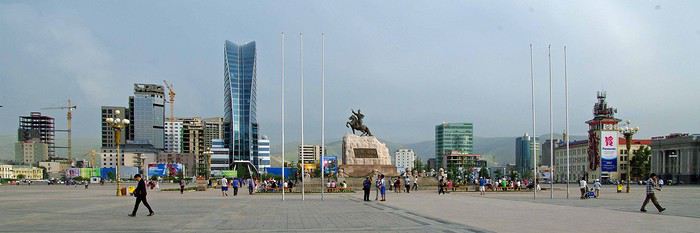
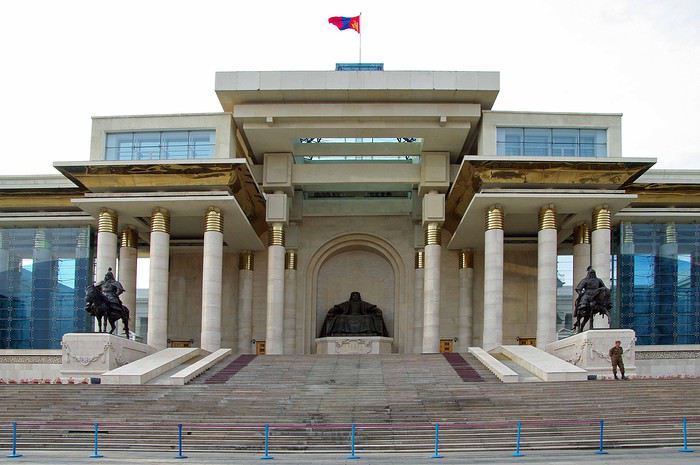
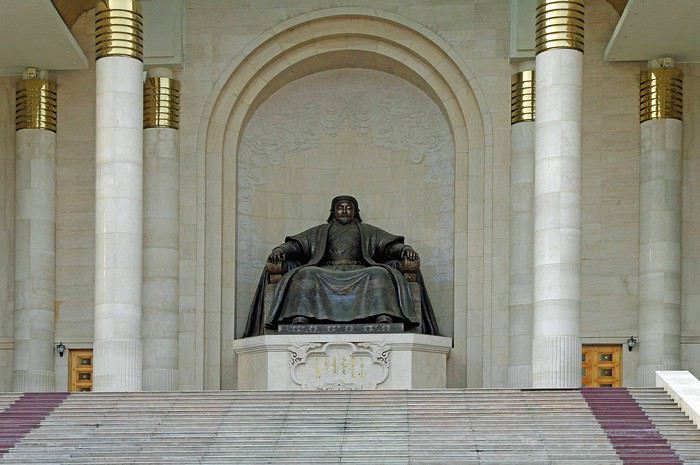
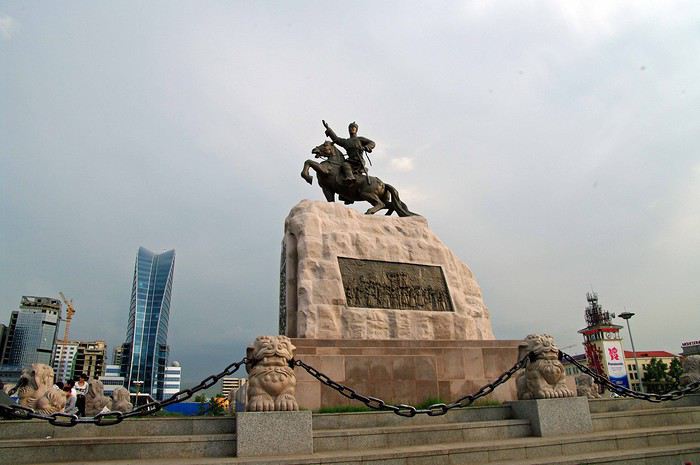
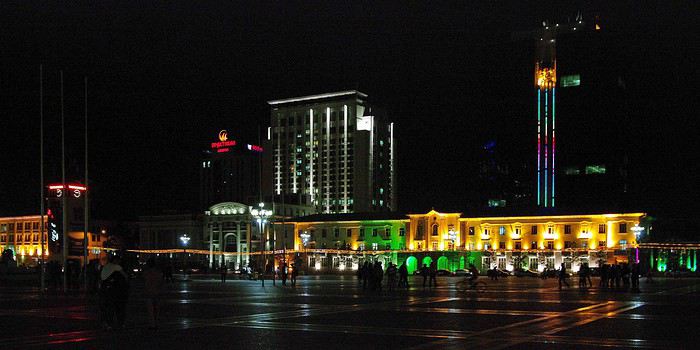
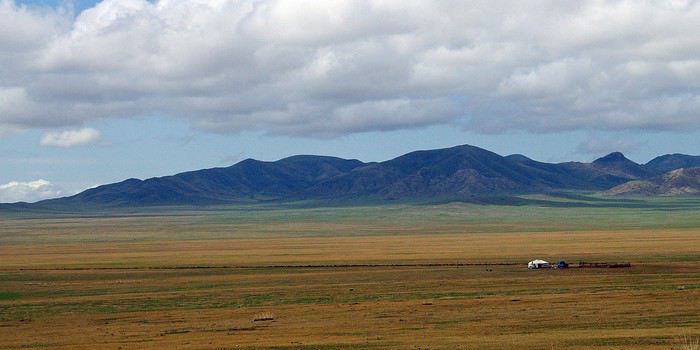
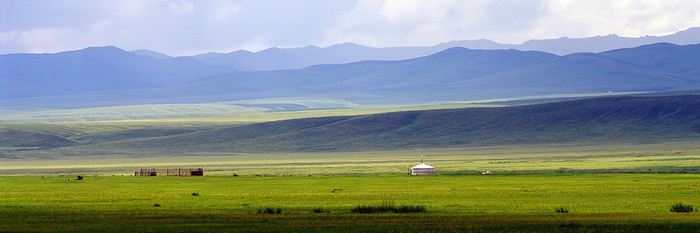
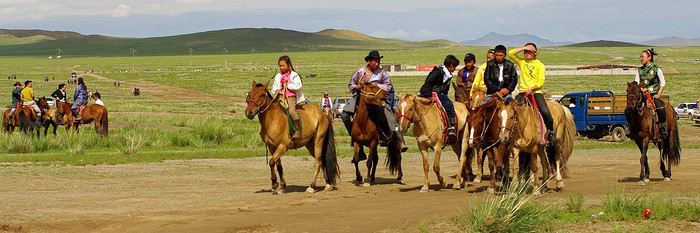
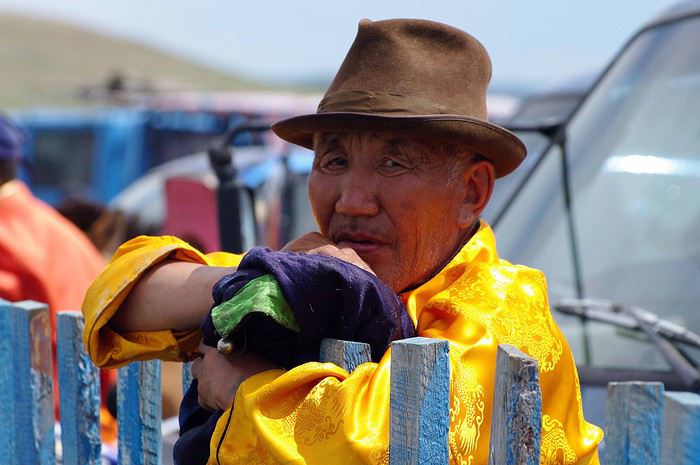
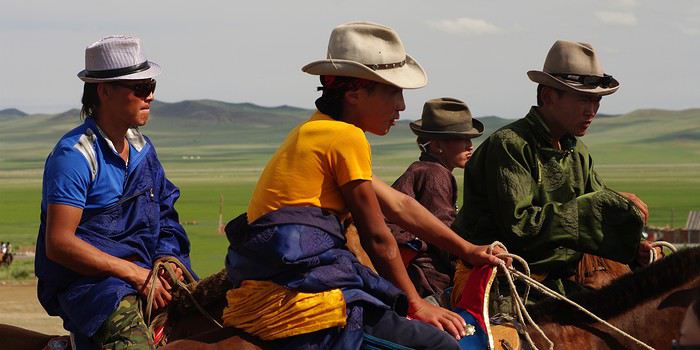
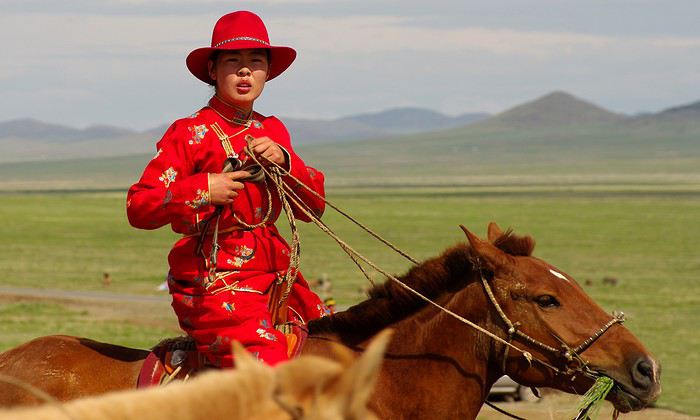
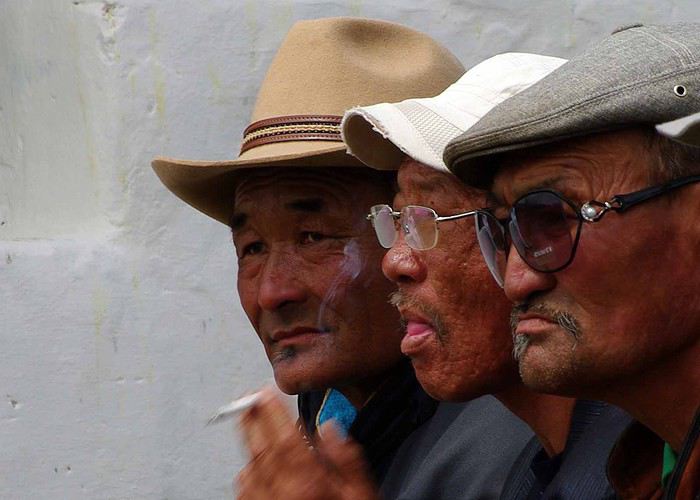
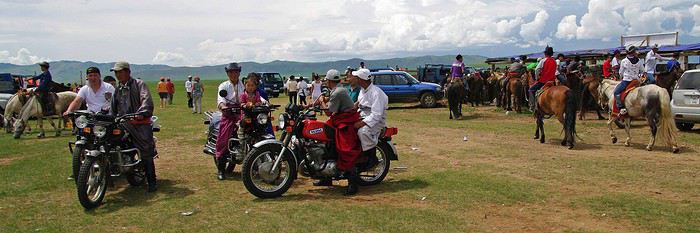
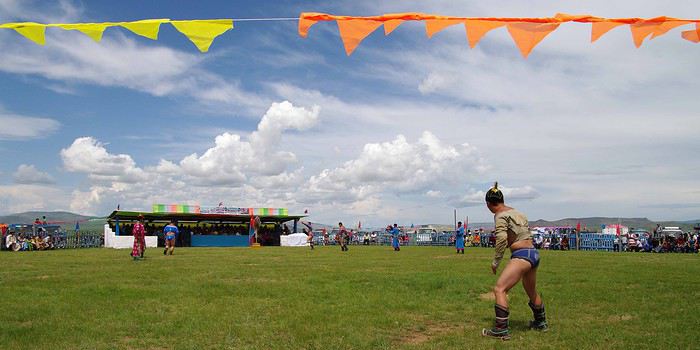
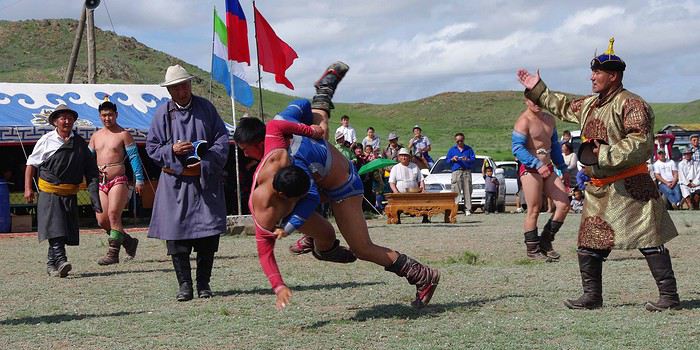
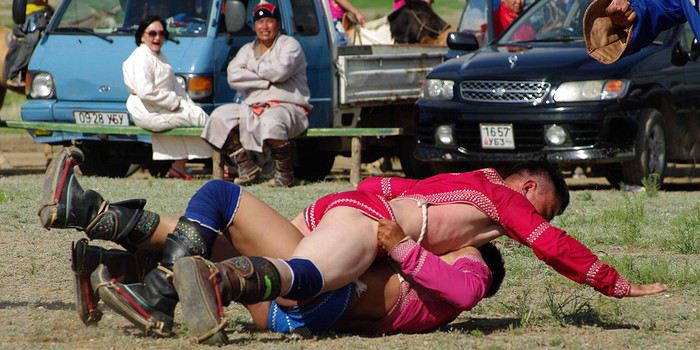
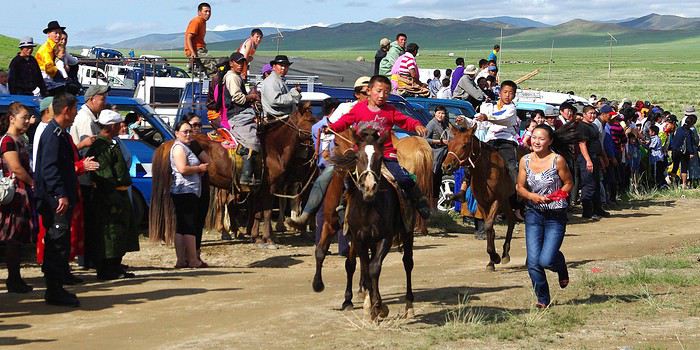
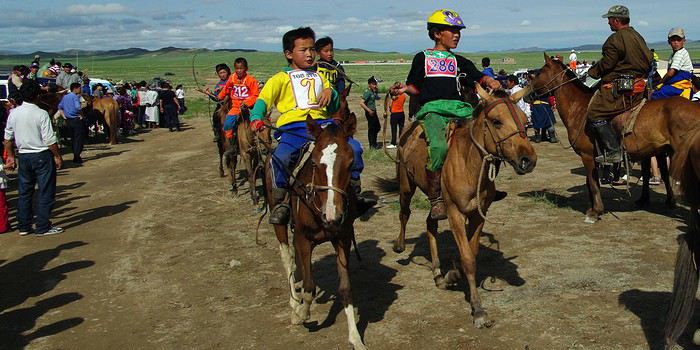
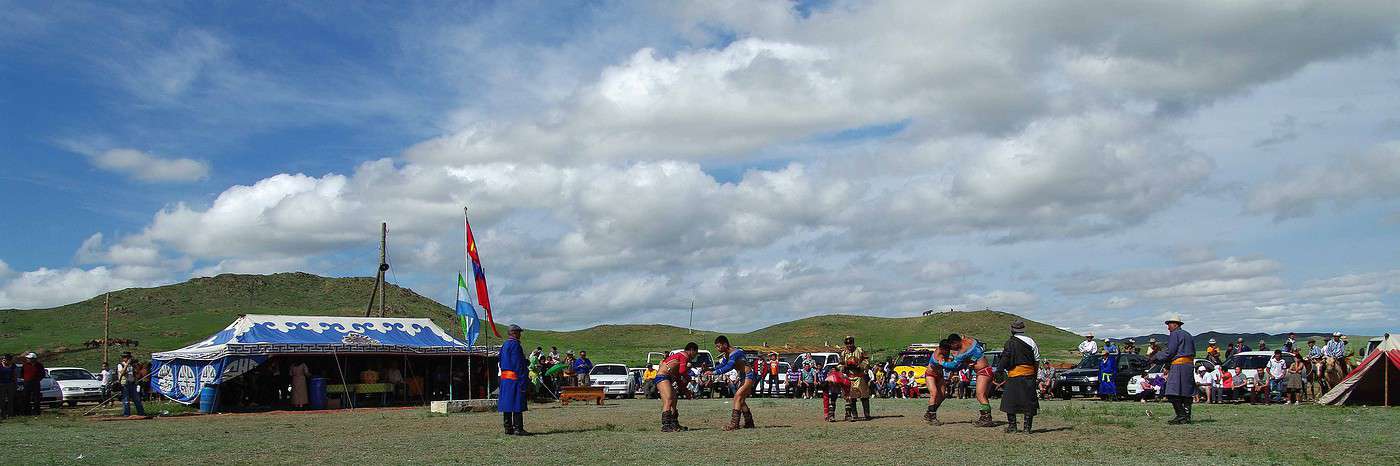
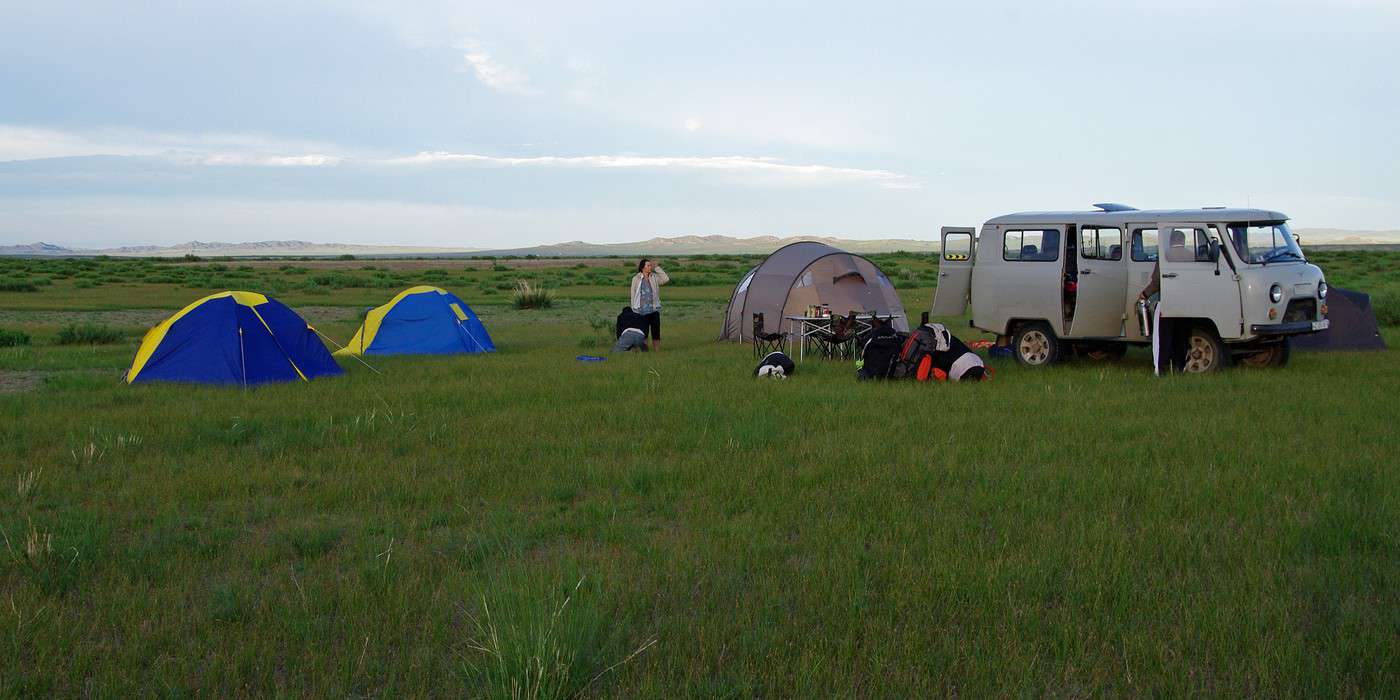
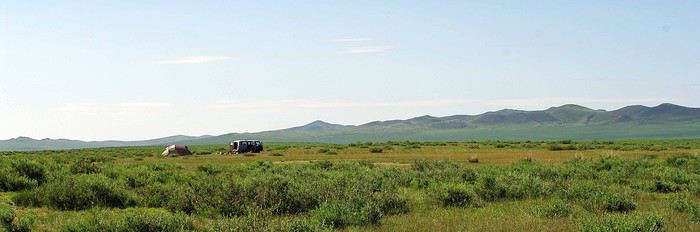
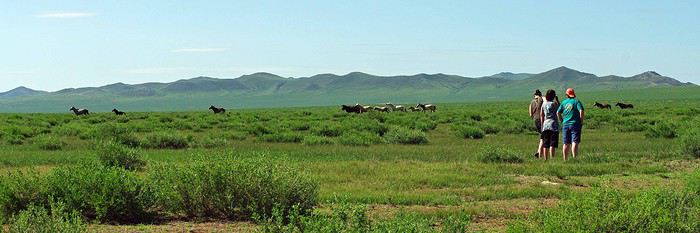
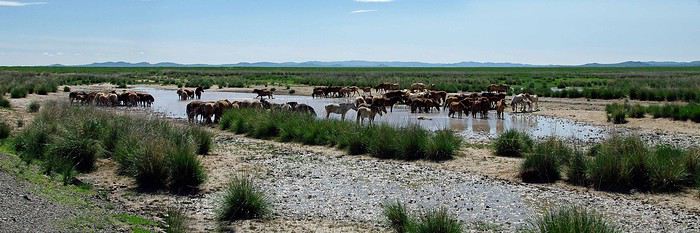
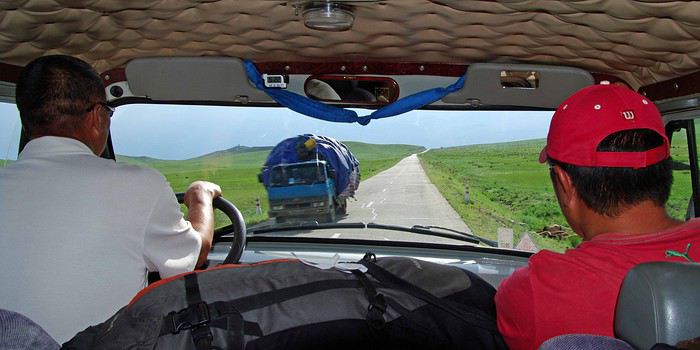
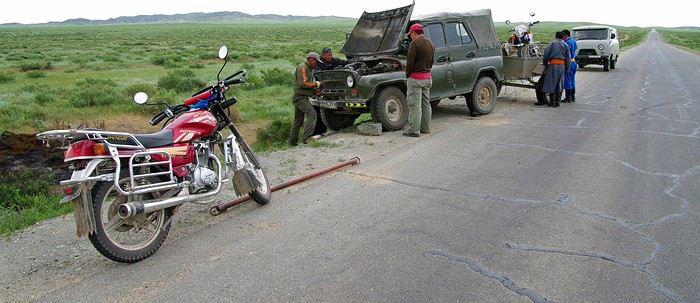
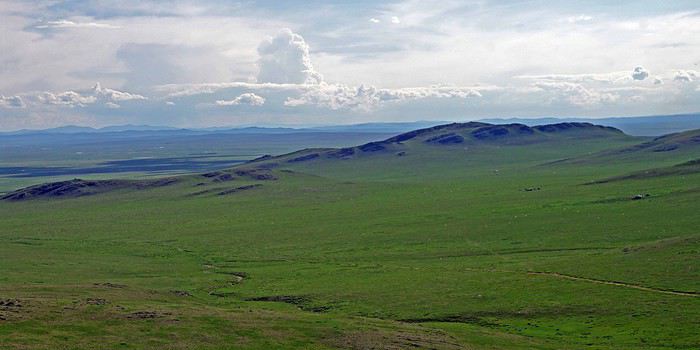
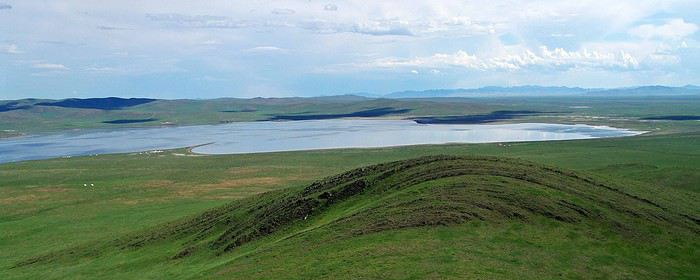
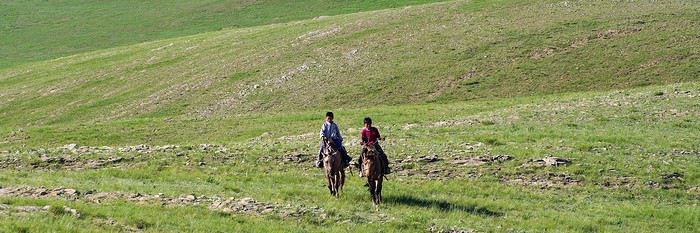
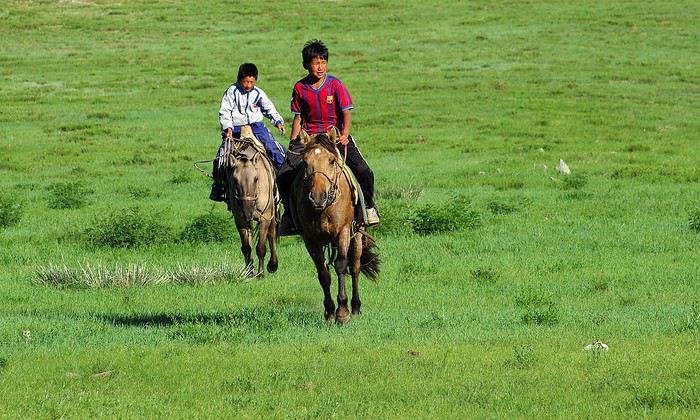
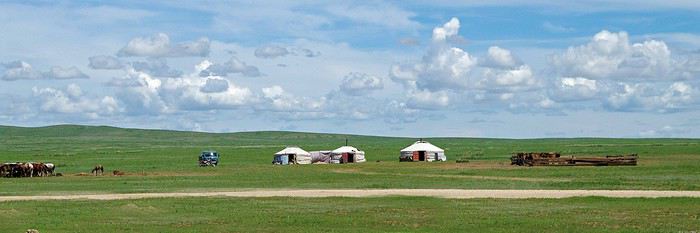
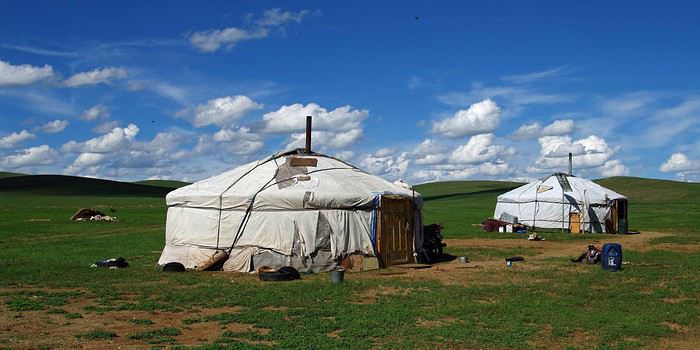
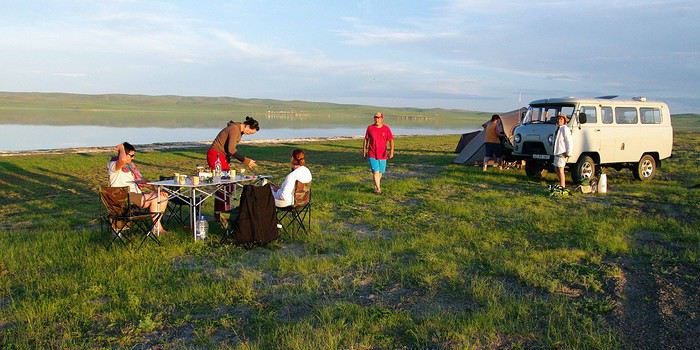

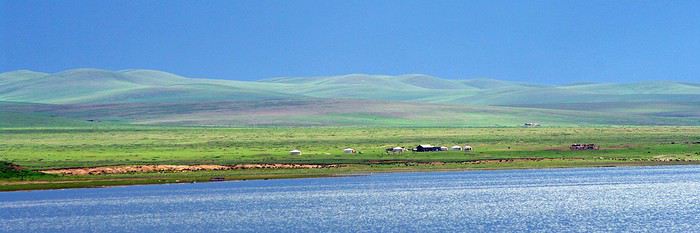
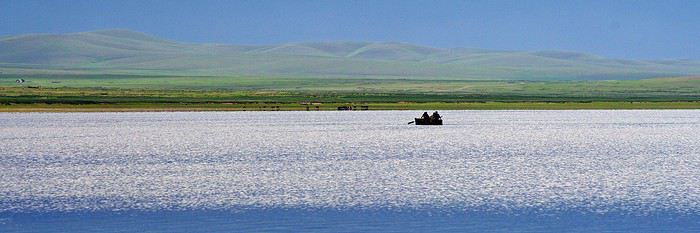
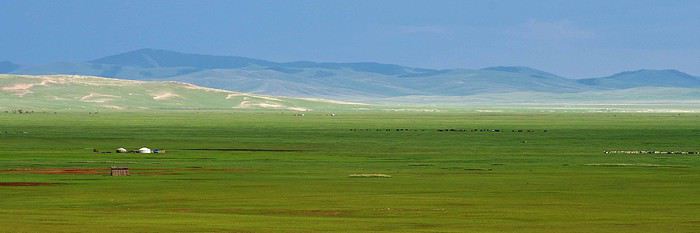
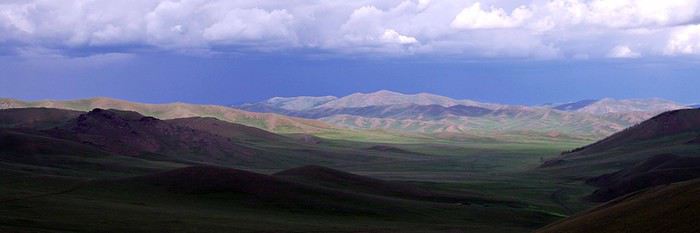
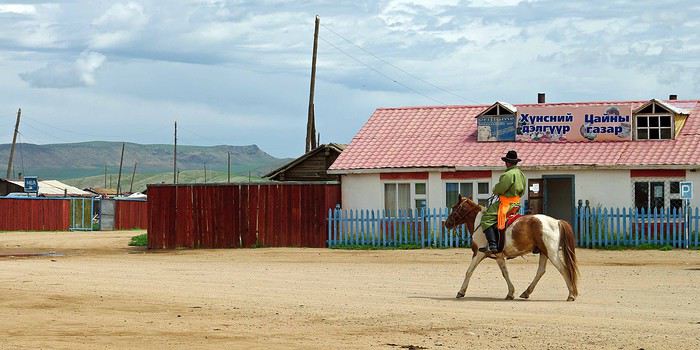
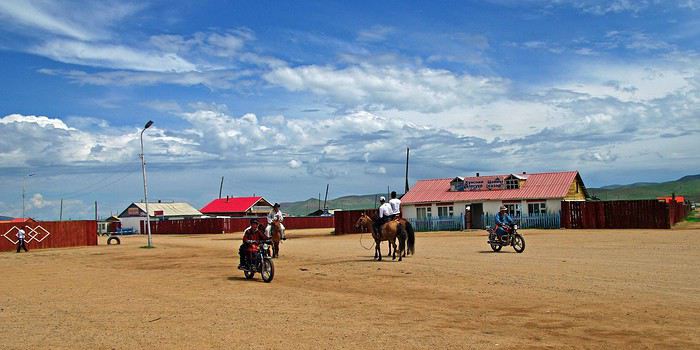
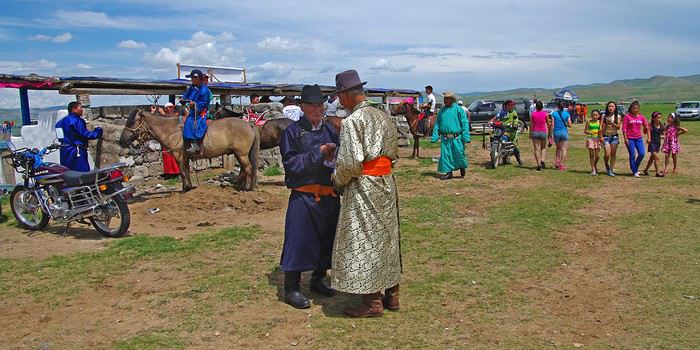
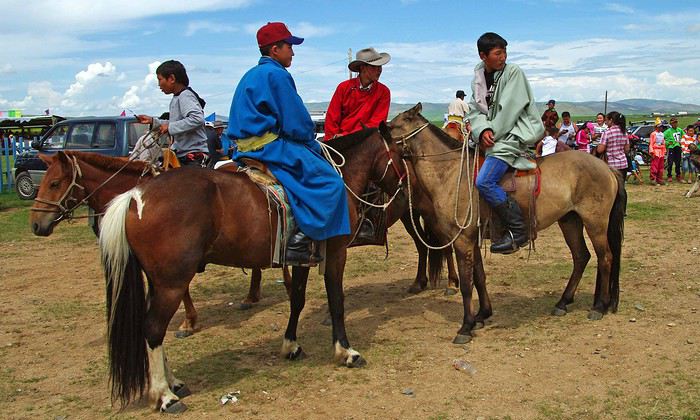
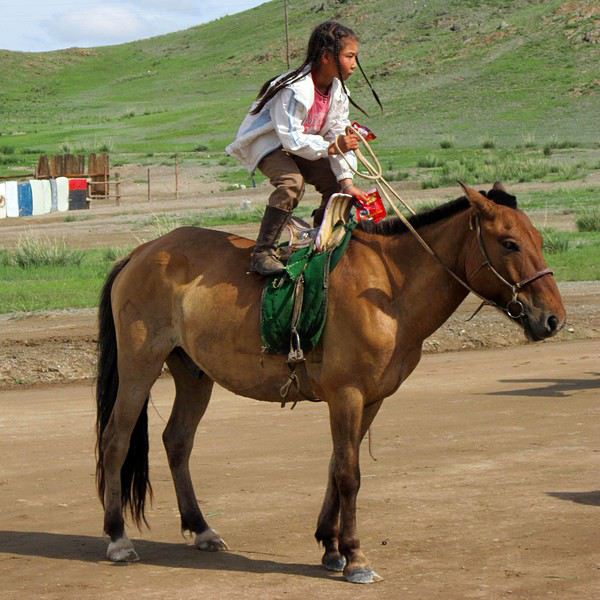
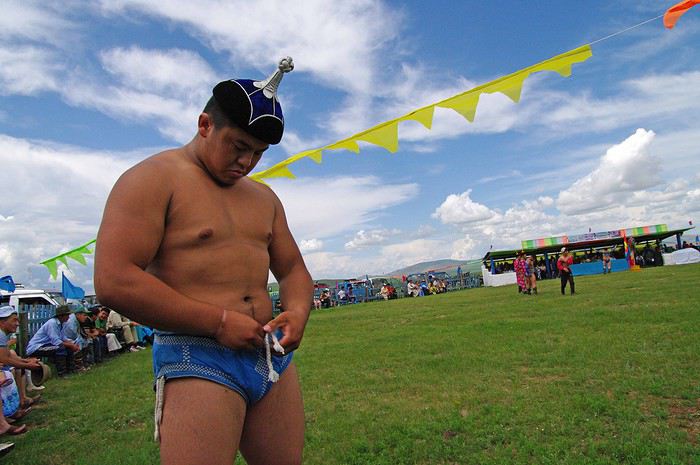
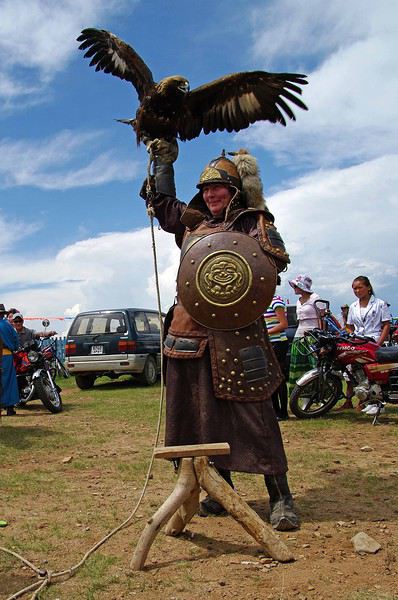
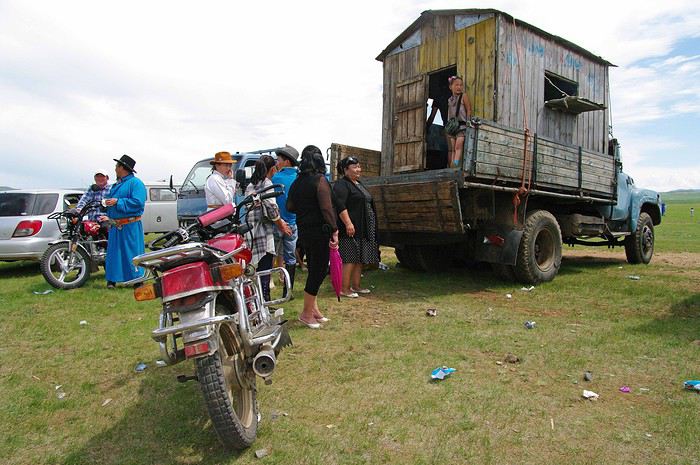
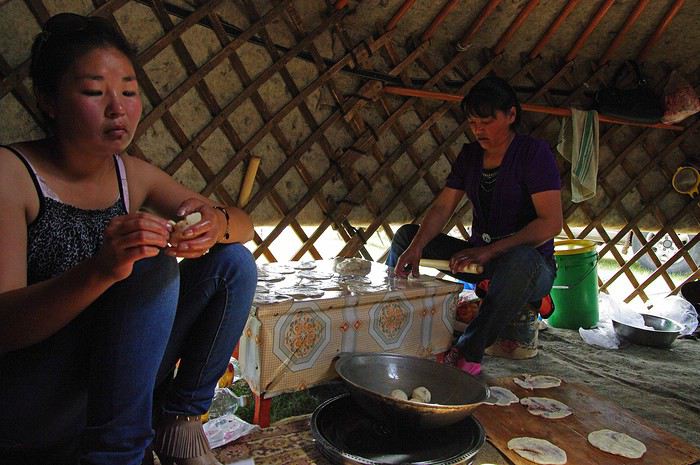
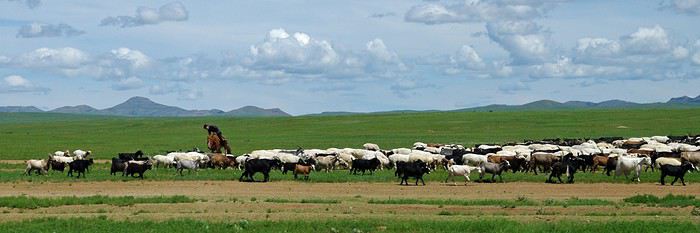
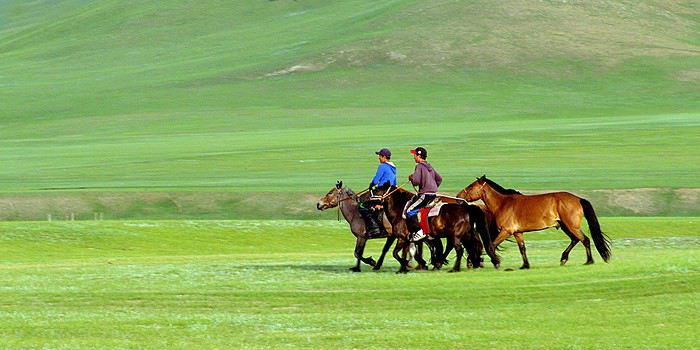
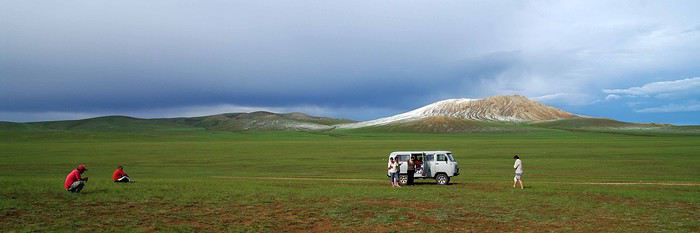
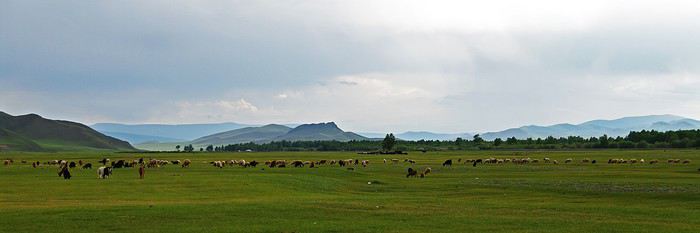
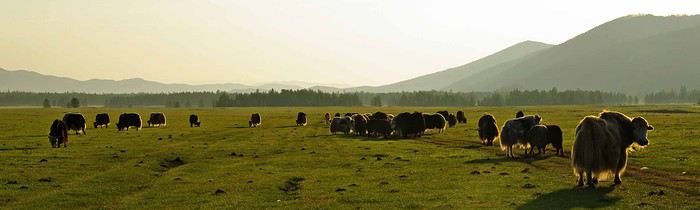
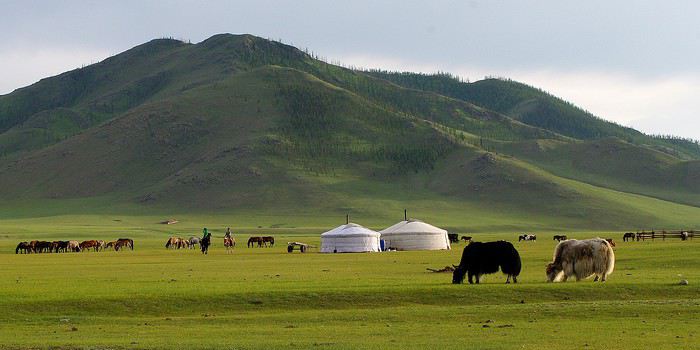
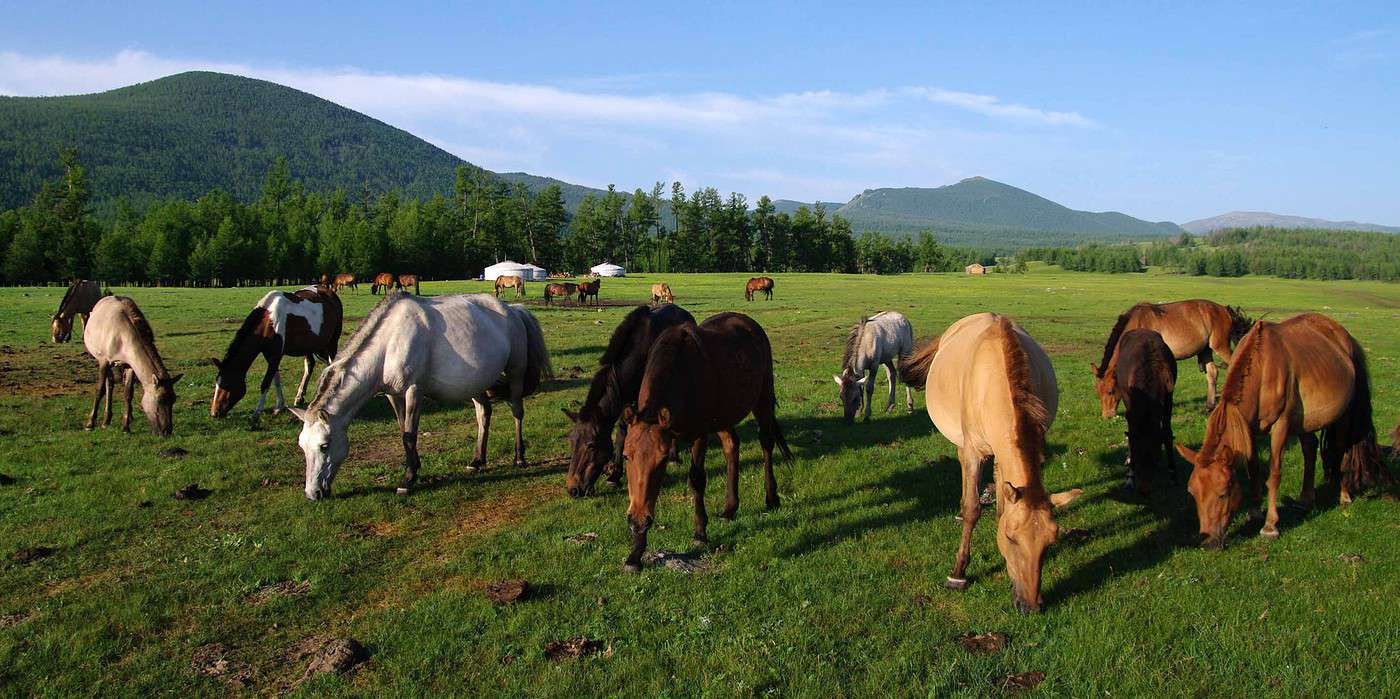
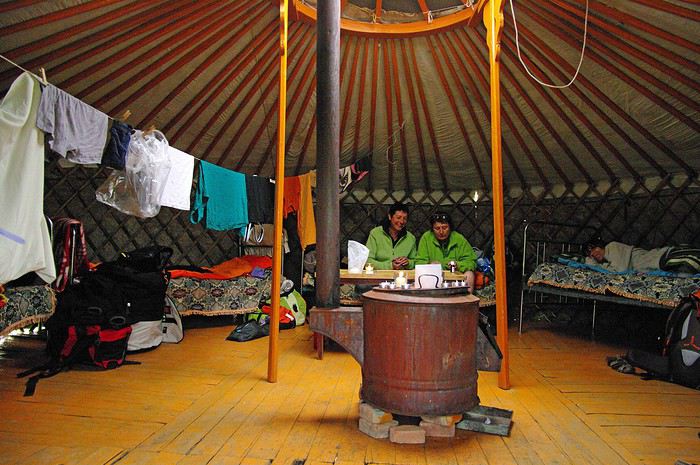
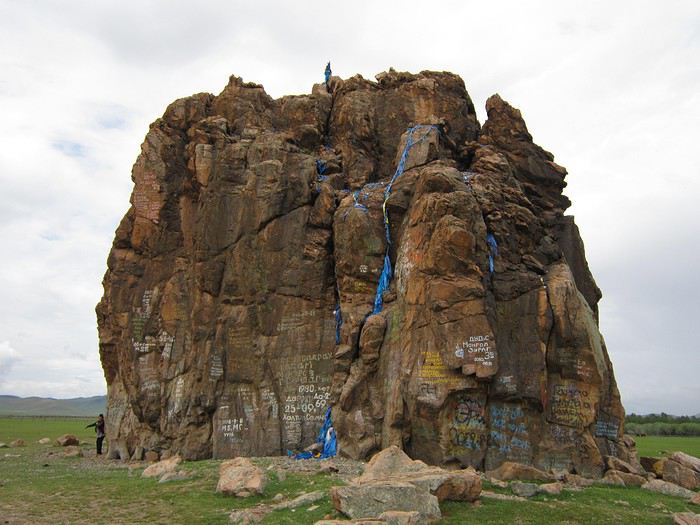
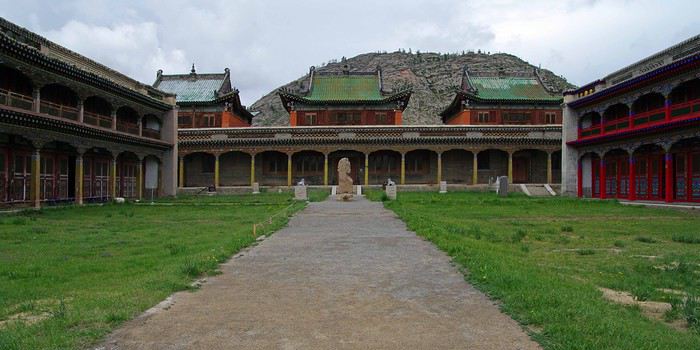
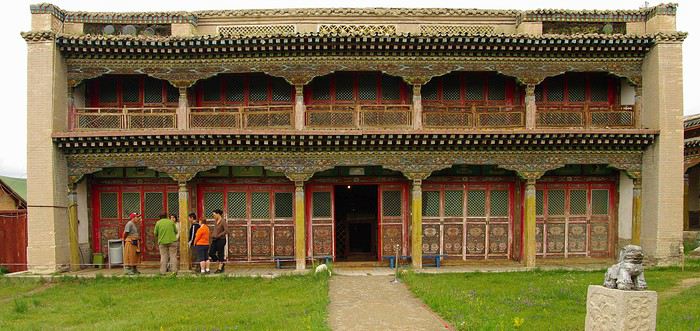
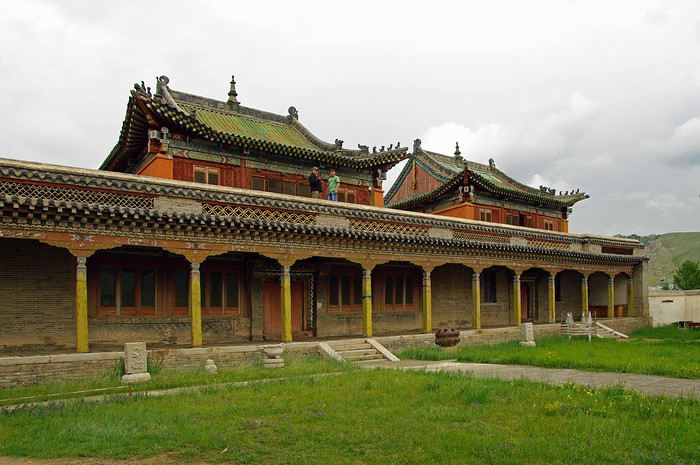
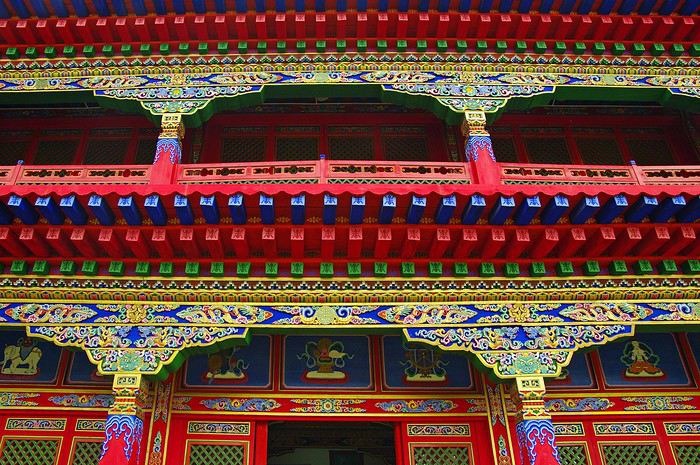
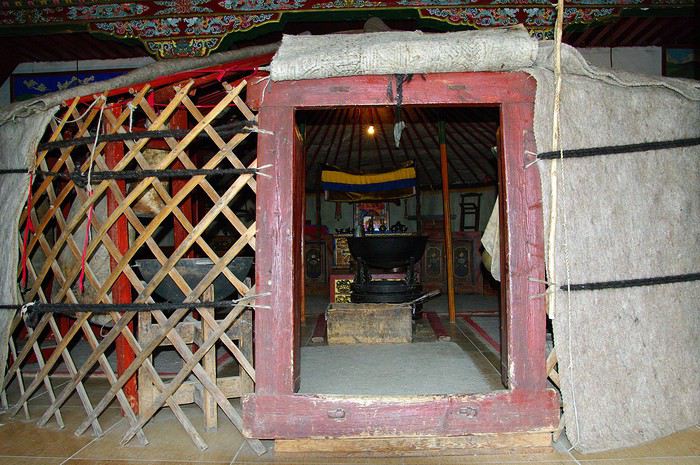
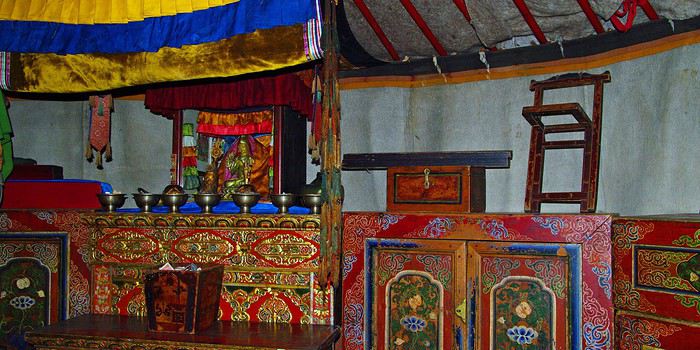
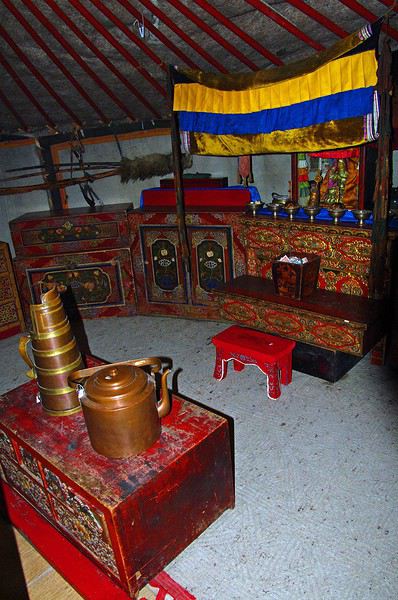
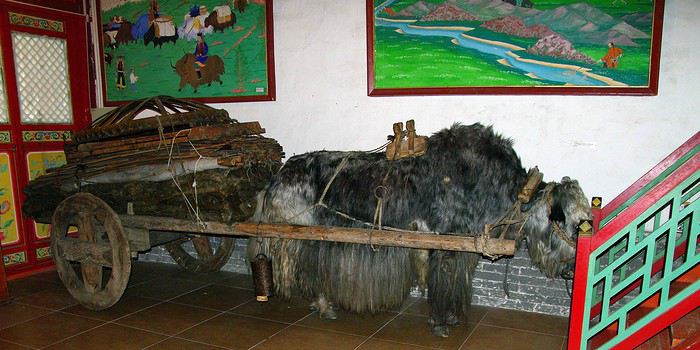
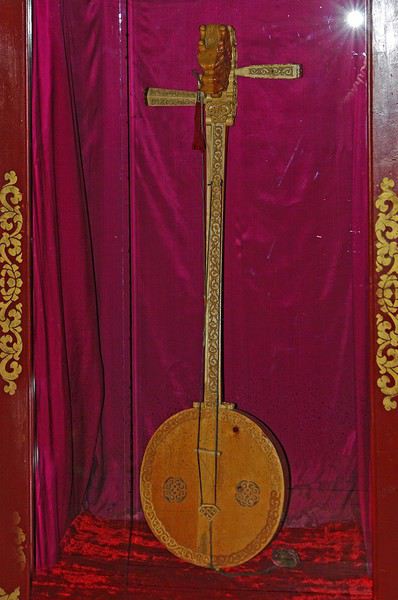
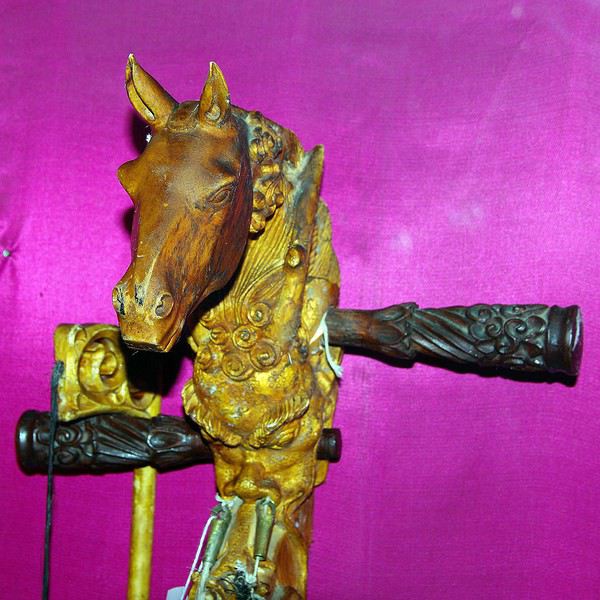
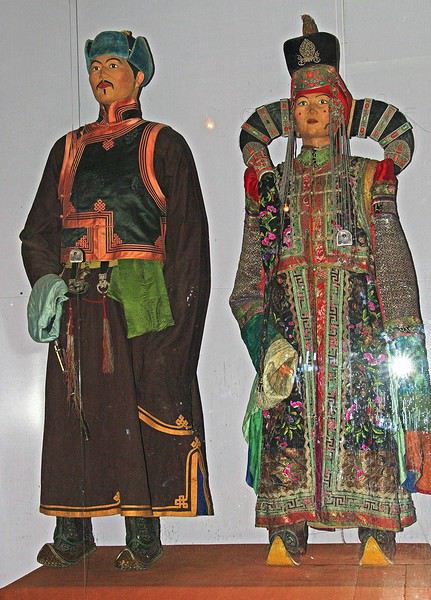
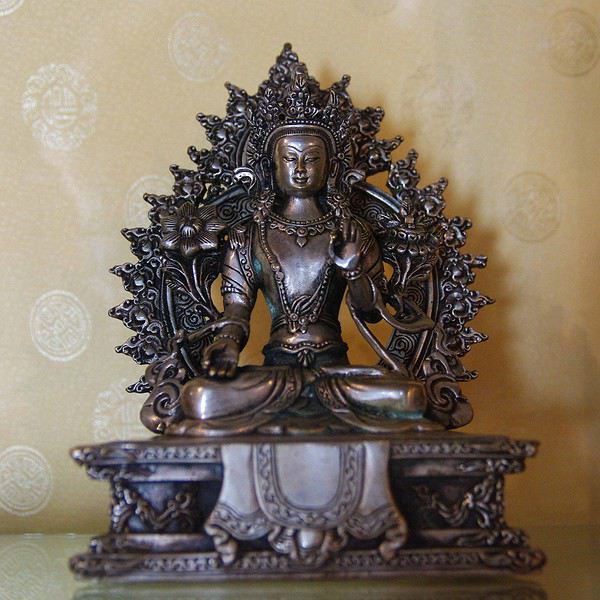
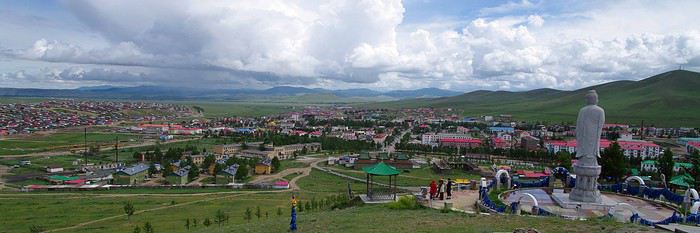
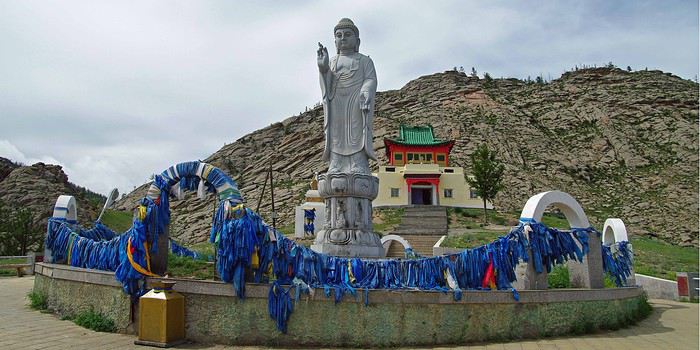
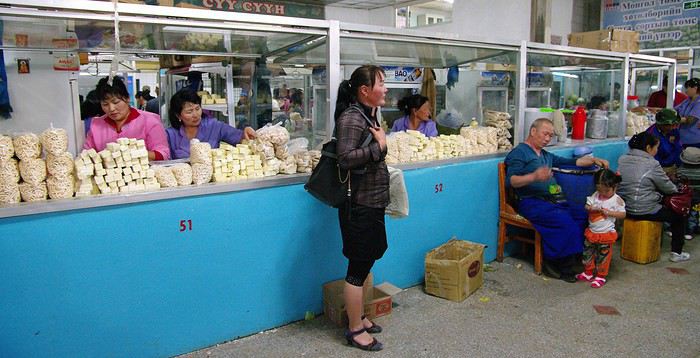
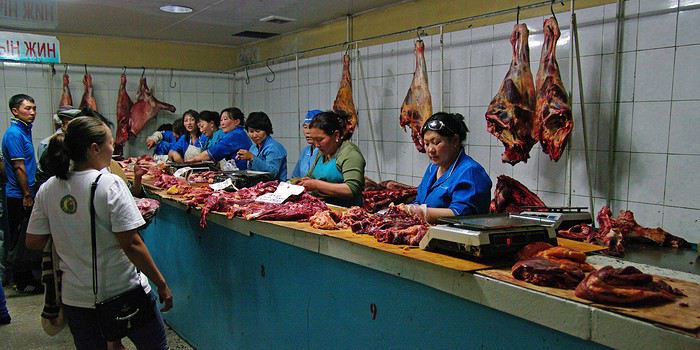
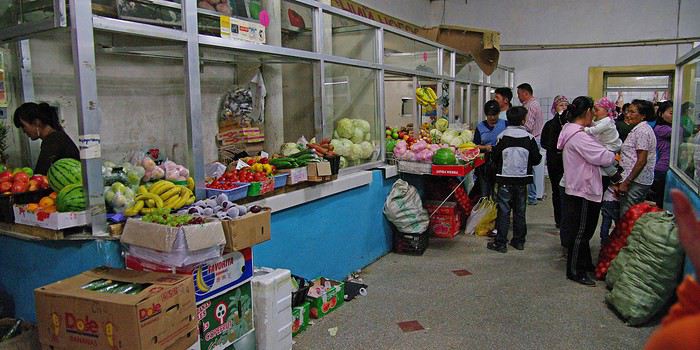
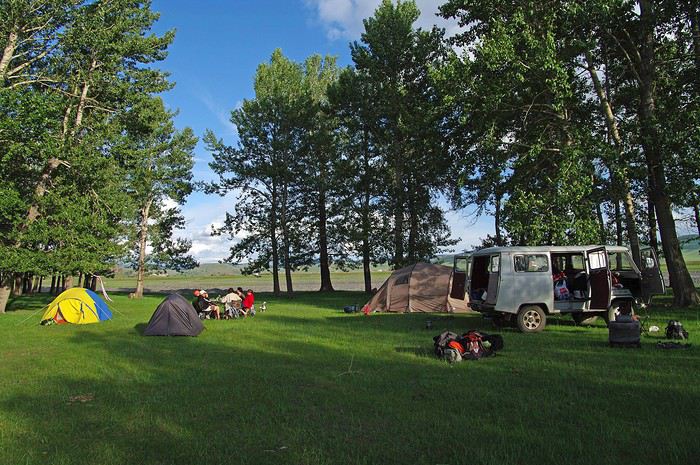
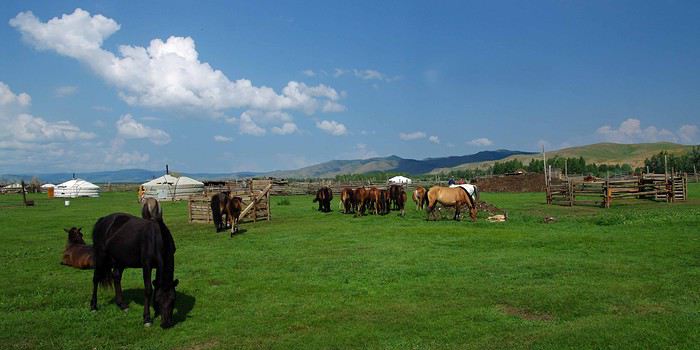
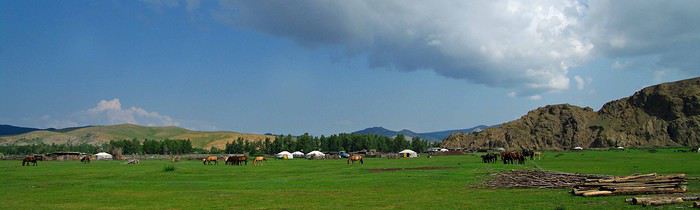
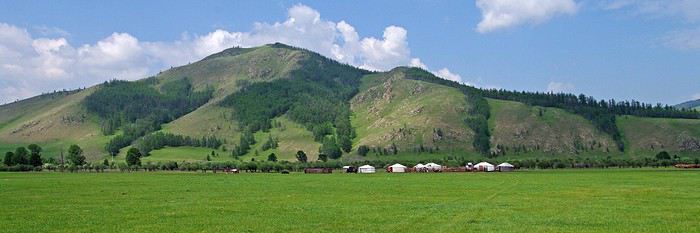
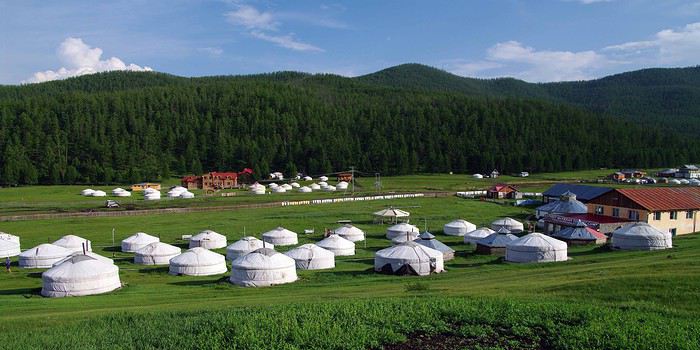
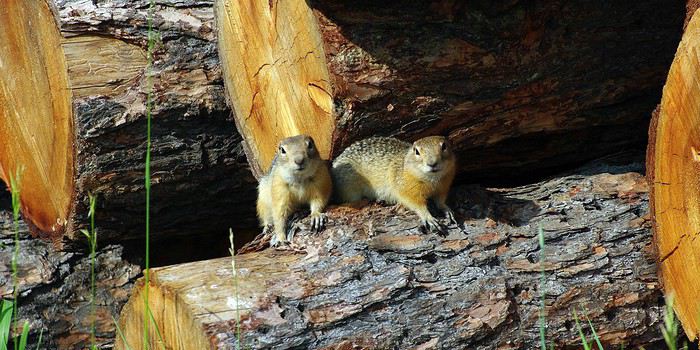
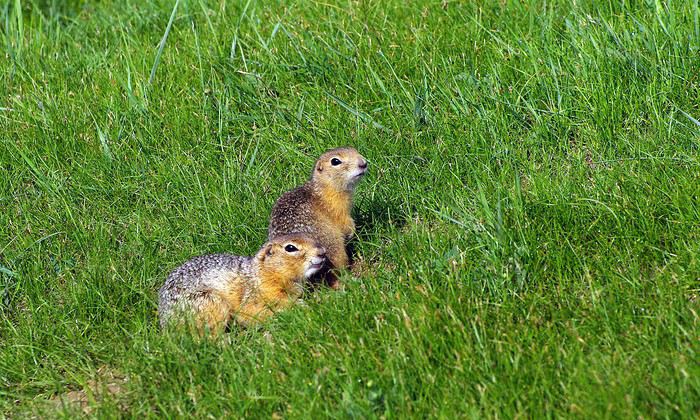
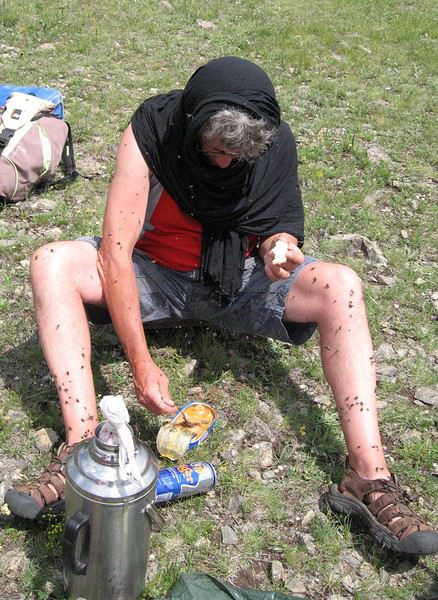
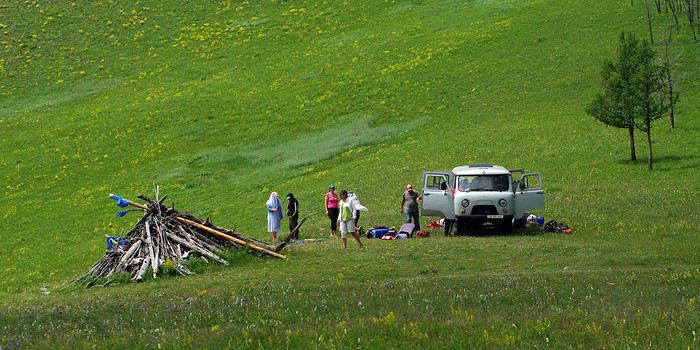
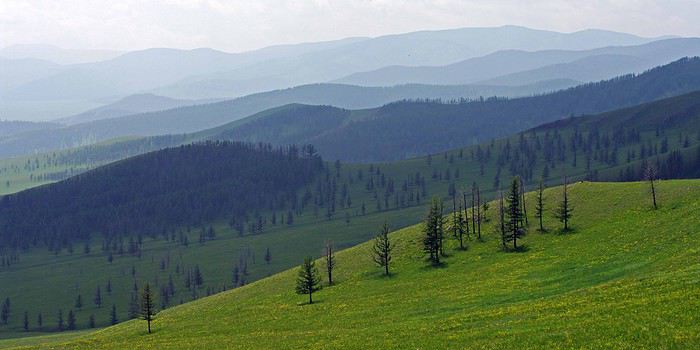
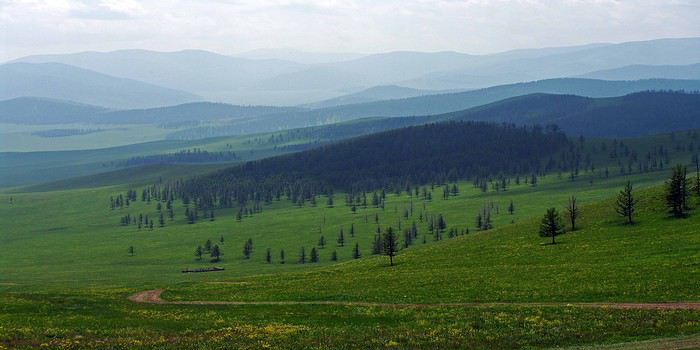
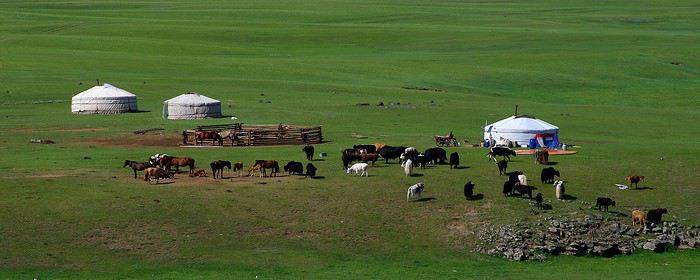
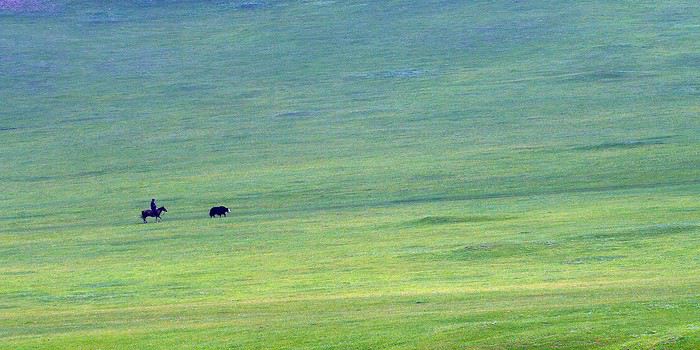
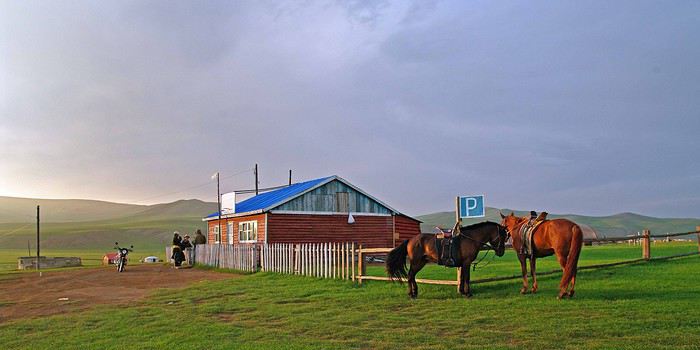
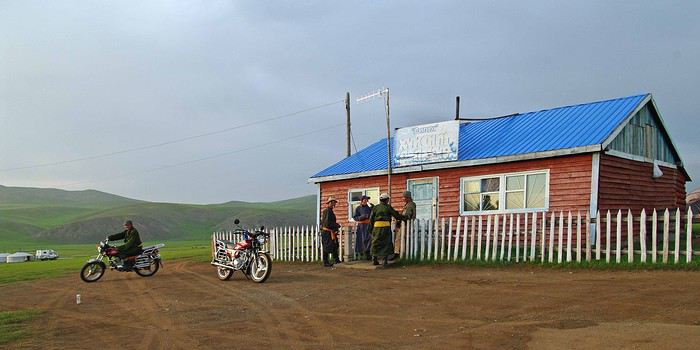
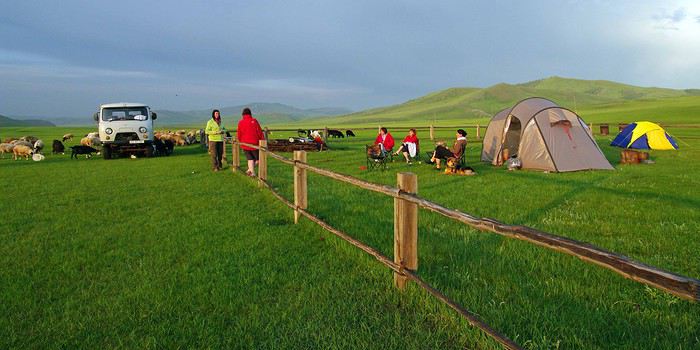
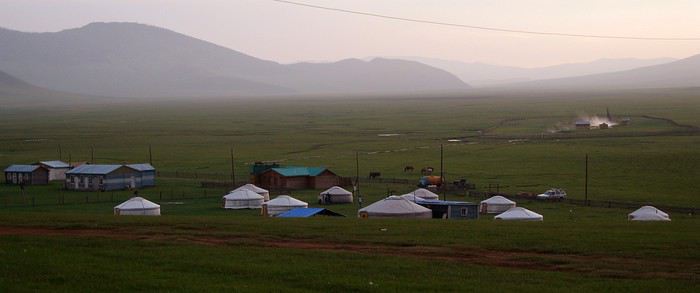
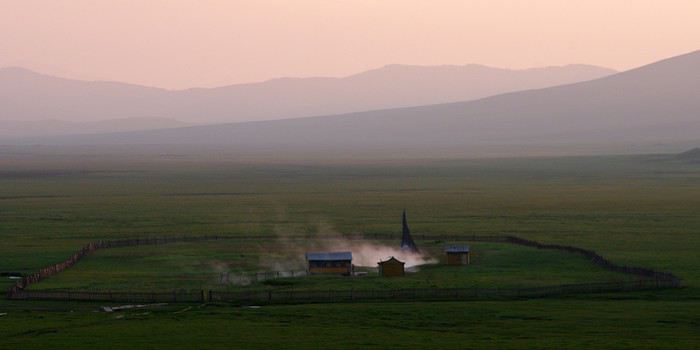
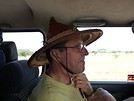
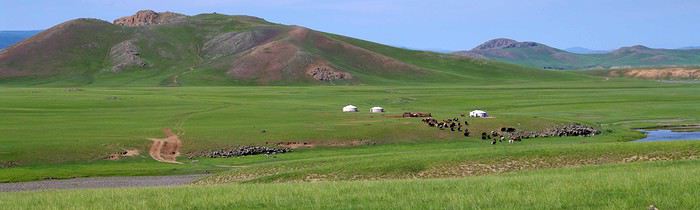
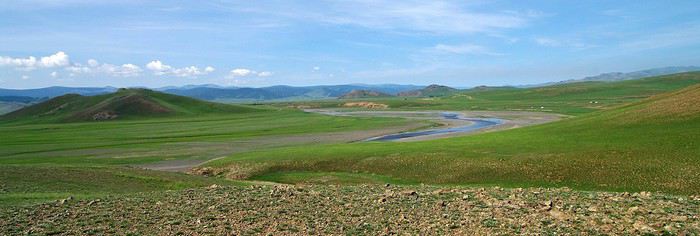
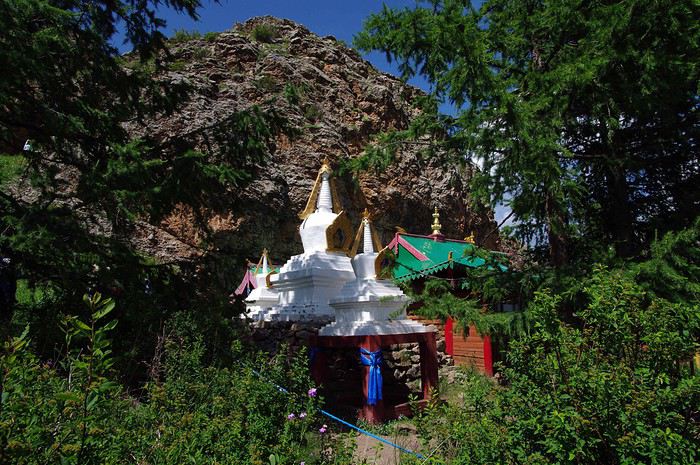
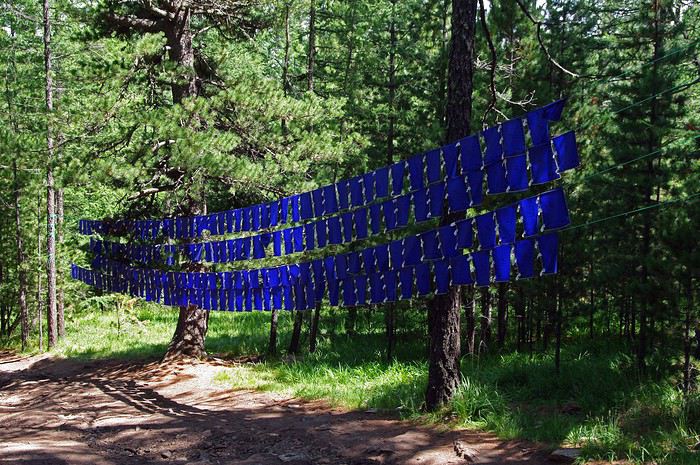
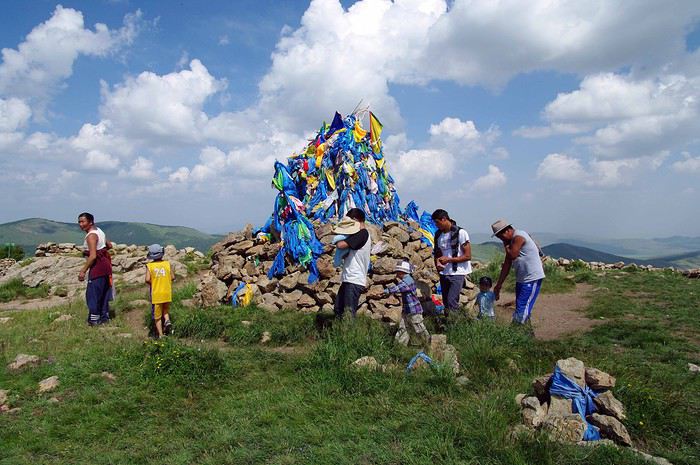
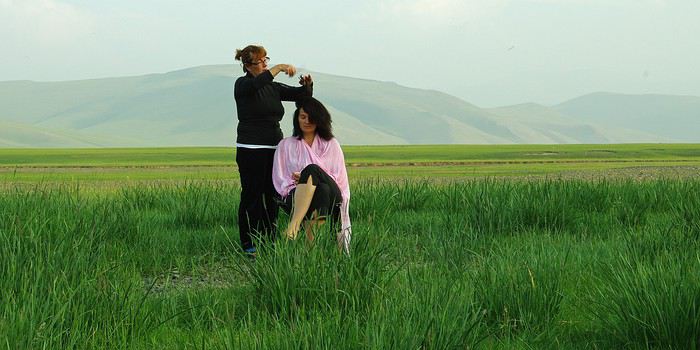
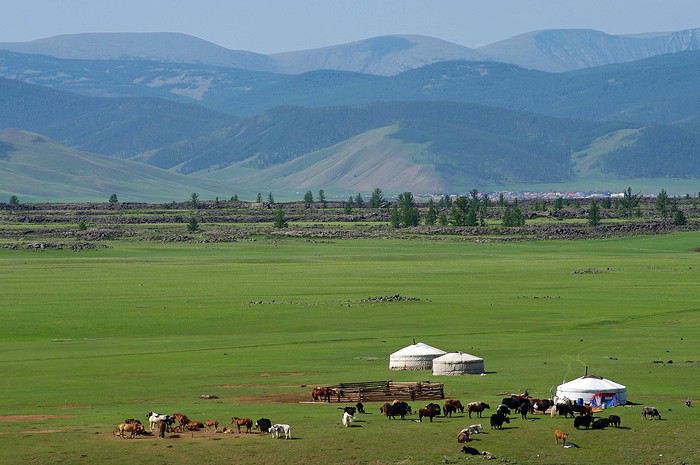
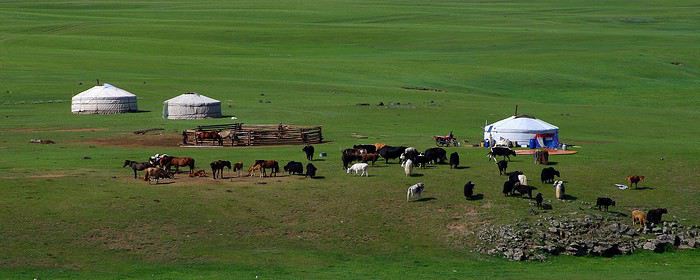
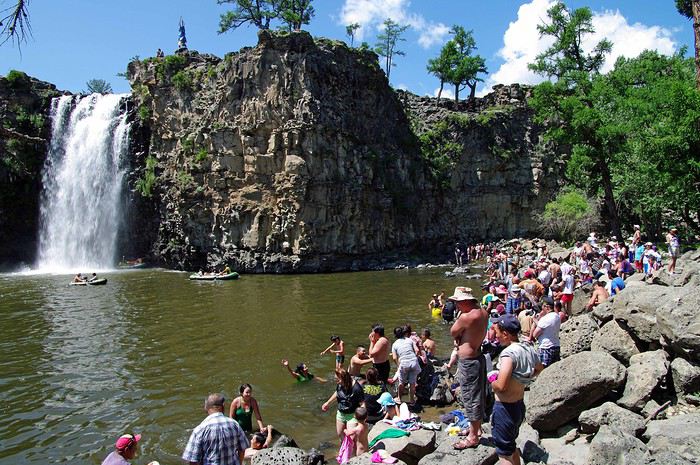
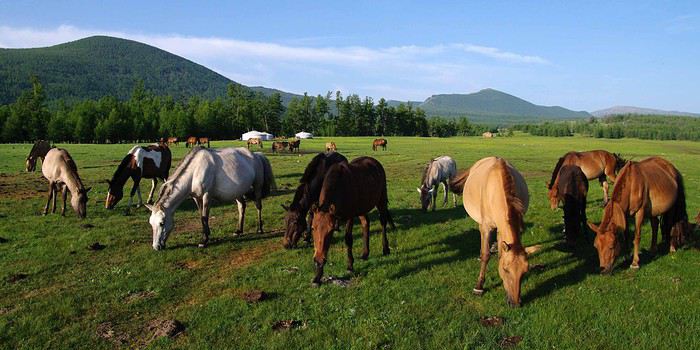
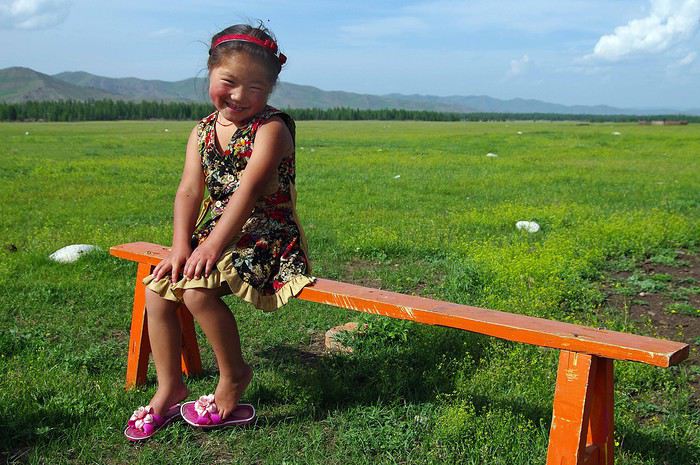
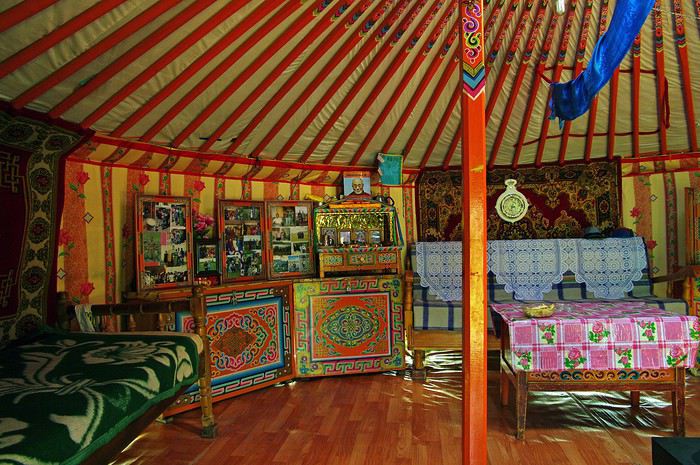 Bayna nous initie au code ancestral qui régit la vie à l’intérieur de la yourte.
Les deux poutrelles verticales qui supportent la fenêtre de toit sont particulièrement sacrées et à ce titre bien décorées. Elles symbolisent la liaison entre le ciel et la terre et sont considérés comme source de force. On ne doit ni s’y adosser ni passer entre. La circulation se fait dans le sens des aiguilles d’une montre, à l’instar de la rotation du soleil. Il faut toujours franchir la porte du pied droit sans marcher sur le seuil, signe d’offense envers l’hôte ne jamais s’assoir ou se coucher la plante les pieds en direction du feu, de quelqu’un, ou vers l’autel sacré; ne pas brûler de déchets dans le fourneau… Voilà pour l’essentiel.
Bayna nous initie au code ancestral qui régit la vie à l’intérieur de la yourte.
Les deux poutrelles verticales qui supportent la fenêtre de toit sont particulièrement sacrées et à ce titre bien décorées. Elles symbolisent la liaison entre le ciel et la terre et sont considérés comme source de force. On ne doit ni s’y adosser ni passer entre. La circulation se fait dans le sens des aiguilles d’une montre, à l’instar de la rotation du soleil. Il faut toujours franchir la porte du pied droit sans marcher sur le seuil, signe d’offense envers l’hôte ne jamais s’assoir ou se coucher la plante les pieds en direction du feu, de quelqu’un, ou vers l’autel sacré; ne pas brûler de déchets dans le fourneau… Voilà pour l’essentiel.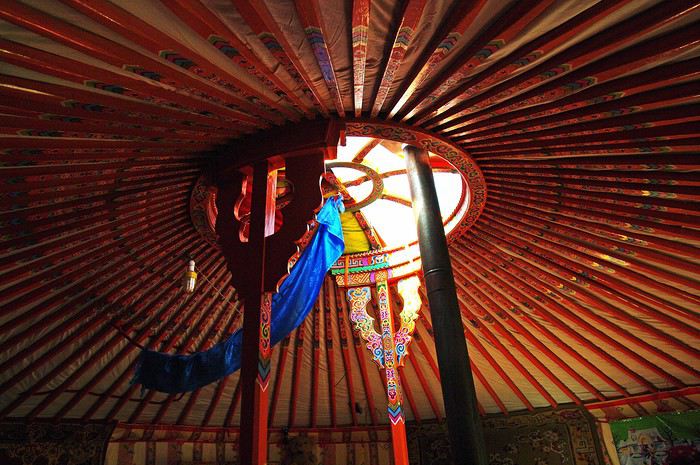
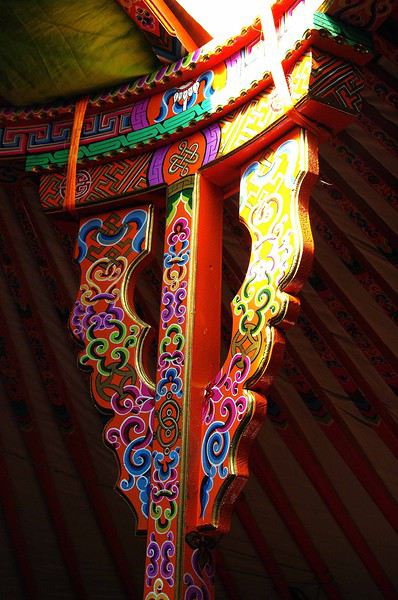
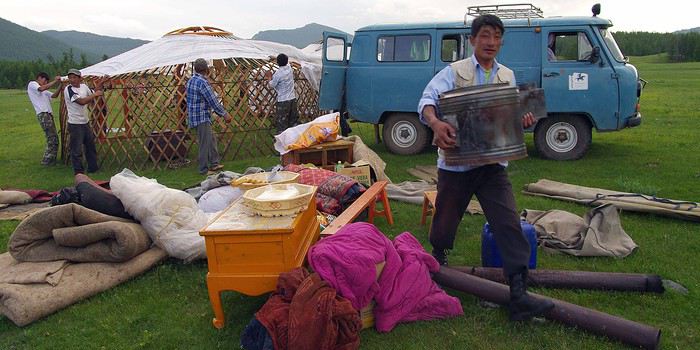
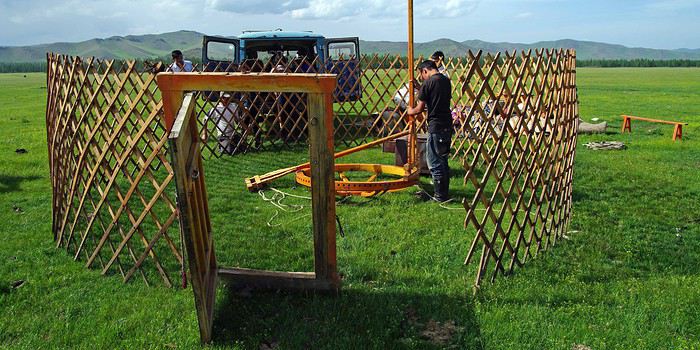
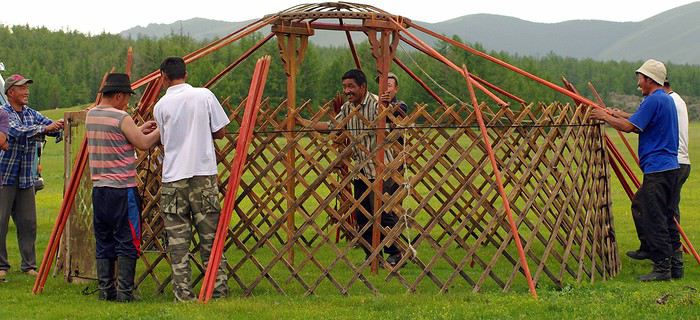
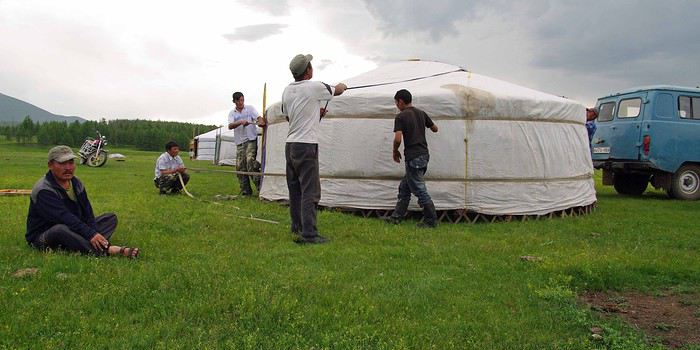
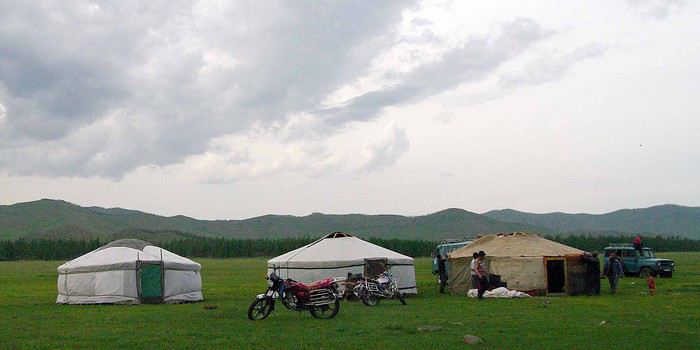
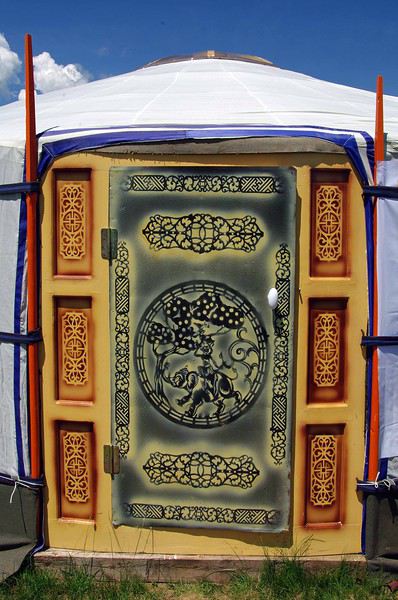
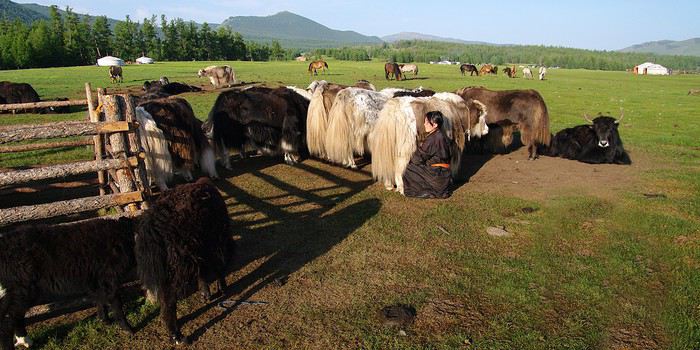
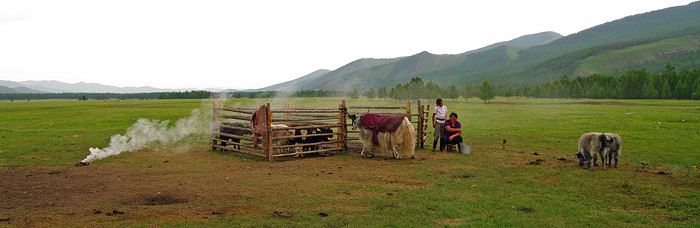
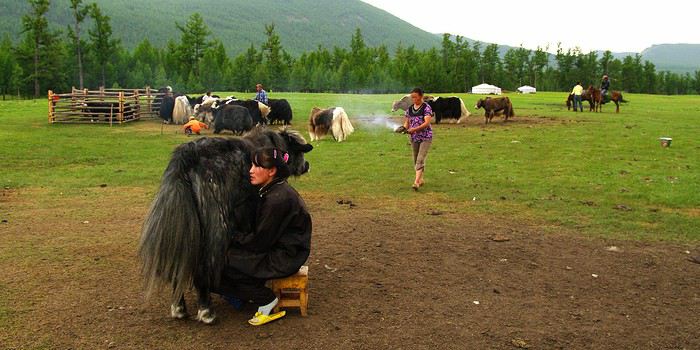
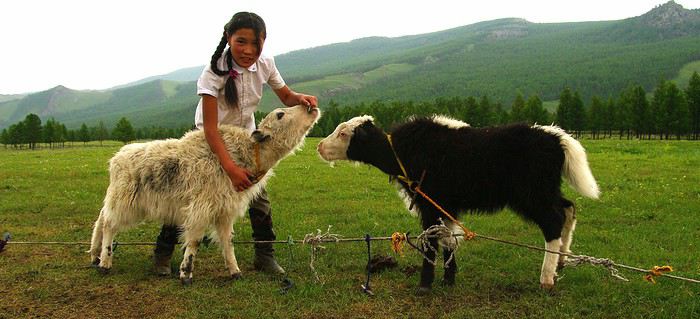
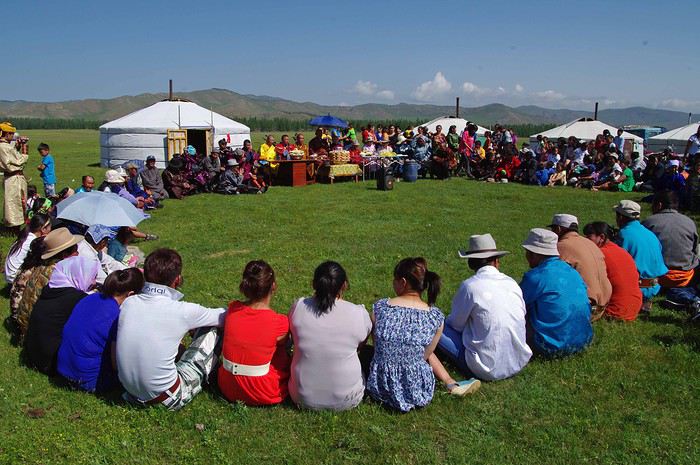
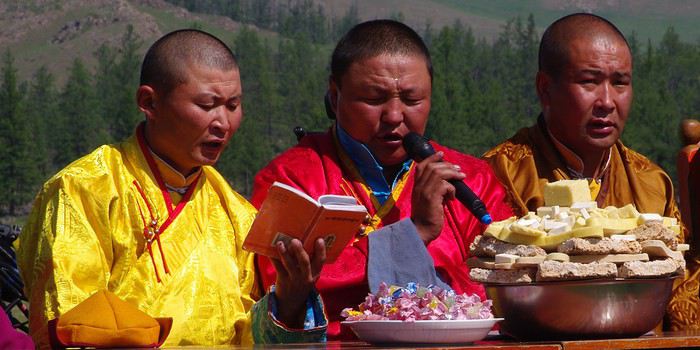
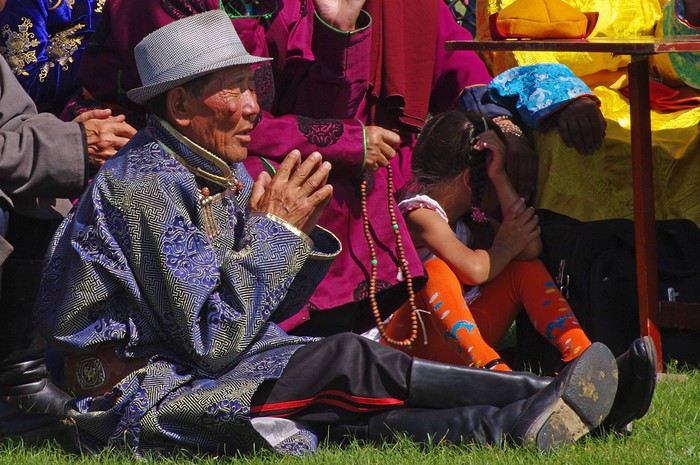
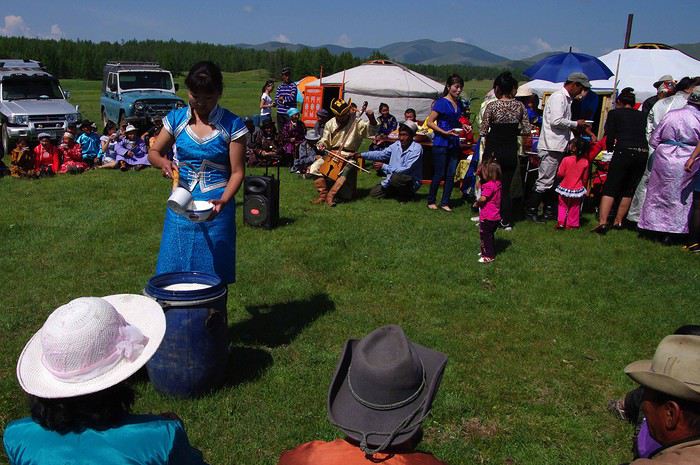
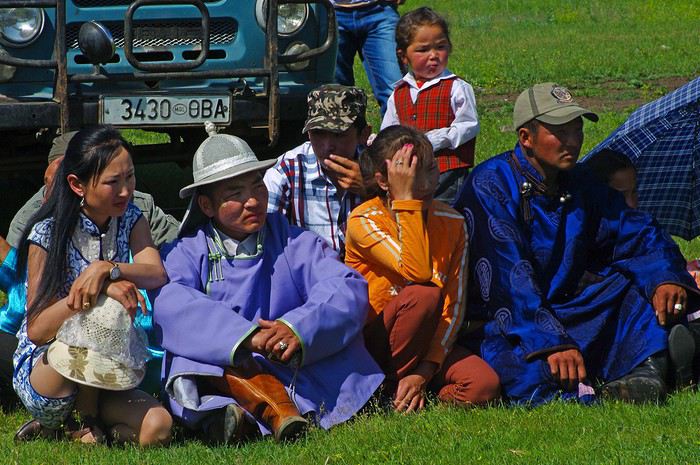
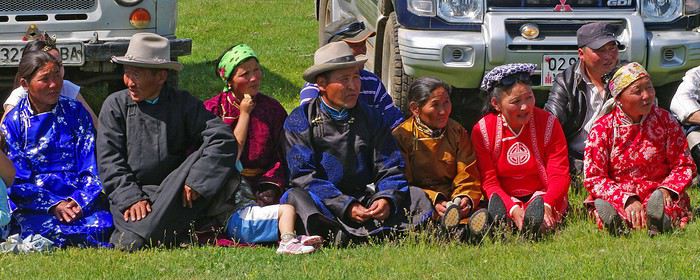
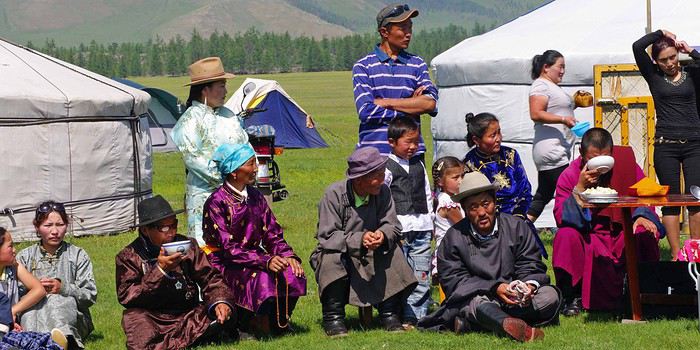
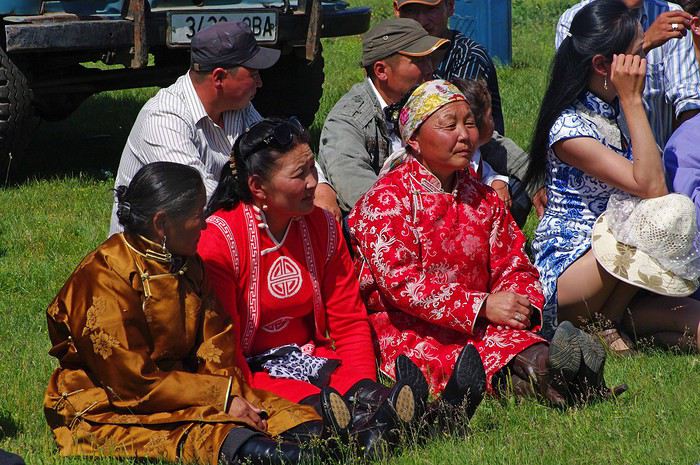
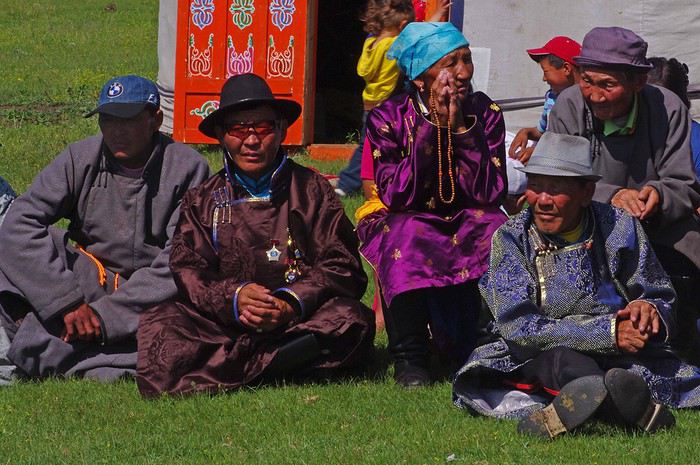
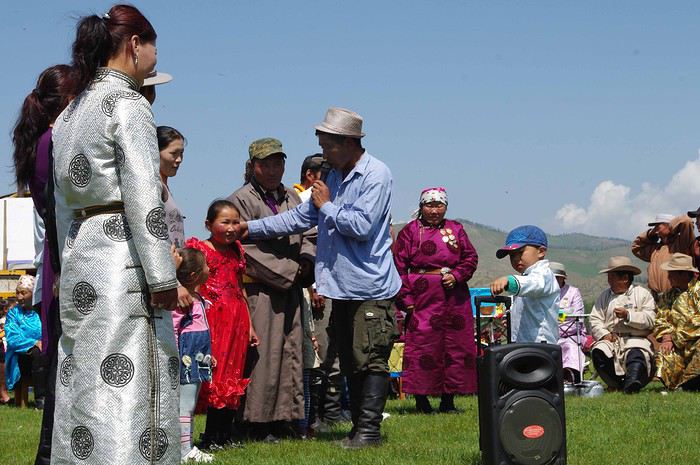
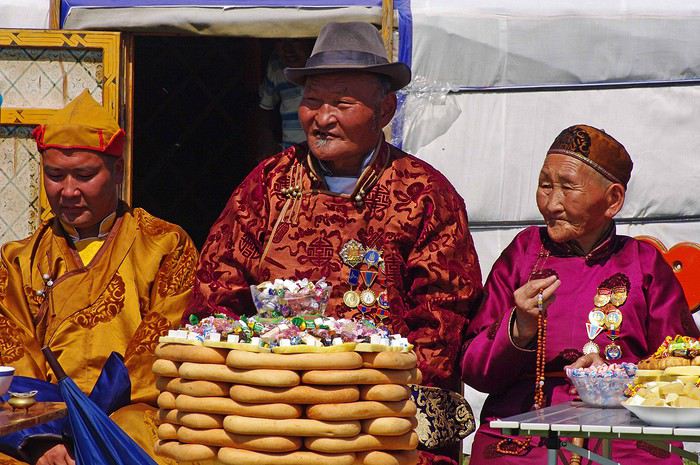
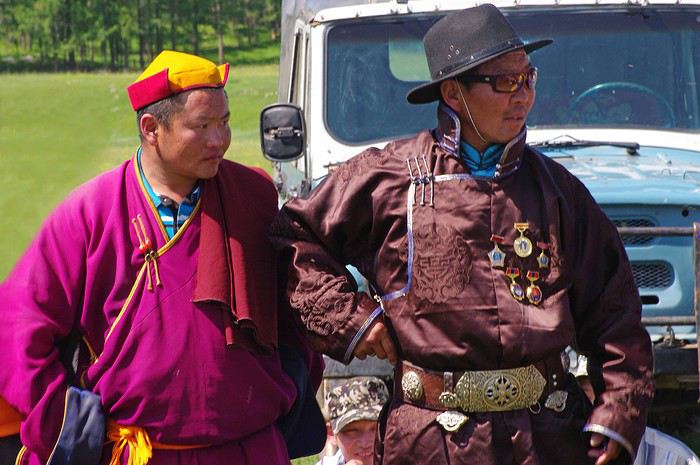
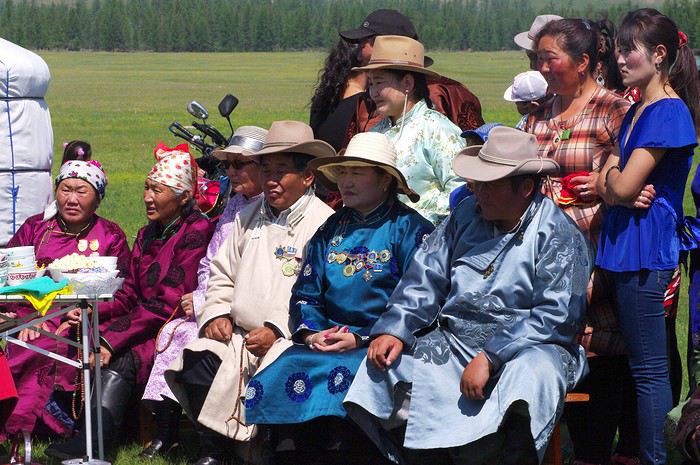
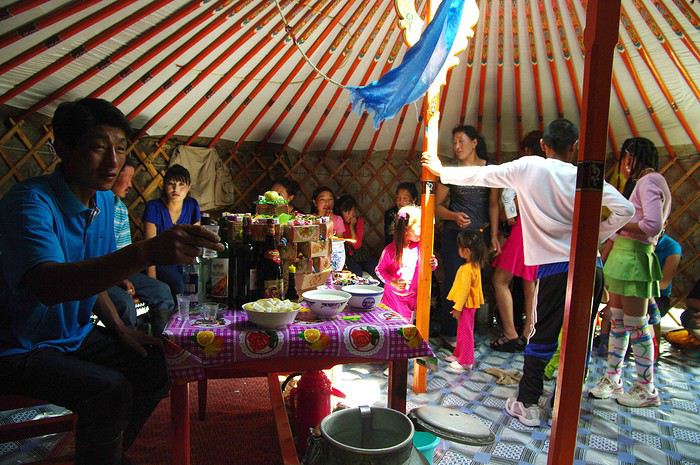
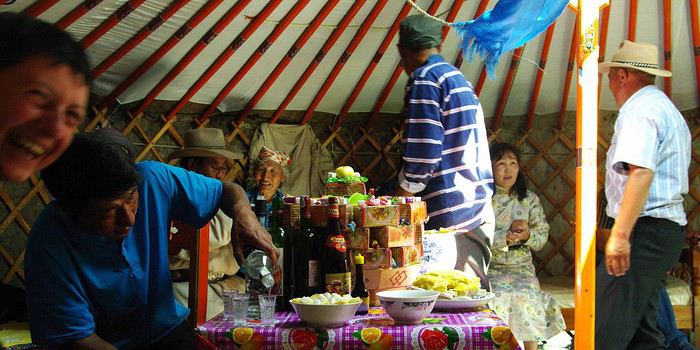
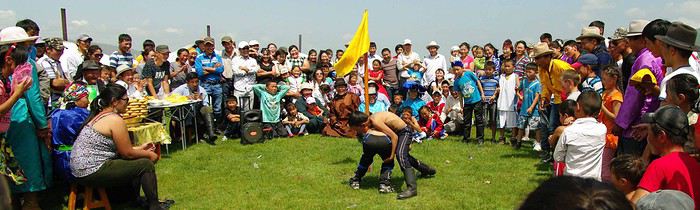
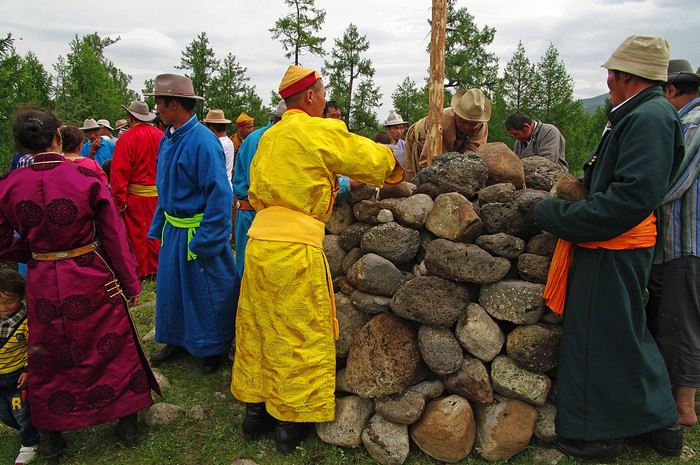
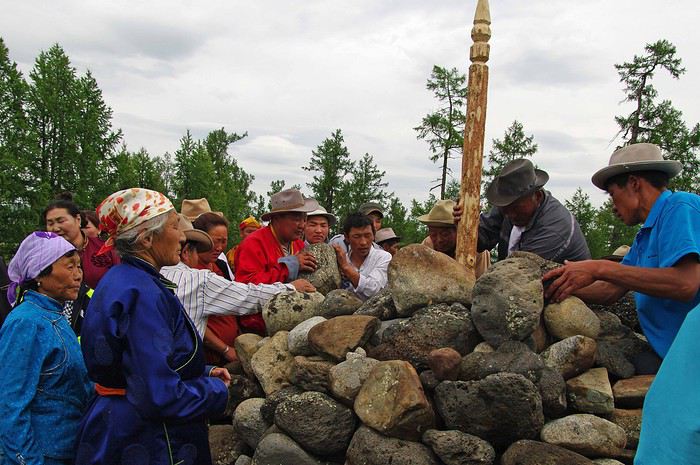
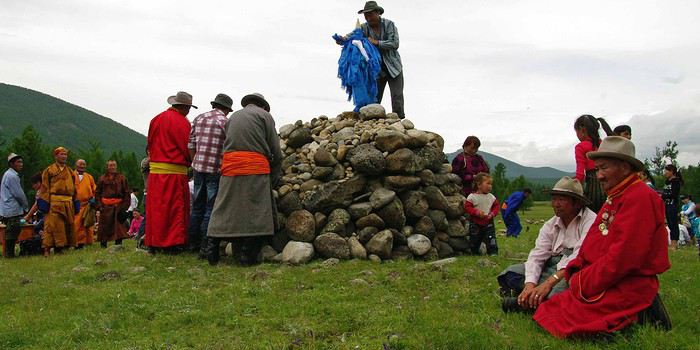
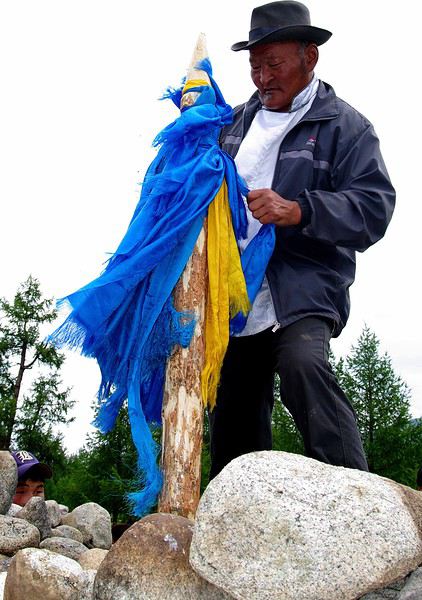
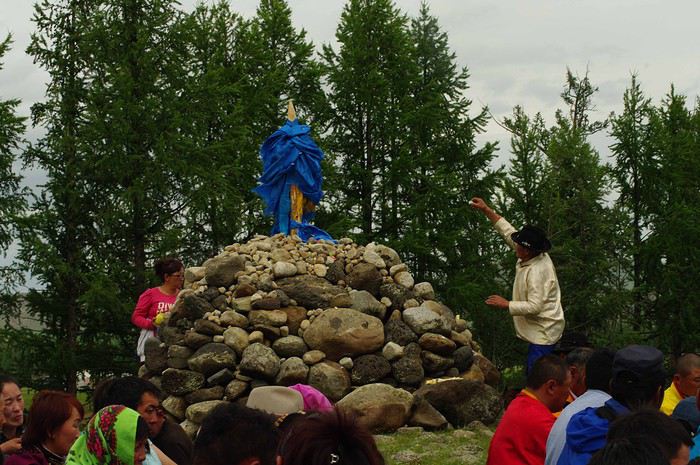
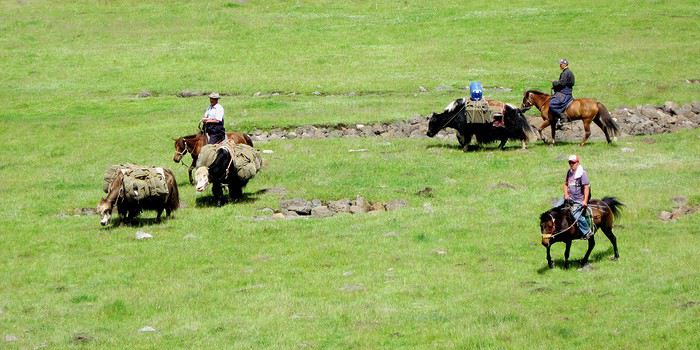
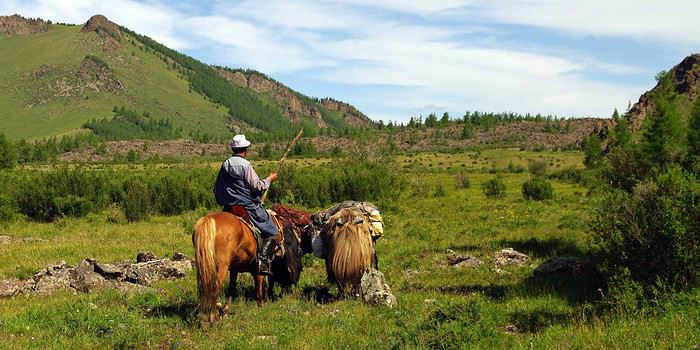
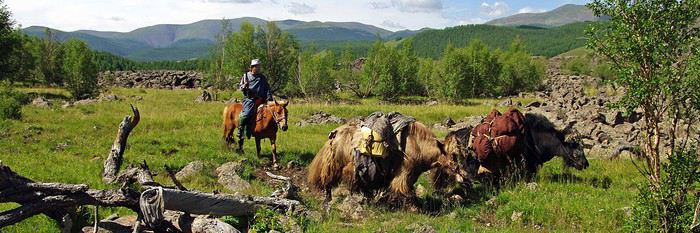
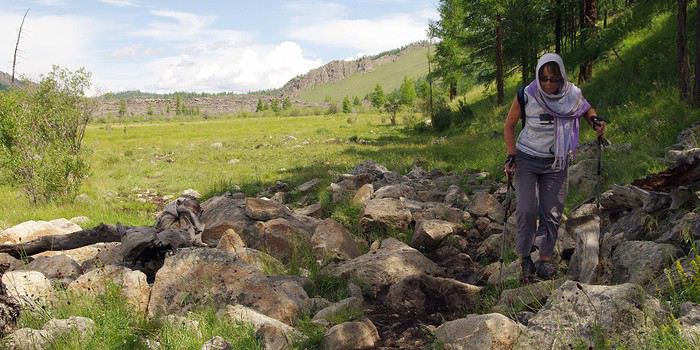
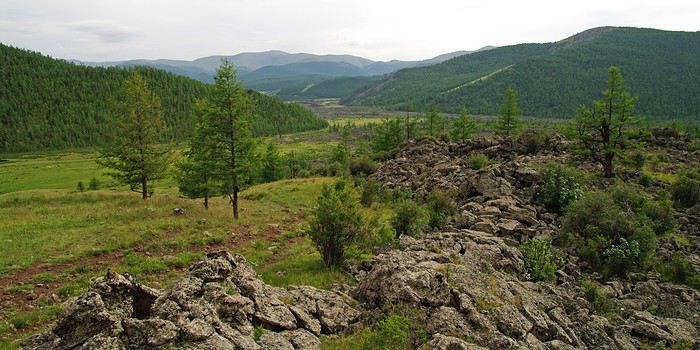
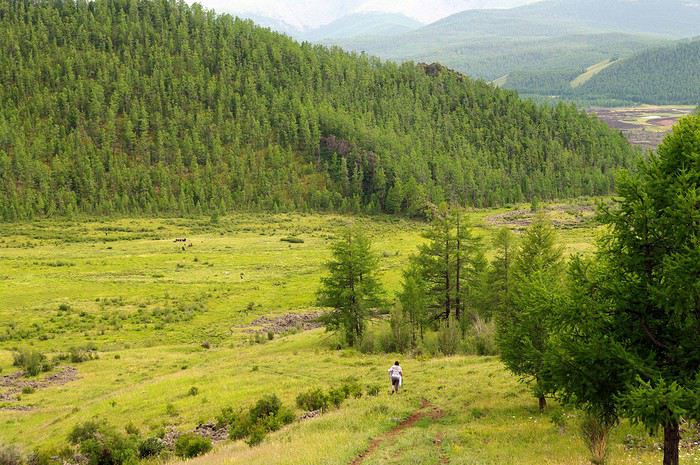
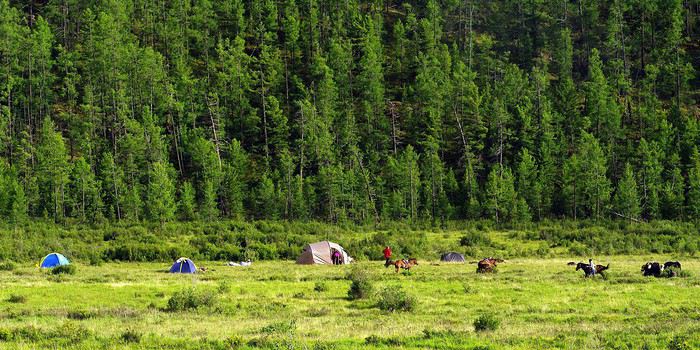
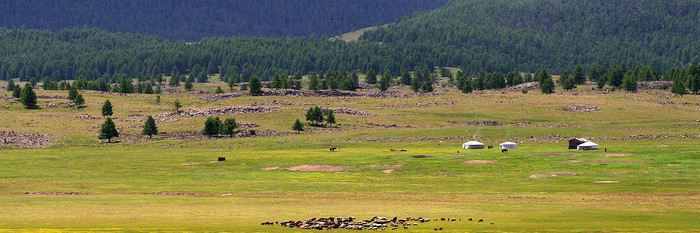
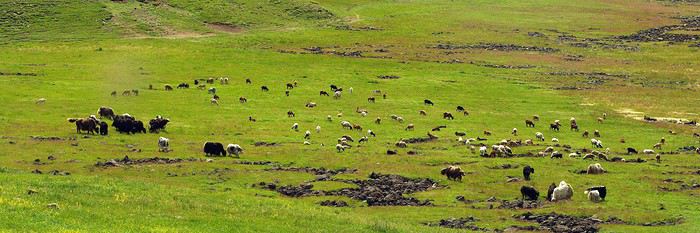
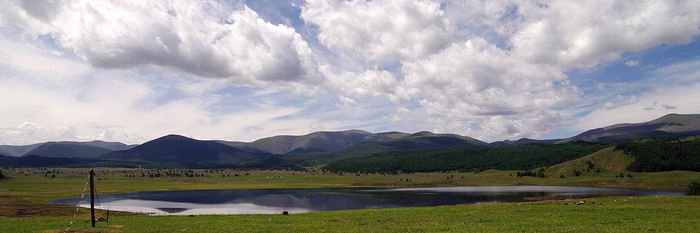
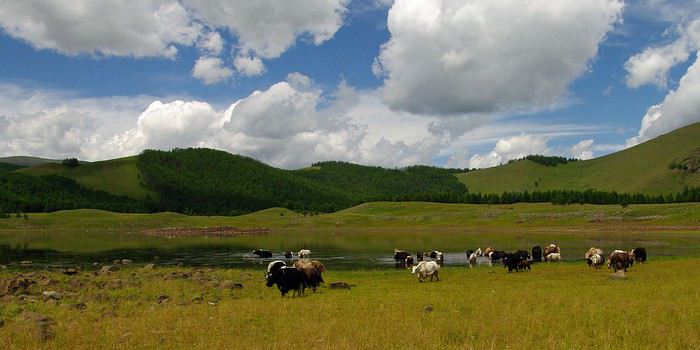
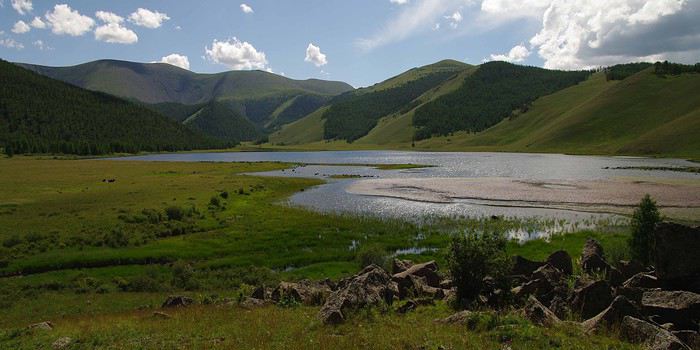
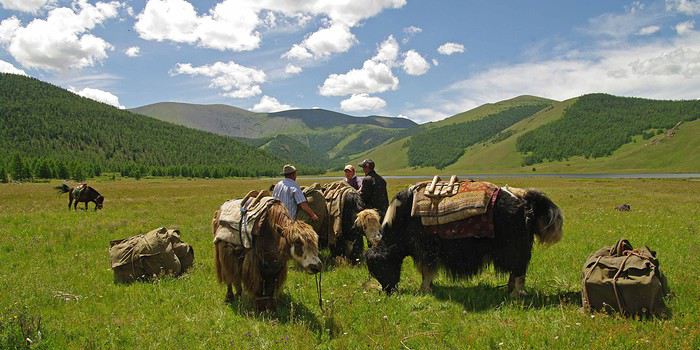
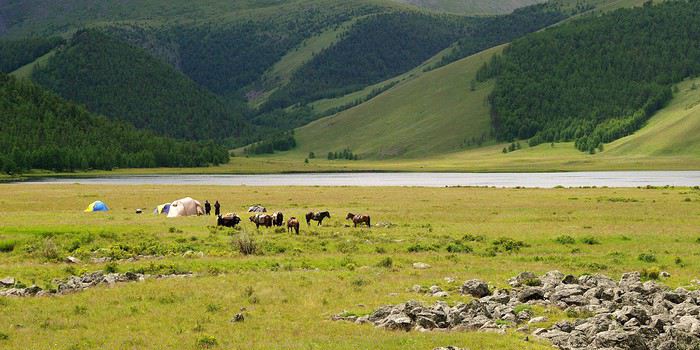
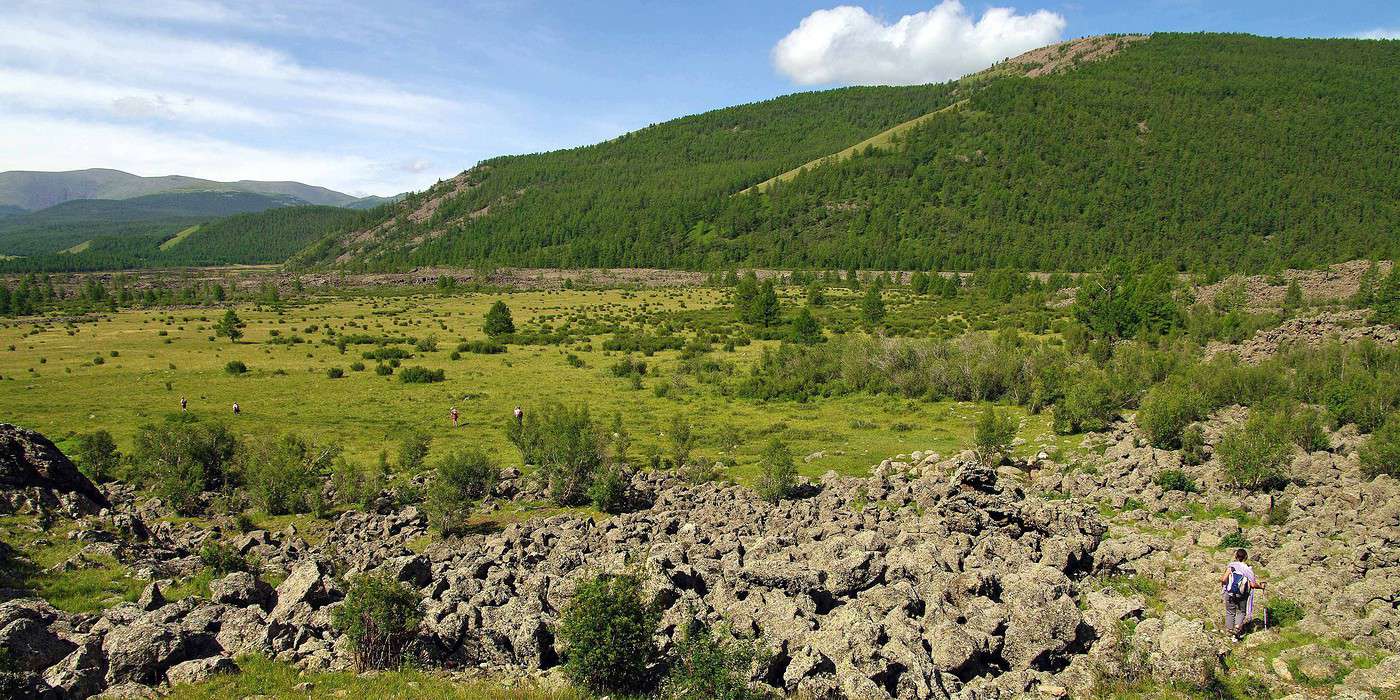
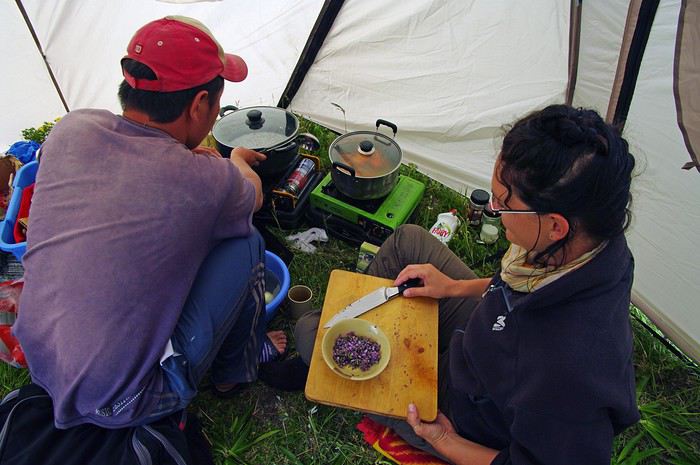
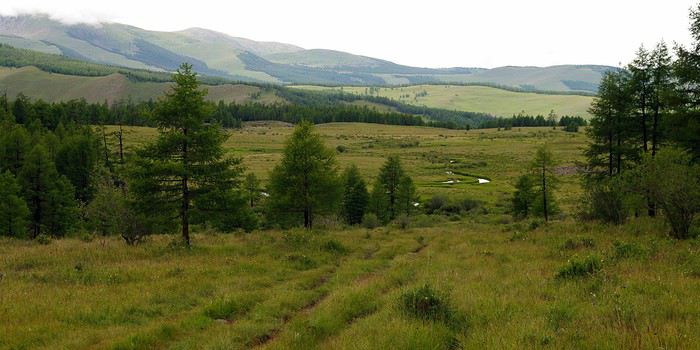
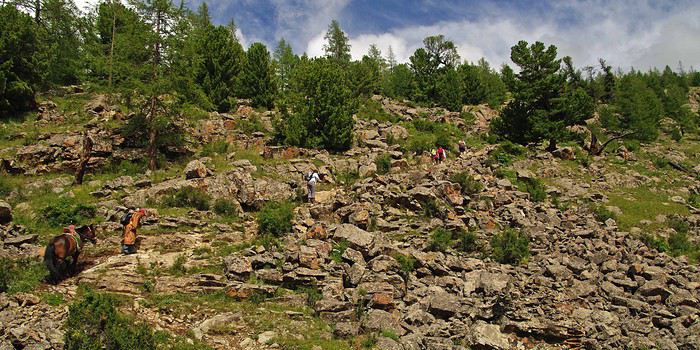
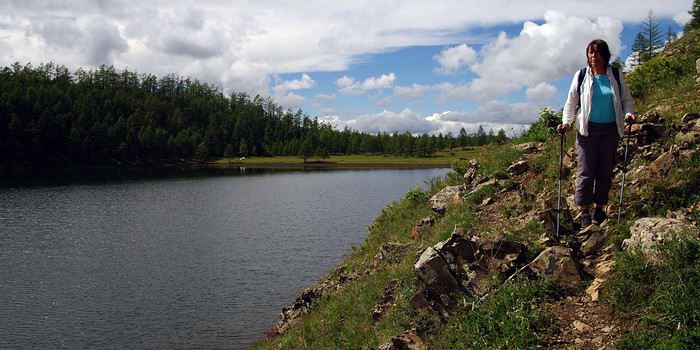
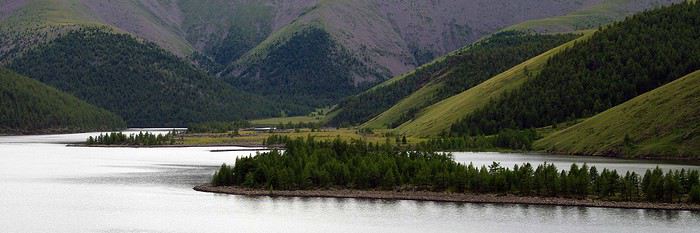
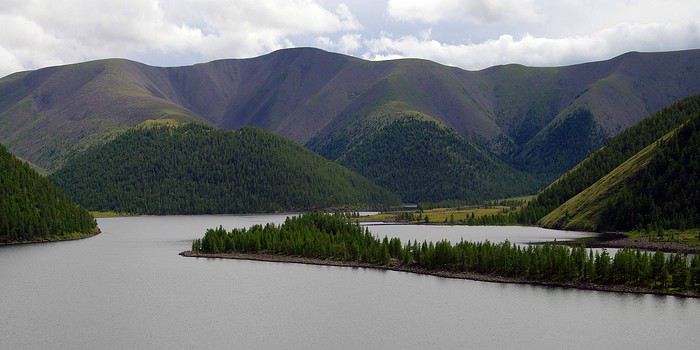
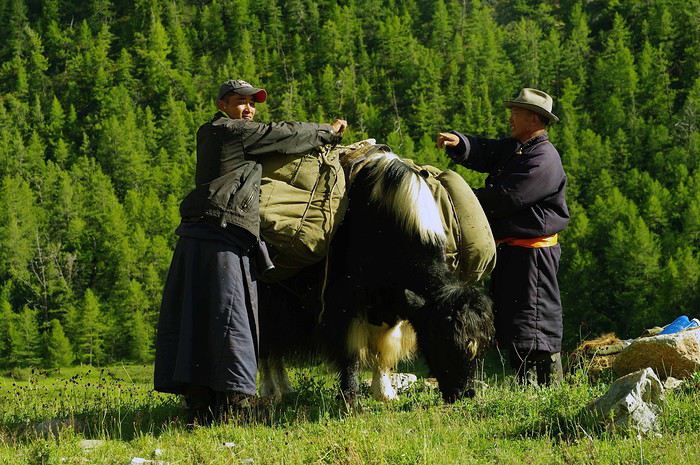
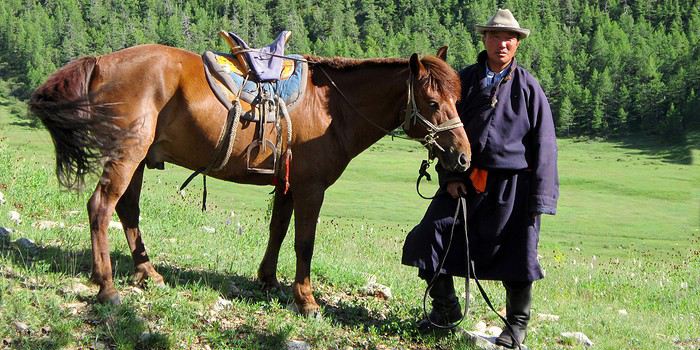
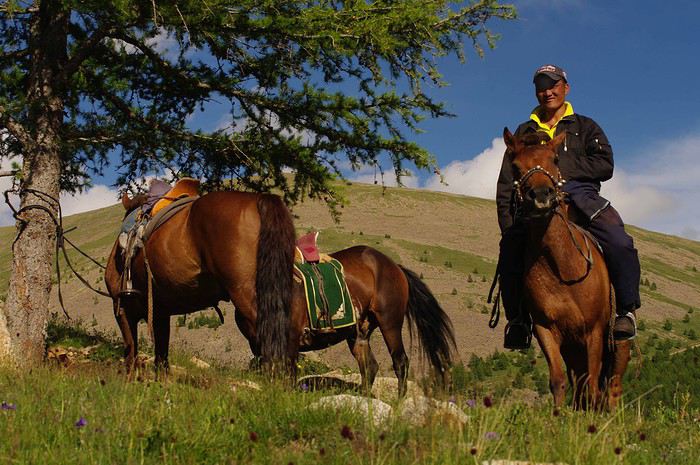
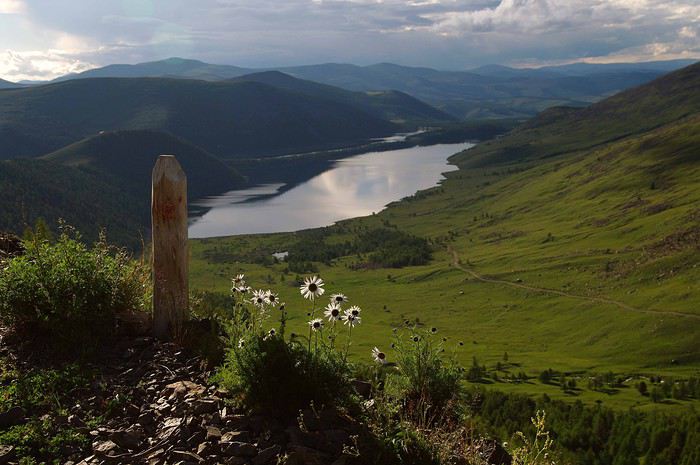
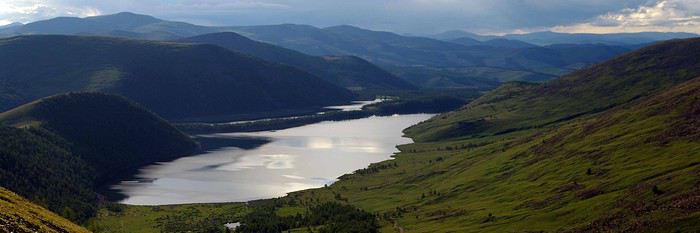
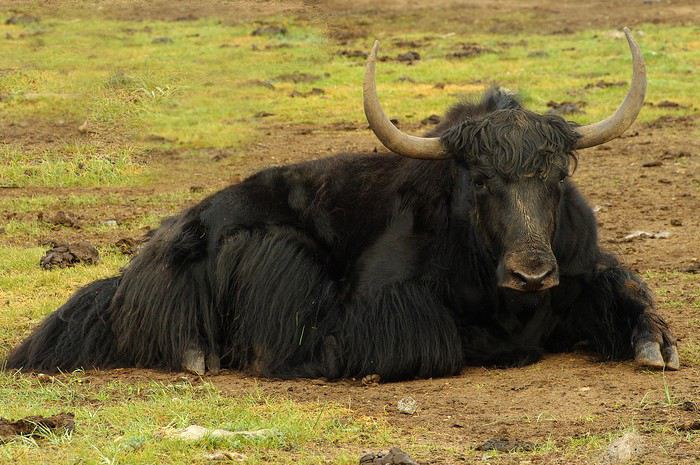
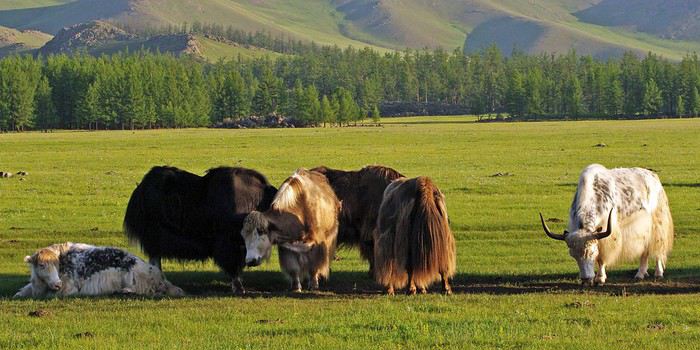
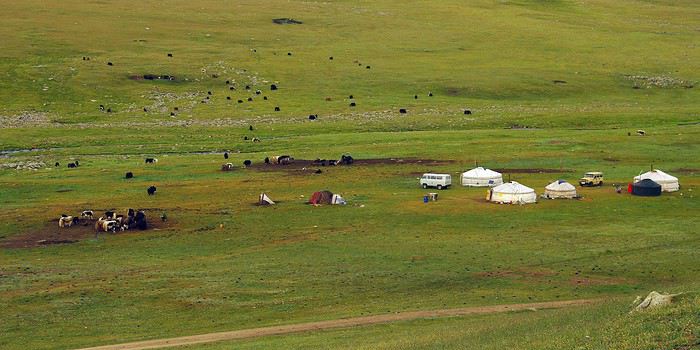
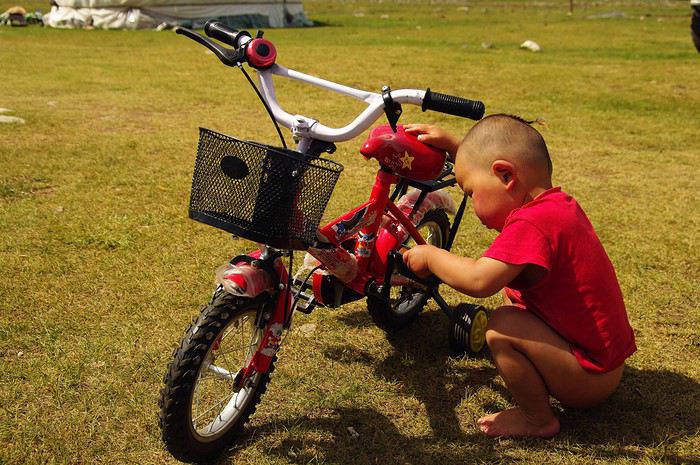
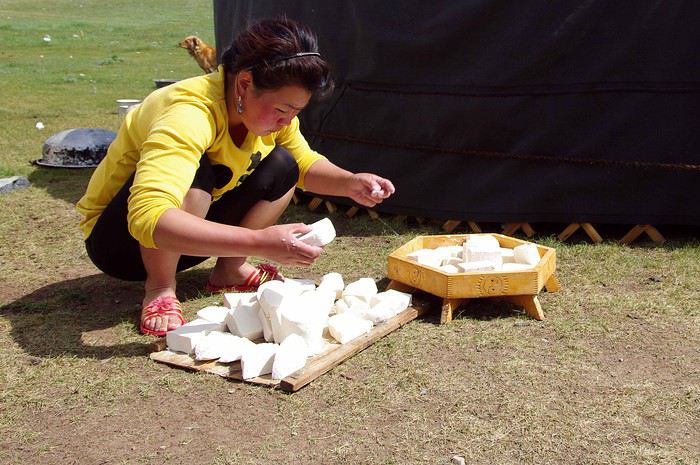
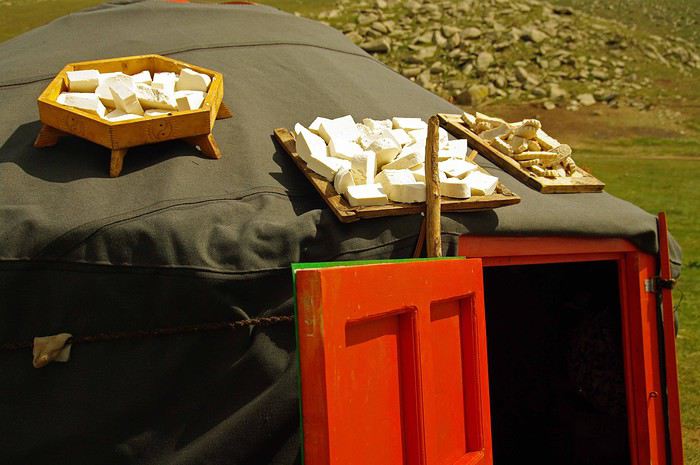
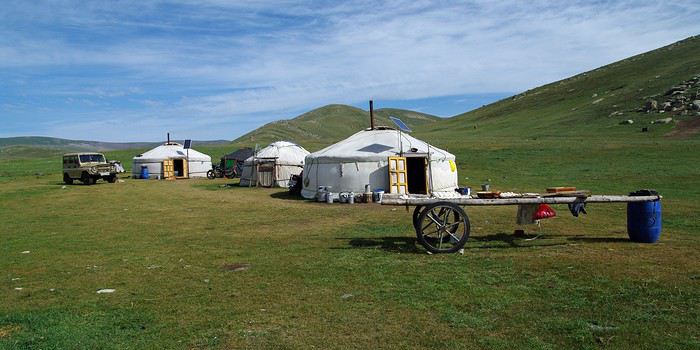
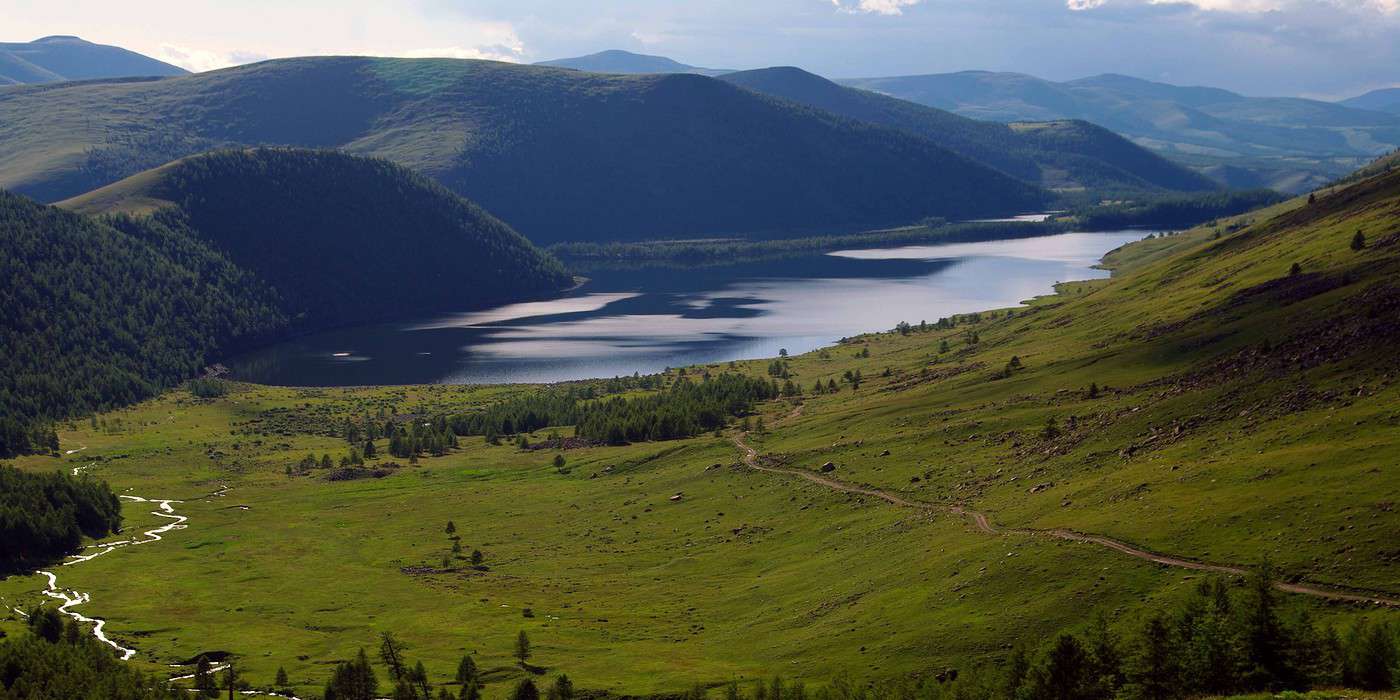
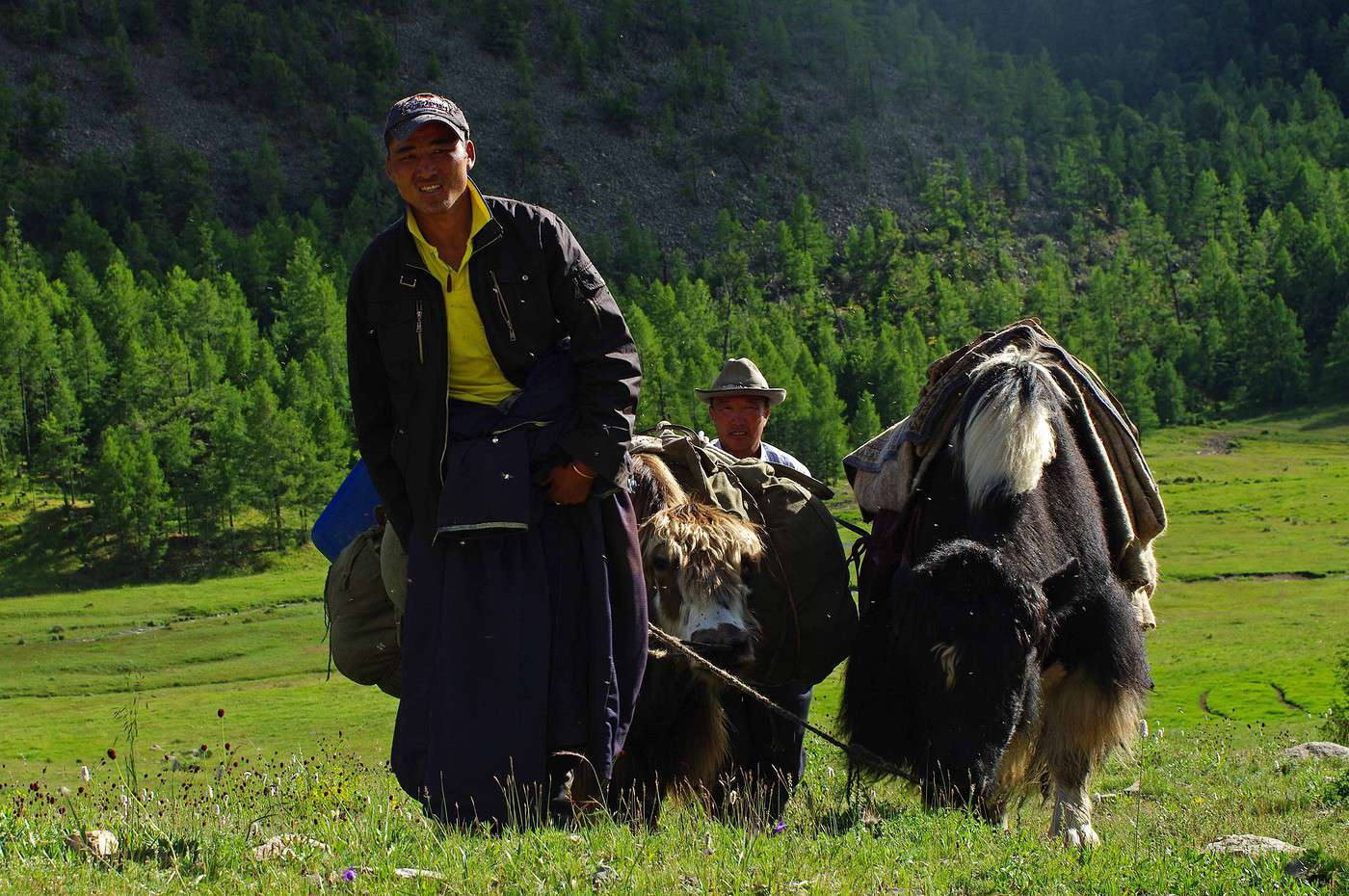
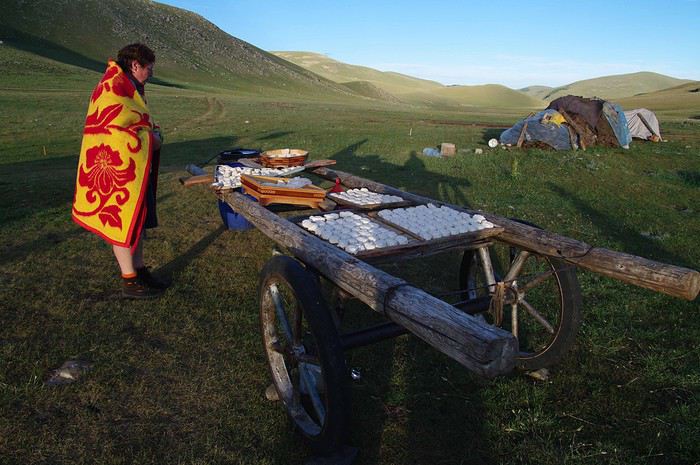
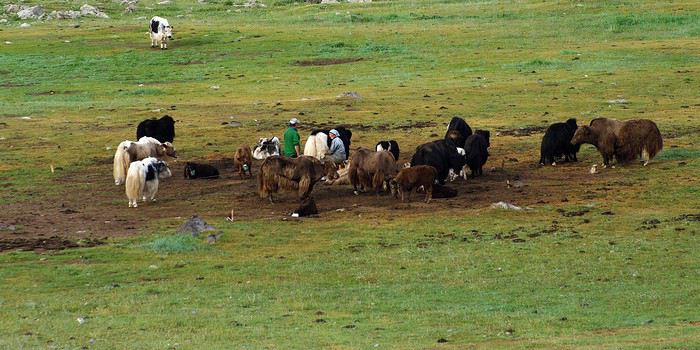
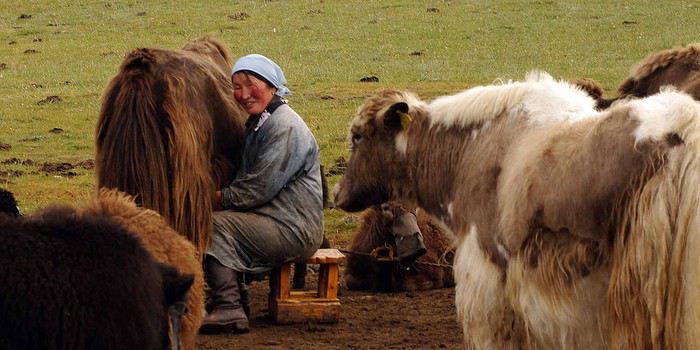
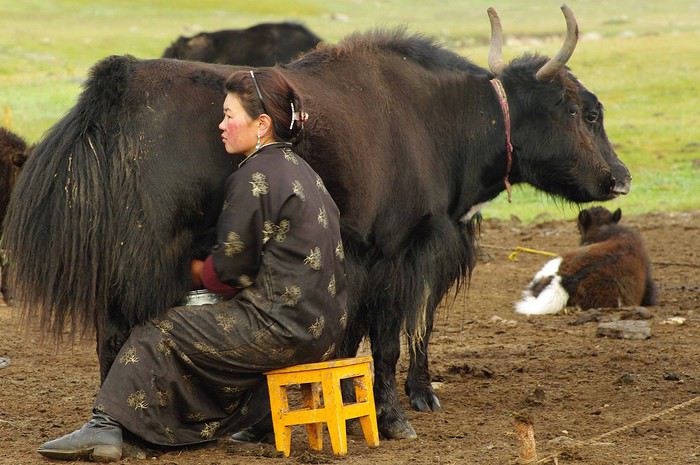
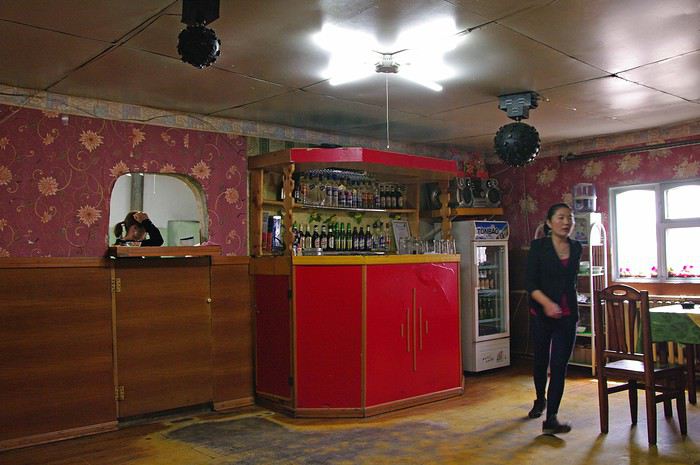
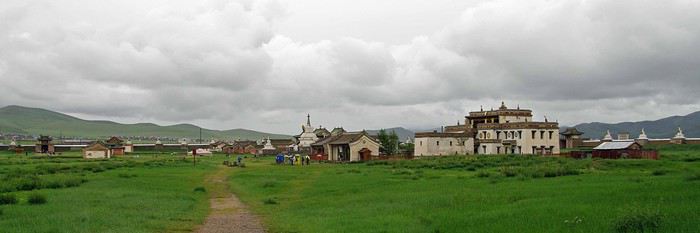
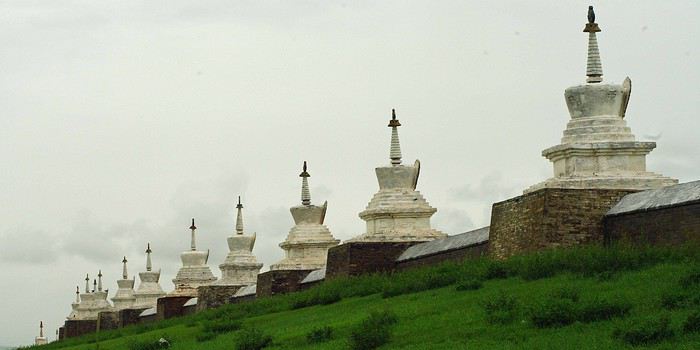
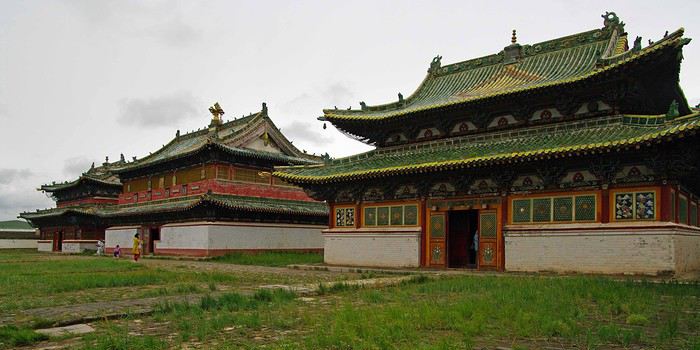
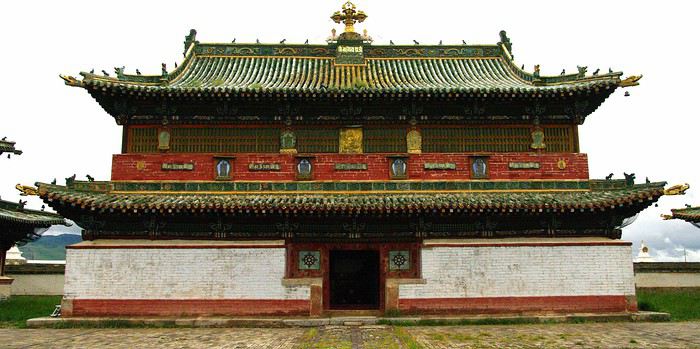
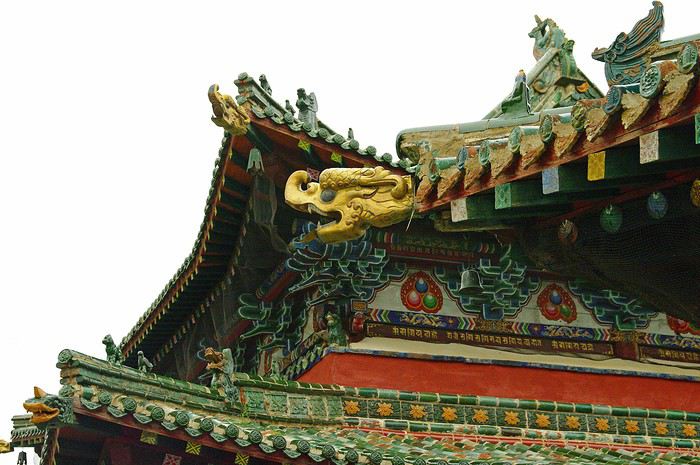
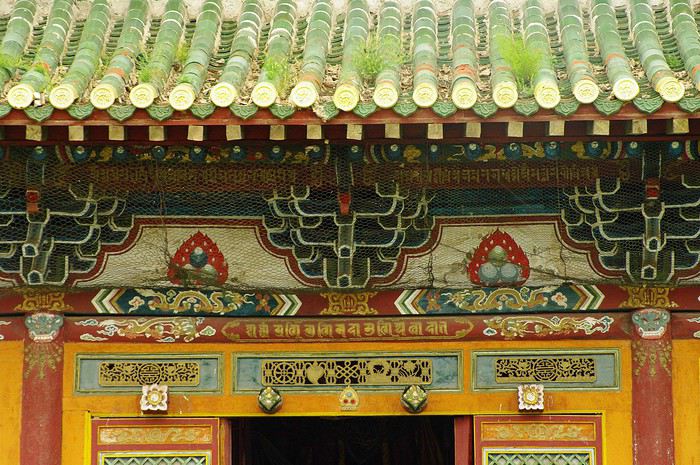
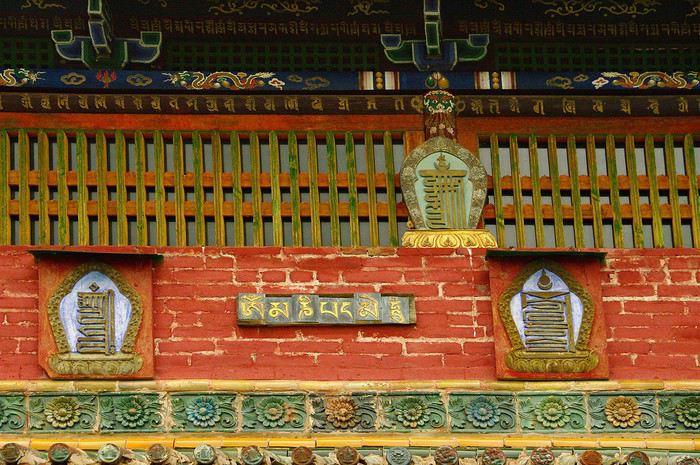
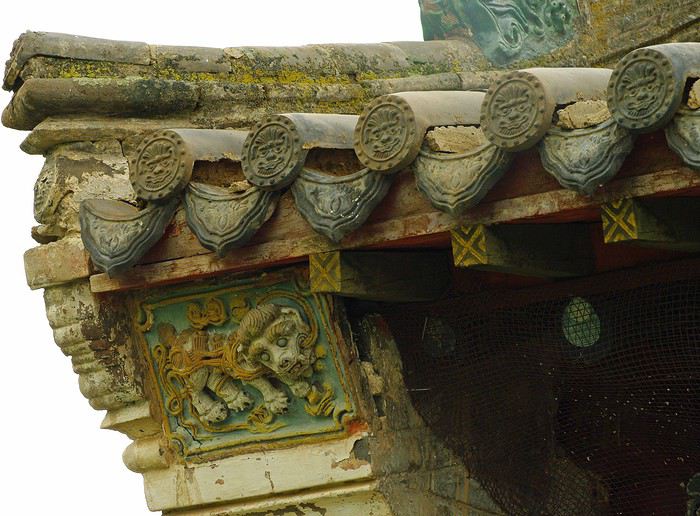
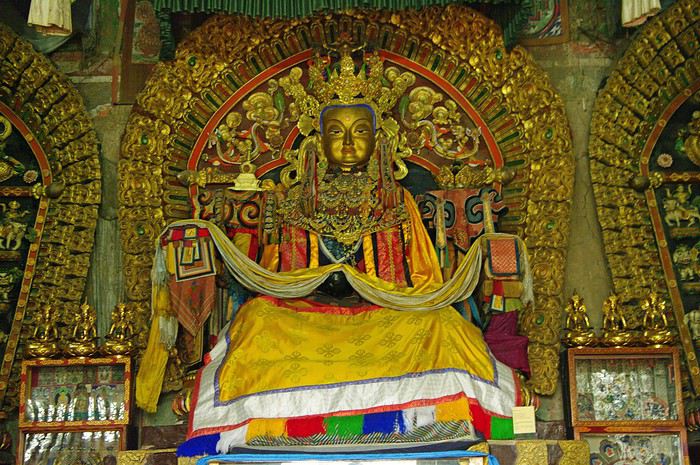
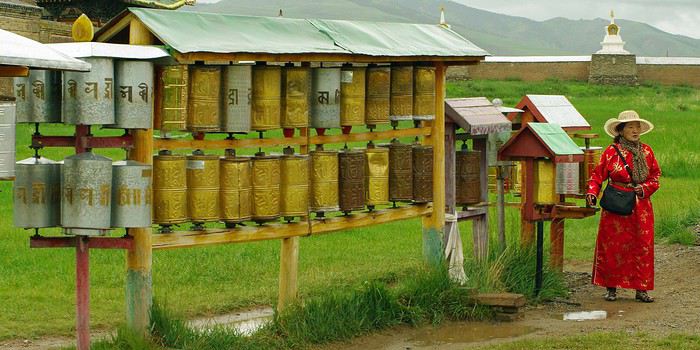
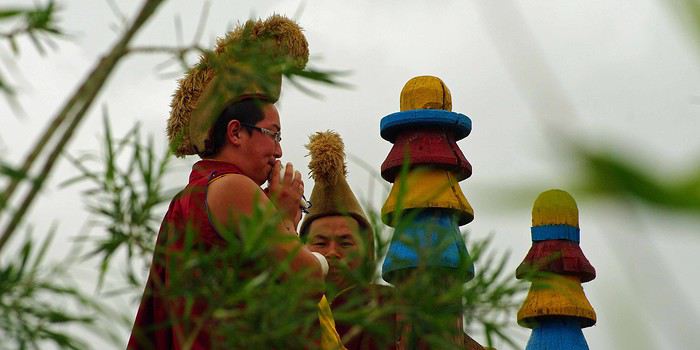
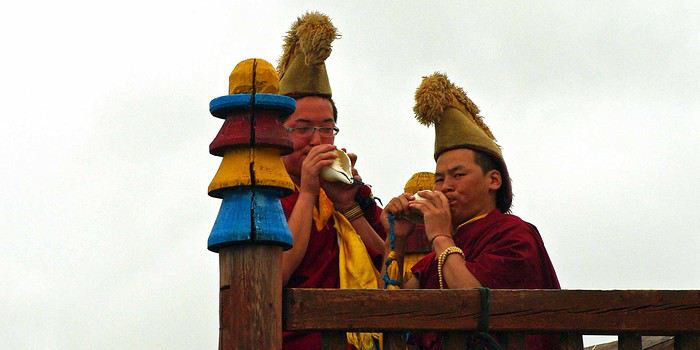
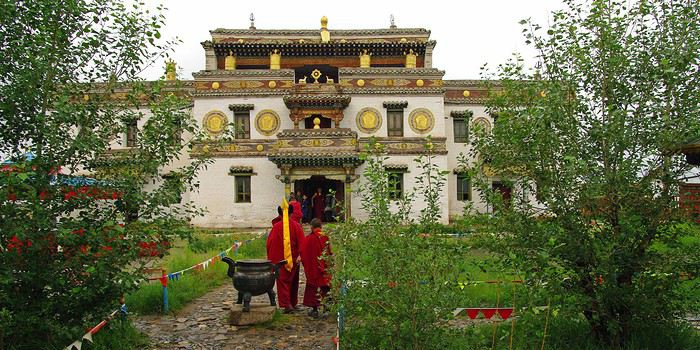
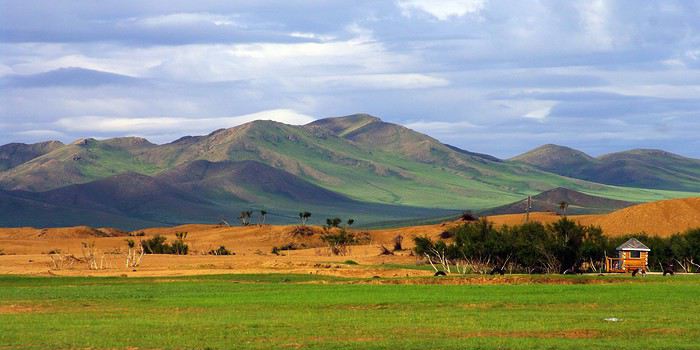
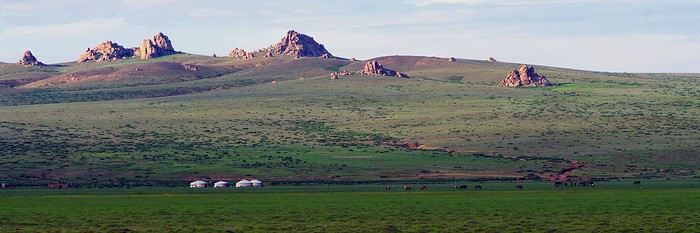
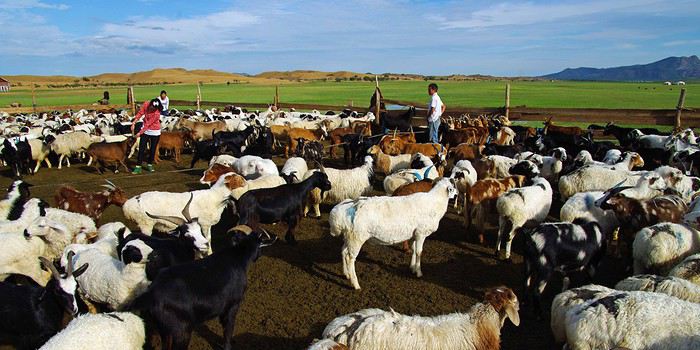
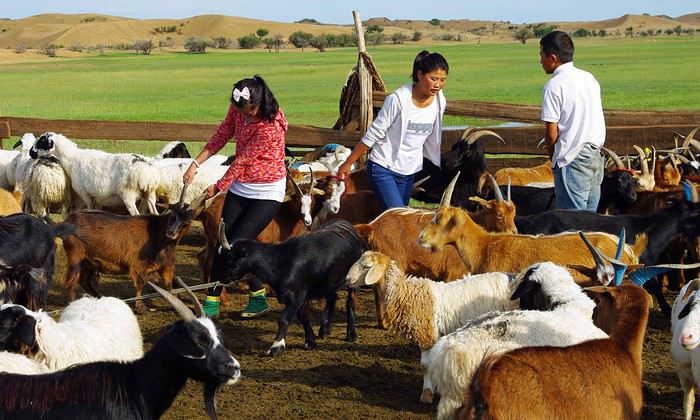
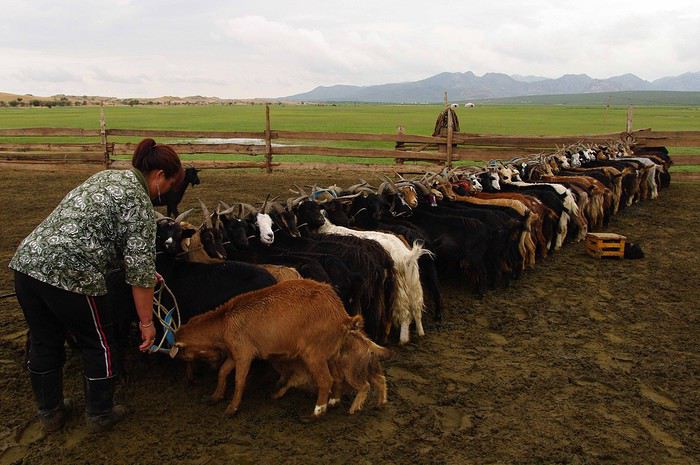
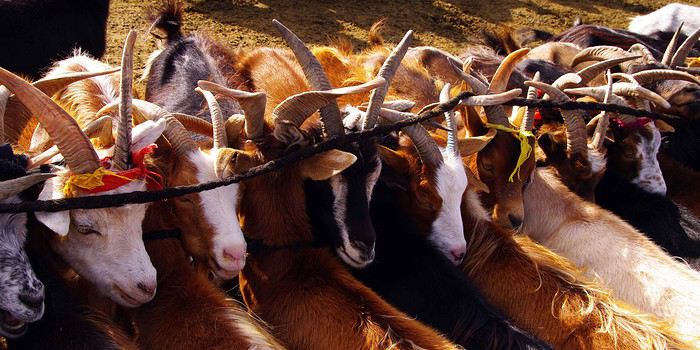
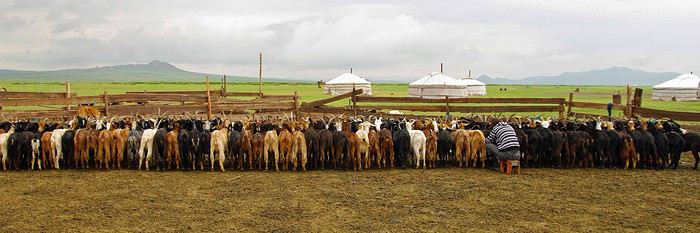
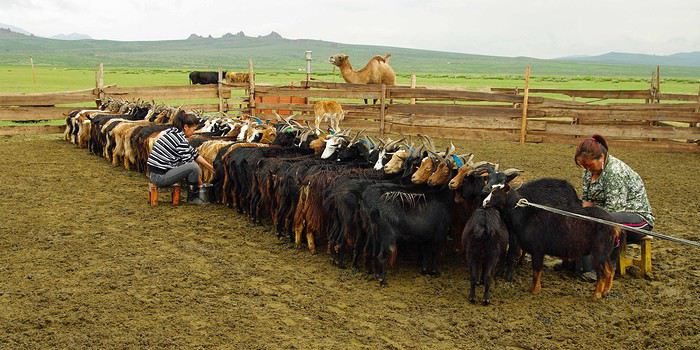
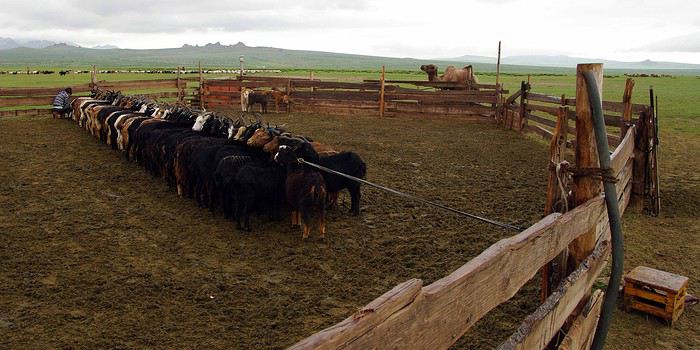
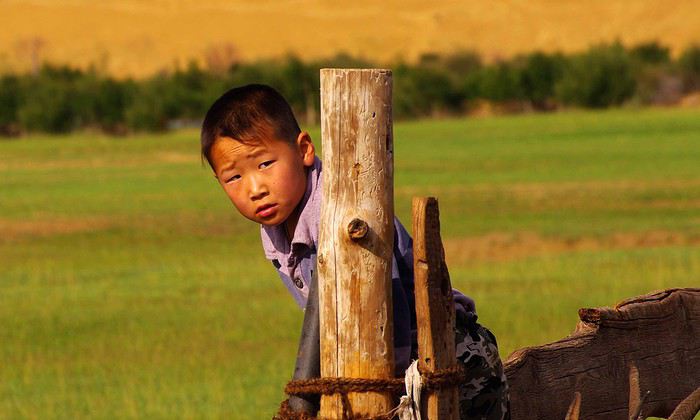
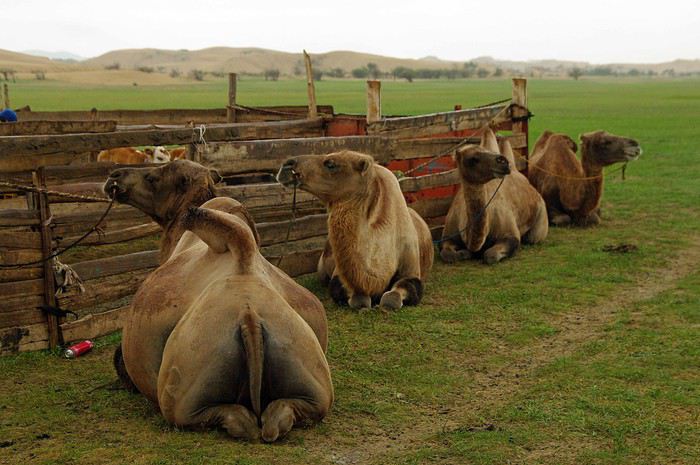
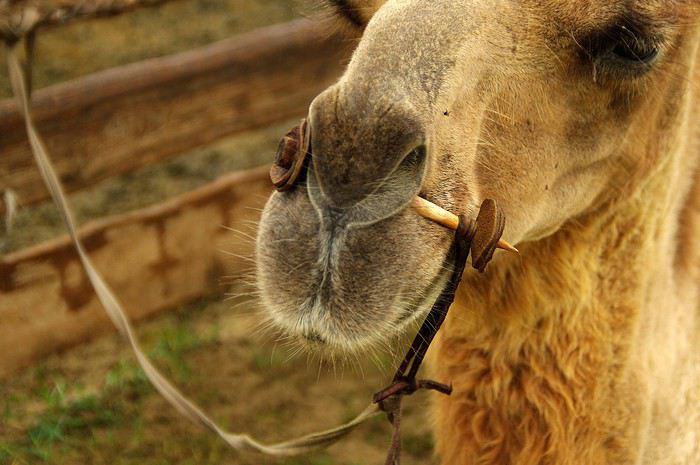
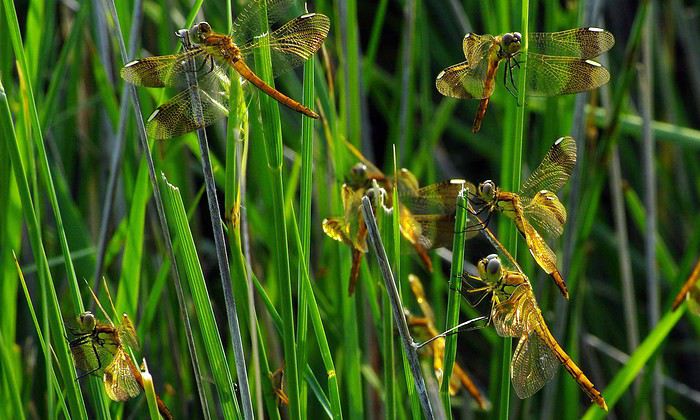
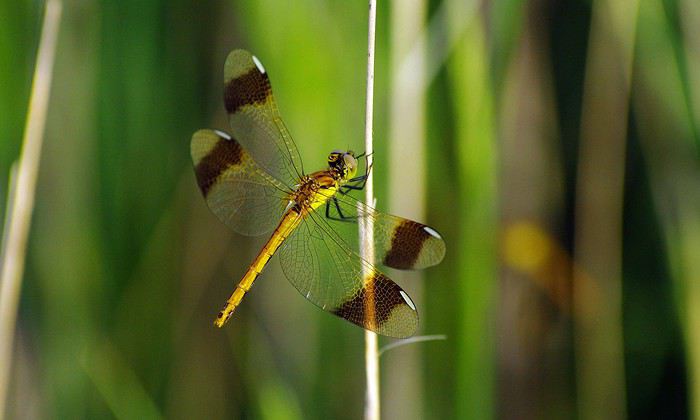
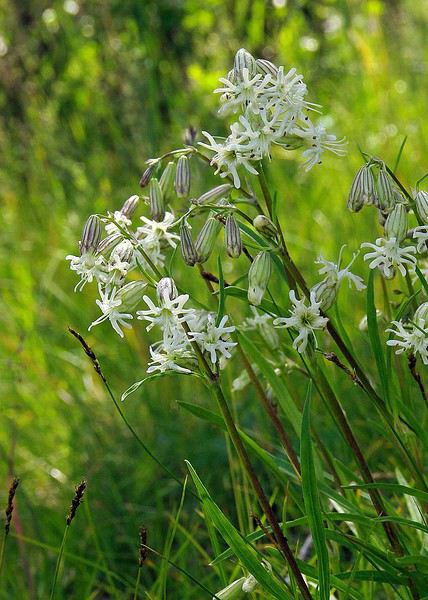
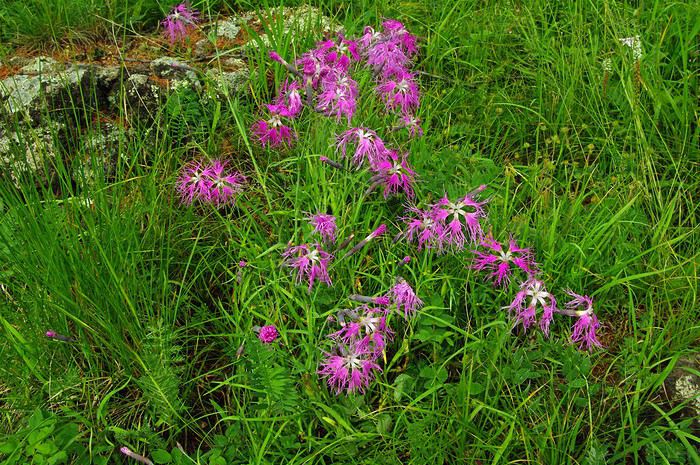
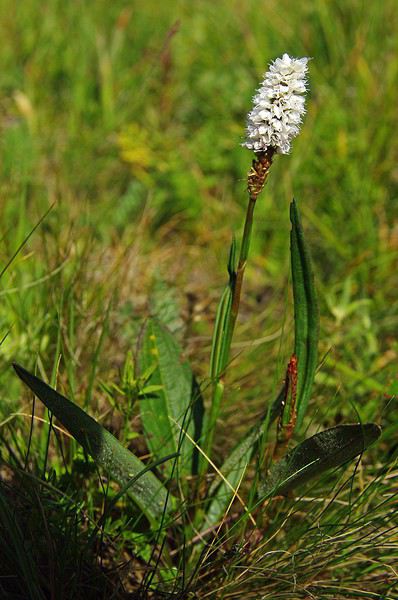
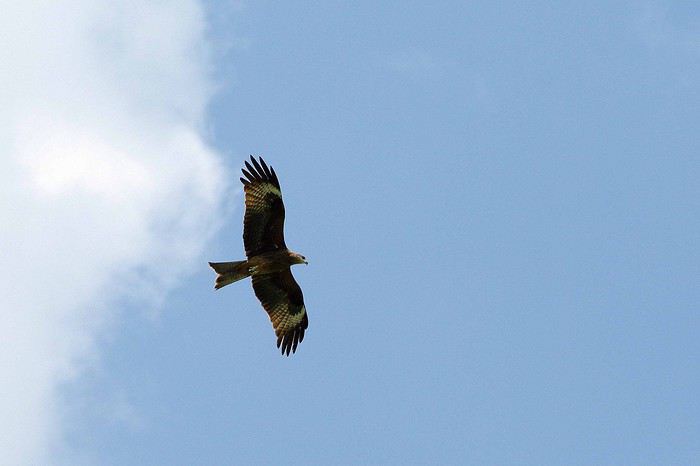
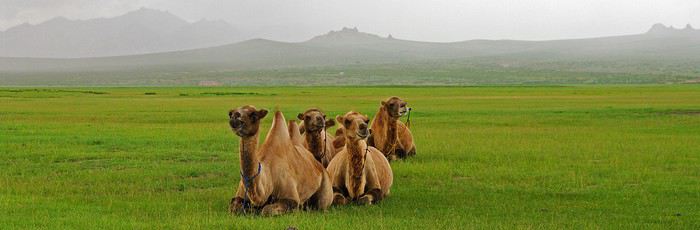
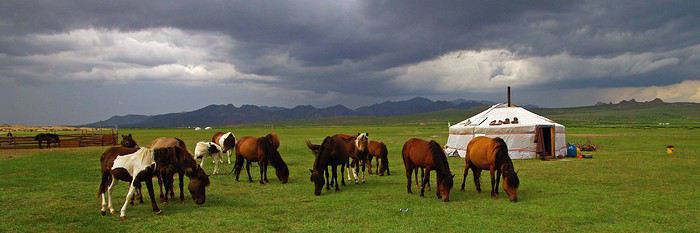
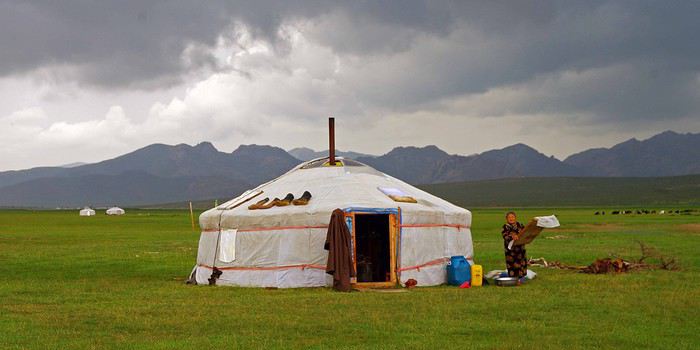
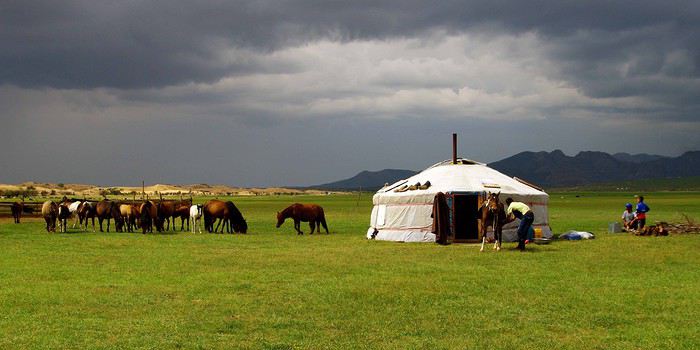
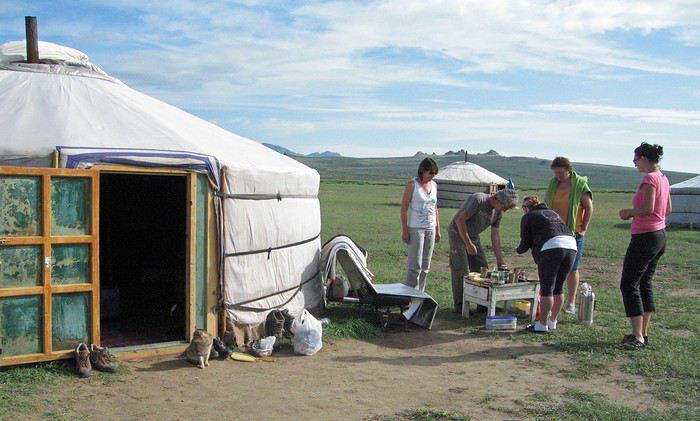
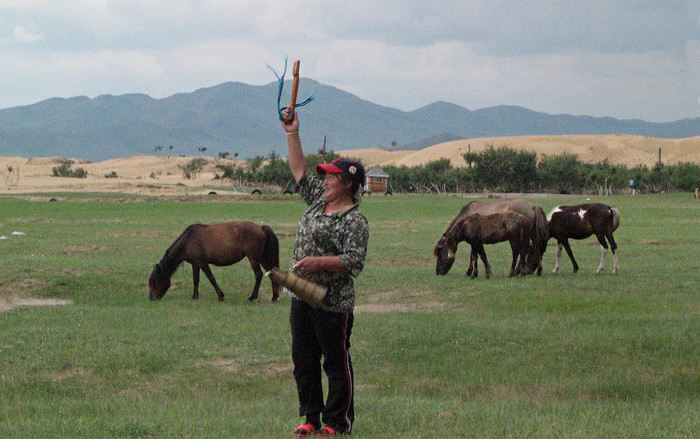
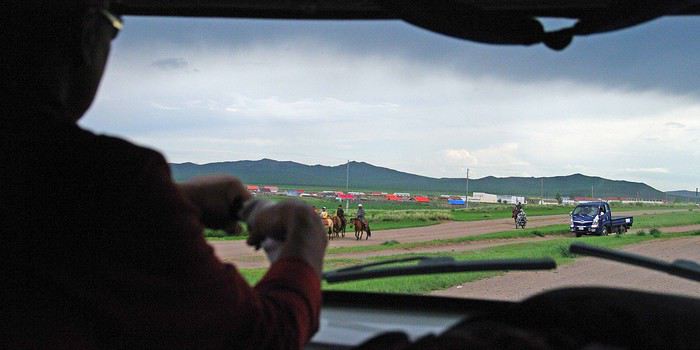
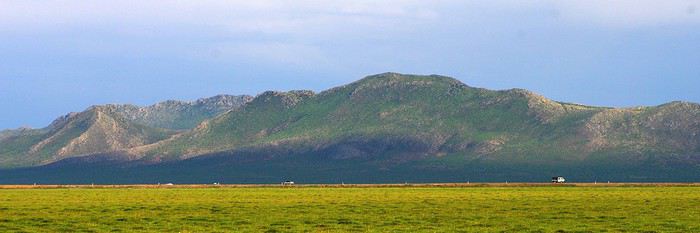
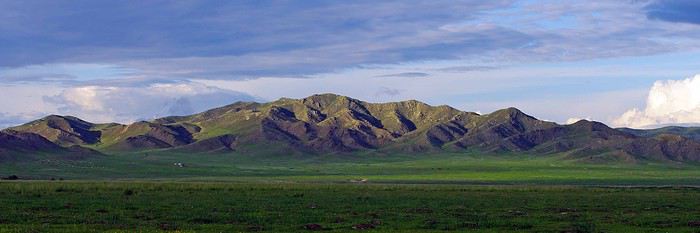
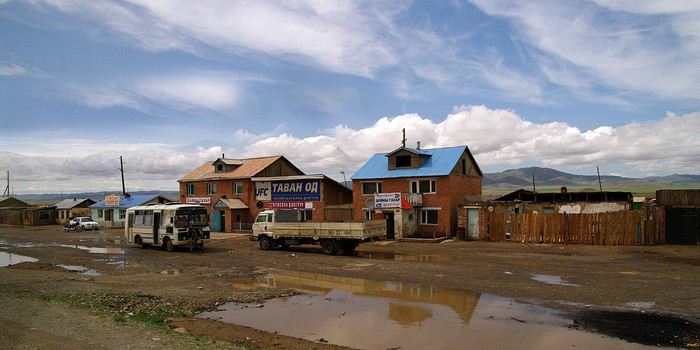
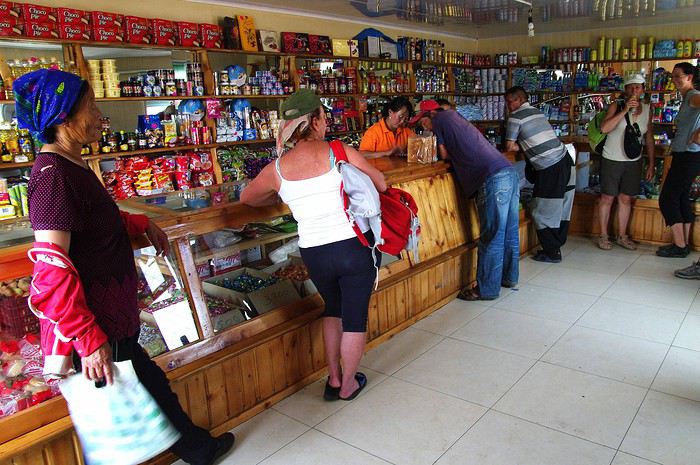
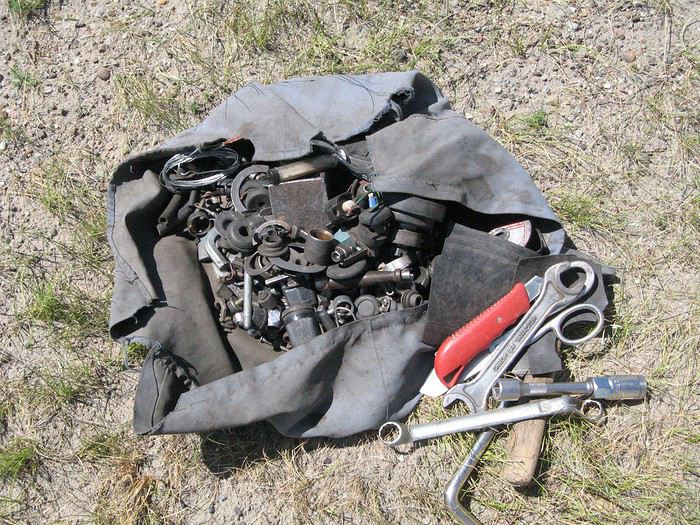
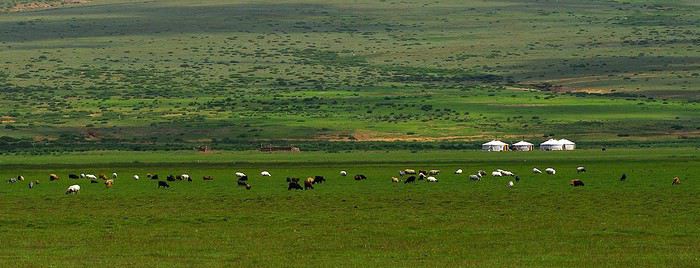
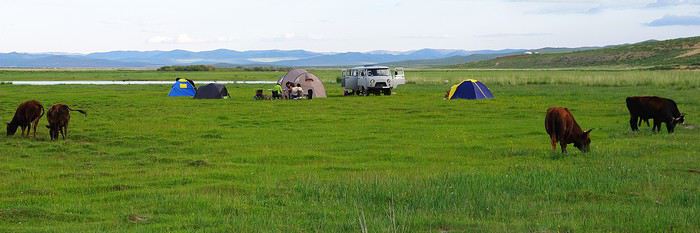
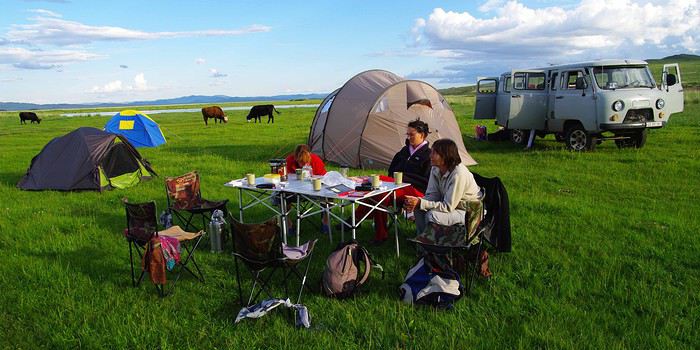
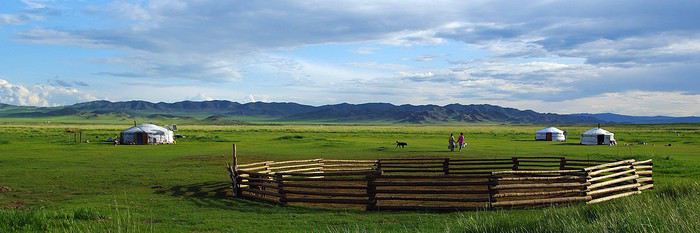
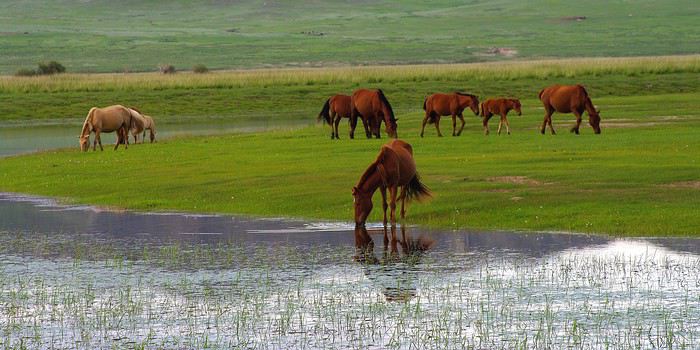
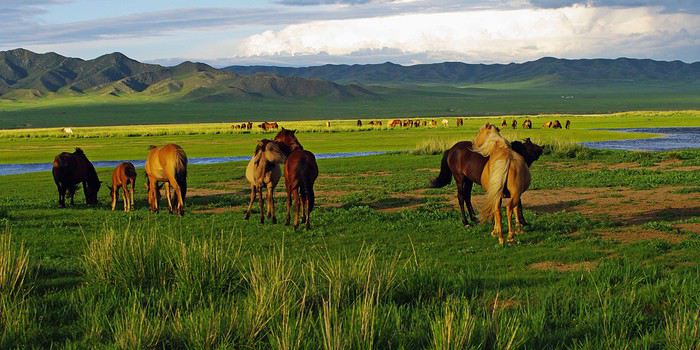
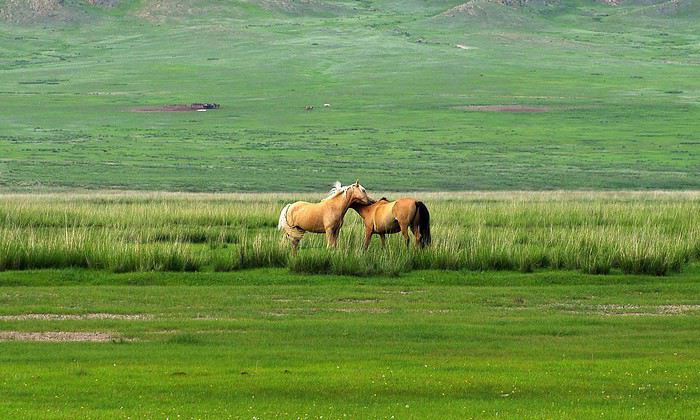
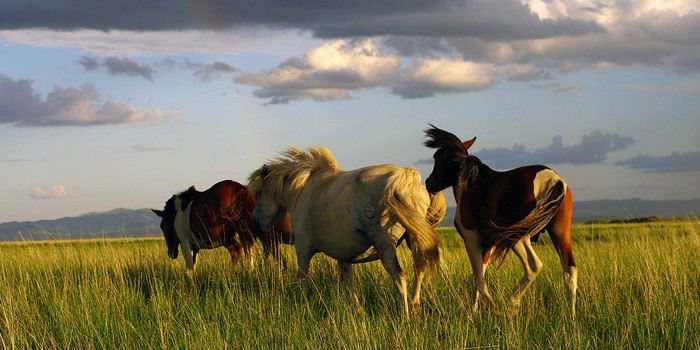 « Ils galopent comme le vent et leur puissance est celle de l'avalanche de la montagne. »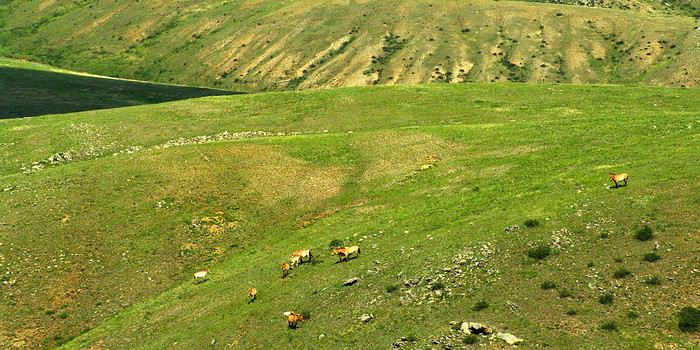
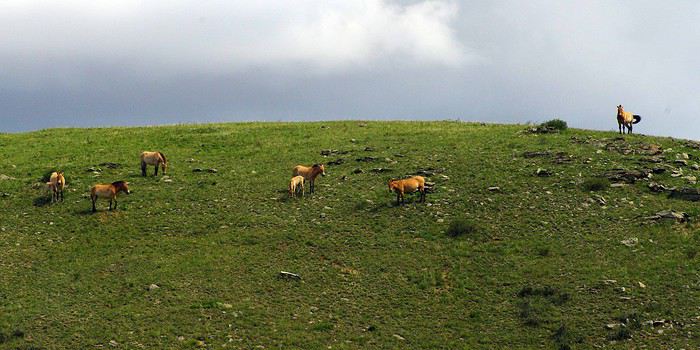
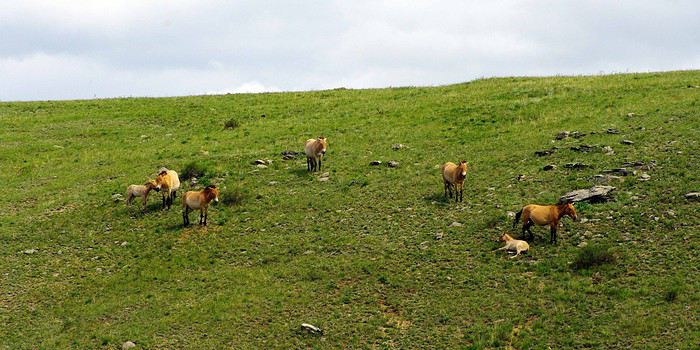
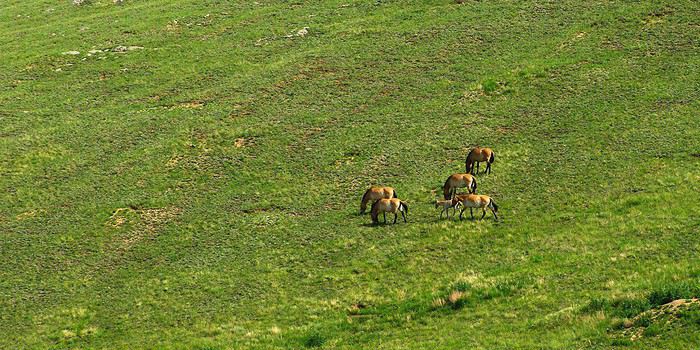
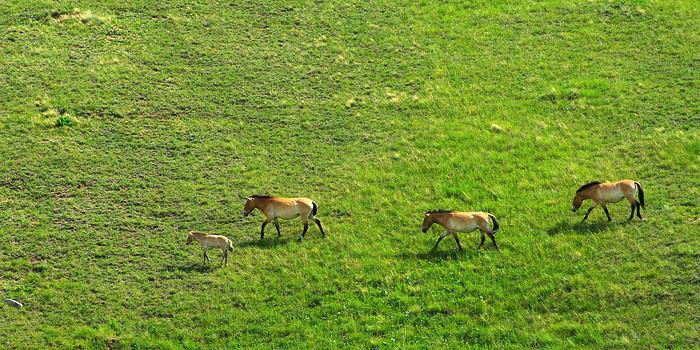
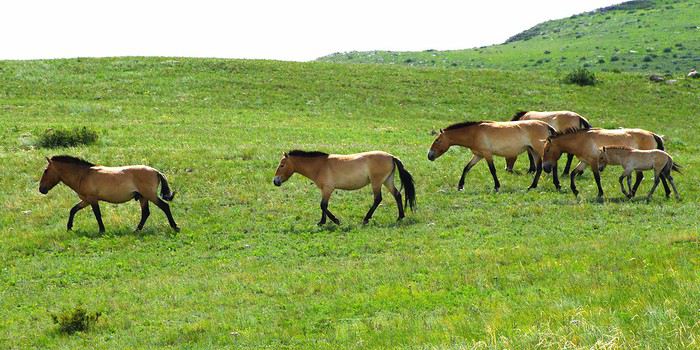
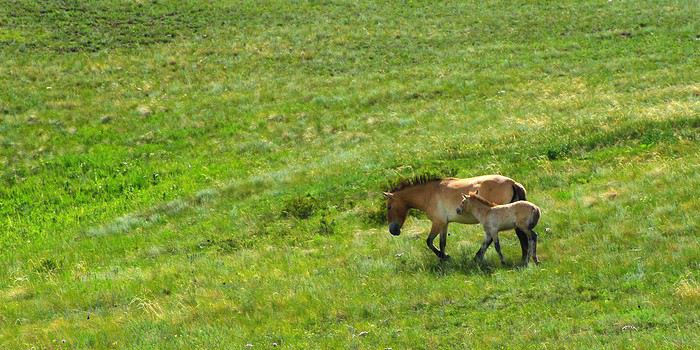
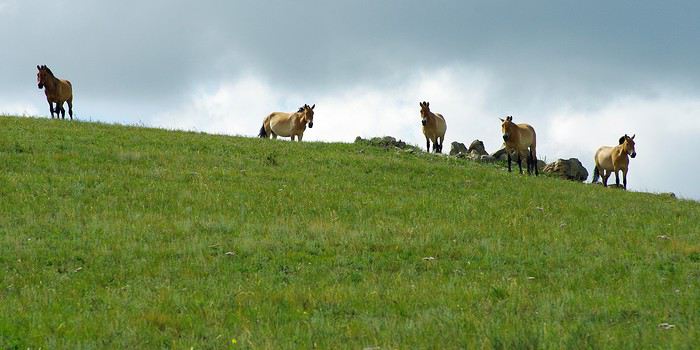
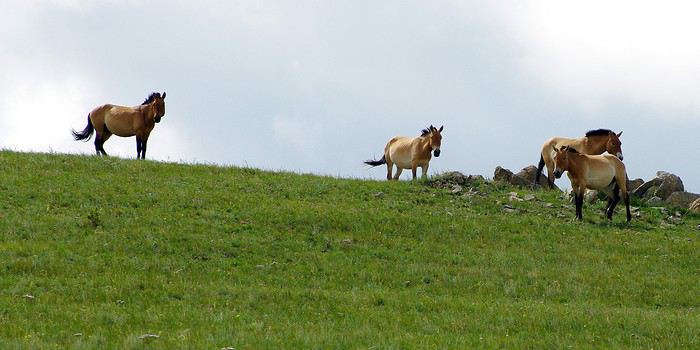
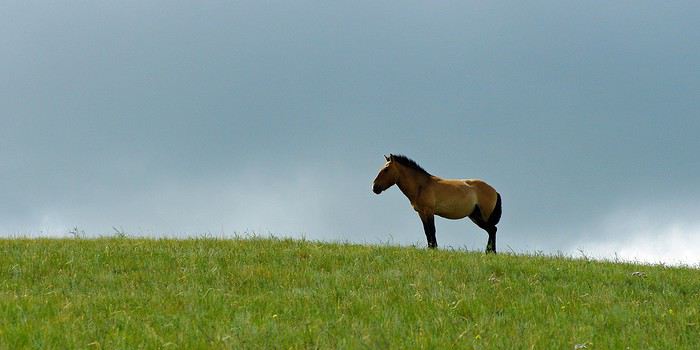
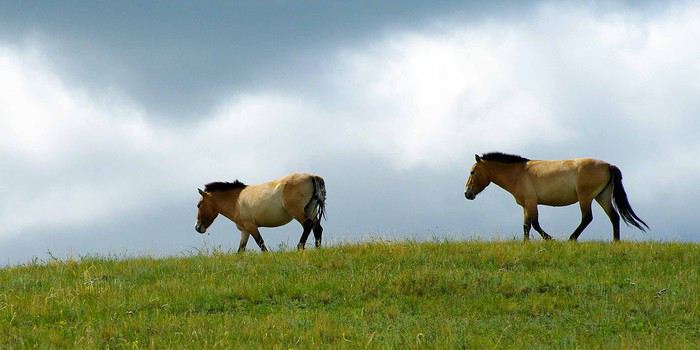
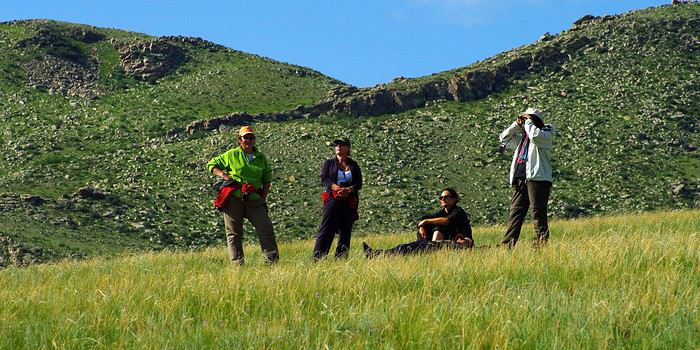
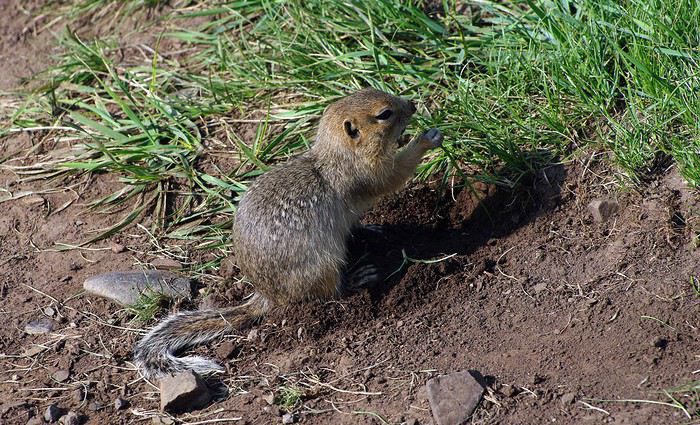
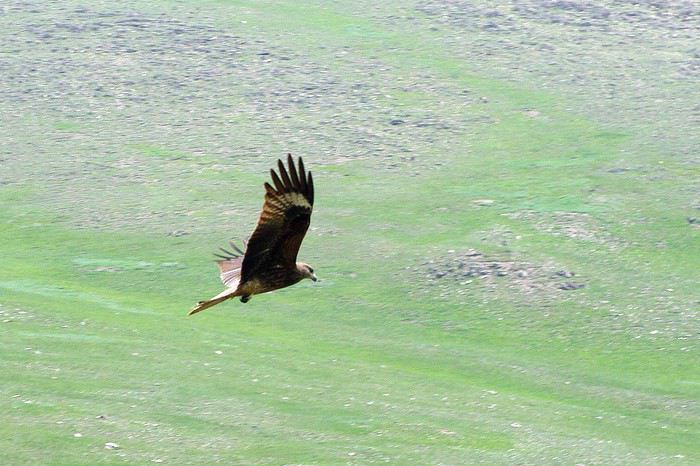
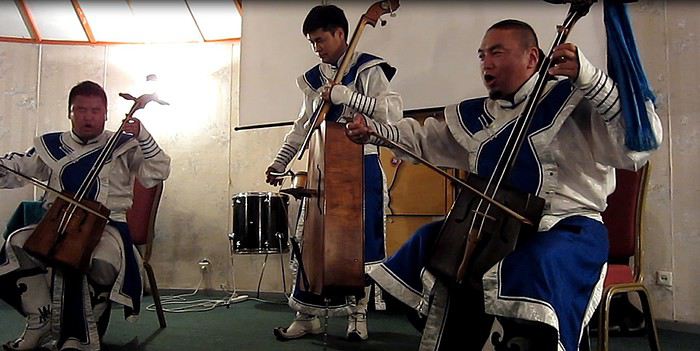

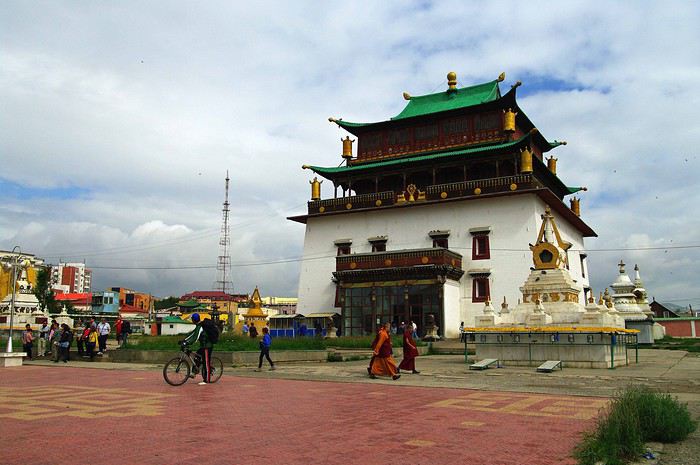
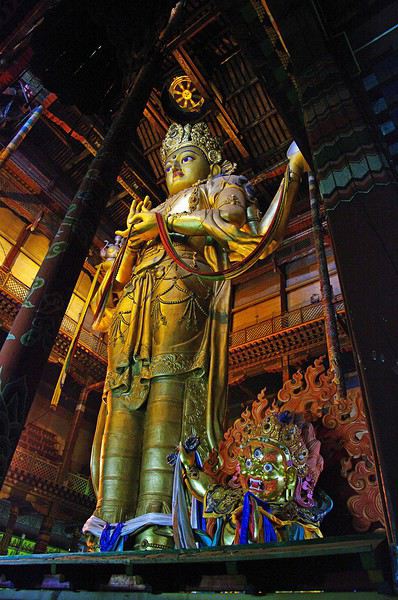
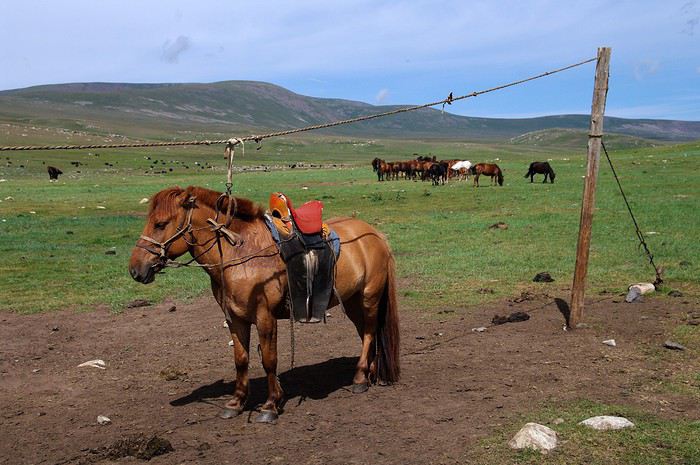
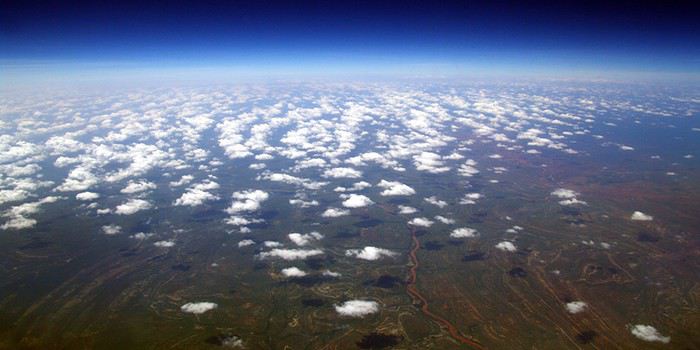
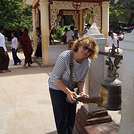
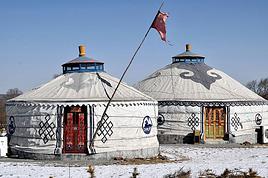
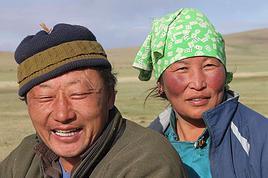

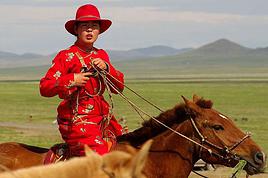


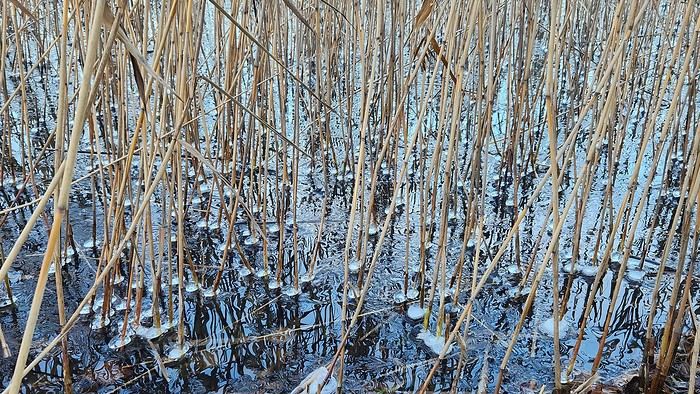
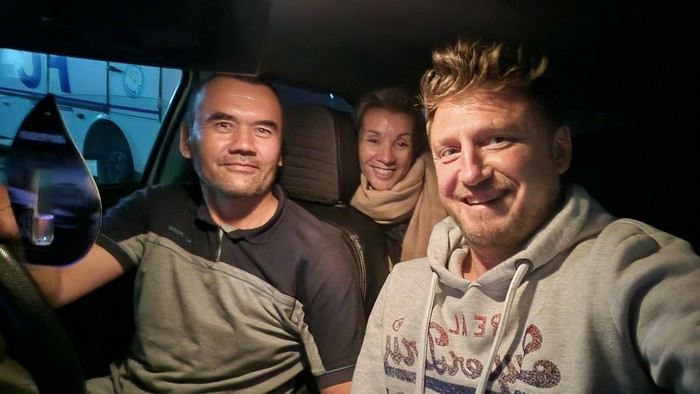
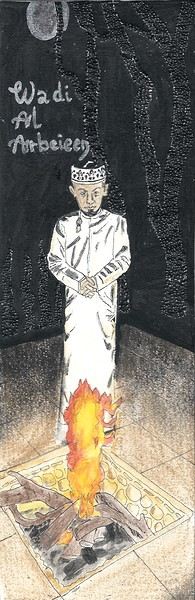
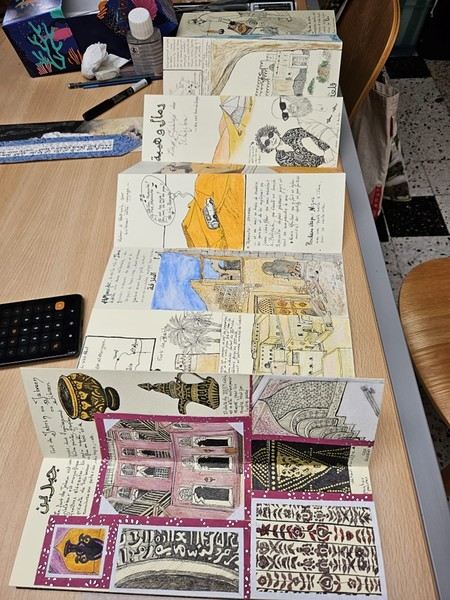
 On the right, the "welcome marker"—those dates offered everywhere as a sign of hospitality. On the left, a tribute to those stunning doors worn by time, admired all over the old quarters, including the abandoned ones.
 Hospitality will often lead you to accept a small coffee, an "Omani coffee," very light, subtly flavored with cardamom, maybe a touch of saffron, and occasionally rosewater.
Here, I’ve depicted a man in the common everyday attire of Omanis: the dishdasha, mostly white (during the week and daytime; colors are more common in the evening or on Fridays and Saturdays). While you’ll see some men dressed in Western clothes, they’re very few. The white dishdasha is truly the shared attire of all men. The dishdasha, which has no hood, is distinguished by a small pom-pom attached to the collar, the furakha, which is soaked in perfume. And believe me, Omanis go overboard with it! "It smells like the pom-pom" is an expression that’s now part of our shared language, my husband and I.
Another must of men’s attire is the kuma, a small round head covering, usually white with brightly colored patterns. The keffiyeh is also worn (but without the cord called an agal in Arab countries), and it’s mostly worn by those with roots in the desert, from what I understood.
And what about the women, you might ask? Some are veiled, some in full black (but not a burka—more like a chador + abaya), due to the influence of Saudi Arabia and the United Arab Emirates, whereas the traditional outfit used to be a layering of very colorful dresses. Most of the women we saw wore neutral clothing, a plain veil over their hair, but with their faces uncovered. We also saw many saris and colorful veils—don’t forget that 40% of the population consists of Indian, Nepalese, and Bangladeshi immigrants, who work a lot in tourism, hospitality, restaurants, services, and construction.
Just to clarify, as a tourist, there’s no pressure to wear a veil, and never any disapproving looks. Of course, you’ll save the mini shorts, plunging necklines, bare shoulders, and midriffs for the hotel terrace—but I’d say that’s the same for men and women, and with the sun being strong, it’s better for your skin too.
Here’s the introduction! In the next post, I’ll tell you about my itinerary, and we can dive in!
Hospitality will often lead you to accept a small coffee, an "Omani coffee," very light, subtly flavored with cardamom, maybe a touch of saffron, and occasionally rosewater.
Here, I’ve depicted a man in the common everyday attire of Omanis: the dishdasha, mostly white (during the week and daytime; colors are more common in the evening or on Fridays and Saturdays). While you’ll see some men dressed in Western clothes, they’re very few. The white dishdasha is truly the shared attire of all men. The dishdasha, which has no hood, is distinguished by a small pom-pom attached to the collar, the furakha, which is soaked in perfume. And believe me, Omanis go overboard with it! "It smells like the pom-pom" is an expression that’s now part of our shared language, my husband and I.
Another must of men’s attire is the kuma, a small round head covering, usually white with brightly colored patterns. The keffiyeh is also worn (but without the cord called an agal in Arab countries), and it’s mostly worn by those with roots in the desert, from what I understood.
And what about the women, you might ask? Some are veiled, some in full black (but not a burka—more like a chador + abaya), due to the influence of Saudi Arabia and the United Arab Emirates, whereas the traditional outfit used to be a layering of very colorful dresses. Most of the women we saw wore neutral clothing, a plain veil over their hair, but with their faces uncovered. We also saw many saris and colorful veils—don’t forget that 40% of the population consists of Indian, Nepalese, and Bangladeshi immigrants, who work a lot in tourism, hospitality, restaurants, services, and construction.
Just to clarify, as a tourist, there’s no pressure to wear a veil, and never any disapproving looks. Of course, you’ll save the mini shorts, plunging necklines, bare shoulders, and midriffs for the hotel terrace—but I’d say that’s the same for men and women, and with the sun being strong, it’s better for your skin too.
Here’s the introduction! In the next post, I’ll tell you about my itinerary, and we can dive in!

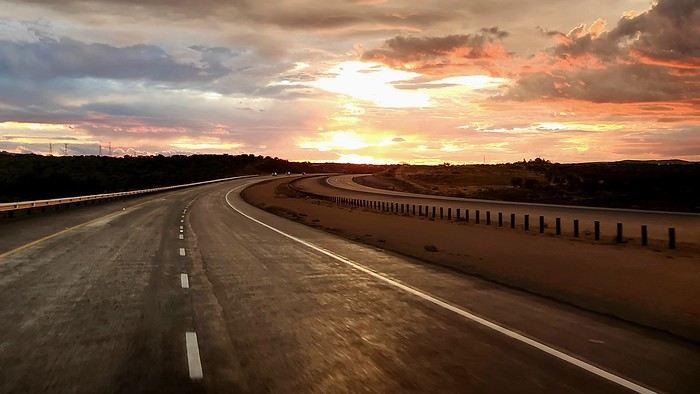
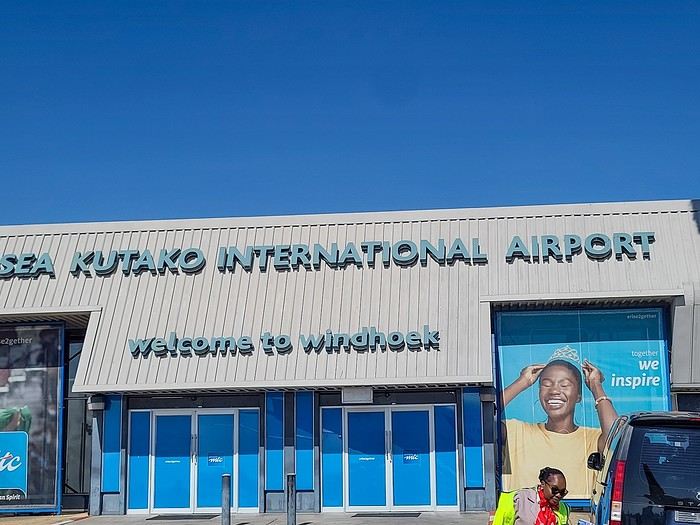
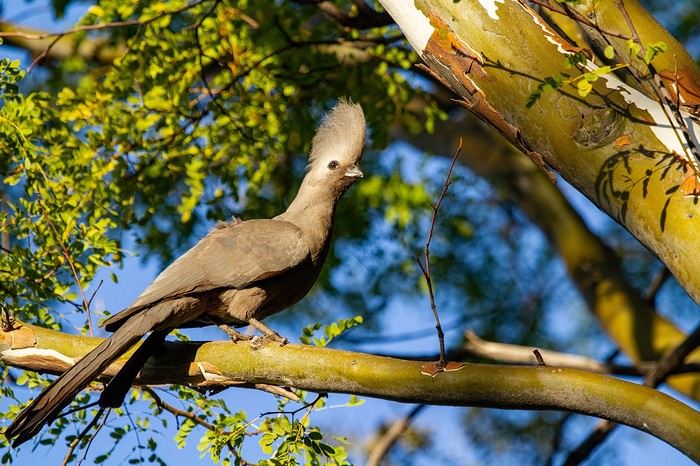
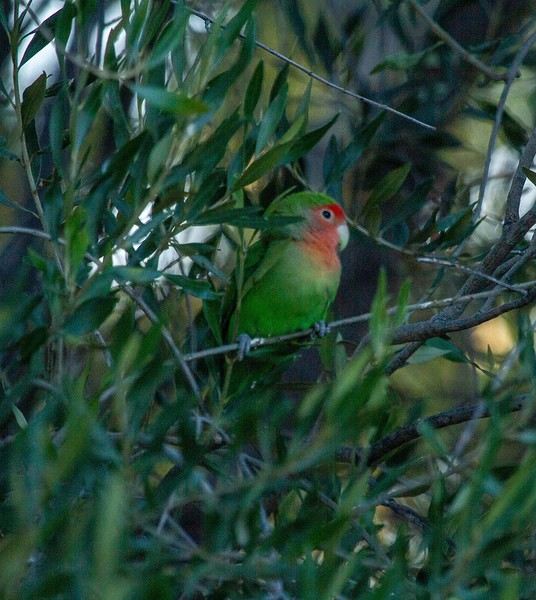

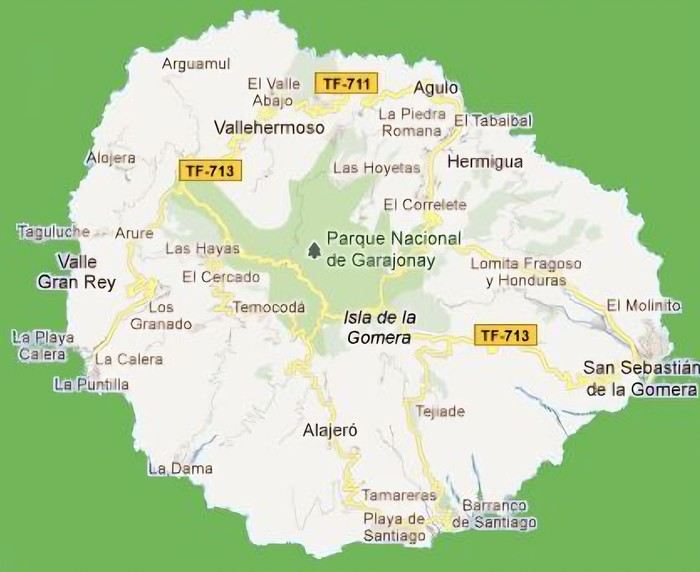 The large solidified magma massifs that shape the heart of the island have created a large depression more protected from the sun at its center, allowing the growth of a vast laurel forest, today grouped within the Garajonay National Park, La Gomera’s green lung, which has earned it the status of a World Biosphere Reserve. Its completely European appearance contrasts sharply with the rocky and tropical landscapes of the rest of the island. Thus, the climate varies greatly from one point to another on the island: in summer, you can quickly go from a dry and sunny valley at 35°C to a humid forest area at altitude at 18°C.
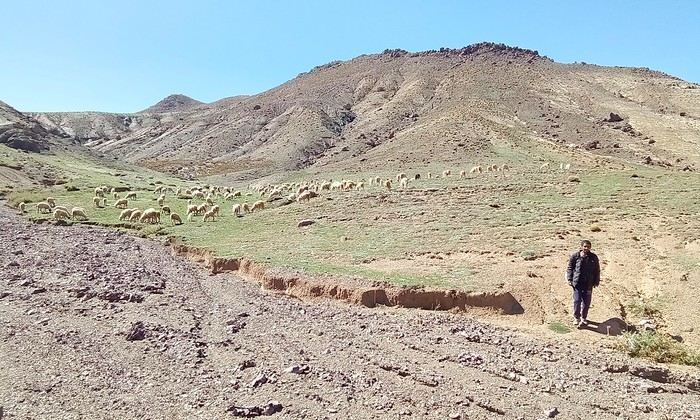
 Last October, we landed in Marrakech to spend a few days with family exploring Morocco’s roads.
Transport: a rented Dacia.
Accommodations: small guesthouses.
Last October, we landed in Marrakech to spend a few days with family exploring Morocco’s roads.
Transport: a rented Dacia.
Accommodations: small guesthouses.
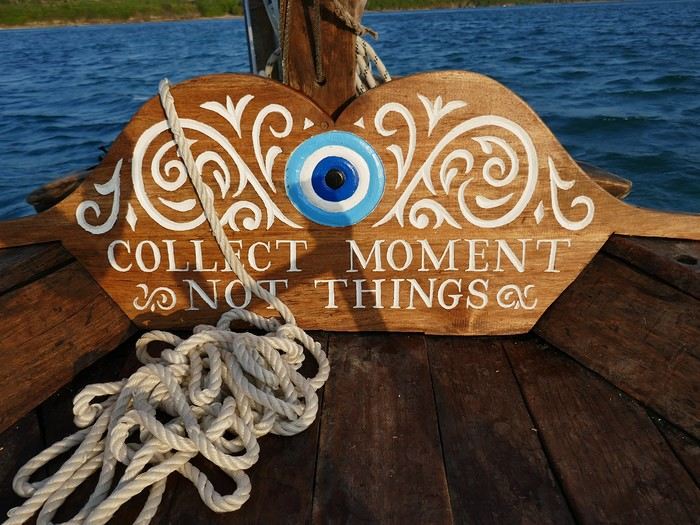
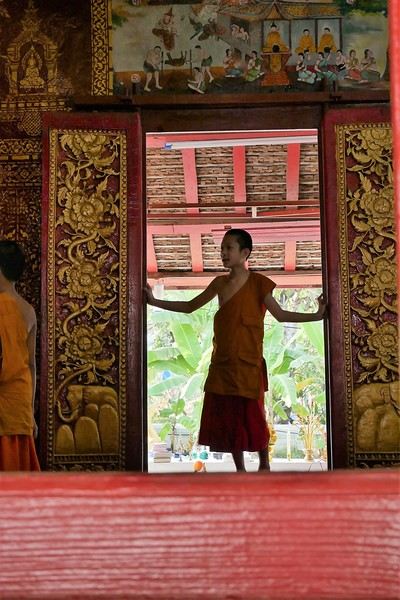 Come along, I'm taking you to this country where it's so nice to wander and slow down...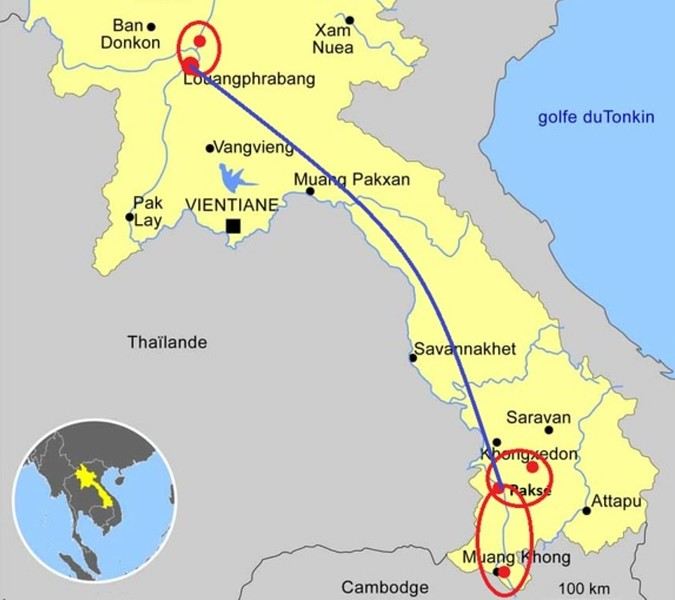
 I’m inviting you on a stroll through my drawings—a completely subjective, far from exhaustive, and totally personal take, since it’s based on my own sketches. I put this travel journal together after returning in late 2024, mostly using felt-tip pens and pencils, with a few collages thrown in. I worked from our personal photos.
 And in Kyoto, Nishiki Market:
 Roundabouts are particularly interesting because they feature emblems of Turkmen culture, like the dog, a carpet, the Ahal Teke horse, or Muslim symbols, even though the presence of Islamic artifacts is quite limited.

 A little sneak peek?