Cette année, Claire (my love d'amour à moi) et moi même, avons fait un roadtrip dans le nord ouest, bien moins prisé du tourisme de masse que le Sud ouest (qu'on adore soit dit en passant)(Et si on met à part Yellowstone😏).
Et c'était vraiment génial, grandiose, les superlatifs me manquent... j'ai pas les mots... enfin... si ... il va falloir pour faire ce carnet !
J'en profite pour faire les traditionnels remerciements aux forumeurs qui auront pu m'aider pour l'élaboration de ce roadtrip, je vous adore 😉
Bon, va falloir se lancer dans la prose, vous aviez bien aimé mon CR de l'an dernier en Californie, on va essayer de faire au moins aussi bien 😛, enfin, pas pire quoi ! voyageforum.com/...embre-2017-d8309811/
Donc au programme de ces 3 semaines de juin 2018:
- Olympic National Parc
- Seattle
- North Cascades National Park
- Winthrop
- Spokane
- West Glacier
- East Glacier
- Yellowstone
- Cody
- BigHorn Canyon
- Devils Tower
- Sturgis
- Badlands National Park
- Mount Rushmore
- Cheyenne
- Fort Collins
- Denver
- Maison (Orgie de Camembert et saucisson)
Donc, vol AF Montpellier Paris sans encombre, en une heure j'ai eu le temps de saouler qu'une hotesse...
Petite attente à CDG, le temps de faire les duty free et de perde mon passeport dans un magasin... je vous dis pas le stress, on a fait chier tous les employés d'un magasin pour retrouver mon passeport qui était en fait ... dans la poche intérieure de ma veste... ouai ... bon ... fallait bien que je me fasse remarquer 😊
Bref après ce petit intermède un rien émotionnel, petite détente devant notre bus Delta
Vol sans encombre de 10h à parler avec tous les PNC car les films étaient pas terribles, bien fait pour eux ! 😏
Bref, là t'arrives à Seattle le cul en forme de siège de classe éco, t'as juste envie de fumer une clope (même 10) ( Le tabac est dangereux pour la santé) et là, pas de bol, t'arrives en même temps que plein d'autres avions à l'immigration ... naaaannnn pas encore ça... ben si !
En plus je pensais avoir droit à des bornes , mais une employée nous rabat tous dans un coral à bétail qui mettra 2h30 avant que nous arrivions devant l'officier qui te parle comme si t'avais vécu toute ta vie aux USA et que tu parles le slang comme lui... ptain moi qui ai prit des cours de perfectionnement pendant 3 mois avant de venir, il m'a pété le moral en moins de deux, même Claire qui comprend super bien , elle a capté autant que moi 🏴☠️... limite ses lèvres bougeaient même pas... un ventriloque le type !.. J'imaginais le cas inverse où un Américain qui a prit des cours de Français, serait reçu à Paris par un gars de la police des frontière qui parle comme dans les chtis VS les marseillais 😄. Bref, heureusement , la confiance est vite revenue car on comprenait très bien les autres !
On est enfin passé, et là tu te rends compte que à coté t'avais un espace avec des bornes automatiques ... AARRRGGHHH !
Bon bref, on sort de l'aéroport, vite une clope... et là partout dans la rue , des interdictions de fumer de partout ! partout à perte de vue... les boules... On prend le shuttle Avis et on fumera aux loueurs... Pareil aux loueurs... NAAAANNNNN ... Je demande désespéré au gars du guichet où on peut fumer... le gars trop cool nous a accompagné au fond du parking derrière un panneau , il nous a dit, vous pouvez fumer ici, personne vous verra... tain, trop l'impression de fumer une clope dans la cours du collège à esquiver le regard des pions...
Bref... une fois la dose salvatrice de nicotine ingurgitée, on prend possession de notre carrosse, une Toyota Corolla toute neuve... et c'est l'heure d'aller jusqu'à ... Port Angeles à 3h de route ... Oui j'ai voulu faire le warrior à taper 3h de route à l'arrivée ... en fait je le conseille pas 😏
Bref au bout de cette route qui nous a paru interminable vu notre état de fatigue avancé (les trentenaires ça tient plus la route de nos jours) on arrive à Port Angeles, checkin à l'hotel, on lutte pour pas dormir, on sort chercher un burger dans un drive (super bon soit dit en passant) et extinction des feux, on est en place, le voyage commence demain avec la première journée à Olympic 😎
Je vais suivre avec grand intérêt ce carnet qui commence sur les chapeaux de roues !
Après 4 roadtrips aux USA et 19 Etats visités, nous sommes sérieusement accros et je commence à réfléchir au prochain, surement pour l'été 2022 !
Premier jour,
Au programme : Hurricane Ridge et Sol Duc Falls
Premier petit dej du séjour, je me jette sur les céréales Froot Loops interdites en Europe pour cause de trop de "E machinchose" dedans... il y a même une machine à pancakes automatique, une tuerie, je veux la même à la maison !
Bref, on va d'abord en bord de mer histoire de voir où l'on se situe, même si on le sait bien sur Maps, ça fait plaisir de voir le Canada avec l'ile de Vancouvert juste en face
Et Olympic National Park juste derrière :
On prend la route vers la montagne, et au bout de quelques miles de montée, on arrive à Hurricane ridge, on est en juin, il caille sévère, mais en même temps si on voulait du chaud on serait allé aux Bahamas !
On commence notre balade et en marchant il fait bon, le cadre est magnifique et ça fait du bien de se dégourdir les pattes après une journée en triple 7.
On ne croise pas grand monde, ça change des parcs nationaux du sud ouest !..
Ha si... ça bouge par là...
On a été gaté niveau faune, biches, marmottes, écureuils, oiseaux chelou... on aurait dit une boule de bowling avec des plumes qui courrait se planquer dans les fourrés... Tétras nourrit au MacDo ?
Le paysage est spendide, c'est vraiment sympa de contempler le Pacifique les pieds dans les névés de neige. Sur la photo le Pacifique et l'ile de Vancouvert se confondent avec le ciel.
Vraiment une balade sympa, je recommande.
Il est temps d'aller dans le coin de Sol Duc
Le décor est différent, on passe de la montagne dégarnie à la forêt, on se sent vraiment petit au milieu de ces immenses résineux, c'est pas les séquoias de Californie mais la magie opère.
Après une petite marche enchanteresse à travers bois, nous arrivons aux Sol Duc Falls
Le chemin s'arrête aux chutes, on continuera un peu le long de la rivière en amont histoire de profiter , puis retour au départ du trail.
Direction le motel à Forks, la ville de twilight (je suis pas un fan de la série mais c'était marqué partout, en tout cas on aura pas vu de vampires)
On mangera dans un snack bien dans son jus à l'entrée de la ville, et une fois repus, retour au motel, où il y a de drôles d'émissions culinaires à la TV... ça dit à quelqu'un la recette des cupcakes licorne ??? (smiley vomis)
Bon, j'ai vite mit Discovery car la Maïté Américaine allait me faire rendre mon mushroom burger !
Fin de la première journée, à demain pour Ho Rainforest 😉
Haaaa j'en rêvais ce cette forêt humide du nord Pacifique, alors Ho Rainforest n'a pas vraiment de "but" au bout des trails, l’intérêt étant la forêt humide en elle même, chaque détour de chemin cache une surprise, on se croirait au pays des trolls (les vrais, pas ceux sur internet)
On fera tous les trails du secteur, qui sont assez courts et plats.
C'est une symphonie de verts, du plus foncé au plus flashy, je plains les daltoniens 😉
Grosse pause au bord de la rivière, non loin d'un groupe de cervidés, à profiter de l'instant, on est bien !
Une excellente matinée passée à flâner et se poser dans la nature, nous ne croiserons que peu de personnes, un endroit vraiment magique qui vaut la peine d'être visité.
La Push est une ville d'Amérindiens , assez petite, un seul resto et aucun commerce, mais ses plages sont vraiment magnifiques, ça nous change du bac à sable de Palavas où nous habitons !
Nous avons mangé notre pique nique sous l'oeil convoiteur de dizaines de goélands, là par contre, ce sont les mêmes que chez nous 😄
Plage de la ville :
Le port:
Au nord et au sud de la ville, se trouvent d'autres superbes plages pour flâner
Certaines demandent de traverser une forêt puis un mikado géant 😏
Une bonne après midi à déambuler sur ces plages insolites, il y a tellement de curiosités à voir, c'était un régal.
Retour au motel pour siffler mes Bud, la suite demain 😉
Je saute dans la voiture pour faire le voyage. Cool en plus il y a de la Bud 😉
"Si partir vivre ses rêves remplit l'âme, les partager après les avoir réalisés la grandit"
"Qui veut apprendre à se connaître commence par explorer le monde"
Je suis aussi ton périple avec attention. J'ai pris mon billet pour Seattle le 1er juillet 2019 pour 24 jours, donc je suis hyper intéressée par ce que tu as pu découvrir dans cette grande région du nord ouest USA.
Bonne année
Ouest Américain septembre 2011 ==> https://voyageforum.com/v.f?post=3694350;page=unread#unread
Hello Céline,
T'as bien fait de commencer par Seattle, l'état de Washington est une superbe découverte d'ouest en est, j'espère réussir à relater au mieux la suite du périple :)
D'un coté, j'avais pas bien le choix, une très bonne amie vit là bas. C'était OBLIGE de débarquer à Seattle sous peine d'être lynchée par ma pote lol.
Le seul inconvénient, c'est que c'est un A/R de Seattle, je suis également obligée de faire une boucle.
Ouest Américain septembre 2011 ==> https://voyageforum.com/v.f?post=3694350;page=unread#unread
Et bien le hasard fait bien les choses, pour être allé aux 4 coins des USA , je te garantis que ce coin mérite d'être visité, il y a tellement de choses à faire et à voir, sur les 3 semaines du roadtrip on a passé une semaine complète dans l'état de Washington, et après coup, c'était vraiment pas assez ! Olympic mérite d'y rester 5 jours, Seattle 2 jours (super ville), North cascades 2 jours, Spokane 1 journée, Tacoma une journée, et j'ai dû faire une croix sur le Mont Rainier car il fallait faire un choix... Tu peux passer 3 semaines dans l'état de Washington sans t'ennuyer, en plus avec ton amie t'auras une meilleure immersion pour les sorties en ville, c'est cool !
3ème jour, Forks > Tacoma en passant par Ruby Beach et Lake Quinault
Il est temps de quitter notre motel de Forks, en route pour Ruby Beach
Sur la route, nous suivons une 2 chevaux 😄
Arrivés à Ruby beach, nous prenons encore une bonne claque 😮
Terre en vue !
Après quelques pâtés de sable nous reprenons la route en direction du Lac Quinault.
Le lac Quinault est dans une réserve indienne du même nom, 90% des berges sont privées, très peu d'accès au lac, pas grand chose à voir où à faire 😕
Claire a vraiment un chéri qui envoie du bois ! 😛😏
Nous poursuivons la route vers Tacoma en passant par Olympia, petit stop au capitole , et arrivée à Tacoma.
Là je me rends compte que je n'ai pas pris de photo d'Olympia et Tacoma... par contre on les verra sur la vidéo du roadtrip que je publierai à la fin 😎
Tacoma c'est vraiment sympa, architecture en briques et des rues avec un dénivelé rappelant San Francisco, on a voulu visiter le musée de l'automobile, mais ça fermait à 5pm... pff pire qu'à la poste !
Du coup on part trouver un outlet au nord de Tacoma faire du shopping, car le reste du séjour ça va être plus compliqué ! Et pour moi c’était l'occasion de faire mon shopping annuel 😛
Nous sommes au Best Western Plus de Tacoma, il y avait plein de groupes de mamies partout avec des badges, du coup je leur demande ce quel est cet événement, elle nous disent que c'est une conférence annuelle d'un club de botanique, ouai, tu parles, elles sont là pour faire la fête sans leurs bonhommes en vrai ! 😄
Le soir, à deux pas de l’hôtel on trouve une galerie pleine de petits bouibouis pour se restaurer, un peu comme une agglutination de foodtruck, mais en dur, le choix est dur, tous les thèmes ont l'air bons, mais notre choix se porte sur le Mexicain, c'était délicieux, ça change des burgers, ils tenaient ce mini resto à deux, mari aux fourneaux, femme à la caisse, super sympas, on a parlé un peu avec eux car on était les seuls clients, un bon moment de passé 🙂
Bonjour Romain,
J'ai commencé à te lire. Le Northwest, c'est notre destination de l'été prochain !
Mais notre voyage sera bien différent : on va démarrer par Olympic aussi, mais nos chemins vont se séparer dès le Lake Quinault (ensuite on descend sur Longbeach, Astoria et Cannon Beach avant de poursuivre vers Bend).
A propos du lake Quinault, tu n'as pas trouvé le coin intéressant d'après ce que j'ai lu... J'ai pourtant noté des choses à y voir : la boucle qui part du lodge avec les Bunch Falls, le Kestner Homestead trail et surtout la Quinault rain forest... Bon on verra bien, de toute façon on dort sur place !
A plus pour la suite !
A vrai dire pour l'instant on a rien programmé, tout ce que l'on souhaite faire c'est ce rendre à Yellowstone qui fait parti de notre bucket list à toute les deux. On veut également passer le 4 juillet chez elle en mode 100% américain !
Ouest Américain septembre 2011 ==> https://voyageforum.com/v.f?post=3694350;page=unread#unread
Eh ben quel départ rock'n'roll 🙂. Et que dire de l'arrivée avec 2h1/2 d'attente 🙁 3h de route à l'arrivée why not mais mieux vaut dormir un minimum en vol. Ah la virée shopping est un incontournable pour moi aussi. J'étais allé au Seattle premium outlet au Nord de la ville et comme d'habitude il y a toujours des Levis, chaussures et vêtements à ramener à de super prix.
"Si partir vivre ses rêves remplit l'âme, les partager après les avoir réalisés la grandit"
"Qui veut apprendre à se connaître commence par explorer le monde"
Bonjour Peggy,
En fait le stop au Lac Quinault était juste une étape sur la journée de route, je me suis pas renseigné sur les activités et trails à y faire car c'était juste pour y passer une heure, je suppose qu'en se renseignant, oui il doit bien y avoir des choses à faire !
Hello Céline, Ha ben oui Yellowstone, incontournable, c'était aussi l'axe central de notre roadtrip ... mais au final ça ne restera pas notre meilleur souvenir... mais ça c'est 100% subjectif... à suivre 😉
Ouai les 3h de route à l'arrivée étaient pénibles mais on ne s'est pas mis en danger non plus, c'était un choix stratégique pour mieux profiter du lendemain et pour ne pas s'endormir trop tôt. Au final je ne regrette pas, mais c'est pas non plus un truc que je conseillerai 😏
Les Levis c'est toujours les 2 pour 80$, ça fait le fait à 40$, soit moins cher qu'un jeans Celio, les Converses à 50$, c'est mon rituel annuel 😄 C'est là que tu te dis que les importateurs et taxes se gavent !
ah bah je veux bien savoir quel parc t'a fait ressentir le plus d'émotions !
Car quand j'ai fait le sud ouest américain, il y a quelques années tout le monde m'avait dit tu verras tu vas kiffer Bryce Canyon, c'est génial, super, bref plein de superlatifs et enfin de compte je n'ai rien ressenti pour ce parc, il est beau certes mais transcendant. Au contraire de Zion, Yosemite et Canyonland, où j'ai ressenti plein de trucs différents mais toujours dans le positif. J'étais admirative devant tant de beauté et d'authenticité, c'était incroyable.
Ouest Américain septembre 2011 ==> https://voyageforum.com/v.f?post=3694350;page=unread#unread
Par définition la déception vient de la différence entre l'expectation et la réalité, je crois donc qu'on avait tellement attendu de Yellowstone qu'au final on ne pouvait qu'être un peu déçus, attention, je ne dis pas que c'est nul, le parc est absolument grandiose, c'est juste un effet psychologique qu'on a eu, c'est pour ça que j'ai précisé que c'était un ressentis subjectif... mais je donnerai plus de précisions dans le carnet quand on sera à Yellowstone 😉
Ptit dej avec les traditionnelles machines à gaufres qu'on trouve régulièrement dans les hôtels
Et on prend la route pour Seattle,
Il fait beau, on voit très bien le Mont Rainier à droite de la highway, ça a l'air grandiose.
Plus nous nous approchons de Seattle, plus le trafic se densifie, normal aux heures de pointe.
Nous finissons par arriver au quartier de Pioneer Square
Et là , magnifique, je ne m'attendais pas à ça , nous sommes agréablement surpris par ce que nous voyons.
Un quartier à l'échelle humaine avec une architecture en brique de la fin du 18ème, d'habitude la "ville" me stresse, mais là , nous sommes détendus et souriants.
Nous commençons par le musée "Klondique Glodrush" que je voulais absolument voir car je fais de l'orpaillage loisir. L'histoire de ces gens qui ont tout quitté au péril de leur vie avec leur seul espoir de faire fortune me passionne, même s'il on sait bien que les seuls qui ont fait fortune dans ces ruées... sont les vendeurs de pelles !
Pour info ce musée est gratuit, très bien fait , et pour ceux dont le sujet intéresse, c'est chargé d'émotions
Nous poursuivons la balade dans le quartier
Après l'exploration de ce charmant quartier et l’absorption de cafés frappés du Starbucks, nous allons désormais au célèbre marché
Bon, depuis le début du trip on cherchait où se cachait la masse de touristes car on était bien tranquille jusque là... ça y est, on les a trouvé ! Ils sont tous là 😏
Ceci dit j'ai une grosse envie de King crab, c'est décidé, ce soir on va en manger !
En attendant on se cale une dent creuse avec ces minis Donuts
On joue des coudes dans les couloirs du marché où se retrouve les touristes de toutes les nationalités, puis je trouve un truc qui me donne faim... Une bonne tranche de King Salmon avec de la vraie salade... que ça fait du bien ici !
Bon je vais vous épargner les photos classiques du coin qu'on retrouve sur tous les carnets à Seattle...
On part voir la Space Needle... Ou Space Noodle comme dirait Claire !
En bon touristes, nous ne pouvions pas couper à la Space Needle, construite pour l'exposition universelle dans les années 60
L'entrée est super chère, de mémoire aux alentours de 44$ par personne, mais comme le dernier étage est en travaux et qu'on ne peut accéder qu'à la moitié de la terrasse d'observation... ils font une généreuse remise de ... 2$... vous êtres trop bon messire ! Bref, l'ascenseur montera plus vite une fois allégés de 84$
Mais bon, on est là, c'est un truc à faire, et la vue est spectaculaire
Encore plus avec nous en premier plan 😄
Après une vingtaine de minutes nous redescendons, on ne regrette pas, c'était cool
Le célèbre musée de la pop music
On déambule dans le coin, on se posera boire une mousse dans un hall de restauration, puis c'est déjà la fin d'après midi, on décide d'aller se poser un peu à l’hôtel au nord de la ville..... Quelle bonne idée aux heures de pointes... ça rappelle L.A !
Une fois posés à l'hotel (longtemps après) je cherche sur internet un resto pour manger du king crab (oui celui qui m'a fait un clin d’œil au marché à midi)
Et mon dévolu se porte sur le Crab Pot , au Pier 57 www.thecrabpotseattle.com/seafeasts
Une fois sur place, il y a presque 1h d'attente, on donne nos noms...mais pas moyen d'attendre devant, on va faire un tour sur les piers en attendant
Alors pour la petite anecdote, Claire mérite vraiment sa place au Hall of Fame des meilleures chéries du monde ... SAUF... quand elle a faim ou qu'elle est fatiguée...là depuis qu'on a quitté l'hotel il y a les deux ... c'est donc avec cette humeur menstruelle qu'on a fait notre tour 🏴☠️
Au bout de 45min on décide de retourner devant le resto, et pile quand on arrive devant, ça crie notre nom... nickel, à taaaaableee
On choisi le plat "The Alaskan", un mix de crabes et coquillages.
Le serveur arrive avec notre plat dans les mains, fait de la place sur la table... et renverse volontairement le plat à même la nappe ... on se retrouve avec un gros tas de seafood sur la table... bon app' !
Claire retrouve instantanément le sourire 😄
On s'est régalé ! le King crab est une tuerie, en plus Claire se régalait avec son marteau en bois, limite psychopathe ... des morceaux giclaient chez les voisins en tapant au marteau et vice versa, c'était bien fun ! Un super moment passé
Retour à l’hôtel, on a été agréablement surpris par Seattle qui est vraiment une superbe ville, un vrai coup de coeur, en plus sous le soleil !
Seattle ne fait pas l'unanimité mais perso j'aime bien cette ville. Certes il n'y a pas de quoi y rester une semaine mais quelques jours permettent de voir les principaux spots. Etant féru d'aviation il y a notamment 2 musées très intéressants. Tu n'es pas allé au museum of pop culture que tu as photographié ? Le sky view observatory (le + haut building au dessus de ta tête sur la photo à space needle) permet également de superbes vues (22$).
"Si partir vivre ses rêves remplit l'âme, les partager après les avoir réalisés la grandit"
"Qui veut apprendre à se connaître commence par explorer le monde"
On a pas été plus attiré que ça par le musée pop... si on a avait eu plus de temps on serait par contre allé voir les musées d'aviation parce-que ça, ça me botte bien.
Mais j'avais prévu qu'une seule journée à Seattle car en général on est pas trop dans notre élément dans les villes, du coup on a vu le strict minimum durant cette journée et on ne regrette rien. 😉
Cette année on va en Floride, du coup passage obligé par Cape Canaveral 😎
En 1 jour à Seattle c'est sûr il faut faire des choix.
Cool la Floride mais dans un autre style. Si tu as la chance d'être au Kennedy space center lors d'un lancement c'est top (voir leur site). J'y étais l'été 2011 et ai assisté au lancement d'Atlantis depuis le pier de Cocoa beach et c'était top.
"Si partir vivre ses rêves remplit l'âme, les partager après les avoir réalisés la grandit"
"Qui veut apprendre à se connaître commence par explorer le monde"
Ouai je veux bien te croire que ça doit être extraordinaire de voir un lancement de fusée, je viens d'aller voir le calendrier mais il y en a juste un en janvier et un en juin 🤪
Aujourd'hui c'est retour dans la verte après cet intermède citadin, avec North Cascades National Park.
Vous allez me demander pourquoi j'ai choisi ce parc au lieu de Mount Raimier National Park... Et bien je sais pas trop , fallait faire un choix, j'en ai fait un ! Je crois que c'était le fait que personne ou presque n'en parle, j'avais envie d'aller y faire un tour et qu'on soit tranquille !
On part tôt de notre hôtel au nord de Seattle, direction le Nord par la Highway, en chemin Claire a envie d'aller au Walmart, et ce que femme veut...
Une fois le ravitaillement fait, nous reprenons la route,
et peu avant le Canada, nous prenons vers l'est, la route change et devient de plus en plus verte, nous finissons par arriver au visitor center histoire de prendre une carte du parc.
Le parc est immense en fait, mais comme on y fait que passer, nous ne nous éloigneront pas trop de la route qui nous mène à l'est, ce qui ne nous empêche pas de faire plusieurs petites balades et un trail.
Alors que dire de cette journée passée à North Cascades NP ?
Et bien c'est un joli parc bien charmant, certes peu dépaysant au regard de nos paysages Alpins, on est loin de Yosemite, mais ça plaira à tous ceux qui sont en quête de tranquillité, de jolies balades, de superbes aires de camping en pleine nature...
Il est certain que Mount Rainier aurait sans doute été plus spectaculaire, mais on ne regrette rien, c'était bien reposant !
Nous arrivons à notre hotel à Winthrop, et là pfiou, jackpot, une superbe chambre de plain pieds sur la rivière avec vue sur les oiseaux, écureuils et biches !
Pour info, je le recommande fortement :
River Run Inn
27 Rader Road
Winthrop
WA 98862
Et nous allons manger en ville à 1 mile de là
Et là bonne surprise, toute la ville a des façades en bois style ancien, c'est kitsch mais trop mignon !
Roulé à la cannelle pour une personne... Merci les doggies bag !
Allez, il est temps d'aller digérer tout ça au lit !
Pour ma part je préfère la Coors du Colorado, ,, mais c est mon choix, ,et je confirme, pour l avoir visité , ,, le Nord Ouest, ,, avec cette partie du Pacifique sauvage et cette foret humide, , c est vraiment magnifique, ,, ,juste dommage, vous avez zappé le Mont Rainier et le mon St helens, ,, ,
mais je vous suis avec plaisirs
André
Bonjour André,
Ouai je regrette aussi de ne pas avoir visité Mount Rainier et St Helens, mais comme je disais, il fallait faire des choix, le planning était déjà bien cahrgé pour ces 3 semaines ! Ce sera l'occasion d'y retourner 😇
Bonjour
Nous c était le lake Chelan, ,qu on a pas eu le temps de voir, ,mais comme tu dis ça sera l occasion pour un autre voyage, ,, ,, j attend la suite, et le compte rendu du Park du Glacier, ,, ,et de la traversée de l IDAHO????? un état qui est resté bien sauvage, ,, et que j avais bien aimé également
André
Aujourd'hui une bonne matinée de route et visite de la ville de Spokane
Je sais pas vous, mais pour moi la route est tout aussi intéressante que les points d’intérêts, je me régale toujours autant à me faire surprendre au détour d'un virage, d'une nouvelle curiosité, un changement de paysage, un animal qui passe, une voiture ou camion hors norme que l'on croise, discuter avec les locaux pendant les pauses... bref, toujours un émerveillement de faire de la route aux USA ! Les photos ne relatent pas ces moments et pourtant ce sont des temps forts des voyages 😉
Grand Coulee Dam
356000ème burger du voyage 😄
Et nous arrivons à Spokane.
C'est vraiment une grande ville, mais à taille humaine, très peu de hauts bâtiments, et surtout un immense et superbe parc au coeur de la ville, avec des cascades impressionnantes en cette saison de fonte des neiges.
Il fait beau et chaud, après cette longue promenade, on se posera un peu sur une pelouse à profiter du moment, puis en fin d'après midi, nous gagnons notre motel.
Ensuite nous ressortons en début de soirée, dans un bar où j'ai repéré un concert country sur internet ! cool ça va être super !
Le bar est sympa, mais il y a pas grand monde, en même temps on est arrivé 1h avant le concert.
On se sustente en attendant, puis je choppe le serveur et lui demande quand commence le concert... là il me répond que finalement le chanteur ne viendra pas et que ce sera soirée karaoké à la place... ho cette arnaque 😏
Claire est trop timide pour chanter en public... En même temps vu le peu de monde et les casseroles qui se sont produit, elle fini par accepter 😄
On choisira Johnny Cash "ring of fire" et Jon Pardi "Head over boots"
On aura bien rigolé et discuté avec les locaux présents, bref finalement une bonne soirée en immersion locale 😉
Finalement pour une journée d'étape où rien n'était prévu, on s'est bien amusé et ça restera dans les meilleurs souvenirs du voyage 😉
Encore une journée d'étape sans rien de prévu à part la route...
Nous quittons Spokane et bientôt l'état de Washington pour une courte traversée de l'Idaho
Le premier stop se fait chez un "Antiques" en bord de route, ça me faisait vraiment penser à l'émission "American Pickers" ... Mais j'avais une idée derrière la tête...
Ouaiiii il a des plaques d'immat' d'occasion, à 3$ pièce, on va pas se priver ! J'ai mon petit rituel, c'est à dire ramener des plaques d'occasion aux couleurs des états qu'on traverse 😛
Ensuite on continue la route, très nature, très boisée...
Puis envie d'arrêt pipi en bord de forêt... cool , même quand tu fais tes besoins il y a des trucs à voir 😄
Nous sommes désormais dans le Montana, je cherche un magasin de chasse et pêche...
Là bas ça manque pas, hop on s'arrête
Je prends la carte de pêche pour 2jours non résident à ... presque 50$, purée c'est un truc de dingue, l'an dernier en Californie à ce tarif j'avais 10 jours !
Et le plus dingue, c'est que le lendemain à Glacier, j'apprendrai que la pêche est gratuite dans le parc 🏴☠️
Sinon c'est ironique de voir une rangée de fusil et juste au bout les bouteilles d'alcool 🏴☠️
Bref, on est aussi venu pour prendre un bear spray car autant les ours noirs ça me semble gérable, autant les grizzly ont la réputation d'être un peu moins prévisibles...
Nous arrivons à notre Motel à West glacier, puis je boue d'impatiente d'aller faire quelques lancers dans la rivière à coté... je trouve un endroit où s'arrêter au bord de la route sur google maps, la descente à pieds à la rivière est sportive car extrêmement raide, obligé de s'accrocher aux arbres sur 200m !
Et arrivés au bord de l'eau, je vois un débit vraiment impressionnant, en même temps c'est la fonte des neiges, ça va pas être facile à pêcher.
Mais avec une bonne lecture de l'eau, je sortirai quelques rainbow trouts d'un contre courant, où elles retourneront toutes grandir.
Le grand air ça creuse, et il faut prendre des forces pour demain à West Glacier
Aujourd'hui au programme, visiter la partie Ouest de Glacier National Park... sans avoir prévu à l'avance les balades.
Il pleut 🙁, nous arrivons au visitor center pour prendre une map du parc pour voir les balades à faire, la pluie se calme un peu, nous longeons le lac MacDonald et première halte au Lake MacDonald Lodge... qui a des airs de Tyrol !
Puis nous faisons un premier trail à "fish lake", ça doit être bien pour pêcher ça ^^
Le trail est sympa dans la forêt, à un croisement, on ne sait pas où prendre, c'est très mal indiqué... ho c'est marrant il y a des poils d'ours sur ces arbres ! (Là Claire est pas sereine 😏)
Puis on arrive au bord de la rivière (ouai on a pas tiré au sort le bon chemin 😄)
Pas grave, c'est magnifique, je décide pêcher 10 minutes
Bon il faut se résoudre au fait qu'il y a trop de débit dû à la fonte des neiges, c'est pas là que je verrai une écaille !
On retourne au croisement où on s'était trompé, pour enfin tomber sur fish lake... qui porte pas très bien son nom... c'est juste une mare en pleine forêt , remplie de troncs et de végétation 😕.
On décide donc d'aller faire le trail d'Avalanche Lake, bien nous en a pris, c'était magnifique du début à la fin 😎
De retour au départ du trail nous marchons à pieds le long de la rivière aux alentours des chutes MacDonald
Puis nous passerons un moment au bord du lac, avec quelques timides apparitions du soleil !
Il se fait tard, le temps passe vite, et nous avons une bonne heure de route pour rallier East Glacier où se trouve notre prochain Motel, et oui, la Going To the Sun road est encore fermée première moitié de Juin, on doit prendre une route plus au sud.
J'entends déjà les " ho t'as pas pu voir la "Going To the Sun".... Merci de remuer le couteau dans la plaie 🏴☠️
Bref, au bout d'une heure de route nous arrivons coté est de la chaine montagneuse, il fait plus beau, on dirait que la chaine de montagne retient tous les nuages coté Pacifique comme une barrière... ce qui ne nous a pas empêché de prendre une petite averse de neige alors qu'il faisait grand soleil en même temps !!! trop bizarre !
Bref, nous allons poser les affaires au motel et cherchons un resto... ils sont tous fermés sauf un seul, un mexicain, cool, mais une fois sur place c'est blindé de monde... snif
Du coup nous reprenons la voiture pour faire plusieurs miles, et nous trouvons un diner BBQ au milieu de nulle part... c'était un peu space l’ambiance dedans ... On attendra très très très longtemps avant d'être servi, jamais vu ça aux USA !
En attendant, j'ai pu tester toutes sortes de bières locales 😄
Puis retour (tard) au motel.
Et bien pour une première approche du parc de Glacier j'ai trouvé ça super, c'est certain qu'avec du soleile t la Going To the Sun ouverte ça aurait été encore mieux, mais on a prit un bon bol d'air, il y avait assez peu de monde, bref, très bien ! Et il parait que le coté Est est plus beau ! ça promet pour demain !
en effet, il semble bien sauvage ce Park, ,, ,et je note qu au mois de Juin, il y a risque a faire des détours, ,si la going to the sun est fermé, ,
elle était comment ta bière brune, ,, ,surement bonne , non !!!
au plaisirs de lire la suite
André
En fait la Going To The Sun ouvre deuxième moitié de juin en général, on y était un peu trop tôt, mais au visitor center ils passent une webcam de la route en haut, et c'est pas de la mauvaise volonté de leur part, il y avait vraiment une sacrée couche de neige encore !
La route qu'on a prit n'est pas vraiment un détour car elle est plus rapide que la Going To The Sun pour aller d'un coté à l'autre, mais l’intérêt de la Going, c'est le paysage magnifique.
Oui la bière était bonne, mais c'est spécial chez eux avec leur ALE, le goût est différent de ce qu'on trouve en Europe, mais tu dois déjà connaitre.
Aujourd'hui on a prévu de se faire le trail de "Iceberg Lake", les photos sur Google avaient l'air superbes, on veut voir ça en vrai !
Le départ du trail se fait dans le coin de Many Glacier , ça fait une trotte depuis le village de East Glacier où nous avons logé.
Nous voilà au départ sous un grand soleil
Il y a des panneaux énormes mettant en garde sur le gros risque de tomber sur des grizzly.
Nous nous mettons donc en route, je chante des grosses conneries improvisées sur le trail afin de ne pas surprendre d'ours, de toutes façons j'ai le spray à la ceinture, mais si on peut éviter de s'en servir, ce sera mieux pour tout le monde !
La première partie se fait à travers bois, le dénivelé est facile, on profite de la vue tout du long.
Nous faisons une petite pause barres de céréales juste en amont d'une cascade, que c'est paisible, il n'y a pas grand monde...
.Ha si !... qu'est ce que tu me veux toi ?
Nous reprenons notre marche, les arbres se raréfient... le soleil aussi
On s'arrêtera discuter avec des gens que l'on croise... puis l'on entend un grondement inquiétant... PUT***... sur le chemin, 50m derrière nous, une roche plus grosse qu'un ballon de foot vient de traverser à plus de 100km/h à hauteur de tête 🏴☠️
Et nous finissons par marcher uniquement sur de le neige ! nous arrivons au premier petit lac juste avant le grand.
Là il n'y a plus de chemin pour aller à Iceberg lake, la neige a tout recouvert 😕
Du coup on esssaye d'y aller à vue de nez en s'enfonçant, pas moyen de rebrousser chemin si près du but !
On traversera même une rivière sur un tronc en travers, puis on finira par arriver à Iceberg Lake... où 10 mètre avant qu'on arrive à la berge se déclenche une tempête de neige nous aveuglant... Et pis le lac est plus "iceberg" que "lake"... si je veux pêcher il va falloir faire un trou dans la glace 🤪
Bon, on ne peut malheureusement pas profiter du bout du trail à cause des flocons qui nous rentrent dans les yeux, du coup , on redescend, et on retrouvera vite le soleil !
C'était une superbe balade que je conseille vivement, le décor est magnifique du début à la fin, bon on a pas eu de bol avec la tempête de neige au lac, mais je conseille vivement cette balade !!!
Et puis , nous avons eu notre énoooorme surprise du jour, avec près de la route... un jeune grizzly , à une trentaine de mètres... je dis à Claire "viens vite voir, il y a un grizzly" Claire:" Heu non, merci" moi: "allez viens, c'est un petit, et il est vegan, il mange de l'herbe^^" "OK" 😄
Quel moment magique ! (désolé j'avais que mon téléphone à ce moment là et le zoom numérique est dégueu)
On reprend la voiture (tout content) et allons nous balader pépère (Claire est HS du Trail) dans le coin de St Mary, et là grosse claque, la contraste entre certaines montagnes rougeatres, le vert des sapins, le bleu de l'eau, le blanc des sommets... pouaaahhh c'est vraiment magnifique !!!
Alors que dire sur la partie Est de Glacier National park... Et bien on ne m'a pas menti, c'est encore plus beau que le coté ouest, c'est même carrément grandiose, mon seul regret est de ne pas avoir prévu au moins une journée de plus ici 🙁
Sympa la "2 chevaux" 😎 ... pale copie de la notre lol 😛
J'embarque aussi
* 04.2016 - San Francisco (semi marathon) / New York / Washington
* 05.2015 - Chicago + Sud Ouest US -
* 08.2013 - Voyage en famille - Principaux Parcs West US.
* 06.1994 - http://georgesroy.perso.worldonline.fr/usa/
* 12.1986 - 1er Voyage USA (CA / AZ / Nevada / Colorado / FL)
On quitte avec regret Glacier National park, mais c'est pour aller... à Yellowstone ! Depuis le temps que j'en rêve ! Depuis le temps que je dois le supprimer de mes roadtrips dans l'ouest car trop excentré ... Enfin ! Aujourd'hui on va le toucher du doigt (et même des deux pieds)... Mais pour cela, il faut juste traverser l'état du Montana du Nord au sud... ouai c'est pas l'Hérault 😏
La route commence (et perdure) par des lignes droites à perte de vue à travers champs et pâtures
On passera par la très jolie ville de Helena où l'on fera du shopping (Walmart, Target, Antiques pour des plaques d'immat)
A midi, en pleine pampa, on trouvera un espèce de bar en bord de route qui avait l'air un peu glauque de l'extérieur, qui au final était top pour manger, un des meilleurs burgers du séjour
Puis en fin d'après midi, après avoir sillonné les paysages du Montana, nous arrivons à Gardiner, la première mission est d'aller se baigner dans la rivière là où des sources chaudes se déversent peu après avoir passé l'entrée nord de Yellowstone... mais le spot est fermé pour cause de niveaux trop hauts 🏴☠️... Bref dégoutés, on rebrousse chemin vers Gardiner , on fait un arrêt photo à Roosevelt Arch
On mangera à un dinner qui surplombe la Yellowstone river
Puis de retour au motel, qui est en bord de rivière juste en dehors de la ville, je décide d'aller faire quelques lancers dans la rivière en contrebas, les accès aux berges ne sont pas simples, beaucoup d'arbustes immergés, mais je réussirai à sortir 3 truites autochtones (reparties nager) pendant le coucher de soleil.
Voilà pour ce résumé de la journée d'étape, on s'est encore bien amusé... je me répète mais ces journées de route me font autant tripper que les point d’intérêt !
Allez, dodo, demain première journée à Yellowstone 😎
oui, le Montana avec son ciel immense et bien bleu, ,, ,j ai bien aimé aussi cet Etat, ,, ,avec ces montagnes , ces plaines et ces Ranchs, ,, vous avez pas croisé de vrais cow boy!!!!
Si bien sûr que l'on a aperçu des ranchs et cowboys, on se demandait même comment trouver et rassembler le bétail dans autant d'immensité ! Les pâtures sont vraiment démesurées pour un œil Européen !
Certains doivent utiliser de petits hélicos comme en Australie je pense !
Je viens de me régaler et de bien rire en lisant ton début de carnet...
Bravo pour ton récit et ta philosophie de voyage... ce serait trop triste de ne rien apprécier, de faire la tête dès la moindre goutte de pluie ou contrariété alors que c'est une si belle chance de voyager !
Comme toi j'aime tout autant le dinner glauque perdu, les longues routes interminables, les rencontres où on a parfois du mal à se comprendre que les superbes pools de Yellowstone ou la Arches gigantesques de Moab... tout est bon à prendre... même les truites autochtones 😉
Je continue à vous suivre... Merci pour le bon moment !
La liberté, c'est un cadeau qu'on se fait à soi-même - (L.Gauthier)
Merci Mamina pour ton message 🙂
Oui effectivement, plus on va aux USA, plus on a envie de se perdre au milieu des trous perdus où les locaux sont étonnés de voir un couple de Français débarquer, de se régaler des petites surprises du voyage, de garder l'émerveillement malgré la pluie ou la neige, de parler ou boire un verre avec les locaux, voir des soirées ou journées complètes avec eux, ce sont au final les meilleurs souvenirs de voyage, et au final les moments où l'on prend le moins de photos et vidéos, des moments que l'on ne peut pas partager une fois rentré, c'est d'ailleurs ce qui nous a manqué à Yellowstone, parc adapté au tourisme de masse, dont je vais pas tarder à attaquer le récit 😉
Youpi, enfin ! Tellement longtemps que je voulais visiter ce parc ! On y est enfin !
Donc notre périple pour la journée sera Entrée nord par Gardiner, Mammoth Hot springs, profiter des paysages jusqu'à Canyon Village, profiter de la Yellowstone river jusqu'à Lake Village, puis tracer jusqu'à notre cabane à Old Faithfull.
On arrive assez tôt, il n'y a pas trop de monde par rapport à ce que j'attendais à l'entrée et Mammoth.
Ça y est , je peux enfin sentir de mon propre nez cette fameuse odeur sulfurée en provenance des profondeurs ( cette phrase perdrait toute sa poésie si l'on parlait des problèmes gastriques de son voisin)
On passera un bon moment à arpenter cette curiosité géologique avant de reprendre la route.
La route à Yellowstone, parlons en, par rapport à ce que j'ai pu lire des récits estivaux (juillet/aout) ce serait des bouchons un peu partout, en juin ça roulait relativement bien.
Le plus marquant c'est que tu passes ton temps à t'arrêter et remonter en voiture, soit parce-que le paysage mérite un arrêt, soit parce-qu'il y a un attroupement de voiture, signal qu'il y a un animal sauvage dans les parages... et ce fût le cas pour cette maman ours noir et ses deux oursons qui s'entrainaient à grimper dans les arbres 😊
Jusque là nous somme gâtés et le parc tient ses promesses, les bisons sont bien sûr également au rendez vous
Nous ferons plusieurs arrêts plus ou moins longs, et nous arrivons au grand Canyon de Yellowstone, et là, grosse galère pour se garer, les gens sont tous arrivés et devient galère.
On finira par tomber sur une voiture qui part, et nous arrivons au premier point de vue.
Waouh ! C'est magnifique ! C'est le moment de fêter...
Mon anniversaire 😎!
Alors à la base, je voulais partager mon gâteau avec des gens autour, mais la réalité était que les gens autour n'étaient occupés que par la prise de leur selfies et vite repartir à un autre point de vue continuer leurs selfies sans profiter du moment, bref , étant dégoutés des scènes qui se passaient autour, on décide d'aller manger le gâteau dans un bosquet non loin de là.
On descendra le petit trail qui amène à un autre point de vue plus bas, c'est pas tellement long, mais le retour en haut se fait par un sacré dénivelé, et on verra quelques personnes souffrir pour remonter tout ça !
Après ce bain de foule on se posera plus au sud, au bord de la Yellowstone river sous les sapins, Claire se repose et moi je fais quelques lancers, je décrocherai une jolie truite qui n'a pas voulu se faire photographier 😏
On achètera un sandwich à Fishing Bridge, puis on se posera dans un coin désert au bord du lac.
On commence à être un peu claqués, on décide d'aller directement à Old Faithfull prendre possession de notre cabane.
On fera peut être la connaissance de voisins sympa avec qui on pourra passer les soirées comme l'an dernier à Yosemite !
Une fois le check'in fait, on arrive à notre cabane, on voit pas âme qui vive, pas de table en extérieur, pas de BBQ, endroit peu propice aux rencontres, tout est fait pour qu'on aille manger au lodge en contre-haut 😕
Bon tant pis...
Arrive l'heure de manger... bon ben on va au lodge, pas trop le choix...
Là une queue pas possible pour le self... au bout de je ne sais combien de temps on arrive au début du self, on prend notre plateau, on passe trèèès lentement devant chaque plat vu que ça bouchonne... et je ne vois défiler devant moi que des sortes de bouillies informes même pas digne de plat d'hopitaux, vendus bien sûr à prix d'or... on arrive au bout du self, mon plateau est toujours vide... On se regarde avec Claire, un seul mot de ma part "cassos" !!! Bref on pose les plateaux vides après avoir perdu plus d'une heure et on va faire le tour de la zone de Old Faithfull à pieds voir si il n'y a pas autre chose.
Il y a le resto du Old Faithull qui a l'air bien, cher mais bien, je suis prêt à payer pour bien manger, pas comme au self ! Mais resto complet 🏴☠️
On finira dans le fastfood de Old Faithfull, pas terrible, mais faute de mieux...
Et avec tout ça on aura pas eu le temps de voir une éruption de Old Faithfull avant la nuit (pas grave on est là 3 nuits)
Donc bilan de la première journée:
TOP:
-Paysages et animaux à couper le souffle
FLOPS:
-Commodités adaptées au tourisme de masse comme dans un parc d'attraction avec beaucoup de "foutage de gueule".
-Pas propice aux rencontres
-Cantine self à bannir
-La grande majorité des touristes ne voient le parc qu'à travers l'écran de leur appareil photo/vidéo, à la limite ça je pourrais le survoler, à condition que ces même gens ne te manquent pas de respect ! Mais ils adorent te bousculer, parler fort, ...
Donc tout ce qui est naturel est grandiose, tout ce qui est humain est catastrophique en gros !
Je partage ton avis sur Yellowstone. Nous avons ressenti exactement la même chose lors de nos 5 jours en 2015. Trop aménagé, trop fréquenté... C'est évidemment à voir quand même mais quand on aime randonner dans des espaces sauvages et vierges, ce n'est pas le meilleur endroit.....Chaque ressenti est subjectif comme tu l'as bien dit. Beaucoup adorent Yellowstone, d'autres moins. Nous avons préféré l'immensité des plaines du Wyoming ou du Montana.
Ton carnet est plaisant à lire, bien rythmé.
Merci pour le partage.
Merci Julien pour ton commentaire, j'avais l'impression de passer pour un extraterrestre en me relisant par rapport à tous les carnets sur Yellowstone que j'ai lu avant d'y aller. Ce parc est un vrai paradoxe, voir autant de merveilles naturelles dans une ambience aussi artificielle, j'ai du coup moi aussi bien plus préféré le Montana et le reste du Wyoming, plus authentique.
Ceci dit, nous avons quand même passé de très bons moment à Yellowstone, mais ce n'était pas sur les points de vue où tout le monde va.
Bientôt la suite...
Je ne suis qu'à moitié d'accord avec vous car on peut prendre aussi la question dans l'autre sens.
Si rien n'avait été fait pour accueillir autant de monde dans quel état sera le parc et son coté sauvage ?
Et pourquoi la beauté de la nature serait seulement réservée à ceux qui peuvent faire de la randonnée hors sentiers tracés et environnement préparé ?
Mais même dans ce parc si on accepte de marcher un peu, , on se retrouve rapidement seul ou presque.
Bonjour Gilles,
Ben à vrai dire on ne te demande pas d'être d'accord avec Julien et moi, car on a fait part de notre ressentis personnel et j'insiste encore sur la subjectivité de la chose.😉
On a voulu marcher loin de la foule, mais les rangers nous en ont découragé, je vais en parler dans la suite du carnet.
Et nous voilà de retour en France, il est temps de remercier tout le monde pour les conseils pré-départ, et de relater notre voyage de 3 semaines aux US!! Un…
J’ai hésité à faire ce carnet, mais comme toujours, l’envie de partager et de revivre ce voyage est là. Après 3 voyages dans l’Ouest des USA, mon mari avait…
Comment faire pour ne pas repartir sur les routes US lorsqu'on est un passionné de grands espaces, de moto et d'évasion? Si rouler en Europe, pour des…
Avant propos Au retour de notre roadtrip USA 2016, qui nous a amené à traverser 5 Etats de San Francisco à Denver, nous nous sommes immédiatement mis à la…
L'idée de ce voyage a germé à l'hiver 2014 avec le magnifique carnet de Yeahmax. Alors quand est venu le moment de trouver la destination de l'été 2015, j'ai…
Come along, I'm taking you to this country where it's so nice to wander and slow down...
This trip was in 2023, but when I wanted to write my travel journal, VF was still closed to contributions...
So, now that I've just finished my Japan travel journal here, I figured it was high time to honor this destination we came back from so enchanted.
Disclaimer 1: This is a written travel journal. There’ll be text! Too much, for some!
Disclaimer 2: This is an illustrated travel journal. There’ll be photos! Too many, for some!
I have to say, every time I try to discipline myself, to keep it shorter, to include fewer photos... I end up adding more. It feels like my dear Aunt Nicole, who exhausted us with her slide-show evenings in the 70s/80s, decided to take her revenge. The upside for you, readers, is that you can slip away anytime without offending Aunt Nicole. I won’t even notice!
Anyway, since I love maps, here’s one to give you an idea of where I’m taking you. As you can see, we only saw a tiny part of Laos (the areas circled in red); we only had 3 weeks for ourselves (my husband’s newly retired, I still work), and we prefer taking our time over rushing around like crazy.
In broad strokes, it was very classic:
First, we “settled in” at Luang Prabang (8 days), because we wanted and needed to.
From there, we took three days to venture a little further north—not far in kilometers, but as we know, distances aren’t just about km!
Then we flew south to Paksé, letting ourselves drift down to the 4,000 Islands while stopping by the pre-Angkorian archaeological sites.
We wrapped up with the Bolaven Plateau.
A few practical notes: We arrived via Bangkok, then took a Bangkok-Luang Prabang flight, having picked up our luggage in Bangkok to check it in for Luang Prabang. No issues—the Bangkok airport, which many of you know, is very well organized.
We got our visas on arrival in Luang Prabang. Quick, but to be fair, we were on a “small” plane, and the big flights had arrived earlier, so we weren’t too crowded in line!
At the end of our trip, we didn’t fly out of Paksé but from the nearby airport in Thailand, Ubon Ratchathani (a 2.5-hour drive from Paksé), then Bangkok and Paris.
You’ll notice we skipped Vientiane to stay longer in Luang Prabang. That said, there’s now a high-speed train between Vientiane and Luang Prabang—good to know—and soon the (Chinese) train will go all the way to Bangkok and even Kuala Lumpur!
With that intro out of the way, let’s dive into the heart of the matter.
To be continued: Slowing down the pace... in Luang Prabang
When we started looking for a summer destination a few months ago, our first criterion was to avoid extreme heat and heatwaves. We had already been to Norway two years ago and are considering going back in the future for other occasions. So, we had some fun asking ChatGPT which destinations enjoyed a mild climate during the summer without going too far. Among the list provided by the AI were the Canary Islands... The idea of a place we wouldn’t have thought of first, both not too far away and exotic enough, appealed to us: “Hmm, why not?”
This destination had never really attracted me, though Magali was a bit more interested. Five years earlier, COVID had caused a short break in my professional activity, and I had planned a trip because the flight price was attractive, and I was looking for a destination different from what usually appeals to me, more than out of deep interest. From a distance and with a social judgment I acknowledge (it’s not great, but it’s not completely wrong), I had the image of a destination for party-goers enjoying the sun without the slightest interest in local culture, with concrete coastlines and denatured landscapes—everything I detest the most. Still, I had done some quick research on the different islands and spotted Lanzarote for its beautiful volcanic landscapes, hiking trails, beaches, and the impression of a good balance between activity and fewer crowds than Tenerife or Gran Canaria. Then I dropped the idea of going, without ever reconsidering traveling to the Canaries...
Until now! Because we started researching the different islands of the archipelago to see which ones might appeal to us the most. It was La Gomera, the third smallest island of the archipelago, more praised for its hiking trails and preserved nature than for its beaches, away from mass tourism (fifty times fewer tourists than Tenerife) but still a bit more developed than its wild neighbor El Hierro, that caught our attention. Contrary to what might be suggested later, I’m not at all addicted to AI, but I use it from time to time to synthesize quick research or simply for experimentation. Since ChatGPT had started anticipating my tastes lately as if it had become my buddy (often successfully, sometimes off the mark), I asked which Canary Island would suit me best for a trip with my family. The tool answered first with... La Gomera. So, I tested it and teased it a bit to see if this suggestion was well-founded, as the method sometimes makes it contradict itself. But no luck: “You’d appreciate the wild nature of El Hierro, but with family, you’ll find little activity for the kids. You won’t like the touristy vibe of the big islands like Tenerife, Gran Canaria, Lanzarote, and Fuerteventura. You could consider La Palma, but it’s really La Gomera that will suit you best, based on your interests and the criteria given.” So, we dug deeper into our research and were convinced without a shadow of a doubt that this island was the one waiting for us.
Without knowing it, we had Canarians in our circle who revealed their origins when they heard about our travel plans. One from Tenerife insisted we’d be better off choosing Tenerife (obviously...) because it also has preserved spots and that La Gomera, “you can explore it in two or three days, you’ll get bored quickly...” The other, a colleague from Gran Canaria who had never visited La Gomera, still recommended it without hesitation because it turned out her parents had just gone there on vacation: they loved it and had encountered few tourists. She also tended to think this destination was usually the subject of short stays, but according to what her parents told her, taking your time there was also a great idea. However, in our research, the idea that La Gomera is an island you can explore in three or four days max kept coming up. So, we considered combining its visit with La Palma or El Hierro, the other two that caught our eye. But hopping between islands by ferry represents a significant budget for non-Canarians, even more so for a family of four. Then, scrutinizing Google Maps, it seemed obvious that two weeks were too short to discover two islands as they deserve, and that there seemed to be plenty to see in La Gomera, given its very unique culture. After all, we read that some people spend several months a year there, others never even leave... Finally, these landscapes and this atmosphere, which seemed to us a mix of Europe, North Africa, and Latin America, tempted us. So, it would be two weeks in La Gomera, deal!
La Gomera is therefore the second... well, the third smallest island of the Canaries since La Graciosa was recently recognized as a fully inhabited island. It has the shape of a rough circle about 20 to 25 kilometers in diameter and has just over 20,000 inhabitants, half of them in its capital, San Sebastián de la Gomera, the only real town. Like its Canarian sisters, La Gomera is a volcanic formation that rose about 10 million years ago. The island is very mountainous and rugged, covered with red and black rocky landscapes. Geological activity has shaped, between the sprawling massifs that end in steep cliffs in the ocean, six coastal valleys with tropical vegetation that have favored human settlement. They divide the island like slices of a cake; from the north clockwise: the agricultural Vallehermoso, the rustic Agulo, the green, humid, and fertile Hermigua, the sunny capital San Sebastián de la Gomera, the southern and isolated Alajeró-Santiago, and the seaside Valle Gran Rey. They constitute the six municipalities (more like cantons to our French understanding) of the territory.
The large solidified magma massifs that shape the heart of the island have created a large depression more protected from the sun at its center, allowing the growth of a vast laurel forest, today grouped within the Garajonay National Park, La Gomera’s green lung, which has earned it the status of a World Biosphere Reserve. Its completely European appearance contrasts sharply with the rocky and tropical landscapes of the rest of the island. Thus, the climate varies greatly from one point to another on the island: in summer, you can quickly go from a dry and sunny valley at 35°C to a humid forest area at altitude at 18°C.
La Gomera was populated late. As with the rest of the Canaries, human presence is thought to have begun about 2,000 years ago. Groups of animist Berbers, probably fleeing persecution, gradually populated the archipelago, especially the western islands and La Gomera, becoming its small aboriginal population: the Guanches (or later Gomeros). The animist and pastoral civilization of the Guanches thrived until the Spanish takeover in the 15th century, which, after a short period of harmony and mixing with the indigenous people, suddenly ended in bloodshed... La Gomera later became the “Columbus Island” after Christopher Columbus’s stopover, increasing the blending of populations. In the 20th century, many Gomeros emigrated to Cuba and other Latin American countries in search of a better life, bringing back a mix of cultures and traits quite palpable in today’s Gomeran culture. It is, however, in La Gomera that the vestiges of Guanche culture seem to have left the most traces, in the language, gastronomy, social practices... Moreover, most Gomeros, especially in remote villages, have a particular identifiable type and proudly claim their ancestral roots, even making La Gomera a bit exotic in the eyes of other Canarians.
Perhaps that’s why it has never really wanted to develop its tourist infrastructure too much. If we set aside the tourists who visit for the day by bus or boat from Tenerife on a marked itinerary (and whom we ultimately rarely encounter), La Gomera has remained a hidden gem, a destination focused on nature discovery that attracts hikers, nature-loving divers, and scientists for its fauna and flora, and to a lesser extent, beachgoers who don’t seek overly developed coastlines. Tourist activity is therefore limited. Roughly speaking, you’ll find a majority of Spaniards, including a substantial number of residents from other Canary Islands, many Germans who have a particular fondness for La Gomera and spend long stays there or own second homes, to the point that the German cultural footprint is clearly noticeable in some places (it’s said to be Angela Merkel’s favorite holiday spot), and still quite a few French. The presence of other nationalities seemed negligible to us. Most travelers come mainly for hiking, but it’s also a prime spot for whale watching. Additionally, the seaside resorts of La Gomera—San Sebastián, Santiago, and especially Valle Gran Rey—are well-known destinations for hippies, especially German ones, ranging from chic boho hippies to old-school hippies who’ve been there for decades, quite similar to those you’d meet in India in Goa, Rishikesh, or Paharganj. Thus, practices like naturism, vegetarianism, and local organic production are quite well established in some areas.
Some practical info:
- The round-trip flight from Paris to Tenerife cost us 365 € per person (outbound with Transavia, return with EasyJet), including checked luggage and three seats reserved side by side.
- We chose two bases to explore the island: one week in Valle Gran Rey, reputed to be the most pleasant of the three seaside resorts, and one week in Hermigua, more mountainous and close to the natural park. We booked two houses with balconies and views: the first at 120 € per night, the second at 99 €.
- The round-trip ferry between Tenerife and La Gomera cost us 270 € with the company Baleària Canarias, including discounts for children aged 4 and 12, but I don’t have the exact details. It was a bit cheaper than with the other company, Fred Olsen.
- Finally, we rented a car through the agency Cicar for 360 € for 16 days, which comes to 22.50 € per day.
- Apart from that, we didn’t plan anything and decided the day before or even the morning of what we wanted to do. We didn’t invest in any paper guide on the Canaries, as information on La Gomera was scarce, but we used the very comprehensive site La Gomera Travel, a travel guide published by the Canary Islands Tourism Council, a real goldmine of almost exhaustive information on the island.
Alright, off we go for 16 days of adventure discovering La Gomera!
It was winter, a winter with beautiful weather,
A season that only exists in the southwest of America,
I remember very well what I told you that morning
A month ago... A century ago, an eternity ago...
We’ll go... wherever you want, whenever you want...
Well, yeah, back from our adventure in our enchanting American West just a month ago, we’re already taking a bite out of one of its lesser-known competitors. "Flo, if you had to pick just one reason to justify your love for the U.S., what would it be?" The greasy, dripping burgers? No, I don’t think I’m going out on a limb by saying it’d be the wide-open spaces... And that’s exactly what our new quest is taking us to—a land on the other side of the globe where the horizon also seems endless, where silence tastes like salty wind and sand, where freedom is measured in kilometers of desert tracks, where the GPS is mostly there to confirm you’re lost in the middle of nowhere... Add to that magic formula the fact that you’ll see more zebras, giraffes, wildebeest, and elephants than people per square kilometer, and you can imagine us setting foot in Southern Africa for the first time, more precisely at the small airport in Windhoek, capital of... of...? Brush up on your geography, damn it! We’re landing in Namibia!!!
To be honest, Namibian landscapes have been flirting with me for ages. So how did I resist this island of temptation for so long? First, the budget. Let’s just say that for the same amount of effort (and kidneys), the bank lets you choose two other adventures almost anywhere else on the planet. Then there were my girls. Yeah, back then, they were too little to dose up on Malarone, the only malaria remedy at the time... Long story short, ten years later, all the planets have aligned. First, I won the Euromillions! Well, almost... Let’s just say my girls are now old enough... not to take Malarone, but to stop following me on all my adventures! Jackpot! "Flo, how about a little two-person caprice, just the two of us, tackling the Namibian tracks?"
As we landed on the runway, first wow effect: The horizon is immense. It’s flat as can be, incredibly flat... So much flat space! Did I mention it was flat?... Looking into the distance, it feels like your gaze could circle the Earth without hitting a single obstacle—until you end up staring at your own backside. "Oh, what a nice view!" Well, it’s the first time I’ve seen my butt from this angle! Touching moment... Sorry, I’m rambling—must be the exhaustion from the three-flight marathon we just powered through via Ethiopia and South Africa... And yet, no time to philosophize about my anatomy. As usual, we want to rack up our first kilometers to be front and center at dawn tomorrow. After wrapping up the tedious Namibian immigration formalities and meeting the 4x4 that’ll be our companion day and night for the next fifteen days, we’re off! We’re not exactly fresh, but we’re ready to tackle the next five hundred kilometers in night mode, cruise control set due south! Just outside Windhoek, the local wildlife—a jackal—welcomes us with a smile: "Welcome to Namibia!" That’s what it said! Honest... Okay, first endless straight road, first flaming sunset, first corrugated dirt track, first Milky Way with zero light pollution... You get it—it’s definitely the day of firsts... First night camping, too, in the big trunk of our Toyota Fortuner parked by the side of the track... The real adventure, the kind that smells under the arms, can finally begin...
I hesitated about writing this travel journal...
This summer, we only did the classics (the 3 northern parks and Zanzibar) and let a local agency take care of everything from start to finish.
No craziness, no risks, no sleeping under the stars, no self-drive, no venturing off the beaten path, no incidents, and not even any delays in the pre-planned itinerary...
But don’t think we were disappointed!
The whole family (there were 6 of us) came back with smiles and memories of great moments spent together.
So, if you're looking for a "classic" way to discover Tanzania, this is the place to be.
Our 2-week itinerary:
- Arusha (1 night upon arrival)
- Tarangire (1 night)
- Ngorongoro (2 nights in Karatu then Irmisigiyo)
- Serengeti (3 nights in Robanda, Togoro Plains, and Seronera)
- Zanzibar Stone Town (1 night)
- Zanzibar Matemwe (3 nights)
- Zanzibar Jambiani (3 nights)
Preamble:
Africa was calling to me, so a year ago, with our usual travel companions, we decided to return to the continent we love so much.
Where to go?
Uganda quickly caught our attention—wildlife we’re used to seeing, plus gorillas and the shoebill we missed in Zambia.
We got in touch with Paul, who’s been mentioned several times on the forum back in September, booked our flight tickets, secured the gorilla permits, and by early October, the most important things were done.
We still had plenty of time to hold our "prep meetings" for the final itinerary.
Three days before departure, I sprained my ankle (my weak spot, as you’ll recall from our Colombia trip).
I wasn’t in great spirits, but after a year of waiting, nothing was going to stop me.
We’d see how it goes!
Off we went for our new adventures
I’d been wanting to discover Sulawesi for years. But then life happened—COVID, the cost of flight tickets, you name it. Long story short, years went by, but we finally set off as a family for a three-week trip in southern Sulawesi: Rammang Rammang, Rantepao, Sengkang, Bira, and Selayar.
I like to spend a good amount of time in the places I visit, giving myself the chance to really get to know the area and meet locals. So no island-hopping this time—just the south. But when I say "just," it’s not restrictive at all, given how rich this island is in landscapes, little encounters, and magical moments.
Wednesday 07/08 - Thursday 07/09:
We left Montpellier for what was supposed to be five flights, though we only took four to start, landing in Jakarta.
We picked up our luggage there to catch a flight to Makassar the next day. That’s the only way we could get an affordable ticket (702 €).
I won’t bore you with the flight details—there’s not much to say. We arrived at 7 PM and considered heading straight to Makassar that evening. But we opted for a recovery night before taking off again. Good thing we did, because my son’s suitcase was missing...
First contact with the locals was a bit stressful—a trip without your luggage isn’t exactly fun. But right away, a woman reassured us: the suitcase was just enjoying some extra time in Singapore. Maybe it was doing some last-minute shopping. Anyway, nothing serious—it was supposed to arrive at 9 AM the next day. That gave us some breathing room since our flight wasn’t until noon.
So off we went to our hotel (Days Hotel & Suites) near the airport. It was cheap (40 € for three rooms—my kids are older and need their space), but it wasn’t worth much more. The place had definitely seen better days. But no big deal—we were only there for the night, and... we got to watch France beat Morocco in the World Cup live at 3 AM. That’s what really mattered!
Friday 07/10: In search of the lost suitcase
First challenge of the morning: finding our missing suitcase. They sent us to the airport basement, to the staff entrance. We were greeted with smiles, and an airport employee led me through the underground corridors back to the baggage claim. Right on time at 9 AM, the suitcase arrived, just like they’d promised. We were finally complete!
Off we went to change terminals, grab a well-deserved meal, and board our fifth flight to Makassar.
Little side note: I struggled for a while trying to book domestic flights directly on the airlines’ websites with no luck. Without meaning to advertise (though I guess I am a little), I realized it’d be easier to use sites like tiket.com or Traveloka. That turned out to be a great choice—I even ended up booking hotels through them later in the trip.
12:40 PM: We were on our way to Makassar. First good news: we were the only tourists. Well, the only European tourists on the flight, anyway.
No, you’re not dreaming—the bag is full of... potato chip packets.
To each their own souvenirs, I guess...
When we arrived in Makassar, a driver was waiting to take us straight to Rammang Rammang: 250,000 IDR (12 €) to our guesthouse (Rammang Rammang House). Forget about meeting people on the bus—we were headed straight to the first stop of our trip, and it was already stunning.
My kids’ guesthouse:
Ours:
View of the little lake:
But not everything is straightforward around here.
I wanted to get a local SIM card for internet and calls. I found them expensive at Jakarta’s airport (20 € for 20 GB), so I decided to wait. Well, no luck in Rammang Rammang either. You can’t just buy one from the local shop—you need a Telkomsat store (they have the best coverage). So we’d have to wait for Rantepao to get Wi-Fi... When I say "local shop," I mean the little shack around the corner. No big deal—we’d find one easily in Rantepao for 5 € and 25 GB. So there we were, offline, just the four of us enjoying the amazing view.
Saturday 07/11: Rammang Rammang
We woke up early to the sound of wedding music blasting through the village (everyone’s invited!). Off we went to explore the area.
A little walking, a little boat ride (shared with a French tourist and a Polish one—yes, there *are* tourists here, just not many; 750,000 IDR for up to 8 people) through a lovely canal, and we discovered the karst site. It was peaceful and beautiful.
The river:
The karst site:
After as many weeks as I have fingers on my right hand, we're hitting the road again, fully recovered from our pharaonic adventure. Back in France to drop off our daughters (sorry, girls!), this time it's just the two of us, ready to be welcomed by a new destination. They say it offers one of the richest cultural heritages in the world for those willing to put in the effort. It's the land of the ancient Silk Road, where we'll follow a journey steeped in history and discoveries straight out of *One Thousand and One Nights*. A former Soviet bloc region independent only since 1991, we'll be walking in the footsteps of Genghis Khan, Tamerlane, Alexander the Great, Marco Polo...
Another fun fact about this country: it's strictly forbidden to import porn on your phone. True story. The same goes for painkillers! Unless it's about sodomy—though the two don’t seem connected, that’s just how it is. Don’t ask me why! Anyway, I’m getting off track. Here’s the big question: Where do you think we’ve just landed?... To give you a hint, the locals are known for being incredibly welcoming. No sooner said than done—our first taxi driver, proud to transport French travelers, refused to let us pay for the ride. Great vibes for these two weeks ahead. So, any guesses?
Uzbekistan!!!
I could have titled my travel journal like Carmen: "Some trips are born twice." Indeed, we had considered this destination back in February 2020. However, an honest tour operator advised us against traveling at that time due to the climate. So, we gave up and opted for Guatemala instead (see "On the Mayan Lands" on this site).
So, why this title? When I was in primary school, over 65 years ago, the illustrations in my history books (Machu Picchu) and geography books (Lake Titicaca) made me dream, and those images stayed in my mind. It took until 2026 to finally make this dream come true!
We prepared our trip with Tout Pérou, a French-speaking "agency." Everything was handled via email and WhatsApp exchanges with our contact: Laurent, who was both competent, friendly, and full of good advice.
For 200 €, Tout Pérou provided us with drivers and guides whenever we wanted, helped us buy our domestic flights (cheaper when purchased in Peru), booked shuttles between airports and hotels, and got us a discount on the train ride to Aguas Calientes, as well as on the buses between Chivay and Puno and between Puno and Cusco. In short, Laurent took care of all the logistics and the Machu Picchu tickets. It was up to us to book our hotels. Tout Pérou provided a list, but we weren’t obliged to follow it. Another advantage of the package: we didn’t have to pay in advance; we paid the service providers directly day by day.
We didn’t meet Laurent in person because he was on vacation in Europe. Before his departure, he gave us a briefing, provided a summary table with the entire program, the service providers, their phone numbers, their fees, the schedules, and gave us plenty of advice (money, exchange, safety, etc.). After returning at the end of our stay, he kept checking in on us.
Lastly, we had also gathered information from Arnaud Lagadec, who runs a hotel in Cusco and offers tours of the region. He gave us a lot of useful information. Another contact: Thomas Montaigne, very friendly, who runs an agency in Arequipa (Agence Pérou Exclusif).
Day 1 – Paris to Lima
Foreword
I’ll share our trip without any pretension—I don’t have the talent of some contributors on this forum—and I’ll illustrate it with a few photos (taken with an ordinary smartphone). My comments are personal and only reflect my own views. So, please be kind! Feel free to comment on my story as you like, but let’s avoid pointless debates.
Even though we live in the south of the Paris region, true to our habits when the flight is in the morning, we chose to spend the night before our departure in a hotel near CDG and parked our car in a parking lot in Garches. This way, we avoid the stress that often comes with traveling around Paris (accidents, roadworks, traffic jams, etc.).
Check-in and border control went smoothly on that Sunday morning. Our Air France flight was uneventful. In Lima, border control took a particularly long time, and for the first time, we didn’t get an entry visa stamped in our passports.
As planned, a driver took us to the Miraflores district, where our hotel was located. We were surprised by the numerous signs about possible tsunamis, having forgotten that Peru is prone to such events and regularly experiences earthquakes. We’d see the consequences of these during our journey.
Exhausted from the early wake-up, the 13-hour flight, and the 7-hour time difference, we had dinner at the hotel before a restful night.
Note that this day was Peru’s presidential election day. As a result, we weren’t served beer—the sale of alcohol was banned that Sunday.
Okay, Palermo—we know it. We go there to marvel at the architectural wonders born from the Arab-Norman-Byzantine-Gothic mix. And rightly so. We also go to treat our taste buds to all kinds of delights, both savory and sweet. Again, rightly so. We go to succumb to the charms of Palermo’s women, their sun-kissed skin glowing with golden highlights. Still, rightly so. And all while fantasizing about a mafia we’ll never actually see. Anyway.
But you’ll also find street art everywhere, even in the historic center. Sometimes, you just need to step a few meters away from the main tourist highways like Cassaro, Via Maqueda, or the main arteries of the Ballarò, Capo, or Vucciria markets to stumble upon some amazing murals. Duck into one or two slightly grimy alleys, weaving past trash and crumbling walls, and you’ll find real gems.
For example, just 50 meters south of the main artery of the Mercato del Capo, there’s a great spot with dozens of murals in a tiny neighborhood of run-down mini-houses. You’ll find plenty more south of the Mercato di Ballarò, in the Albergheria (the grittier side, not the one near Cassaro). There’s some in Ballarò itself too, but it’s hard to spot when the market’s in full swing with stalls everywhere. La Kalsa isn’t left out either, nor is Vucciria—just step away from the restaurant-packed streets.
Here are a few examples that really caught my eye.
(In the heart of Albergheria, on a street every visitor walks down—lovely message from an unidentified artist)
We landed in Victoria Falls, Zimbabwe, and headed straight to Kasane in Botswana to pick up our car.
Our vehicle is a 4x4 because in Zambia, it's practically impossible to use anything else, especially in the national parks. I’ve already had the pleasure of visiting South Luangwa National Park—it’s one of the reasons for this trip, the main one being to travel in Africa with one of my sons.
First stop: Livingstone on the banks of the Zambezi River. Along the way, we discovered a lovely restaurant at Socrates with a super-friendly owner (we’ll actually stop there again on our way back). We spent our first night in the rooftop tent after a stunning sunset, accompanied by the grunting of hippos in the river.
The next day, we set off early, heading to Kafue NP. In fact, we’ll always leave early—waking up between 5:00 and 5:30 AM and hitting the road an hour later. Kafue is a lesser-known park, mostly forested, and the animals are skittish because they’re not used to human presence. We crossed the park from south to north and came across various antelopes. Near Lake Itezhi-Tezhi, there are plains where wildlife is easier to spot.
After Kafue, we headed to South Luangwa. This journey requires stops in Mumbwa and Petauke. Two pleasant stops where we found lodges (a nice change from the rooftop tent) at affordable prices and met welcoming people.
For me, South Luangwa is Zambia’s most beautiful park—the river is stunning, the landscapes are gorgeous, and there’s a wide variety of wildlife, including, of course, big cats. A tip for those, like us, who aren’t with a guide: if you’re staying near the park for several days, don’t hesitate to do a "game drive" to scout out where the animals are so you can return the next day with your own vehicle. Of course, in the dry season, you’ll want to focus on waterholes to see the animals—and you’ll need a bit of luck too. The elephant population is growing, and we were lucky enough to see around sixty elephants crossing the Luangwa at dawn, spread across several groups. South Luangwa is the westernmost point of our trip, and we’re now heading east to Lower Zambezi.
Lower Zambezi is Zambia’s side of Mana Pools on the Zimbabwe side. We took a boat ride on the Zambezi to see elephants, hippos, crocodiles, and a multitude of birds living along the water and on the river’s islands. The sunset there is also magnificent.
To explore the park, we followed the waterways parallel to the Zambezi, mostly on the western side (see our route). Lower Zambezi is the last park we visit, and the final leg of our trip will be Victoria Falls.
Victoria Falls—or Mosi-Oa-Tunya ("The Smoke That Thunders")—are truly impressive, even during the dry season. We saw the falls from both countries: in Zambia for the overall view and the bridge that serves as the border, and in Zimbabwe to get as close as possible to the most spectacular parts of the falls.
This marks the end of our trip, which, despite a blown tire on the road, went off without any major issues. Zambia is a beautiful country that immerses you in wild, still-preserved nature.
From Southern Shikoku, between land and sea, to the blue waters of Miyakojima and finally Tokyo’s megacity
Hi everyone,
I have to admit, I really hesitated before deciding to write this travel journal... Writing one takes a lot of time and energy, and since this is my 4th trip, I wondered if it would actually interest anyone other than myself (both for the discovery and the writing). But after a few "Are you going to write a journal?" requests and especially the renewed pleasure from reading other travelers’ travel journals about Japan or elsewhere on this forum or elsewhere, I’ve decided to share this 4th installment in the Land of the Rising Sun here.
The itinerary:
27 full days, from late May to late June 2025, right in the middle of the rainy season, including:
-->13 days in Shikoku, from Kochi (Kochi Prefecture) to Matsuyama (Ehime Prefecture)
-->7 days in Miyakojima (Okinawa Prefecture)
-->7 days in Tokyo
The trip was decided on fairly last-minute this year, as usual.
I regularly check flight prices to track fluctuations for this destination, even without concrete plans. Finding a slightly cheaper direct flight (900 €) than what I’d seen in previous months (around 1,200–1,400 € on average) for a Paris-Tokyo route with Japanese airline ANA was too tempting to resist the urge to return to this enchanting country. After long hesitations between exploring the San’in region (Matsue, Tottori, Yamaguchi) and southern Shikoku, the decision was made—I took the plunge! The tickets are booked: Paris to Kochi with a layover in Tokyo, all with ANA, the airline I’d been dreaming of... for 1,120 € per person. Okay, it’s not cheap, but it’s still better than in 2023.
We leave in 2 weeks!! Now it’s just a matter of getting everything ready!
Intense work ahead in these 2 weeks to:
finalize a more precise itinerary and reach an agreement—yep, because even though we both love Japan, our preferences differ slightly, and we have to choose between exploring new places or taking time to revisit beloved spots...
decide how much time to spend in each selected area without rushing while still exploring
research places that might interest us and watch videos about Japan
book accommodations: yes, it’s possible to do this on the spot as we go, but last year, we noticed that last-minute options were pretty expensive, so we’re booking ahead—even if it means keeping a few options open while we decide or see if better deals pop up later
reserve rental cars
order yen
check the weather regularly and wonder if choosing the *tsuyu* (rainy season) was really a good idea—and whether we’ll be stuck in non-stop rain???
What a tough job, right? Traveling to Japan for a month—such a hard life!
Despite this being my 4th trip, the excitement is just as intense as the first time.
The only small downside is that when we booked the flight tickets, there were only a few seats left, so we’re only sitting together on the international return flight. Plus, on the outbound flight, we’ve got the middle seats.
Another lingering question: what French-language films will be available? According to the internet, the selection seems limited.
Oh well, these are just minor details—it’s almost time to fly!
PS: I’ll be posting slowly and irregularly... so for those interested, be patient or maybe set an alert...
Hi everyone, I’m Patrick, 67 years old, a seasoned traveler (already 22 trips outside Europe).
In autumn 2025, I took my first 3-week trip to Japan, with stops in Tokyo, Kamakura, Matsumoto, Kamikochi, Takayama, Kanazawa, Kyoto, Nara, Osaka, Koyasan, Tokyo again, and Nikko.
I wanted to go back in May 2026 and explore some lesser-known places to complement my first trip.
Last year, there were four of us traveling together to discover Japan (a fairly classic itinerary). This time, I’ll be traveling solo for part of the trip and with a couple of French friends for the rest.
The weather was gorgeous in May, averaging around 25°C, with two very hot days in Kyoto and only two rainy days.
As usual, I organized everything myself, gathering plenty of information from various sites, including this one.
Transportation:
An ICOCA card is essential.
I got a 5-day Kansai-Hiroshima pass because I took the shinkansen between Hiroshima and Osaka three times, and it paid for itself quickly.
Accommodations:
Mostly through Booking. No issues at all. Average cost was 46 € per night.
Meals:
For breakfast, I alternated between buying food at a konbini to eat in my room or on the train and grabbing something at local cafés.
For lunch and dinner, I tried to vary my meals as much as possible—lots of sashimi, sushi, and ramen.
Okonomiyaki in Osaka and Hiroshima.
Oysters in every form (raw, grilled, fried) in Onomichi and Hiroshima.
A variety of seafood (shrimp, shellfish) in Hiroshima and Matsumoto.
Fish whose names often escaped me, but notably mackerel and eel (unagi).
Tempura and gyoza.
Chicken skewers (yakitori) and one teppanyaki meal.
One omakase meal (9 different dishes).
In the end, not much meat aside from a few yakitori skewers. No splurges on super expensive wagyu or Kobe beef.
Average dinner cost: 4,800 yen, drinks included.
The Itinerary:
Day 1: Departure from Brussels
Day 2: Arrival in Osaka
Day 3: To Himeji, then Kurashiki
Day 4: To Fukuyama, then Tomo no Ura, then Onomichi
Day 5: Cycling the Shimanami Kaido
Day 6: To Takahara, then Hiroshima
Day 7: To Kyoto to attend the Aoi Matsuri parade
Day 8: To Miyajima
Day 9: Hiroshima, then Kyoto
Day 10: Southern Kyoto
Day 11: Northern Kyoto
Day 12: Final day in Kyoto, then to Nagatsugawa
Day 13: Start of the Nakasendo Trail (Magome to Tsumago)
Day 14: Second day of the trail (Kiso Fukushima)
Day 15: Third day of the trail (Narai), then Matsumoto
Day 16: To Mt. Fuji (Kawaguchiko)
Day 17: To Tokyo
Day 18: Excursion to Enoshima and Kamakura
Day 19: Flight home, with a 10-hour layover in Hong Kong
Day 20: Arrival in Brussels
Before Our Departure
Preparing for this trip started 9 months before our departure in June. For those planning a similar itinerary, it’s important to book accommodations well in advance, especially in the Okavango and Savuti campsites—otherwise, you might not find any availability.
Introduction
After visiting Zambia three years ago and Namibia and western Botswana a year and a half ago, this year we chose Zimbabwe (Hwange NP) and the northern half of Botswana.
Our flight from Paris was to Victoria Falls with Ethiopian Airlines, with a layover in Addis Ababa. We rented a 4x4 from Bushlore in Kasane, complete with two rooftop tents since there are four of us on this adventure. Bushlore picked us up from our guesthouse to collect our 4x4 and, most importantly, gave us a rundown of the vehicle and its equipment. Pay close attention to what they tell you—it could be crucial if something goes wrong, as it did for us during the trip.
Our Itinerary
We arrived on June 12th at noon. At Victoria Falls Airport, we got our double-entry visa right away—I’d already pre-booked it online on the site https://www.evisa.gov.zw/.
Since our vehicle was in Botswana, we had to cross the border from Victoria Falls into Botswana for the first time.
The next morning, Bushlore picked us up from our guesthouse to collect our 4x4. After completing the formalities, we headed toward Zimbabwe and the town of Victoria Falls.
We woke up early the next morning to be at Victoria Falls at sunrise. The scenery was stunning, but since it was the start of the dry season, the Zambezi was still high, so the falls had a strong flow. This made it hard to fully appreciate their beauty.
In the early afternoon, we left for Hwange NP, where we stayed for 4 days. Two days at Gwango campsite near Dete, followed by two days at Robins Camp. We expected to see more animals at Robins, but that wasn’t the case. In Hwange, we didn’t spot any predators, but we did see plenty of mammals (buffalo, elephants, giraffes, zebras, and antelopes).
After a few days in Zimbabwe, we crossed back into Botswana at Pandamatenga. We stopped at Nata Lodge for a good night’s rest—driving on the dirt roads is exhausting.
We left Nata and headed toward Nxai Pan. The road was sandy but manageable. We made a small detour to admire some beautiful baobabs at "Baines Baobabs." Then we continued to our campsite, Nxai Pan South Camp. Keep in mind that many campsites in Botswana aren’t fenced (except for the shower/toilet areas), so animals can roam freely within the camp. Take precautions, especially after dark.
After our stop in Nxai Pan, we headed to Maun. We decided to break our journey in Maun before heading to Moremi and the Okavango Delta for three reasons: first, we needed to stock up on supplies and fuel for the next 5 days; second, our fridge had broken (luckily, Bushlore has a branch in Maun); and third, the drive from Nxai to our camp in Xakanaxa in the delta would’ve taken too long. I always avoid driving after dark.
We arrived at our Xakanaxa camp on June 21st in the early afternoon. Not wanting to waste time, we booked a boat ride on the Okavango Delta, leaving at 4:00 PM for a 2-hour sunset cruise. For those interested, to the right of the Xakanaxa X1 site, there’s a sign for boat rides. The organizer is very professional and offers prices that are nothing like those of the lodges.
It was a beautiful ride through the delta with a stunning sunset. Being on a boat is much more relaxing than driving on the dirt roads. That didn’t stop us from doing self-drive safaris the next morning and late afternoon, though.
Then came the time to leave the delta and head toward Savuti, a much drier region. And that’s when the toughest part of our trip began. First, we decided to go up via Khwai. The rainy season was over, but the area was still marshy. We had to cross a few small water patches, testing the depth to make sure we could get through. Luckily, a sign on the road pointed us toward a drier route. We reached Khwai without any issues, but then we made a major mistake. Instead of taking the main track toward Mababe Gate to reach Savuti Camp, we took a straight path north and then a right turn to get to our camp. Bad call—we got stuck in the sand, with one rear wheel buried halfway and a front wheel off the ground. We were genuinely scared we wouldn’t get out, especially since we were on a deserted track, 20 kilometers from our destination, with night falling in two hours. This is where paying attention to the vehicle instructions really paid off—we had to use the jack to get out of the mess. The result: we arrived at Savuti campsite just before dark (Distance: 146.3 km, Duration: 9 hours, 56 minutes, and 3 seconds, Average speed: 14.7 km/h, tracked with Osmand). At reception, the staff couldn’t understand how we’d gotten there—we hadn’t passed through any of Savuti’s reserve entry gates.
The next morning, no one felt like driving, so we did a game drive with a guide. I don’t know if it was some kind of reward, but the outing was amazing. We saw three lions and, best of all, a pack of African wild dogs that we had time to admire and photograph. The next day, we did a short self-drive and found one of the lions from the day before drinking at a waterhole. That was the end of our Savuti adventure.
Now we’re heading to Kasane. We returned our vehicle and settled in for our last two nights there. The next morning, since we no longer had a car, we decided to do one last early-morning game drive in Chobe NP. It turned out great—we followed two brother lions and saw plenty of other mammals. The only downside of Chobe is the number of tourists, which was a change from the other parks we’d visited. That said, we’re tourists too, so...
In the evening, we took one last boat ride on the Chobe River to end on a high note with a beautiful sunset.
After a good night’s sleep and plenty of wonderful memories, landscapes, animals, and emotions, it was time to leave. We left early in the morning with the same taxi company as before to cross the border into Zimbabwe one last time and head to the airport, where we took off to return to France.
We all have two lives. And the second one kicks off the day you realize you only have one, with the determination to spend the time you have left on what truly adds sparkle to your life, Kevin! I like to elegantly introduce a trip with a philosophical quote. First, it gives you the illusion that I’m some kind of deep thinker, and second, it lets me fill up the first few lines of my blank page when I don’t know how to tell you I’m diving back into what really lights up my life: another adventure beyond the horizon! And nearly every other year, like a toxic relationship, my horizon tends to take shape in Uncle Sam’s backyard. And this, despite his cousin Donald calling the shots. Speaking of which, it was partly that impulsive guy who pushed us to be just as impulsive and snag our four flight tickets at a ridiculously low price—a direct result of foreign tourism taking a hit from BetaMax’s repeated antics... Four tickets? Who are the other lucky ones? In this case, our lucky ones are actually lucky ladies: My Flo, always up for exploring the world with me on foot, camelback, or scooter, is obviously in on the fun. The other two seats went to our daughters, Sasha and Luna, both thrilled to be part of this new American adventure...
But what’s the American West like in February?... A gamble. Let’s call it Russian roulette since we’re not landing during peak weather season. That’s why we encouraged our transportation and accommodation to get cozy and produce a little camper van, so we can stay ultra-flexible in the face of any weather tantrums. We’ll be roaming in Kara the van with the motto "Follow the sun!" Bad weather? We bolt. Snow? We speed up. Sunny? We act like it was the plan all along and soak it up.
"Okay, but why keep coming back to the same corner of the globe? After ten American adventures, you must be tired of seeing the same things, right?" But I’m not crazy, you know!... The American West is like making love to your gorgeous wife over and over, always enjoying it just as much. And contrary to what you might think, the American West isn’t just the Grand Canyon, Monument Valley, Las Vegas, and Bryce Canyon. Proof is, after ten trips to the U.S., my retinas are still untouched by three-quarters of the places I scribbled on a napkin for this adventure... Oh, and add to that my wife, who I’ve easily converted to my religion, and boom... relapse is even easier! Because yes, we’ve landed in Los Angeles after a sunny flight over Greenland, still under Danish flag for now. And we’re already heading east through the XXL traffic of L.A.’s eight-lane highways, eager to dive into our first discoveries. But first, night is taking over the sky, and second, we’ve been officially awake for 24 hours, so I suggest wrapping up this intro. I’ll tell you more tomorrow morning. Sound good?
This travel journal aims to help future travelers (well, I hope so!), since there’s so little information available about this remote archipelago. Big thanks to Lolodesiles and Ayis for answering my questions while I planned this trip!
Context
This is our fourth trip to Indonesia as a couple—after Java-Bali in 2011, Flores-Komodo in 2013, and Sulawesi in 2016—each time for three weeks. It’s also our tenth trip to Southeast Asia overall.
We’re traveling like we have in previous years: with a rough itinerary that often changes based on who we meet, tips from other travelers, how tired we are, or what we’re feeling in the moment. In the Moluccas, it’ll change constantly, mostly depending on transportation.
Our only accommodation booking: the first few nights in Ambon when we arrive.
Planned route (to be refined on the spot): Ambon - Banda Islands - Lease Islands - Ternate - Tidore - Halmahera (between Sofifi and Tobelo) - Morotai and the neighboring unnamed archipelago.
Flights: Lyon-Paris-Singapore on Air France (428 € round-trip), with good meals, champagne, and wine (we like our little comforts when going on vacation 😏). Then Singapore-Jakarta-Ambon on Air Asia and Garuda.
Return flight: Ternate-Jakarta-Singapore on Lion Air, with a 3-day stopover in Singapore before heading home.
Episode 1: Ambon to Banda
Our guesthouse, booked two days before departure, is 45 minutes from Ambon Airport, near Natsepa Beach (northeast of Leihitu). It’s a pretty average beach—quiet on weekdays but packed on Sundays (we saw the difference). It’s lined with warungs.
This rainy day helps us readjust to the atmosphere of this country we love so much.
Our “Solim Guesthouse” is a lovely house with a living/dining room and garden, costing 15 € per night for two, including a hearty breakfast.
Dinner is at Gaba Gaba, a great restaurant just a short walk away, right by the water, recommended by our host. Fun fact: it’s in the Lonely Planet, and it might be the only LP-listed spot in the Moluccas that actually matches the description (the others either don’t exist or have nothing to do with what’s advertised 😠).
For the next two days, the super-friendly owner lends us his scooter. We set off to explore the coastal villages in northern Leihitu (the western part of Ambon Island, which has a weird shape).
Laundry and trucks washed in the same stream.
Liang Beach, described as the island’s most beautiful, is almost gone (climate change or something else?), but the colors are magical.
We continue 25 km toward a snorkeling spot our host recommended, taking a gorgeous, deserted little road through tiny villages in clove plantations (oh, those unforgettable scents!), stunning coves, and dense forest.
We’re greeted dozens of times with “Hello Mister”—a daily routine in the Moluccas. Every time we stop, we pose for photos to be saved on locals’ smartphones. They don’t see tourists often.
We ask for directions to the snorkeling spot (not easy—we only know basic Indonesian like *Selamat pagi*, *siang*, *sore*, and other polite phrases). Not many people know where it is (especially since we never know which village we’re in), but we eventually reach a small village that seems to be the right place. 🙂
We ask a local to take us there by boat (it’s not reachable by land).
The spot is at most 100 meters long, but the coral is in good condition (apparently not dynamited by fishermen, unlike in other parts of this beautiful country where fishing methods are destructive and nature pays the price 😠). The fish are plentiful and diverse. It’s a great start before heading to Banda. We’re happy to have the place to ourselves… though we don’t yet realize we won’t see a single tourist for the rest of the trip!
After two days of rest, we head to Tulehu Port in the morning, aiming for the Banda Islands. We know the journey is often tricky: the Pelni ferry runs twice a month but doesn’t match our dates, the 10-seat Suzi Air plane is always full (you can’t book—you have to show up on Mondays and Fridays), and it’s often canceled due to weather. So we opt for the Tuesday speedboat (which also gets canceled if there are waves or wind), with the next one on Saturday.
We’re used to Indonesian ports—crowded, rusty boats, no English speakers—but we still feel lost. When I ask about the speedboat to Bandaneira, people gesture wildly, someone takes me to the “harbor office,” then tells me there’s no boat, others try to sell me tickets, and some just say, “No boat.”
Luckily, an English-speaking local approaches us and confirms the speedboat is broken. The next one will be Saturday *if* it’s fixed—otherwise, even later. 🤪 😠
We’re crushed. We came here for the Banda Islands… 🙁
We decide waiting five days for a maybe-boat isn’t an option, so we decide to head straight to North Moluccas, which was planned for later. We’re so disappointed we don’t even want to stay in the area. The Lease Islands don’t appeal to us despite what we’ve read, and Seram would deserve its own trip with its remote mountain tribes.
Huge disappointment—we’d been dreaming of Banda for months, with its incredible drop-offs like Bunaken, its islands covered in nutmeg trees, etc. I’d read that Banda is in the world’s top 5, alongside Bunaken (amazing—we went in 2016), Komodo (incredible—we went in 2013), Sipadan, and another spot I’ve forgotten.
We take a taxi back to Ambon (45 minutes) to a travel agency to buy plane tickets to Ternate. There’s a daily ATR72 flight at noon—perfect timing.
Ambon is the capital of South Moluccas (or Central, depending on who you ask!) with 300,000 people. The city doesn’t seem unpleasant, but we don’t stop.
On the plane, there are only about ten passengers for 72 seats. The flight attendants are stunning, as always with Wings Air—clearly, they’re hired for their looks. 😊
Stopover in Bacan—a runway in the middle of coconut trees serving a tiny town—then we fly over countless volcanoes, the last one towering over Ternate.
With my girlfriend Christelle, we’ve chosen South Africa for our first trip to Southern Africa, focusing on safaris—after a long debate with a Cape Town/Kruger combo.
But that would’ve meant cutting out St Lucia, which would’ve been harder to fit into another trip.
And St Lucia—thanks to Michel and all those travel journals—we really wanted to go there.
So our 11-night itinerary ended up like this, mostly shaped by school holidays:
- 3 nights in St Lucia
- 1 night in Hluhluwe
- 1 night at Mkhaya Game Reserve (Eswatini)
- 1 night at Hlane Royal National Park (Eswatini)
- 3 nights in Kruger (Berg en Dal / Satara / Tamboti)
- 1 night at Shindzela Tented Camp in the Timbavati private reserve
- 1 final night in Kruger at Lower Sabie
All of this in the off-season and rainy season, just a month after catastrophic floods that killed over 150 people and seriously damaged Kruger’s infrastructure.
I’ll jump straight to St Lucia and skip the loooong journey to get there (with a layover in Frankfurt, landing in Johannesburg, a domestic flight to Durban, and the rest by rental SUV—First Car Rental, perfect, no complaints).
To motivate readers—especially some familiar faces here—I’ll drop in a first photo.
Bonjour,
De retour sur le forum - et première rédaction d'un espèce de carnet de retour de notre 4ème voyage en Indo.
Contexte : une trentaine de jours, en scooter et en duo, sur Florès (et une petite incursion dans l'archipel de Solor, plus précisément à Lembata (chut, faut pas trop en parler !!!), qui donne envie d'en faire beaucoup plus là bas malgré les infrastructures sporadiques), en partie dans des destinations déjà bien connues du forum (la classique Ruteng / Bajawa / Riung / Moni voir baie de Maumere) ... et qui ne parlera pas du PN de Komodo ou de Wae Rebo, puisque nous n'y sommes pas allés 🏴☠️.
Texte en anglais (issu d'une autre plateforme). Sans nul doute, des traducteurs intelligents ou pas marcheront à merveille en cas d'anglophobie 🤪.
Disponible à toute fin utile pour des détails ou infos.
Equippement : Yam' Nmax 155 ; 2x saccoches cavalières (25L) + sac de selle (30L) + saccoche tunnel (15L pour le matos photo) ; casques et vêtements d'enduro amenés depuis la France.
Itinéraire : boucle depuis Labuan bajo jusqu'à Pulau Lembata ; juillet-août 2026
Road conditions graded from A (excellent) to D (very bad, at least for a Scooter… a CRF/KLX or even honda ADV would do better on that)
D1 : Labuan Bajo – Reok via Ranggoe, Rego & Tagol (130km ; 5hrs). Section LBajo – Rego (90 km ; B) is quite good tarmac, despite a lot of elevation with many small valleys and passes. Rego – Tagol (10km ; D) is a stone road (not gravel), some ascents & very poor condition ; necessary to lower tyre pressure. Tagol – Reok port (22km, quality depends considerably from D to B). Reok port – Towncenter : B. Night @Iffah Homestay (100k for fan room, mandi attached, no breakfast), simple but clean. Notes : path to danau Sano Limbung was closed ; access to Tiwu Pai & Wae Kuli (waterfalls) not permitted in july 2026.
D2 : Reok – Riung via Pota (105km ; 3h-3h30). The road is very narrow in some part, thanks to the uncut bushes (lowering visibility hence extra caution as animals/people can suddenly appear in a turn…) but generally good condition except many eroded sections and some unpaved ones. Grade C/B. 2 nights @Mentos (285k for AC room)
D3 : Boat tour in Riung (booked directly with a captain, 800k for two for private boat incl. lunch and NP fees) + sunset from Watu Mitong Riung (should not be missed).
D4 : Riung – Muku Saki via Mbay (around 100km ; 3h30). Quality varies from A in the vicinity of Mbay to eroded sections (C) in secluded places. Night @Sao Paolo Homestay (250k for fan room with mandi, maybe overpriced but nice house and great food). Note : if you happen to pass by Mbay on Saturday, the market is well worth a stop (cheapest Ikat on the trip : you’ll be asked normal prices providing you’re OK in Bahasa…)
D5 : Muku Saki – Tanjung Kajuwulu (near Ndete) (90km, 3h). Many patholes, eroded (C). Night at Déjà Vu Homestay (220k for a matress on the floor & outside mandi/toilets ; I woud define this as a tourist trap – the quote we had for food was double priced too…)
D6 : Tanjung Kajuwulu – Waiterang (east of Maumere, 55km , 1h30). Pathholes till maumere, then All good (TransFlores), C/A. Night at Sunset Cottage (new concrete room, very serene place ; 270k for AC with bathroom ; much prefered Sunset over Lena House (more customers, more built up).
D7 : Waiterang – Larantuka via Boru and Eputobi (TransFlores ; grade A ; 115km / 2h40). Particularly liked the drink stalls (marked as Rest Area Eputobi) and the out of order aquatic park just before Larantuka (obyej wisata waiplatin). Night @ Dewy Onong Homestay, which is not advertising itself as Larantuka Beach Homestay as some contributor signals here and on goole maps review. Best breakfast of the trip (Cumi Cumi !!!) ; 275k for AC room with bathroom.
D8 : Local Boat (Kapal Kayu) from the main port to Lembata (Lewoleba). Departure 8am ; price 60k/head + 50k for the bike. Stop enroute on Adonara (where we did not stop due to fights between communities). Night @Elmany Homestay (275k for AC room with bathroom, fan room with shared bathroom also available). Whole afternoon at Pantai Hadakewa, fantastic place (good snorkeling, great views of Ile Api aka Gn Lewotolo). Road condition : A (did not expect the TransLembata to be that good…).
D9 : Loop around Ile Api (50km, 2hrs), anticlockwise. Stops enroute at Situs Tulang Paus (whale squeletton), pantai Jotona, pantai Wena (we expected to snorkel from there, but wind was very strong that day), situs Watu Nale, Selat Sonia. The western coast is far less interesting. Road conditions : bad (C) on the eastern side (up to Riangbeda), good (B/A) afterwards. Night @Elmany Homestay.
D10 : Lewoleba – Lamalera via the western and south coast (70km, 2h30). Good road (B) for roughly the first 55km (up to Tapobali), then eroded track for the last 15km (in some parts steep and dangerous) up to Lamalera (D/C). Notes : 1/ Kuma resort denied us the entry for some drink ; 2/Pantai Waijarang « complex » is abandonned but closed with fences ; you can still sneak in ; 3/ some reports advise to skip Bukit Cinta (foreigner entry fee) for Bukit Doa Watomiten (stations of the cross) ; well Bukit Cinta has also been abandonned (well spent money…sic) but remains opened with structures falling (quickly) appart. Night @Lamalera Inn (200k per head including meals ; very basic fan room + attached mandi). Planned 2 nights, spent only one, as it’s the only tenant I had difficulties with (only interested in money, initially stated crazy prices, starts loud music at 6am … and drinking moke at 8am…)
D11 : Trip to Wulandoni for the Barter Market (Saturday only). Bad road (C) along the coast. Had to report at the Kantor upon arrival, which quite surprisingly asked 100k per person (foreigner) to go inside the (outside) market. Other « local » tourists (a group from Jakarta) were not asked to pay. Well, since a market is a public space and not a zoo, we refused payment and enjoyed the activity from the kopi stall next to it. Returned then to Lamalera for the catches of the day, then to Lewoleba via the mountain road (45km, 2 hours). First 10km to Puor is in very bad condition and uphill (D/C). The remaining is on a newly constructed road (A). Note : Air Panas Sabutobo is abandonned and falling apart (again…) but there are still some water pipes along the river that you can enjoy (depending how lucky you are, just with the forest sounds as companion). Night @Elmany Homestay
D12 : Chill day alond the northern coast (Batu Payung, Pantai Hadakewa with lot of snorkeling, drove till Wailolong and backtracked to Pantai Lewolein for more snorkeling (nice canyons there !) and another fantastic sunset over Ile Api (see GMaps pictures)). Night @Elmany Homestay
D13 : Monday weekly market at Pada, southwest of Lewoleba. Renowned but honnestly dont plan any itinerary specifically for it, just an ordinary Kampung weekly market. Returned to Larantuka and Flores with the 12pm local boat (the same boat that leaves from Larantuka at 8am). Same prices as the first leg. Night @ Dewy Onong Homestay
D14 : Larantuka – Waiterang along the northern coast (100km, 3h) via Pantai Kawaliwu, Tewuk Lewokluok (trail is easy to find, very nice snorkelling in a lagoon), Pantai Lato (to my opinion the most beautiful beach on Flores and you’ll be the only visitor, as opposed to Pantai Koka) and Pantai Hia, until rejoining the TransFlores near Nebe. Grade C on the costal eroded road / track. 3 nights @Lena Guesthouse (booked ahead as it fills up quickly, but we prefered its neighbour Sunset Beach Guesthouse)
D15 : Snorkeling trip organised by Lena Guesthouse (200k per head excluding NP fees and lunch)). The drop-off near Pulau Babi is a very nice spot.
D16 : scooter day trip around the Egon Range (too lazy to hike it…), through nice Sikka villages (route : Watublapi, Umauta, Bola, pantai Doreng, Nakatoli, foot of Gn Egon, Air panas Blidit). The track from Natakoli to the foot of Gn Egon is very steep, damaged and wet (with moss) ; I would recommend not to attempt that in case of bad weather.
D17 : Waiterang – Moni (130km, 3h30, transflores grade A/B) via Pantai Koka (refused to pay the mafia entry fee…) and Jopu (some rumah Adat Lio). Stopped at Museum Bikon Blewut, south of Maumere. Very nice artefacts (especially wooden statues from Papuan, great ikat collection) although very disorganized and sadly non-visited (hence masterpieces fall into oblivion). 2 Nights @Liahz Lodge (150k for fan room, basic bathroom… but right next to Air Panas Liasembe (free, no closing time) !!!).
D18 : Sunrise from Kelimutu with a nice weather (stayed until 8.30am). I don’t know if the sunrise is really worth it (lot of people ascending and watching the sunrise – a lot but nothing compared to e.g. Gn Bromo), nearly everyone going down around 7am, then there is virtually nobody. Trip (20km one way, good road B) to Kampung Adat Nggela (Lio). Although the village is habited and mostly out of the beaten path, I have mixed fillings due to the fact that most ladies (some are pushy) try to sell you (bad) pieces of ikat.
D19 : Moni – Ende via Detusoko paddy fields, Kampung Adat Saga (Lio) and Puncak Ndona ; 75km 2h30. We really liked Saga (nice setting on the mountain, friendly villagers, no selling, mix between traditional and more modern houses in that lively village). Sunset from Bukit Raja, on the peninsula with a 360 view on Gn Iya, Gn Meja Kota Ende and the mountains behind. Note : at the end of the road (search for Gunung Meja Tourist Info Center), there is a (sand) track leading to the path. 1/ only intend the track if you have off road driving experience ; 2/ dont trust the walking time stated by Maps.me. Took us 45mins on a steady pace to reach the summit. Night @Hoja Homestay, 300k for a comfortable AC room with bathroom.
D20 : Ende – Bajawa, via Air Panas Mengeruda ; grade A, 120km, 3 hours. Note : don’t plan to short in Mengeruda (Soa), very easy to spend a half day there, especially if playing with local kids. Stay @Cinnamon GH, 250k for double with fan and hot shower (cheaper options with shared hot shower availlable).
D21 : First day in Bajawa : Watu Nari Wowo (Avatar Hill, sic…), Kampung Adat Ngada Tololela & Gurusina (very very friendly people, complementary views of Gn Inerie & Wolo Deru). Sunset from Puncak Manulalu (well… Heaven’s door Bar & Restaurant)
D22 : Second day in Bajawa : Kampung Adat Ngio (hardly visited, best view on Gn Inerie), Air Panas Malanage, Kampung Adat Bena (the most visited Ngada village (after Bela ?) in the area, we went there at the end of the afternoon to avoid tours, early morning would be fine too), and Gunung Wolobobo for a terrific sunset
D23 : returned to Gunung Wolobobo for sunrise with Gn Ebulobo in the distance (search for a track on the eastern slope, near the communication antenna). You can circuit the rim to the usual viewpoint (westside, sunset spot), the path is easy to find. Then took again the road to Aimere, visiting Kampung Adat Belaraghi enroute (the setting is maybe less rewarding than all the previous villages). 56km ; 1h30. The road to Belaraghi is fine, except the final part.
D24 : Aimere – Ruteng (105km, 3h30). Nice detour by the paddy fields of Wodo (southwest of Golo Loni) of Sunset from Golo Curu (nice encounters with locals). Night @Tange GH, 130k for room with outside (private) bathroom, no breakfast.
D25 : Surroundings of Ruteng (paddy fields north and east of ruteng ; Maps.me has funny tracks starting from Kenda), and the rather pleasant city itself (pasar, churches, lapangan). We finally skipped Liang Bua.
D26 : Ruteng - Labuan Bajo (130km, 3h30). No visits of the waterfalls close to the TransFlores (entry fee (with bule prices) + mandatory guide etc…). Sunset from Bukit Hercadi with very few locals (Bukit Sylvia & Bukit Amelia, just south, were packed). 2 nights @Wellamas Homestay, away from the harbour and its advantages/disadvantages. 230k for comfortable AC room with hot shower.
D27 : New road to Golo Mori Convention Center (another big money well spent…), with nice views on the strait separating Flores from Pulau Rinca. Some empty beaches (e.g. Pantai Pasir Pajang ; we were there on a weekday perhaps frequented by people from LBajo only). 30km (40 mins) one way, perhaps the fastest road of Flores…
D28 : Morning on the peninsula north of Labuan Bajo before taking a flight to Jakarta in the afternoon. On Google maps, the asphalt road only goes to Teras Langit ; it now (august 2026) continues to Puncak Basok and is still in progress towards the eastern part of the peninsula. On the way back, two other nice Bukit where you can enjoy nice views on the bay (and the resorts…) : Bukit Lontar & Bukit Beta. Note : we only found one public (and nice and quiet) beach in the area ; tagged as Sunset Point Beach on Gmaps. All the rest was closed by fences ; they are privately owned (although the Indonesian consitution grants the coastline as public space).
We're a family of five: one dad, one mom, and three kids aged 10, 15, and 18.
Before diving into each stop in more detail, here are a few general thoughts:
We wanted to sample a bit of everything Japan has to offer in terms of landscapes, accommodation, and transport. We were after walks, temples, restaurants, shopping, and some downtime—but no "all-inclusive experiences" or museums for this first visit.
Three medium-sized (60x42x25) canvas suitcases, plus a duffel bag and a few small backpacks. 23 kg in the hold on the way out, 60 kg on the way back. 36 kg of shopping, without even trying. I think this is the maximum suitcase size if you don’t want to stress on the Shinkansen: they fit easily in the overhead racks.
Round-trip with Cathay Pacific, layover in Hong Kong: no need to collect luggage in Hong Kong—we checked it in at departure and picked it up in Tokyo, and the same on the way back (checked in Osaka, picked up at our final destination). This let us explore Hong Kong without worrying about our bags. Food and entertainment were pretty good—meals included a little Häagen-Dazs on each flight, and the entertainment had way more Asian cinema than you’d find on a Western airline, which was a nice way to see how much weight Western culture carries in Asia.
The original plan was to fly directly from Ishigaki to Hong Kong, but due to Typhoon Dolphin, we had to cancel the Ishigaki leg. Cathay didn’t bat an eye about swapping the Ishigaki-HK flight for an Osaka-HK one, even though it was twice as long.
We were a bit too attached to the idea of ending the trip with some beach time and replaced Ishigaki with Shirahama. It was a mistake—we should’ve visited Hiroshima or spent a little more time in Tokyo instead.
Last February, I made a trip using "public transport" from France to southern Senegal via Spain, Morocco, Western Sahara, and Mauritania.
It’s a journey of about 5,000 km, where I took trains (as far as Marrakech), ferries (to cross Gibraltar and then to reach Casamance from Dakar), and mostly buses on the long desert straightaways. I hadn’t planned any stops in advance or booked any hotels, except for the very first train to Spain, which left plenty of room for the unexpected.
Why travel by land and sea? In recent years, flight-free travel has been gaining popularity. On social media, posts explaining how to cross Europe by train as quickly as possible go viral. Traveling without flying—and making sure people know about it—has become a great way to earn a badge of eco-responsibility: an essential totem for anyone wanting to prove both their dedication to the ecological cause and the wisdom of slow travel.
I haven’t flown in years, and this journey to West Africa could easily be filed under "responsible travel." But it wouldn’t be honest to say that: in reality, it wasn’t really my aversion to flying that motivated this long trek. I see overland travel primarily as a way to experience the world’s geography at a grounded, earthly pace—the pace of the locals. Besides, I’ll be flying back, which disqualifies any claim to being a model of sustainability.
So no eco-badge, and no adventurer’s badge either: you won’t find any heroic tales of camel rides in lost lands or mineral train wagons in this account (popular with influencers, the Mauritania iron ore train now attracts tourists from all over the world, turning "the experience" into something you "have to do at least once in your life"). This five-part story, written on the road, has no other ambition than to recount a journey through places and people, and to share the thoughts they inspire in me. As simply and, I hope, as humbly as possible.
I’m posting the episodes here, which you can also find on my blog (with more photos) at the following links:
Episode 1: Spain, from Avignon to Algeciras
Episode 2: Morocco, from Tangier to Tarfaya
Episode 3: Western Sahara, from Tarfaya to Guerguerat
Episode 4: Mauritania, from Guerguerat to Nouakchott
Episode 5: Senegal, from Rosso to Saloulou
To help those who might want to make the same trip, I’ve also put together a summary of the route with recommendations—you can read it at the end of the story and on the blog:
From France to Senegal Without Flying: Route and Itinerary Recommendations
Hello and welcome aboard this new travel journal!
We’re heading off to Ireland together—a country I’ve wanted to explore for a very long time.
The moment has finally arrived.
We’ll be traveling as a family—my wife, my husband, and our 7-year-old daughter.
Here’s our itinerary:
24/07: Flight from Marseille to Dublin, overnight in Dublin
25/07: Dublin, overnight in Dublin
26/07: Dublin, overnight in Dublin
27/07: Pick up rental car, drive to Dingle, overnight near Tralee on the peninsula
28/07: Visit the Ring of Kerry
29/07: Adare, Bunratty Castle, Galway, overnight in Outheragh, near Galway
30/07: Cliffs of Moher, overnight in Outheragh
31/07: Connemara, overnight in Outheragh
01/08: Drive to Sligo via Westport and Downpatrick Head, overnight in Sligo
02/08: Slieve League, Silver Strand Beach, Glencolmcille, overnight in Sligo
03/08: Drive to Derry via Glenveagh National Park, overnight in Derry
04/08: Giant’s Causeway, Dunluce Castle, Portrush, Derry, overnight in Derry
05/08: Drive to Belfast, visit Belfast, overnight in Lisburn (Belfast suburbs)
06/08: Game of Thrones filming locations: Dark Hedges, Carrick-a-Rede, Ballintoy, etc., overnight in Lisburn
07/08: Drive to the Wicklow Mountains, visit Wicklow Mountains National Park, overnight in Blessington
08/08: Drive back to Dublin and return to Marseille.
Cost breakdown:
Flights:
Outbound flights with KLM via Amsterdam for 3: 175 € + 40,000 Flying Blue miles (so essentially a free ticket)
Return flight with Aer Lingus for 3: 489 €
Rental car:
10 days booked with Enterprise via Carigami: 443 € including zero-excess insurance.
Accommodation:
Dublin: 3 nights at Maldron Hotel New Cross: 394 €
Tralee: 2 nights in a caravan (Ocean Trail Oasis): 292 €
Outheragh: 3 nights Airbnb, family room with private bathroom: 430 €
Sligo: 2 nights at Clayton Hotel: 456 €
Derry: 2 nights at Belfray Inn: 255 €
Lisburn: 2 nights at Temple Golf Club: 232 €
Blessington: 1 night at Baltyboys Lodges B&B: 158 €
That brings our total to 3,325 € for three.
On the ground, visits, fuel, and food cost around 2,500 €.
So this was quite an expensive trip.
A few price examples:
1 liter of unleaded fuel: 1.89 €
3-day pass in Dublin: 18 €
1 scoop of ice cream: 5 to 6.5 €
Castle visit: 15 € per person
A coffee: 3-4 €
A glass of wine at a restaurant: 8-10 €
A half-pint of Guinness: 7-12 €
Now, here’s the day-by-day account of our adventure in Ireland:
Our decision is our decision. And it’s firm and final. Next winter, our plane will spread its great wings toward the island of Ceylon! "Wait a minute... Ceylon... Ceylon... that name rings a bell, but I can’t quite place it on the globe Grandma gave me for Christmas! Ceylon... Oh right, I’ve got it: Ceylon is the name of my tea!" Exactly. But the name on your pretty tea box is also the one used until 1972 for this island nation, a speck on the Indian Ocean at the southern tip of the Indian subcontinent: Sri Lanka!
For this new adventure, I’m exceptionally leaving my Flo behind, cowardly replaced by a double dose of testosterone. To write the book of this journey with me, I’m bringing along my brother, who’s used to this kind of thing, and... a guest star: My model of resilience. My dad! All aboard! Or rather, all aboard our tuk-tuk! Yes, you read that right: A real tuk-tuk, a little colorful rolling box that putters along at two miles an hour. The idea? Well, Sri Lanka and its winding roads overlooking the vastness of lush nature are tailor-made for this kind of vehicle. And since it’s one of only two countries in the world that allow foreigners to rent and drive these mini speedsters, we’ll be crisscrossing the island in our two-square-meter rolling box. Plus, adopting this mode of transport is a surefire way to connect directly with the locals, who’ll surely be curious to see a foreigner driving their iconic vehicle. Not to mention the... let’s say... spicy anecdotes it might generate. I mean, heading into a subtropical zone with my jet-black dad and his unpredictable digestive flora while deliberately choosing the tuk-tuk as our *only* means of transport? That’s the winning combo for an unforgettable adventure! "More seriously, Dad, Sullivan, I’m already loving the idea of living this adventure together, the three of us—brothers and father..."
So, does the intro to this new adventure get your salivary glands going? Yes? Too bad. Because unfortunately, the program handed out by the lady at the entrance has been slightly... let’s say *crumpled*. Some might even say "scrunched up and nearly tossed in the trash." First, six days ago, as the countdown echoed in us like a call to adventure, Cyclone Ditwah grabbed Sri Lanka, played with it like a rag doll, and left it battered on the ground. The toll is devastating: over a thousand dead, thousands of homes wiped out by relentless rains, roads and railways swallowed by massive mudslides. A country wounded once again, after the civil war, the 2004 tsunami, and the post-Covid economic crisis.
But as if this weather disaster wasn’t enough to shake our unbreakable adventurer spirit, fate decided to mess with us further by cutting our trio down to two. The victim? My brother, violently turned away because of a simple date on his passport that didn’t match the border officials’ expectations. Return to sender!
So now it’s just the two of us allowed to board the Qatar Airways Airbus A380 for this trip. If he were here, Denis Brognart would say, "And in the end, only one remains!" Except I know you’ll be with us, following our adventures! Right?
This trip had been on my mind for about fifteen years.
But the discomfort of overnight stays, the difficulty of communication, and the prices of the few car rental options kept making me postpone the project.
And then, everything suddenly fell into place—I told myself, it’s time!
The preparations took longer than usual; the destination is still far from mainstream.
A bit of Kazakhstan?
Not in the end.
The south or not the south?
Yes, in the end.
Pre-book or go with the flow?
Only two stops were a leap into the unknown.
To help me find the ideal route, I made great use of this forum (thanks to everyone for patiently answering my questions!), pored over travel journals and blogs (Christian, Jeff), zoomed in on Google Maps and Yandex, and bought the guide published by OunTravela about this destination (the guide has been updated since).
---/---
You’ve got your passport, international driver’s license, bank cards, and euros?
Off we go to Lyon—just one night left before our early morning flight.
Tomorrow night, we’ll be sleeping in Bishkek!
(Steak for my partner’s mischievous nephews...)
You’ll find here a post with some practical information.
And here, the version of the travel journal without comments.
---/---
As a supplement, the route track.
Not necessarily ultra-accurate since Google has serious gaps for this destination...
Hello everyone, I’m happy to welcome you to this new travel journal.
We’re heading to Costa Rica together—a Central American destination that dreams are made of for many French travelers and attracts crowds from France.
It was the country’s wild nature and safety that convinced us to go, since we’re traveling with our 7-year-old little one.
We didn’t have much vacation time in February 2026 (only 12 days), so we optimized as much as possible.
Here’s the itinerary:
Wednesday, February 11: Flight from Marseille to San Jose via Paris and Atlanta
Thursday, February 12: Pick up the car, drive to Poas Volcano, visit La Paz Waterfall Gardens
Friday, February 13: Poas Volcano and drive to Manuel Antonio
Saturday, February 14: Manuel Antonio National Park
Sunday, February 15: Nauyaca Waterfall and Playa Linda
Monday, February 16: Drive to Monte Verde and Santa Elena Reserve
Tuesday, February 17: El Tigre Waterfall Reserve and Treetopia Park
Wednesday, February 18: Monte Verde Reserve with a guide and drive to La Fortuna
Thursday, February 19: Sloth guided tour, Observatory Lodge Park
Friday, February 20: Arenal Volcano National Park, Termalistas del Arenal hot springs, and night tour
Saturday, February 21: Return to San Jose, flight to Paris via Atlanta
Sunday, February 22: Arrival in Paris and flight to Marseille.
That gives us a solid 9 days in the country.
Budget breakdown:
Costa Rica is an expensive country, but no more so than France. However, almost all hikes and waterfalls are paid entry, which can really add up.
For meals, sodas (6–10 €) are cheaper than restaurants (10–20 € per dish).
Flights:
We chose Delta Airlines for the price: Marseille to San Jose was 740 € per person (modifiable, with checked baggage and seat selection included).
Other direct flights from Europe were priced between 1200 € and 1600 € with more restrictive conditions.
That’s 2220 € for the family.
Accommodations:
Alajuela, first night: 139 € (1 night) at Rodeo Estancia Boutique Hotel, with personalized airport pickup, transfer to the hotel, and a briefing from Vert Costa Rica agency the next day.
Poas: 66 € (1 night) at Cabañas Tierra Fértil (entire apartment).
Manuel Antonio: 394 € (3 nights) at La Palapa Ecolodge (hotel in the jungle).
Monte Verde: Chalet Aloha Monteverde Cloud Forest (2 bedrooms): 125 € (2 nights).
La Fortuna: Arenal Dream Garden (1 bedroom): 217 € (3 nights).
Total: 941 €.
Car rental:
I went through Vert Costa Rica agency (Vincent is a French expat who set up the agency in Costa Rica and makes great YouTube videos with useful tips).
I rented a 4x4 that was delivered to the hotel the day after arrival and returned at the airport before the flight. The total was 772 €, including full insurance (zero deductible), a child seat, and a phone with a Costa Rican SIM and WhatsApp. The rental company was Poas Rent a Car. The vehicle was well-maintained—no complaints.
Gas: 100 € for the whole trip (3 fill-ups).
Activities:
To get discounts, I bought the pass offered by Vincent, which paid for itself after just one activity. It cost me 30 € (promo since I rented the car through him).
Prices are for 3 people. I’ve added stars to rate them:
La Paz Waterfall Gardens ****: 112 €
Poas Volcano National Park *: 33 €
Manuel Antonio National Park ****: 35 €
Nauyaca Waterfall ***: 25 €
Santa Elena Reserve **: 45 €
El Tigre Waterfall Reserve ****: 141 € (with meal)
Treetopia (ziplining, suspension bridges) **: 250 €
Guided tour of Monte Verde Reserve ***: 113 €
Sloth guided tour (with breakfast) ***: 115 €
Arenal Observatory Lodge (with meal) ****: 102 €
Arenal Volcano National Park *: 34 €
Termalistas del Arenal ****: 20 €
Night tour ***: 116 €
Total: 1171 €.
Meals: 600 €
My favorite restaurants:
Poas: Food court Mercaditas in Fraijanes
Manuel Antonio (near La Palapa): La Langosta and also El Patio
Near Nauyaca Waterfall: Ricar2 el Avión
Between Manuel Antonio and Monte Verde: Soda D’Calle
Santa Elena: HG’s Food
Guadalupe (between Monte Verde and La Fortuna): Soda Río Piedras
Arenal Observatory Lodge restaurant
Arenal Oasis Ecolodge restaurant
Other expenses: 300 € (groceries for breakfast, drinks, ice cream, souvenirs, etc.)
Total overall: 6065 € (about 2020 € per person).
Now, here’s the day-by-day account of this beautiful trip.
In early March, full of carefree joy and happy to return to Morocco, we landed in Marrakech under the sun.
We spent just one night in Marrakech at the Hôtel Toulousain, as we did on our previous trip. And we booked our 3 nights for the end of our trip, the second half of March... Ouch! Ouch! Ouch! But we’re not there yet...
Our first goal is to reach Magdaz, a mountain village in the Tessaout Valley, sometimes called the lost valley.
We discovered the village of Magdaz on this forum, and we were charmed by the photos and comments from travelers who came before us.
The road is easy—it’s dry, and the tarmac takes us right to the village gates at over 2,000 meters above sea level.
We arrive in the afternoon and are left speechless by the beauty of the place. A jewel of Berber architecture! Perfectly restored granaries and kasbahs!
A young man from the village guides us on the visit and opens the doors to the terraces overlooking the village.
Several magnificent collective granaries have been beautifully restored. The warm colors of the stone capture the light wonderfully. It’s stunning!
We won’t find anything decent to stay overnight there, so we head back down a bit and settle in at the Assounfou guesthouse. Lovely welcome. The place is in excellent condition and very clean. It’s spacious, but we’re the only ones there.
First day full of promise!
This travel journal is therefore intended solely for my photos, to present a consistent style.
All the shots were taken with a simple Samsung Galaxy smartphone and with whatever was at hand.
All stays combined, I’ve spent the equivalent of a year at most in Thailand, and I’m no great expert.
However, after many trips, lots of reading on VoyageForum and other sites, and conversations with many locals as well as expats, my view of the country is becoming clearer, though it’s constantly evolving. You never stop discovering and learning.
I guess I wanted to deliver a puzzle, mainly for those who want to get an idea of the country here and for those who feel nostalgic about it.
I don’t know if this minimalist sharing will interest anyone, but it’ll do me good to put it together. After so many months without traveling and then these other long months with VF closed, there’s plenty of material available.
There’ll be a mix of places, periods, and subjects, but it might well be intentional.
I suspect many Thais have dogs because they make excellent guardians for the home. Nothing better to deter burglars or to signal the presence of a snake. You’ll often see Thais tapping the top of their dog’s head, but don’t be fooled: it’s a sign of affection from them. Judging by the dogs’ reactions, they’re used to it.
Thailand is one of the countries on the planet where rabies is still present, so keep that in mind. It’s not just bites that can be dangerous, so don’t let just any dog lick you. Especially on a wound, of course.
Even though dogs often fear humans—this dangerous and unpredictable predator—we still need to stay cautious.
Be careful when walking into alleys because the dog will defend its master’s big yard. Be careful at night, and be careful when they’re in packs.
It sometimes crosses our minds that Thailand isn’t all that made for walking around, and dogs are one of the reasons.
That said, it’s not uncommon to see them chasing bikes or scooters. Cars, though? Much rarer—they’re too big.
It seems Thais prefer to give their dogs freedom by not locking them behind gates. Though sometimes the gate is closed, the little side door is wide open. Oh, and sometimes there’s no gate in front of the property, or it’s been full of holes for years.
You’ll often see dogs sleeping on the roadside, sometimes right on the road. When you approach, they move aside nonchalantly—or not at all. It’s less funny when they suddenly appear from thick vegetation, reminding visitors not to drive too fast. As a result, you’ll notice that dogs with injuries or missing legs aren’t that rare.
Since they believe in reincarnation and respect for all forms of life, they don’t chase dog packs away too much, and they don’t sterilize them enough. When you see a small pack roaming freely in the countryside, you think twice about running into them at the edge of a field.
A darker side of this is that euthanasia isn’t often practiced. Twice, we saw dogs at death’s door in temples, enduring terrible suffering with no one to help. The image (and the smell) of one of them, agonizing and exuding the stench of death, still comes back to me sometimes.
Some of you may have seen the YouTube vlog of a French woman living in Phuket who was given a little pig by her Thai friends. The animal, well-fed, quickly became a happy and enormous beast with its own garden. Yet it didn’t take long for it to fall seriously ill and become incurable. In her video, the French woman described how difficult it was to find a vet willing to perform euthanasia.
You’ll often see bowls by the side of the road. Thais leave food and water there for stray cats and dogs. Overall, they have a big heart for animals.
If you ever pop into a shopping mall, you might see people pushing their small dogs in strollers. It’s not just for fun—these strollers are provided for customers to put their pets in, otherwise you can’t bring them inside. It looks a bit odd when you expect to see a baby.
Hi everyone,
We (two adults, 74 and 70 years old) had already shared a travel journal about our first trip to the Philippines in February/March 2019 on this forum (https://voyageforum.com/v.f?post=9377175;search_string=carnet%20philippines). We had visited Manila, the Banaue rice terraces, Sagada, the Visayas (Bohol, Siquijor, Dumaguette), and on our way back to Luzon, the Taal volcano before returning to France. Delighted by this trip, organized by the French-speaking agency Alizé, we decided to further explore this beautiful country, this time focusing on Coron and Palawan.
Before writing this journal, I should mention that these are personal comments and don’t reflect any differing opinions. Without any literary or photographic talent, I’ll stick to the facts and share a few details about the visits, hotels, and restaurants.
Preparations
We decided to return in mid-January 2025 and consulted three French-speaking tour operators to create a trip based on our wishes (places to visit, type of accommodation) and budget. Comparing three operators helped us weigh their advice and make our choices. Only our first operator respected the budget, a second came close, and the third proposed a slightly more upscale trip. In the end, we chose the agency from our first trip. Our discussions helped refine our itinerary, and when we reviewed it point by point, the document provided was perfect, full of great tips. The most debated point was a 3-day, 2-night cruise between Coron and Palawan. We were tempted but worried about being the only "older" travelers among younger people and feared two uncomfortable nights. Reassured by our tour operator, we finally opted for this "exploration." We’ll come back to that later.
Once the choice was made and dates set, we booked our international flights with Cathay Pacific for 750 € per person, which offers the best schedules (short layovers) at an acceptable price for flights arriving in Cebu. Our trip started on February 25 and returned to Paris on March 15.
International flights
The round-trip flights went smoothly. Cathay does the job well, without frills. The service quality seems to have slightly declined compared to our previous trips with them. Hong Kong Airport is huge but very practical.
Note that not all airlines serve Cebu.
Recommendation: Fill out your Philippine entry form within 72 hours before your flight. This can prevent issues with the airline (possible boarding refusal) and saves a lot of time upon arrival (see the Philippine embassy website).
Domestic flights
For our two domestic flights—Cebu to Coron and Puerto Princesa to Cebu—our tour operator chose Philippine Airlines and their propeller planes. No problems there.
Day 1:
We landed around 12 PM (local time) after 17 hours of travel. A driver was waiting for us at the airport exit and took us to our hotel, intentionally chosen near the airport (Mandaue, about 10 minutes away) to help us recover and get a good night’s sleep before our early morning domestic flight the next day. The Mayoo Hotel, reasonably priced, was perfect for this. Large, beautiful room in a new building—clean, comfortable, with a spa. We could relax by the pool on the 16th floor and enjoy the city view. The breakfast was exceptional, and the staff was smiling, attentive, and helpful. An ATM in the lobby allowed for withdrawals. However, the hotel is in a neighborhood with nothing to see or do. We dined at the Korean restaurant K-GOGI across from the hotel—a real attraction and a great discovery.
Day 2:
After a restful night, we were driven to the airport around 6:30 AM for an 8:10 AM flight from Cebu to Busuanga (Coron).
The flight was uneventful. Upon arrival, we paid 200 pesos per person for the Coron tourist fee before a 40-minute transfer to our hotel: Natura Resort, located outside the city in a secluded spot. The setting is stunning—a beautifully maintained tropical garden, a pleasant pool, and the option to book massages. The cottages are tropical-style with thatched roofs, simple and unpretentious.
The owner, who speaks French, told us that given the heat and our ages, climbing the 721 steps to the top of Mount Tapyas wasn’t necessary. She gave us a few rooftop recommendations to watch the sunset over Coron Bay. After a good swim in the pool and a meal at the resort’s pleasant restaurant, we hired a tricycle to go into town. We were told it costs 150 pesos one way, and depending on the return time, it could exceed 250 pesos. But our driver gave us his WhatsApp number and charged the same price regardless of the time. He just earned two days’ worth of customers.
He dropped us off at the port where bangkas (local boats) gather for day trips. It was the end of the day, so there was a rush. A few shops around the port sold waterproof bags for marine excursions at reasonable prices (compared to back home), after some bargaining. We wandered the town’s alleys looking for the Top Hotel, whose rooftop is famous. Indeed, it’s perfectly located to admire the sunset and enjoy a refreshing drink.
We dined nearby at a small Chinese restaurant, then just had to call our driver to head back.
The night wasn’t entirely restful—our hotel had a soundtrack of all the countryside animals, and it seemed they had no set bedtime! :
If you're looking for great tips and offbeat spots, if you love exploring uncharted parts of a country, if the exotic is your adrenaline, then move along!
Our 15 days in early May in this part of Turkey (a country I first discovered during a city trip to Istanbul in 2017) will only tread well-worn paths and revisit popular routes. Simply because I kept hoping until the very end that our flight to Jordan wouldn’t be canceled. Events in the Gulf proved me wrong, so we left with:
Zero preparation.
Not a single hotel booked (well, except the first one), no visits planned, just a flight ticket bought three weeks earlier. No guidebook, no app—just the desire to explore southern Turkey and Cappadocia, whose images and the chance to stretch our legs had caught my eye.
Oh, wait—I did bring along a new guide: Gemini! Yes, my friends, generative AI was my chief advisor throughout the trip for sites to visit, accommodations, routes, and even restaurants! An experiment I wanted to try to form my own opinion on using this new technology. And what better way to test it than a Turkish getaway?
The verdict? You’ll have to wait for the trip recap to find out!
The main idea of the trip is also relaxation.
So, the plan is Antalya for a few days, the Turkish Riviera for a few more, Cappadocia as the highlight, and a return via Antalya to wrap up the trip. And it was all planned by AI!
So, if you're ready, fasten your seatbelts—cabin crew, doors to automatic and cross check—boarding for Turkey now!
This travel journal summarizes a trip I took in March to Argentine and Chilean Patagonia. It starts in El Calafate and ends in Ushuaia. During my planning, I considered looking into the Australis cruise from Punta Arenas to Ushuaia, as well as the W trek in Torres del Paine National Park. In both cases, I was put off by the prices. Instead of the cruise, I found two interesting wildlife excursions from Punta Arenas: whale watching in the Strait of Magellan and observing king penguins in Tierra del Fuego. The journey to Ushuaia was by bus. For Torres del Paine, things were a bit confusing, so I reached out to two agencies. In the end, I went with a rental car option, overnight stays on-site, and day hikes. I shared my full itinerary with the agency and ended up being taken care of by a local Argentine agency and a Chilean one.
So, here we go...
Hi everyone,
Way back when, before the internet and all that, there were Larousse encyclopedias, and in the proper names section, I came across a photo of Samarkand. Just the name made me dream. I kept it in the back of my mind for later, and last winter, I revisited the idea. Within a few weeks, I managed to plan our 16-day getaway. Oh, I didn’t do it all by myself—I used a travel agency to handle the flights, accommodations, transportation, and local guide. It was a custom trip for three people, tailored to what we wanted to do, what we wanted to see, within the time we’d chosen, at our own pace.
The main goal of the trip was to visit the three iconic cities of architectural art in Uzbekistan (just for the sheer beauty of it) and, very secondarily, to take a break with a short hike.
We left in early May, flying from Toulouse to Istanbul, then to Tashkent:
- One day in Tashkent, 2 nights,
- By car (6 hours) to the Fergana region: Margilan (silk and pottery), 2 nights, with a guide,
- Back to Tashkent, then a flight to Khiva, 2 nights, 1 day with a guide, 1 day on our own,
- Train to Bukhara (6 hours, sleeper cars), 3 nights, 1 day with a guide, 1 day on our own,
- Train to Samarkand, 2 nights, 1 day with a guide,
- By car to Tersak, 1 night with a local family, short hike, same guide,
- By car to Shakhrisabz (Tamerlane’s hometown), then back to Samarkand,
- Samarkand, 2 more nights,
- Train back to Tashkent, final night, and return home.
What I took away from this Silk Road trip:
- A completely safe country in May—don’t go later because of the heat,
- The warm welcome and easy connection with Uzbeks, a multicultural people,
- A constant puzzle with currency exchange (how much is that in euros? ) 1 € = 14,000 sums,
- Logistics handled by a local agency—top-notch,
- Delicious meals at a very reasonable price,
- Total awe in Khiva and Samarkand (palaces, mausoleums, mosques, madrasas),
- The length of the trip, which let us wander and take our time.
A few photos, but not too many—I don’t want to spoil the joy of discovery!
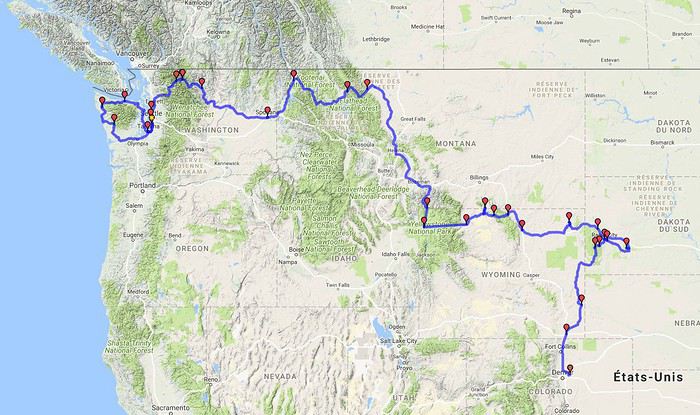
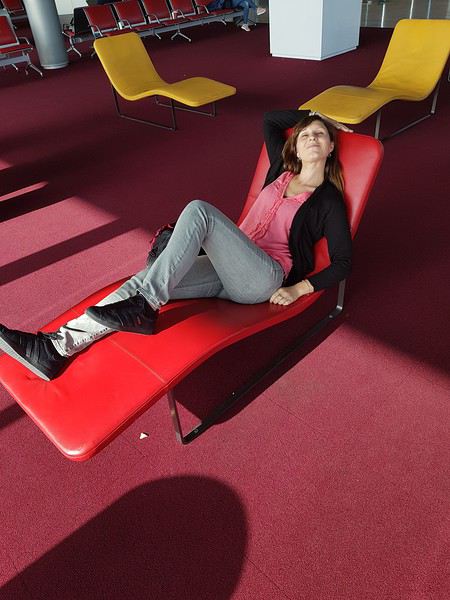
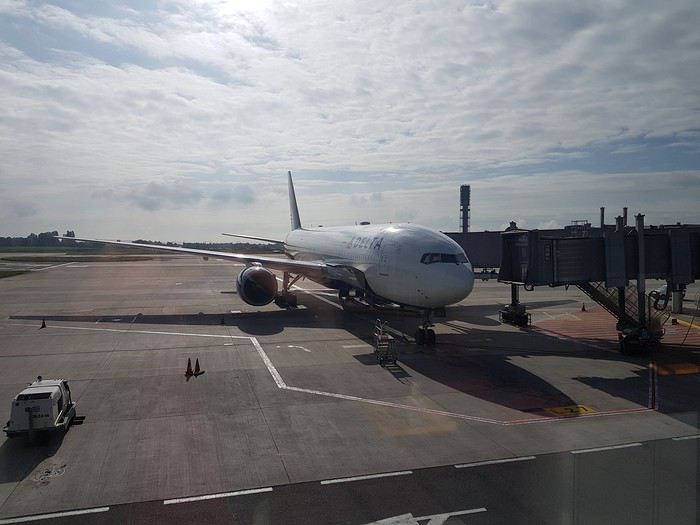
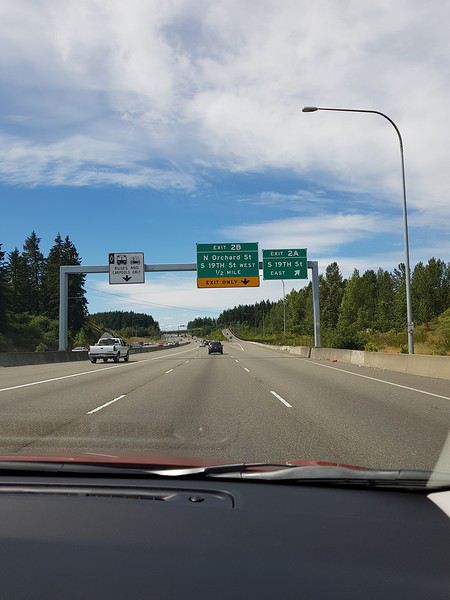
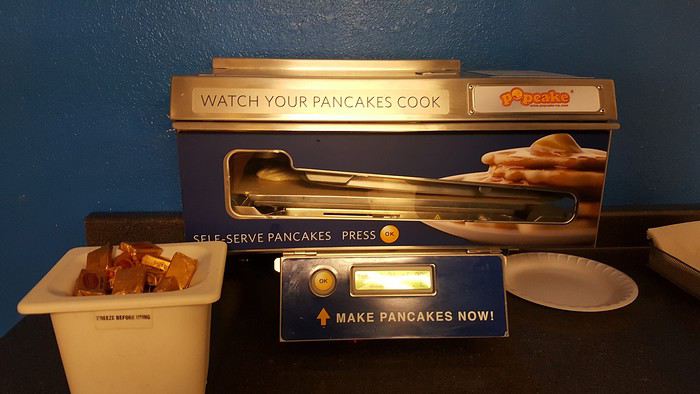
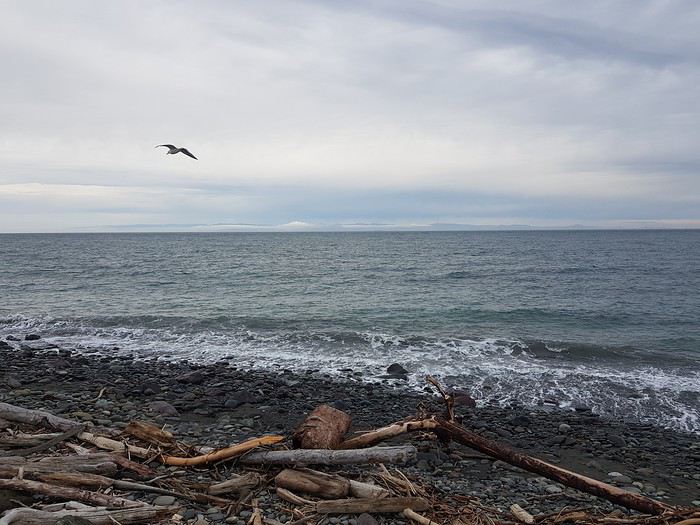
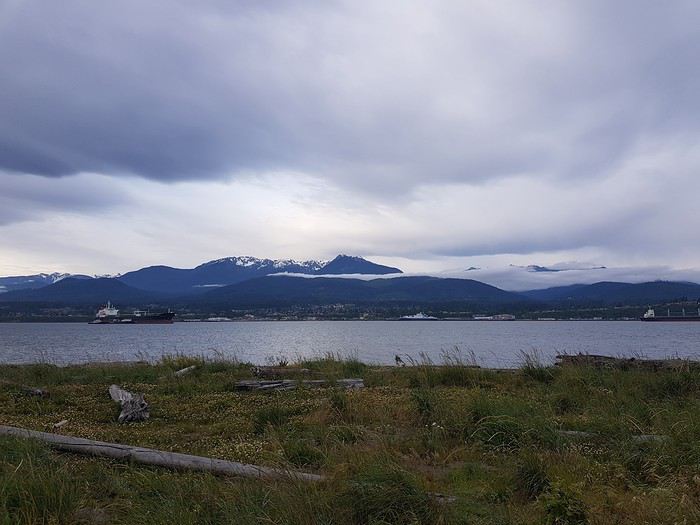
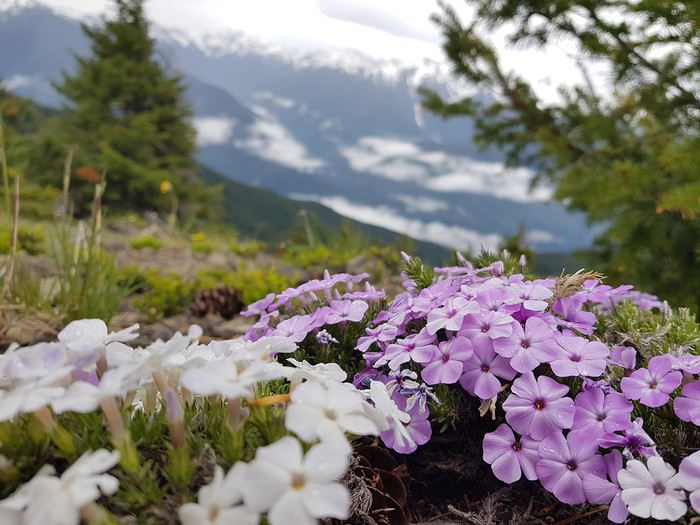
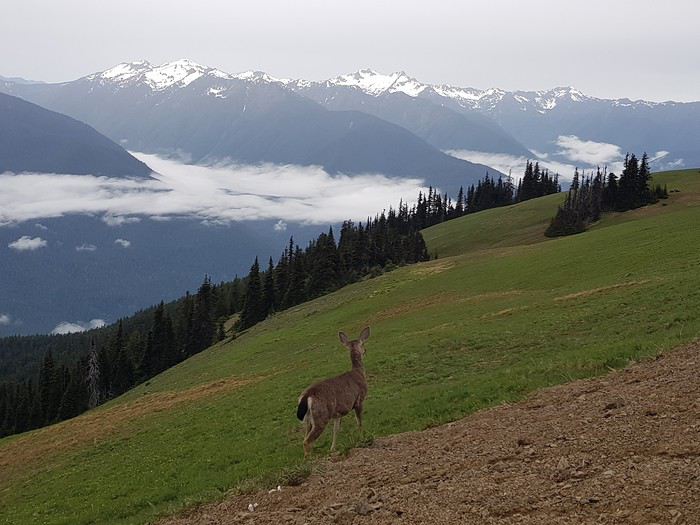
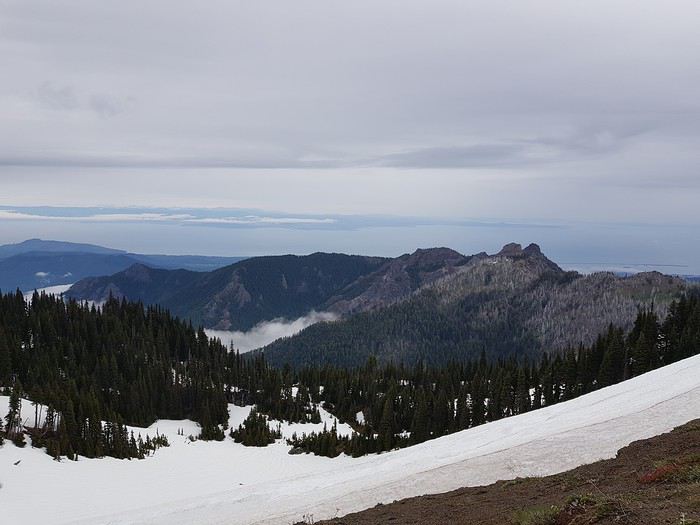
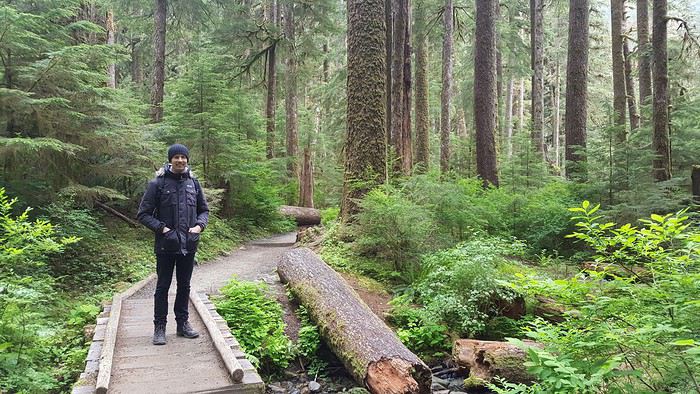
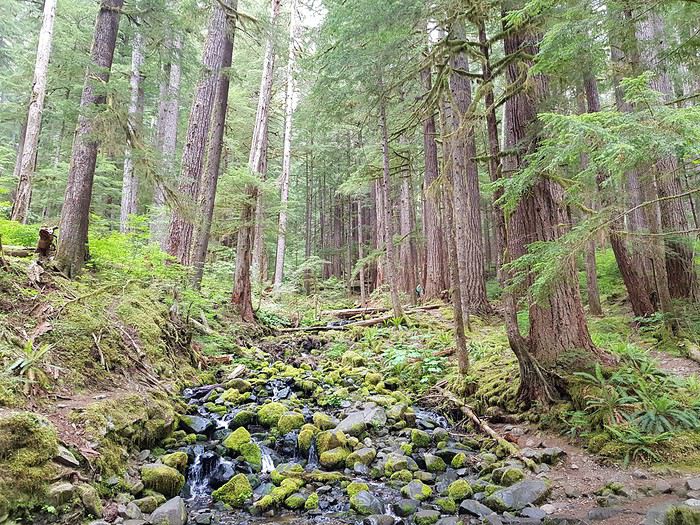
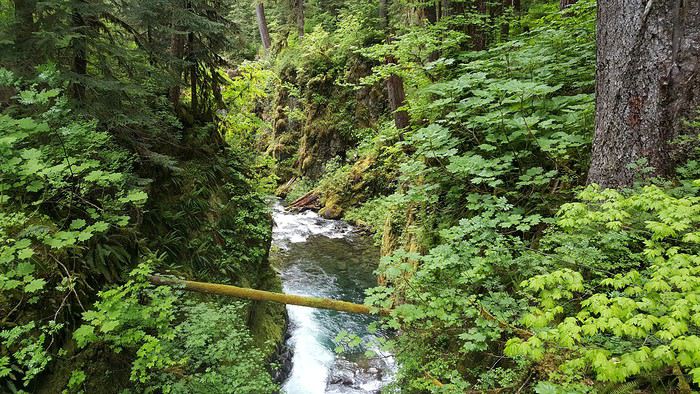
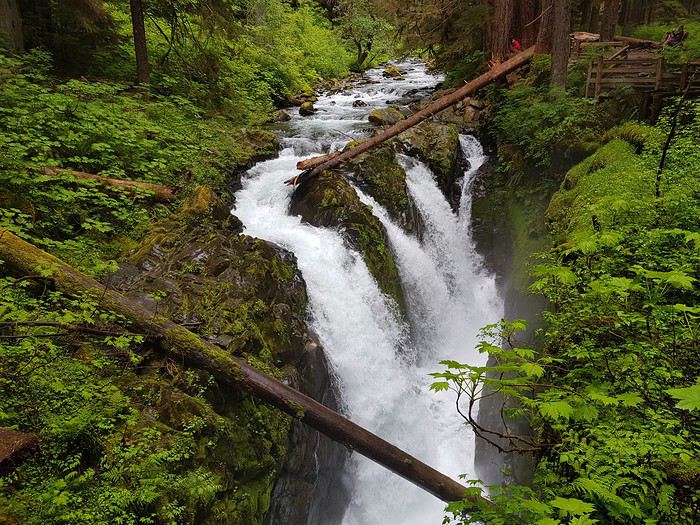
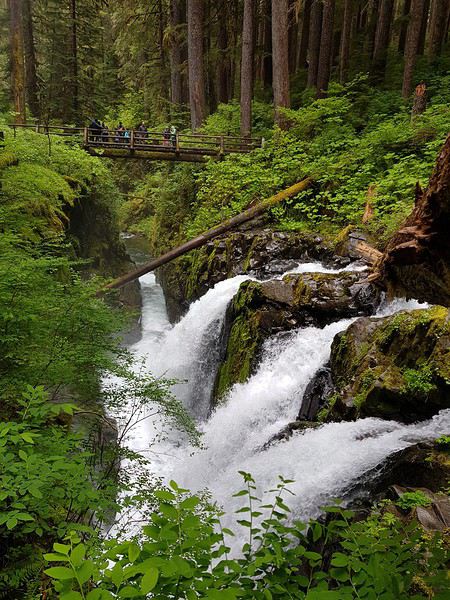
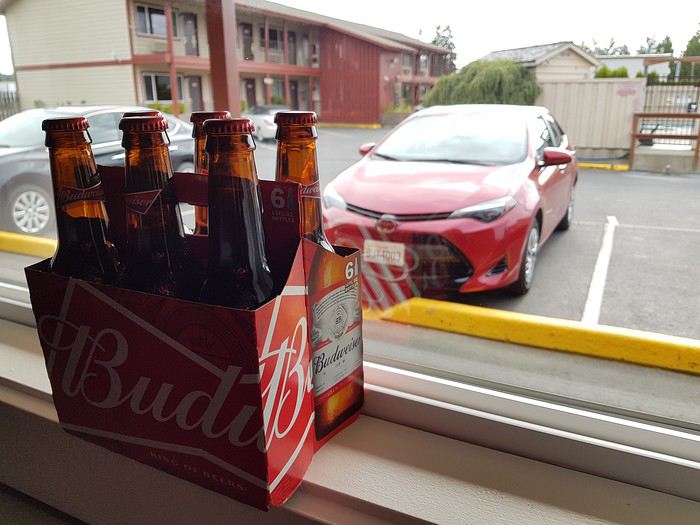
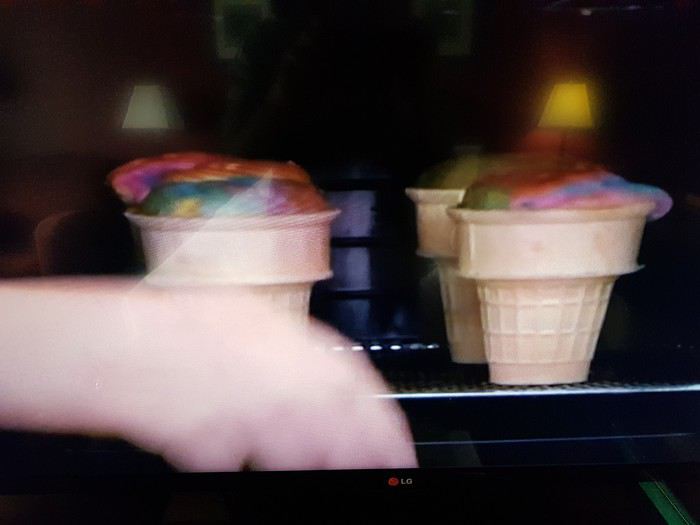
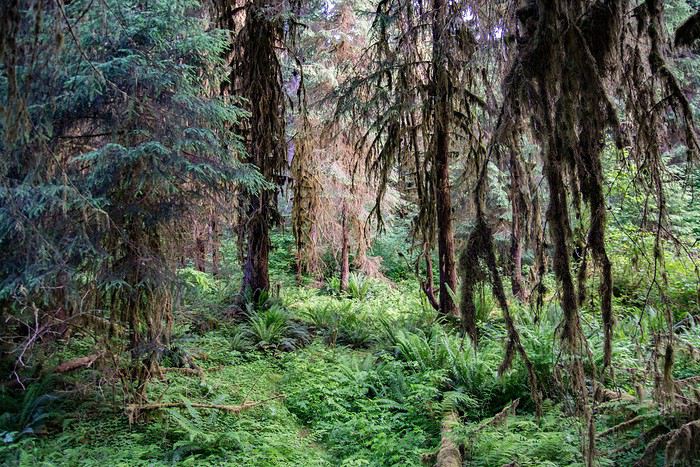
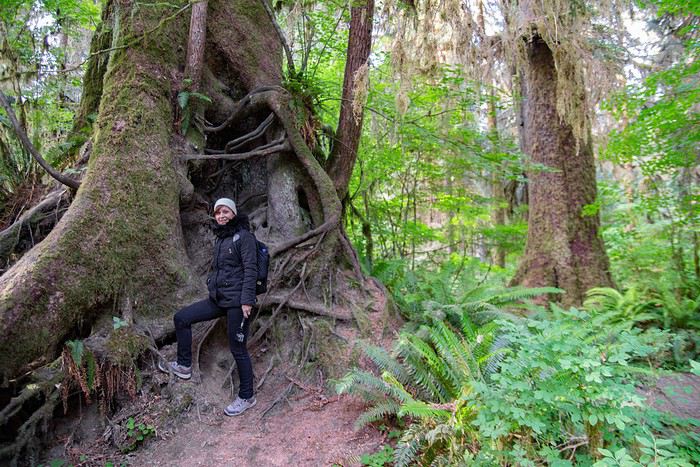
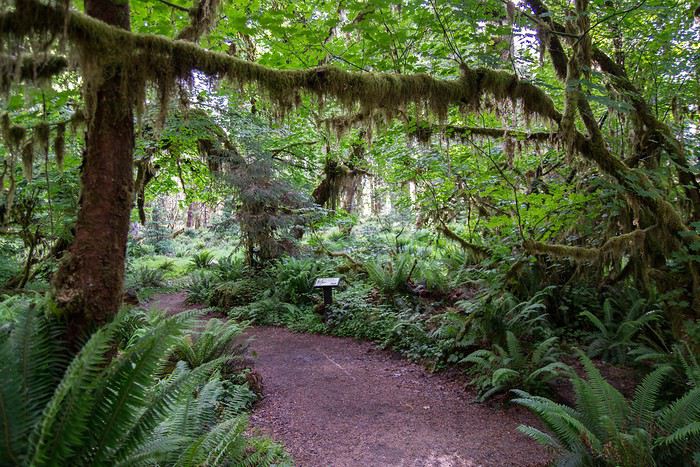
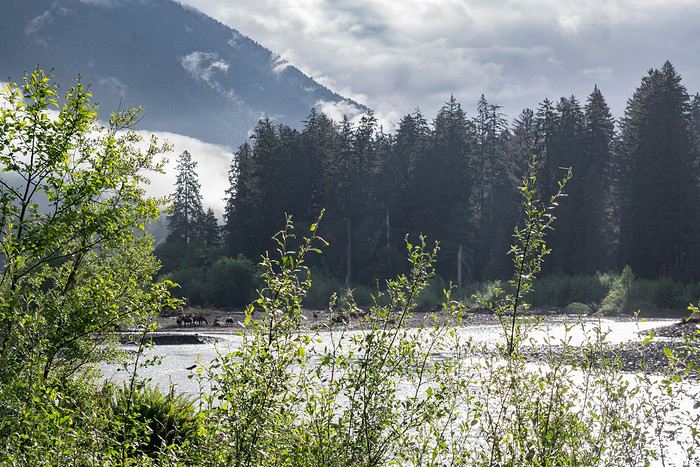
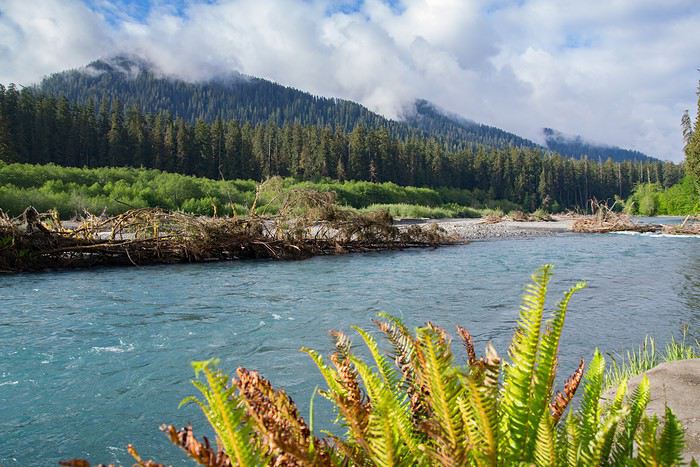
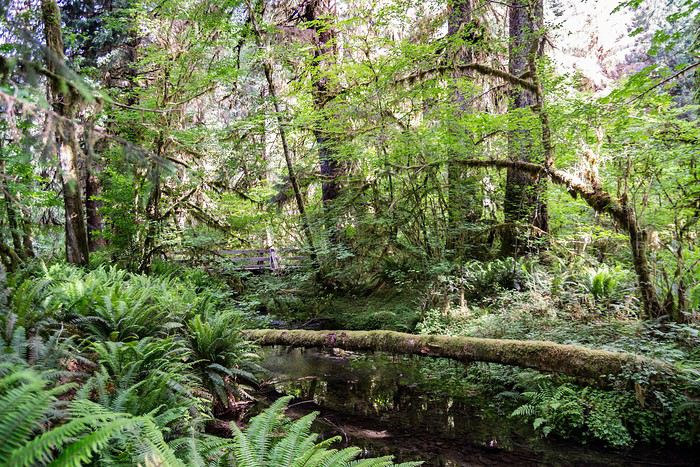
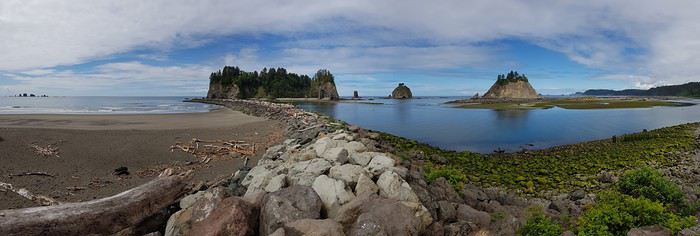
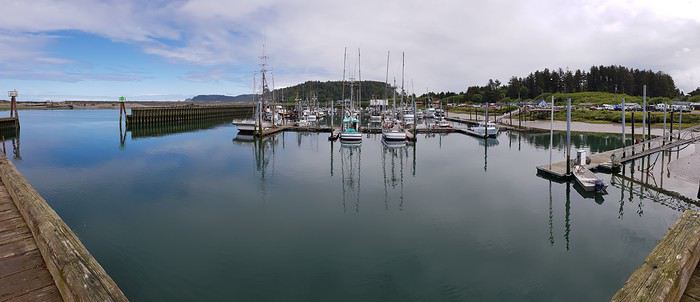
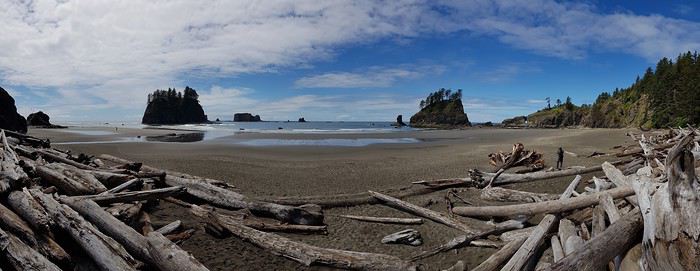
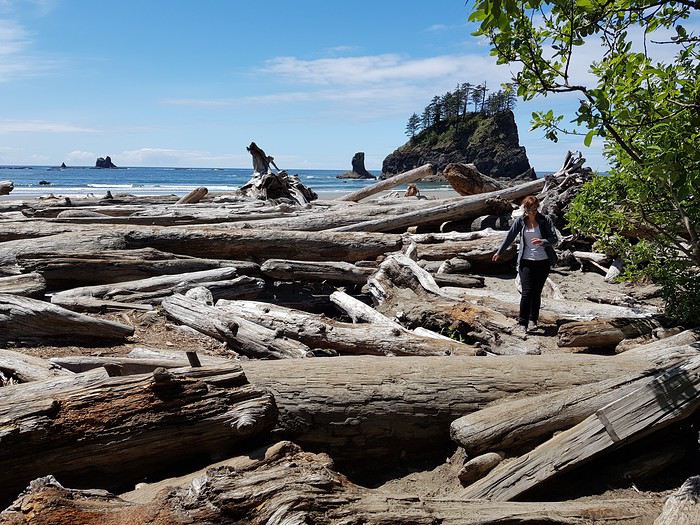
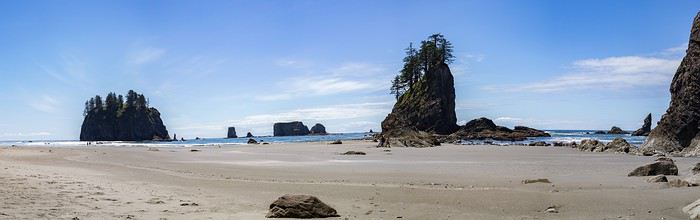
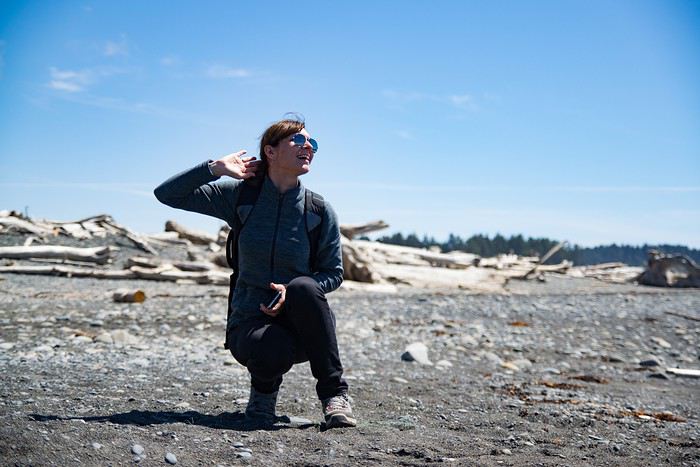
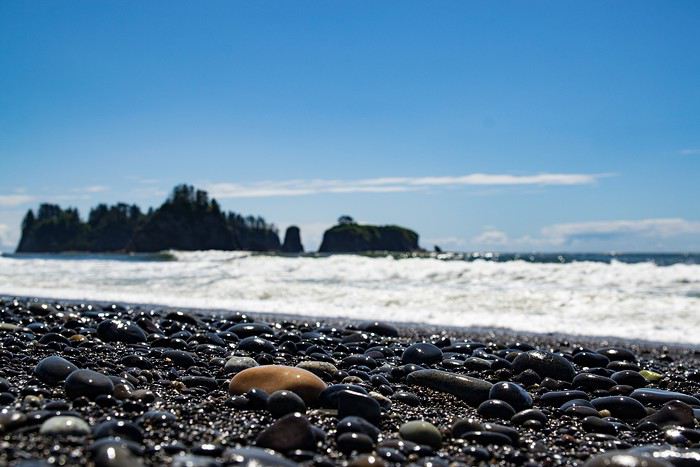
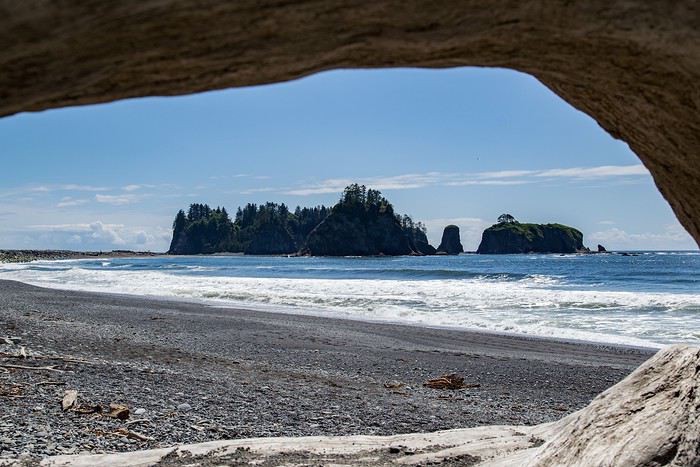
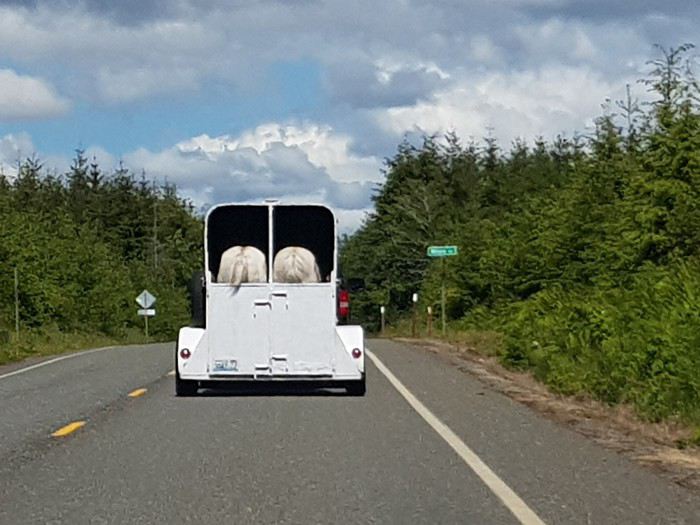
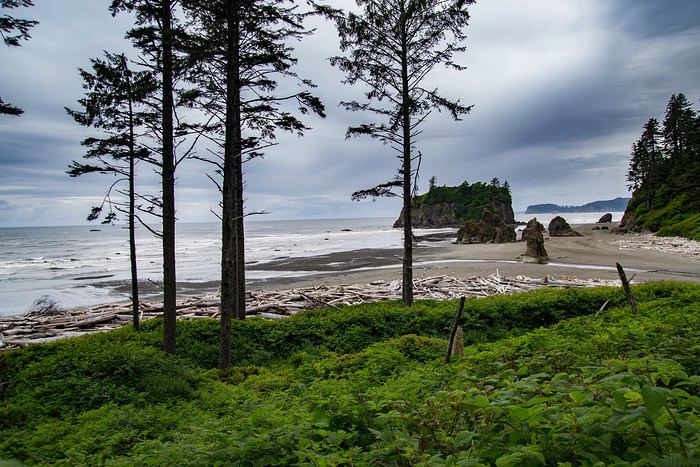
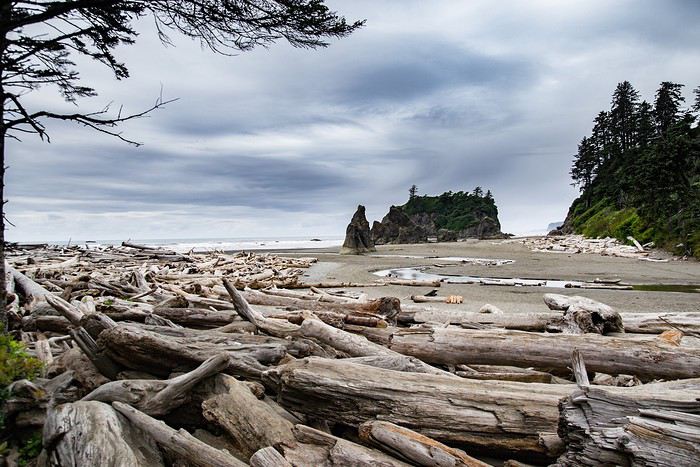
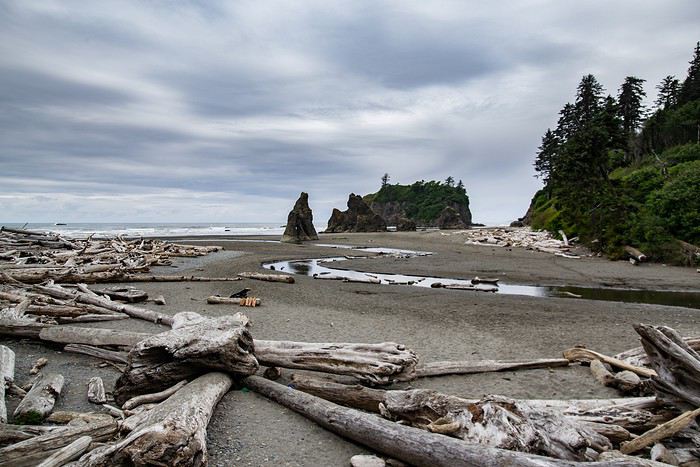
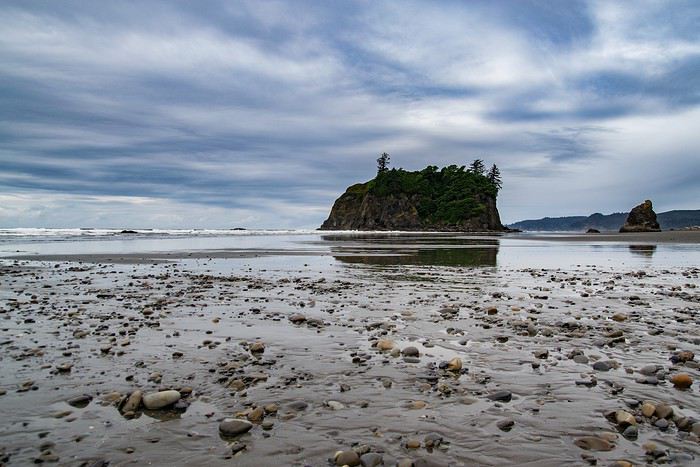
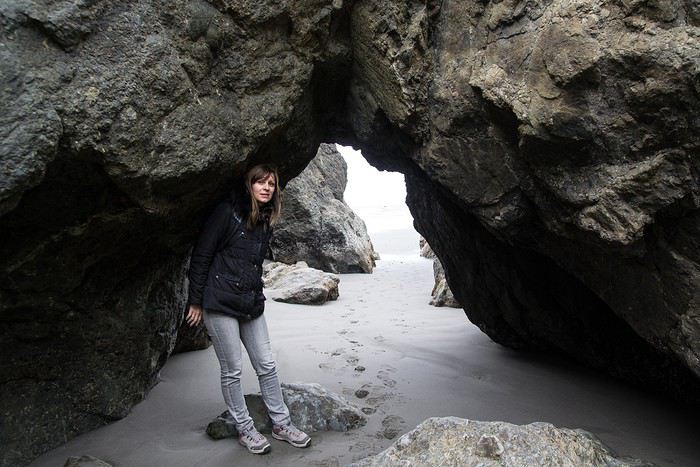
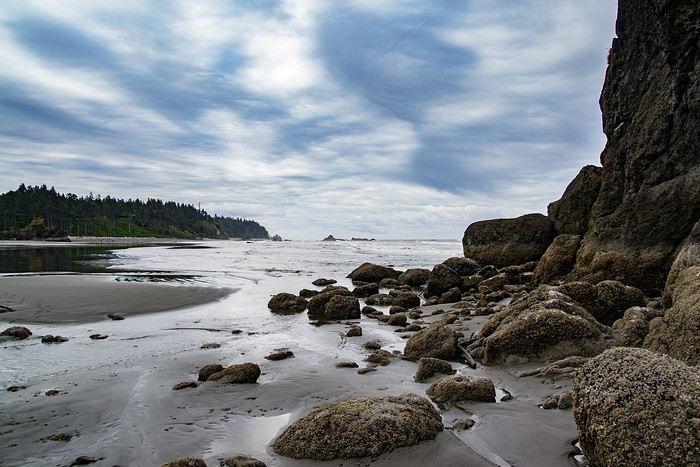 Terre en vue !
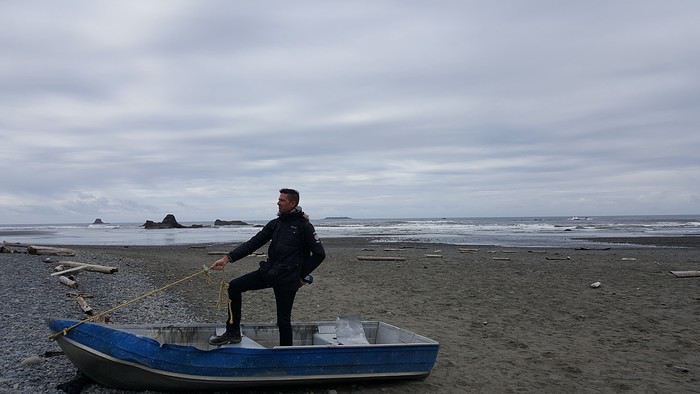
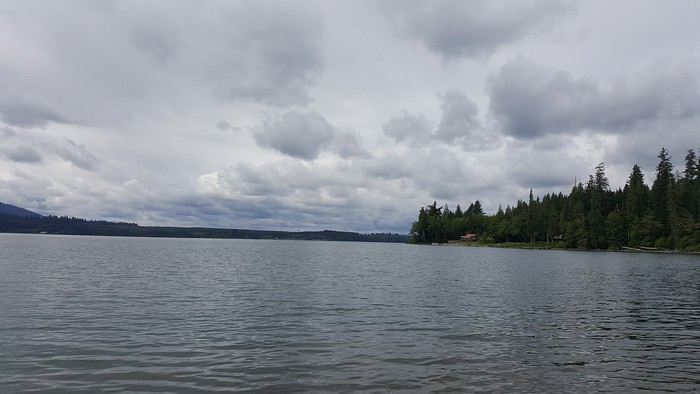
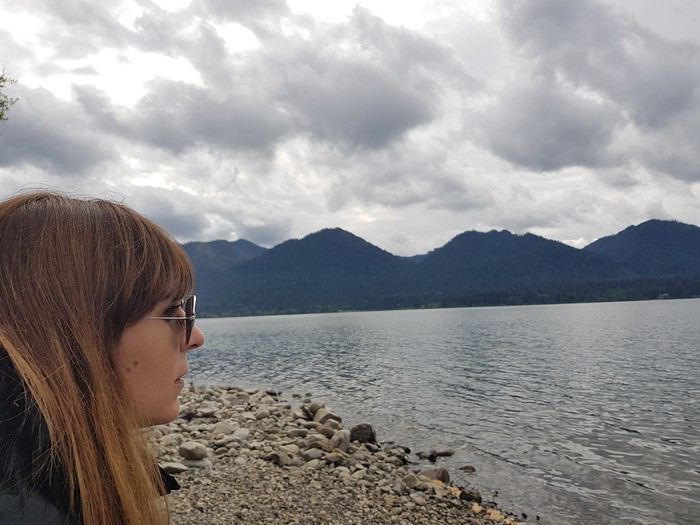
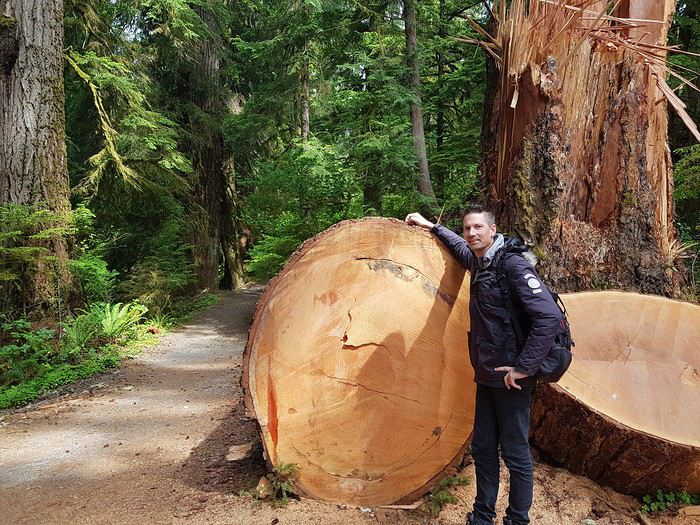
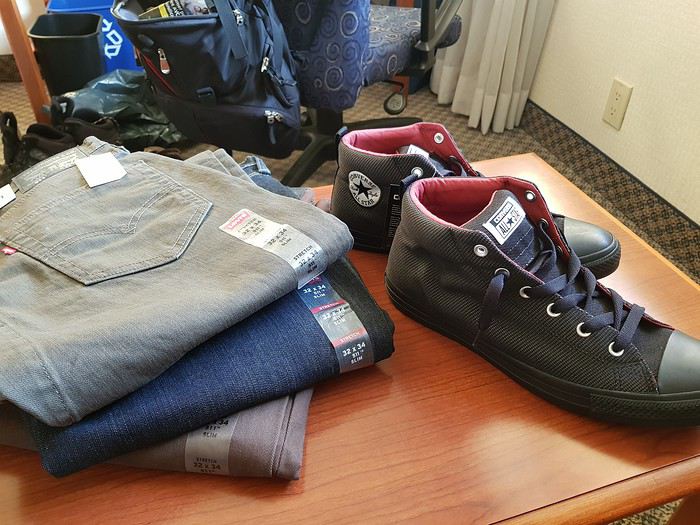
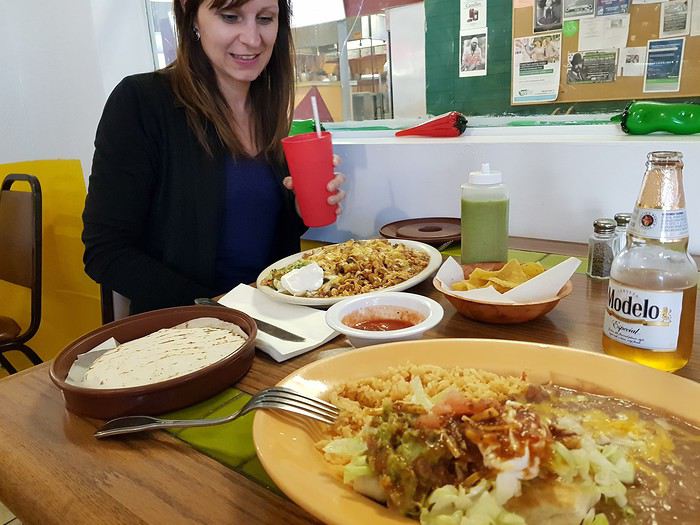

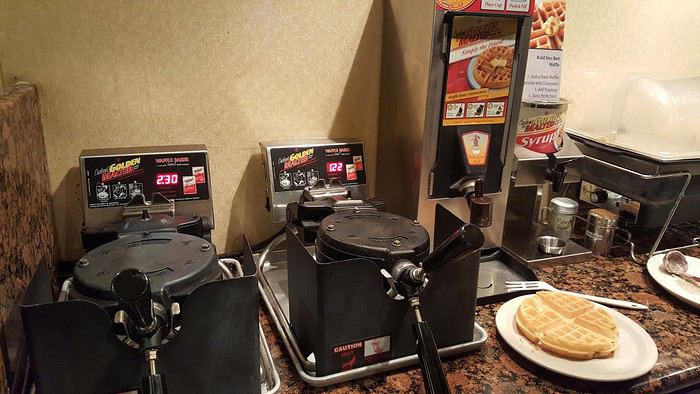
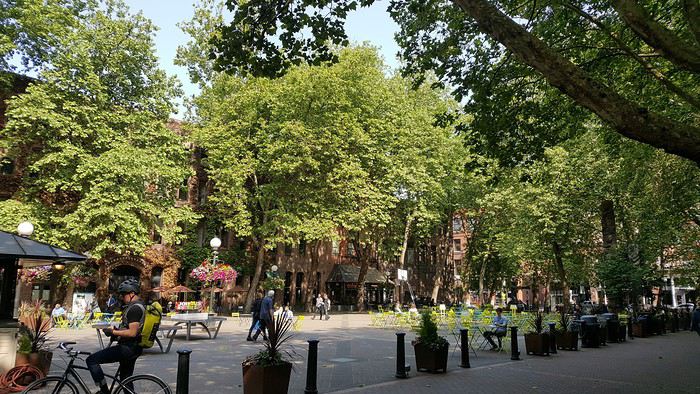
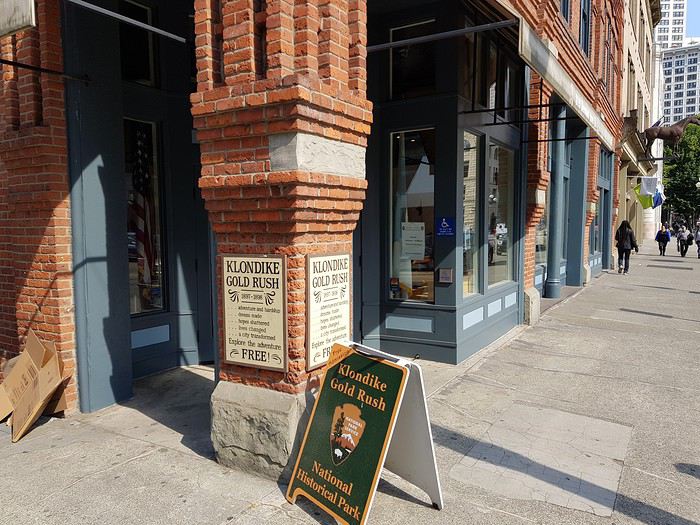
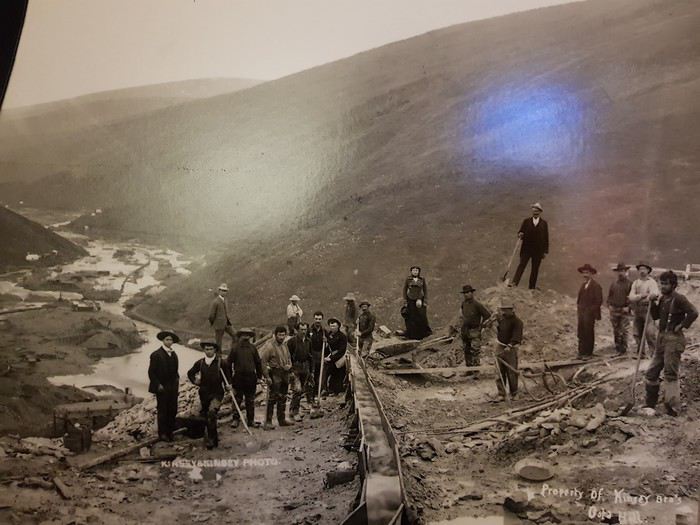
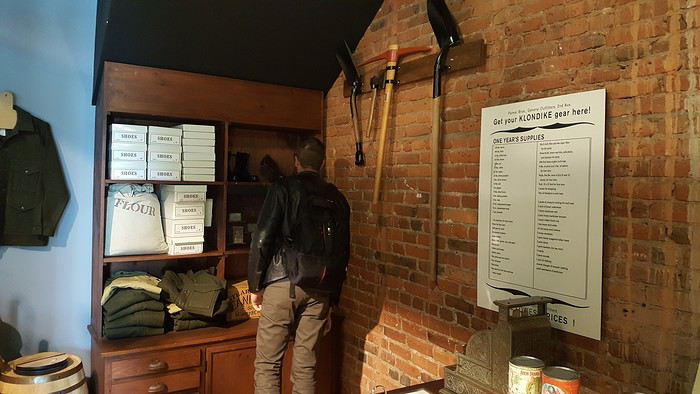
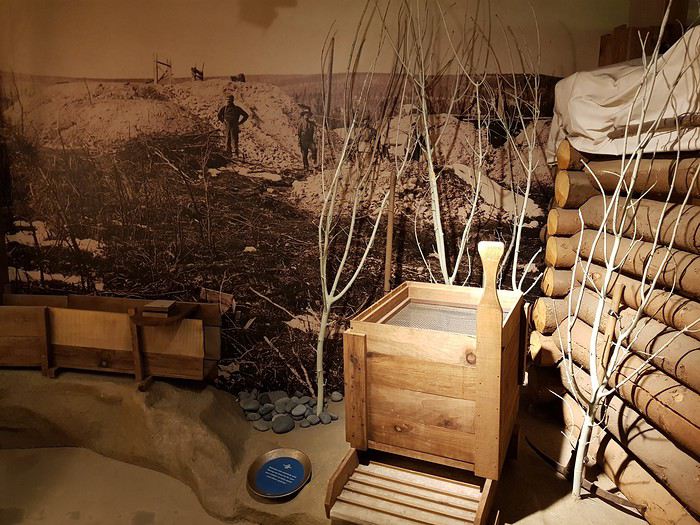
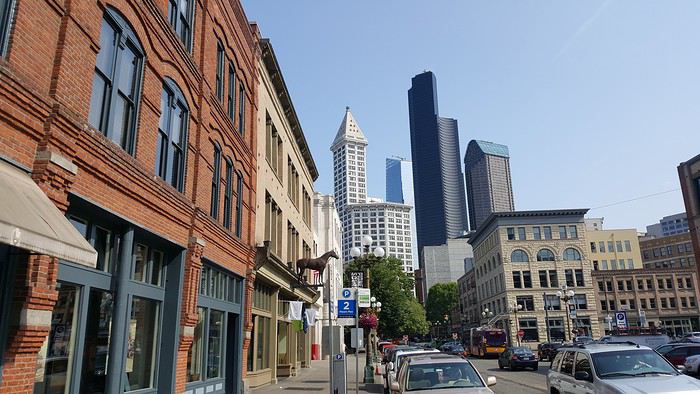
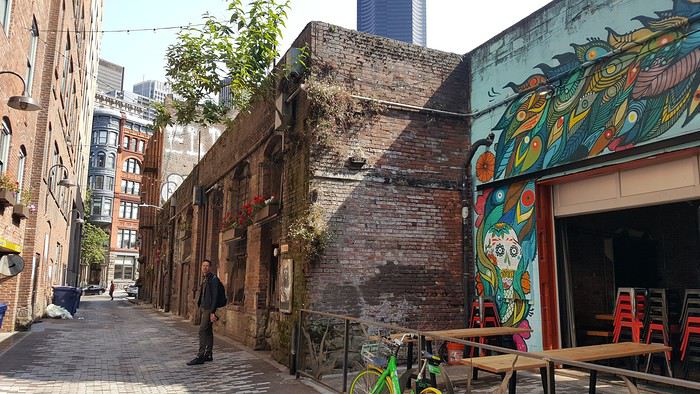
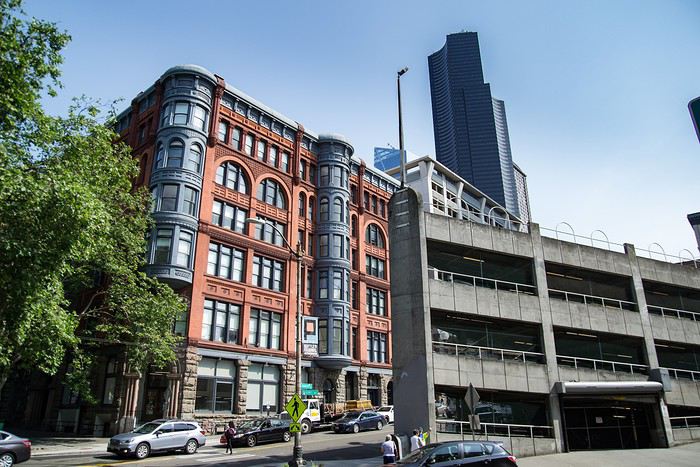
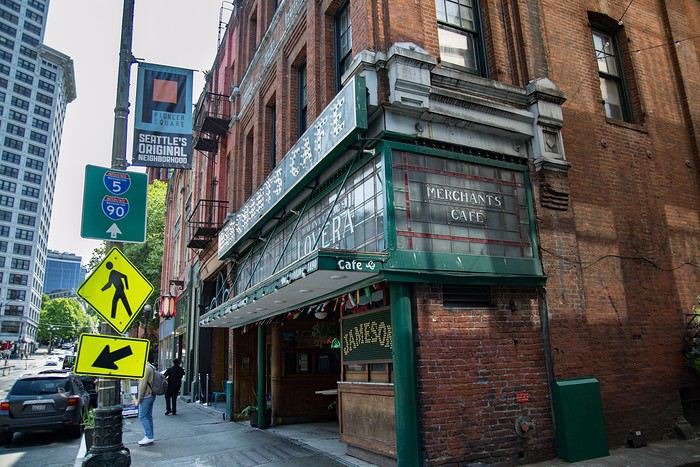
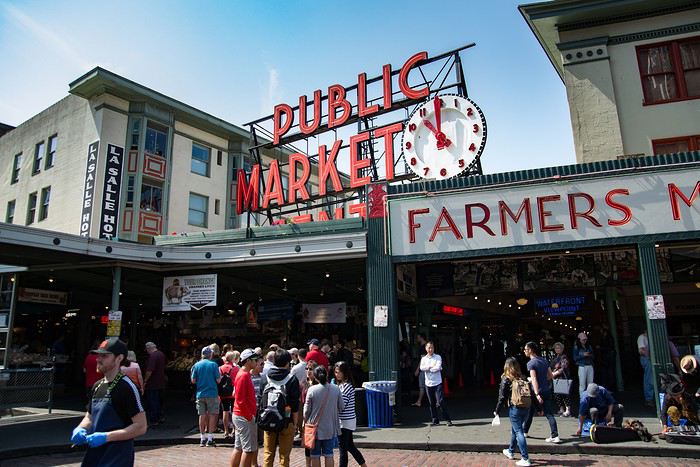 Bon, depuis le début du trip on cherchait où se cachait la masse de touristes car on était bien tranquille jusque là... ça y est, on les a trouvé ! Ils sont tous là 😏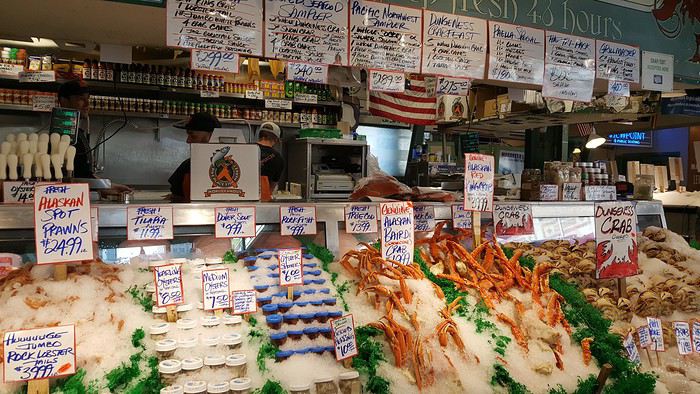
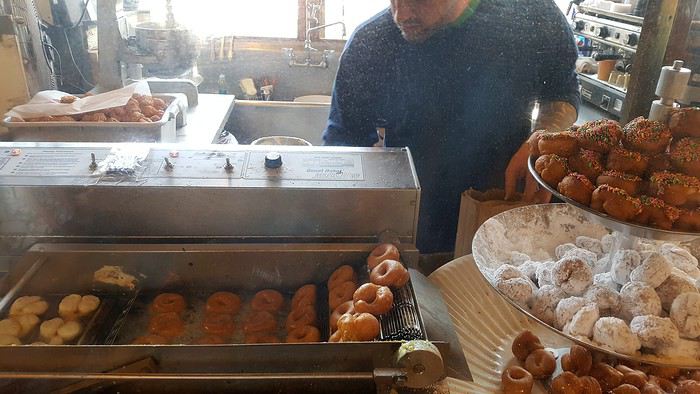
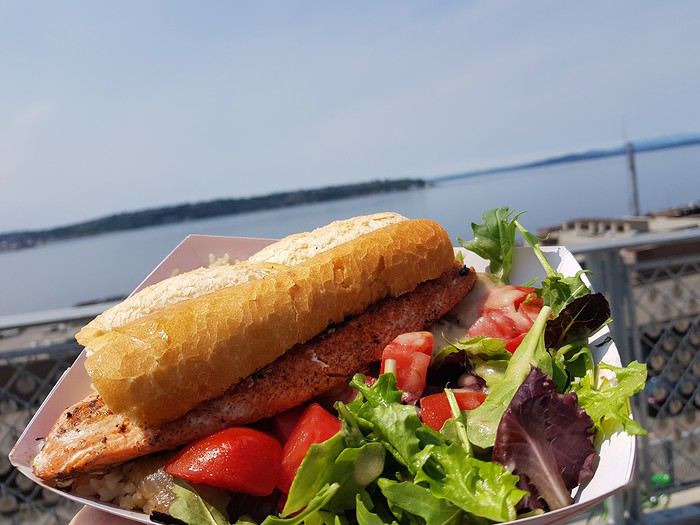 Bon je vais vous épargner les photos classiques du coin qu'on retrouve sur tous les carnets à Seattle...
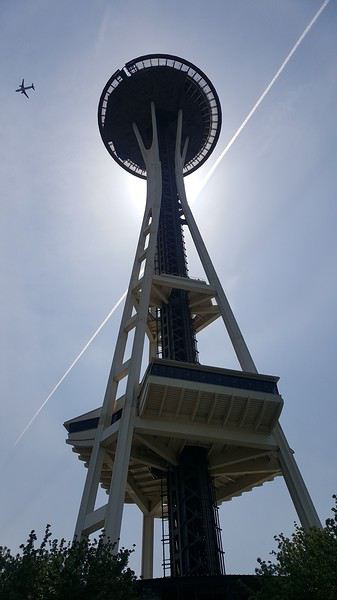 L'entrée est super chère, de mémoire aux alentours de 44$ par personne, mais comme le dernier étage est en travaux et qu'on ne peut accéder qu'à la moitié de la terrasse d'observation... ils font une généreuse remise de ... 2$... vous êtres trop bon messire ! Bref, l'ascenseur montera plus vite une fois allégés de 84$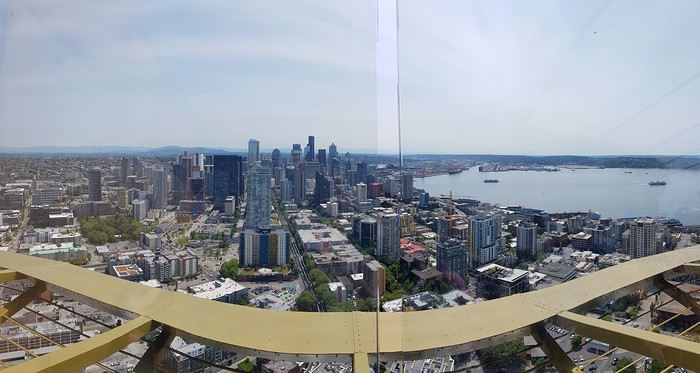
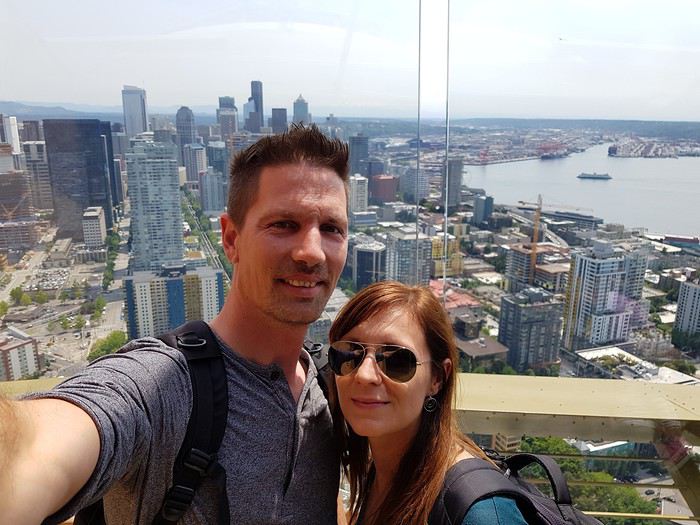
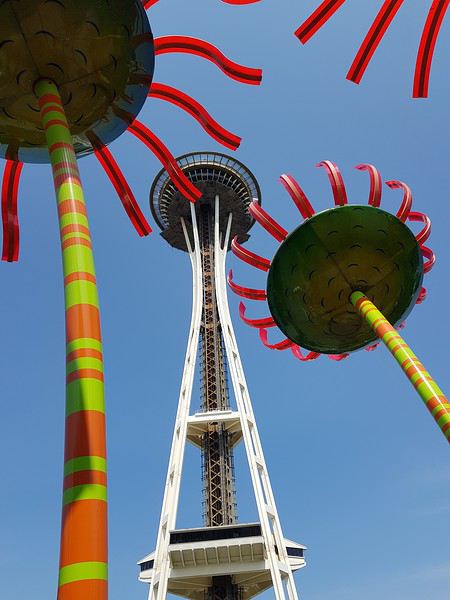
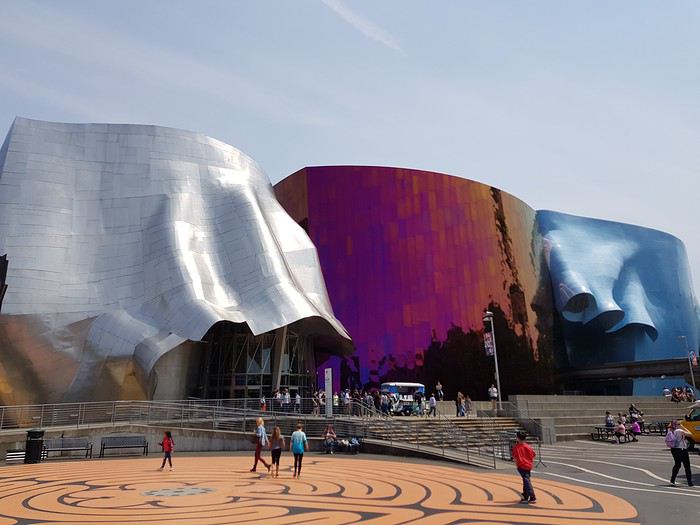
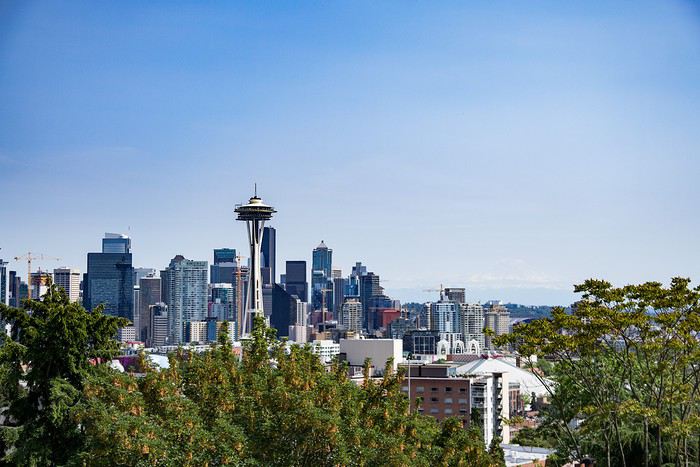
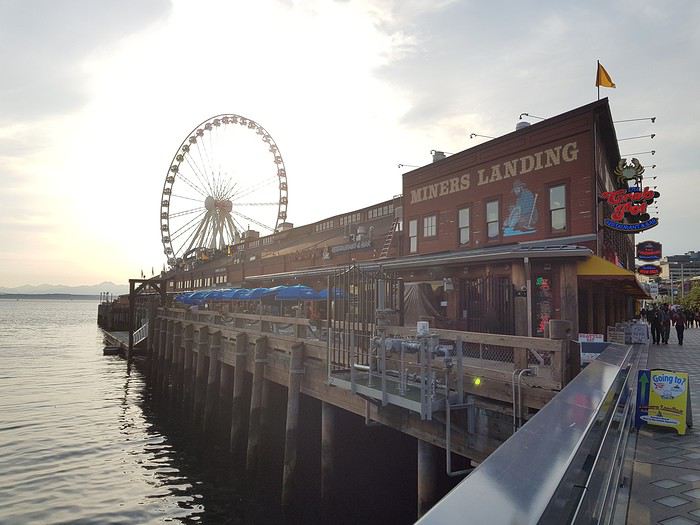
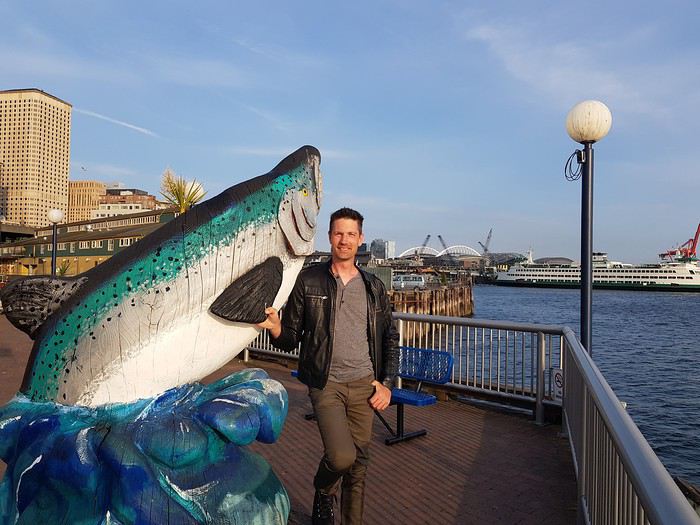
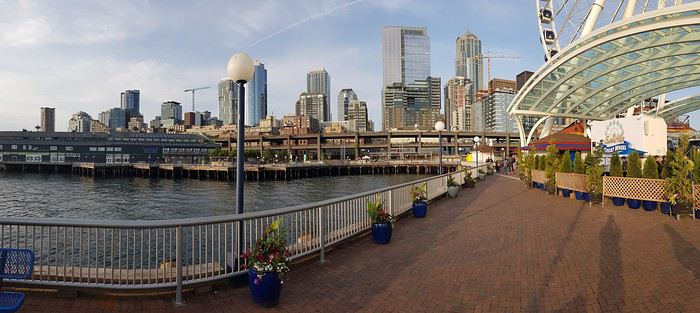
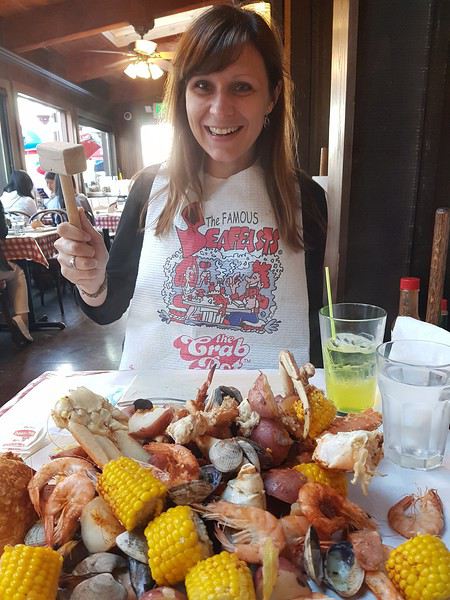
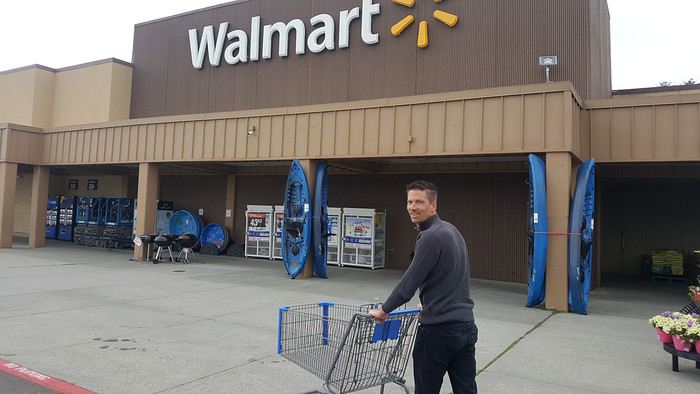
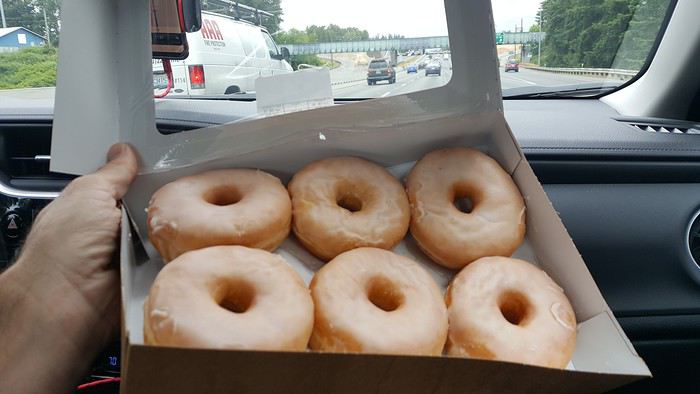
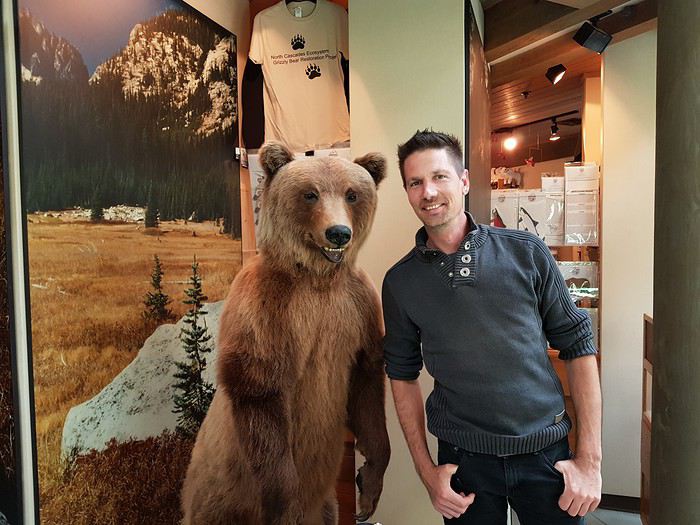
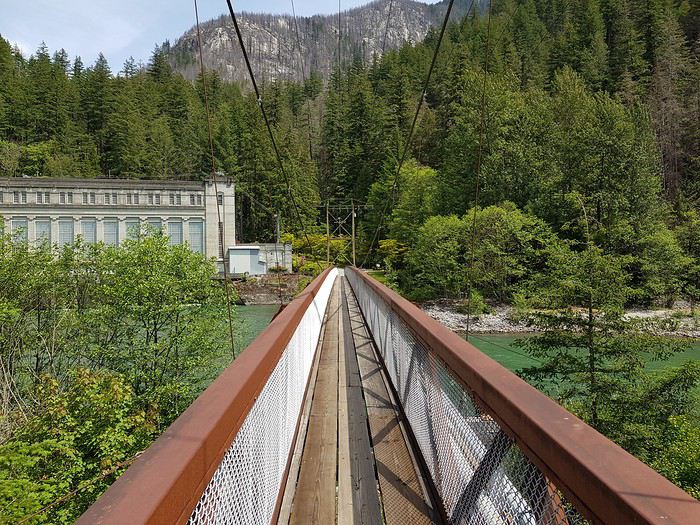
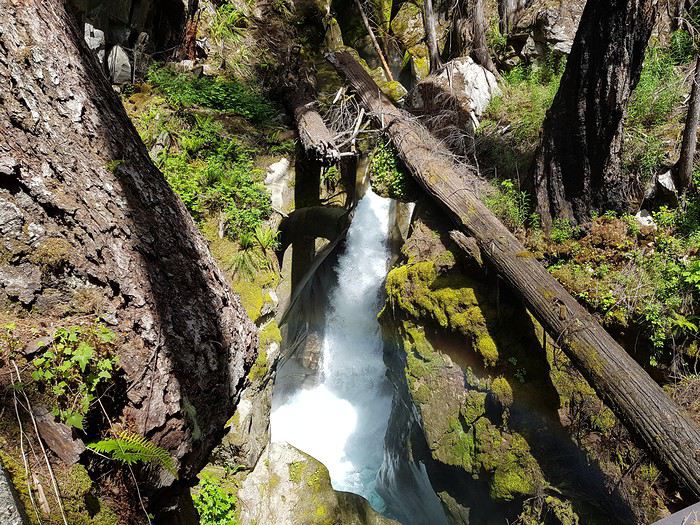
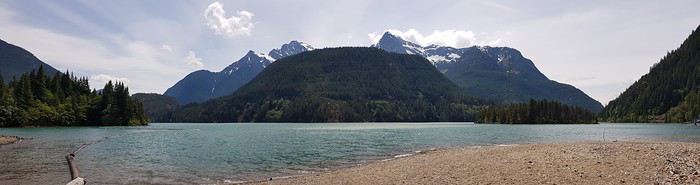
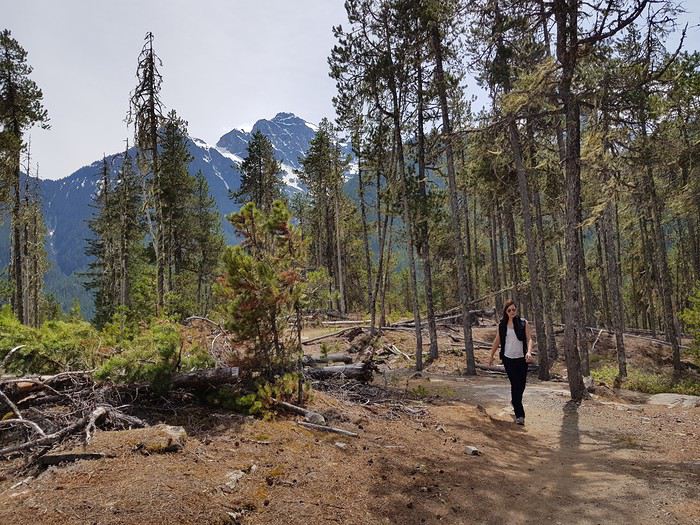
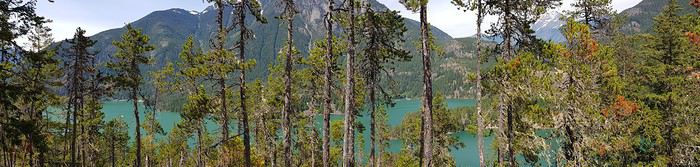
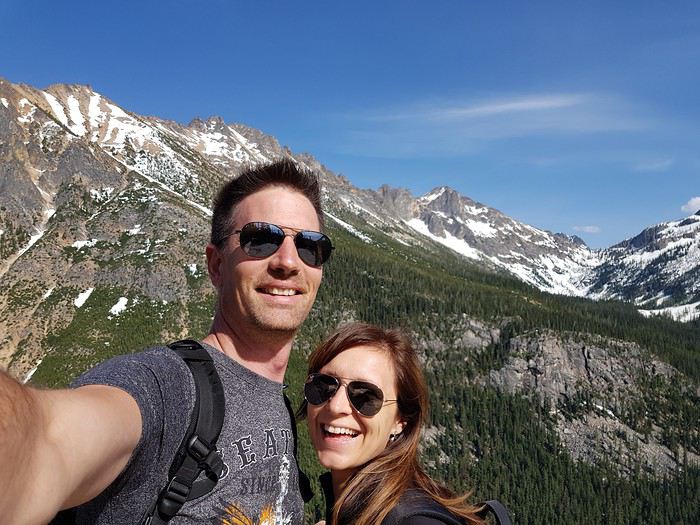
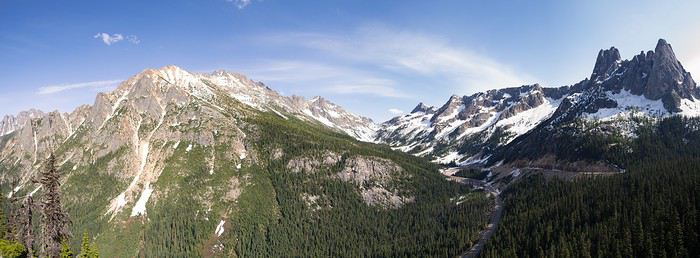
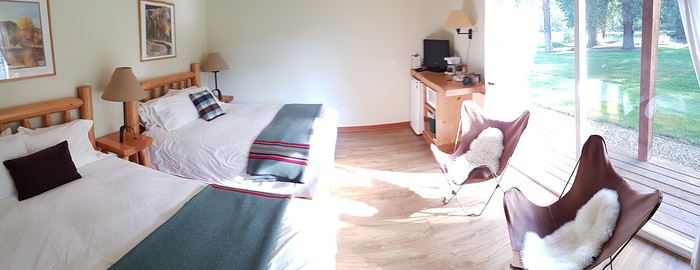
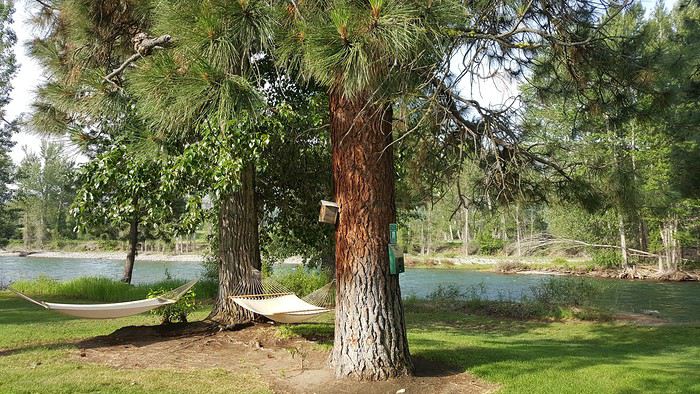 Pour info, je le recommande fortement :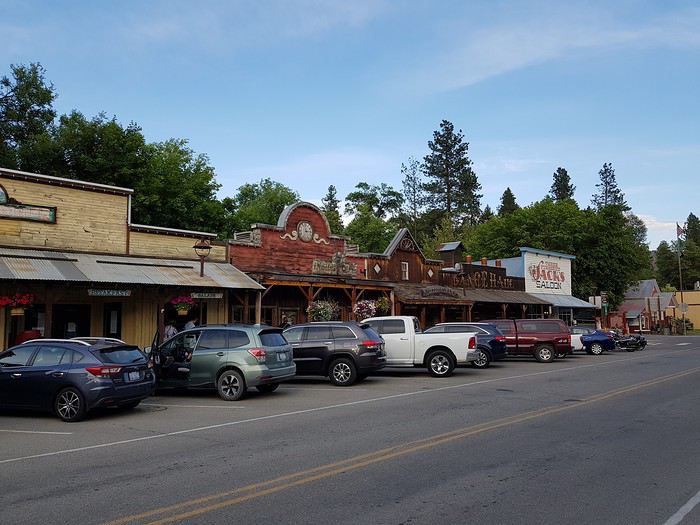
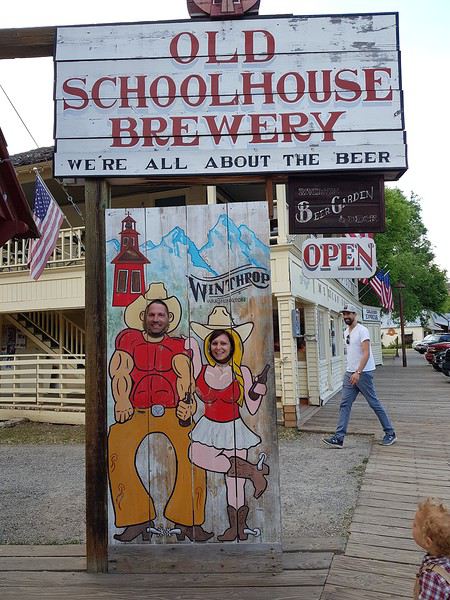
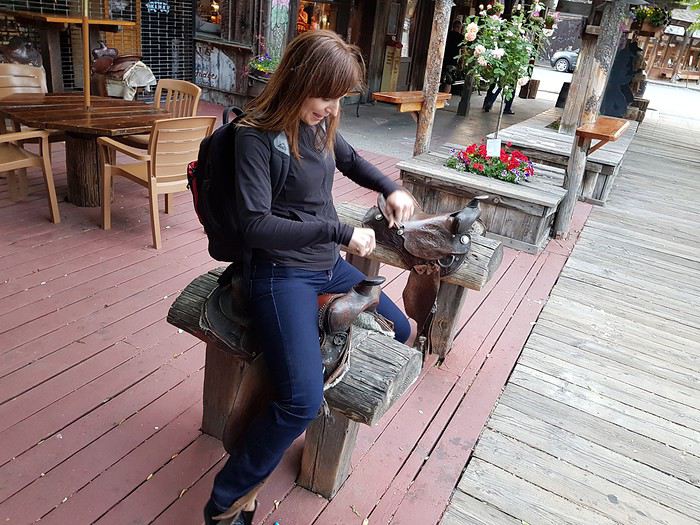
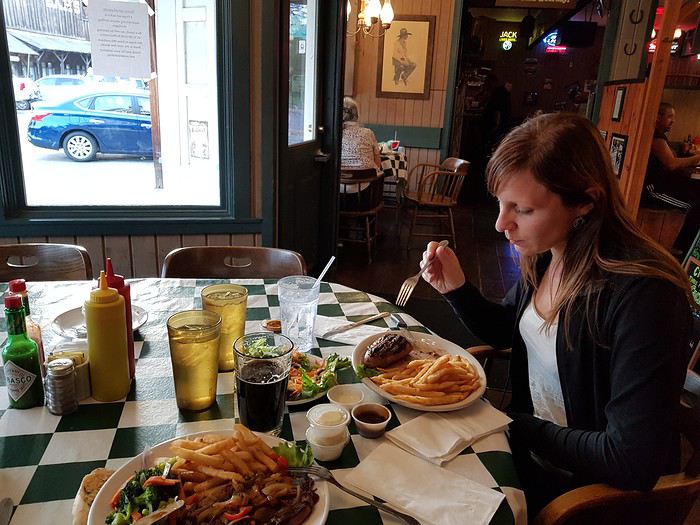 Roulé à la cannelle pour une personne... Merci les doggies bag !
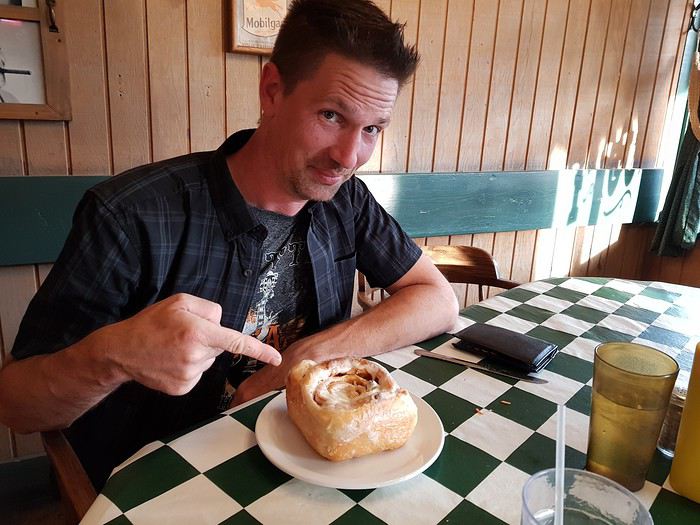 Allez, il est temps d'aller digérer tout ça au lit !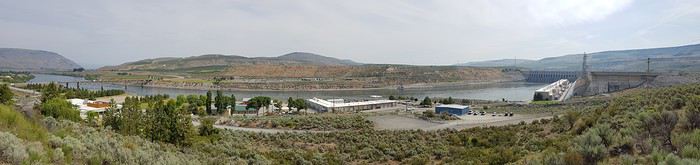
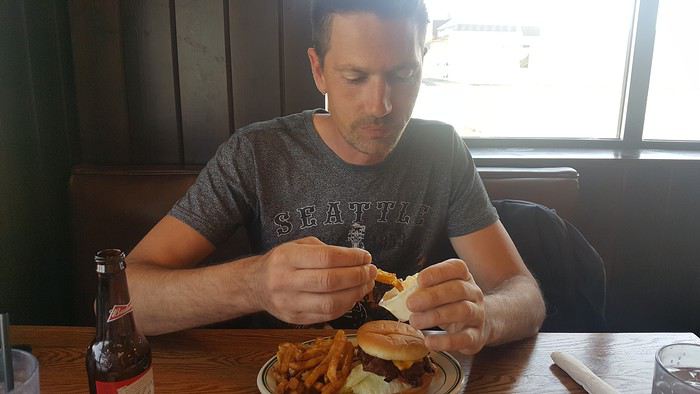
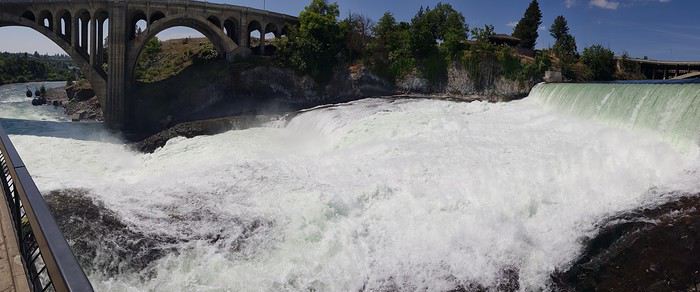
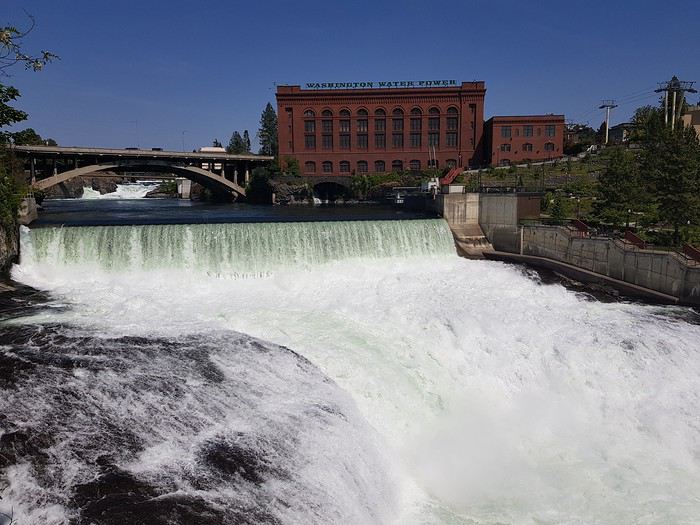
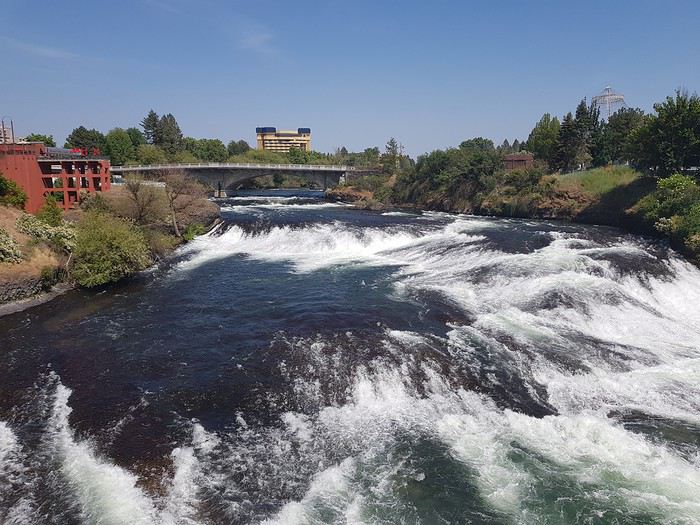
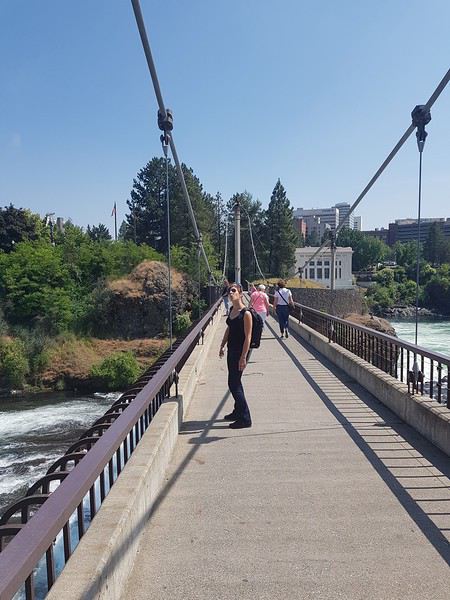
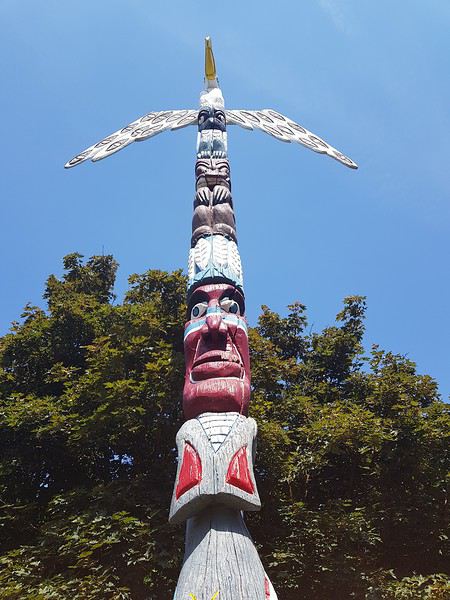
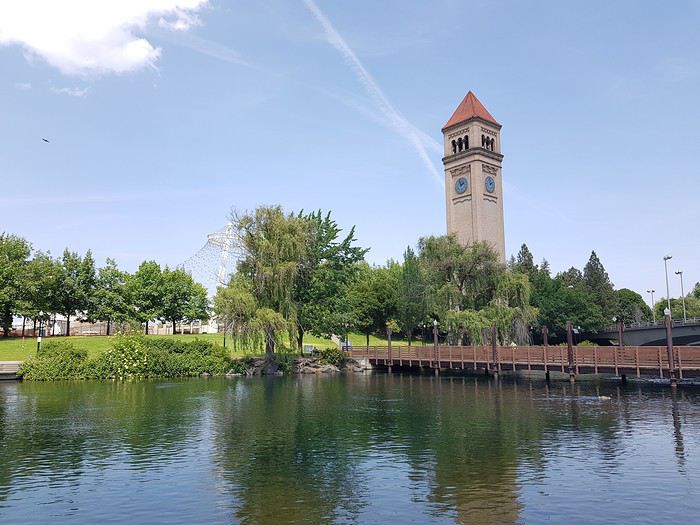 Il fait beau et chaud, après cette longue promenade, on se posera un peu sur une pelouse à profiter du moment, puis en fin d'après midi, nous gagnons notre motel.
Ensuite nous ressortons en début de soirée, dans un bar où j'ai repéré un concert country sur internet ! cool ça va être super !
Il fait beau et chaud, après cette longue promenade, on se posera un peu sur une pelouse à profiter du moment, puis en fin d'après midi, nous gagnons notre motel.
Ensuite nous ressortons en début de soirée, dans un bar où j'ai repéré un concert country sur internet ! cool ça va être super !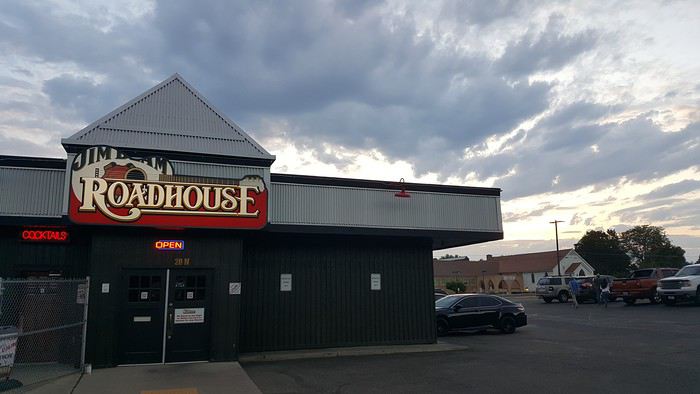 Le bar est sympa, mais il y a pas grand monde, en même temps on est arrivé 1h avant le concert.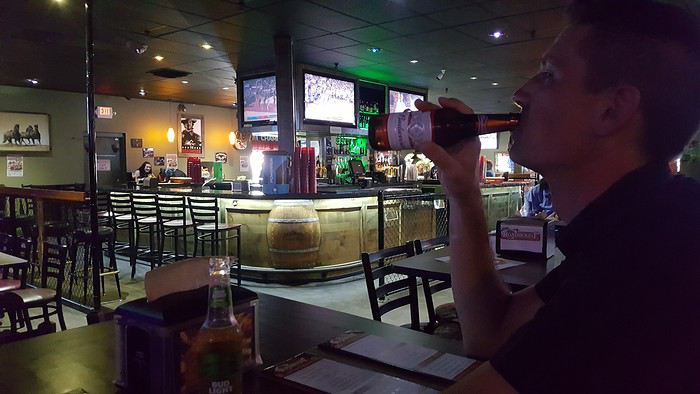
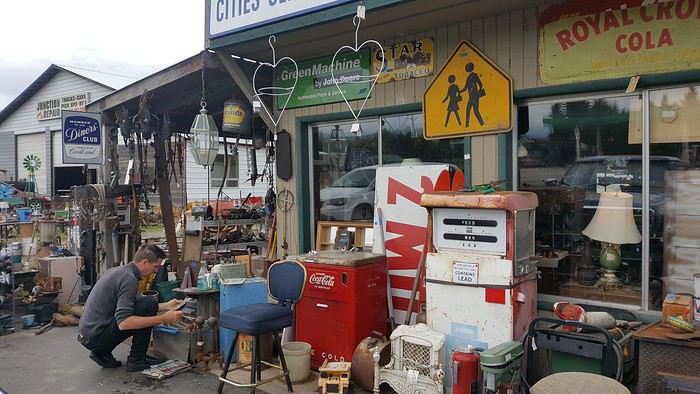 Ouaiiii il a des plaques d'immat' d'occasion, à 3$ pièce, on va pas se priver ! J'ai mon petit rituel, c'est à dire ramener des plaques d'occasion aux couleurs des états qu'on traverse 😛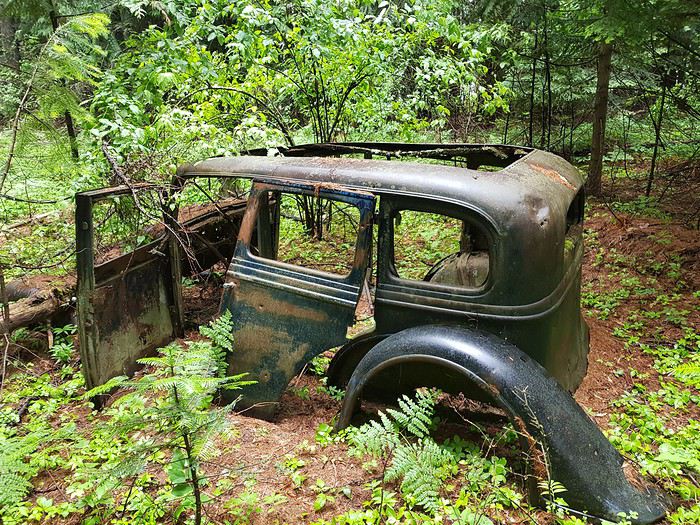
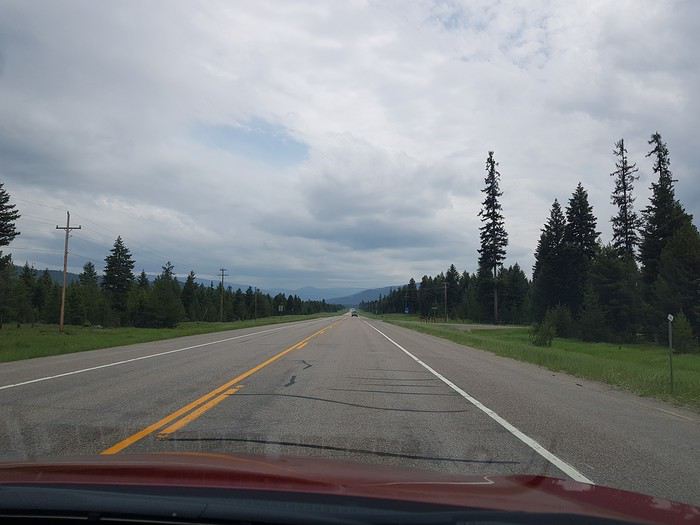
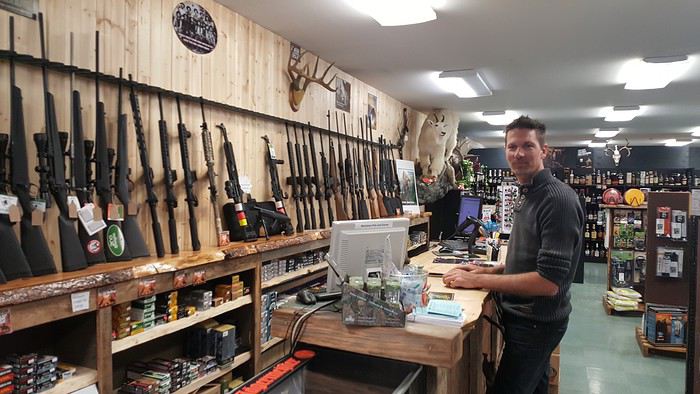 Je prends la carte de pêche pour 2jours non résident à ... presque 50$, purée c'est un truc de dingue, l'an dernier en Californie à ce tarif j'avais 10 jours !
Et le plus dingue, c'est que le lendemain à Glacier, j'apprendrai que la pêche est gratuite dans le parc 🏴☠️
Sinon c'est ironique de voir une rangée de fusil et juste au bout les bouteilles d'alcool 🏴☠️
Bref, on est aussi venu pour prendre un bear spray car autant les ours noirs ça me semble gérable, autant les grizzly ont la réputation d'être un peu moins prévisibles...
Je prends la carte de pêche pour 2jours non résident à ... presque 50$, purée c'est un truc de dingue, l'an dernier en Californie à ce tarif j'avais 10 jours !
Et le plus dingue, c'est que le lendemain à Glacier, j'apprendrai que la pêche est gratuite dans le parc 🏴☠️
Sinon c'est ironique de voir une rangée de fusil et juste au bout les bouteilles d'alcool 🏴☠️
Bref, on est aussi venu pour prendre un bear spray car autant les ours noirs ça me semble gérable, autant les grizzly ont la réputation d'être un peu moins prévisibles...
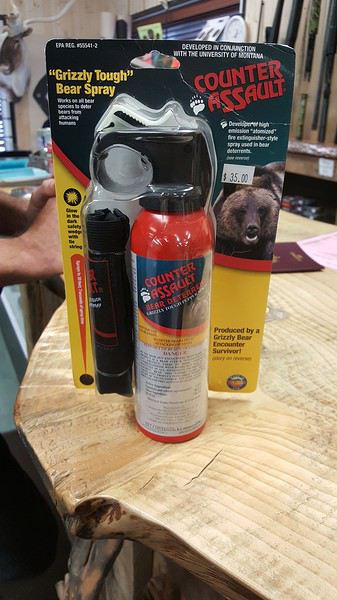
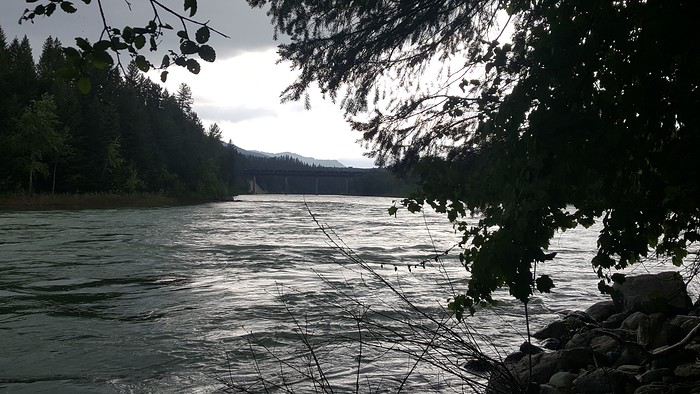 Mais avec une bonne lecture de l'eau, je sortirai quelques rainbow trouts d'un contre courant, où elles retourneront toutes grandir.
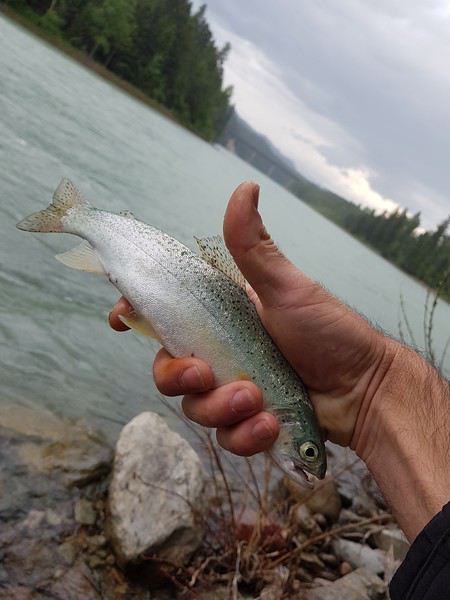 Le grand air ça creuse, et il faut prendre des forces pour demain à West Glacier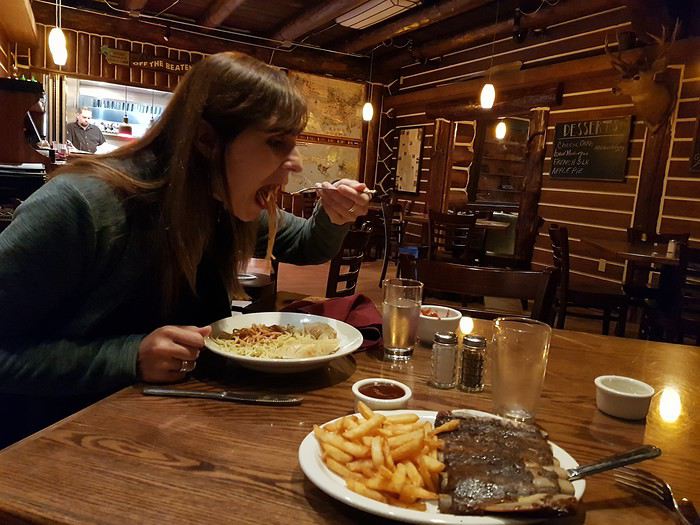
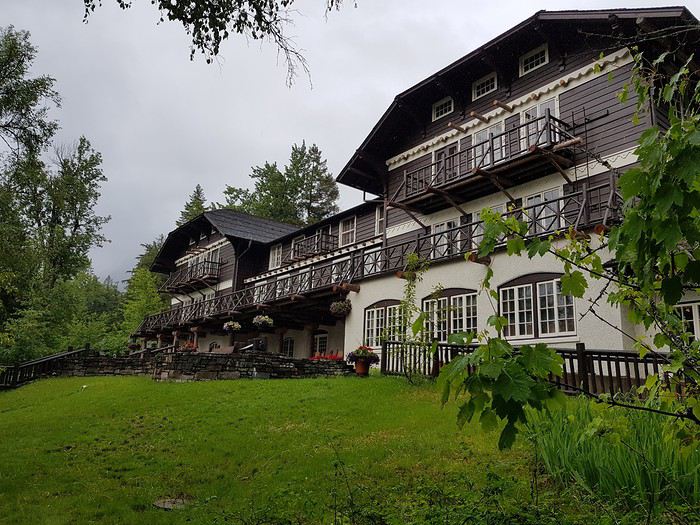
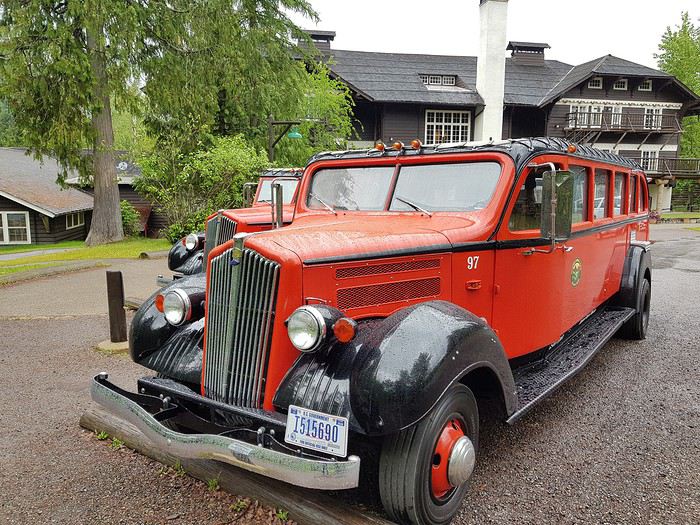 Puis nous faisons un premier trail à "fish lake", ça doit être bien pour pêcher ça ^^
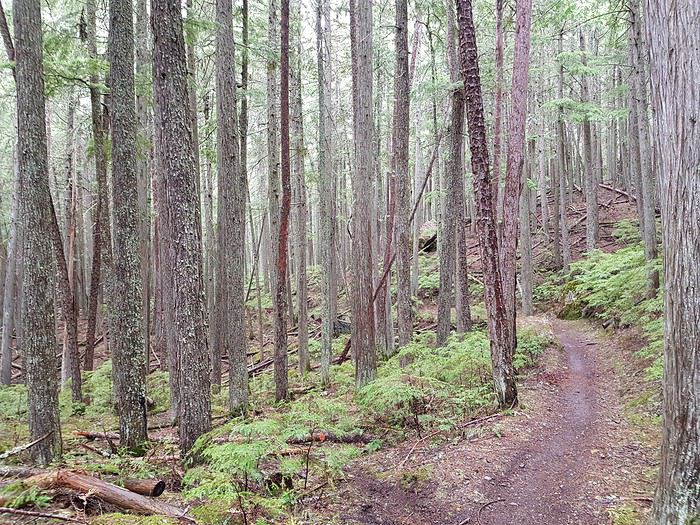 Le trail est sympa dans la forêt, à un croisement, on ne sait pas où prendre, c'est très mal indiqué... ho c'est marrant il y a des poils d'ours sur ces arbres ! (Là Claire est pas sereine 😏)
Puis on arrive au bord de la rivière (ouai on a pas tiré au sort le bon chemin 😄)
Pas grave, c'est magnifique, je décide pêcher 10 minutes
Le trail est sympa dans la forêt, à un croisement, on ne sait pas où prendre, c'est très mal indiqué... ho c'est marrant il y a des poils d'ours sur ces arbres ! (Là Claire est pas sereine 😏)
Puis on arrive au bord de la rivière (ouai on a pas tiré au sort le bon chemin 😄)
Pas grave, c'est magnifique, je décide pêcher 10 minutes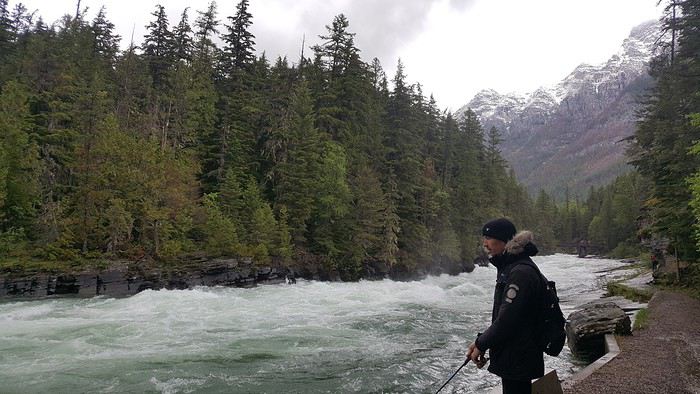 Bon il faut se résoudre au fait qu'il y a trop de débit dû à la fonte des neiges, c'est pas là que je verrai une écaille !
On retourne au croisement où on s'était trompé, pour enfin tomber sur fish lake... qui porte pas très bien son nom... c'est juste une mare en pleine forêt , remplie de troncs et de végétation 😕.
On décide donc d'aller faire le trail d'Avalanche Lake, bien nous en a pris, c'était magnifique du début à la fin 😎
Bon il faut se résoudre au fait qu'il y a trop de débit dû à la fonte des neiges, c'est pas là que je verrai une écaille !
On retourne au croisement où on s'était trompé, pour enfin tomber sur fish lake... qui porte pas très bien son nom... c'est juste une mare en pleine forêt , remplie de troncs et de végétation 😕.
On décide donc d'aller faire le trail d'Avalanche Lake, bien nous en a pris, c'était magnifique du début à la fin 😎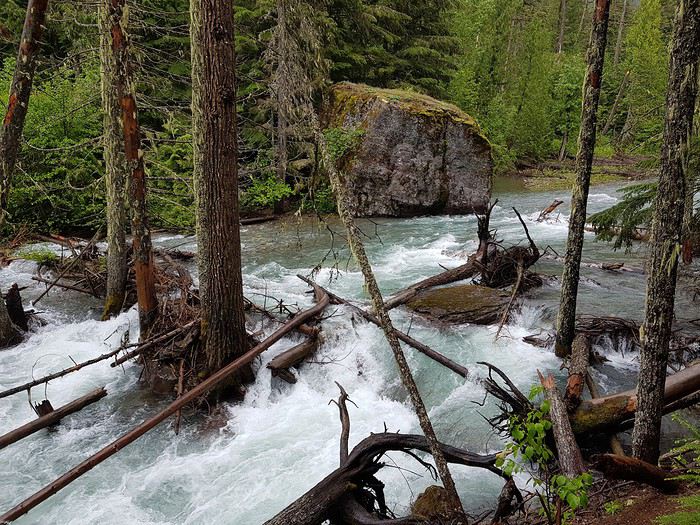
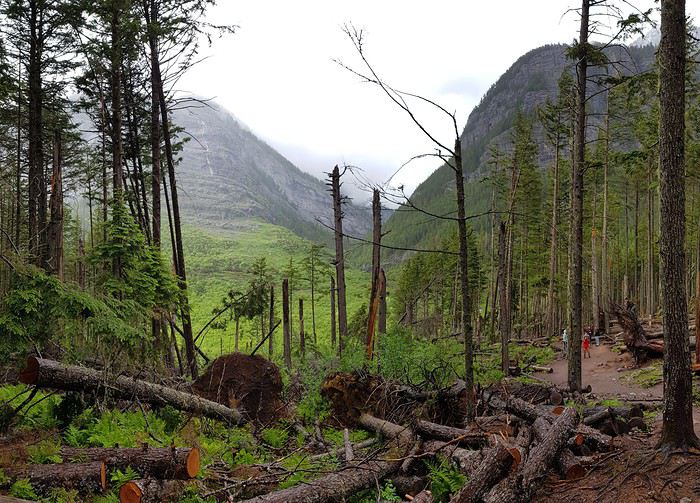
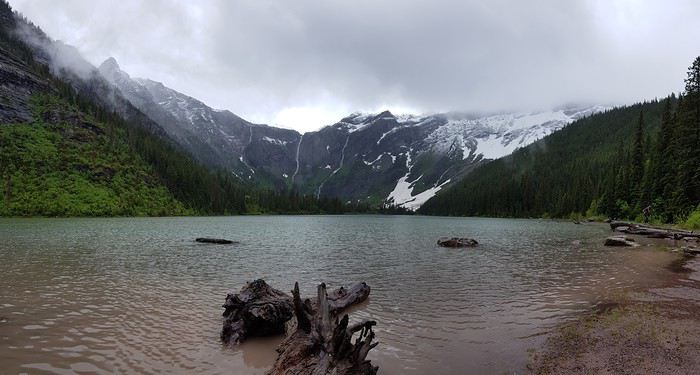
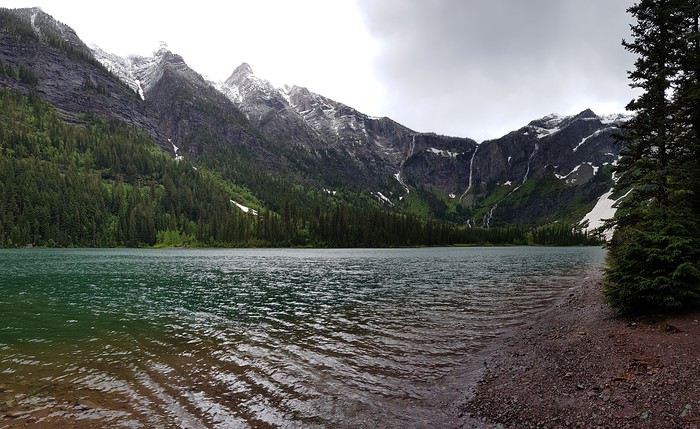
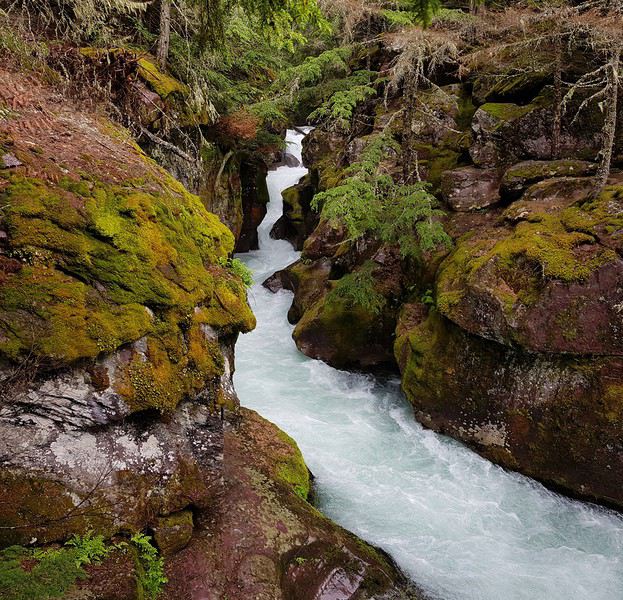
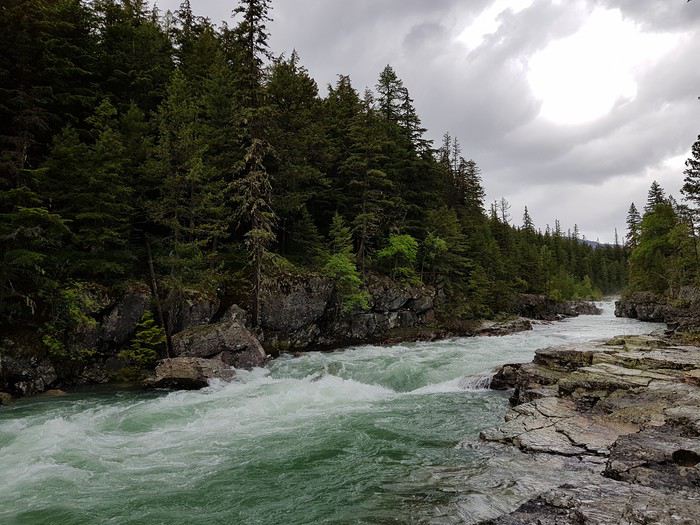 Puis nous passerons un moment au bord du lac, avec quelques timides apparitions du soleil !
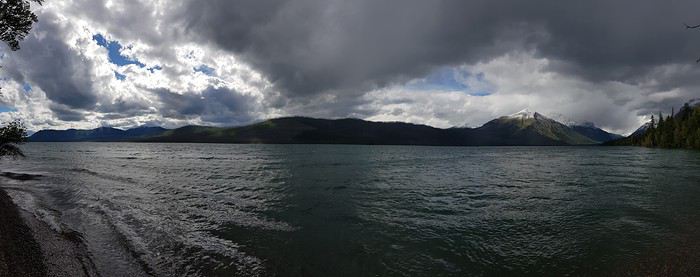 Il se fait tard, le temps passe vite, et nous avons une bonne heure de route pour rallier East Glacier où se trouve notre prochain Motel, et oui, la Going To the Sun road est encore fermée première moitié de Juin, on doit prendre une route plus au sud.
J'entends déjà les " ho t'as pas pu voir la "Going To the Sun".... Merci de remuer le couteau dans la plaie 🏴☠️
Bref, au bout d'une heure de route nous arrivons coté est de la chaine montagneuse, il fait plus beau, on dirait que la chaine de montagne retient tous les nuages coté Pacifique comme une barrière... ce qui ne nous a pas empêché de prendre une petite averse de neige alors qu'il faisait grand soleil en même temps !!! trop bizarre !
Bref, nous allons poser les affaires au motel et cherchons un resto... ils sont tous fermés sauf un seul, un mexicain, cool, mais une fois sur place c'est blindé de monde... snif
Du coup nous reprenons la voiture pour faire plusieurs miles, et nous trouvons un diner BBQ au milieu de nulle part... c'était un peu space l’ambiance dedans ... On attendra très très très longtemps avant d'être servi, jamais vu ça aux USA !
En attendant, j'ai pu tester toutes sortes de bières locales 😄
Il se fait tard, le temps passe vite, et nous avons une bonne heure de route pour rallier East Glacier où se trouve notre prochain Motel, et oui, la Going To the Sun road est encore fermée première moitié de Juin, on doit prendre une route plus au sud.
J'entends déjà les " ho t'as pas pu voir la "Going To the Sun".... Merci de remuer le couteau dans la plaie 🏴☠️
Bref, au bout d'une heure de route nous arrivons coté est de la chaine montagneuse, il fait plus beau, on dirait que la chaine de montagne retient tous les nuages coté Pacifique comme une barrière... ce qui ne nous a pas empêché de prendre une petite averse de neige alors qu'il faisait grand soleil en même temps !!! trop bizarre !
Bref, nous allons poser les affaires au motel et cherchons un resto... ils sont tous fermés sauf un seul, un mexicain, cool, mais une fois sur place c'est blindé de monde... snif
Du coup nous reprenons la voiture pour faire plusieurs miles, et nous trouvons un diner BBQ au milieu de nulle part... c'était un peu space l’ambiance dedans ... On attendra très très très longtemps avant d'être servi, jamais vu ça aux USA !
En attendant, j'ai pu tester toutes sortes de bières locales 😄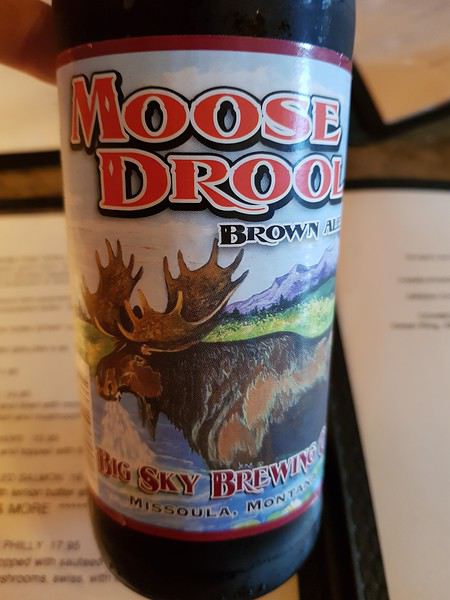 Puis retour (tard) au motel.
Et bien pour une première approche du parc de Glacier j'ai trouvé ça super, c'est certain qu'avec du soleile t la Going To the Sun ouverte ça aurait été encore mieux, mais on a prit un bon bol d'air, il y avait assez peu de monde, bref, très bien ! Et il parait que le coté Est est plus beau ! ça promet pour demain !
Puis retour (tard) au motel.
Et bien pour une première approche du parc de Glacier j'ai trouvé ça super, c'est certain qu'avec du soleile t la Going To the Sun ouverte ça aurait été encore mieux, mais on a prit un bon bol d'air, il y avait assez peu de monde, bref, très bien ! Et il parait que le coté Est est plus beau ! ça promet pour demain !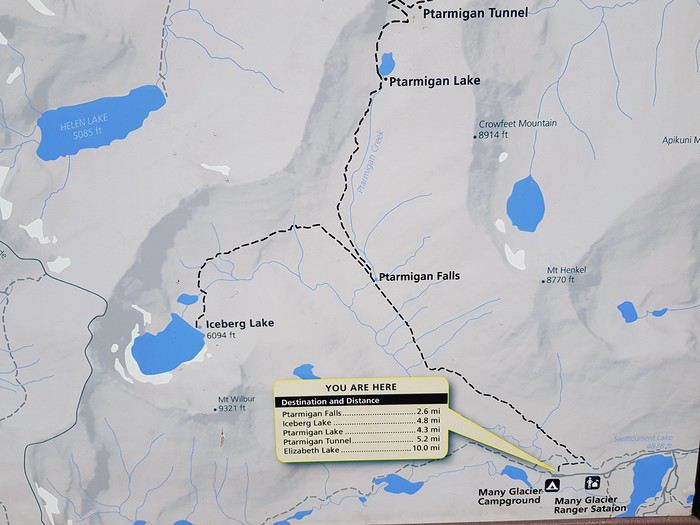 Il y a des panneaux énormes mettant en garde sur le gros risque de tomber sur des grizzly.
Nous nous mettons donc en route, je chante des grosses conneries improvisées sur le trail afin de ne pas surprendre d'ours, de toutes façons j'ai le spray à la ceinture, mais si on peut éviter de s'en servir, ce sera mieux pour tout le monde !
La première partie se fait à travers bois, le dénivelé est facile, on profite de la vue tout du long.
Il y a des panneaux énormes mettant en garde sur le gros risque de tomber sur des grizzly.
Nous nous mettons donc en route, je chante des grosses conneries improvisées sur le trail afin de ne pas surprendre d'ours, de toutes façons j'ai le spray à la ceinture, mais si on peut éviter de s'en servir, ce sera mieux pour tout le monde !
La première partie se fait à travers bois, le dénivelé est facile, on profite de la vue tout du long.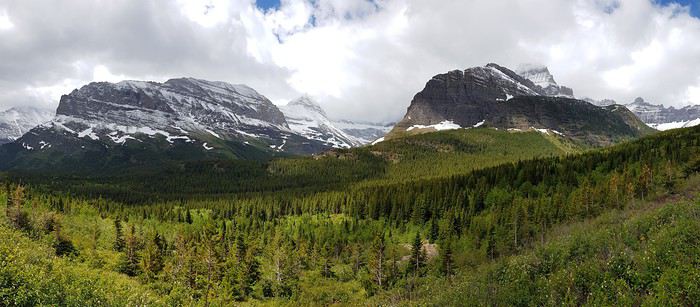 Nous faisons une petite pause barres de céréales juste en amont d'une cascade, que c'est paisible, il n'y a pas grand monde...
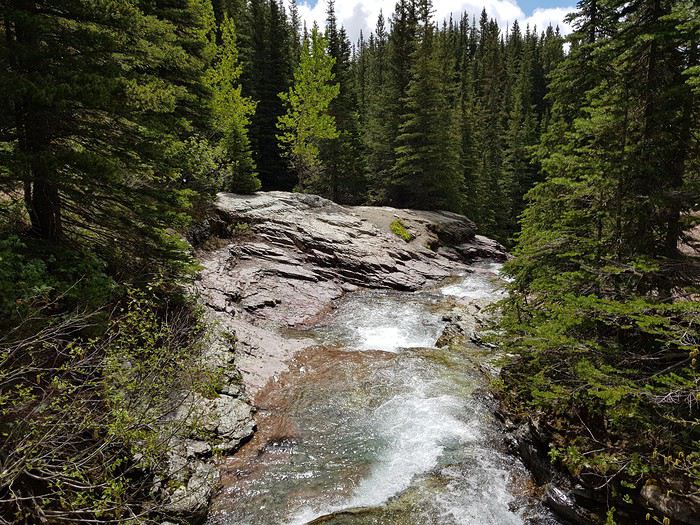 .Ha si !... qu'est ce que tu me veux toi ?
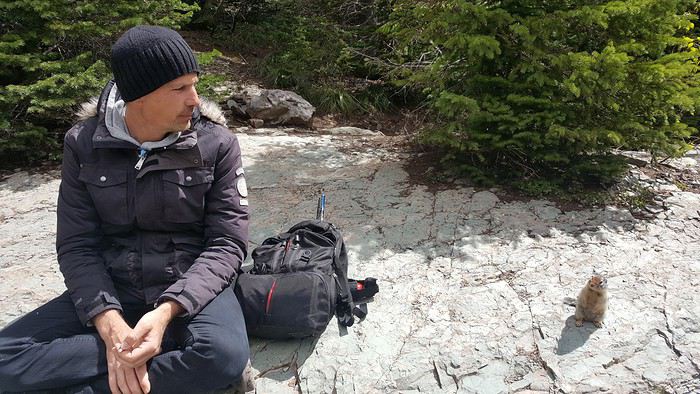 Nous reprenons notre marche, les arbres se raréfient... le soleil aussi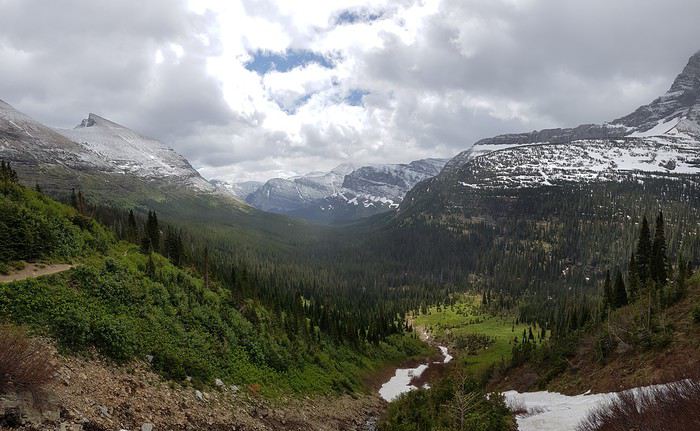
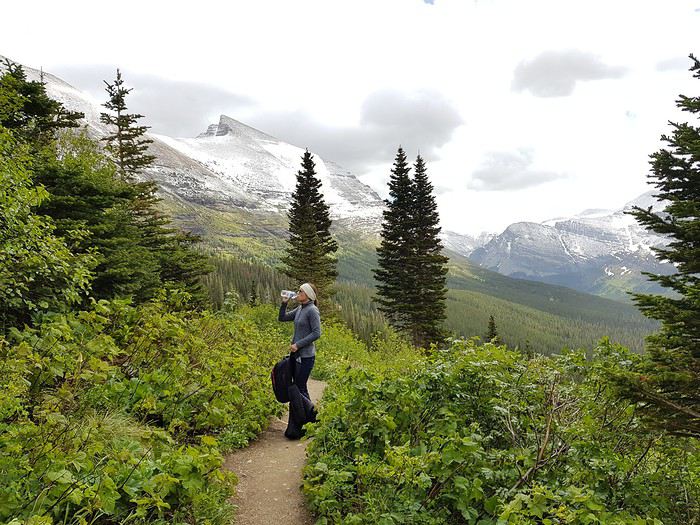
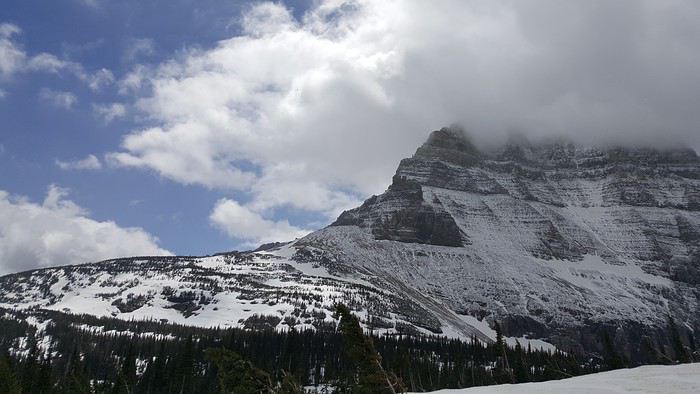
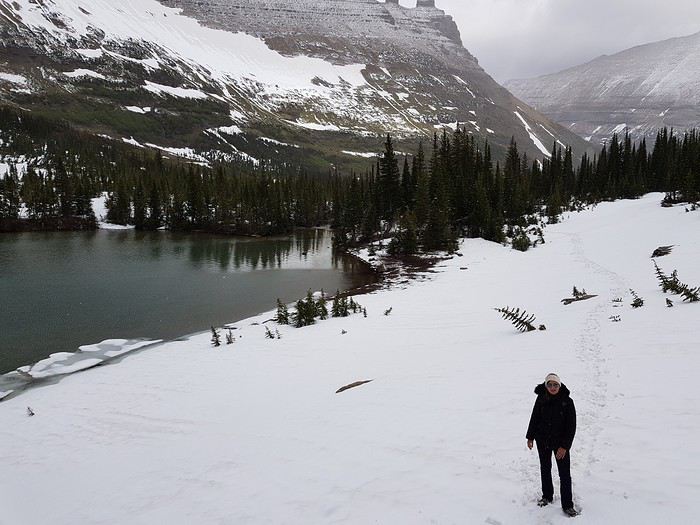 Là il n'y a plus de chemin pour aller à Iceberg lake, la neige a tout recouvert 😕
Du coup on esssaye d'y aller à vue de nez en s'enfonçant, pas moyen de rebrousser chemin si près du but !
On traversera même une rivière sur un tronc en travers, puis on finira par arriver à Iceberg Lake... où 10 mètre avant qu'on arrive à la berge se déclenche une tempête de neige nous aveuglant... Et pis le lac est plus "iceberg" que "lake"... si je veux pêcher il va falloir faire un trou dans la glace 🤪
Là il n'y a plus de chemin pour aller à Iceberg lake, la neige a tout recouvert 😕
Du coup on esssaye d'y aller à vue de nez en s'enfonçant, pas moyen de rebrousser chemin si près du but !
On traversera même une rivière sur un tronc en travers, puis on finira par arriver à Iceberg Lake... où 10 mètre avant qu'on arrive à la berge se déclenche une tempête de neige nous aveuglant... Et pis le lac est plus "iceberg" que "lake"... si je veux pêcher il va falloir faire un trou dans la glace 🤪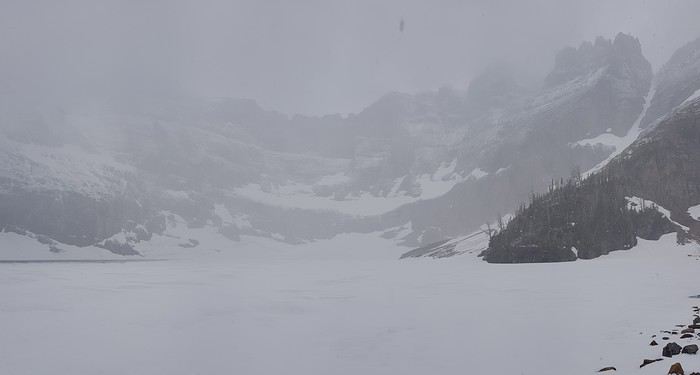
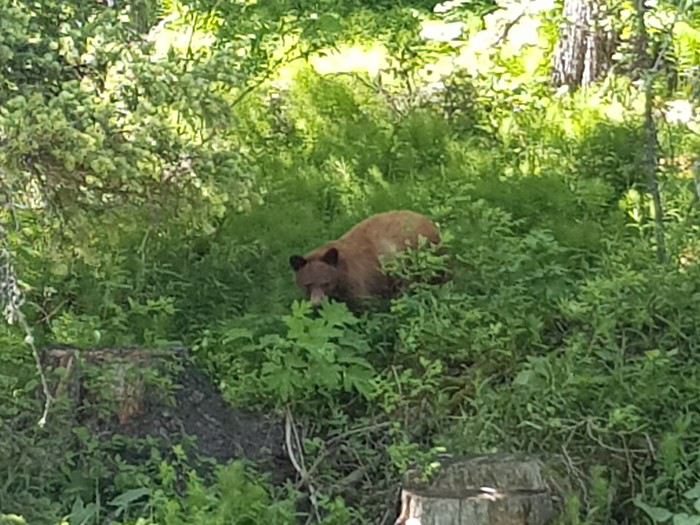
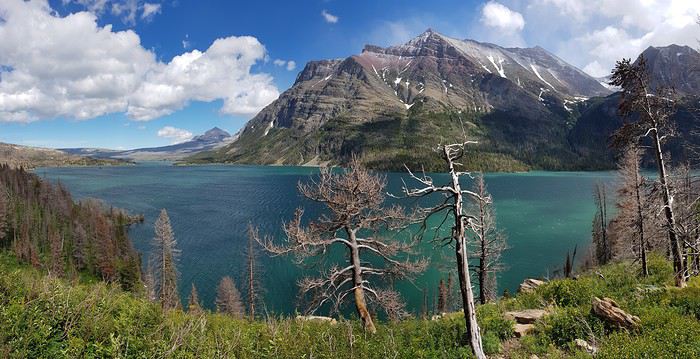
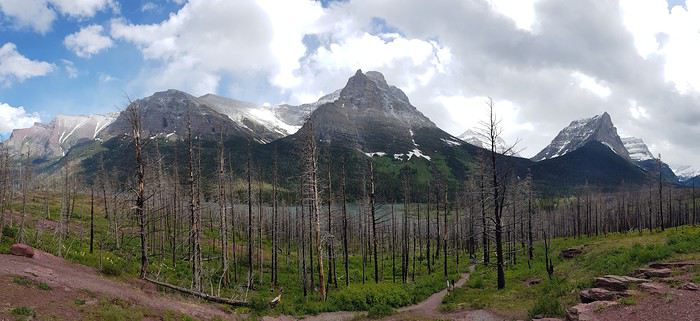
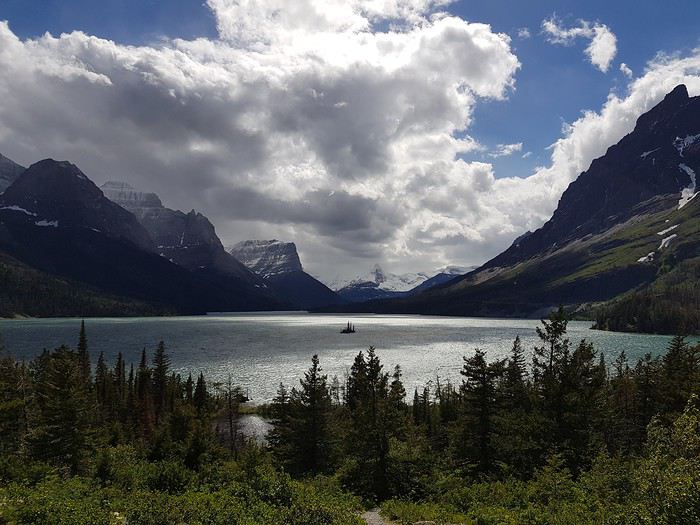
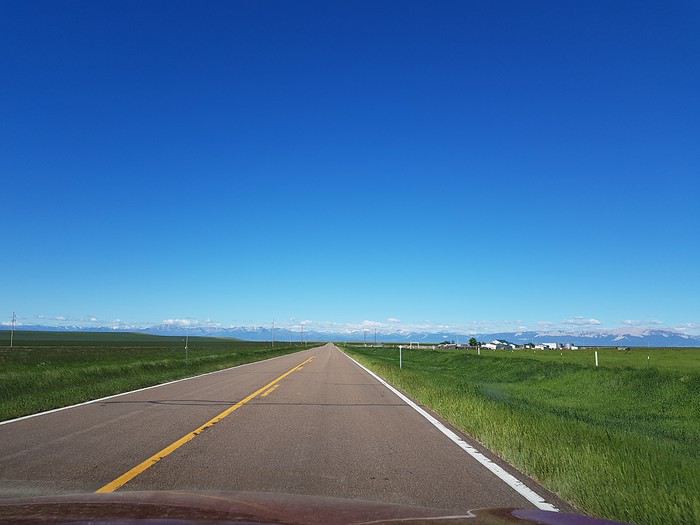

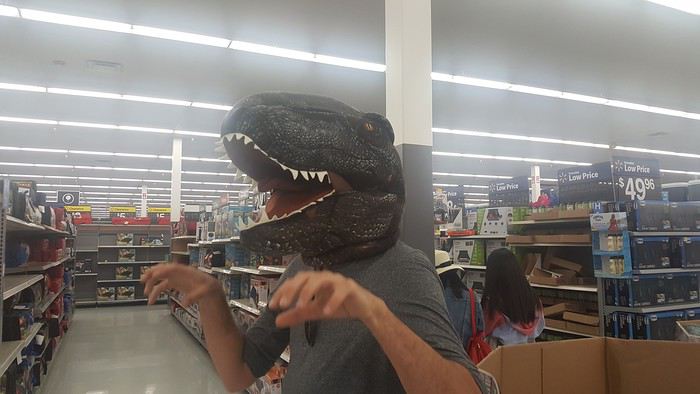
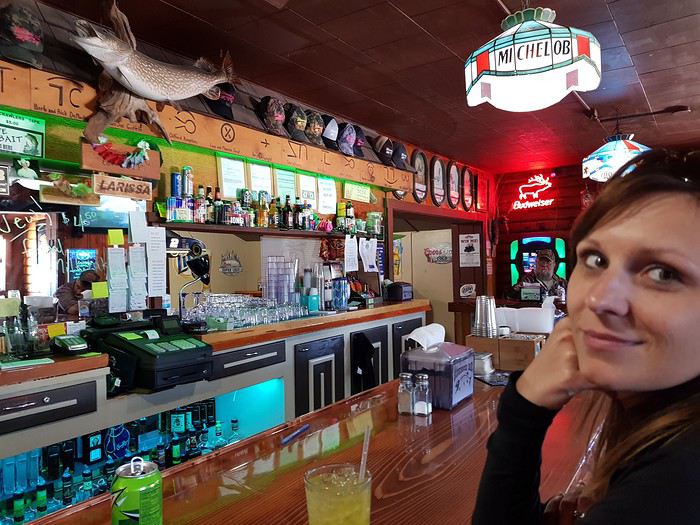
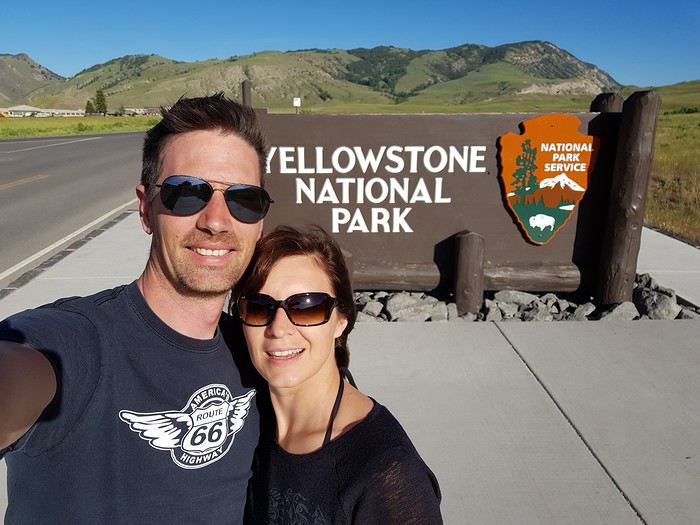
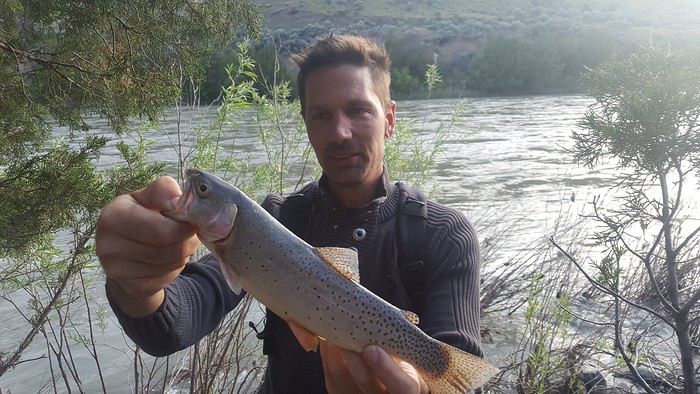
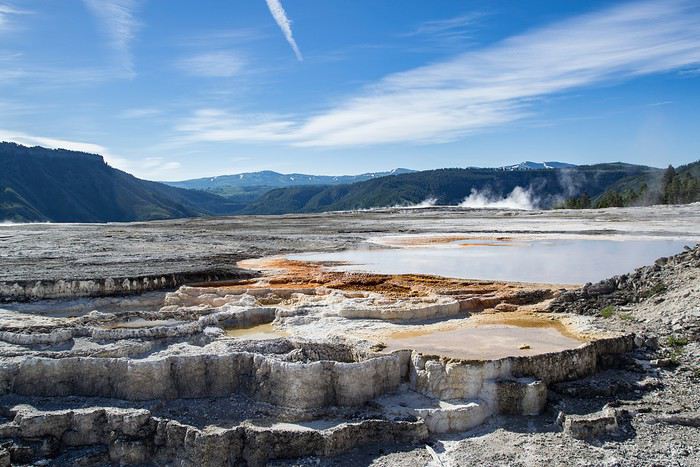
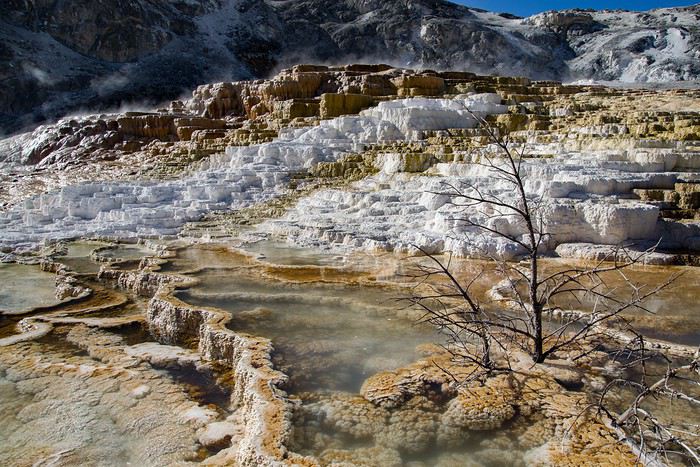
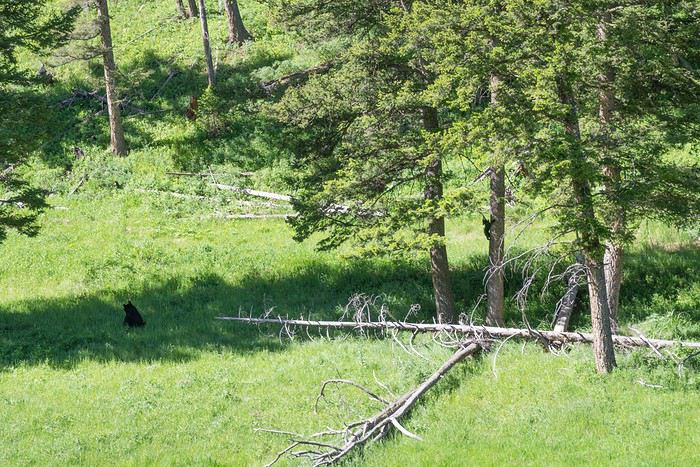
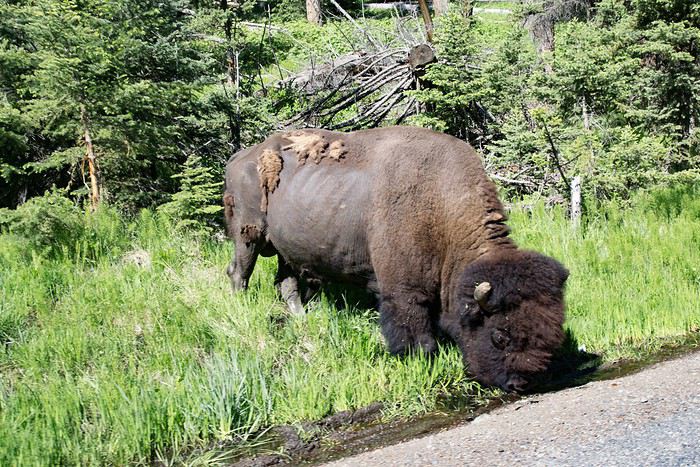
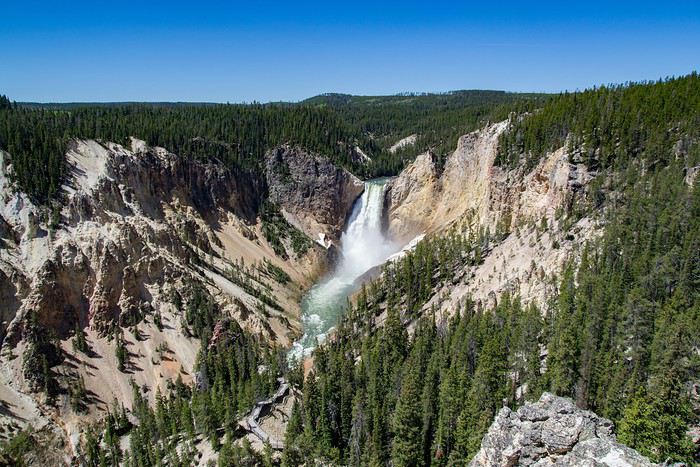
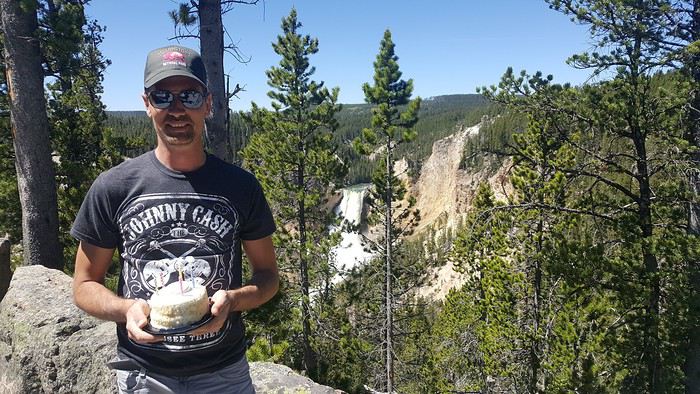
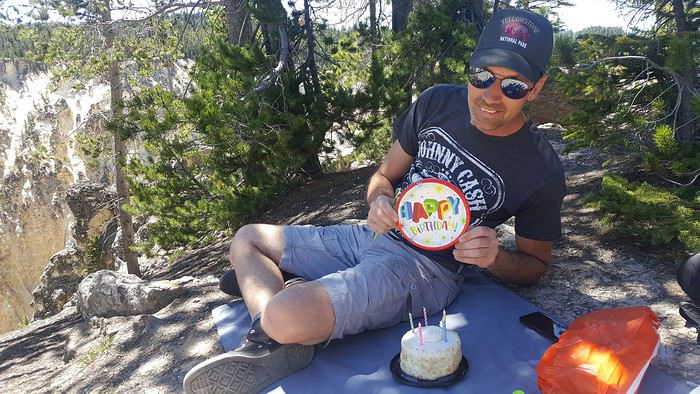
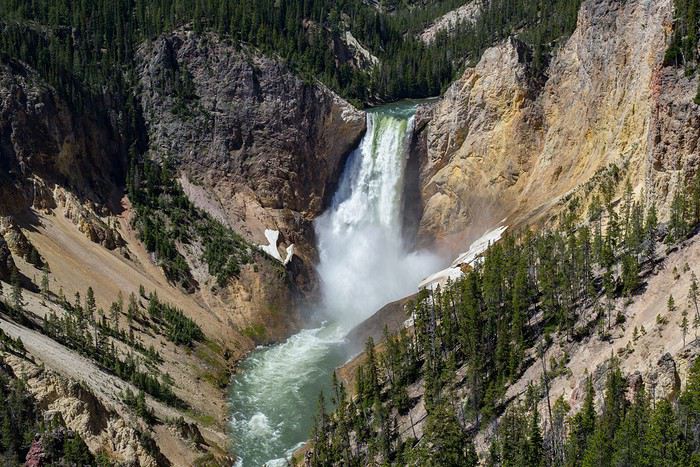


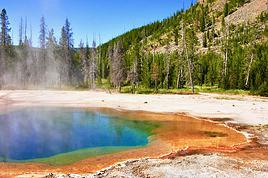
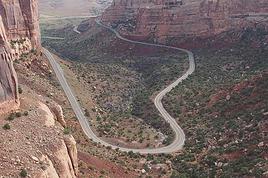
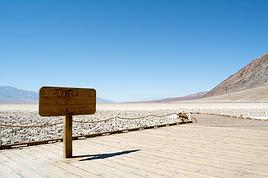

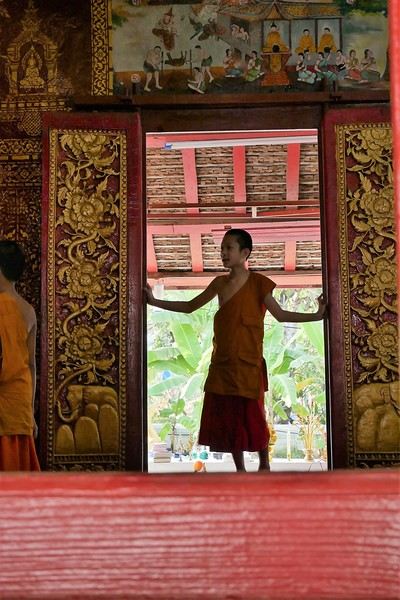 Come along, I'm taking you to this country where it's so nice to wander and slow down...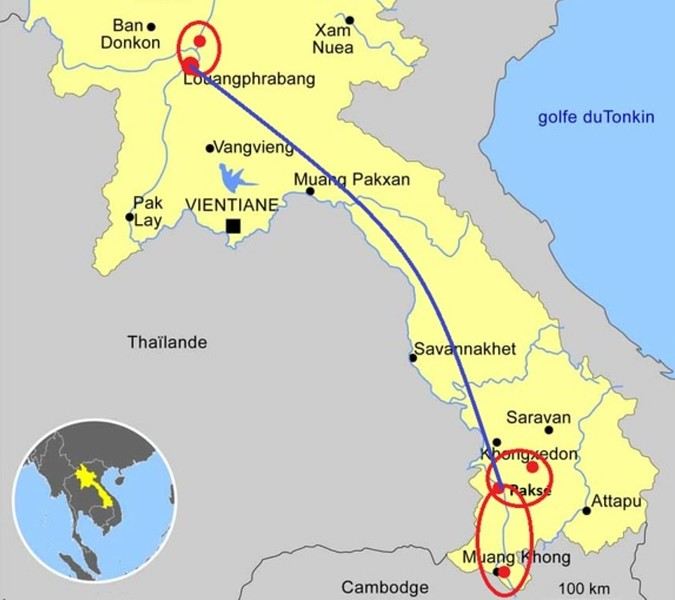
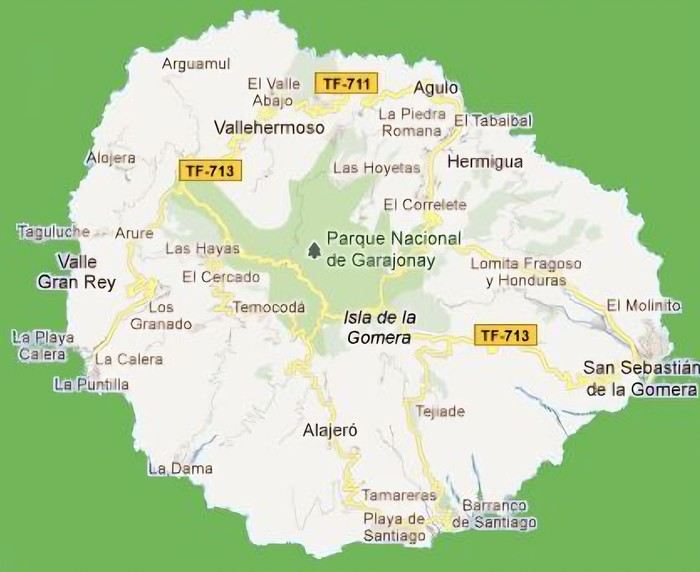 The large solidified magma massifs that shape the heart of the island have created a large depression more protected from the sun at its center, allowing the growth of a vast laurel forest, today grouped within the Garajonay National Park, La Gomera’s green lung, which has earned it the status of a World Biosphere Reserve. Its completely European appearance contrasts sharply with the rocky and tropical landscapes of the rest of the island. Thus, the climate varies greatly from one point to another on the island: in summer, you can quickly go from a dry and sunny valley at 35°C to a humid forest area at altitude at 18°C.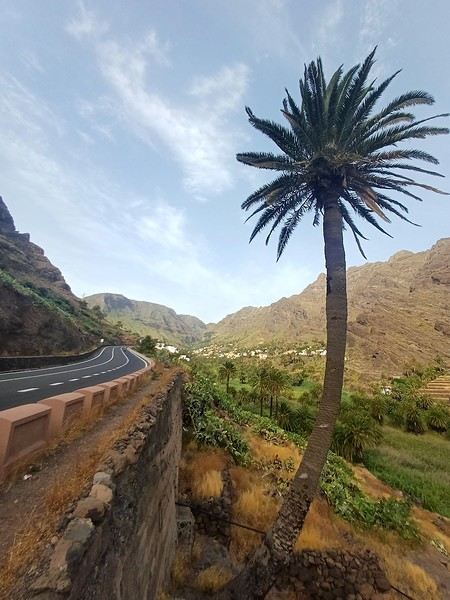

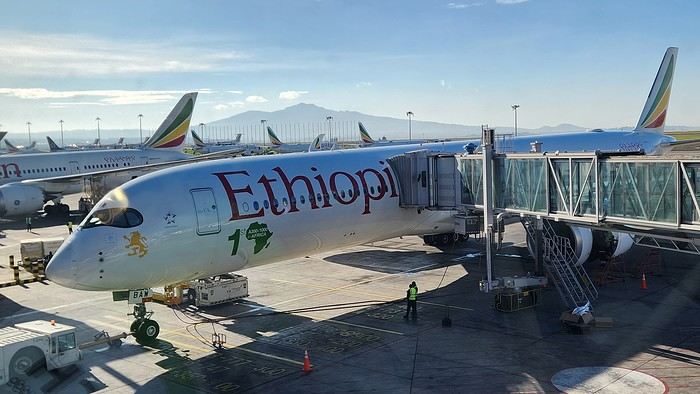
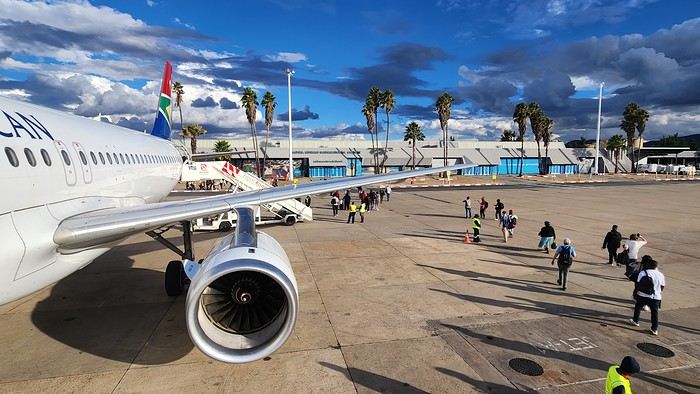
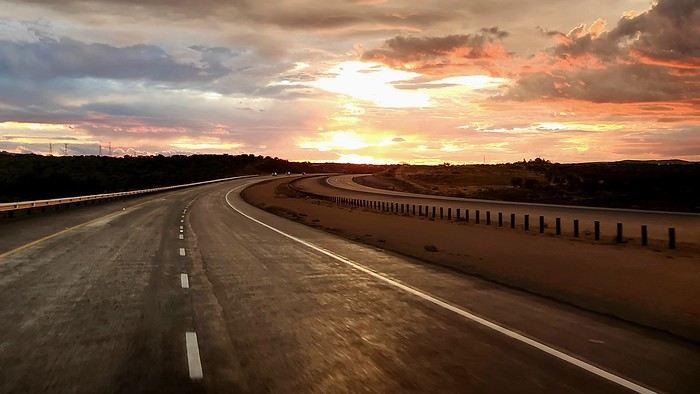
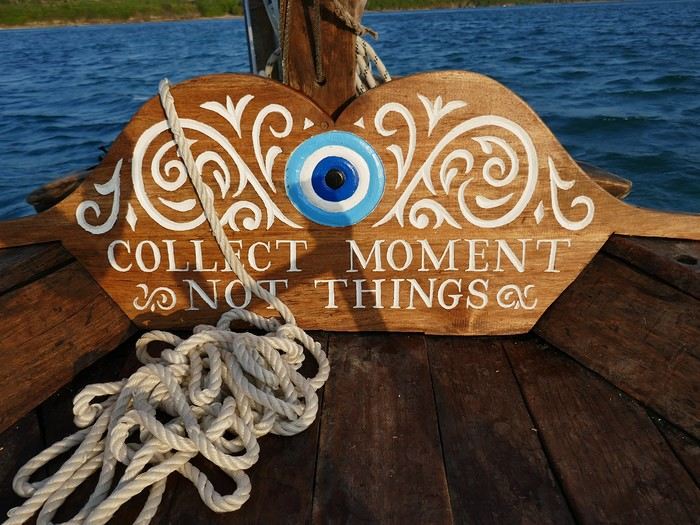

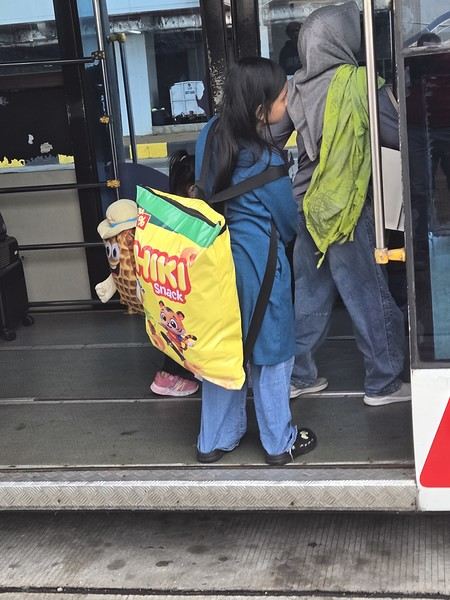
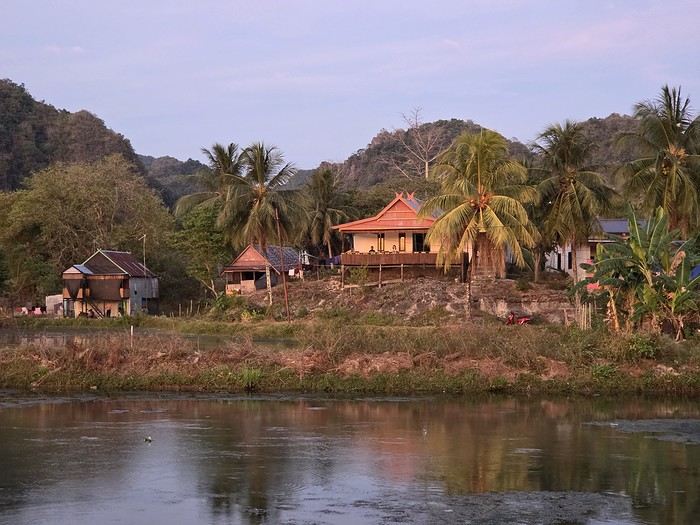
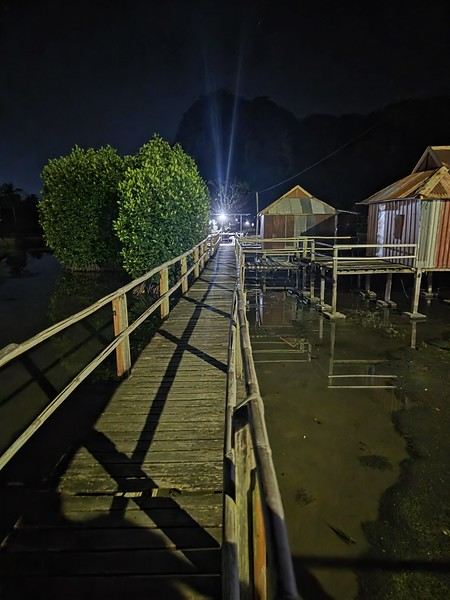
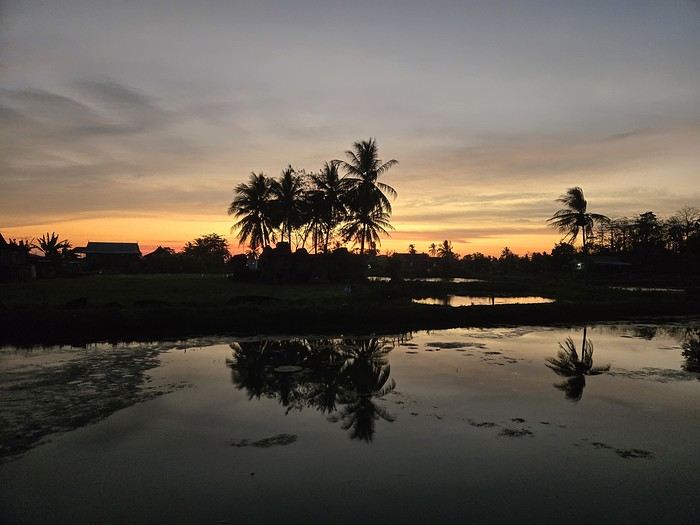
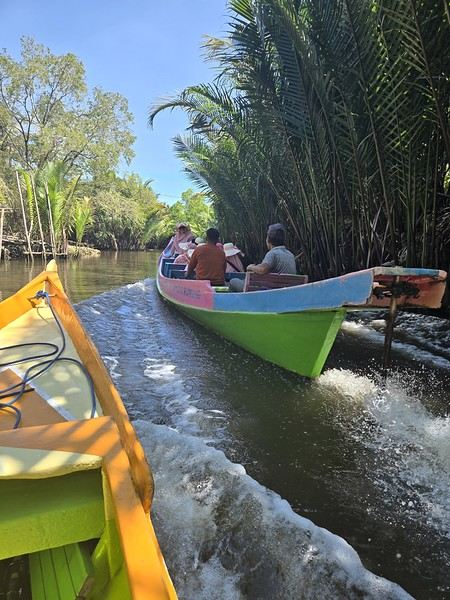 The karst site:
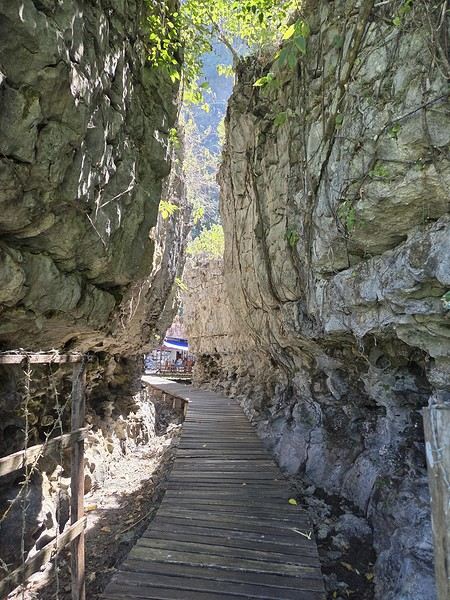
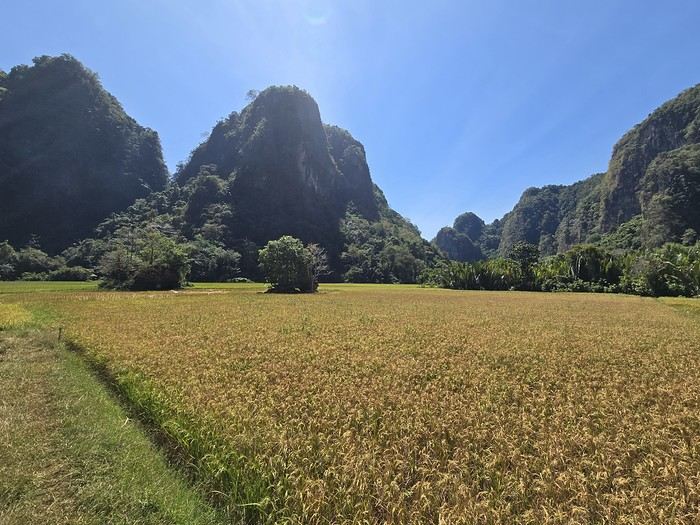
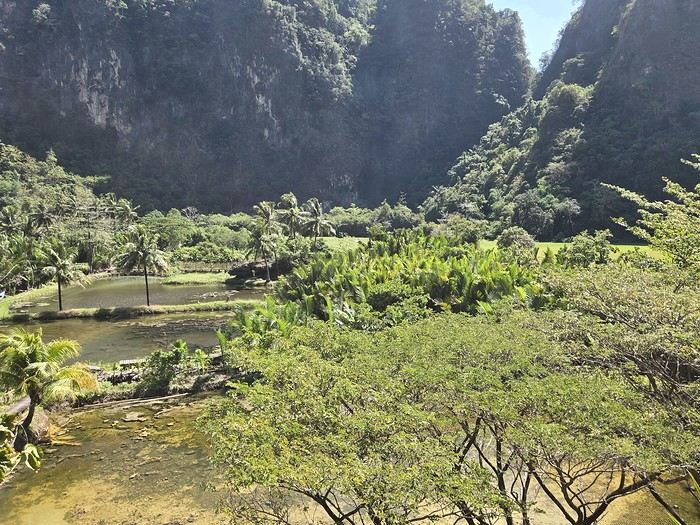
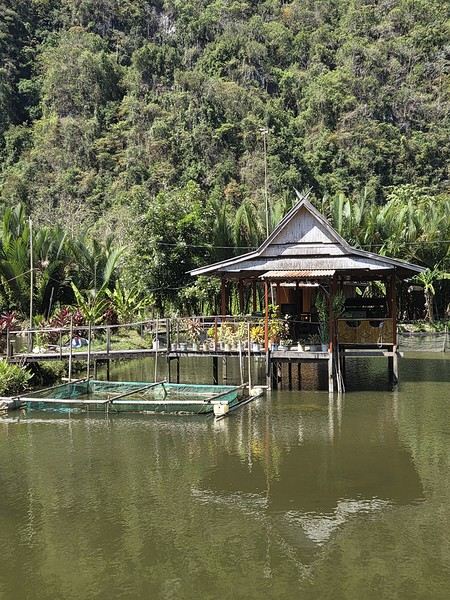
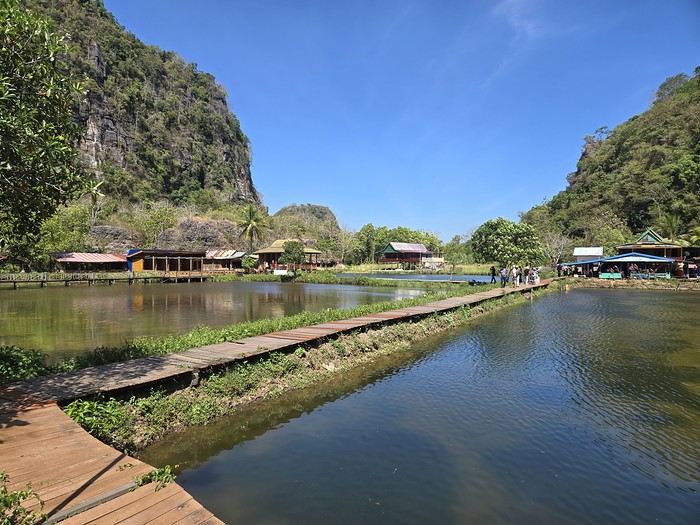
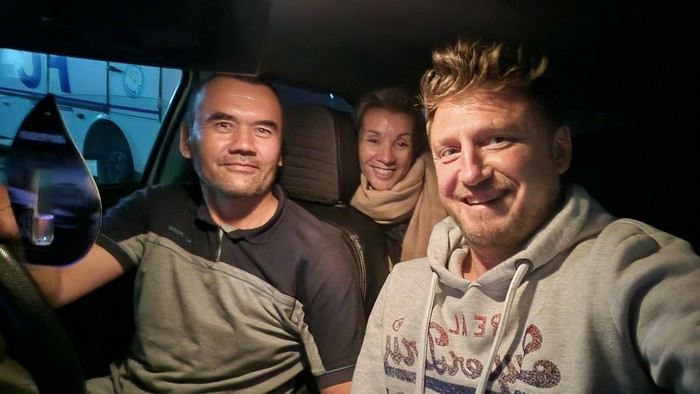
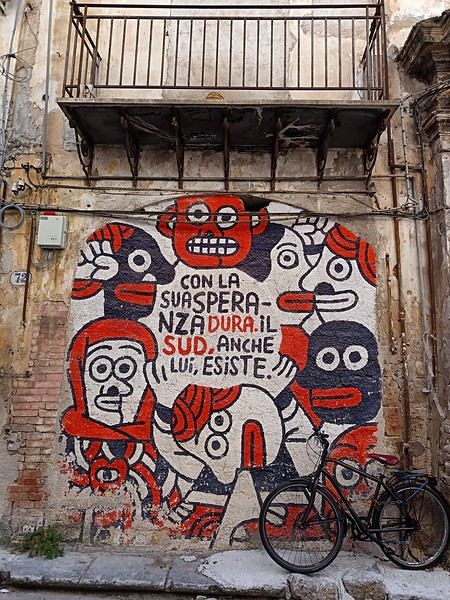 (In the heart of Albergheria, on a street every visitor walks down—lovely message from an unidentified artist)
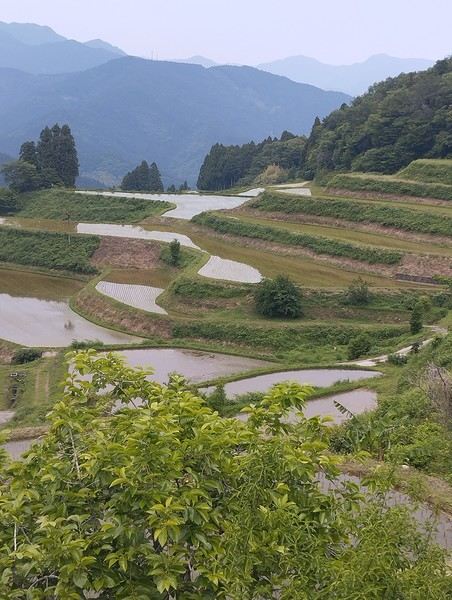
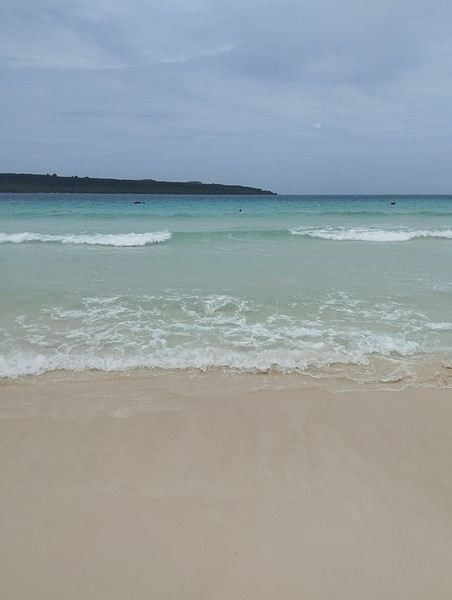
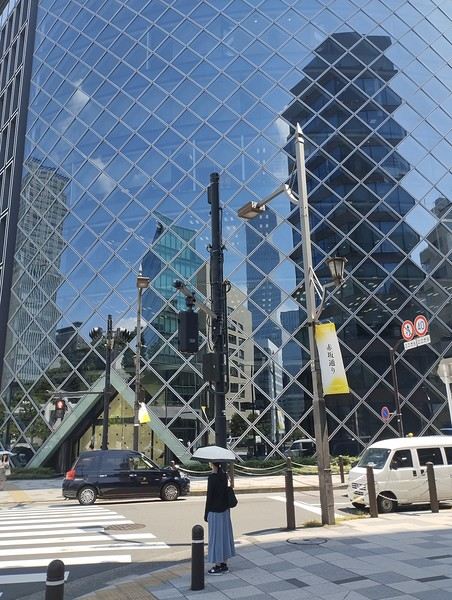
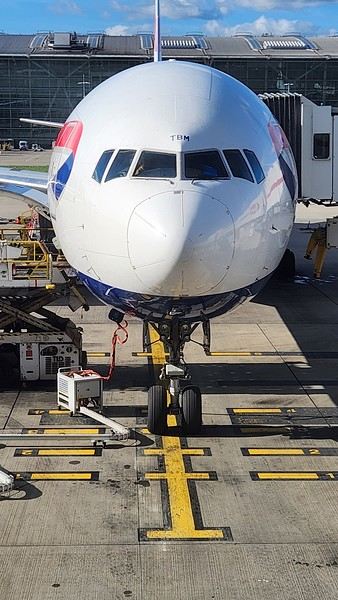


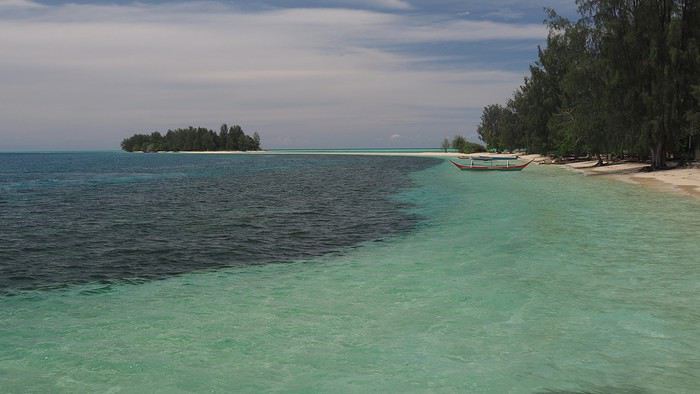
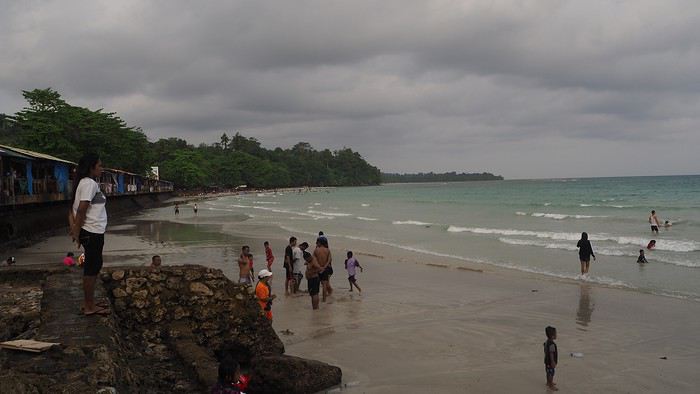
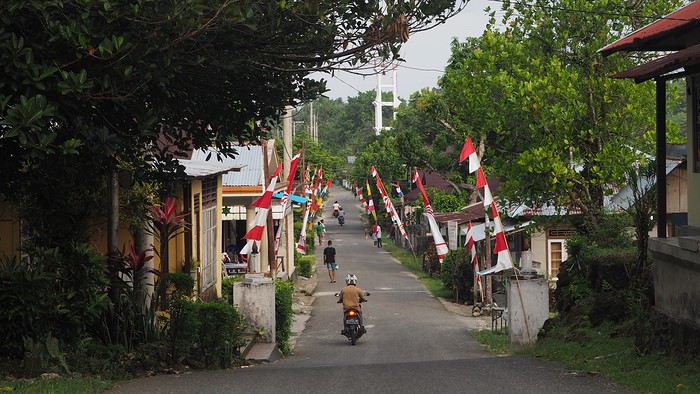
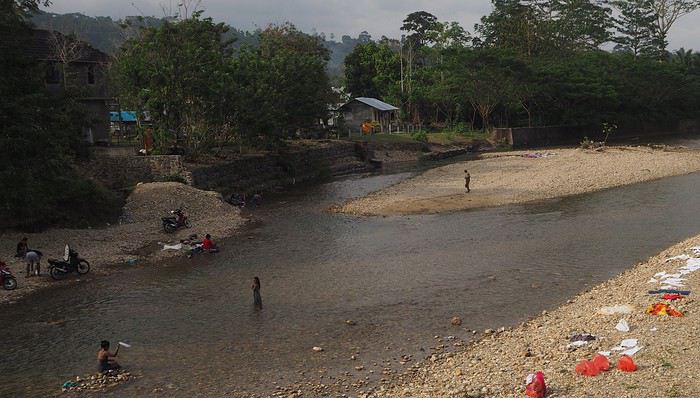 Laundry and trucks washed in the same stream.
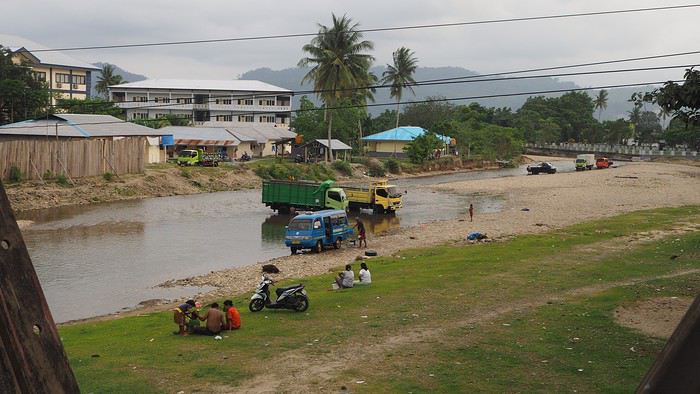
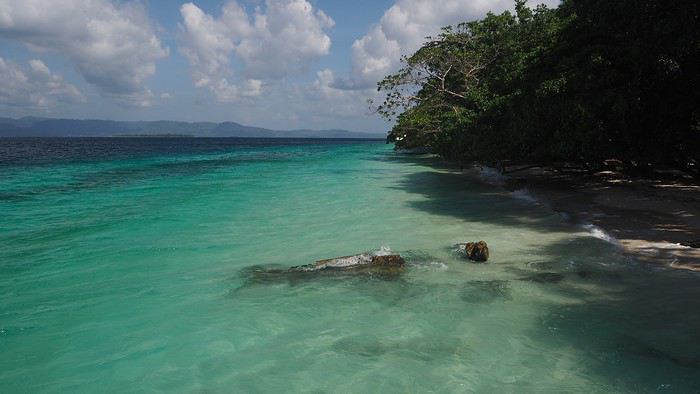
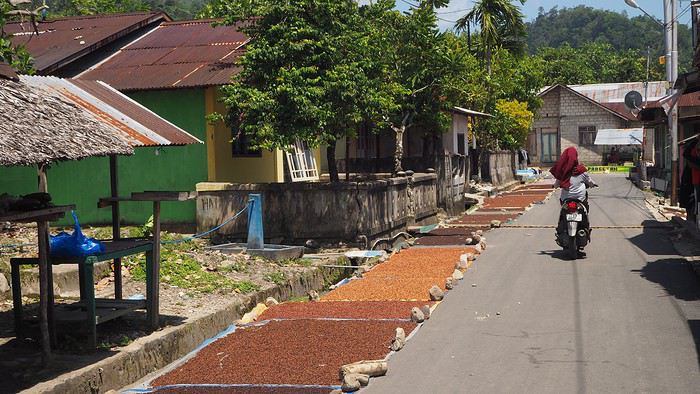
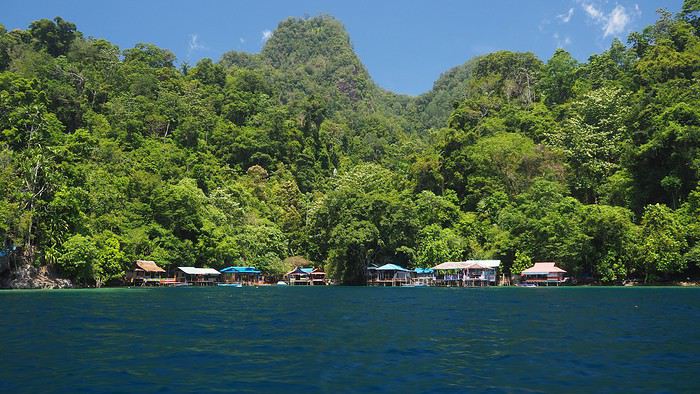 We’re greeted dozens of times with “Hello Mister”—a daily routine in the Moluccas. Every time we stop, we pose for photos to be saved on locals’ smartphones. They don’t see tourists often.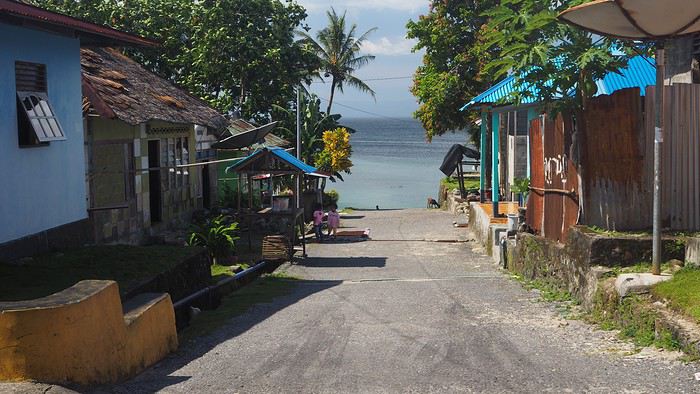
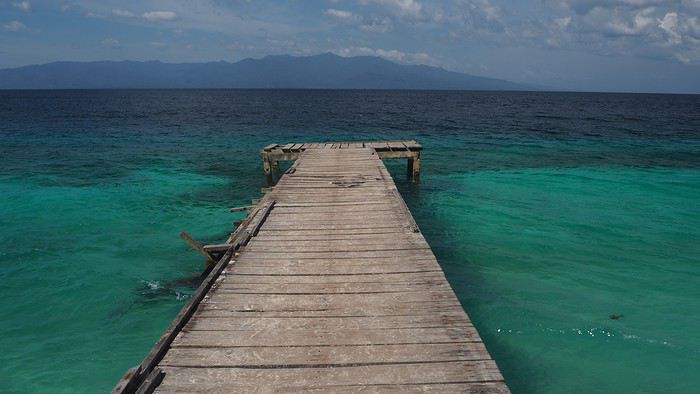
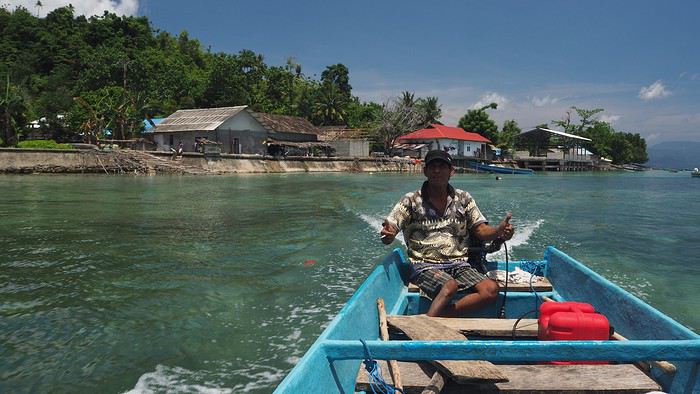
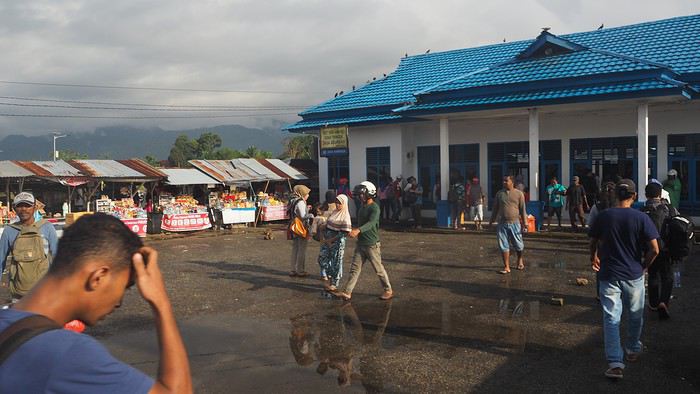
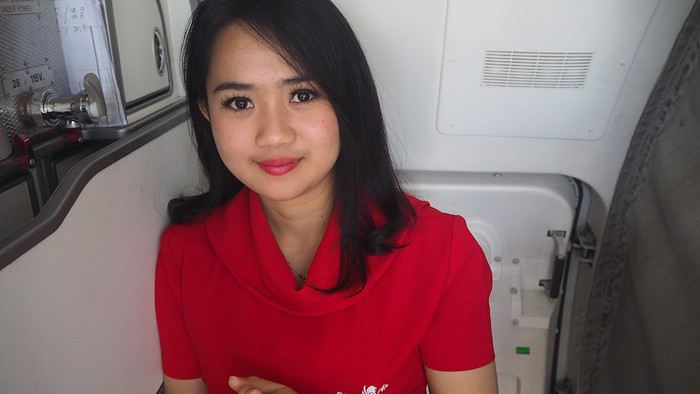
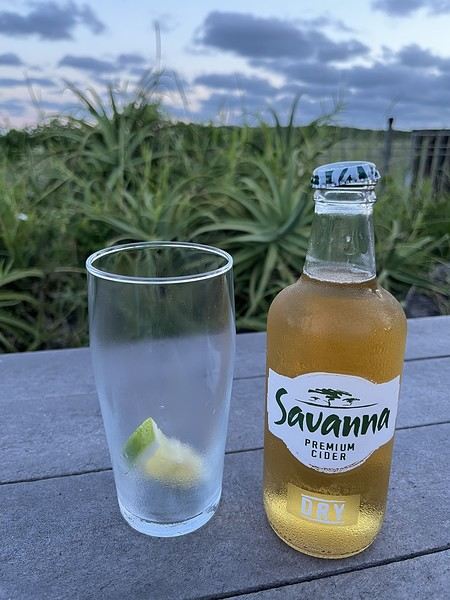


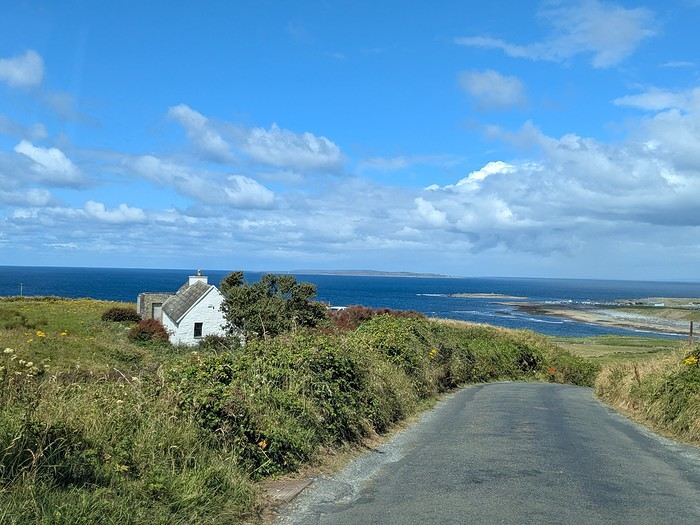
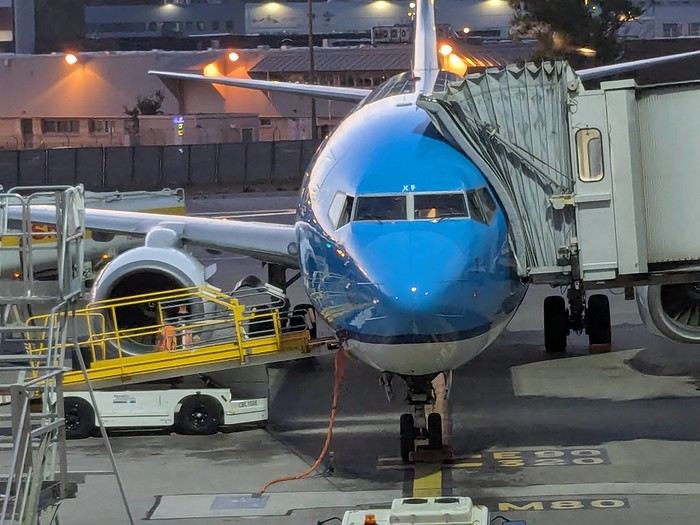
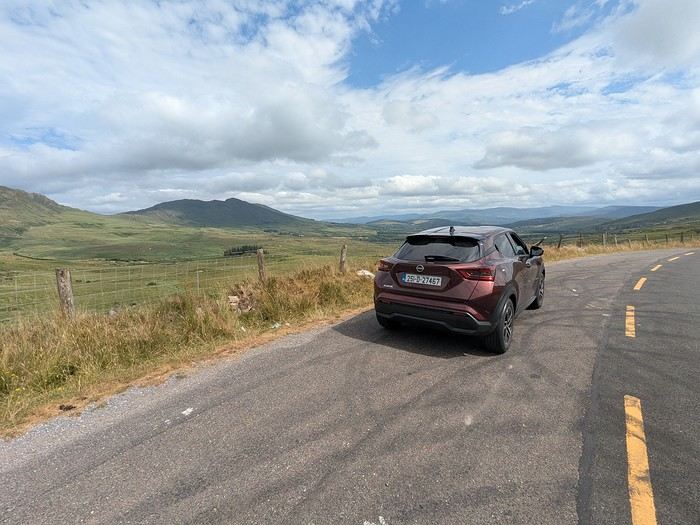
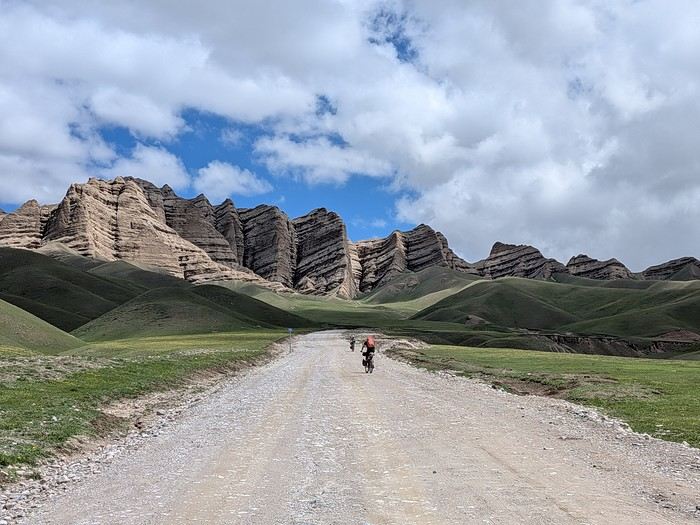
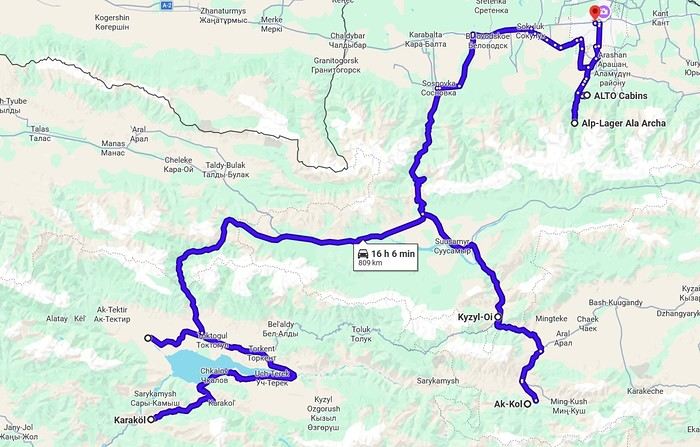

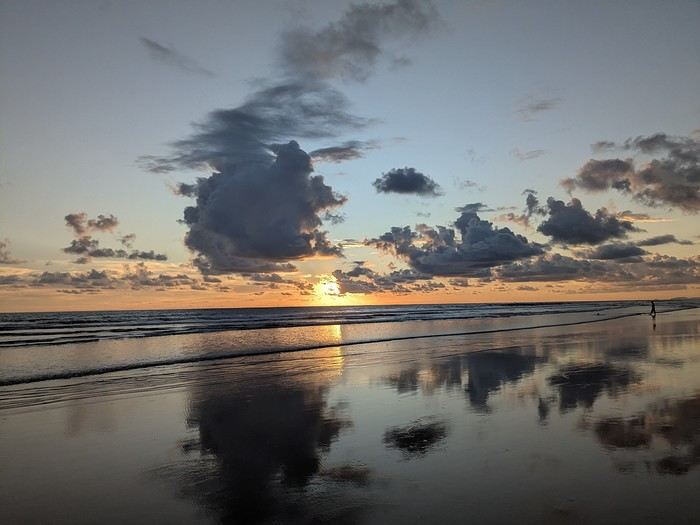
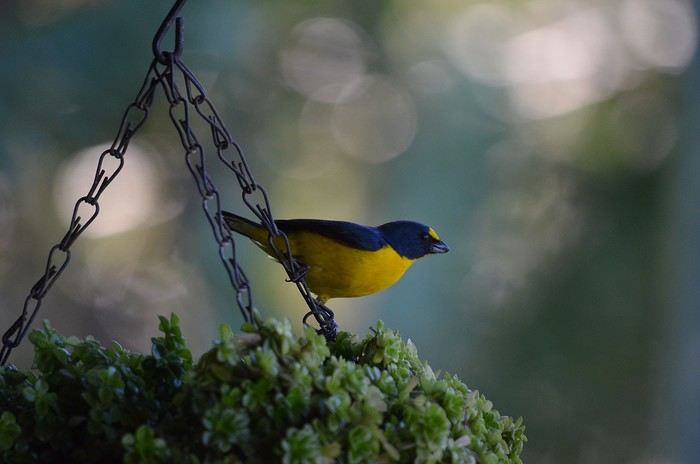
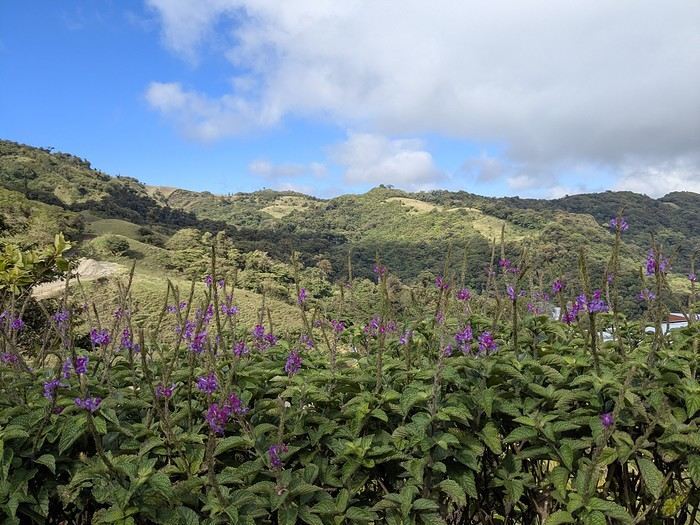
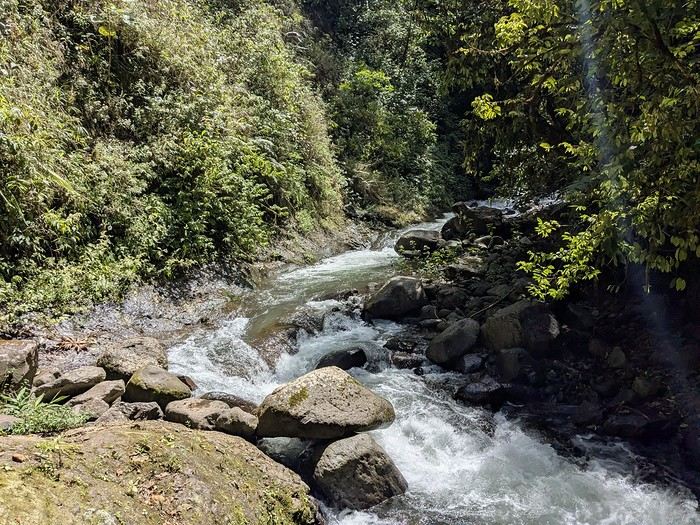
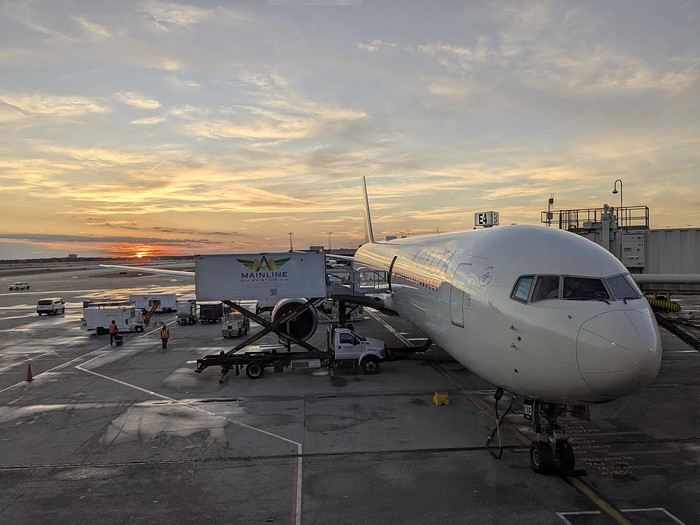
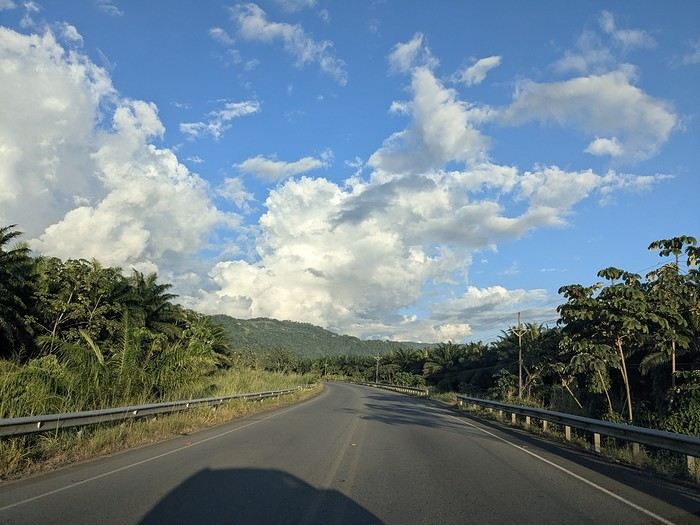
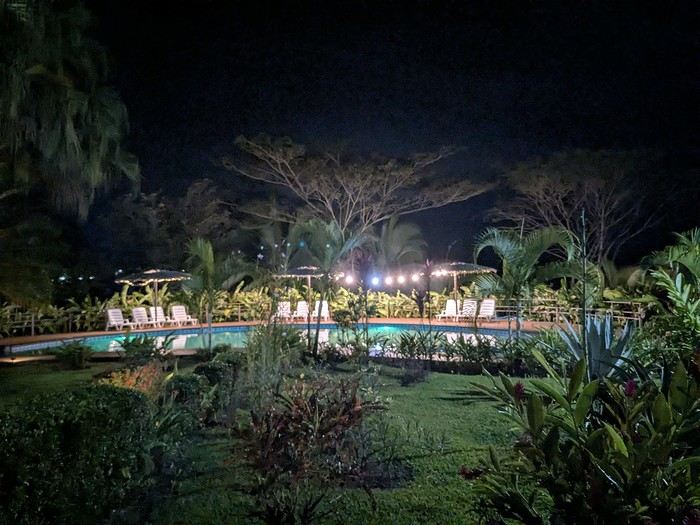
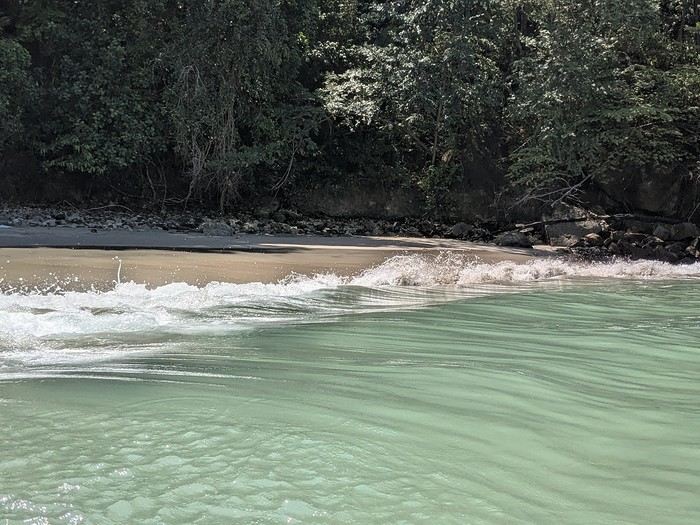
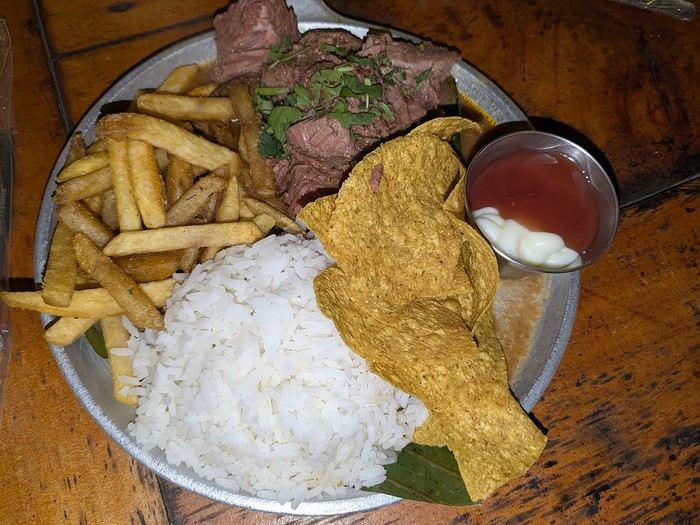
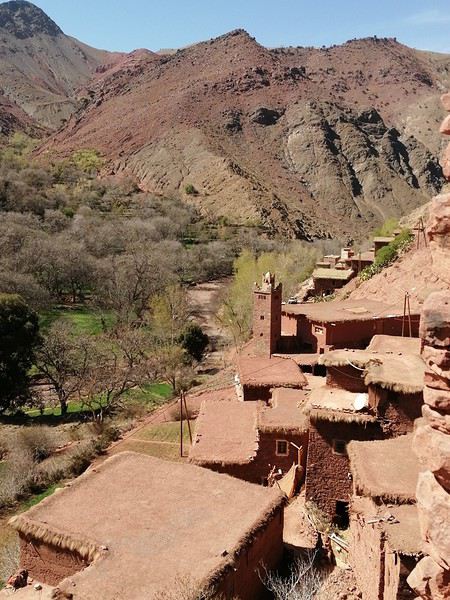
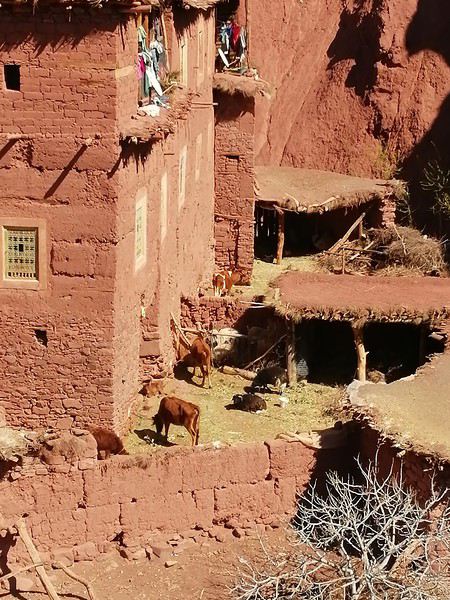
 Several magnificent collective granaries have been beautifully restored. The warm colors of the stone capture the light wonderfully. It’s stunning!

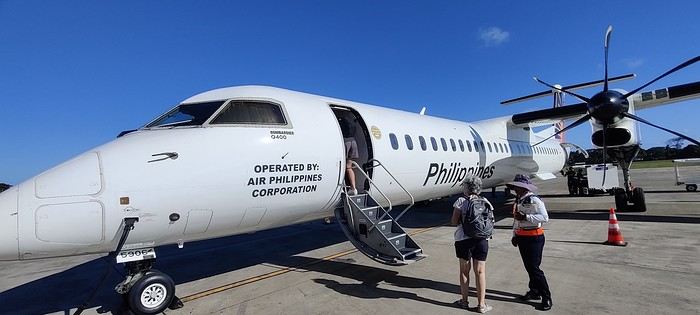
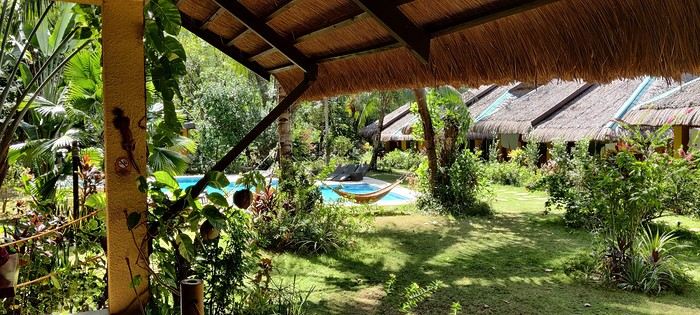
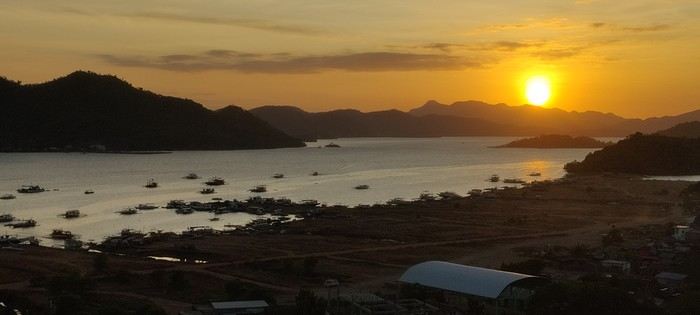
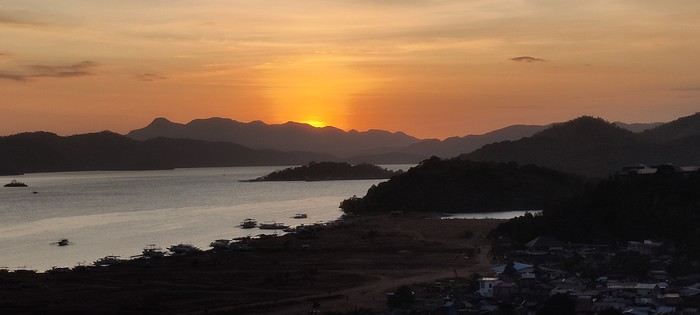
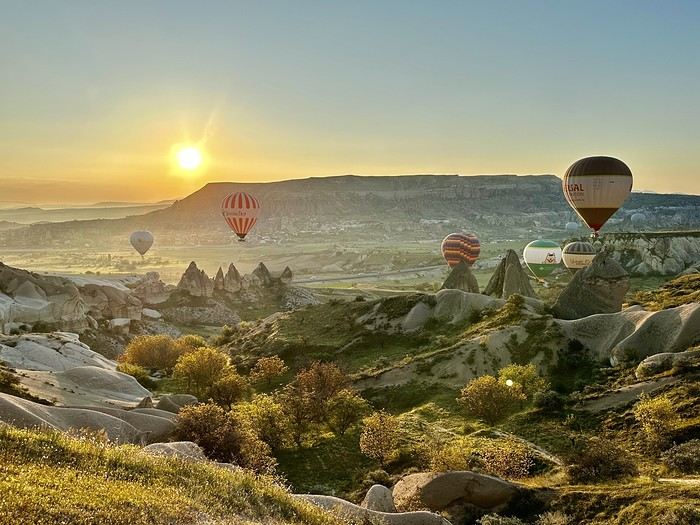 A little sneak peek?