Day 23 – A little trip to southern Tokyo, in Togoshiginza
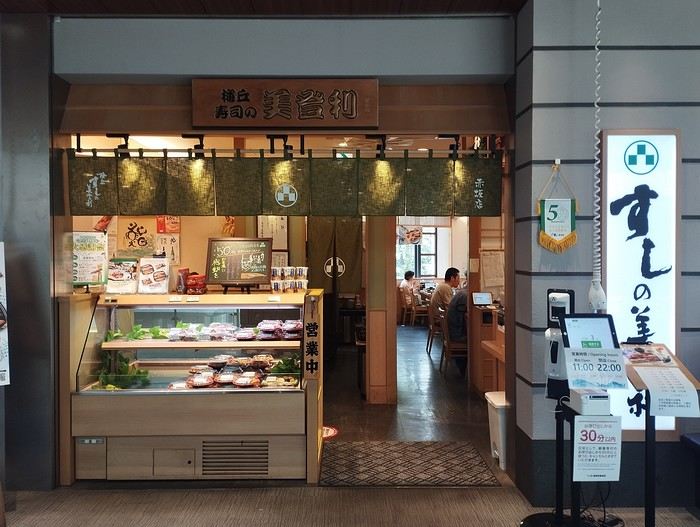
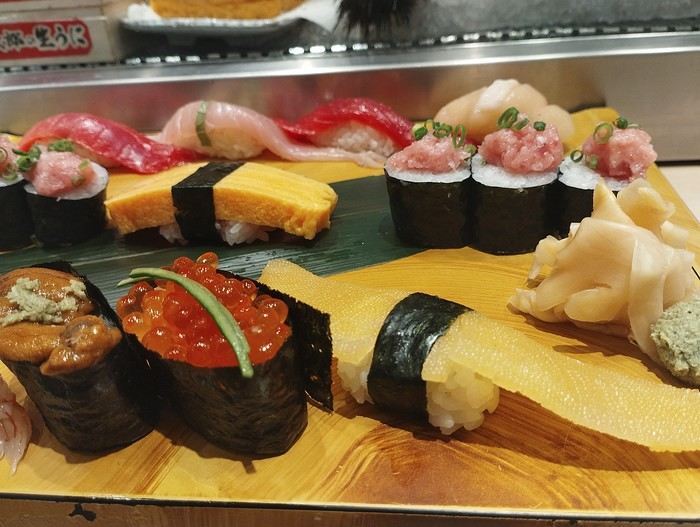
The day starts quietly with brunch at our sushi "canteen," which we’ve mentioned before. But today, we’re sitting in the restaurant section.
Mr. went all out again! Since the service is super fast, our little table—Japanese-sized, of course—quickly fills up. The waitress even laughs, moving the sauces aside and setting up a second table next to ours so we have a bit more space.
For a change, I try some white fish sushi seasoned with lemon. A combo I’m discovering and really enjoying.
Off to Togoshiginza
After that, we head to Togoshiginza with the idea of exploring a lesser-known part of Tokyo, just wandering wherever we feel like.
During our last trip, we’d already done this kind of stroll, and it ended up being one of my best Tokyo memories. So today, we’re doing it again!
Getting around in Japan is usually pretty easy... except when the subway suddenly turns into a train without warning!
We’re standing in the carriage, calmly watching the scenery go by. As we move along, the surroundings become less urban. I check the stations: everything’s fine.
Then, all of a sudden, I notice we’re passing the station that was supposed to be next... without stopping.
Hmm... weird.
I look at the signs again and realize: the subway has turned into a train and won’t stop at the scheduled station!
So we get off at the next stop, which is pretty far from our destination. We have to cross over to the opposite platform to head back the other way.
We wait about twenty minutes because, apparently, we’re now in the "outer" suburbs. We take the train back in the other direction, get off, and finally find the subway again—which, this time, stays a subway and doesn’t turn into a train!
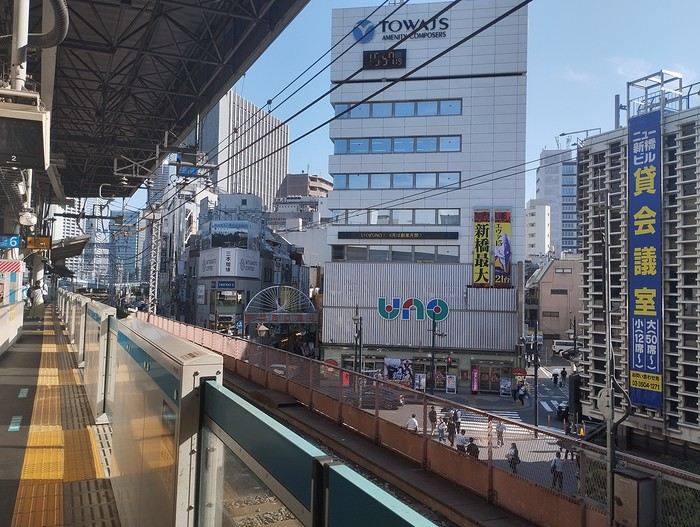
We eventually arrive at our stop, A-04 Togoshi on the A line, the Toei Asakusa line.
All that for a little relaxed stroll in Tokyo!
Togoshi Street, everyday Tokyo
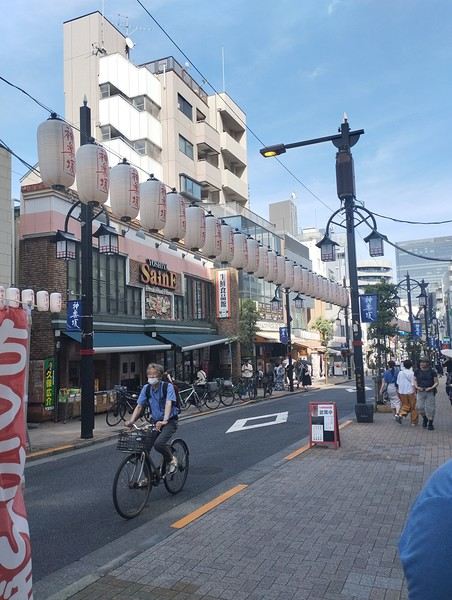
Togoshi Street is just a few steps from the subway exit. It’s easy to spot thanks to its pole-shaped gates marking the street name.
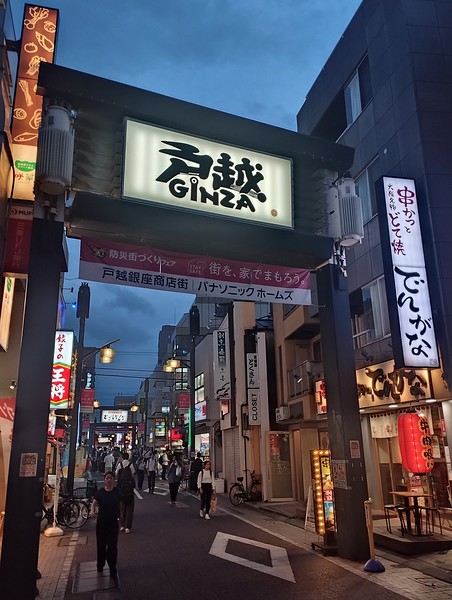
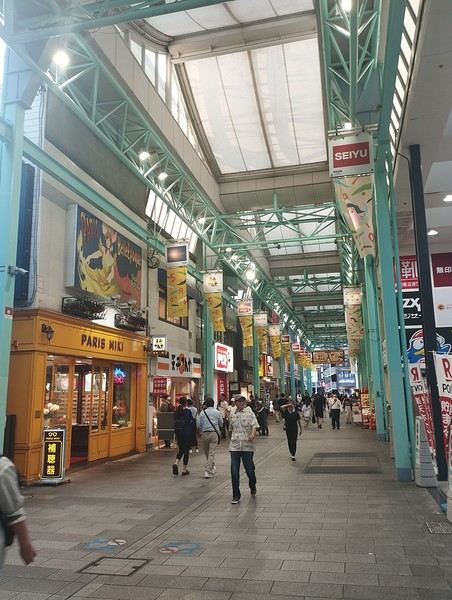
Togoshi Street is said to be one of Tokyo’s longest *shōtengai*, with about 1.3 kilometers of shops. This shopping arcade developed after the Great Kantō Earthquake of 1923, which hit central Tokyo hard.
Merchants from Tokyo—and even from around Yokohama—reportedly settled here, taking advantage of the neighborhood’s growth and the opening of Togoshi-Ginza Station on the Ikegami Line.
Even though the area obviously doesn’t have the luxury of Ginza, it does share a connection with it. Stones and bricks from the earthquake’s destruction were apparently reused in the neighborhood. That’s partly what gave it the name Togoshi-Ginza.
But here, there’s nothing fancy or sophisticated.
And that’s exactly what we like.
You’ll mostly find everyday shops—places where locals have their routines. The vibe is relaxed, simple, and authentic. Not really hipster, just a neighborhood where people live.
It’s a Monday afternoon, and for now, it’s not crowded. On weekends, the atmosphere must be way livelier.
There are all kinds of shops: florists, butchers, supermarkets, restaurants, secondhand clothing stores, laundromats...
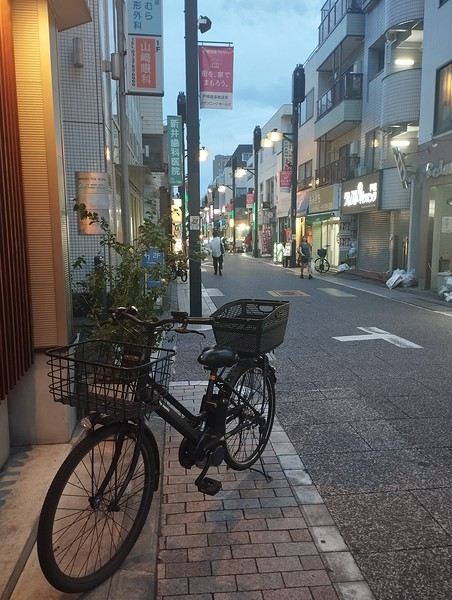
And above all, you see all those little everyday scenes I love observing in Japan: bikes parked on the street, laundry drying on balconies, grandpas and grandmas doing their shopping, shopkeepers who smile but aren’t pushy...
In short, ordinary life.
And it’s this ordinary life that draws us in so much.
Not to mention the famous vending machines, often customized and seemingly a key part of the Japanese landscape.
Around a tiny alley, we even discover a small shrine tucked between buildings. One of those spots that could easily go unnoticed if you don’t take the time to look around.
And here’s Gin-Chan, the neighborhood mascot!
Togoshi Ginjiro, affectionately called Gi-Chan, was created to help the area compete with big shopping malls.
You’ll spot him in several places along the street.
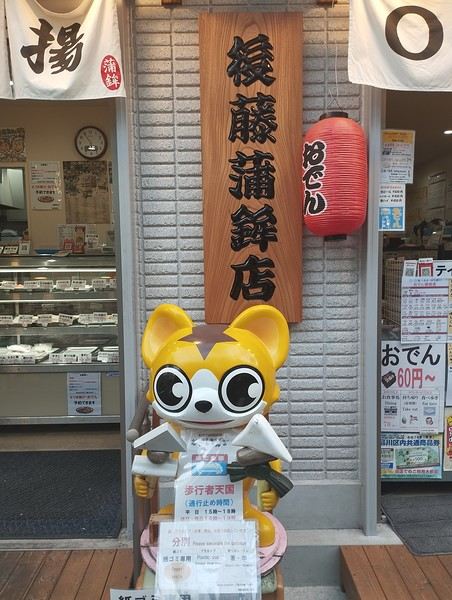
And apparently, if you rub the colored ball he’s holding, your wish will come true. Depending on the color, it’ll bring health, success, or even love.
The neighborhood also has several little shops where you can grab a quick snack or just pick up something for dinner.
As the afternoon goes on, the atmosphere starts to shift.
By the end of the day, especially around Togoshi-Ginza Station, the street comes alive with locals finishing their workday, I imagine.
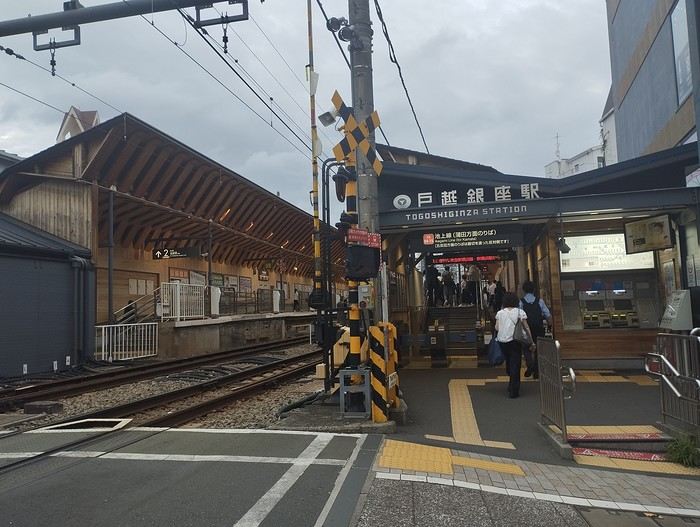
Their comings and goings are punctuated by the barrier lifting when trains stop running. A tiny slice of everyday life, but one that suddenly gives the street so much energy.
Togoshiginza at nightfall
Then night falls.
And the neighborhood changes again.
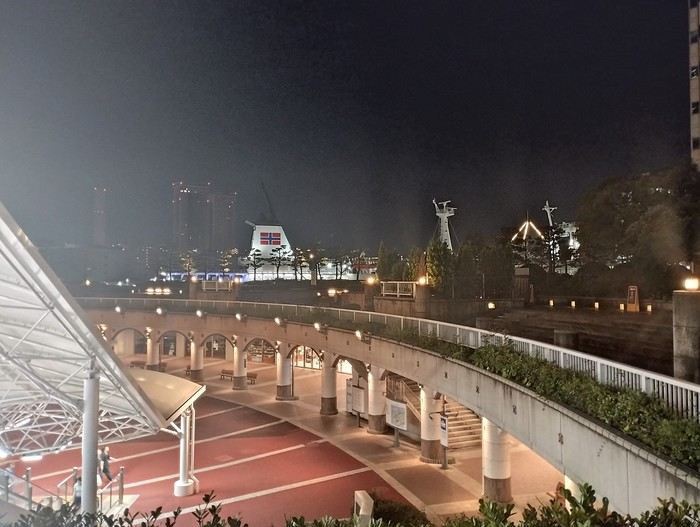
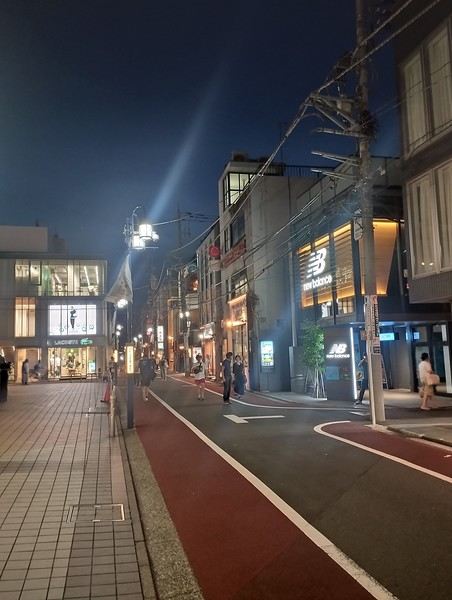
The shop lights make the streets especially nice to photograph. As just a tourist photographer with no gear suited for night shots, I’m not sure my pictures do the atmosphere justice.
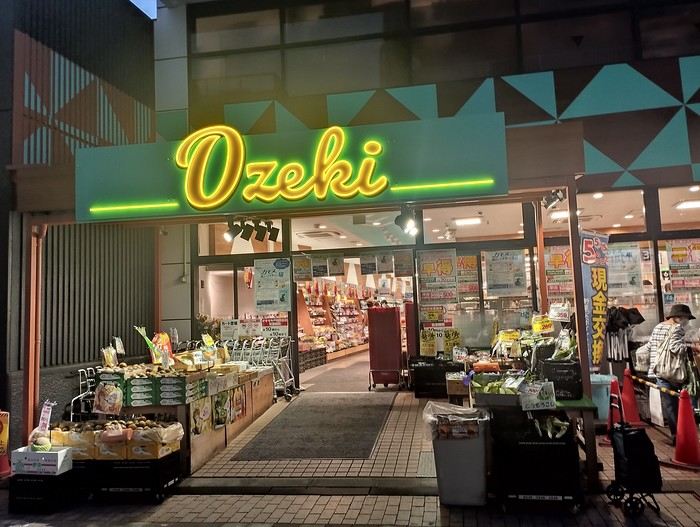
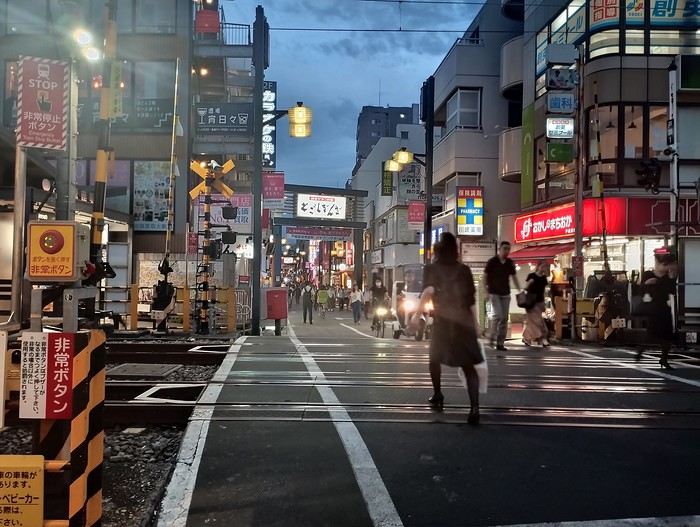
But in person, it’s really pretty.
We take a little break at a café for yuzu and brown sugar ice cream before continuing our walk.
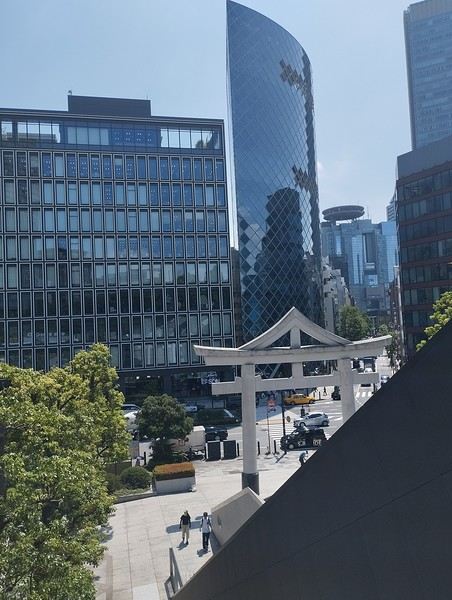
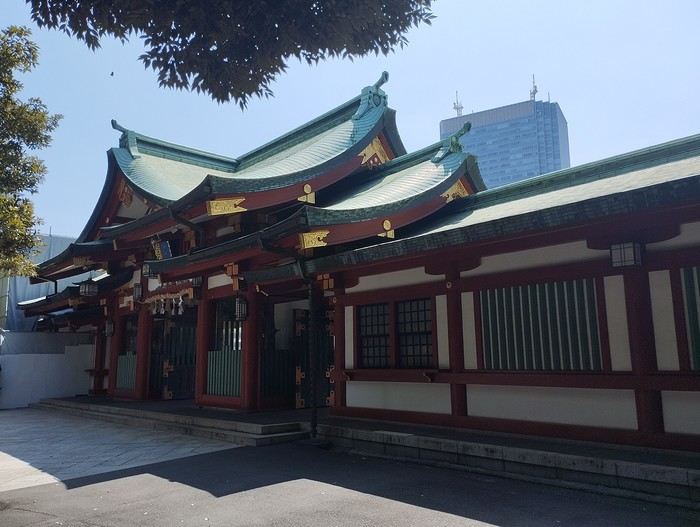
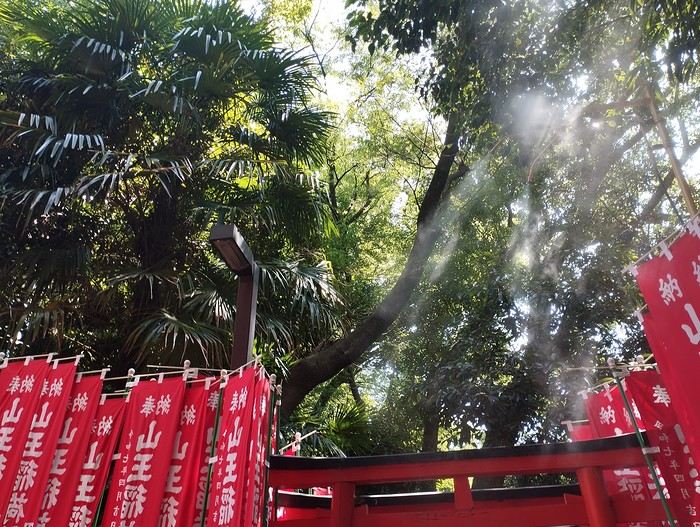
Then we decide to visit the Togoshi Hachiman-gu shrine, even though it’s already dark.
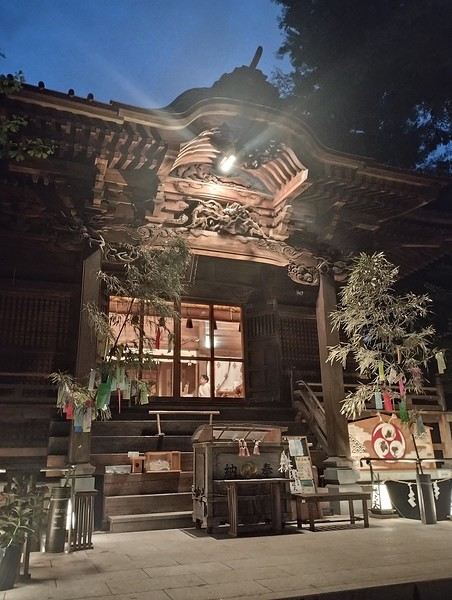
Maybe it’s even better this way.
The lights give the shrine a completely different atmosphere, and we’re lucky enough to see a small group of boys practicing taiko drums inside.
A lovely, totally unexpected moment—just like the kind that happens when you wander without a set plan.
A nighttime stroll in the park
We keep walking toward Togoshi Koen park.
On the way, we pass a soccer field where kids are still training. Another simple scene from the neighborhood.
The park itself is peaceful.
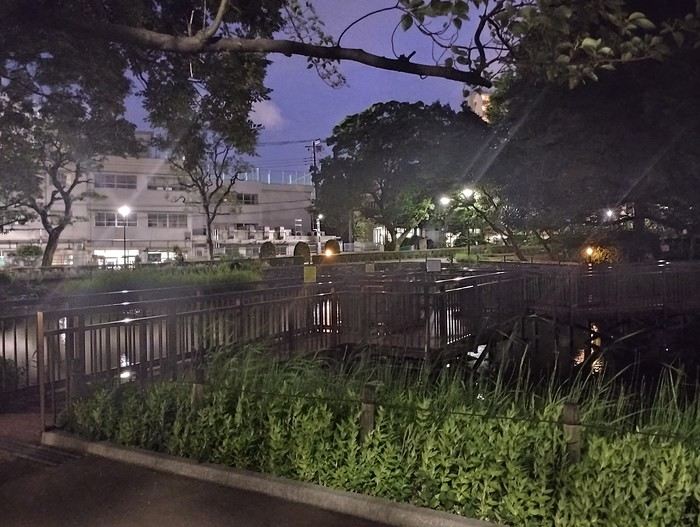
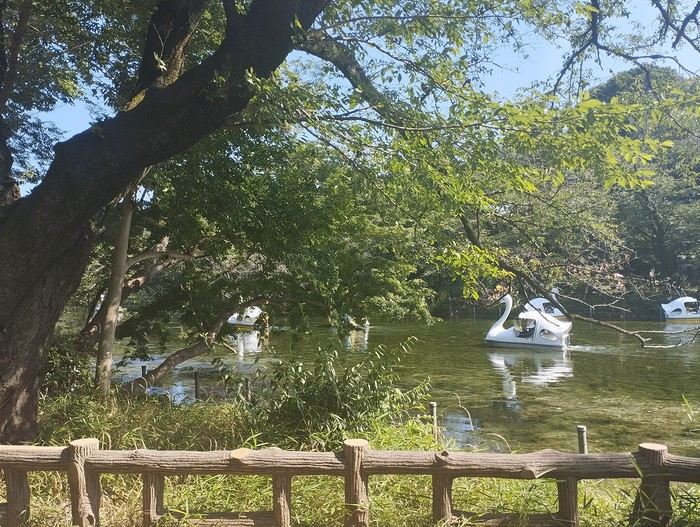
It has a pond, a small waterfall, and some bamboo. It’s a nice little neighborhood park, part of which is lit up at night. The walk stays pleasant even after dark.
And Tokyo still has a few surprises in store for us.
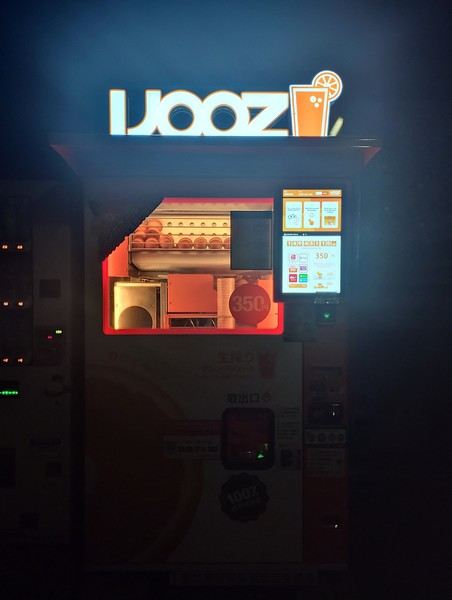
Like this fresh orange juice vending machine that squeezes the oranges right in front of you.
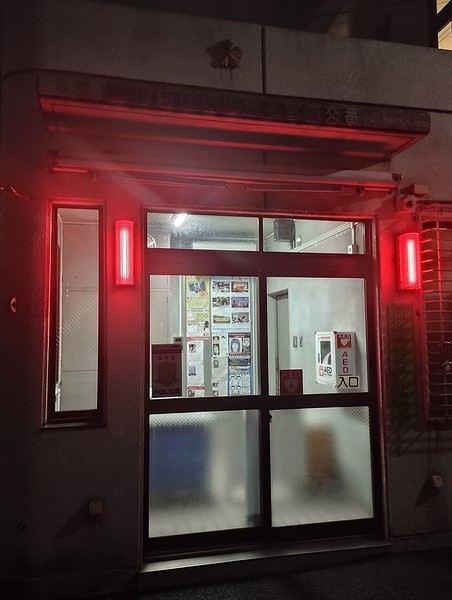
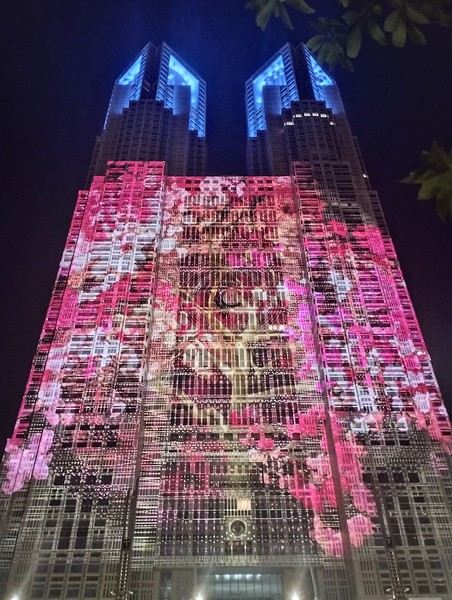
Even the *koban*—those little neighborhood police boxes—look pretty under the night lights.
Everything’s an excuse to stop, look, take pictures, and pause for a few minutes.
A simple day, but exactly how we like them
Given the time, we eventually decide to head back.
There’s still plenty to discover in Togoshiginza, but we’ve already enjoyed this walk a lot.
We return to our hotel’s neighborhood, Akasaka, and end the day at a Vietnamese restaurant.
A pretty simple day overall: brunch, a subway mix-up, a long shopping street, a few shrines, a park, kids training, locals coming home from work, and lights slowly turning on.
But that’s exactly what we came for.
After the big neighborhoods and must-see spots in Tokyo, Togoshiginza let us see another side of the city: the kind of area you don’t necessarily visit to "sightsee," but just to watch Tokyo live.
And in the end, those unplanned days—just wandering around an ordinary neighborhood—often become some of the best travel memories.







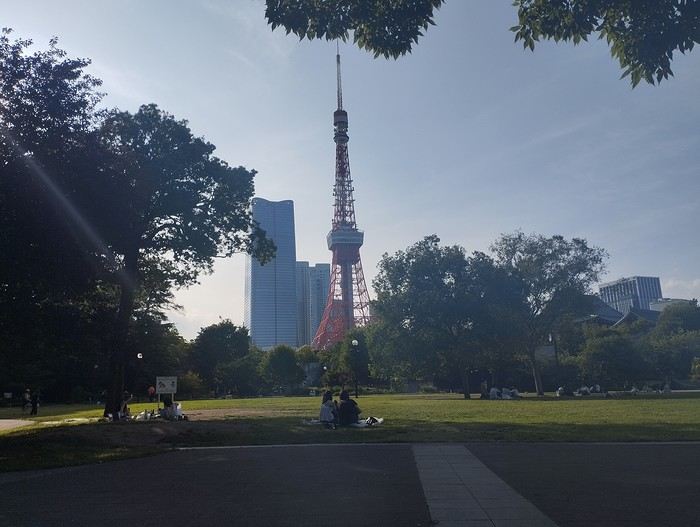
 In the neighborhood, we loved watching family life at the little Shirogane Park, where parents chat together while the kids run and jump in the sandbox, for example.
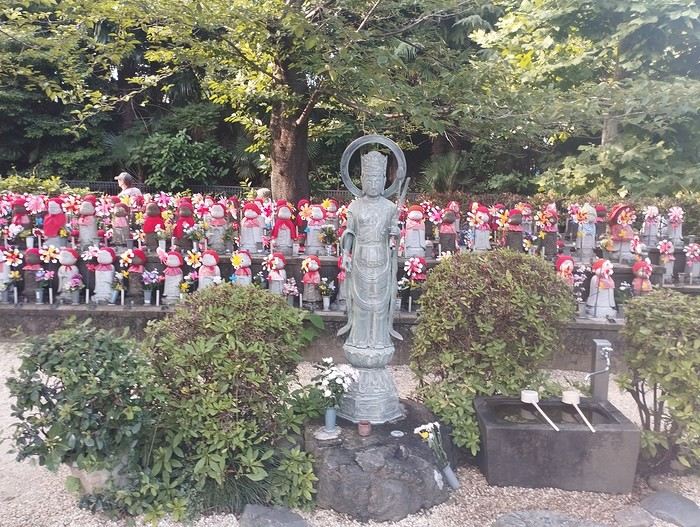
We visited the Akagi Shrine, which has the unique feature of having been renovated in 2010 by Kengo Kuma. The shrine is made of wood and glass—modern, bright, and warm. The little café next door is pretty busy.
In the neighborhood, we loved watching family life at the little Shirogane Park, where parents chat together while the kids run and jump in the sandbox, for example.
We visited the Akagi Shrine, which has the unique feature of having been renovated in 2010 by Kengo Kuma. The shrine is made of wood and glass—modern, bright, and warm. The little café next door is pretty busy.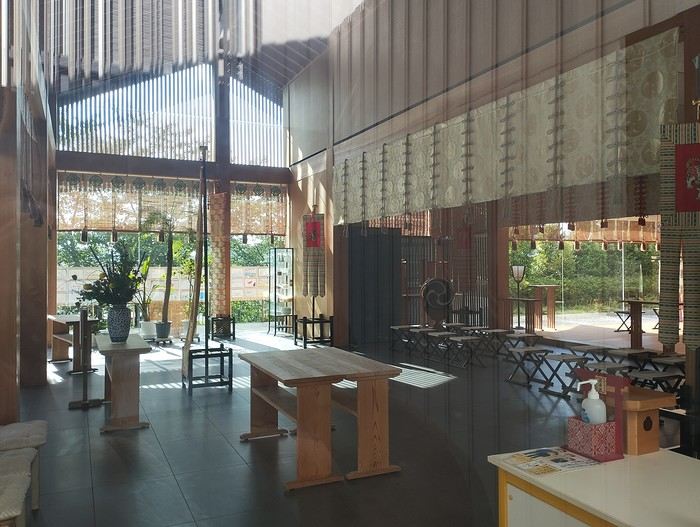










 On the right, the "welcome marker"—those dates offered everywhere as a sign of hospitality. On the left, a tribute to those stunning doors worn by time, admired all over the old quarters, including the abandoned ones.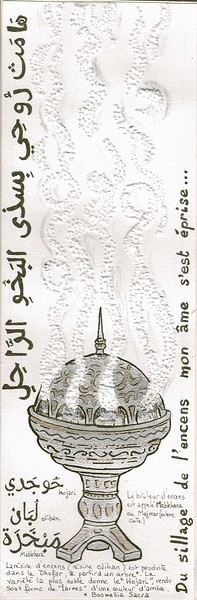
 Hospitality will often lead you to accept a small coffee, an "Omani coffee," very light, subtly flavored with cardamom, maybe a touch of saffron, and occasionally rosewater.
Here, I’ve depicted a man in the common everyday attire of Omanis: the dishdasha, mostly white (during the week and daytime; colors are more common in the evening or on Fridays and Saturdays). While you’ll see some men dressed in Western clothes, they’re very few. The white dishdasha is truly the shared attire of all men. The dishdasha, which has no hood, is distinguished by a small pom-pom attached to the collar, the furakha, which is soaked in perfume. And believe me, Omanis go overboard with it! "It smells like the pom-pom" is an expression that’s now part of our shared language, my husband and I.
Another must of men’s attire is the kuma, a small round head covering, usually white with brightly colored patterns. The keffiyeh is also worn (but without the cord called an agal in Arab countries), and it’s mostly worn by those with roots in the desert, from what I understood.
And what about the women, you might ask? Some are veiled, some in full black (but not a burka—more like a chador + abaya), due to the influence of Saudi Arabia and the United Arab Emirates, whereas the traditional outfit used to be a layering of very colorful dresses. Most of the women we saw wore neutral clothing, a plain veil over their hair, but with their faces uncovered. We also saw many saris and colorful veils—don’t forget that 40% of the population consists of Indian, Nepalese, and Bangladeshi immigrants, who work a lot in tourism, hospitality, restaurants, services, and construction.
Just to clarify, as a tourist, there’s no pressure to wear a veil, and never any disapproving looks. Of course, you’ll save the mini shorts, plunging necklines, bare shoulders, and midriffs for the hotel terrace—but I’d say that’s the same for men and women, and with the sun being strong, it’s better for your skin too.
Here’s the introduction! In the next post, I’ll tell you about my itinerary, and we can dive in!
Hospitality will often lead you to accept a small coffee, an "Omani coffee," very light, subtly flavored with cardamom, maybe a touch of saffron, and occasionally rosewater.
Here, I’ve depicted a man in the common everyday attire of Omanis: the dishdasha, mostly white (during the week and daytime; colors are more common in the evening or on Fridays and Saturdays). While you’ll see some men dressed in Western clothes, they’re very few. The white dishdasha is truly the shared attire of all men. The dishdasha, which has no hood, is distinguished by a small pom-pom attached to the collar, the furakha, which is soaked in perfume. And believe me, Omanis go overboard with it! "It smells like the pom-pom" is an expression that’s now part of our shared language, my husband and I.
Another must of men’s attire is the kuma, a small round head covering, usually white with brightly colored patterns. The keffiyeh is also worn (but without the cord called an agal in Arab countries), and it’s mostly worn by those with roots in the desert, from what I understood.
And what about the women, you might ask? Some are veiled, some in full black (but not a burka—more like a chador + abaya), due to the influence of Saudi Arabia and the United Arab Emirates, whereas the traditional outfit used to be a layering of very colorful dresses. Most of the women we saw wore neutral clothing, a plain veil over their hair, but with their faces uncovered. We also saw many saris and colorful veils—don’t forget that 40% of the population consists of Indian, Nepalese, and Bangladeshi immigrants, who work a lot in tourism, hospitality, restaurants, services, and construction.
Just to clarify, as a tourist, there’s no pressure to wear a veil, and never any disapproving looks. Of course, you’ll save the mini shorts, plunging necklines, bare shoulders, and midriffs for the hotel terrace—but I’d say that’s the same for men and women, and with the sun being strong, it’s better for your skin too.
Here’s the introduction! In the next post, I’ll tell you about my itinerary, and we can dive in!



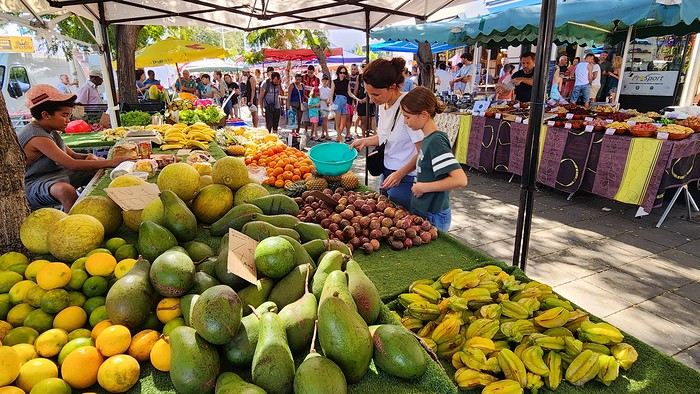
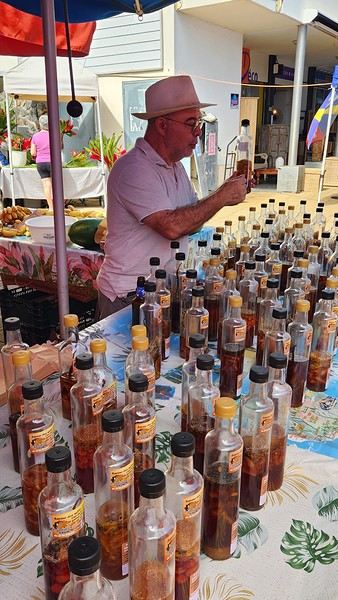
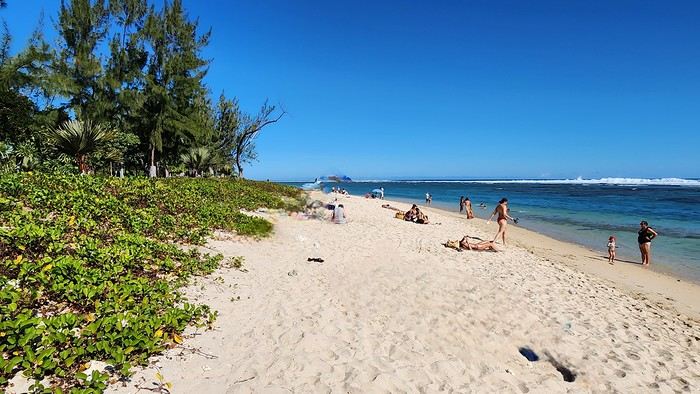
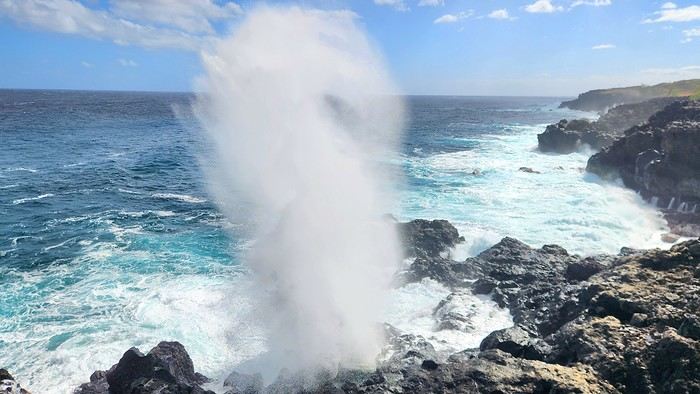
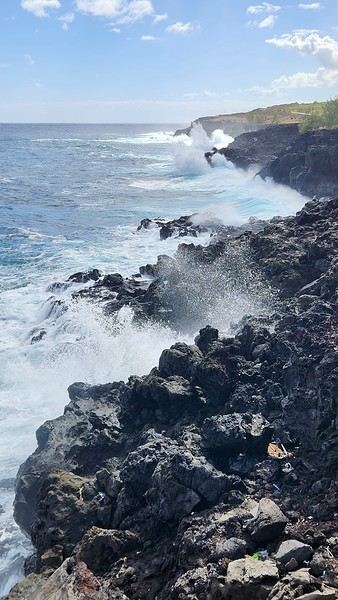
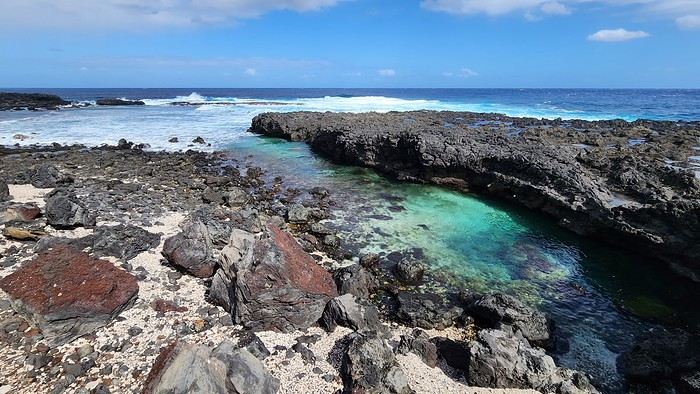
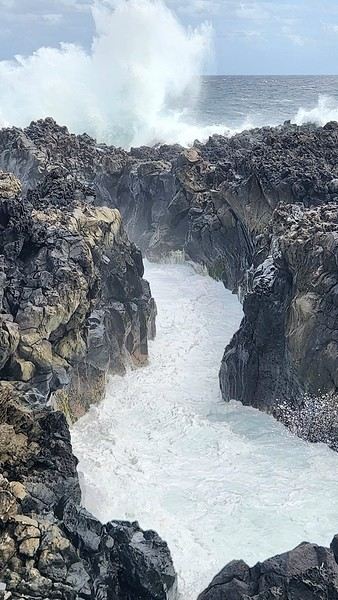






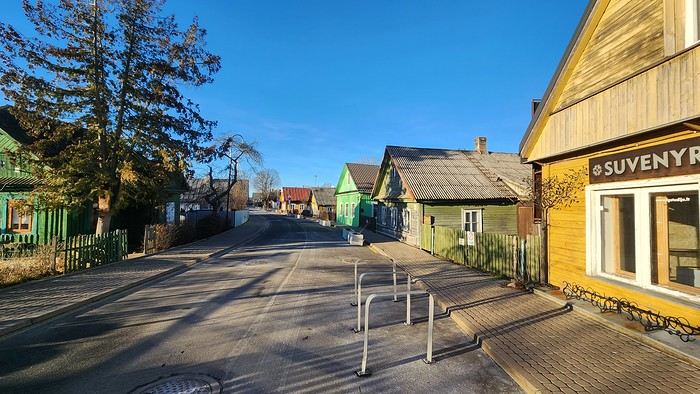








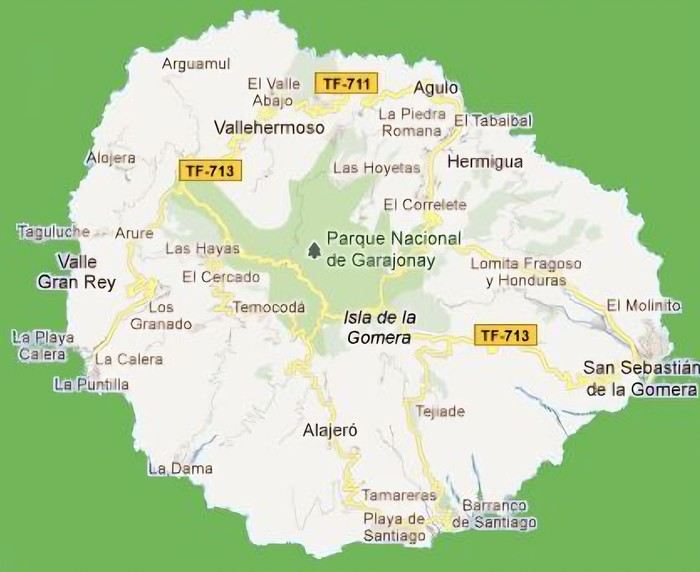 The large solidified magma massifs that shape the heart of the island have created a large depression more protected from the sun at its center, allowing the growth of a vast laurel forest, today grouped within the Garajonay National Park, La Gomera’s green lung, which has earned it the status of a World Biosphere Reserve. Its completely European appearance contrasts sharply with the rocky and tropical landscapes of the rest of the island. Thus, the climate varies greatly from one point to another on the island: in summer, you can quickly go from a dry and sunny valley at 35°C to a humid forest area at altitude at 18°C.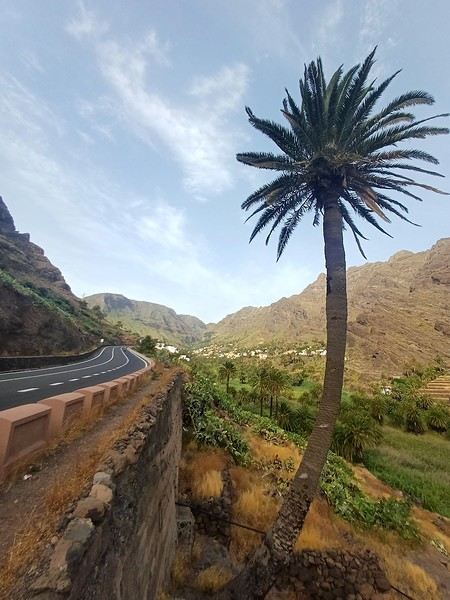
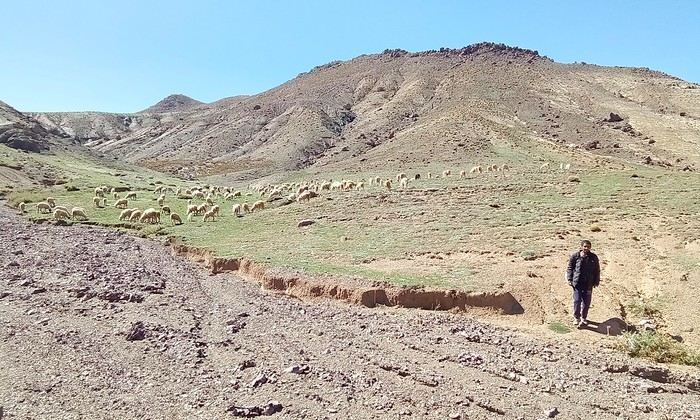
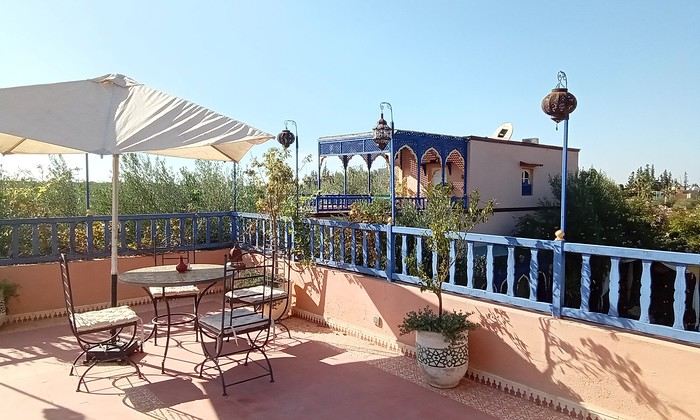
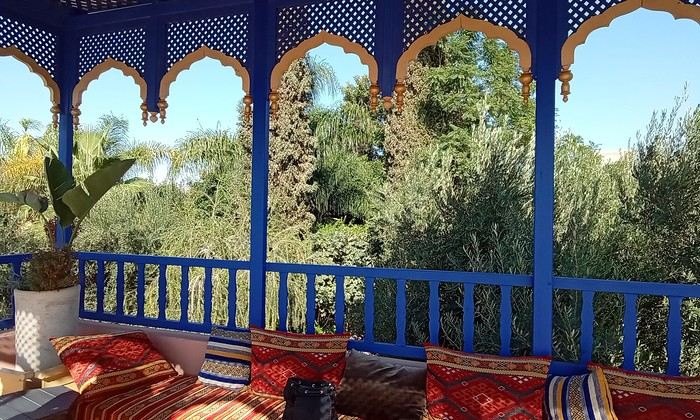 Last October, we landed in Marrakech to spend a few days with family exploring Morocco’s roads.
Transport: a rented Dacia.
Accommodations: small guesthouses.
Last October, we landed in Marrakech to spend a few days with family exploring Morocco’s roads.
Transport: a rented Dacia.
Accommodations: small guesthouses.

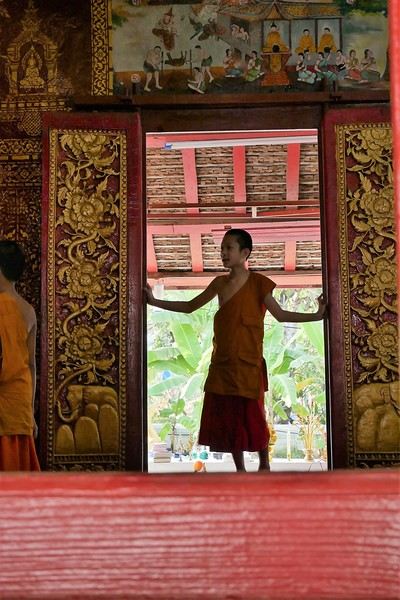 Come along, I'm taking you to this country where it's so nice to wander and slow down...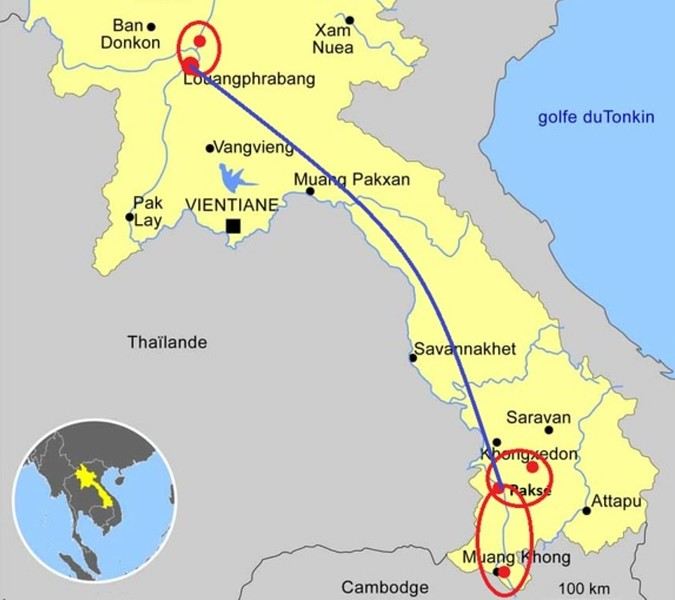
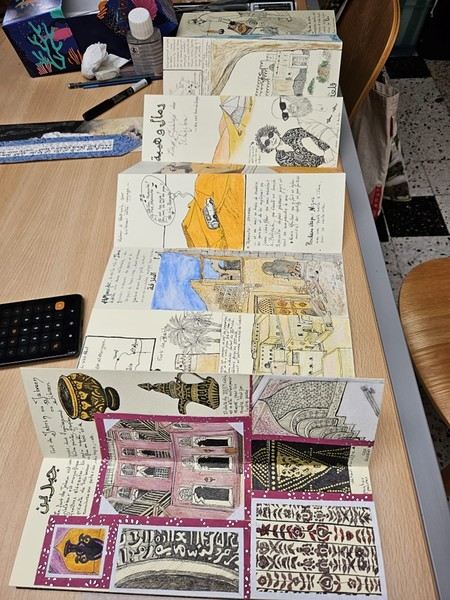
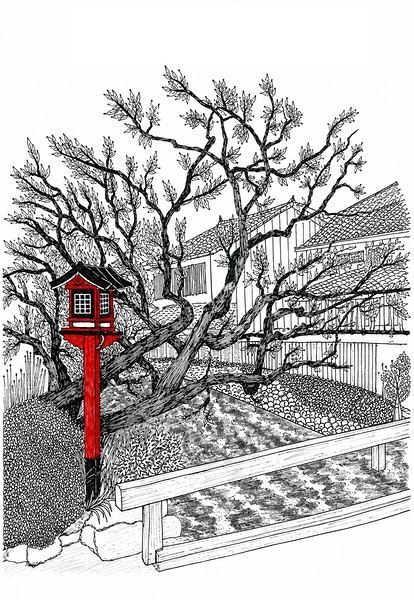 I’m inviting you on a stroll through my drawings—a completely subjective, far from exhaustive, and totally personal take, since it’s based on my own sketches. I put this travel journal together after returning in late 2024, mostly using felt-tip pens and pencils, with a few collages thrown in. I worked from our personal photos.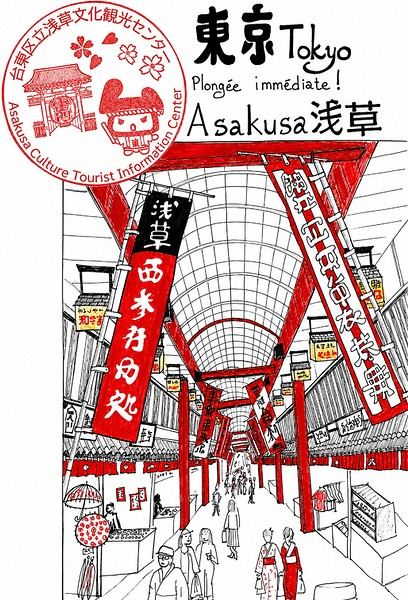
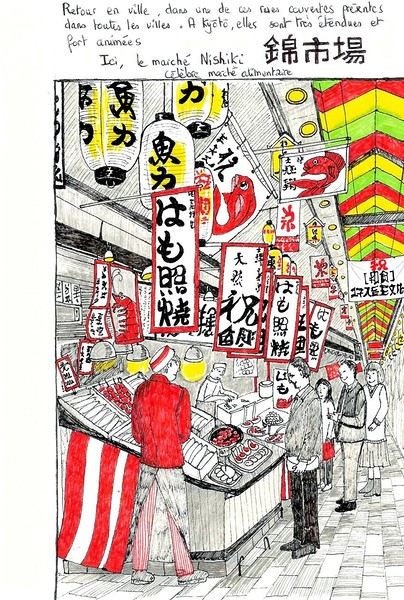
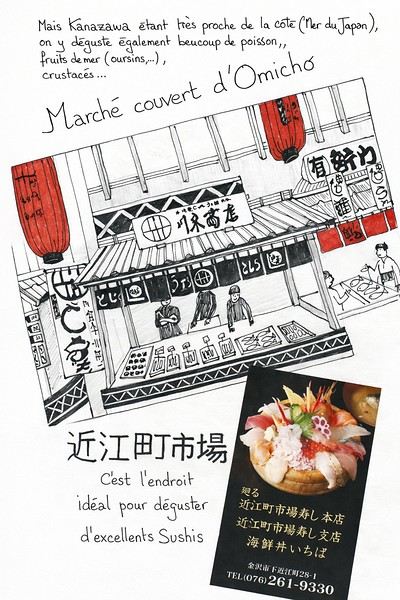 And in Kyoto, Nishiki Market:


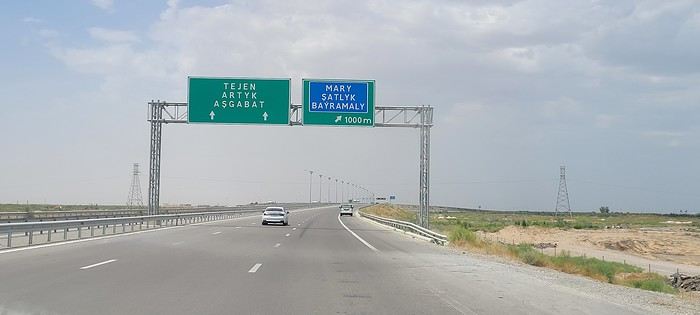




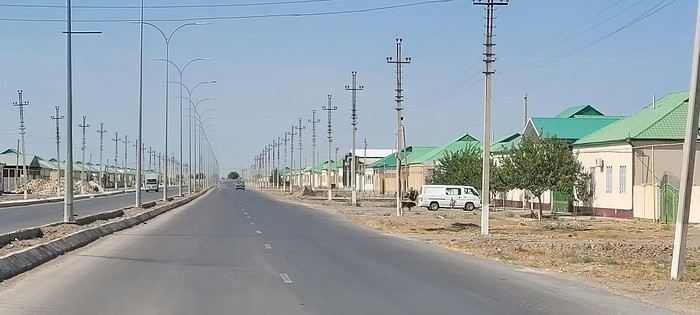 Roundabouts are particularly interesting because they feature emblems of Turkmen culture, like the dog, a carpet, the Ahal Teke horse, or Muslim symbols, even though the presence of Islamic artifacts is quite limited.


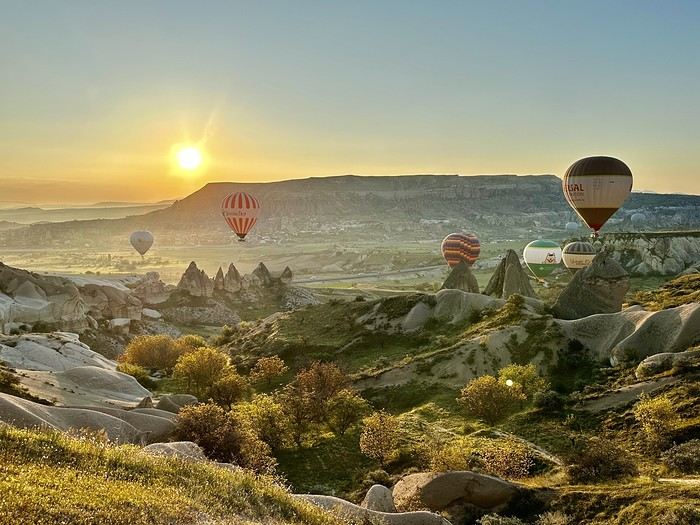 A little sneak peek?

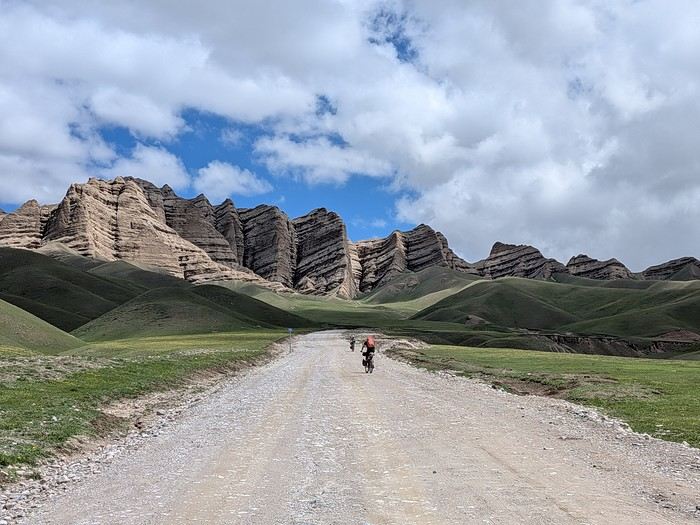
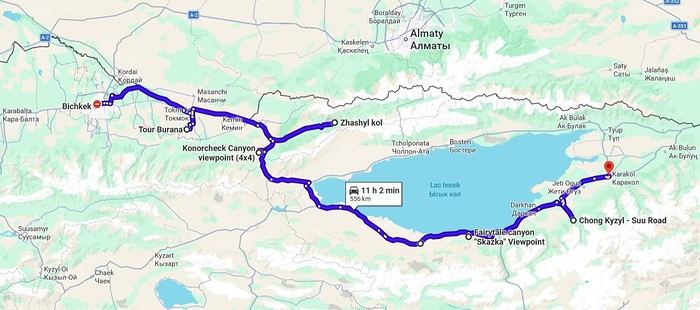



 The karst site: