
 Une cascade lors de notre randonnée à Blyde Canyon.
 Mon ami calao qui attend des miettes au
restaurant à Mopani
Mon ami calao qui attend des miettes au
restaurant à Mopani
 Des hippos vus du hide de Mopani
 Une vraie peluche, ce bébé hyène


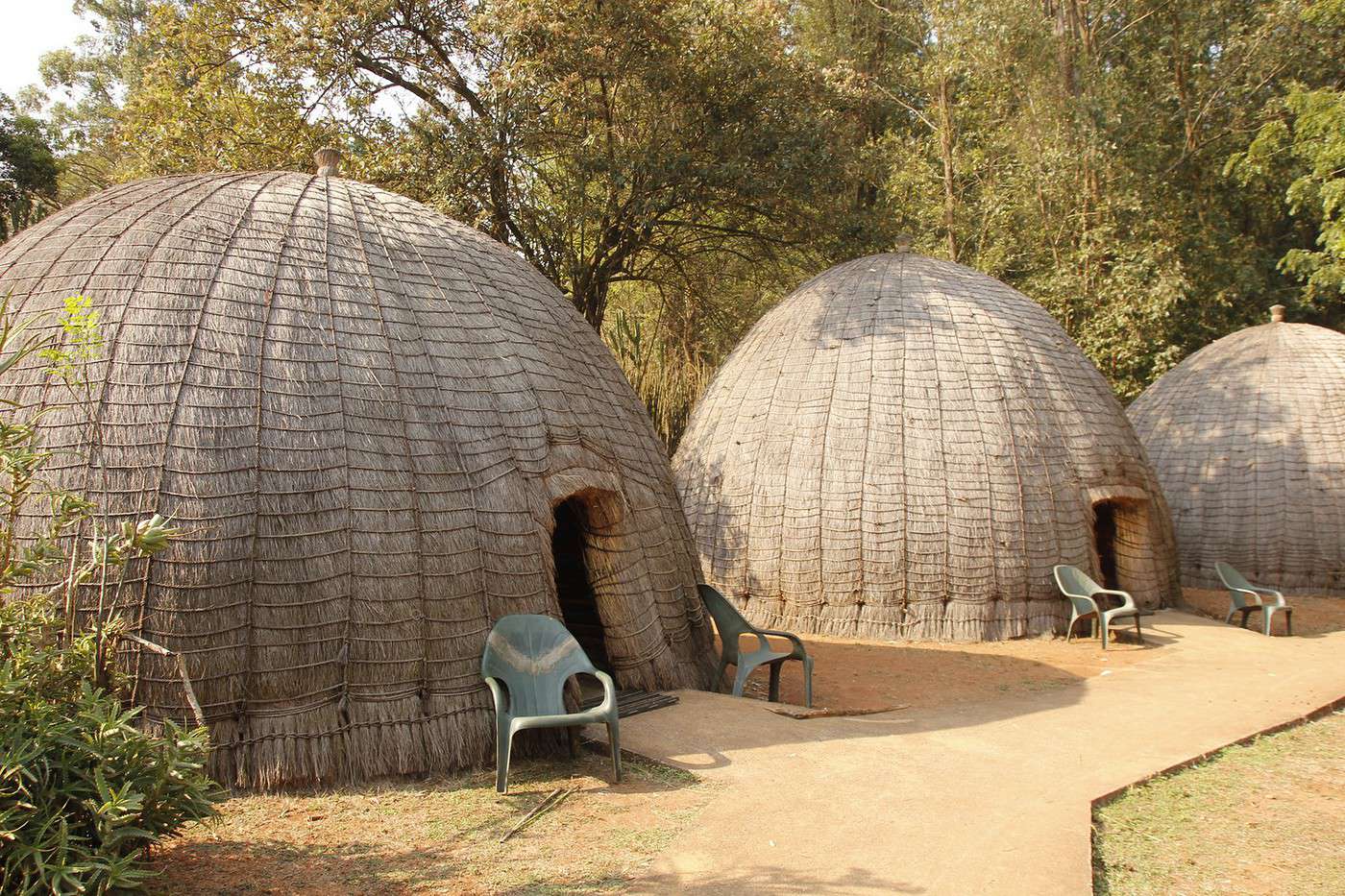
 Le cultural village de Mantenga
 Un ground hornbill

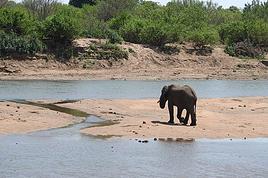
 Notre poste d'observation à Mopani où nous voyons des hippos, des éléphants, des jabirus du Sénégal et tellement d'autres oiseaux, des impalas, des cobes ...





 Le détail que l'on n'a vu qu'après sur la photo....
 Le soir nous dinons au restaurant du camp, sur la terrasse avec vue sur u plan d’eau où se trouvent des hippopotames et des crocodiles, mais il fait nuit noire.


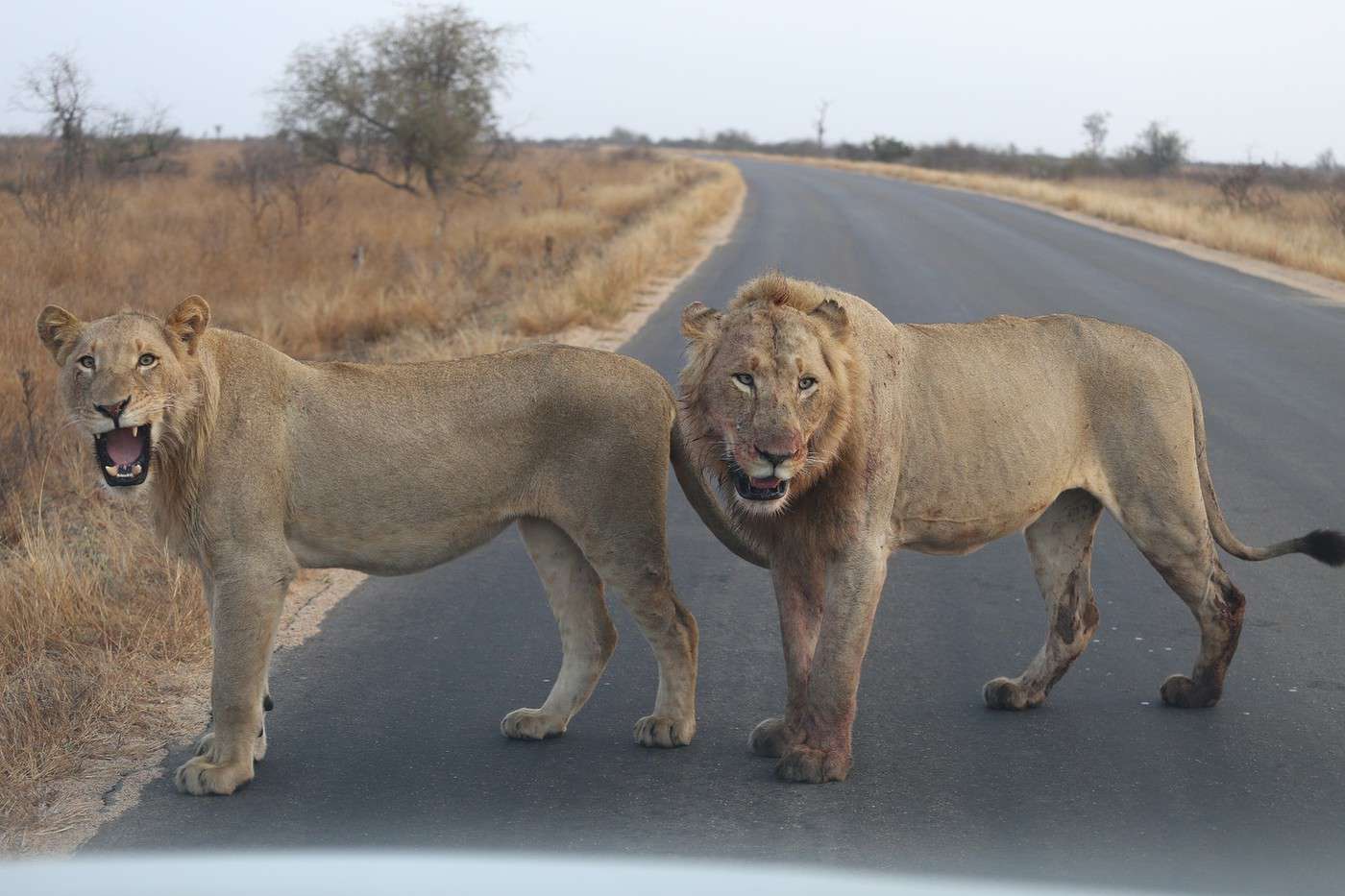
 Le dernier soir, alors que nous sommes sur le sentier qui mène à la tente , un lion se met à rugir, et on a vraiment l'impression qu'il est tout près de nous. Je ne suis pas rassurée, et nous pressons le pas pour rejoindre notre tente ...
Nous nous endormons pour notre notre dernière nuit à Tembe en écoutant les rugissements des lions qui devaient chasser tout près du camp.
Le dernier soir, alors que nous sommes sur le sentier qui mène à la tente , un lion se met à rugir, et on a vraiment l'impression qu'il est tout près de nous. Je ne suis pas rassurée, et nous pressons le pas pour rejoindre notre tente ...
Nous nous endormons pour notre notre dernière nuit à Tembe en écoutant les rugissements des lions qui devaient chasser tout près du camp.



 Saint Lucia en elle même n'a pas un grand intérêt, elle est quadrillée par des rues tracées au cordeau dans lesquelles on trouve un nombre incroyable de guest houses, quelques restaurants et magasins, mais c'est tout de même une étape agréable.
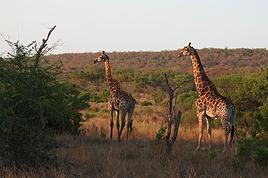
 Nous croisons quelques rhinos, toujours des nyalas, des zèbres, des girafes, des red duikers …. mais nous pensions voir davantage d'oiseaux.


 L'après-midi, nous décidons de retourner dans le Wetland Park, cette fois du côté Ouest de la rivière.




 Nous traversons quelques villages perdus, nous croisons toujours des marcheurs sur le bord de la route, des femmes assises sur les bas côtés attendant on ne sait quoi ….
 Puis arrivent les immenses fermes et leurs troupeaux de vaches paissant dans les champs.
 Enfin, après quelques heures de piste puis de route agrémentées de nombreux arrêts photos dans un paysage grandiose, nous prenons la route en cul de sac qui mène au Champagne Castle Resort.
 De retour dans notre chambre, nous installons sur le balcon pour assister au coucher de soleil sur les montagnes. Nous prenons encore un maximum de photos de cet incroyable spectacle.
 Après un bon bain, nous partons à la découverte du restaurant: une salle luxueuse, un personnel aux petits soins, et surtout, un buffet digne des plus grands restaurants.
Je n'avais jamais vu autant de plats, si variés, et si bien préparés. Un filet de boeuf fondant et de petits légumes croquants , un grand choix de poissons …. Et des desserts, des fruits exotiques … Incroyable et délicieux.
C'est le ventre bien rempli que nous nous glissons dans notre lit king size à l'excellente literie. Nous avons laissé les rideaux ouverts pour bénéficier de la vue à notre réveil et ne pas manquer le lever du soleil. Et nous avons bien fait: à 6 heures du matin, nous sommes à nouveau sur le balcon à admirer le spectacle fabuleux du soleil et des nuages jouant à cache cache avec les montagnes. C'est magique, on ne se lasse pas de ce paysage en mouvement.
Après un bon bain, nous partons à la découverte du restaurant: une salle luxueuse, un personnel aux petits soins, et surtout, un buffet digne des plus grands restaurants.
Je n'avais jamais vu autant de plats, si variés, et si bien préparés. Un filet de boeuf fondant et de petits légumes croquants , un grand choix de poissons …. Et des desserts, des fruits exotiques … Incroyable et délicieux.
C'est le ventre bien rempli que nous nous glissons dans notre lit king size à l'excellente literie. Nous avons laissé les rideaux ouverts pour bénéficier de la vue à notre réveil et ne pas manquer le lever du soleil. Et nous avons bien fait: à 6 heures du matin, nous sommes à nouveau sur le balcon à admirer le spectacle fabuleux du soleil et des nuages jouant à cache cache avec les montagnes. C'est magique, on ne se lasse pas de ce paysage en mouvement.


 Nous reprenons donc notre route en sens inverse mais avant d'atteindre la route bitumée, nous coupons à travers la campagne en empruntant une nouvelle fois une piste peu fréquentée jusqu'à Bergville où nous faisons le plein de provisions et de carburant car au Thendele Upper Camp, nous sommes en self catering.


 Nous partons faire une première petite randonnée vers les "Tiger falls", devant lesquelles nous passons sans les voir: il n'y a pas d'eau, la rivière est à sec, mais un peu plus loin, nous montons sur un promontoire où nous avons une vue à 360° , quelle panorama!
C'est superbe, le ciel est d'un bleu éclatant et le soleil brille.
Nous partons faire une première petite randonnée vers les "Tiger falls", devant lesquelles nous passons sans les voir: il n'y a pas d'eau, la rivière est à sec, mais un peu plus loin, nous montons sur un promontoire où nous avons une vue à 360° , quelle panorama!
C'est superbe, le ciel est d'un bleu éclatant et le soleil brille.

 Après cette première ballade, nous rentrons préparer notre brai et nous dinons sous une merveilleuse voûte étoilée.
Puis nous faisons un feu de cheminée, juste pour le plaisir.
Après cette première ballade, nous rentrons préparer notre brai et nous dinons sous une merveilleuse voûte étoilée.
Puis nous faisons un feu de cheminée, juste pour le plaisir.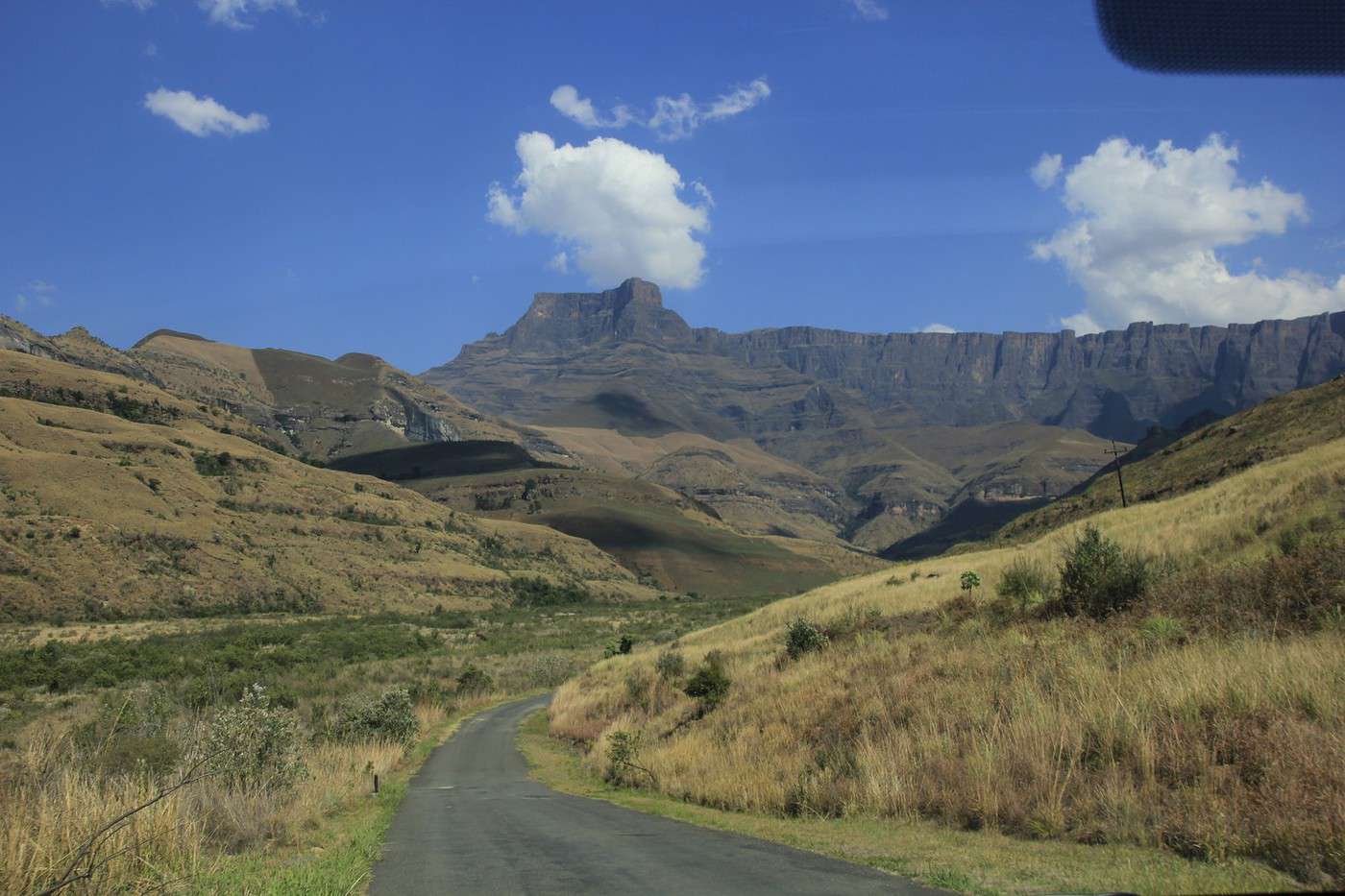




If I close my eyes and think of the Sultanate of Oman, I first smell a light scent of incense, feel the warmth of a sunbeam on my skin, before sand slips through my fingers. I taste the sweetness of a date, a real candy, then the flavor of coffee with a hint of cardamom and rosewater... I hear the desert wind whistling in my ears, the distant call of a muezzin, then the murmur of water. I open my eyes to see smiles, welcoming gestures, a turquoise sea, rocks ranging from ochre to purple, deep wadis where torrents burst forth, orange dunes, white sandy beaches where tiny crabs scurry at full speed. I see incredible oases emerging between arid mountains. I see abandoned villages that I’d dream were full of life, imposing fortresses overlooking valleys, and lively souks where offers are delicate and negotiation is a mutual courtesy.
All that, and so much more.
This is what I tried to capture in my illustrated travel journal, which I’ll fill in here and there with photos. I drew this journal “cold,” after my return (actually, I made it this summer, while our trip was last winter). It’s a pretty special format—I bought it in Japan without really knowing what I’d do with it. Well, it found its purpose! Below is a photo of this accordion-style journal: here, it’s only partially open, because when fully unfolded, it’s 5 meters long!
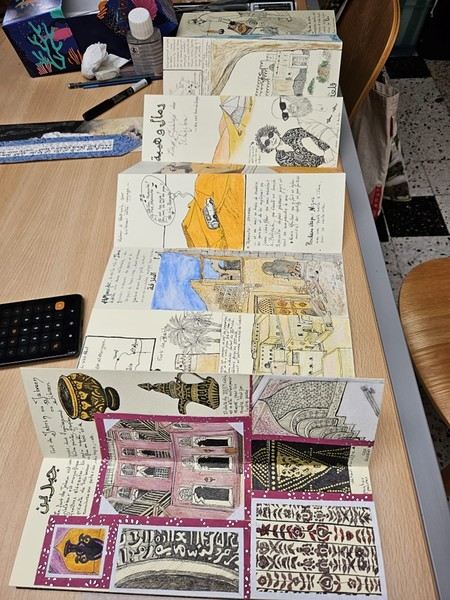
For drawing enthusiasts: The accordion format is both a constraint (each sheet is 9 cm x 27 cm) and a freedom (you can create a fresco). The paper is also a bit special: it doesn’t allow for fine lines, but it takes ink well (liner pen). However, everything has to be done almost in one go (with a very light pencil sketch) because it erases poorly. It absorbs too much water for coloring with markers or watercolors (unless you avoid soaking it), but it works well with oil pastels and their use with a brush and solvent. Since it’s yellowish, it allowed me to create contrasts even with white pastel.
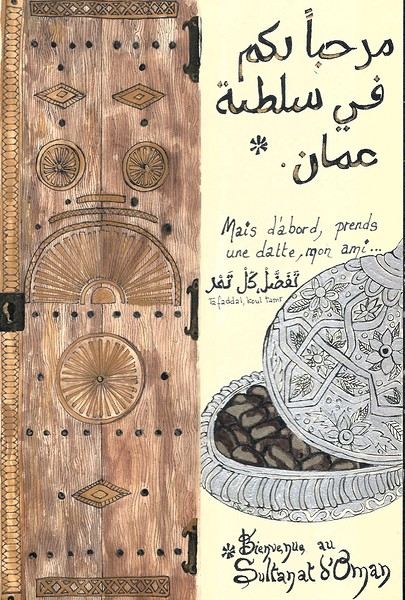 On the right, the "welcome marker"—those dates offered everywhere as a sign of hospitality. On the left, a tribute to those stunning doors worn by time, admired all over the old quarters, including the abandoned ones.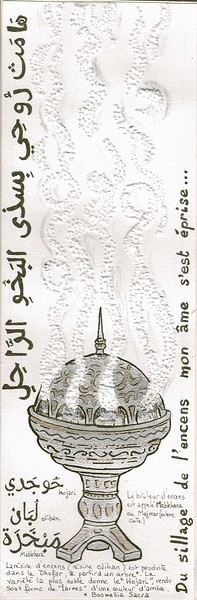
Oman is one of the world’s largest producers of frankincense resin. Incense burners are everywhere, from the simplest clay ones to the most precious handcrafted silver ones...
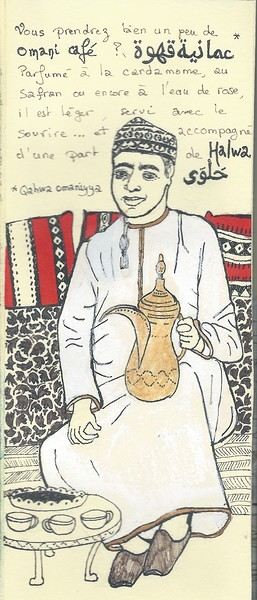 Hospitality will often lead you to accept a small coffee, an "Omani coffee," very light, subtly flavored with cardamom, maybe a touch of saffron, and occasionally rosewater.
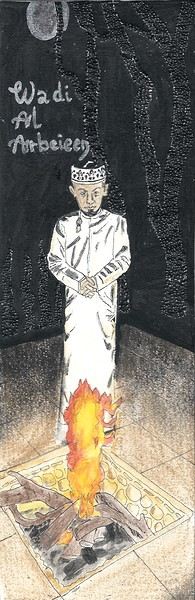
Here, I’ve depicted a man in the common everyday attire of Omanis: the dishdasha, mostly white (during the week and daytime; colors are more common in the evening or on Fridays and Saturdays). While you’ll see some men dressed in Western clothes, they’re very few. The white dishdasha is truly the shared attire of all men. The dishdasha, which has no hood, is distinguished by a small pom-pom attached to the collar, the furakha, which is soaked in perfume. And believe me, Omanis go overboard with it! "It smells like the pom-pom" is an expression that’s now part of our shared language, my husband and I.
Another must of men’s attire is the kuma, a small round head covering, usually white with brightly colored patterns. The keffiyeh is also worn (but without the cord called an agal in Arab countries), and it’s mostly worn by those with roots in the desert, from what I understood.
And what about the women, you might ask? Some are veiled, some in full black (but not a burka—more like a chador + abaya), due to the influence of Saudi Arabia and the United Arab Emirates, whereas the traditional outfit used to be a layering of very colorful dresses. Most of the women we saw wore neutral clothing, a plain veil over their hair, but with their faces uncovered. We also saw many saris and colorful veils—don’t forget that 40% of the population consists of Indian, Nepalese, and Bangladeshi immigrants, who work a lot in tourism, hospitality, restaurants, services, and construction.
Just to clarify, as a tourist, there’s no pressure to wear a veil, and never any disapproving looks. Of course, you’ll save the mini shorts, plunging necklines, bare shoulders, and midriffs for the hotel terrace—but I’d say that’s the same for men and women, and with the sun being strong, it’s better for your skin too.
Here’s the introduction! In the next post, I’ll tell you about my itinerary, and we can dive in!
Hospitality will often lead you to accept a small coffee, an "Omani coffee," very light, subtly flavored with cardamom, maybe a touch of saffron, and occasionally rosewater.
Here, I’ve depicted a man in the common everyday attire of Omanis: the dishdasha, mostly white (during the week and daytime; colors are more common in the evening or on Fridays and Saturdays). While you’ll see some men dressed in Western clothes, they’re very few. The white dishdasha is truly the shared attire of all men. The dishdasha, which has no hood, is distinguished by a small pom-pom attached to the collar, the furakha, which is soaked in perfume. And believe me, Omanis go overboard with it! "It smells like the pom-pom" is an expression that’s now part of our shared language, my husband and I.
Another must of men’s attire is the kuma, a small round head covering, usually white with brightly colored patterns. The keffiyeh is also worn (but without the cord called an agal in Arab countries), and it’s mostly worn by those with roots in the desert, from what I understood.
And what about the women, you might ask? Some are veiled, some in full black (but not a burka—more like a chador + abaya), due to the influence of Saudi Arabia and the United Arab Emirates, whereas the traditional outfit used to be a layering of very colorful dresses. Most of the women we saw wore neutral clothing, a plain veil over their hair, but with their faces uncovered. We also saw many saris and colorful veils—don’t forget that 40% of the population consists of Indian, Nepalese, and Bangladeshi immigrants, who work a lot in tourism, hospitality, restaurants, services, and construction.
Just to clarify, as a tourist, there’s no pressure to wear a veil, and never any disapproving looks. Of course, you’ll save the mini shorts, plunging necklines, bare shoulders, and midriffs for the hotel terrace—but I’d say that’s the same for men and women, and with the sun being strong, it’s better for your skin too.
Here’s the introduction! In the next post, I’ll tell you about my itinerary, and we can dive in!
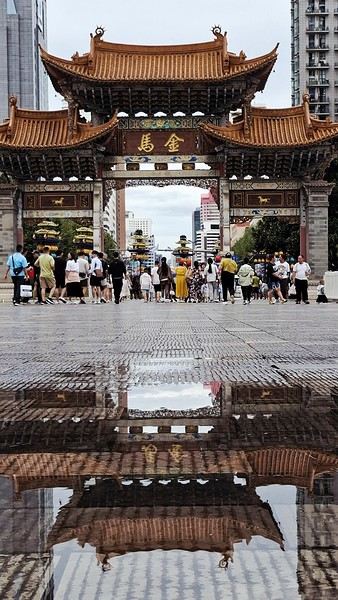
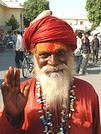
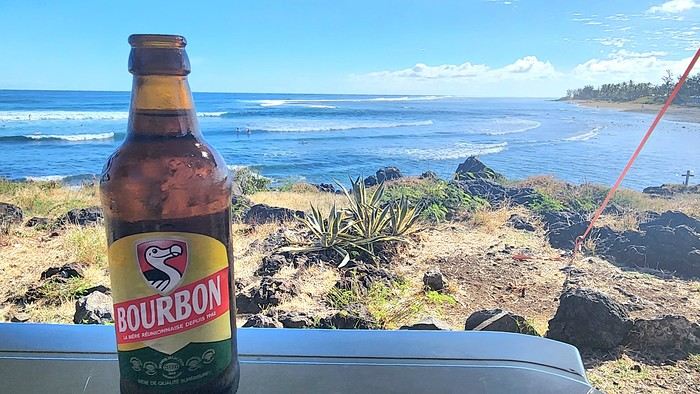
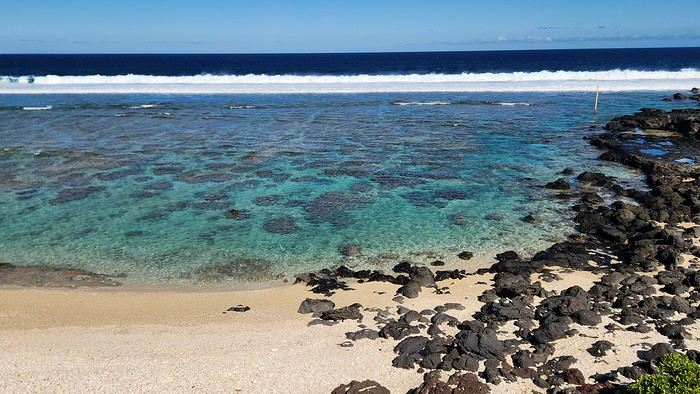
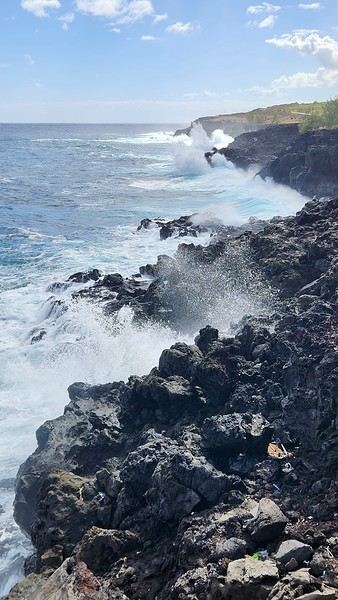
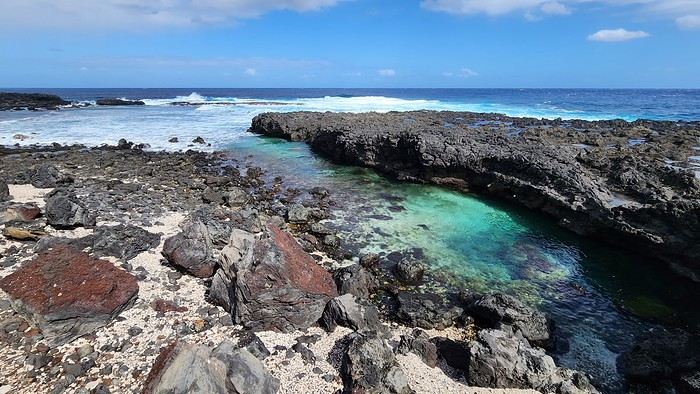
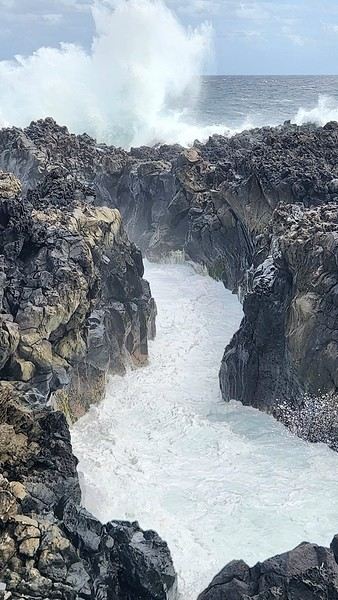
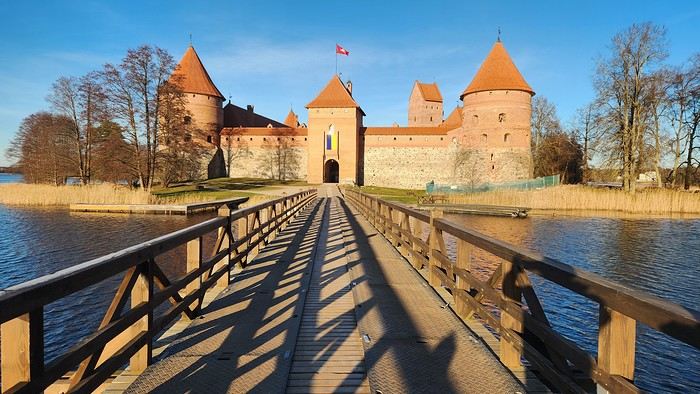
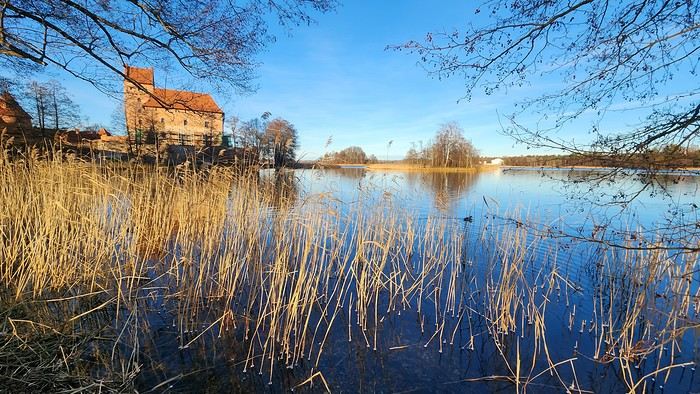
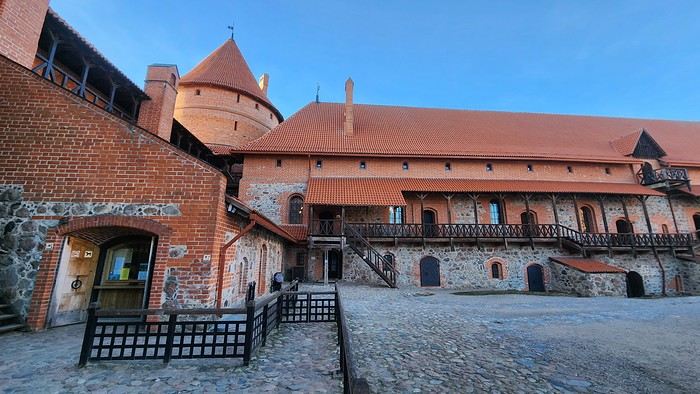



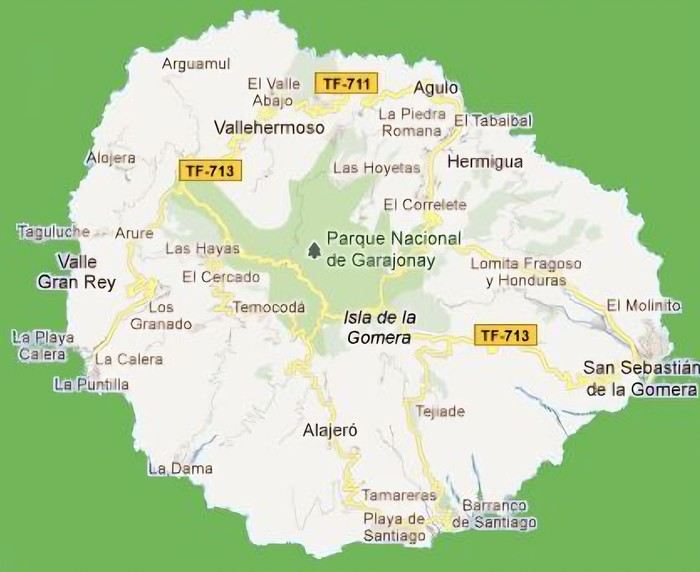 The large solidified magma massifs that shape the heart of the island have created a large depression more protected from the sun at its center, allowing the growth of a vast laurel forest, today grouped within the Garajonay National Park, La Gomera’s green lung, which has earned it the status of a World Biosphere Reserve. Its completely European appearance contrasts sharply with the rocky and tropical landscapes of the rest of the island. Thus, the climate varies greatly from one point to another on the island: in summer, you can quickly go from a dry and sunny valley at 35°C to a humid forest area at altitude at 18°C.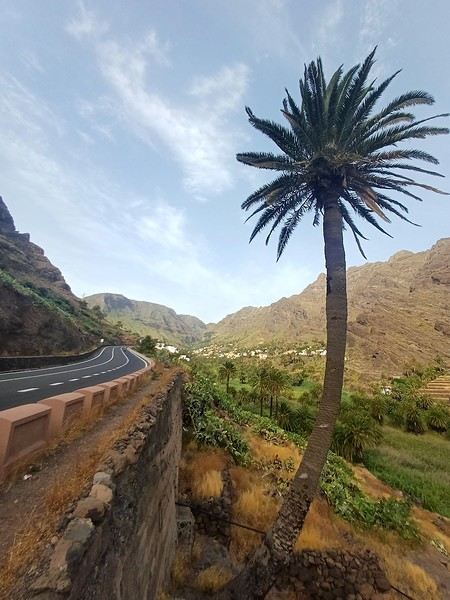
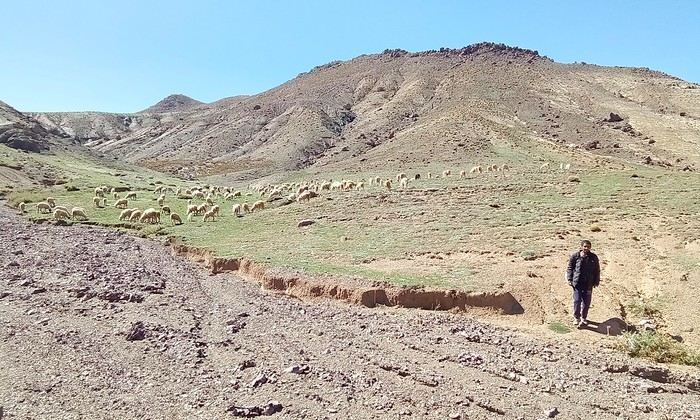
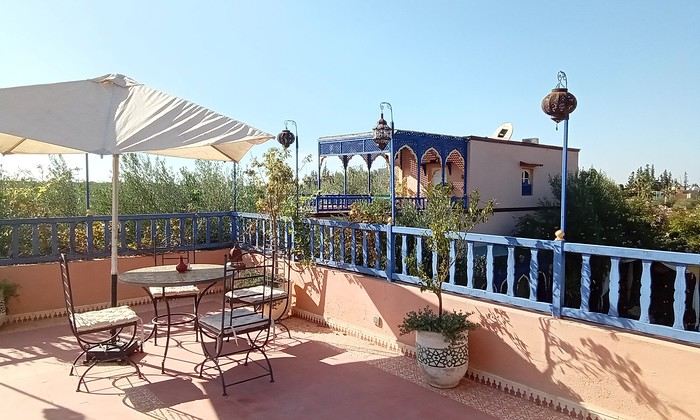
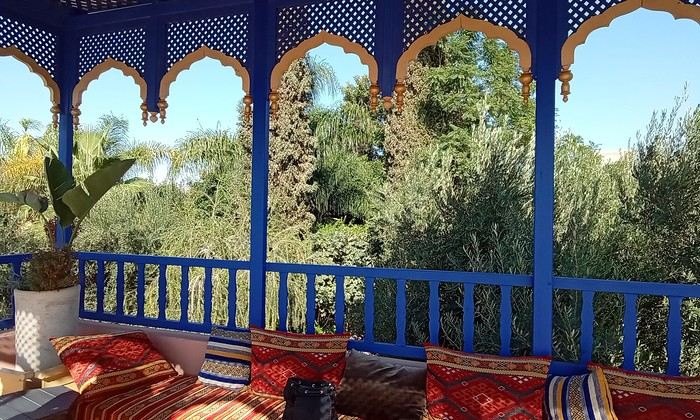 Last October, we landed in Marrakech to spend a few days with family exploring Morocco’s roads.
Transport: a rented Dacia.
Accommodations: small guesthouses.
Last October, we landed in Marrakech to spend a few days with family exploring Morocco’s roads.
Transport: a rented Dacia.
Accommodations: small guesthouses.
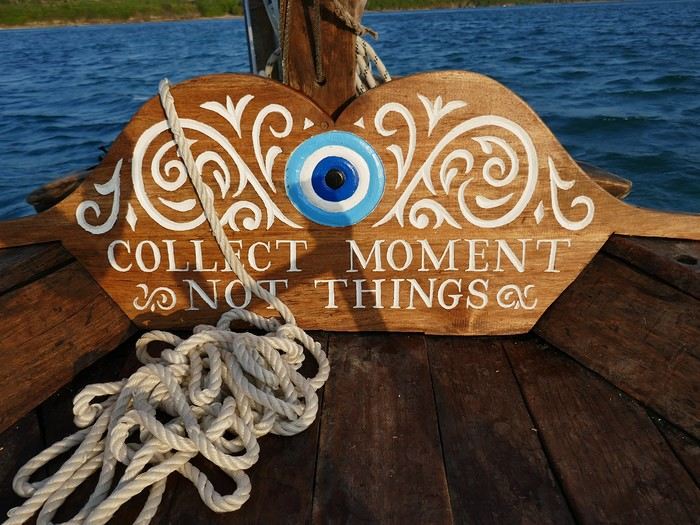
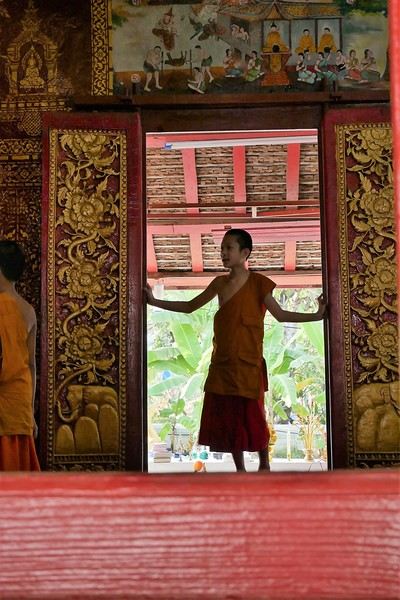 Come along, I'm taking you to this country where it's so nice to wander and slow down...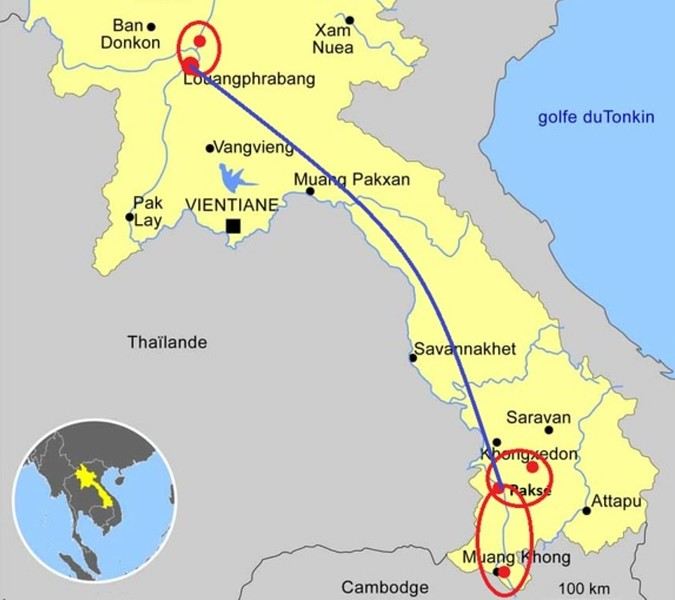
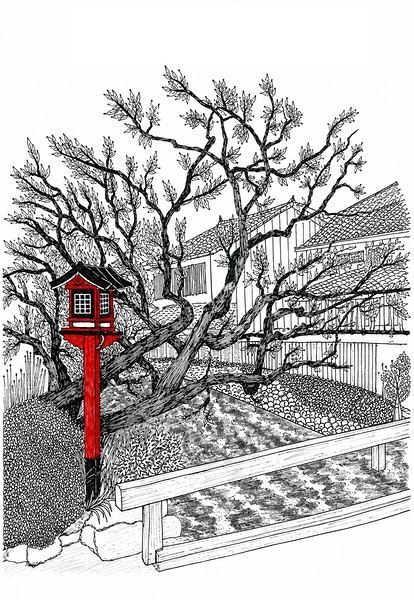 I’m inviting you on a stroll through my drawings—a completely subjective, far from exhaustive, and totally personal take, since it’s based on my own sketches. I put this travel journal together after returning in late 2024, mostly using felt-tip pens and pencils, with a few collages thrown in. I worked from our personal photos.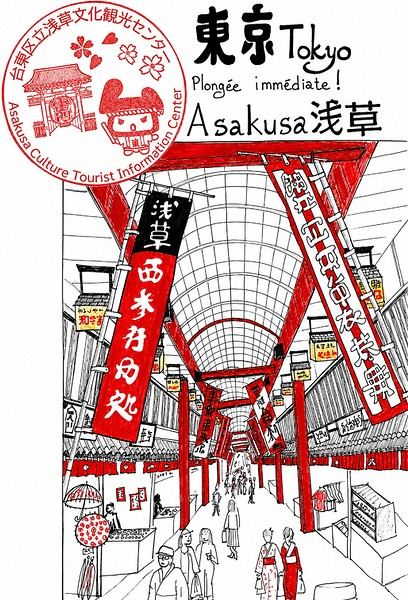
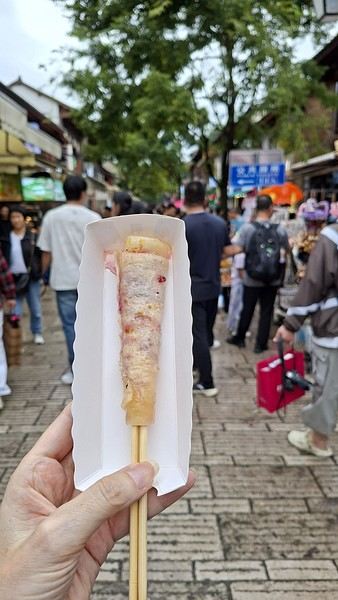
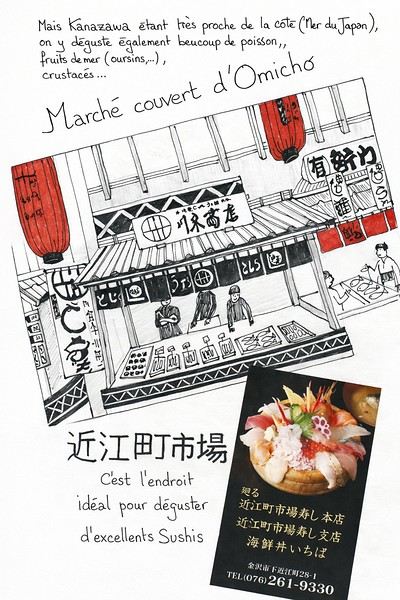 And in Kyoto, Nishiki Market:
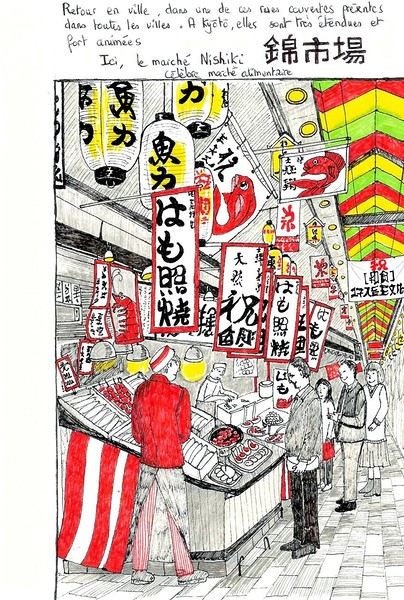
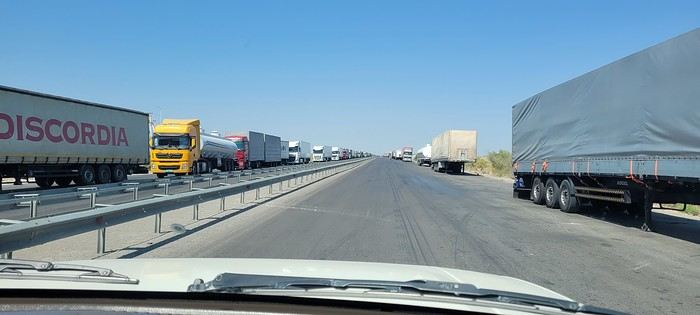
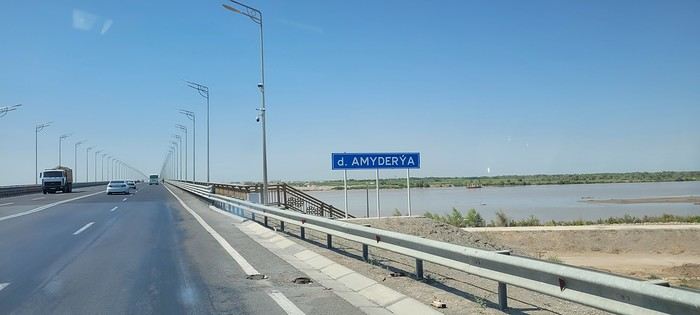
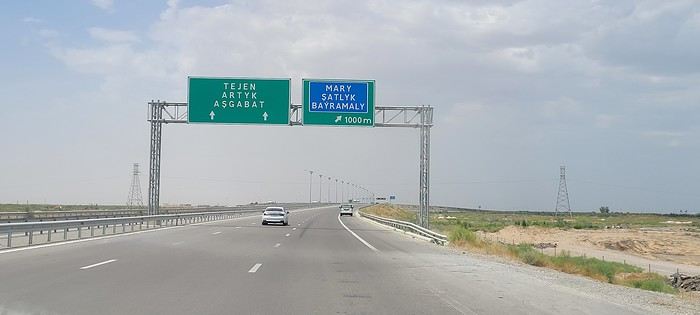
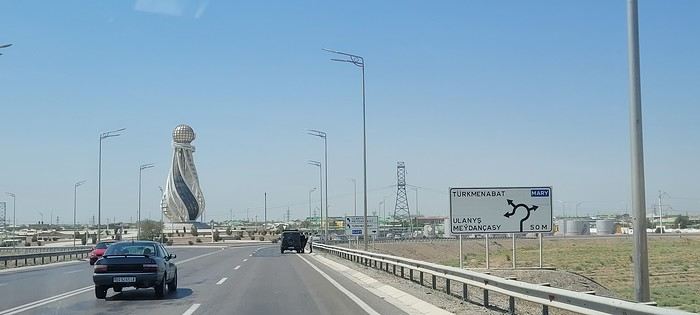
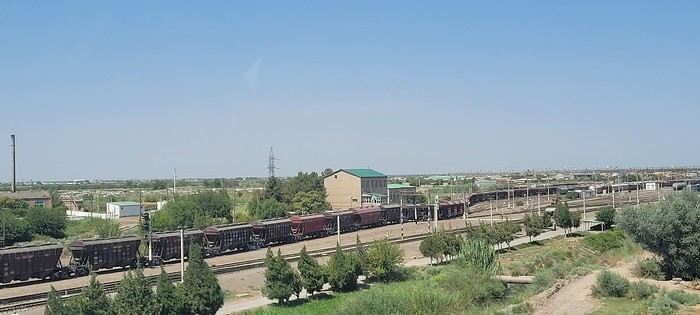
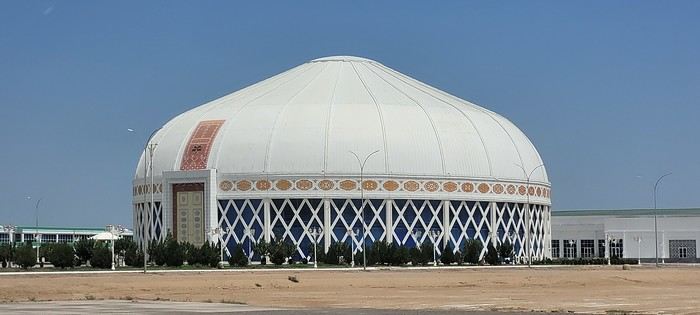
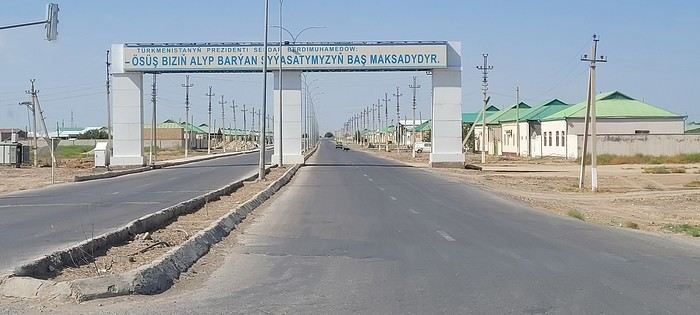
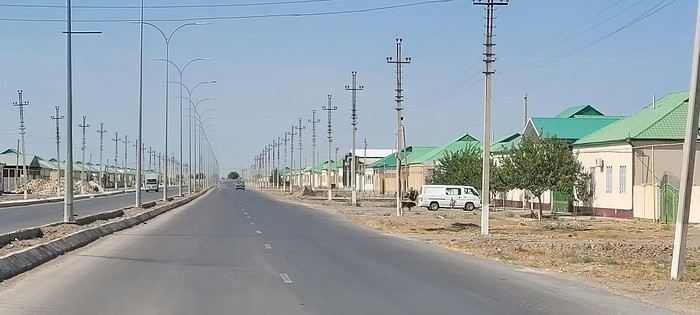 Roundabouts are particularly interesting because they feature emblems of Turkmen culture, like the dog, a carpet, the Ahal Teke horse, or Muslim symbols, even though the presence of Islamic artifacts is quite limited.
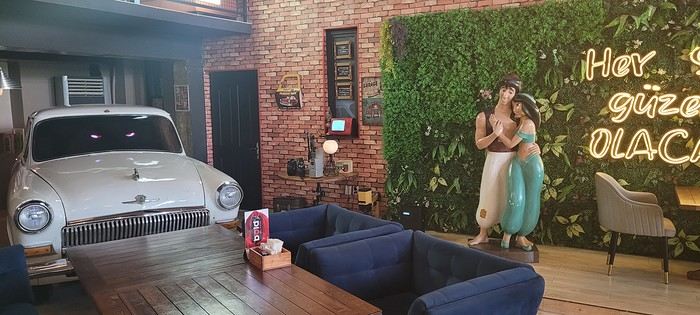

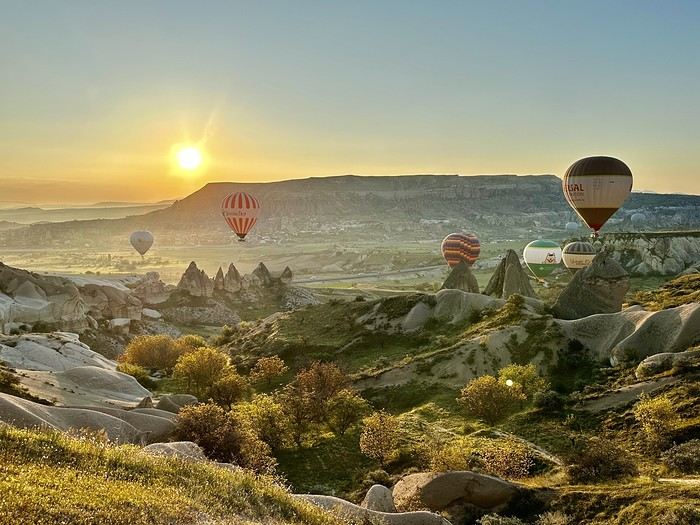 A little sneak peek?

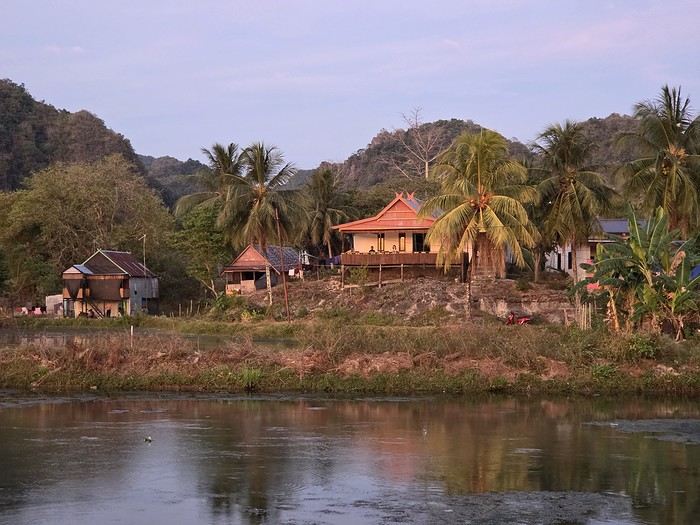
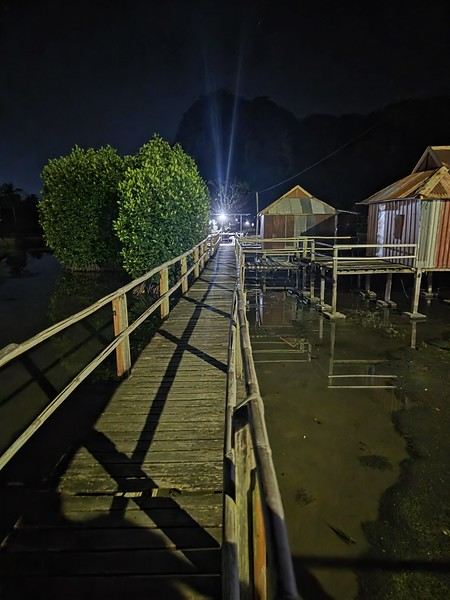
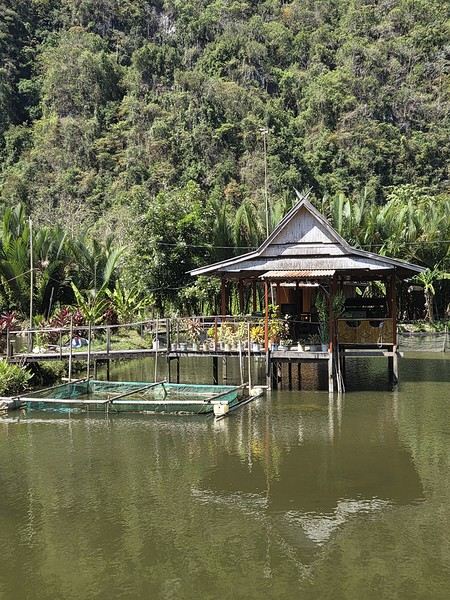
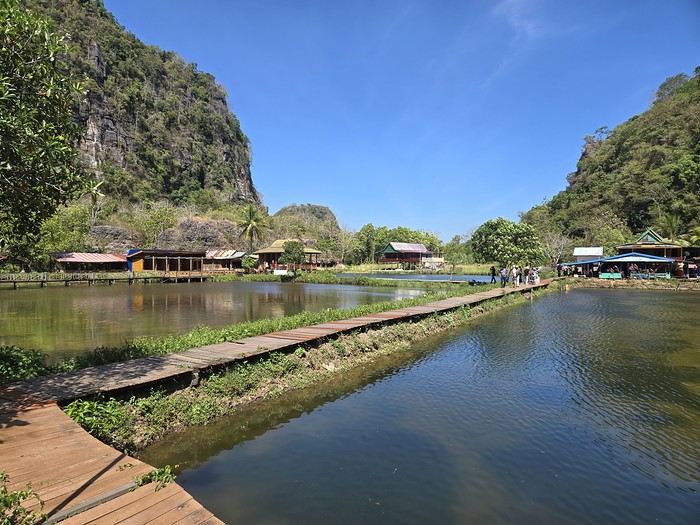
 The karst site:
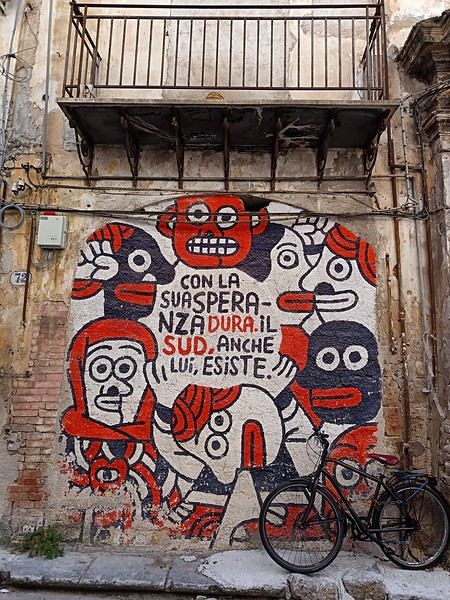 (In the heart of Albergheria, on a street every visitor walks down—lovely message from an unidentified artist)