Skip to content
North America

Travel guide

North America

★ 4 · last edited Dec 11, 2019

Between the Pacific and Atlantic Oceans, from the polar Far North to the borders of the Latin world, North America is the most diverse "continent" and perhaps also the one offering the most appeal and attractiveness for tourism—at least when it comes to the United States...

Countries and Regions of North America

Chutes du Niagara, Ontario, Canada
Chutes du Niagara, Ontario, Canada · © VoyageForum

Additional Resources on VoyageForum

United States

A long-standing top destination in the world, the United States offers one of the most comprehensive travel experiences. Nature, adventure, culture, relaxation, or nightlife—there’s something for every taste, though it’s rarely all found in one place, given the country’s vast size and diversity. Overview of the United States Regions and States of the United States Geography and Environment of the United States Climate and Weather in the United States History of the United States Society of the United States Culture and Customs of the United States Cuisine of the United States What to See in the United States Things to Do in the United States Types of Trips in the United States When and Where to Go in the United States Travel and suggested itineraries in the United States Flying to the United States Getting to the United States by Land or Sea Getting around the United States Accommodation in the United States Entry Requirements and Visa for the United States Money, budget and shopping in the United States Health and Safety in the United States Other practical information for the United States Living in the United States Index of Tourist Sites in the United States
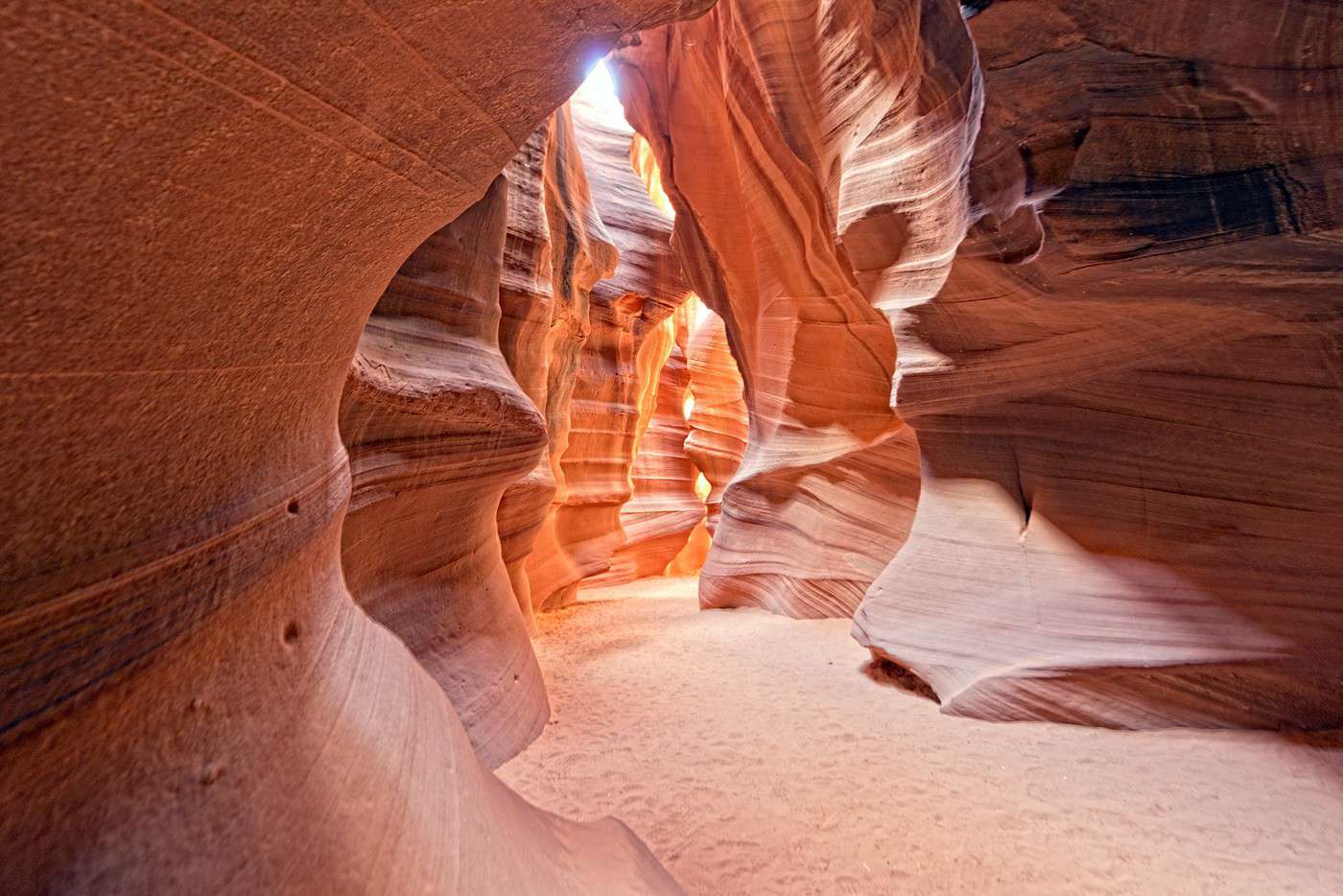
Antelope Canyon, Arizona, États-Unis
Antelope Canyon, Arizona, États-Unis · © VoyageForum

Regional Guides to the United States

New England · East Coast · Florida · The South · Texas · Midwest and the Great Plains · The American West · California · Pacific Northwest · Alaska · Hawaii

Additional Resources on VoyageForum

View guide page: United States

Overview of the United States

As vast as a continent, the United States stretches from the Atlantic to the Pacific and from Canada to Mexico . It consists of 50 states (48 "continental" + Alaska and Hawaii) and various "overseas territories" (Puerto Rico and the Virgin Islands, Guam...).…

Read the full guide: Overview of the United States

Regions and States of the United States

Rockport, Massachusetts, États-Unis States: Connecticut, Maine, Massachusetts, New Hampshire, Rhode Island, and Vermont. Six small states in the northeast, bordering Canada. This is where the history of what would one day become the United States of America…
Read the full guide: Regions and States of the United States

Geography and Environment of the United States

Geography of the Country

Natural Regions

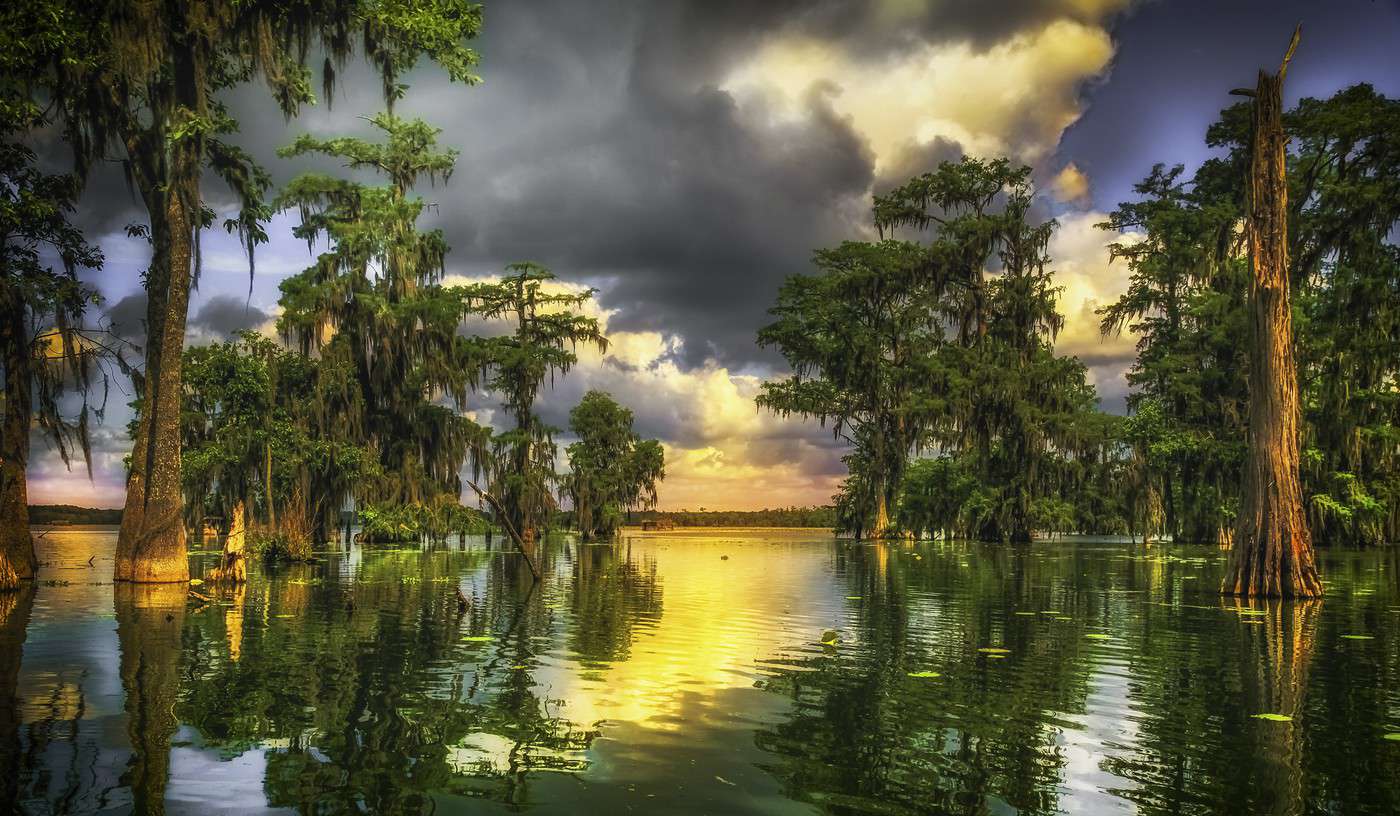
Acadiane, Louisiane, États-Unis
Acadiane, Louisiane, États-Unis · © VoyageForum

Wildlife and Plant Life

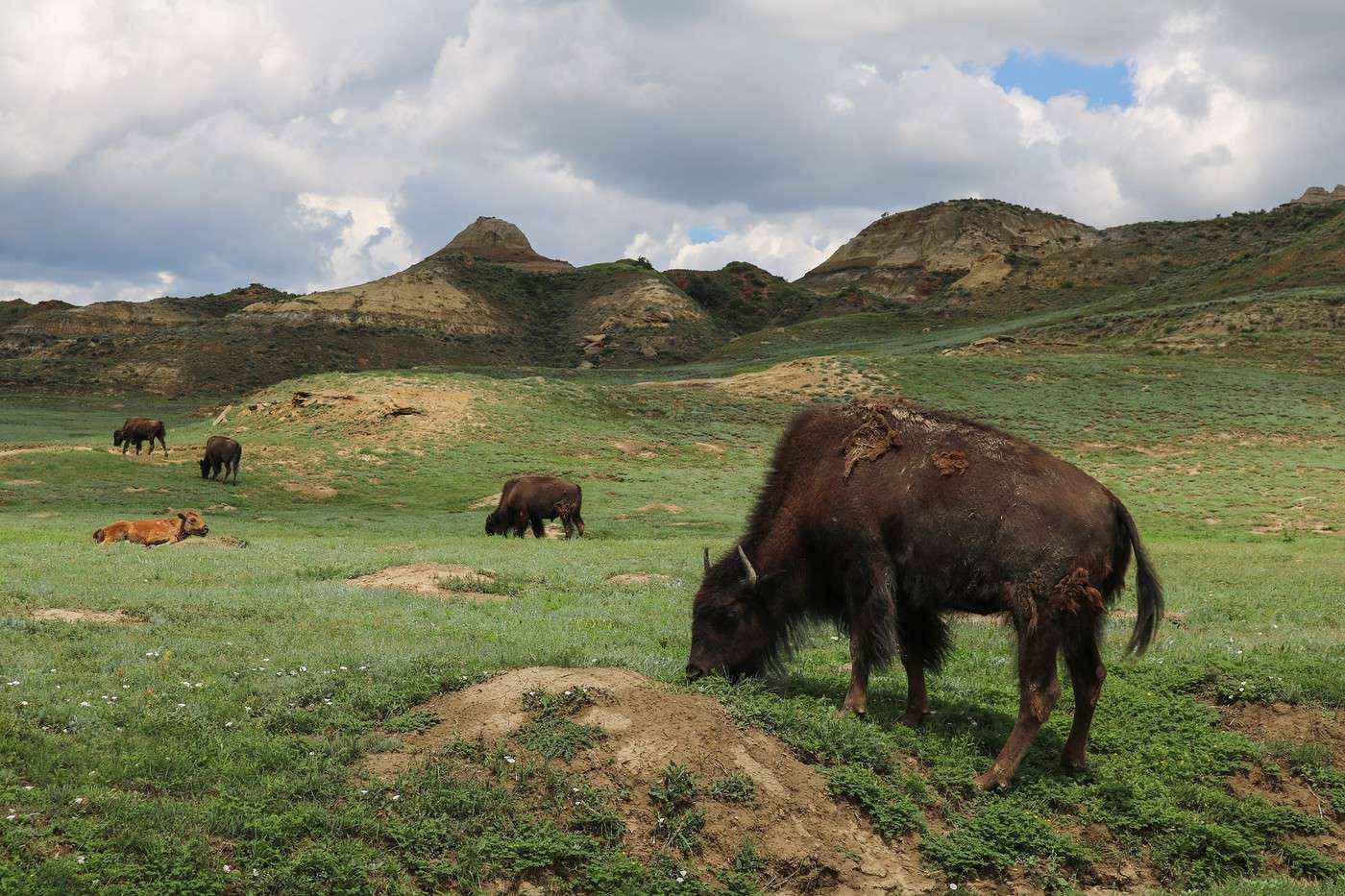
Parc national Theodore Roosevelt, Dakota du Nord, États-Unis
Parc national Theodore Roosevelt, Dakota du Nord, États-Unis · © VoyageForum
View guide page: Geography and Environment of the United States

Climate and Weather in the United States

Climate Overview

Forêt de Monongahela, Virginie Occidentale, États-Unis
Forêt de Monongahela, Virginie Occidentale, États-Unis · © VoyageForum

Given the country's vast size, the climate naturally varies greatly depending on the region, terrain, or time of year.

Sea Temperature Throughout the Year

Clearly, on both the Atlantic and Pacific coasts, the further north you go, the less suitable the water temperature will be for swimming outside the heart of summer. In the Gulf of Mexico, however, the water remains pleasant year-round.

Jan.Feb.Mar.Apr.MayJun.Jul.Aug.Sep.Oct.Nov.Dec.
Atlantic Coast (Myrtle Beach)191920222527282826242220
Pacific Coast (Los Angeles)151515151616181919181716
Gulf of Mexico222222232527282828272522

Additional Information

View guide page: Climate and Weather in the United States

History of the United States

History of the United States

Vicksburg, Mississippi, États-Unis
Vicksburg, Mississippi, États-Unis · © VoyageForum

Key Dates

View guide page: History of the United States

Society of the United States

Chinatown, New York, États-Unis · © VoyageForum The United States is primarily a Protestant country, with over 46% of the population adhering to one of the many congregations found across the nation, starting with evangelical churches, which…

Read the full guide: Society of the United States

Culture and Customs of the United States

Empire State Building, New York, États-Unis · © VoyageForum Almost any city will give you an idea of the very particular urban planning of American cities. More specific, however, are: Manhattan (unique!); Chicago (early 20th-century…

Read the full guide: Culture and Customs of the United States

What to See in the United States

The United States has 23 sites (20 of them on the continental mainland) inscribed on the UNESCO World Heritage list. Paradoxically, given the country's wealth, this is far fewer than Italy, which holds the record with over fifty, as well as China, Spain,…
Read the full guide: What to See in the United States

Things to Do in the United States

Beaches and Seaside Resorts

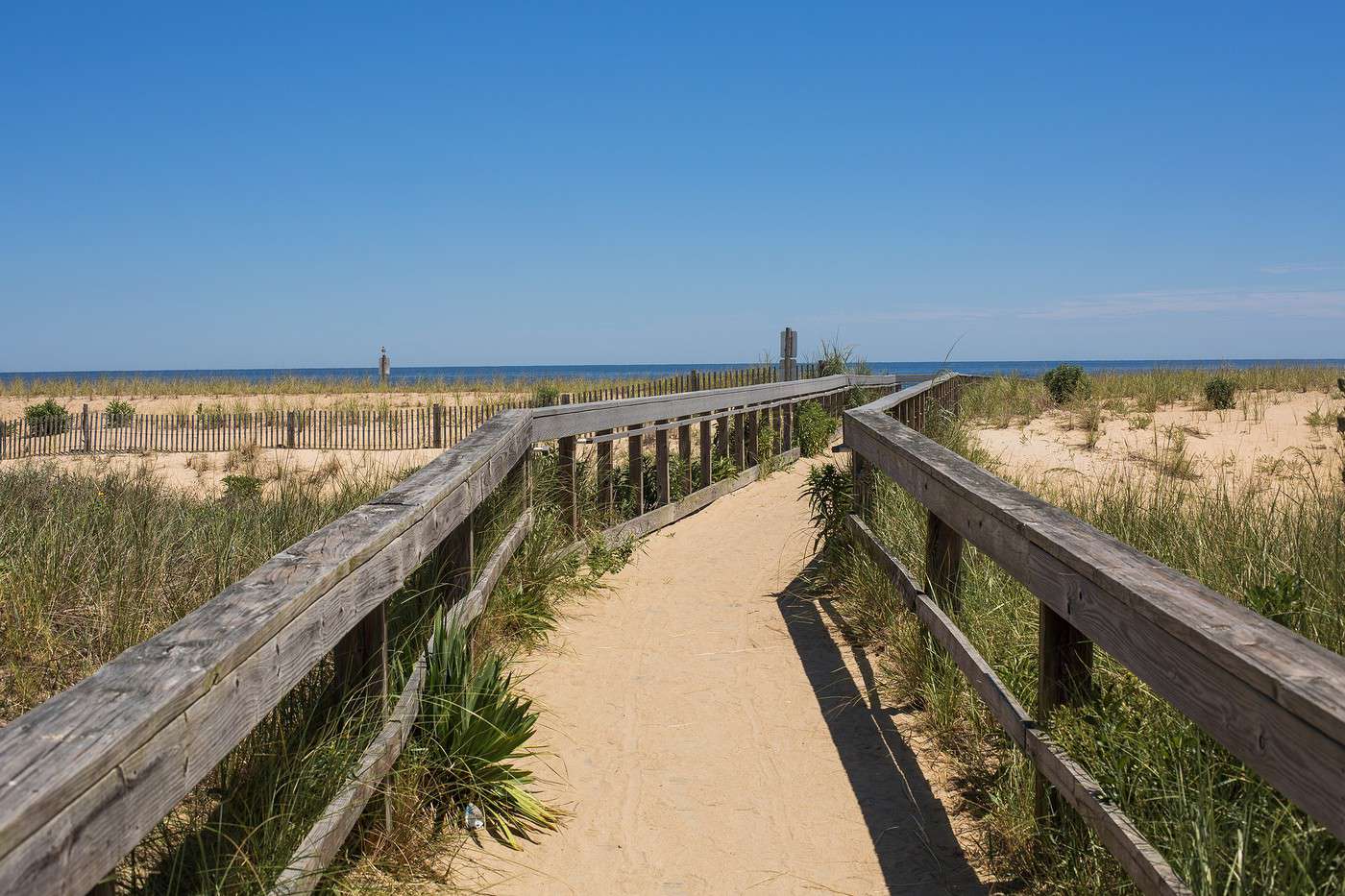
Bethany Beach, Delaware, États-Unis
Bethany Beach, Delaware, États-Unis · © VoyageForum

Surfing

Other Water Activities

Fishing:

Diving:

Water Sports:

Sailing and Sea Excursions:

Thalassotherapy and Wellness

Hiking

Appalachian Trail, États-Unis
Appalachian Trail, États-Unis · © VoyageForum

Hiking

Cycling

Horseback Riding

Skiing and Winter Activities

Outdoor and Nature Sports

Golf

Hunting and Fishing

Whitewater Activities

Climbing and Mountain Activities

Paragliding and Aerial Sports

Caving

Other Activities

These Typically American Activities

While not exclusively found in the U.S., some activities or themes are so prevalent in the country that they’ve almost become a "specialty." These include everything related to "cowboys, Native Americans, and the conquest of the West," historical reenactments, casinos, certain unique sports, and a few other things...

    Cultural Life and Activities

    Nightlife and Going Out

    View guide page: Things to Do in the United States

    Typically American Activities

    Preview temporarily unavailable.

    Types of Trips in the United States

    Interests (out of ★★★★ ) : Nature ★★★★ ; Adventure ★★★★ ; Culture ★★★ ; Relaxation/Holidays ★★★ Interest level for each tourist region Nature Adventure Culture Relaxation-Holidays New England ★★★ ★★★ / ★★★★ ★★ ★ / ★★ East Coast ★★★ ★★★ ★★★★ ★★ Florida ★★ /…

    Read the full guide: Types of Trips in the United States

    When and Where to Go in the United States

    Best Times to Visit the United States

    Finding the best time to visit means balancing climate conditions with crowd levels and the most attractive prices for travel and on-site costs.

    Jan.Feb.Mar.Apr.MayJun.Jul.Aug.Sep.Oct.Nov.Dec.
    Climate
    Avoid crowds
    Low prices

    : very favorable | : favorable | : moderately favorable | : unfavorable.

    Where to Go by Travel Type and Interest

    View guide page: When and Where to Go in the United States

    Travel and suggested itineraries in the United States

    Choosing based on time

    Even if you have several months ahead and use flights for long distances, seeing everything in the country is nearly impossible. And even more so if you have less time...

    What you can do in...

    • A long weekend: Beyond Canadian neighbors, for whom it’s obviously easier, even Europeans have embraced the "long weekend" formula. Despite the transatlantic flight (choose your times carefully), some don’t hesitate to take a quick getaway or a first taste of a city—usually New York.
    • 1 week: Just enough to get a feel for the country. In one week, focus on exploring one city in depth, one park and its surroundings, or at most two—no more.
    • 2 weeks: Just enough time to cover California, a few parks and nature reserves in the West, Florida and New Orleans, New York and New England, or the Washington, D.C. area.
    • 3 weeks: Great for California, the Chicago/Boston/Virginia triangle, the South, the West, or the Rockies.
    • 1 month: Same as above, but with more flexibility or a few side trips into neighboring regions.
    • 45 days: A solid amount of time to explore the East Coast or West Coast and/or the American West.
    • 2 months: Enough to enjoy a good road trip across two-thirds of the United States.
    • 3 months: The maximum duration without a visa for many nationalities—and just enough to consider a full tour of the USA.

    Some itinerary ideas for the United States

    View guide page: Travel and suggested itineraries in the United States

    Flying to the United States

    As one might expect, the home of Boeing holds multiple records in commercial air transport. It is the country with the most airports/aerodromes in the world (over 13,500!), the most airlines (around sixty of all kinds), including the largest (American…

    Read the full guide: Flying to the United States

    Getting to the United States by Land or Sea

    By Land

    Borders

    The United States shares a border with two countries: Canada (8,893 km, including 2,477 km in Alaska) and Mexico (3,140 km).

    Entry from Canada

    Entry from Mexico

    Cruises

    By Sea

    Ferries

    Cargo

    Logically, the U.S. has several major commercial ports, ensuring there’s always an arrival point regardless of the coastline—or even the Great Lakes region.

    On the Pacific side, Seattle in the north and Los Angeles/Long Beach in California offer the most options. On the Gulf of Mexico, Texas, with its oil industry, sees heavy traffic, and cities like Corpus Christi, Houston, or in Louisiana, Baton Rouge and New Orleans, rank among the country’s main ports. For Florida/Georgia, Tampa and Savannah are key arrival points. Further north, the Hampton Roads terminal (Virginia) is known as the world’s largest natural harbor. And of course, the ports of New York/New Jersey are among the primary cargo entry points for travelers. Finally, even though the ocean is far away, the Great Lakes (Detroit, Chicago, Cleveland, etc.) are accessible via the St. Lawrence River.

    Sailboats

    View guide page: Getting to the United States by Land or Sea

    Getting around the United States

    Highway 1, Californie, États-Unis · © VoyageForum As we know, the American road network is good to very good. Unless you venture into the most deserted or mountainous corners of the country, there will be no problem at this level. However, it's…

    Read the full guide: Getting around the United States

    Accommodation in the United States

    Overview of the Offer

    Accommodation in the United States is as vast in capacity as it is diverse in options, with prices (always advertised before taxes and often without breakfast) to suit every budget and settings and services for every taste. However, as everywhere, tourist areas during peak periods show accommodation rates that can more than double or triple. Conversely, places accustomed to business travelers tend to lower their prices on weekends or during holidays. Add to this numerous special offers and discount coupons available online or in the media, and the cost of accommodation can vary significantly from one traveler to another for the same trip.

    Among the different types of accommodation, you’ll find:

    • Hotels and motels, ubiquitous whether independent or part of a chain.
    • A few all-inclusive options, primarily in Florida or California.
    • Youth hostels (YMCA or Youth Hostels), mostly urban.
    • Campgrounds, private or state-run, comfortable or basic, very common especially in and around parks and reserves.
    • Fully equipped apartments or villas, found mainly in cities or coastal areas.
    • Bed & Breakfasts or similar options for a homestay, with possibilities for home exchanges or "couchsurfing."
    • And for nature and wide-open-space lovers, farms and ranches where you can be as active as you like.

    Hotels and Motels of All Kinds

    All-Inclusive

    Youth Hostel

    Camping

    Staying with Locals

    B&B or Similar

    Home Exchange

    Other Options

    Apartments and Villas

    Farms and Ranches

    Choosing Your Accommodation

    View guide page: Accommodation in the United States

    Entry Requirements and Visa for the United States

    French citizens are among the nationalities eligible for the Visa Waiver Program (VWP) for tourist stays of up to 90 days. This means a valid biometric or electronic passport for the duration of the stay, a return or onward ticket, and an "Electronic System…

    Read the full guide: Entry Requirements and Visa for the United States

    Money, budget and shopping in the United States

    Currency: US dollar (100 cents). Bills: $1, $2, $5, $10, $20, $50 and $100. Coins: 1, 5, 10, 25 and 50 cents + $1. Exchange rate: The US dollar has been the official currency of the United States since 1792. It is the most widely used currency in the world…

    Read the full guide: Money, budget and shopping in the United States

    Health and Safety in the United States

    Official Recommendations

    In France, both for individuals and professionals, the "travel advice" from the Ministry of Foreign Affairs regarding precautions for each country has legal value. A similar online travel advice system exists in several countries:

    Health

    As always, it's best to be up to date with your vaccinations, even if nothing is officially required to enter the country.

    Diseases

    In terms of health, the USA poses no major problems. Although rare cases of plague or hantavirus have been reported in Yosemite Park in recent years (both transmitted by rodents), the risks are extremely limited, as are those of contracting chikungunya, dengue, or West Nile Virus from mosquitoes in the South. As for malaria, it has been absent from the United States for a long time, including in the bayous of Louisiana or the Everglades in Florida.

    Hygiene

    Local Healthcare Facilities

    Local healthcare facilities are excellent, with the only downside being their high cost. Given the expensive medical fees, it is essential to have good travel insurance that adequately covers you for the United States (it’s worth checking the details). French consulates on site usually have a list of French-speaking doctors and other practitioners if needed. In the United States, the emergency number is 911.

    Safety

    Crime and Delinquency

    Socio-Political Risks and Terrorism

    Climate and Nature

    Animals

    French Consulates on Site

    If you encounter problems while traveling abroad, your country’s consular services can assist you. It’s also worth noting that if you are a citizen of the European Union and your country is not represented, you can contact any other representation of an EU member state.

    View guide page: Health and Safety in the United States

    Other practical information for the United States

    Preview temporarily unavailable.

    Living in the United States

    Preview temporarily unavailable.

    Index of Tourist Sites in the United States

    Preview temporarily unavailable.

    Mexico

    From Baja California to the Yucatán or Chiapas, via the capital Mexico City, Mexico offers almost everything you could expect from a country that bridges its American neighbour and Central America—a region it often resembles in many ways. Overview of Mexico Regions of Mexico Geography and Environment of Mexico Climate and Weather in Mexico History of Mexico Mexican Society Culture and Customs of Mexico Mexican Cuisine What to See in Mexico Things to Do in Mexico Types of Travel in Mexico All-Inclusive in Mexico When and Where to Go in Mexico Suggested Trips and Itineraries in Mexico Flying to Mexico Getting to Mexico by Land or Sea Getting Around in Mexico Accommodation in Mexico Entry Requirements and Visa for Mexico Money, budget and shopping in Mexico Health and Safety in Mexico Other Practical Information for Mexico Living in Mexico
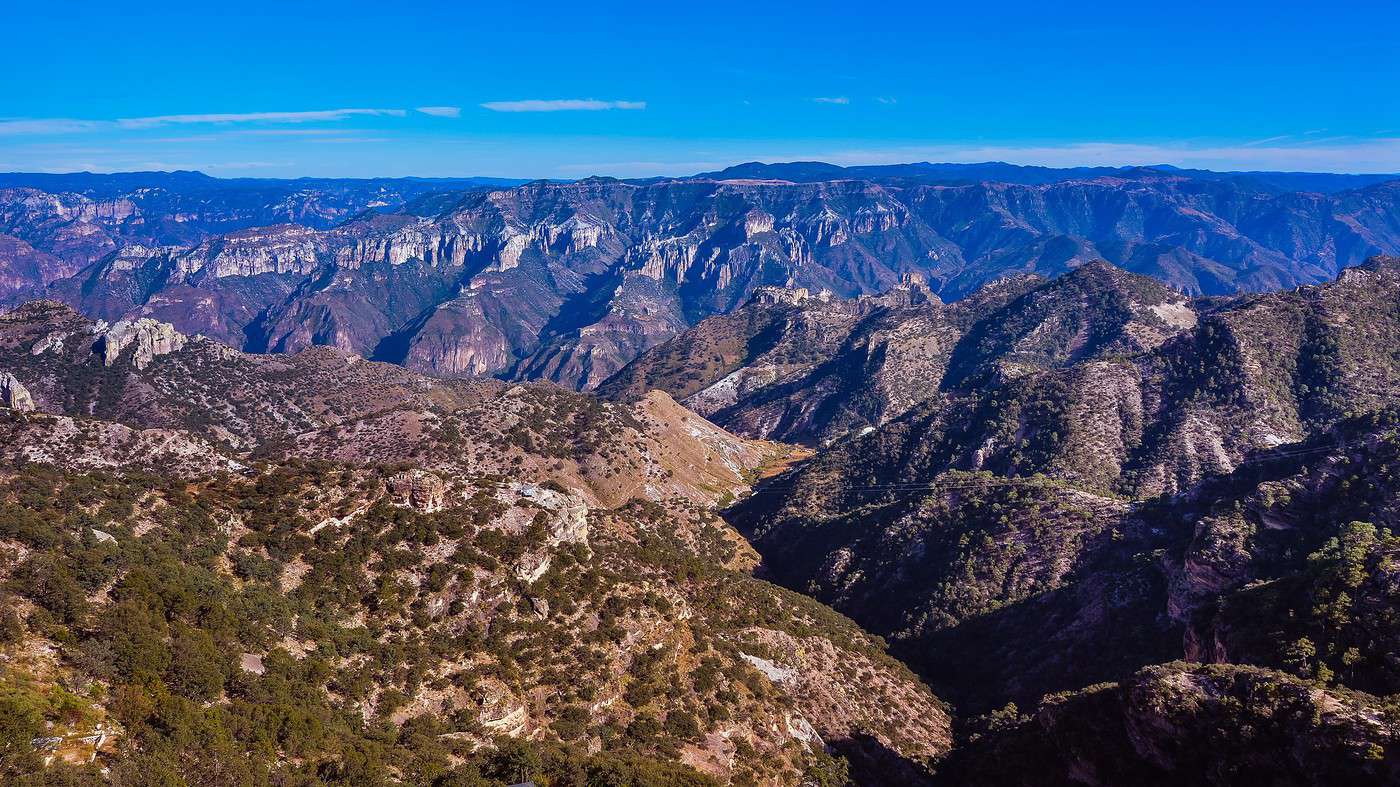
    Barrancas del Cobre, Mexique
    Barrancas del Cobre, Mexique · © VoyageForum

    Regional guides for Mexico

    Baja California · Northern Mexico · Central Mexico · Yucatán and Southern Mexico

    Additional resources on VoyageForum

    View guide page: Mexico

    Overview of Mexico

    Linking North America and Latin America, Mexico is one of the world's most populous countries, one of those welcoming the most tourists, and also—though it isn't always obvious—one of the planet's top economies, thanks to its mineral wealth, oil, agriculture,…

    Read the full guide: Overview of Mexico

    Regions of Mexico

    Baja California

    La Paz, Mexique
    La Paz, Mexique

    Extending from California, the endless Baja California peninsula stretches over 1,200 km between the Pacific and the Sea of Cortez. Sparsely populated, it offers remarkable landscapes, a mix of deserts, volcanoes, and desolate coastline. Ecotourism has developed in recent years, particularly at its southern tip in the Los Cabos region. In contrast, the entire U.S. border area is dedicated to festive or shopping tourism for an American audience. It’s also home to Tijuana, the world’s most visited border city...
      Northern Region

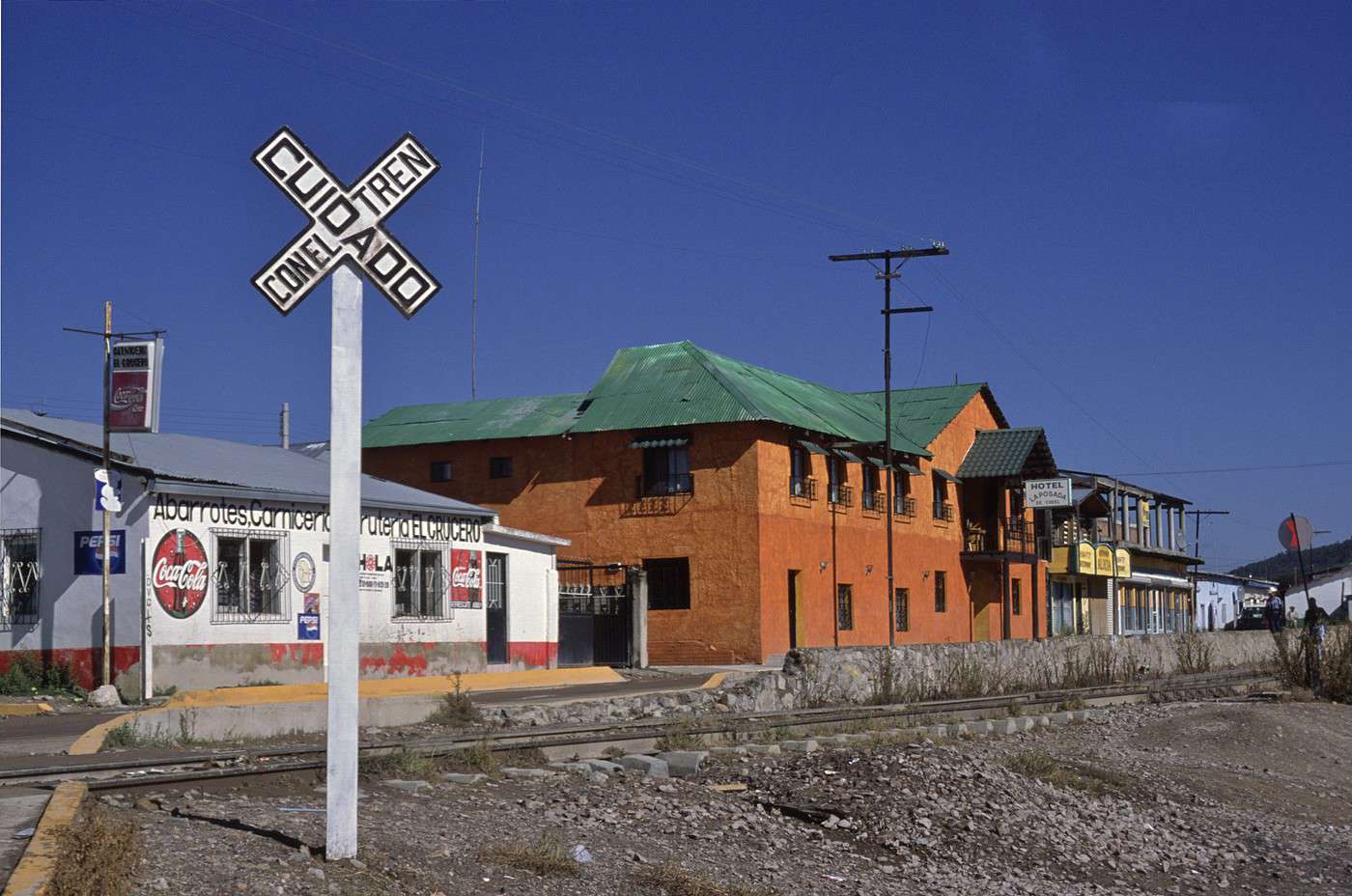
      Creel, Mexique
      Creel, Mexique

      This vast territory lies between the United States and the northern cities of Mexico or Guadalajara. Mostly desert, it’s largely ignored by tourists and has a poor reputation for safety. Nevertheless, it offers a lesser-known side of Mexico.

        Central Region

        Centre historique de Mexico, Mexique
        Centre historique de Mexico, Mexique

        This is the country’s most populated region, centered around the capital. It’s also a major tourist hub, boasting a rich cultural heritage with colonial cities and pre-Columbian ruins, as well as beautiful natural landscapes and renowned Pacific beach resorts favored by relaxation seekers.

          Yucatán and Southern Mexico

          Chichen Itza, Mexique
          Chichen Itza, Mexique

          This former Mayan land, bordering Guatemala and Belize, has become the country’s main tourist zone, at least for Cancun and its coastline. While the Caribbean coast is famous for its beaches, diving, and other water activities, the region also offers a wealth of natural and cultural attractions, including numerous pre-Columbian sites.

            View guide page: Regions of Mexico

            Baja California

            Preview temporarily unavailable.

            Yucatán and Southern Mexico

            Preview temporarily unavailable.

            Northern Mexico

            Preview temporarily unavailable.

            Central Mexico

            Preview temporarily unavailable.

            Geography and Environment of Mexico

            Country Physiography

            Natural Zones

            Celestun, Mexique
            Celestun, Mexique · © VoyageForum

            Wildlife and Flora

            View guide page: Geography and Environment of Mexico

            Climate and Weather in Mexico

            Given the country's size and diverse terrain, it's no surprise that Mexico has a varied climate depending on the region. In Baja California and the northern part of the country, the landscape is desert-like and dotted with cacti. Whether you're by the sea or…

            Read the full guide: Climate and Weather in Mexico

            History of Mexico

            Teotihuacan, Mexique · © VoyageForum 50,000 BC: The earliest traces of settlements in the country date back to this period, particularly in Baja California. 1st century BC: Development of pre-Columbian civilizations such as the Maya and Toltec ,…

            Read the full guide: History of Mexico

            Mexican Society

            Population

            Mexico is a highly mixed-race country, with 60% of the population descended from encounters between Indigenous peoples and Europeans. This is in addition to 30% Indigenous, 9% White, and 1% Black or Asian.

            Political Institutions

            Economy

            Religion

            Religion holds significant weight in Mexican society, which is deeply religious and also practices a certain syncretism between European and Indigenous religious traditions. Traditionally Christian, it is gradually moving away from Catholicism (still very much in the majority) in favor of the countless American sect-churches that have crossed the border.

            View guide page: Mexican Society

            Culture and Customs of Mexico

            Arts, Crafts, and Architecture

            Arts

            Crafts

            Architecture

            Museums

            Customs and Traditions

            Local Traditions

            Etiquette

            Dress and Behavior

            Sensitive or Taboo Topics

            Languages

            Under Mexican law, Spanish is the country's official language (and the most widely spoken), alongside around sixty other local languages. However, 7 to 8% of the population, primarily in rural areas, does not speak it, instead using one of the many indigenous languages found in the country. In general, English is widely spoken in tourist areas and beyond, unlike French, which is limited to a few coastal resorts in Riviera Maya that attract a francophone audience, among others.

            Glossary

            A few local words and expressions useful to know while traveling:
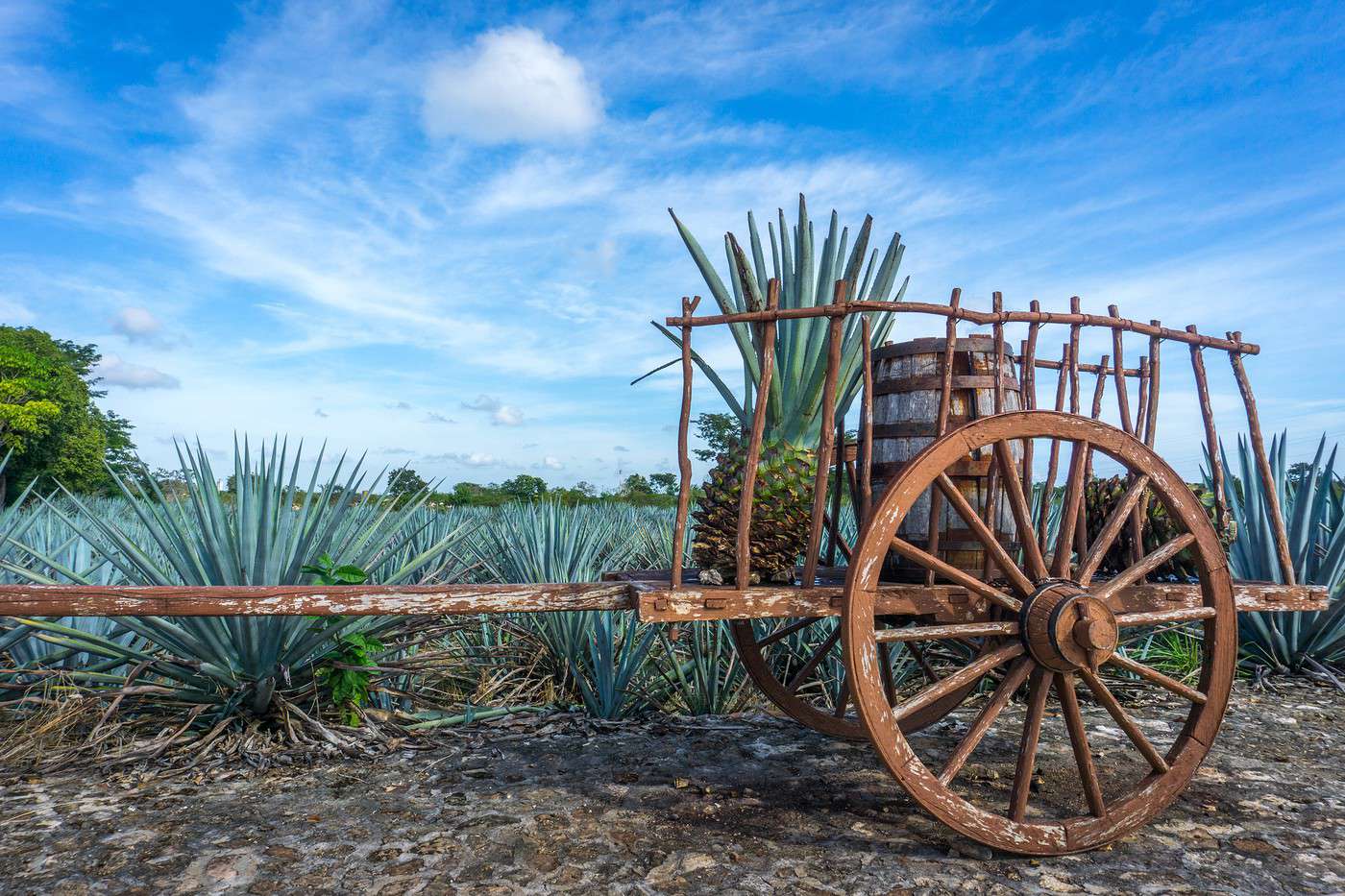
            • Cenotes: These are vast natural sinkholes that can reach several dozen meters in depth. The Yucatán has thousands of them.
            • Gringo: A somewhat pejorative term for Americans and, more broadly, all white foreigners.

            Festivals and Celebrations

            Major Events and Public Holidays

            Books, Films, and Music

            View guide page: Culture and Customs of Mexico

            Mexican Cuisine

            Local Cuisine

            Other Cuisines

            Specialties

            Tequila, Mexique
            Tequila, Mexique · © VoyageForum

            Starters

            Main Dishes

            Desserts

            Drinks

            Where to Eat

            Eating in Mexico isn’t very expensive if you look for small places and prefer local food. In fact, it’s often the smallest expense of a trip in the country. You’ll find small establishments (called "fondas") everywhere, offering a daily special or a "basic" menu that lets you get by for the equivalent of 4 or 5 € at most. For even less, you can turn to small shops selling sandwiches or takeaway meals, street vendors, or "bouis-bouis" to find in markets. And in another category, fast-food chains are also well-established in the country, whether local (the cheapest) or international.

            Otherwise, you’ll also find the usual range of restaurants, especially in cities and tourist areas. While prices, styles, and types of food can vary widely, you can still expect a full meal for around ten euros if you stick to "classic" options. However, restaurant prices can rise quickly, especially in areas with many tourists, particularly North Americans. Also, note that service is generally not included in the bill, and a tip of 10 to 15% is appreciated.

            Additional Information

            View guide page: Mexican Cuisine

            What to See in Mexico

            Mexico has around thirty sites inscribed on the UNESCO World Heritage list, making it one of the countries with the most. Reflecting the destination itself, the listed sites are highly varied. They include cities with remarkable colonial heritage (Morelia,…

            Read the full guide: What to See in Mexico

            Things to Do in Mexico

            La Paz, Mexique · © VoyageForum Mexico is home to magnificent beaches and numerous resorts, more or less crowded, scattered along its coastline. Touristically, three regions attract the most visitors, but that doesn’t mean you won’t find other…

            Read the full guide: Things to Do in Mexico

            Types of Travel in Mexico

            Interests (rated ★★★★ ) : Nature ★★★ ; Adventure ★★★ ; Culture ★★★★ ; Relaxation-holidays ★★★★ . Nature Adventure Culture Relaxation-holidays Baja California ★★★ ★★ ★ ★★★ North ★★★ ★★★ ★ ★ Central ★★★ ★★ ★★★★ ★★★★ Yucatan and South ★★★ ★★★ ★★★★ ★★★★ Even if…

            Read the full guide: Types of Travel in Mexico

            When and Where to Go in Mexico

            Best Times to Visit Mexico

            Finding the best time to visit means balancing climate constraints with crowd levels and the most attractive prices, both on-site and for travel.

            The dry season, from late October to late April, is the most favorable for exploring the country, though this varies by region and altitude—some places can be quite chilly at the start of the year. Overall, this avoids the intense heat in the north and the rains elsewhere, which can be problematic, especially on the coasts where humidity is also high during this period. However, around Christmas, Easter (Semana Santa), and "Spring Break," crowds peak along with prices. July and August also see higher visitor numbers.

            In short, considering all factors, November to May is still the most recommended period, though it’s best to avoid Christmas/January and Easter for a quieter experience.

            Jan.Feb.Mar.Apr.MayJun.Jul.Aug.Sep.Oct.Nov.Dec.
            Northern climate
            Central climate
            Southern/Yucatán climate
            Avoid crowds/ /
            Low prices/ /

            : very favorable | : favorable | : moderately favorable | : unfavorable.

            Where to Go by Travel Style and Interest

            View guide page: When and Where to Go in Mexico

            Flying to Mexico

            With over a thousand airports and airfields, Mexico ranks third in the world for air transport infrastructure. While not all handle regular flights, every major city has its own airport, with at least one connection to the capital—and larger cities often have…

            Read the full guide: Flying to Mexico

            Getting to Mexico by Land or Sea

            Mexico shares borders with three countries: United States (3,140 km), Guatemala (960 km), Belize (250 km). There are no issues with entering Mexico by land. There are multiple border crossings with the USA, plus two main routes (and river access in the Petén…

            Read the full guide: Getting to Mexico by Land or Sea

            Getting Around in Mexico

            Given the size of the country, there’s a clear disparity between regions. Mexico’s road network is quite uneven, with both good roads and highways (expensive) and secondary routes that are poorly or unpaved, requiring careful and slow driving most of the…

            Read the full guide: Getting Around in Mexico

            Accommodation in Mexico

            Given the influx the country has experienced for decades, it’s understandable that it has developed a diverse and varied range of accommodations, generally of good quality or at least ready to meet the expectations of different types of visitors, particularly…

            Read the full guide: Accommodation in Mexico

            Entry Requirements and Visa for Mexico

            For tourist travel, French citizens do not need a visa for stays of up to 180 days; a passport valid for the duration of the stay is sufficient. However, a return or onward ticket is required. Additionally, a "Multiple Migratory Form" (FMM) is required, which…

            Read the full guide: Entry Requirements and Visa for Mexico

            Money, budget and shopping in Mexico

            Currency: Mexican peso (100 centavos). Bills: 20, 50, 100, 200, 500 and $1000. Coins: 10, 20 and 50 centavos + 1, 2, 5, 10 and $20. Exchange: Warning: the symbol used for the Mexican peso ($) is the same as that of the US dollar without the "US". So be…

            Read the full guide: Money, budget and shopping in Mexico

            Health and Safety in Mexico

            In France, both for individuals and professionals, the "travel advice" from the Ministry of Foreign Affairs regarding precautions for each country has legal value. A similar online travel advice system exists in several countries: Foreign Affairs Belgium…

            Read the full guide: Health and Safety in Mexico

            Other Practical Information for Mexico

            For coastal areas and beach resorts, pack lightweight clothing year-round, plus a sweater for evenings or air conditioning. For the central regions and mountains, warmer clothes are recommended. Don’t forget sun protection and rain gear (even in the dry…

            Read the full guide: Other Practical Information for Mexico

            All-Inclusive in Mexico

            Mexico is one of the world’s top destinations for all-inclusive resorts. The concept began several decades ago, particularly with the development of Cancun and its coastline, and the all-inclusive formula now attracts millions of tourists every year. The…

            Read the full guide: All-Inclusive in Mexico

            Canada

            Canada is a vast country offering astonishing diversity. Landscapes change with the seasons. From the Atlantic to the Pacific coast, each region stands out for its historical heritage and natural riches. Overview of Canada Regions of Canada Geography and Environment of Canada Canada: Climate and Weather History of Canada Canadian Society Culture and Customs of Canada Canadian Cuisine What to See in Canada Things to Do in Canada Types of Travel in Canada When and Where to Go in Canada Travel and suggested itineraries in Canada Flying to Canada Getting to Canada by Land or Sea Getting Around Canada Accommodation in Canada Entry Requirements and Visa for Canada Money, Budget, and Shopping in Canada Health and Safety in Canada Other Practical Information for Canada Living in Canada
            Chutes du Niagara, Ontario, Canada
            Chutes du Niagara, Ontario, Canada · © VoyageForum

            Regional guides to Canada

            British Columbia · Northern Canada · Ontario · The Prairies · Atlantic Provinces · Quebec

            Further reading on VoyageForum

            View guide page: Canada

            Overview of Canada

            British Columbia : Known as "BC," this region offers visitors a great mix of experiences. While nature in all its splendor is omnipresent, as it is throughout the country, with stunning landscapes (Rocky Mountains parks, Glacier National Park, etc.), cities…

            Read the full guide: Overview of Canada

            Regions of Canada

            Vancouver, Colombie-Britannique, Canada Facing the Pacific, "BC" as it's called offers visitors a great mix of experiences. While nature in all its splendor is of course omnipresent here, just as in the rest of the country—with incredible spaces like the…
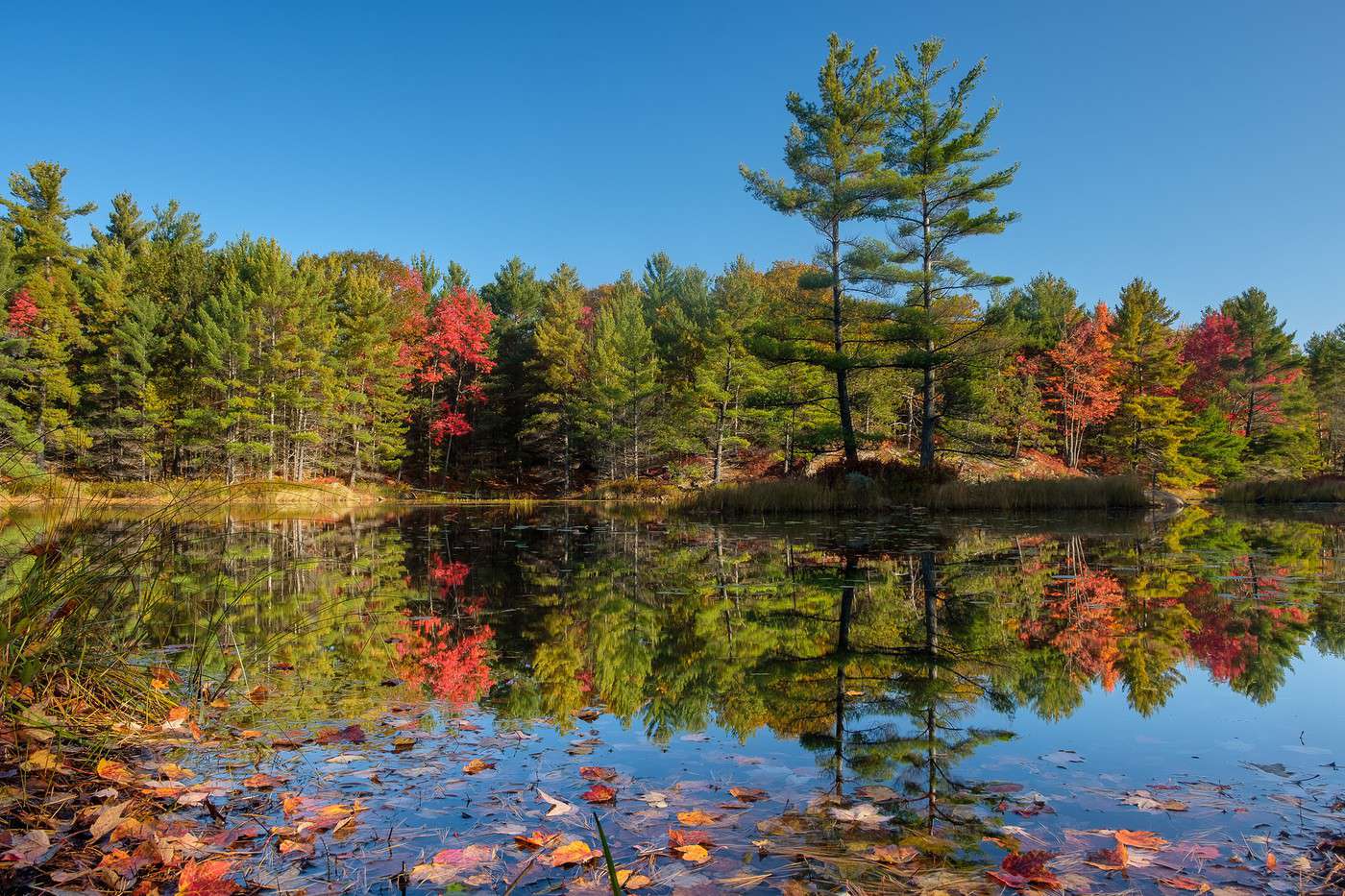
            Read the full guide: Regions of Canada

            Geography and Environment of Canada

            Geography of the Country

            Natural Regions

            Lacs Kawartha, Ontario, Canada
            Lacs Kawartha, Ontario, Canada · © VoyageForum

            Wildlife and Flora

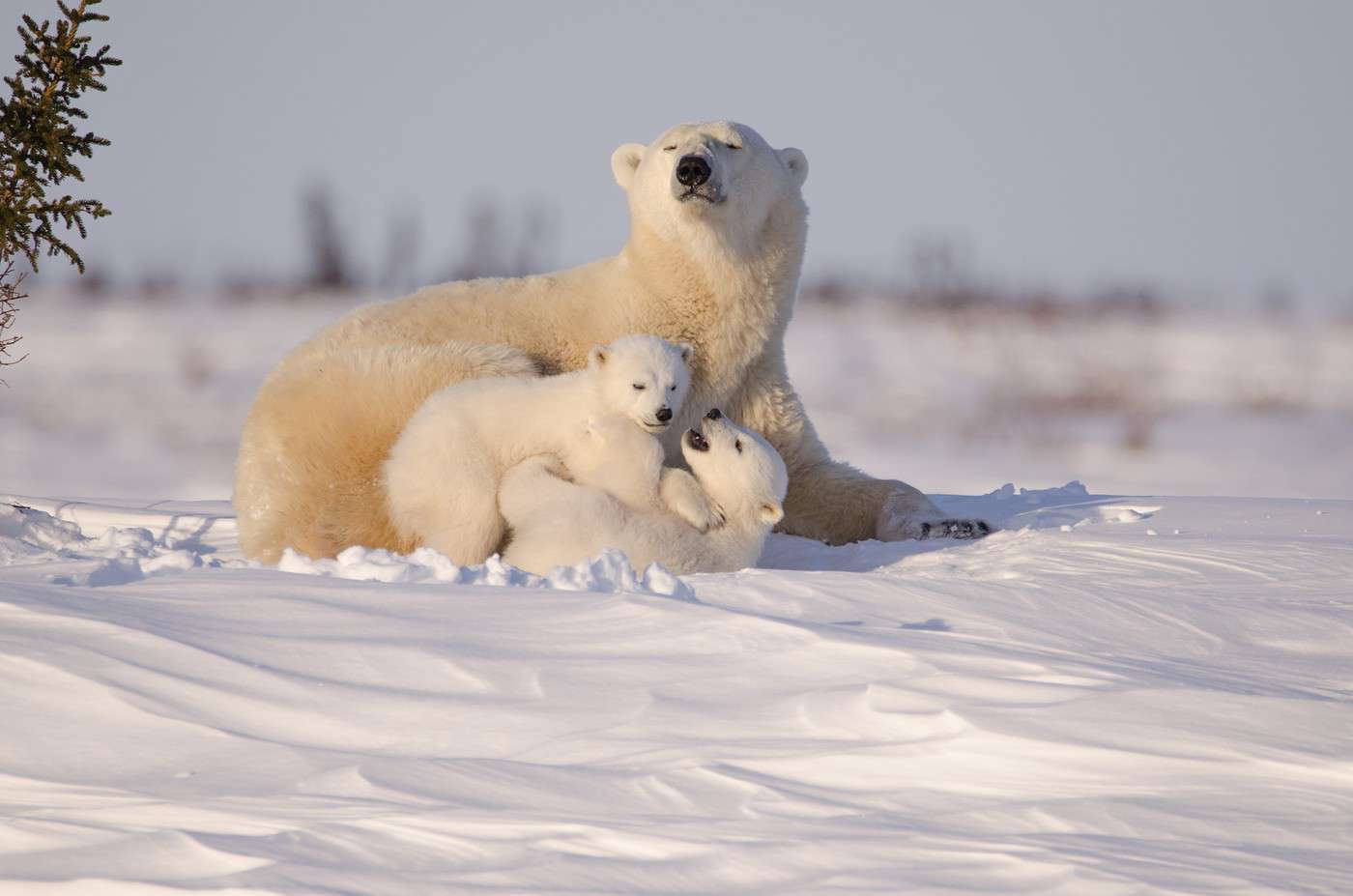
            Parc national Wapusk, Churchill, Manitoba, Canada
            Parc national Wapusk, Churchill, Manitoba, Canada · © VoyageForum
            View guide page: Geography and Environment of Canada

            Canada: Climate and Weather

            Climate Overview

            Sun Peaks, Colombie-Britannique, Canada
            Sun Peaks, Colombie-Britannique, Canada · © VoyageForum

            Best Time to Visit Canada

            Jan.Feb.Mar.Apr.MayJun.Jul.Aug.Sep.Oct.Nov.Dec.
            Québec /
            West Coast
            Far North

            : very favourable | : favourable | : moderately favourable | : unfavourable.

            Sea Temperature Throughout the Year

            No matter the season, sea (and lake) temperatures remain quite cool.

            Jan.Feb.Mar.Apr.MayJun.Jul.Aug.Sep.Oct.Nov.Dec.
            Atlantic Coast (Halifax)1111591416141183
            Pacific Coast (Vancouver)989101113141514121110

            Climate and Weather by Region

            The East and Québec

            The Central Region

            The West and British Columbia

            Northern Canada

            Additional Information

            View guide page: Canada: Climate and Weather

            History of Canada

            History of Canada

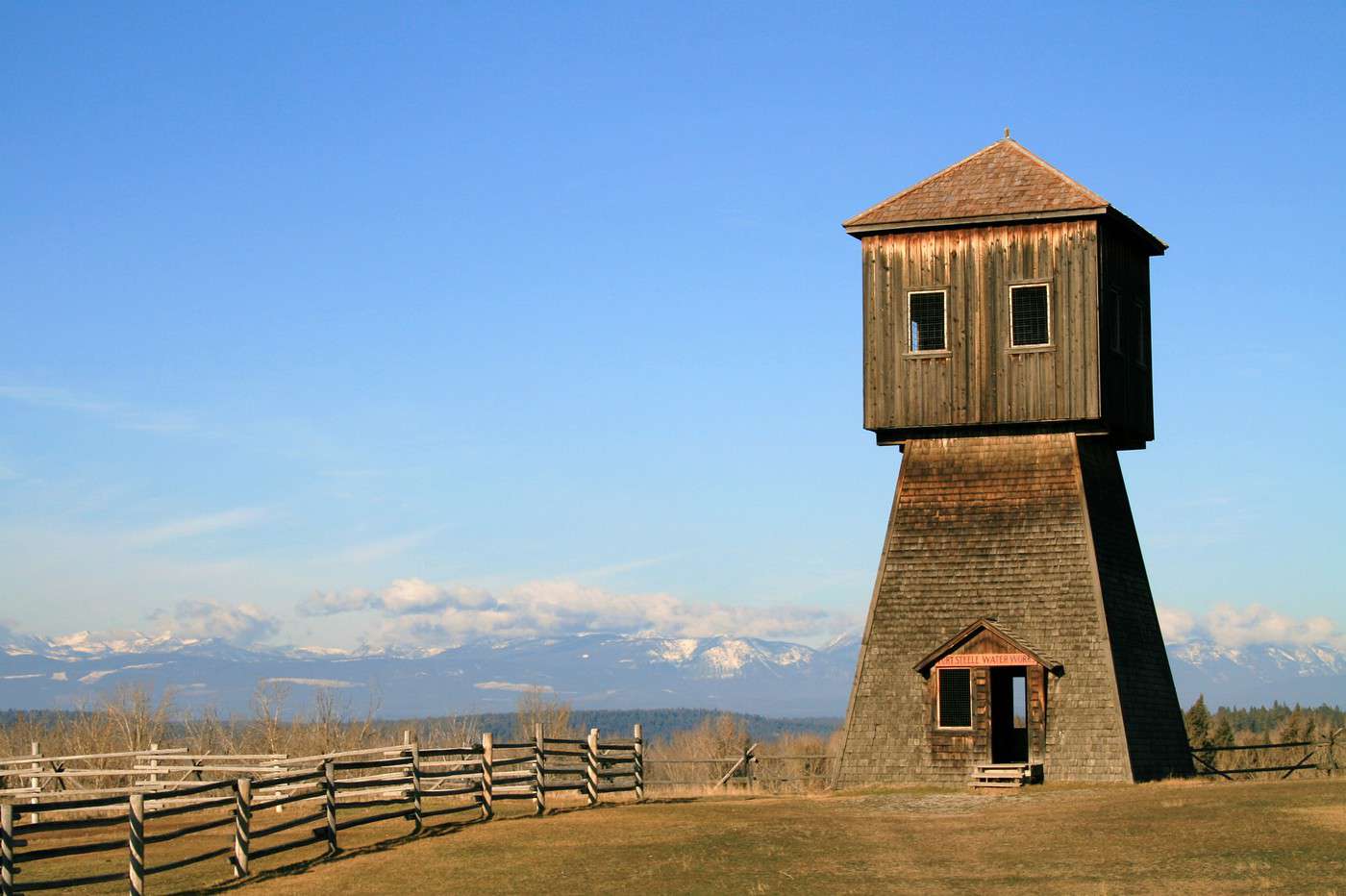
            Fort Steele, Colombie-Britannique, Canada
            Fort Steele, Colombie-Britannique, Canada · © VoyageForum

            Key Dates

            View guide page: History of Canada

            Canadian Society

            Population

            Political Institutions

            Economy

            Religion

            The majority of Canada's population is Christian (67%), either Catholic or Protestant. Other religions are also present but in much smaller numbers: Islam (3.2%), Hinduism (1.5%), Sikhism (1.4%), Buddhism (1.1%), and Judaism (1%). Nearly 24% of the population has no religious belief.

            View guide page: Canadian Society

            Culture and Customs of Canada

            Arts, Crafts, and Architecture

            Arts

            Crafts

            Architecture

            Museums

            Customs and Traditions

            Local Traditions

            Etiquette

            Dress and Behavior

            Sensitive or Taboo Topics

            Languages

            Glossary

            A few local words or expressions useful to know when traveling:

            Festivals and Holidays

            Major Events and Public Holidays

            January 1: New Year's Day.

            February (2nd Monday): Family Day (British Columbia).

            February (3rd Monday): Family Day (Alberta, Ontario, Manitoba, Prince Edward Island, Saskatchewan, and Nova Scotia).

            February 26: Heritage Day (Yukon only).

            March or April: Good Friday.

            March or April: Easter Monday.

            May (Second-to-last Monday): Victoria Day.

            June 21: National Indigenous Peoples Day (Northwest Territories only).

            June 24: Quebec National Holiday (Quebec only).

            July 1: Canada Day.

            July 9: Nunavut Day (Nunavut only).

            August 1: Civic Holiday (All provinces except Quebec and Yukon).

            August (3rd Monday): Discovery Day (Yukon only).

            September (1st Monday): Labour Day.

            October (2nd Monday): Thanksgiving.

            November 11: Remembrance Day.

            December 25: Christmas.

            December 26: Boxing Day.

            Books, Films, and Music

            View guide page: Culture and Customs of Canada

            What to See in Canada

            UNESCO World Heritage Sites

            Canada has 18 sites inscribed on the UNESCO World Heritage list. Quite logically, apart from Old Quebec and one or two other places, these are all natural spaces spread across the Canadian territory. Among the most well-known or remarkable listed sites are the stunning Canadian Rockies Parks (seven combined parks and reserves), the Waterton-Glacier straddling Alberta and the USA (Montana), and Wood Buffalo National Park, which is the second largest in the world.

            By Region

            Each region of Canada is rich in sites and other places to discover:
            • What to See in British Columbia: first and foremost, the capital Victoria, Vancouver and its namesake island, the Sunshine Coast shoreline, the parks of the Canadian Rockies, those of the glaciers and Mount Robson, or the Sea-to-Sky Corridor.
            • What to See in Northern Canada: including Dawson City and Whitehorse, Nahanni, Kluane, Auyuittuq, and Wood Buffalo National Parks, plus the Alaska Highway.
            • What to See in Ontario: the urban areas of Ottawa and Toronto, the Thousand Islands archipelago, Lake Superior, Sandbanks Provincial Park, and of course Niagara Falls for the essentials.
            • What to See in the Prairies: notably the cities of Calgary, Edmonton, and Winnipeg, the Rockies parks, Waterton-Glacier International Peace Park, Wood Buffalo, and Elk Island.
            • What to See in Quebec: including Montreal, Quebec City, Tadoussac, Percé and its famous rock, the Saguenay, Lake Saint-Jean, Gaspésie, and Charlevoix...
            View guide page: What to See in Canada

            Things to Do in Canada

            Beaches and Seaside Resorts

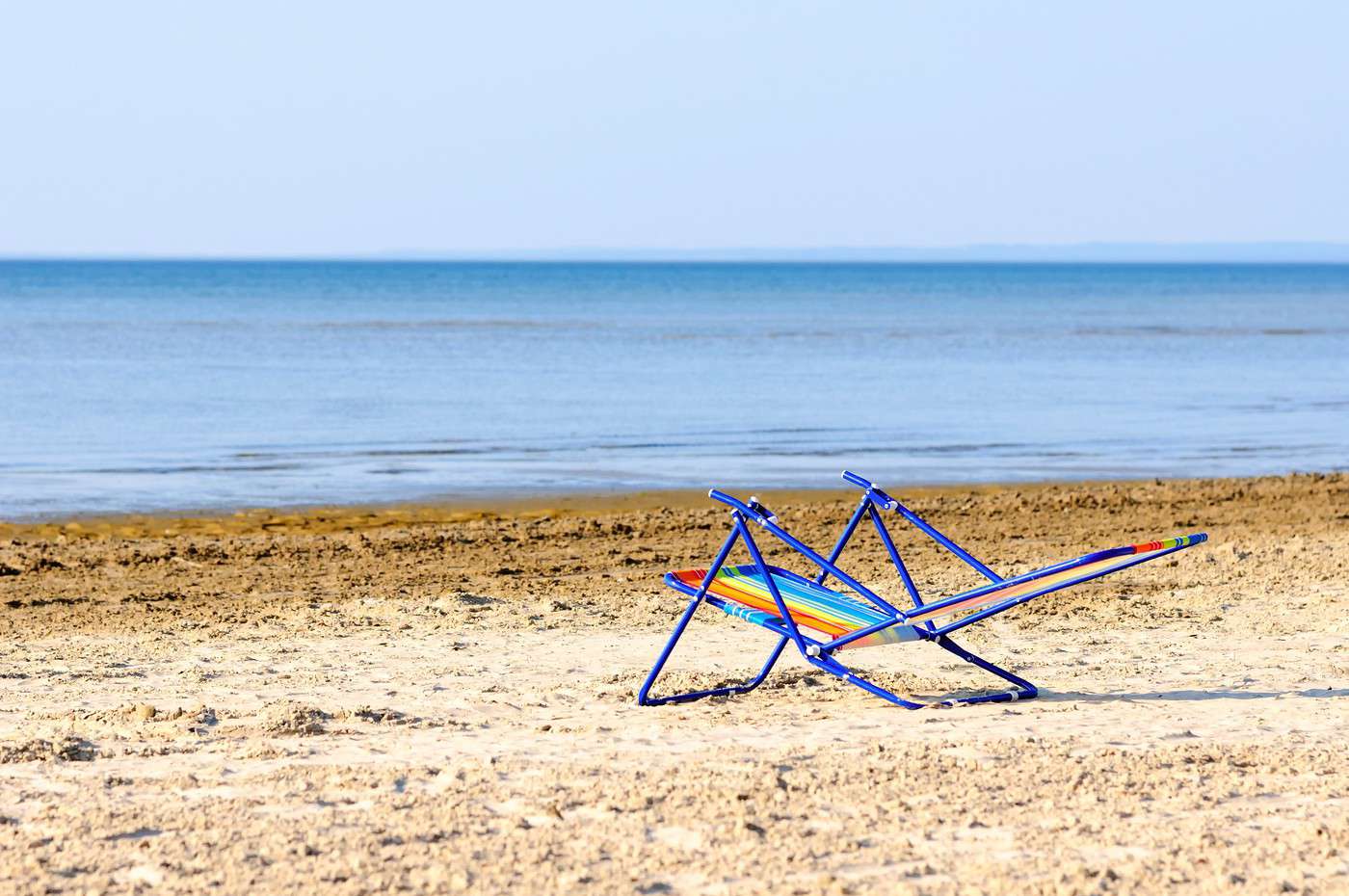
            Wasaga Beach, Ontario, Canada
            Wasaga Beach, Ontario, Canada · © VoyageForum

            Water Activities

            Fishing:

            Diving:

            Surfing and Board Sports:

            Sailing and Sea Excursions:

            Whale Watching:

            Thalassotherapy and Wellness

            Hiking

            Hiking on Foot

            Cycling

            Horseback Riding

            Winter Activities

            Station de ski du lac Louise, Alberta, Canada
            Station de ski du lac Louise, Alberta, Canada · © VoyageForum

            Skiing

            Other Activities

            Outdoor and Nature Sports

            Golf

            Hunting and Fishing

            Whitewater Activities

            Climbing and Mountain Activities

            Paragliding and Aerial Sports

            Caving

            Cultural Life and Activities

            Nightlife and Going Out

            View guide page: Things to Do in Canada

            Types of Travel in Canada

            Travel Themes

            • Interests (rated ): Nature ; Adventure ; Culture ; Relaxation-holidays .

            Nature-Adventure

            Culture

            Relaxation-Holidays

            Independent

            Organized

            Many travel agencies offer different types of tours (guided or independent) to visit Canada. Most of these itineraries are pre-set.

            Canada can also be explored on a self-drive tour. This allows you to travel through regions at your own pace in your own vehicle and personally choose the attractions from those offered in travel agency programs. The tours mainly focus on Quebec and Ontario in Eastern Canada, as well as British Columbia and the Prairies (Alberta) in Western Canada. Guided tours are also available in the Yukon in Northern Canada.

            Family

            To Do

            To Avoid

            Senior

            Female Travelers

            Gay, Lesbian

            Disability Access

            View guide page: Types of Travel in Canada

            When and Where to Go in Canada

            Best Times to Visit Canada

            Finding the best time to visit means balancing climate constraints with crowd levels and the most attractive prices for travel and on-site costs.

            Jan.Feb.Mar.Apr.MayJun.Jul.Aug.Sep.Oct.Nov.Dec.
            Climate
            Avoid crowds
            Low prices

            : very favorable | : favorable | : moderately favorable | : unfavorable.

            Where to Go by Travel Type and Interest

            View guide page: When and Where to Go in Canada

            Travel and suggested itineraries in Canada

            Choosing based on time

            Canada is vast, making it difficult to see everything in the country even if you have several months and use flights to cover long distances.

            What you can do in...

            • A long weekend: Despite the transatlantic journey potentially discouraging some, many Europeans take advantage of a long weekend for a getaway or to explore a major city like Montreal or Quebec City.
            • 1 week: This allows you to explore a city or region in more depth or focus on the highlights by visiting several areas within the same province.
            • 2 weeks: Enough time to visit the main attractions of one or two regions, such as Quebec and Ontario or the major cities and national parks of Western Canada.
            • 3 weeks: Ideal for touring the main tourist regions of Quebec, including the Gaspésie, or Quebec and Ontario (Niagara Falls, Thousand Islands), or exploring the best of Canada from east to west.
            • 1 month: The same as above, with more flexibility or a few detours into neighboring regions.
            • 45 days: A good duration to explore either the East or the West of the country.
            • 3 months: Allows you to visit almost all of Canada.
            • 6 months: The maximum duration without a visa for many nationalities, giving you plenty of time to tour the entire country.

            Some itinerary ideas for Canada

            Must-see

            Unique

            Family-friendly

            Based on duration

            View guide page: Travel and suggested itineraries in Canada

            Flying to Canada

            General Information

            Air transport is a vital sector of the Canadian economy. Given the country's vast size, distance and travel time are significant factors when moving around. Additionally, some regions are only accessible by plane. Most Canadian airports with regular flights are managed by the federal government, which ensures aviation safety and regulates airline operations.

            Most Canadian carriers are members of ATAC (Air Transport Association of Canada), headquartered in Ottawa. Furthermore, companies offering regular international flights also belong to IATA (International Air Transport Association), based in Montreal.

            Canada is served by a large number of airlines, including Air Canada, Air France, and Air Transat, among others, as well as major U.S. carriers. The main airports are Vancouver, Toronto, Montreal, and Halifax.

            Local Airlines

              Canada has around forty carriers, with Air Canada, WestJet, and Air Transat being the most internationally recognized.

              Charters, Scheduled, and Low-Cost Flights

              Deals and Special Offers

              From France

              Direct or Connecting Flights

              From the Rest of Europe

              From the Rest of the Americas

              From Elsewhere

              Additional Information

              View guide page: Flying to Canada

              Canadian Airlines

              Preview temporarily unavailable.

              Getting to Canada by Land or Sea

              By Land

              Borders

              Canada shares an 8,893 km border with the United States, including 2,477 km with the Alaska.

              Access from the United States

              Access from Alaska

              By Sea

              Ferries

              Cargo

              Cruises

              Sailboats

              View guide page: Getting to Canada by Land or Sea

              Getting Around Canada

              Route Transcanadienne, Colombie-Britannique, Canada · © VoyageForum Like every other country, Canada has its own driving and road rules, which may vary slightly from one province to another. Driving is on the right side of the road, and seat belts…

              Read the full guide: Getting Around Canada

              Accommodation in Canada

              Overview of the Offer

              Accommodation options in Canada are highly diverse, with prices and services to suit every budget. However, be aware that rates can rise significantly during peak tourist season, school holidays, and certain special events.

              Types of accommodation include:

              • Hotels and motels of all kinds
              • Youth hostels
              • Private or state-run campgrounds
              • Chalets, condos, or houses
              • Bed & Breakfasts (B&Bs)
              • "Unique" accommodations like igloos, tipis, yurts, etc.
              • Holiday centres
              • Student residences

              Hotels and Motels of All Kinds

              Youth Hostel

              Camping

              Staying with Locals

              B&Bs and Similar

              Home Exchange

              Other Options

              Choosing Your Accommodation

              View guide page: Accommodation in Canada

              Entry Requirements and Visa for Canada

              People

              For travel with a tourist purpose.

              For French Citizens

              No visa is required for a stay of less than six months. The passport must be valid for the entire duration of the stay, and a return or onward ticket as well as proof of financial means are required.

              All visitors arriving or transiting by air in Canada must, however, obtain an Electronic Travel Authorization (eTA) via the official Government of Canada website (no need to go through an intermediary). This form must be completed online before departure, with a fee of $7 CAD. In most cases, approval is nearly immediate. The eTA is then valid for 5 years.

              Other Nationalities

              The same applies to Belgians, Swiss nationals, citizens of the European Union, and a few other nationalities.

              Arrival by Land or Sea

              An eTA is not required if arriving in Canada by land or sea.

              Long Stays

              In Case of Offense

              Vehicles

              Consulates

              In France

              Consulate General: 35 Avenue Montaigne, 75008 Paris. Tel.: 01 44 43 29 02.

              Consulates in the Provinces

              • Lyon: 18 Avenue du Maréchal de Saxe, 69006 Lyon. Tel.: 04 72 37 86 67.
              • Nice: 10 Rue Lamartine, 06000 Nice. Tel.: 04 93 92 93 22.
              • Toulouse: 10 Rue Jules de Rességuier, 31000 Toulouse. Tel.: 05 61 52 19 06.

              Other Countries

              In Belgium

              In Switzerland

              View guide page: Entry Requirements and Visa for Canada

              Money, Budget, and Shopping in Canada

              Money

              Currency

              • Currency: Canadian dollar (100 cents)
              • Banknotes: 5, 10, 20, 50 and 100 CAD$
              • Coins: 5, 10, 25 cents + 1 and 2 CAD$
              • Exchange:

              Exchange

              Currency exchange offices can generally be found in major cities and main airports across Canada. Foreign currency exchange is also available at banking institutions, and it’s possible to withdraw Canadian dollars from most ATMs nationwide.

              Hotels, restaurants, and large stores may accept certain foreign currencies, but the exchange rate is usually less favorable than at a bank.

              Which currency to bring

              It’s best to obtain Canadian dollars before departure, as the final exchange rate is typically better.

              Payment methods

              Major credit cards, including American Express, MasterCard, and Visa, are accepted everywhere in Canada for all transactions. However, be mindful of bank fees if you make multiple small purchases or withdrawals. Still, it’s wise to carry some cash, especially in rural areas or for using public transportation (city buses).

              Upon return

              While it’s always preferable not to re-exchange money you’ve already converted, any leftover Canadian dollars can easily be exchanged at banks after returning home.

              Budget

              What can be expensive

              What can be inexpensive

              Price range

              • Budget hotel double room:
              • Mid-range hotel double room:
              • Snacks, local restaurant meal:
              • Mid-range restaurant meal:
              • Budget car rental:
              • 100 km by bus:
              • 100 km by train:
              • Taxi:
              • Urban bus:

              Bargaining and tipping

              Bargaining

              Tipping

              Shopping and souvenirs

              What to bring back

              View guide page: Money, Budget, and Shopping in Canada

              Health and Safety in Canada

              In France, both for individuals and professionals, the "travel advice" from the Ministry of Foreign Affairs regarding precautions for each country has legal value. A similar online travel advice system exists in several countries: Foreign Affairs Belgium…
              Read the full guide: Health and Safety in Canada

              Other Practical Information for Canada

              International dialling code: (00 +) 1. Wi-Fi is available in most Canadian cities. It’s relatively easy to access, as there are many internet cafés and café-restaurants that offer this service to their customers. Hotels generally also provide Wi-Fi for their…

              Read the full guide: Other Practical Information for Canada

              Overview of North America

              Canada : A vast country that, from the Maritime Provinces to British Columbia via Quebec or the Far North, offers astonishing diversity. Landscapes change with the seasons, and each region stands out through its historical heritage and natural riches. United…

              Read the full guide: Overview of North America

              What to See and Do in North America

              Key Highlights

              Interests (rated ): Nature ; Adventure ; Culture ; Relaxation-Holidays

              Nature-Adventure

              Culture

              Relaxation-Holidays

              View guide page: What to See and Do in North America

              Entry Requirements and Money in North America

              Entry Requirements and Visa

              For travel with a tourist purpose.

              French Citizens

              Other Nationalities

              Vehicles

              Money and Budget

              Currency Exchange

              Which Currency to Bring?

              Payment Methods

              Budget

              What can be expensive:

              What may not be expensive:

              Bargaining:

              Tipping:

              View guide page: Entry Requirements and Money in North America

              Health and Safety in North America

              In France, for both individuals and professionals, the travel advice from the Ministry of Foreign Affairs regarding precautions for each country has legal value. A similar online travel advice system exists in several countries: Foreign Affairs Belgium…

              Read the full guide: Health and Safety in North America

              Saint Pierre and Miquelon

              This tiny French archipelago just a few kilometres off the Canadian coast is not at all touristy and mainly attracts visitors from mainland France, either for family or professional reasons. Introduction to Saint Pierre and Miquelon Geography and Environment of Saint Pierre and Miquelon Climate and Weather in Saint Pierre and Miquelon History of Saint Pierre and Miquelon Society of Saint Pierre and Miquelon Culture and Customs of Saint-Pierre-et-Miquelon Cuisine of Saint-Pierre and Miquelon What to see and do in Saint Pierre and Miquelon Types of Trips to Saint Pierre and Miquelon Flying to Saint Pierre and Miquelon Getting to Saint-Pierre and Miquelon by Sea Getting Around in Saint Pierre and Miquelon Accommodation in Saint Pierre and Miquelon Entry Requirements and Visa for Saint Pierre and Miquelon Money, Budget, and Shopping for Saint Pierre and Miquelon Health and Safety in Saint Pierre and Miquelon Other practical information for Saint Pierre and Miquelon Living in Saint-Pierre and Miquelon
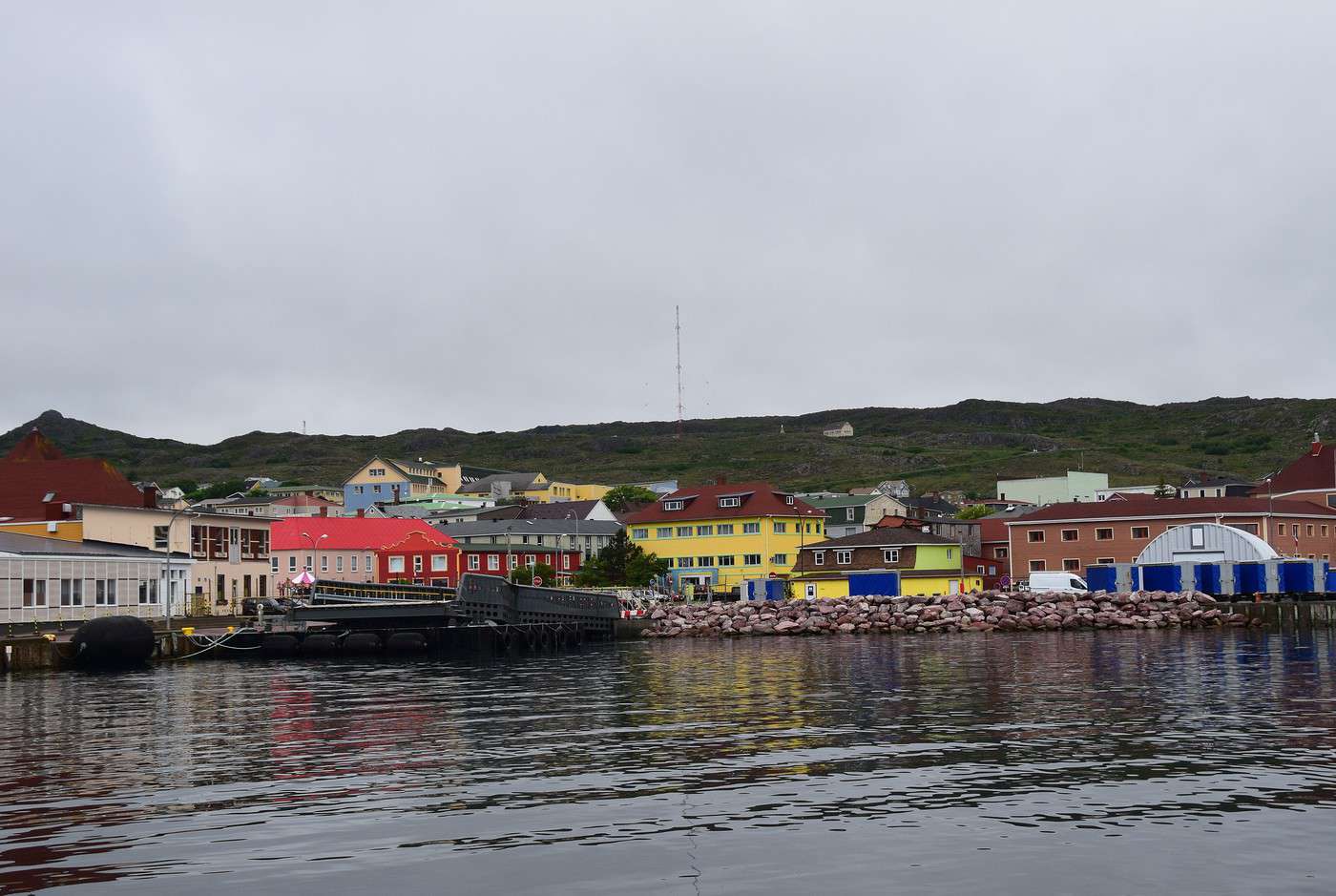
              Saint-Pierre, Saint-Pierre-et-Miquelon
              Saint-Pierre, Saint-Pierre-et-Miquelon · © VoyageForum

              Further reading on VoyageForum

              View guide page: Saint Pierre and Miquelon

              Introduction to Saint Pierre and Miquelon

              Preview temporarily unavailable.

              Geography and Environment of Saint Pierre and Miquelon

              Preview temporarily unavailable.

              Climate and Weather in Saint Pierre and Miquelon

              Preview temporarily unavailable.

              History of Saint Pierre and Miquelon

              Preview temporarily unavailable.

              Society of Saint Pierre and Miquelon

              Preview temporarily unavailable.

              Culture and Customs of Saint-Pierre-et-Miquelon

              Preview temporarily unavailable.

              Cuisine of Saint-Pierre and Miquelon

              Preview temporarily unavailable.

              What to see and do in Saint Pierre and Miquelon

              Preview temporarily unavailable.

              Types of Trips to Saint Pierre and Miquelon

              Preview temporarily unavailable.

              Flying to Saint Pierre and Miquelon

              Preview temporarily unavailable.

              Getting to Saint-Pierre and Miquelon by Sea

              Preview temporarily unavailable.

              Getting Around in Saint Pierre and Miquelon

              Preview temporarily unavailable.

              Accommodation in Saint Pierre and Miquelon

              Preview temporarily unavailable.

              Entry Requirements and Visa for Saint Pierre and Miquelon

              Preview temporarily unavailable.

              Money, Budget, and Shopping for Saint Pierre and Miquelon

              Preview temporarily unavailable.

              Health and Safety in Saint Pierre and Miquelon

              Preview temporarily unavailable.

              Other practical information for Saint Pierre and Miquelon

              Preview temporarily unavailable.

              Living in Saint-Pierre and Miquelon

              Preview temporarily unavailable.

              Greenland

              A rugged, wild, and icy land, this vast island is captivating. Unfortunately, tourist opportunities are extremely limited and often prohibitively expensive, even for discovery cruises. Introduction to Greenland Greenland: Geography and Environment Climate and Weather in Greenland History of Greenland Greenlandic Society Culture and Customs of Greenland Greenlandic Cuisine What to See in Greenland Things to Do in Greenland Types of Travel in Greenland When and Where to Go in Greenland Travel and suggested itineraries in Greenland Flying to Greenland Getting to Greenland by Sea Getting Around Greenland Accommodation in Greenland Entry Requirements and Visa for Greenland Money, budget and shopping in Greenland Health and Safety in Greenland Other practical information for Greenland Living in Greenland
              Fjord d'Ilulissat, Groenland
              Fjord d'Ilulissat, Groenland · © VoyageForum

              Additional Information on VoyageForum

              View guide page: Greenland

              Introduction to Greenland

              Preview temporarily unavailable.

              Greenland: Geography and Environment

              Preview temporarily unavailable.

              Climate and Weather in Greenland

              Preview temporarily unavailable.

              History of Greenland

              Preview temporarily unavailable.

              Greenlandic Society

              Preview temporarily unavailable.

              Culture and Customs of Greenland

              Preview temporarily unavailable.

              Greenlandic Cuisine

              Preview temporarily unavailable.

              What to See in Greenland

              Preview temporarily unavailable.

              Things to Do in Greenland

              Preview temporarily unavailable.

              Types of Travel in Greenland

              Preview temporarily unavailable.

              When and Where to Go in Greenland

              Preview temporarily unavailable.

              Travel and suggested itineraries in Greenland

              Preview temporarily unavailable.

              Flying to Greenland

              Preview temporarily unavailable.

              Getting Around Greenland

              Preview temporarily unavailable.

              Accommodation in Greenland

              Preview temporarily unavailable.

              Entry Requirements and Visa for Greenland

              Preview temporarily unavailable.

              Money, budget and shopping in Greenland

              Preview temporarily unavailable.

              Health and Safety in Greenland

              Preview temporarily unavailable.

              Other practical information for Greenland

              Preview temporarily unavailable.

              Living in Greenland

              Preview temporarily unavailable.

              Getting to Greenland by Sea

              Preview temporarily unavailable.

              Something wrong or out of date? Report this page